Hospitality
INSIDE MODERN HOSPITALITY LEADERSHIP AT EDGE RIYADH AL RABIE, ROTANA

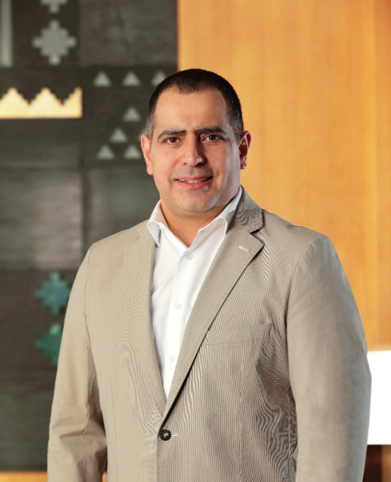
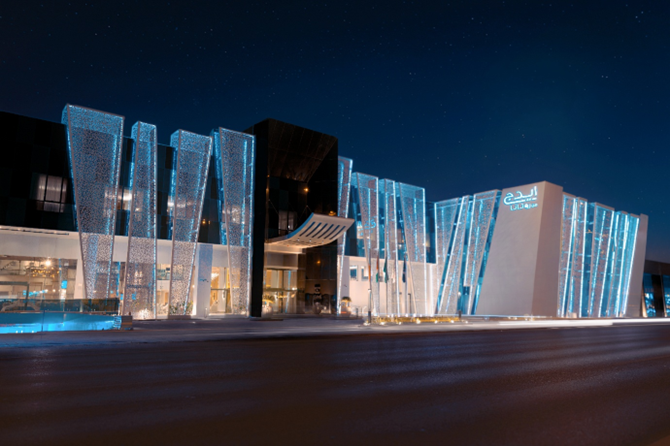
Exclusive interview with Kozhaya Tannous, Cluster General Manager, Edge by Rotana
In a market like Riyadh where expectations are evolving rapidly, what does ‘modern hospitality’ actually look like in practice, not conceptually, but in how guests experience your properties day-to-day?
Modern hospitality in Riyadh is about delivering effortless, intuitive experiences that feel personal at every touchpoint. It is no longer only about facilities or design; it is about how naturally a guest feels understood throughout their journey.
For us, it means combining technology-enabled efficiency with genuine human warmth. Guests expect speed, simplicity, and consistency but they also value authenticity and cultural understanding.
On a day-to-day level, this translates into smooth arrivals, responsive teams, and a service culture that anticipates needs rather than reacts to them. Modern hospitality here is about being present, attentive, and consistently reliable.
Managing a cluster means managing complexity at scale, what has been the hardest leadership adjustment moving from single property to cluster oversight?
The biggest shift has been moving from hands-on operational leadership to empowering leaders across multiple properties.
In a single hotel, you are close to every detail. In a cluster, success depends on building strong teams, clear alignment, and trust in execution.
The challenge is not stepping away; it is stepping back without losing standards. You learn to lead through structure, clarity, and empowerment, ensuring every property reflects the same brand promise while adapting to its own market reality.
Ultimately, you move from managing operations to enabling performance at scale.
Riyadh operates at a unique intersection of rapid growth and cultural depth, what specific shifts have you made in your leadership style to stay effective in this environment?
Riyadh is a dynamic and fast-moving market, but it is also deeply rooted in culture and expectations. That combination requires a leadership style that is both agile and grounded. I have become more intentional in listening whether to guests, teams, or stakeholders. Decisions are made faster, but they are also made with greater awareness of context. I also place strong emphasis on visibility and presence on the ground. In this market, leadership is felt most when it is close to the operation and engaged with people directly. It is about balancing speed with respect, and growth with cultural understanding.
In a market dominated by luxury narratives, how does Edge by Rotana carve out a distinct value proposition without being perceived as just another midscale offering?
Edge by Rotana represents a smart, modern, and efficient approach to hospitality, designed to align with the evolving needs of today’s travellers. Rather than competing in the traditional luxury space, the brand offers a distinct value proposition that reflects how people live, work, and travel today. It focuses on delivering practical comfort with consistency, ensuring guests experience a seamless and reliable stay every time. Service is intentionally efficient and streamlined, removing unnecessary complexity while maintaining high standards of quality and care. At the same time, Edge embraces contemporary, lifestyle-driven experiences that resonate with a new generation of travellers seeking flexibility, convenience, and authenticity. This approach creates a hospitality offering that is both relevant and accessible, without compromising on the details that matter most. By combining thoughtful design, intuitive service, and a clear understanding of modern expectations, Edge by Rotana delivers a well-balanced experience that prioritises comfort, functionality, and ease, making it an ideal choice for business and leisure travellers alike.
With Vision 2030 accelerating inbound tourism, how is demand in Riyadh evolving beyond corporate travel?
Riyadh is rapidly evolving into a multi-dimensional destination, moving beyond its traditional positioning as a primarily corporate hub. While business travel continues to play a significant role, there is a clear and growing shift in demand across several segments, including leisure and cultural travel, weekend regional tourism, and family-focused domestic stays. The rise of “bleisure” travel is also becoming increasingly evident, with guests blending business commitments with personal time and seeking more flexible, extended stays. This shift is contributing to a more diverse and dynamic hospitality landscape, where expectations go beyond just accommodation. Today’s travellers are staying longer and looking for more immersive, experience-driven offerings that allow them to connect with the destination, whether through cultural exploration, lifestyle amenities, or curated social experiences. As a result, hotels are adapting to meet these evolving needs, focusing on creating well-rounded stays that cater to both business and leisure, while delivering greater value and relevance to a broader audience.
With shifting geopolitical dynamics across the region, have you observed any tangible changes in travel corridors or source markets into Riyadh, and how does that influence your commercial strategy?
We are seeing a broader and more diverse mix of source markets into Riyadh.
Regional GCC travel remains strong, while international corporate and project-related travel from Europe and Asia continues to grow.
This has led us to adopt a more segmented commercial approach, tailoring our engagement strategies to different guest profiles and travel purposes. At the same time, partnerships and strategic alignment with stakeholders have become even more important in capturing new demand flows.
With global economic fluctuations and geopolitical shifts, how resilient is the Riyadh hospitality market?
Riyadh remains one of the most resilient hospitality markets globally. This resilience is driven by long-term structural growth under Vision 2030, ongoing mega-project development, and strong inbound investment. While global economic fluctuations influence travel patterns, Riyadh’s demand base is supported by diverse and long-term drivers that continue to expand the market sustainably.
What’s one guest behaviour trend in Riyadh that has forced you to rethink traditional hospitality assumptions?
One of the most significant changes is the rise of the highly informed, highly connected guest.
Today’s guests expect control, transparency, and instant responsiveness. They want to shape their experience in real time rather than follow a fixed service structure.
This has encouraged us to rethink traditional service flows and move toward a model that is more flexible, responsive, and guest-led while still maintaining the warmth and consistency Rotana is known for. Hospitality today is about adapting to the guest without losing the human touch.