Hospitality
WHY CREDIBLE SUSTAINABILITY STILL WINS IN AN INFLATIONARY MARKET

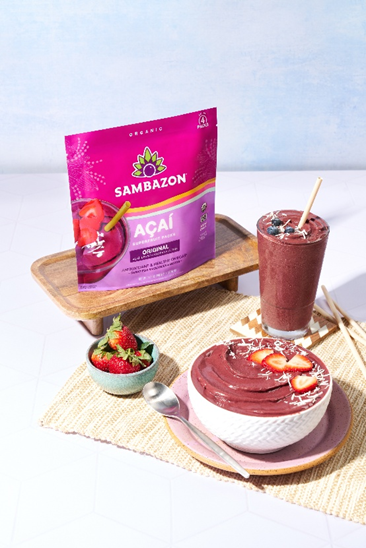


Ryan Black, Co-founder & CEO of SAMBAZON – the organic, fair trade and sustainable açaí brand – shares that the future of sustainability belongs to brands that can show measurable metrics, independent audits and full supply chain transparency.
Consumers are willing to pay more for sustainable products, even when inflation continues to shape purchasing decisions. For hospitality businesses, this is an important signal. It underlines that sustainability still carries commercial value, particularly in premium cafés, hotels, restaurants and foodservice settings where quality, provenance and brand trust all influence buying behaviour.
At the same time, consumers are becoming quicker to question the claims behind the products they buy. They may still value sustainability, but they are far less willing to accept broad environmental language without evidence. For hospitality operators, that creates a clear challenge. Sustainability can still support premium pricing, but only when it is credible, specific and properly substantiated.
At SAMBAZON, we continue to see strong demand for certified organic and ethically sourced products, despite inflationary pressure. That is especially true across natural retail, specialty grocery, foodservice and premium café channels.
Middle East consumers now actively seek transparency, clean labels and brands with verified impact. Our retail partners report that shoppers are willing to pay more for products that deliver on both quality and purpose, especially when certifications are clearly displayed and backed by third-party verification.


Sustainability = Quality
In hospitality, this premium positioning is often even more visible. Consumers increasingly associate certified organic and fair trade ingredients with superior quality, and that can strengthen menu pricing power. In other words, sustainability does not sit outside the guest experience. It’s part of how quality is perceived.
But hospitality businesses cannot rely on good intentions or attractive messaging.
Today’s consumer expects evidence, not claims.
The proof points that matter most are those that can be verified and explained clearly. That includes recognized certification standards such as Fair for Life and USDA Certified Organic, as well as traceability from harvest to finished product, third-party audits, transparent impact reporting and measurable environmental protection. Consumers also want to understand the wider effect of their purchase; they want to know how their buying decision supports farmers, protects ecosystems and reinvests in communities.
That shift matters, because many of the old shortcuts in sustainability communication no longer work. Terms such as sustainable, ethical, green and eco-friendly can quickly become meaningless if they are too broad or impossible to prove. In our view, those words should only be used when they can be defined clearly and supported by evidence. Internally, every sustainability claim we make has to meet three tests: it must be backed by third-party verification, terms used must be clearly defined, and we must be able to provide supporting data if asked. Whenever possible, we replace adjectives with numbers.
That discipline is important because misconceptions still persist. Some consumers assume that sustainability simply means a higher price without added value. Others confuse natural with certified ethical sourcing. Many still believe sustainability claims are mostly marketing.
In reality, verified sustainability requires audited standards, compliance costs and structural investment across the supply chain. The price reflects those commitments, but it also reflects quality, transparency and long-term environmental stewardship.
For SAMBAZON, ethical sourcing is not a campaign line. It is built into the structure of the business. One hundred per cent of our açaí is certified organic, and our entire supply chain is Fair for Life certified. We work directly with 827 individual açaí harvesters across 256 communities in the Amazon region.
Since our founding, we have invested more than $1 million in harvester communities through verified fair trade premiums, helping to fund schools, health centers and community improvements. In 2024 alone, our Fair Trade-certified harvest area encompassed 100,204 acres of Amazon rainforest, an area more than four times the size of Paris. According to an independent 60 Decibels survey, 100 per cent of harvesters believe SAMBAZON contributes to the development of their community.


Those figures matter in hospitality because they move the conversation away from abstract values and into operational fact. They also help buyers explain why a product costs what it does.
Inflation has increased costs across logistics, packaging and global freight, but we have not reduced our certification standards or sourcing commitments to offset those pressures. We justify price through certified organic quality, verified fair trade sourcing, functional benefits and transparent, documented impact. Retailers and hospitality buyers understand that cutting corners on sourcing may reduce short-term cost, but it can also compromise brand equity and long-term consumer trust.
This is where the industry still gets it wrong. Too many sustainability claims rely on broad, unverified language with little measurable backing. Greenwashing often happens when brands use undefined terms without certification, highlight one positive initiative while ignoring wider supply chain impacts, or avoid third-party verification altogether. That may once have been enough to support a story, but it’s no longer enough to sustain trust.
For hospitality businesses, the lesson is straightforward. Consumers value sustainable products and will often pay more for them, even in a pressured economy. But the premium depends less on promise than on proof.
The future of sustainability communication will belong to brands that can show measurable metrics, independent audits and full supply chain transparency. In hospitality, where trust and perceived quality matter so much, documented proof is no longer a nice addition. It is the standard consumers increasingly expect.