Hospitality
THE FUTURE OF FOOD INNOVATION DOESN’T NEED NEW INGREDIENTS

By: Rashid Gargash – Founder of Rashtions
People often assume Rashtions started because I wanted to create a protein snack.
It didn’t.
It started with a much bigger question: could we use the ingredients already available in our region to create nutritious food capable of feeding entire countries and communities?
That question led me on a journey across the UAE, visiting farms, studying our agricultural landscape and learning more about the resources we already have. Time and again, I came back to two ingredients that have sustained this region for generations: dates and milk.
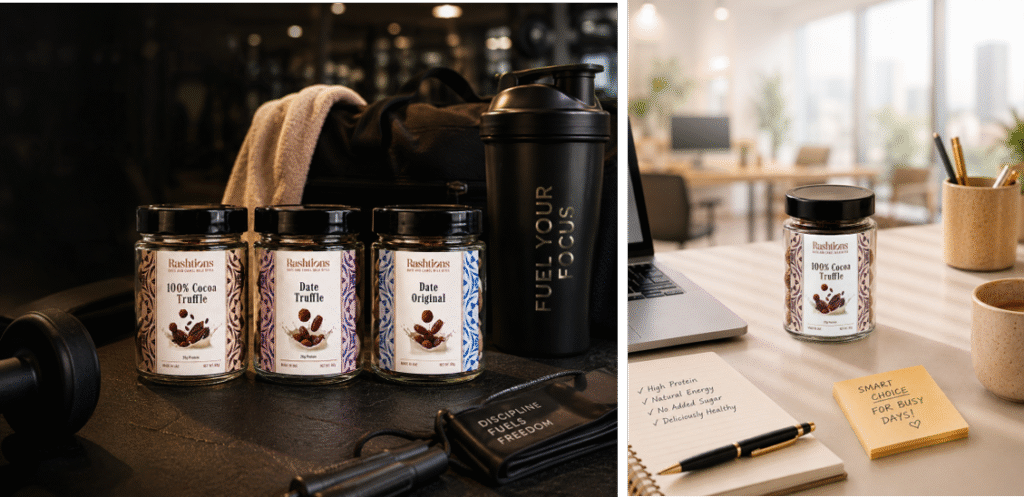
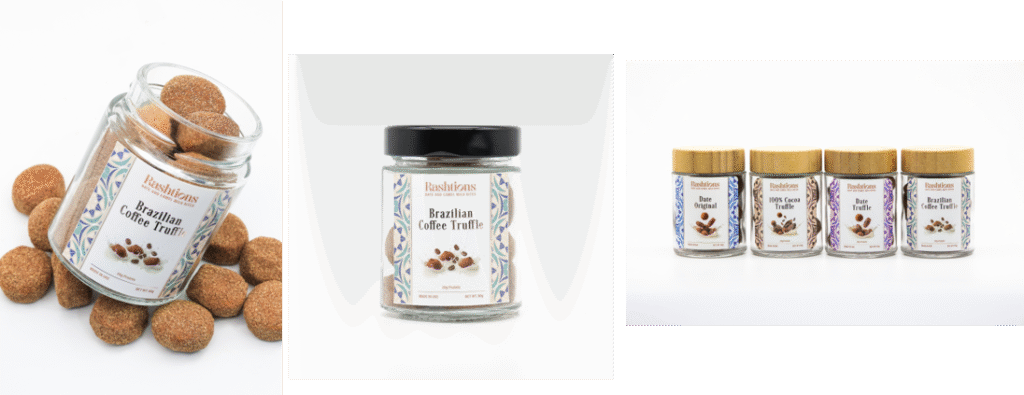
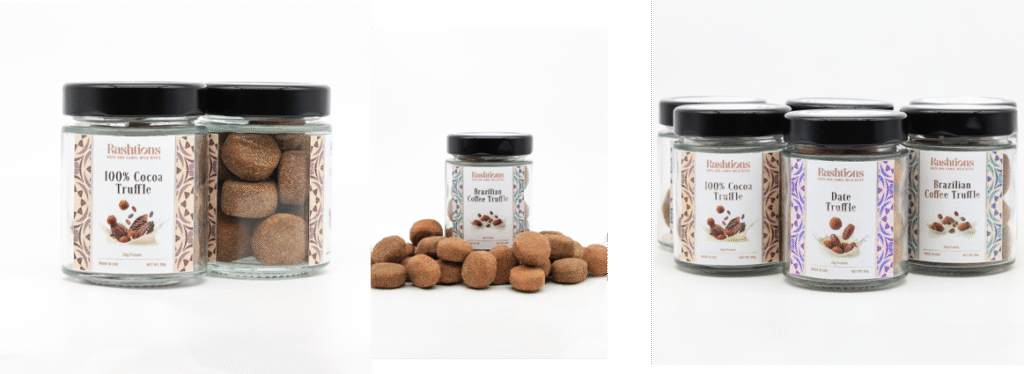
Those ingredients eventually became the foundation of Rashtions – a premium protein truffle made with dates, camel milk and A2 ghee that combines traditional Emirati ingredients with modern nutrition. But the product was never the starting point. It was the outcome of a much broader idea about food innovation.


When people talk about innovation in food, the conversation usually revolves around alternative proteins, artificial intelligence, or entirely new ingredients. Those advances are important, but I believe innovation can also come from looking at familiar ingredients through a different lens.
Across the UAE, we already have ingredients that are naturally nutritious, deeply connected to our heritage and well suited to our environment. Yet they are often overlooked in modern food products in favor of imported alternatives.
That represents an opportunity – not just for entrepreneurs, but for the wider food and hospitality industry.
My earliest prototypes were built in my own kitchen in attempts to create something filling, nutritious and practical. Without access to expensive equipment, I improvised, even modifying a washing machine to perform a task that would normally require laboratory equipment. It was far from perfect, but it allowed me to continue experimenting, learning and improving.
The first product looked nothing like the one consumers know today. It was larger, provided substantial nourishment, and was designed to be handed directly to people who were already holding pots, so it did not have packaging. It could even be heated and eaten as a meal, and it did not taste like emergency food or something heavily preserved.

Later, I refinined the concept through humanitarian nutrition initiatives for children in Africa. When the children ate it, they felt full and this was important to me because the product was not only meant to look nutritious on paper – I wanted it to actually feel like a proper meal.
Eventually, limited funding meant I could no longer produce and distribute the product for free. Rather than abandon the idea, I transformed it into a commercial business so the mission could continue and adapted the product into smaller, easier-to-eat portions that were better suited to different consumers.
That evolution became Rashtions.
Today, the product has become a premium protein truffle, but the original philosophy remains unchanged: use regional ingredients to create practical, nutritious food that fits modern lifestyles.

For me, dates and camel milk were never chosen simply because they are traditional. They are also remarkably functional.
The Khalas Dates we use provide natural carbohydrates for sustained energy, along with fiber and essential minerals. Camel milk offers high-quality protein and naturally contains vitamins and minerals that have made it a valued part of diets across the region for centuries. Combined with wholesome ingredients such as A2 ghee, they create a nutrient-dense snack that delivers natural energy without relying on added sugar, preservatives or artificial sweeteners.
As consumers become increasingly health conscious, they are looking beyond calorie counts. They want recognizable ingredients, clean labels and products that fit into busy lives without compromising on nutrition or taste.
That shift presents an exciting opportunity for the F&B and hospitality industries.
Hotels, cafés and restaurants have always celebrated local flavors through their menus, but there is growing potential to take those same ingredients beyond traditional recipes. Regional ingredients can inspire healthier grab-and-go concepts, functional snacks, premium gifting and contemporary dining experiences that feel both authentic and relevant.
Consumers increasingly value products with a genuine story behind them. They want to understand where ingredients come from, why they were chosen and how they reflect the communities in which they were created.
Hospitality businesses are uniquely positioned to tell those stories.

Using local ingredients is no longer simply about supporting domestic agriculture. It is about creating memorable guest experiences while contributing to more resilient food systems and celebrating the region’s culinary identity.
As the UAE continues positioning itself as a global hub for food innovation, I believe our greatest competitive advantage may already exist within our own agricultural heritage.
Innovation doesn’t always require discovering the next superfood or inventing a revolutionary technology. Sometimes, it begins by recognising the value of what has always been around us and asking a simple question:
How can we make these ingredients relevant for the way people eat today?
For me, that question became Rashtions. But more importantly, it reinforced a belief that extends far beyond one product: the future of food innovation will belong to those who can bridge heritage with modern nutrition, creating food that is not only healthier and more sustainable, but also deeply connected to the places and people it represents.