Hospitality
Celebrating Indonesia’s Independence Through Flavour, Identity and Tradition

Sylvana Sari, Co- Founder and Managing Partner of Bobi Bowl
As Indonesia marks its Independence Day, Bobi Bowl reflects on how food, culture and hospitality help carry Indonesian identity beyond its borders.
From celebrating familiar flavours in Dubai to introducing Indonesian cuisine to new audiences, the restaurant shares what independence, authenticity and “Made in Indonesia” mean in modern hospitality.
How do Indonesians celebrate Independence Day, and how is Bobi Bowl marking the occasion?
Independence Day for us is a celebration of being Indonesian. Food is one of the easiest ways to bring that feeling with you, wherever you are.
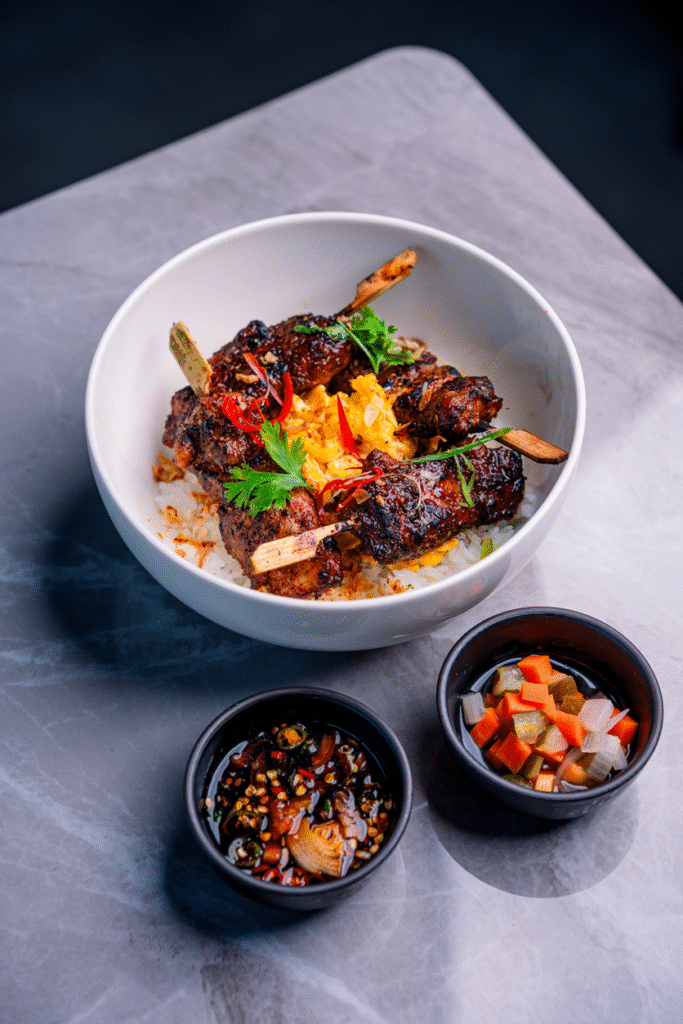
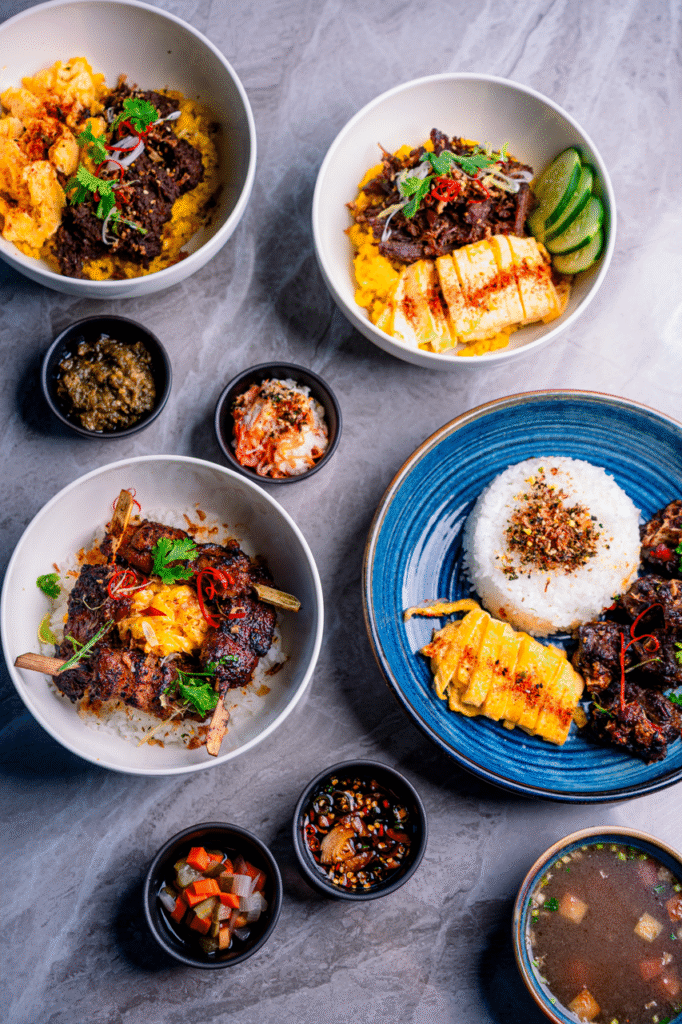
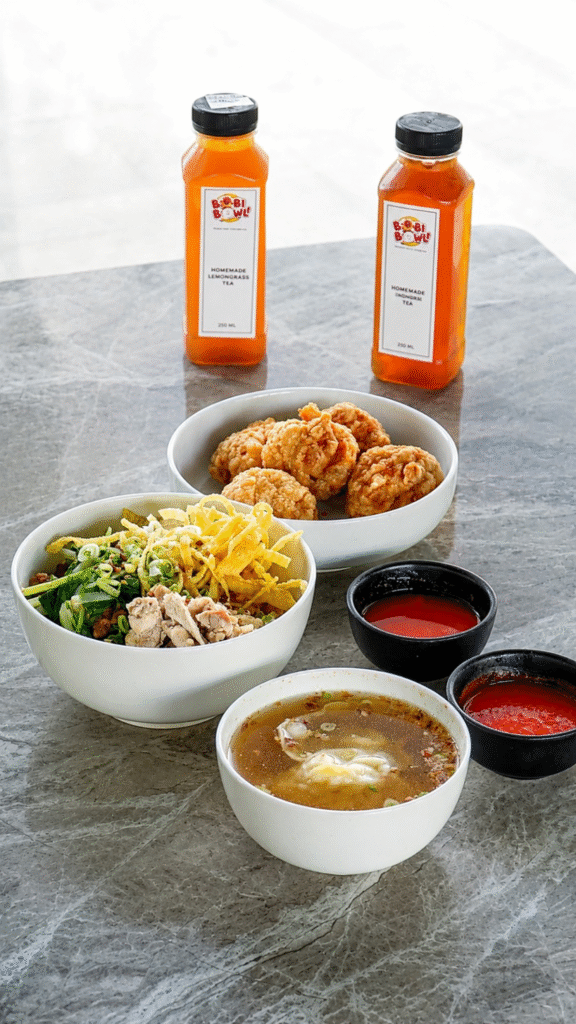
At Bobi Bowl, we do not create a special Independence Day menu because we celebrate Indonesian food every day. Every dish we serve is already a celebration of Indonesia, from our rendang and empal gepuk to nasi goreng, satay and soto. These are dishes that carry memories, culture and a sense of home.
On Independence Day, we simply wanted to share that celebration with everyone. So instead of creating a special menu, we are giving our guests Klepon Merah Putih as a small gesture of sharing, which is such an important part of Indonesian culture.
What does independence mean for Indonesia’s hospitality industry, and how has the sector evolved globally?
I think independence in Indonesia’s hospitality industry is about having the confidence to say: this is who we are, this is what we eat, this is what we celebrate, this is our culture, and we proudly share it with the world.
Indonesia is no longer just a place people travel to for hospitality experiences. Indonesian identity itself is becoming something that can be exported.
Indonesian cuisine, design, wellness, craftsmanship and service culture are increasingly travelling beyond the country’s borders. Restaurants, chefs, hotels and lifestyle brands are introducing Indonesian experiences to international audiences.

How are Indonesian hospitality brands gaining international recognition?
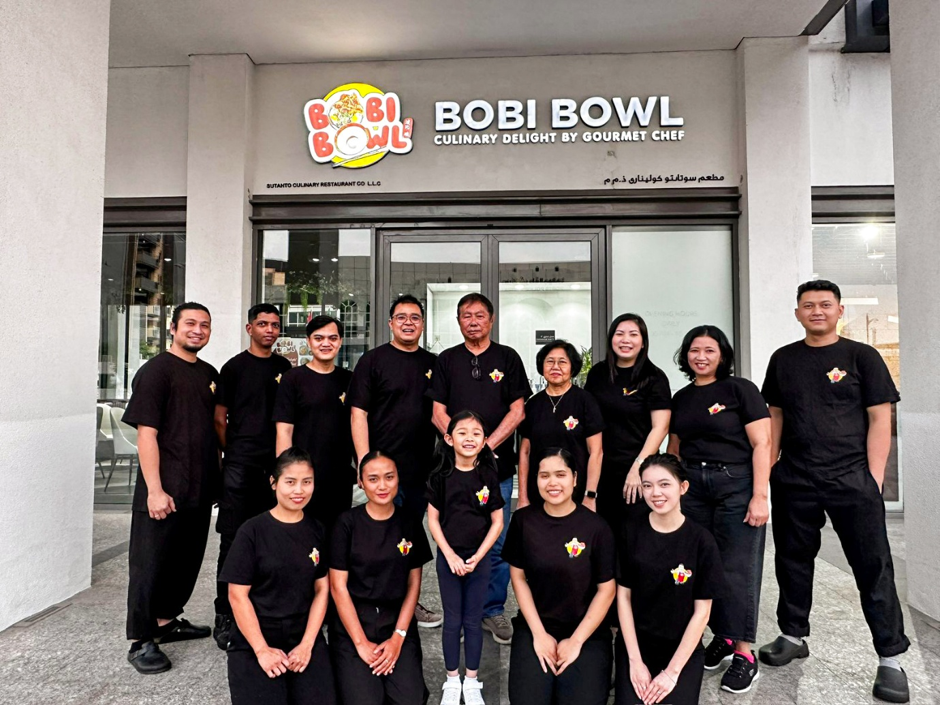
International recognition does not mean making Indonesian hospitality look international. It means making Indonesian hospitality understandable internationally. One of the simplest signs that we are gaining international recognition is when people who are not Indonesian actively choose Indonesian food and hospitality.
For us at Bobi Bowl, we see that every day in Dubai. Our customers are not only Indonesians looking for a taste of home. We have people from different nationalities who come in, discover Indonesian food, come back with their friends, recommend dishes to others and gradually become familiar with flavours they may never have experienced before.
Why is Indonesian identity important in modern and luxury hospitality?
I think we sometimes define luxury too much by price. Luxury hospitality does not mean that it has to be expensive or inside a five-star hotel. For me, luxury is also about rarity, authenticity and emotional value.
Something that is ordinary in Indonesia can become a luxury when you experience it abroad. For Indonesians living overseas, having food that genuinely tastes like home can feel like a luxury. At the same time, for someone who has never experienced Indonesian food, that same dish can be their first introduction to our culture.

How are local talent, suppliers and operators helping bring Indonesian hospitality to new markets?
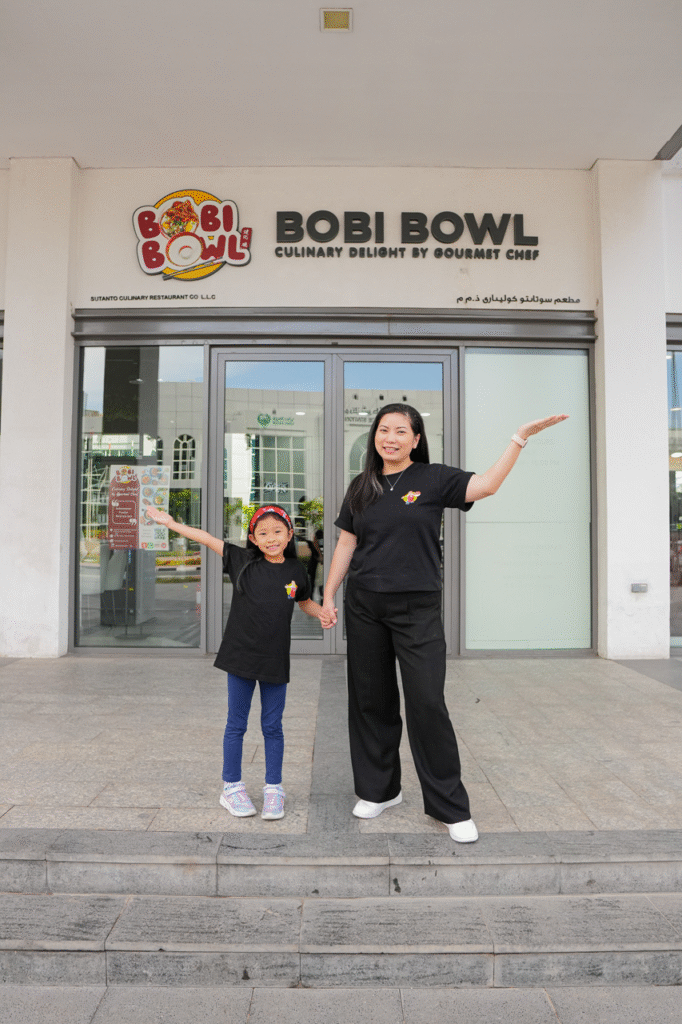
We do not expect people to already understand Indonesian food. Part of our role is to make it approachable while still keeping the Indonesian character of the food.
Local talent and operators are important because they are the ones who actually bring Indonesian hospitality to life. Indonesian hospitality is not just about the food itself. It is about the people who understand the food, the culture and the way we want people to experience it.
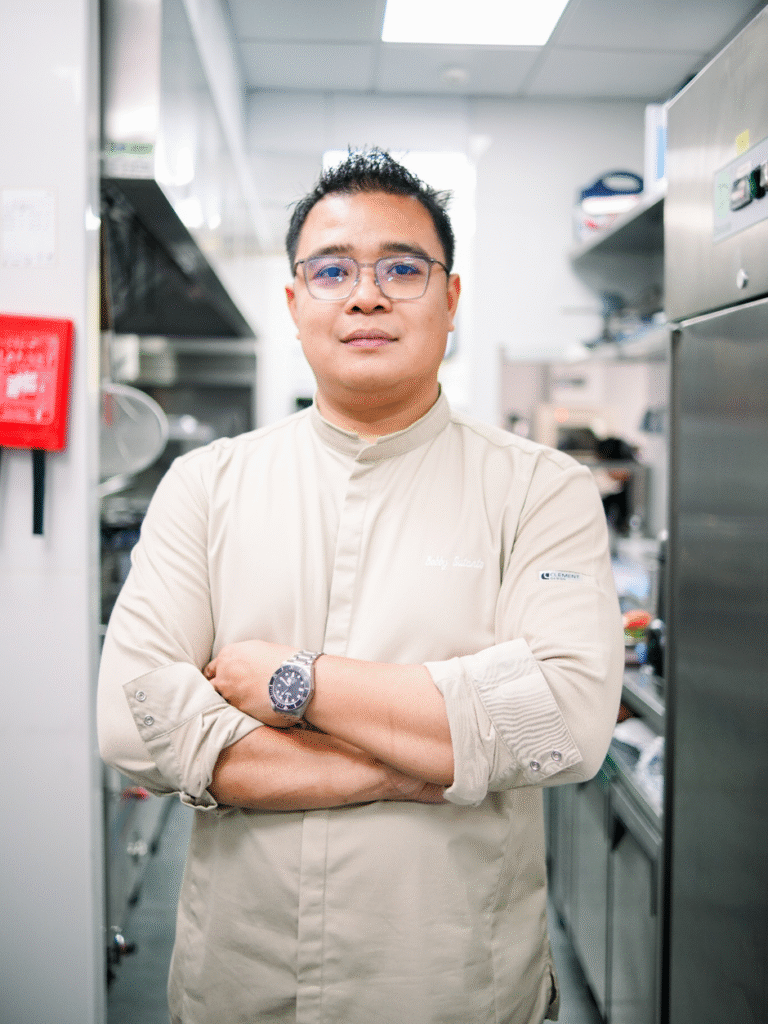
At Bobi Bowl, for example, Chef Bobby brings his knowledge of Indonesian cooking, but operating in Dubai means we also have to work with what is available here. We source locally where we can, find ways to get the ingredients we need and sometimes adapt without compromising the character of the dish.
What does “Made in Indonesia” mean in modern hospitality?
“Made in Indonesia” does not necessarily mean physically produced in Indonesia. Sometimes it means carrying something Indonesian with you and sharing it wherever you are.
We are Indonesian. We live and work abroad. We bring a little bit of Indonesia with us, and we share it.
Culture naturally evolves when it travels. We can modernise a dish, present it differently or introduce it to a new audience while keeping its Indonesian character. That is what we are doing at Bobi Bowl.