Home Feature
What Luxury Really Means in 2026 – And Why Exclusivity Is No Longer Defined by Price Alone


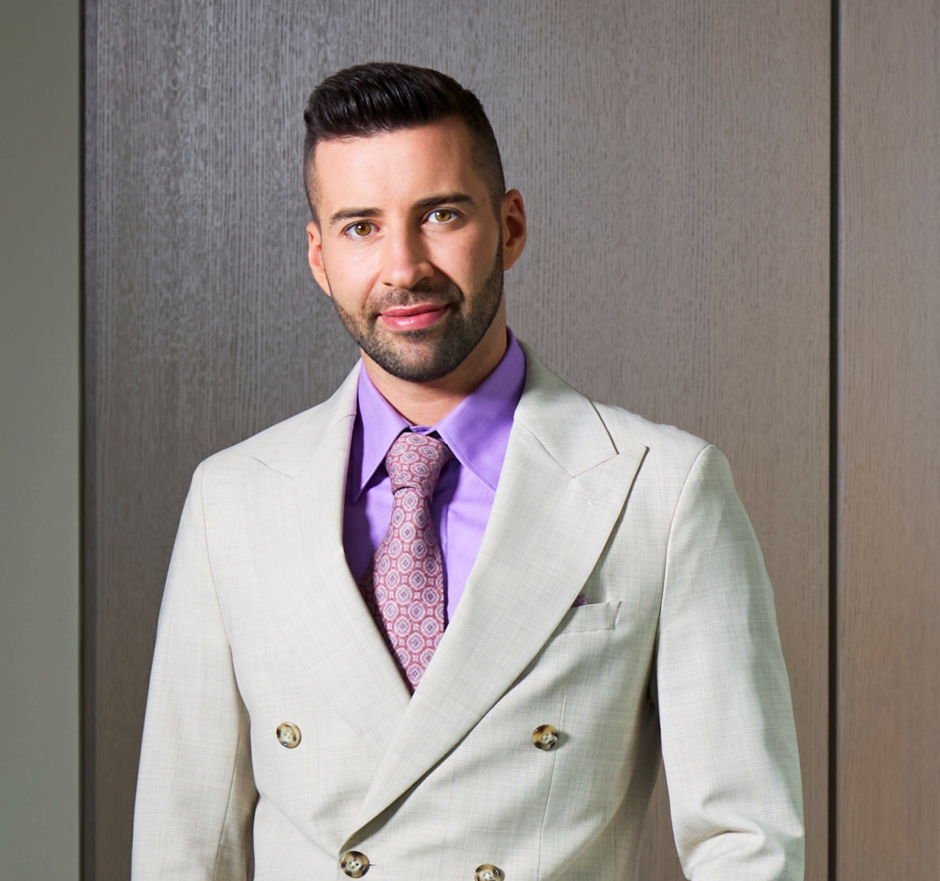
Joshua Oliver – Luxury Advisor & Founder, Joshua Oliver Concierge
For decades, luxury was easy to define. It was the highest price tag, the rarest handbag, the largest home or the most extravagant holiday. Wealth was displayed through possessions, and exclusivity was measured by what something cost.
In 2026, that definition has fundamentally changed.
Working with high-net-worth and ultra-high-net-worth clients around the world, I’ve witnessed a clear shift in purchasing behaviour. The world’s wealthiest individuals are still spending significant amounts of money, but increasingly, price is no longer the deciding factor. Instead, they’re investing in something far more valuable: privacy, time, authenticity, access and individuality.
The new status symbol isn’t simply owning something expensive. It’s owning or experiencing, something that very few people can.
One of the biggest misconceptions about luxury is that it revolves around brands. Heritage houses such as Hermès, Loro Piana and Brunello Cucinelli continue to thrive, but clients are becoming far more selective. They no longer buy products simply because they’re trending on social media or because everyone else is carrying them.
Instead, they’re searching for craftsmanship, personality, collectability and longevity. Luxury is becoming increasingly personal. Clients want pieces that reflect who they are, not what the algorithm tells them to buy. Personal confidence has replaced obvious logos.
This shift extends well beyond fashion.
In travel, clients increasingly prioritise privacy and personalisation over scale. The world’s most famous hotels are no longer necessarily the most desirable. Rather than asking for the hotel everyone else is booking, clients now ask me where they should stay based on their personality, interests and travel style. They would rather discover a remarkable independent property than simply tick off another famous brand.
Technology has accelerated this evolution. Social media has made luxury more accessible than ever before, introducing extraordinary hotels, restaurants and brands to millions of people. While that’s undoubtedly positive, it has also diminished the sense of discovery. When everyone knows where the “best” place is, it inevitably loses some of its exclusivity.
I’ve even made a conscious decision to share fewer ultra-rare Hermès bags and exceptional watches across my own social media channels. Part of what makes these pieces so desirable is their rarity. Constant exposure inevitably erodes that sense of exclusivity. Luxury should still retain an element of mystery.
As a result, affluent consumers are increasingly moving beyond the algorithm. They value trusted recommendations, genuine expertise and personal relationships over viral popularity. They’re looking for people they trust, rather than content with the highest number of views.
This is where the role of a modern concierge has changed dramatically.
Years ago, concierge services were largely transactional. Book a hotel. Reserve a restaurant. Arrange an airport transfer. Today, clients are looking for a trusted advisor, one person who understands their lifestyle, anticipates their preferences and becomes a genuine extension of their daily life.
More importantly, they want someone to save them time.
I often find myself advising clients against the most expensive option. Sometimes the most luxurious hotel isn’t the one charging £5,000 a night, but the boutique property where the General Manager greets guests by name. It isn’t always the beach club with the highest minimum spend, but the quieter one where service is flawless and the atmosphere feels effortlessly relaxed.
Luxury has become less about consumption and far more about discernment.
Perhaps the greatest luxury of all, however, is time.
Time is the one asset that can never be replenished, and affluent individuals increasingly value services that remove friction from their lives. Whether that’s sourcing an impossible-to-find item, planning a seamless itinerary across multiple countries or simply knowing someone trustworthy is handling every detail, convenience has become one of luxury’s most valuable currencies.
Ultimately, luxury in 2026 is becoming more personal than ever before.
It’s no longer about impressing strangers. It’s about improving your own quality of life.
It’s choosing time, privacy, craftsmanship, expertise and individuality.
Price will always have a place within the luxury market, but it is no longer the defining characteristic. The most exclusive things in the world today often cannot simply be purchased. They require trust, expertise, relationships and access.
Perhaps that’s exactly how luxury should be defined: not by what it costs, but by how difficult it is to replicate.