Hospitality
THE ART OF UZBEK HOSPITALITY WITH SANA

Exclusive interview with Boris Kofman, Founder, SANA
SANA brings the heritage of Uzbek cuisine into one of Dubai’s most established hospitality destinations. What does authentic Uzbek hospitality mean to you, and how have you translated it into the guest experience at SANA?
In Uzbekistan there is a saying that a guest is more important than your own father. That is the whole philosophy. When you walk into an Uzbek home, the table is already full before you sit down, the tea is already poured, and nobody asks if you are hungry. That generosity is what I wanted at SANA. But I did not want a museum. SANA is a modern Uzbek restaurant, built for how Dubai lives today. The soul comes from home: our chefs are from Uzbekistan, and the majority of our ingredients are imported from Uzbekistan, so the flavours are the real thing. The design, the music and the energy are completely now. In practice it means our team is trained to read the table, not just take the order. Bread arrives without you asking. Dishes are brought to share. We want you to leave feeling you were hosted, not served. That feeling is the thing I am proudest of.
The concept draws inspiration from the Silk Road, where food, culture and hospitality were deeply interconnected. How does this idea influence the way guests experience SANA beyond the dining table?
The Silk Road was the first great meeting place of the world. Merchants from China, Persia, India and Europe sat at the same table, traded stories, and took each other’s food home. Dubai is exactly that today, a city where every culture meets. So SANA is not only about what is on the plate. It is the music, the textures, the lighting, the way the evening moves from dinner into something more. We want guests to feel like travellers arriving at a caravanserai: you come for dinner, you stay for the atmosphere, and you leave having met someone new. When a table of Emiratis, Russians and Brits ends up sharing tea at midnight, that is the Silk Road happening again.

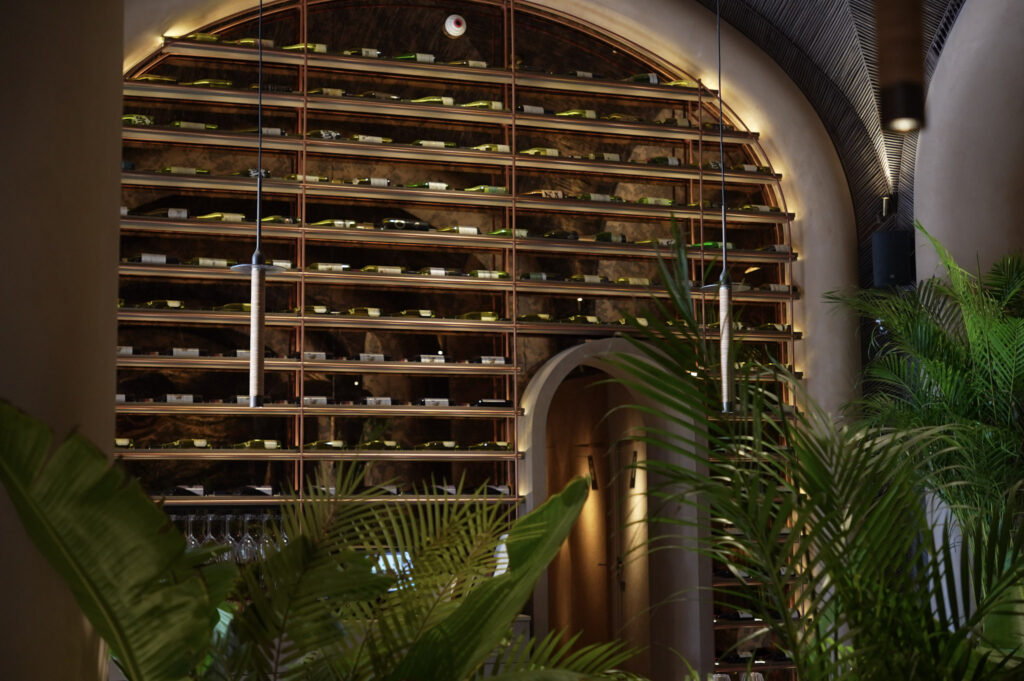
SANA also extends into private celebrations, curated dinners and experiences at Moon. How are you seeing demand for more personalised and experience-led dining evolve in Dubai?
Dubai has changed. People have eaten everywhere. A great menu is now the minimum, not the reason to go out. What people want is a night they will remember and talk about. That is why SANA was never only a restaurant. Moon is our space for that: private celebrations, birthdays, company dinners, buy-outs, live music and karaoke nights. Every event is built around the host, their guests and the story they want to tell. We are seeing more people book the whole experience rather than just a table, and more groups choosing to celebrate somewhere with personality instead of a hotel ballroom. I think that is only going to grow, and we built SANA for it.
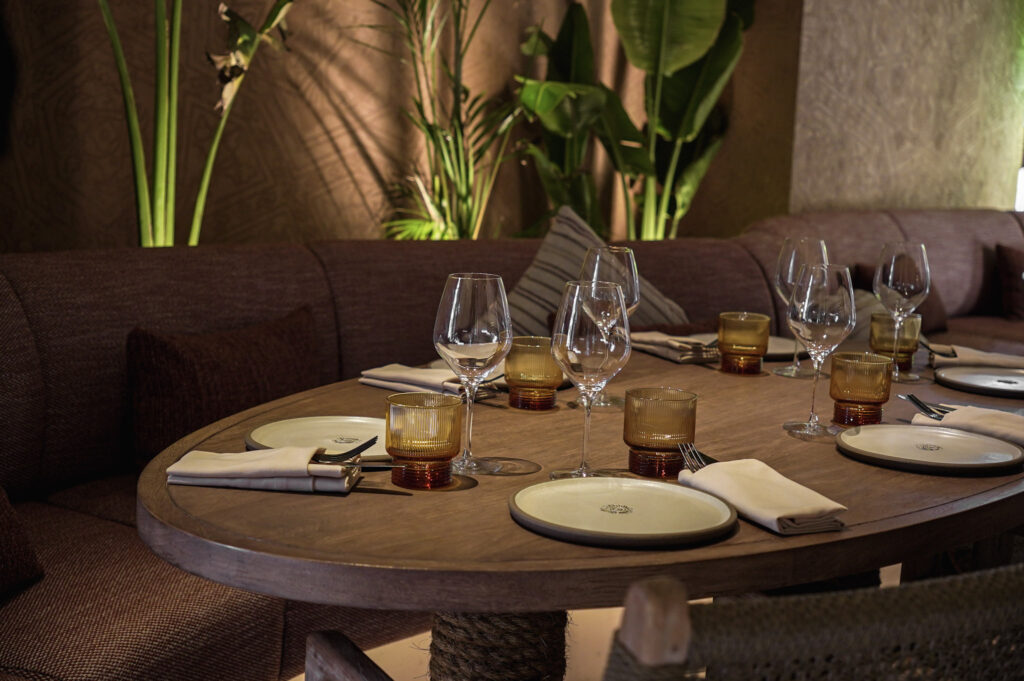
The Uzbek tea tradition is naturally centred around gathering and sharing, with SANA offering its Samovar collection for communal experiences. How important are these cultural rituals in creating a sense of connection between guests?
They are everything. In Central Asia, tea is not a drink, it is an invitation. The samovar sits in the middle of the table and everyone pours for each other. Nobody is in a hurry. Conversations get longer, phones go down, and strangers become friends. In a city that moves as fast as Dubai, that ritual is a gift. Our Samovar collection is designed for exactly that moment, usually at the end of the meal, when nobody wants the evening to finish. I see guests lean in, laugh and order another round of tea instead of the bill. That is when I know SANA is working.
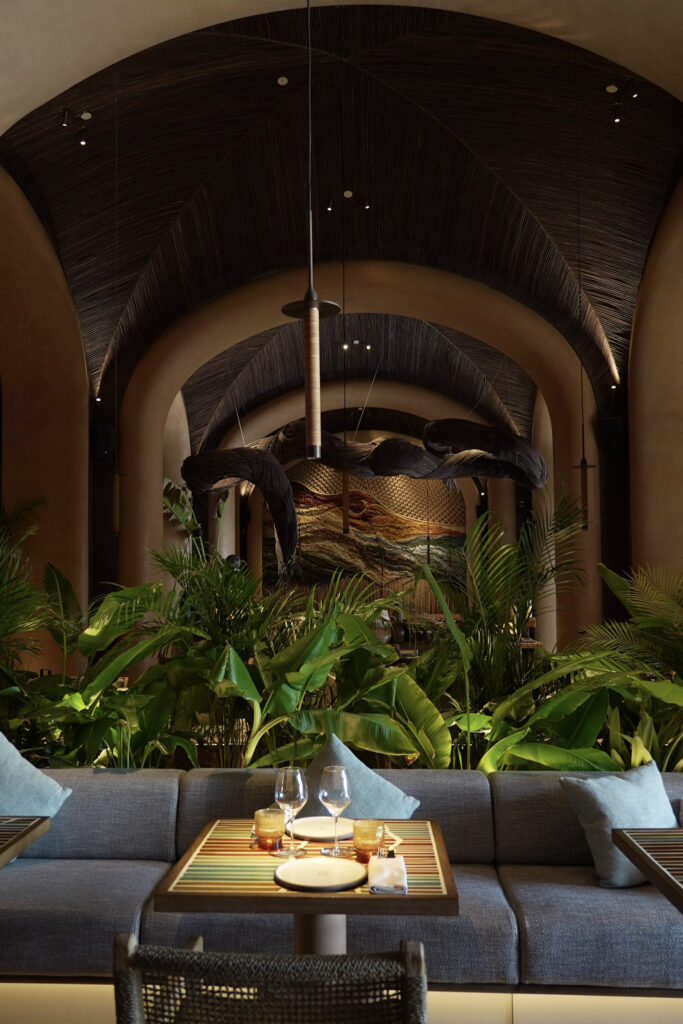
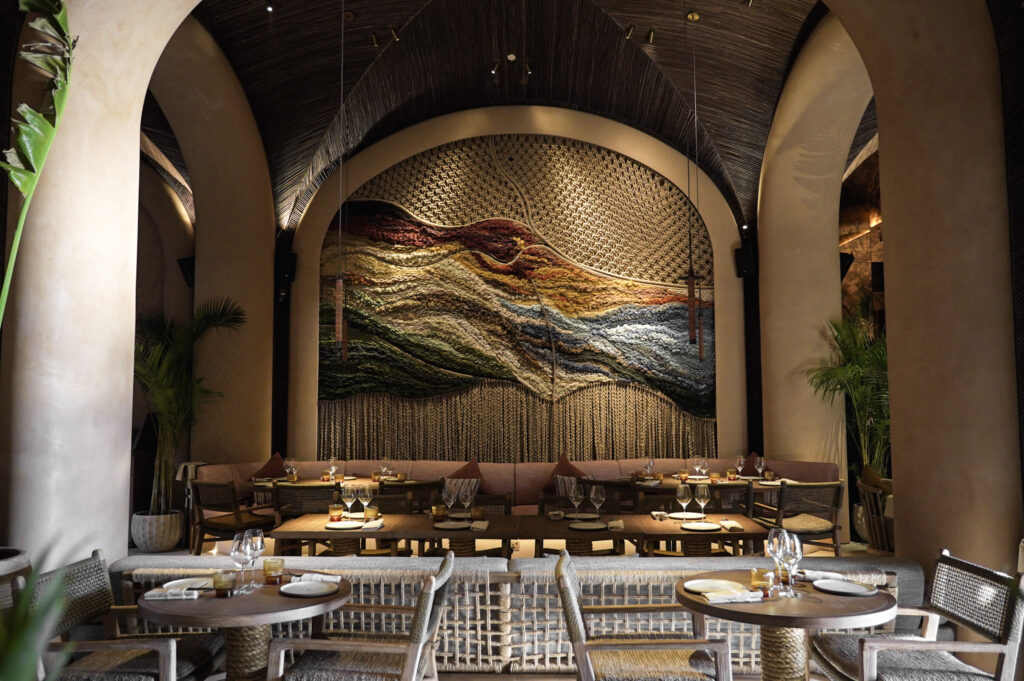
Sharing is an important part of many Central Asian dining traditions. How have communal dishes and table-sharing influenced the way you design the guest journey at SANA?
Completely. We designed SANA around the shared table, not the individual plate. The menu is built for passing dishes around, so a dinner at SANA naturally becomes a conversation. The big platters, the bread torn by hand, the salads in the middle, everyone tasting everything. The journey starts with small plates and bread, builds to the centerpiece dishes for the whole table, and ends with tea and our desserts, which are from a different world and constantly evolving, so there is always a reason to come back. Our layout and our service follow the same idea: generous tables, a team that brings dishes to the centre, and space for groups to linger. Sharing food is the fastest way to bring people together. My invitation is simple: come with friends, order too much, and stay longer than you planned. That is the Uzbek way, and that is SANA.