Uncategorized
The Art of Choosing a Sofa: A Guide by Aati


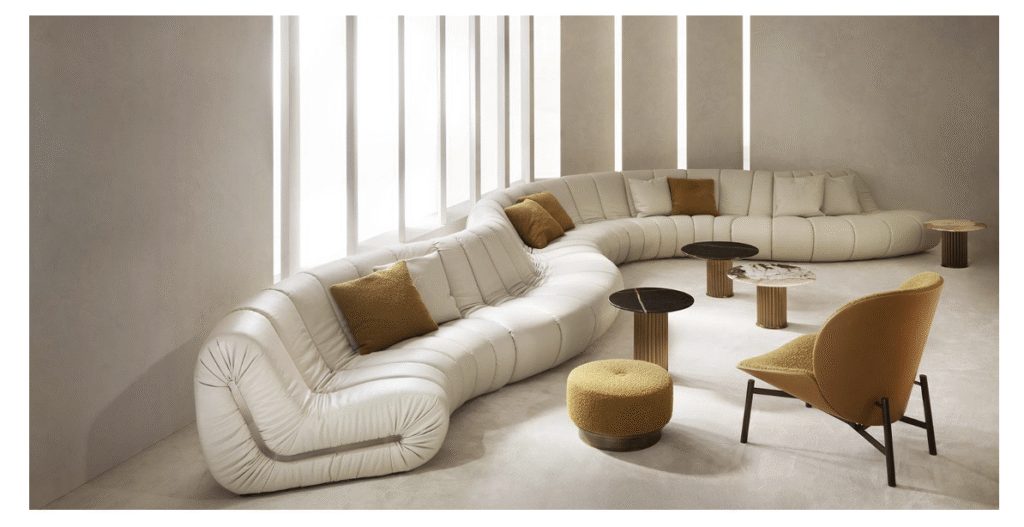
The most inviting living rooms begin with balance. Furniture sits comfortably within the architecture, materials complement one another, and the arrangement feels natural to use. At the centre is often the sofa: a place to gather, retreat and settle into everyday life.
Established in Dubai in 1981, Aati brings together collections from leading international design houses, including Elie Saab Maisonalongside Italian brands Rugiano, Ulivi, Vittoria Frigerio and Minotti. Here, Aati explores the art of choosing a sofa, from balancing proportion and comfort to selecting materials and finishes that complement your home and the way you live.
A Question of Proportion
A sofa’s presence depends as much on the space around it as on its dimensions. Against a wall, a width of approximately two-thirds offers a useful starting point, with windows, doorways and surrounding furniture informing the final balance.
A coffee table around half to two-thirds the sofa’s length can complement its proportions. Allow approximately 35–45 cm between the two for reach and legroom. Marking the footprint on the floor, including any chaise, helps translate showroom proportions into the home. Walk around the outline to test the layout, and consider visual weight: raised legs and slender arms give a lighter impression than a solid, upholstered base.
Before deciding, consider the journey inside: doorways, lifts and staircase turns deserve as much attention as the room itself.

An Arrangement for Living
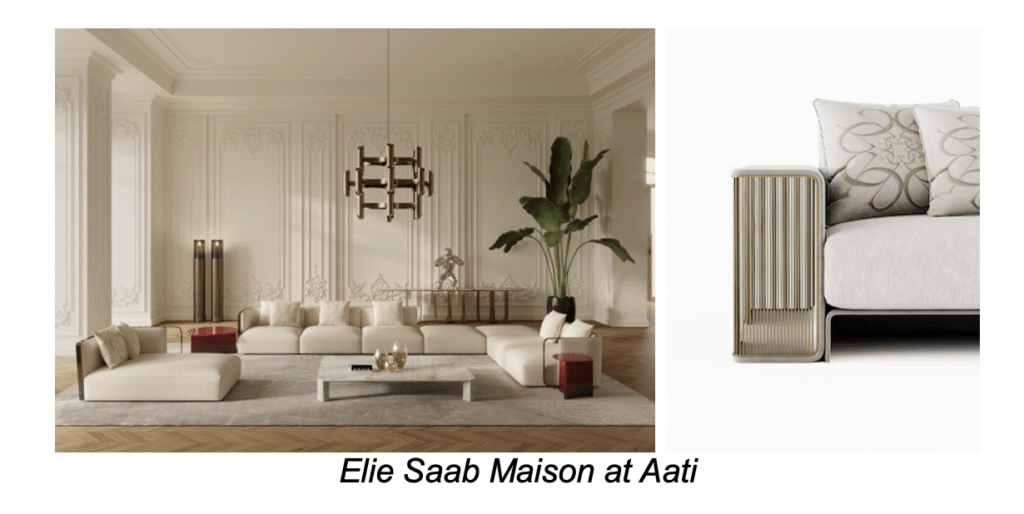
The way a room is used should inform its composition. Facing seats encourage conversation, a chaise invites relaxation, and a corner arrangement can bring intimacy to an open-plan interior.
Elie Saab Maison’s Imperial offers a modular approach, allowing the seating to suit the room’s layout, with a surrounding metal frame defining its volumes. Consider how the arrangement relates to entrances, views and neighbouring furniture. A generously sized rug can bring the composition together, visually connecting the sofa and accompanying chairs. Placing their front legs on the rug is one way to create this sense of cohesion.

Comfort in the Details
A generous silhouette does not always mean a generous seat. Look beyond overall dimensions to the usable depth between the front edge and back cushion. Upright conversation and relaxed lounging place different demands on the same piece.
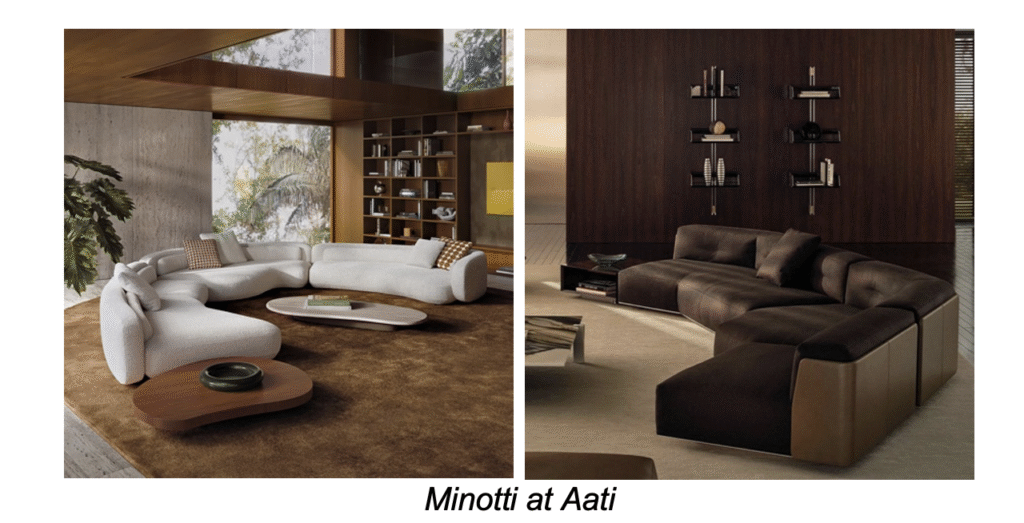
Minotti’s Bézier, designed by Marcio Kogan / Studio MK27, combines layered polyurethane in varying thicknesses with a lumbar cushion along the backrest, bringing support to its fluid forms. When trying a sofa, notice how the cushions respond as you settle in and rise. Check seat height, armrest position and back support, and check whether regular plumping is needed to maintain its appearance.

The Character of Material
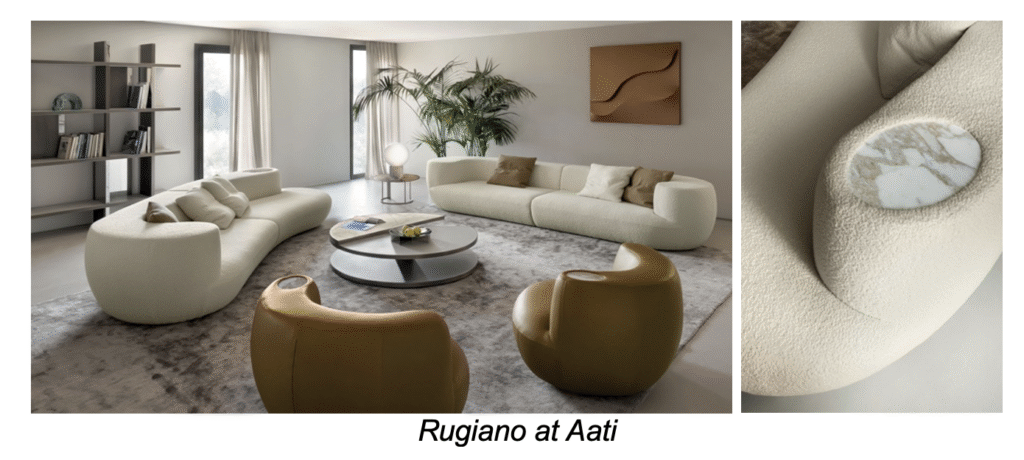
Upholstery establishes a room’s tactile character, while wood, stone and metal introduce contrast. Ulivi’s Plaf makes leather part of its decorative language through a hand-woven side band on the sculpted armrest. Rugiano’s fixed Rafael incorporates natural marble into the backrest, setting expressive veining against soft, rounded upholstery.
Colour also influences how a sofa sits within a room. Ivory, cream and pale taupe can create a lighter visual presence, particularly against similarly toned walls, while chocolate, deep olive or charcoal give the seating greater definition and an intimate feel. Pattern offers another way to express individuality, whether through a boldly upholstered sofa or patterned cushions against a plain fabric. Drawing one colour from the pattern into a rug, artwork or nearby chair helps connect it to the wider room.
View samples at home alongside flooring and curtains, in both daylight and evening light. Consider care as well as appearance, asking about resistance to wear, cleaning requirements and removable covers. Neither light nor dark upholstery is automatically more practical; the fabric, finish and everyday use all matter.

Craftsmanship from Every Angle
When a sofa sits centrally, its back, arms and base become part of the room’s composition. Seams, upholstery alignment and the meeting of materials deserve attention.
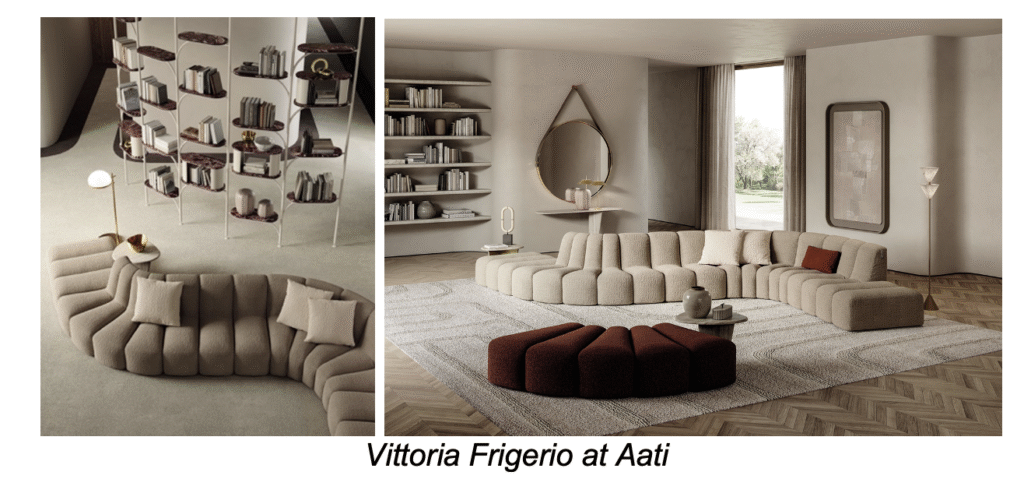
Minotti’s Softcase by Hannes Peer features a leather-upholstered shell with a central vertical seam and double perimeter stitching. Vittoria Frigerio’s Noah offers a more decorative expression through handmade capitonné upholstery and quilting around its outer structure. Both demonstrate how craftsmanship shapes character, through precise lines or richly worked surfaces.

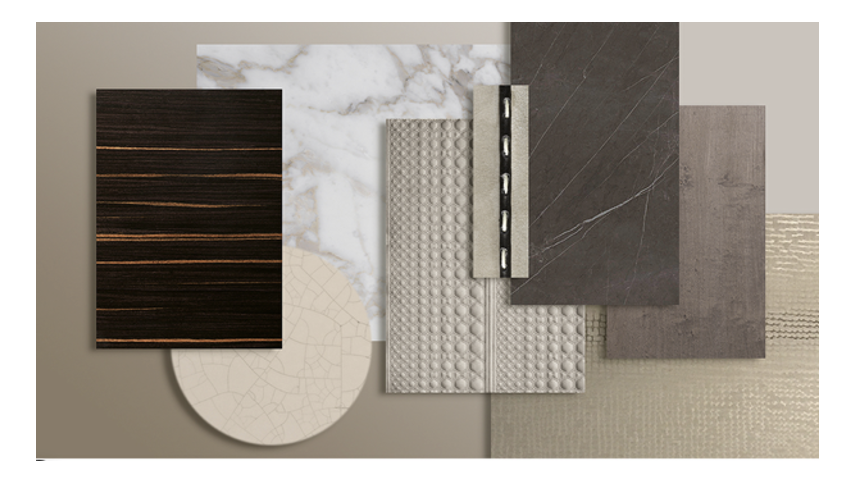
Aati’s in-house interiors service brings these considerations together through spatial planning, moodboards, furniture advisory and material selection. Working with homeowners and interior designers, the team considers each piece within the wider scheme, connecting seating, tables, rugs and lighting into a cohesive, personal home.