Hospitality
Building Better Hospitality Spaces Through Thoughtful Design

Exclsuive interview with Souad Ismail, Head of Interior Design Department of First Class Property Management
How important is the initial specification stage?
It is the stage where most of a project’s quality is decided. A specification is not just a list of products. It records how each space is meant to be used, how hard it will be worked and what it should feel like, and every later decision on cost, programme and procurement is measured against it. When it is detailed and realistic from the start, the contractor prices accurately and the client knows what they are getting. When it is vague, the gaps get filled on site, usually by whoever is under the most time pressure, and that is where quality and function are lost.
What should developers consider when selecting materials, furniture and finishes?
Start with how the space will actually be used. A hotel lobby or restaurant takes more wear in a month than a home does in years, so I look at performance first: abrasion and stain resistance, fire rating, slip resistance, how the material is cleaned, and how it will look after five years rather than on opening day. Then I look at lead times and local availability, because a beautiful finish that arrives late or cannot be replaced is a risk to the operator. Finally, guests experience materials through touch, sound and comfort as much as through sight. The seat they sit on and the door handle they hold deserve more of the budget than surfaces nobody touches.
How do lighting, fit-out and spatial planning influence the experience?
These three decide how a guest feels before they notice a single finish. Spatial planning sets the journey: the arrival, where you pause, how privacy and openness are balanced, and how staff move without crossing guests. Lighting sets the mood and has to change through the day, so layered, dimmable, warm light matters more than expensive fittings. The fit-out is what people see up close: the joinery junctions, the alignment, the way a door closes. Guests rarely describe these things, but they sense immediately when they are right, and residents live with them every day.

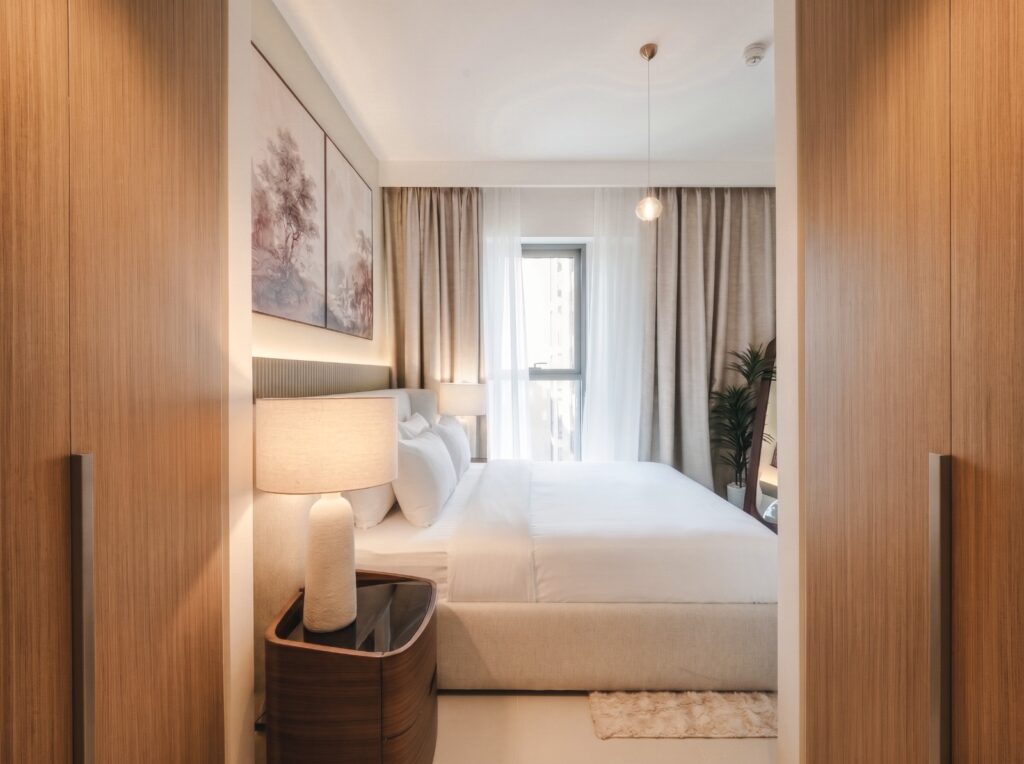
What are the common challenges in translating a design vision into the built environment?
The most common one is that a drawing shows intent while a site has real conditions. Services clash with ceiling designs, dimensions differ from the survey, and each trade reads the drawings through its own scope. Small substitutions that look harmless individually add up to a different space. What works for me is a single point of design responsibility from concept to handover, careful review of shop drawings, approved samples and mock-ups before anything is ordered in volume, and being on site regularly. Most problems are cheap to solve on paper and expensive to solve after installation.

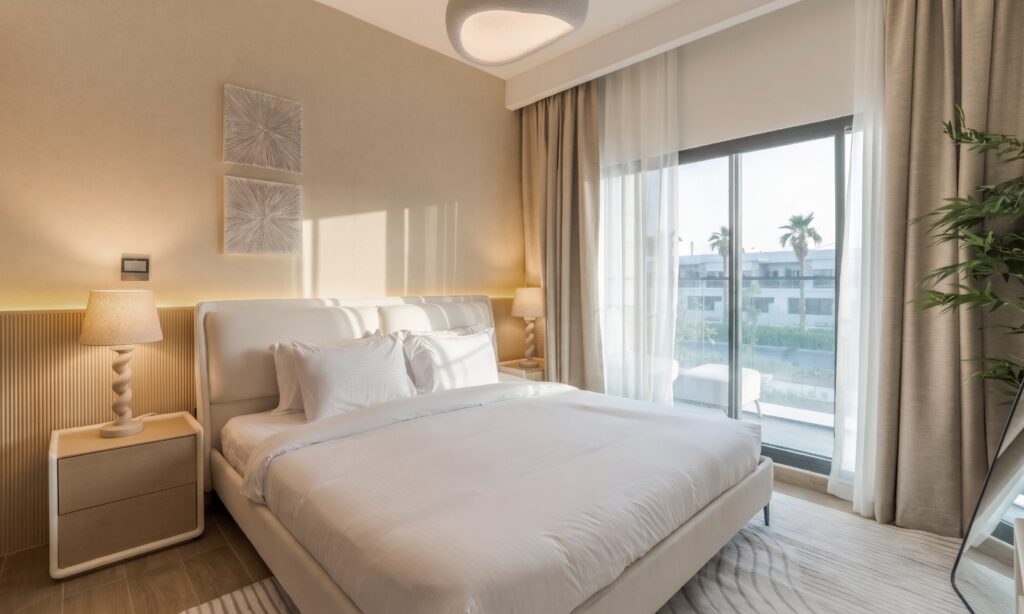
How can procurement decisions stay aligned with design intent, timelines and budgets?
Bring procurement into the conversation early instead of treating it as the step after design. That means confirming lead times for long-lead items at the design stage, ordering them first and building the programme around them. For every key item I define what is non-negotiable, whether that is the colour, the texture, the performance or the proportion, so that if an alternative is needed for cost or time, everyone knows what it must match. Any substitution should go back to the designer for approval against a physical sample. Value engineering works when it protects what the guest sees and touches and saves in the places they never will.
What distinguishes a well-executed hospitality-led development from one that simply meets its specifications?
A project can tick every item on the specification and still feel flat. The difference is in the things a schedule cannot fully capture: how the lighting is commissioned and set at night, how materials meet at the junctions, the acoustics, the scent, and how smoothly the space works for the people operating it. A well-executed development feels like one idea carried through by everyone involved, and it still looks and works that way years after opening. For me the test is simple. Guests should not notice the specification at all. They should just want to stay longer and come back.