Home Integrator
The Art of Making a House Your Own

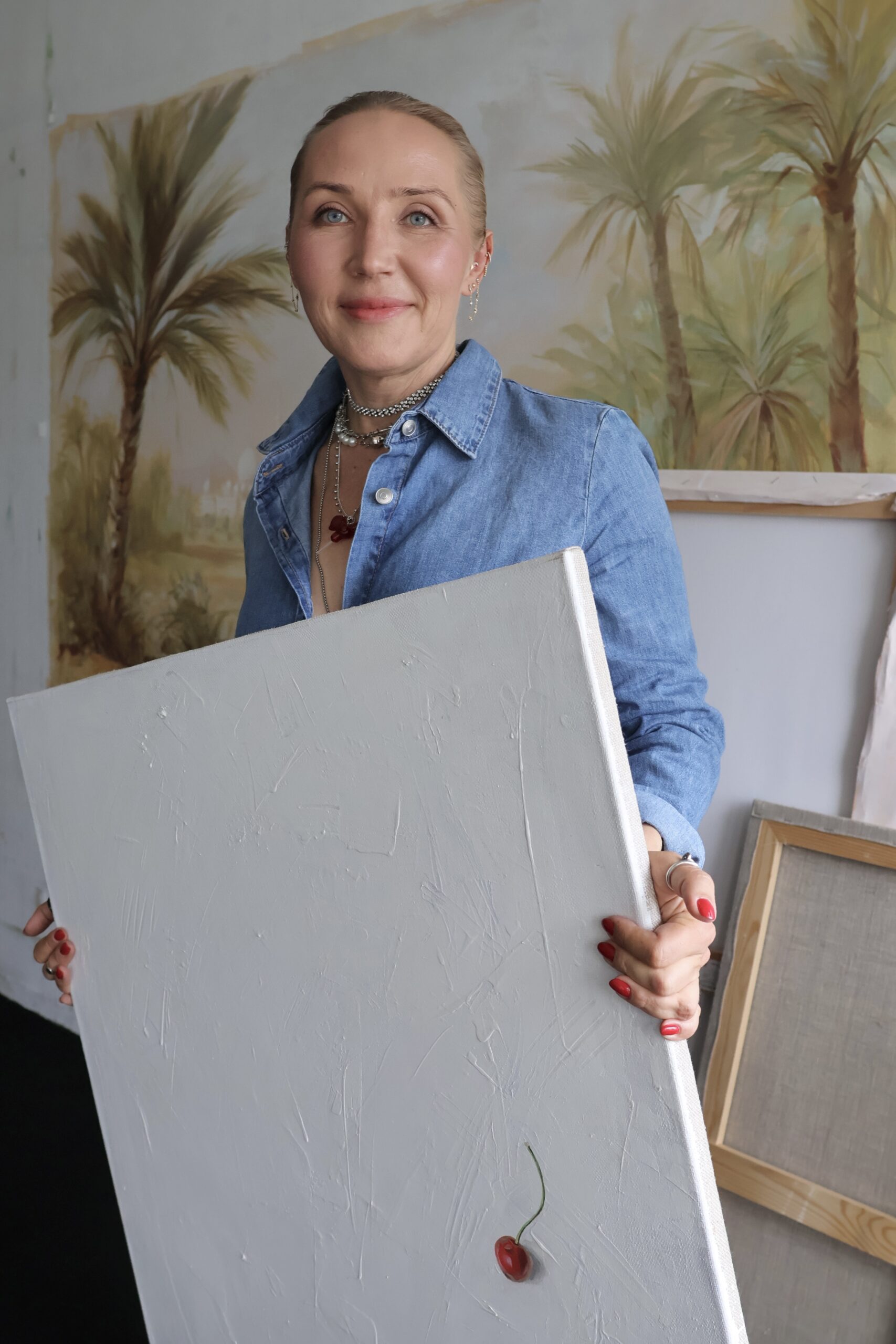
by Maria Petrova, co-founder of Zahar Paints
When people think about designing a home, they tend to begin with the big decisions: flooring, furniture, lighting and colour palettes. Art, however, is often treated as something to fill an empty wall, but I have always felt this is one of the biggest missed opportunities in creating a home.
After nearly three decades of working with homeowners and interior designers, I have come to believe that the things we surround ourselves with should reflect who we are.
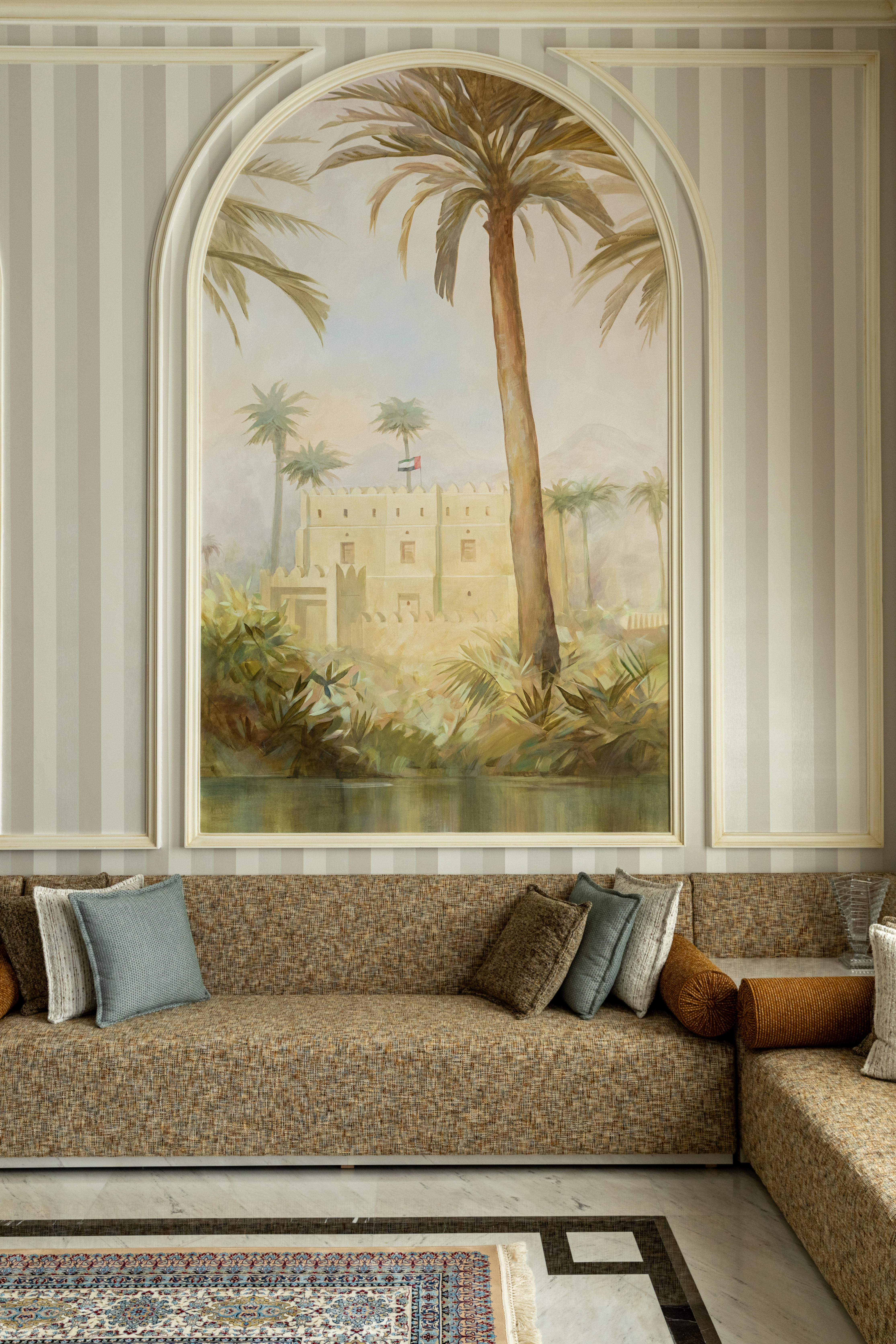
Start looking for art before you build your home
I am often asked when a homeowner should involve an artist in a new build or renovation. My answer is that there is no strict timeline. We can begin working with a family while their home is being designed, or come in after they have moved in and everything is already in place. A good piece of art will always be a great addition.
What matters more is the homeowner’s willingness to participate in the creative process. Sharing references, talking about what inspires you and being open about what you like and dislike can make a tremendous difference to the final result. Equally, if you would rather leave the creative decisions to the artist, you can rely on their experience or explore existing designs that can be recreated in different sizes and colours to suit your interior. My advice is to start looking for art long before you build a home of your own. Visit galleries, explore artists’ work and collect pieces that speak to you. You do not have to know exactly where they will go. Sometimes the home finds its way around the art.
Give the creative process some time
Commissioning a bespoke piece requires communication and a little patience. Photographs or renders of the space, along with references of work you like, are usually a good starting point. A proposal with one or more creative options typically takes three to four working days. Once you have selected a direction, the quotation can be prepared within a day. The artwork itself may take another seven to ten days, with framing requiring an additional two to three days.
A straightforward commission can therefore be completed in around 15 days, provided the client is responsive with feedback and approvals. Larger projects, such as a series of murals or a substantial bas-relief created on site, can take up to two months. I also believe that artists and artisans deserve the time to do their best work. Shipping, schedules and urgent projects can sometimes affect timelines, so if you have a fixed deadline, communicate it from the beginning.

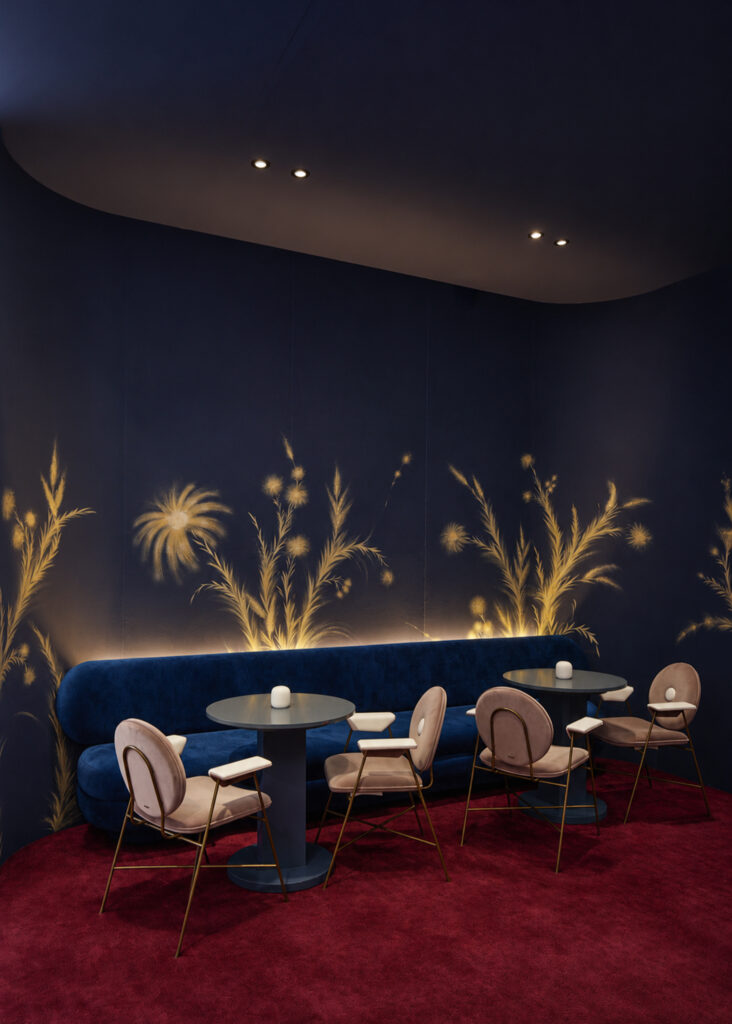
Think about how you will live with it
Homeowners sometimes worry about whether hand-finished artwork is practical for everyday living. Our murals and framed artworks use washable acrylics over a strong canvas fabric, and do not require special care, and the colours do not fade with time or crack. It is also worth thinking about artwork when planning the practical details of a home. I would suggest keeping sockets and screens to a minimum on a mural or bas-relief. Where necessary, sockets can sometimes be made less noticeable with clear finishes, while hand-painted details can be adjusted to accommodate their placement. Lighting is another consideration that is often overlooked. A well-placed lighting point can make all the difference to how an artwork is experienced.
When needed we return to our old clients and extend our support to repair damage caused by leaks, cracks or renovations. The oldest artwork of ours that we are still in contact with dates back to 2003, and it continues to look beautiful.
Build a collection, not just a room
One of the most common surprises when people approach us for bespoke decorative work is the price. There is often an expectation that a unique hand-painted artwork or custom-made mural should cost roughly the same as something purchased from a home store or ordered online. It can’t, for obvious reasons. However, bespoke art doesn’t have to break the bank.
Hand-painted wallpaper panels from houses such as De Gournay or Fromental can be framed and hung as individual artworks. Watercolours, prints, seashells and wood carvings can all find a place in interesting frames. Do reach out to artists, the prices may pleasantly surprise you.
I would leave homeowners with one little piece of advice: please keep a certain percentage of your decoration budget aside for the things that make the interior feel personal. The furniture, marble and joinery may set the scene, but it is always the art, the accessories and the little details that make you feel that your home truly belongs to you.