
 Have a question? +971 56 404 0503




Home Integrator
Reflex Angelo Joins MERED’s Dubai Project to deliver a full Pininfarina experience

MERED, the award-winning international real estate developer, has partnered with Reflex Angelo, the global Italian luxury furniture brand, to provide Pininfarina branded furniture able to enhance the one of a kind living experience at ICONIC Residences Design by Pininfarina, the developer’s flagship project in Dubai. This collaboration marks Reflex Angelo’s debut partnership with a real estate developer in the UAE.
Apartments in ICONIC Residences will feature custom-design built-in furniture by Pininfarina. As part of collaboration with Reflex, residents will have the option to complete their homes with a Pininfarina furniture premium collection, enjoying exclusive perks and benefits that bring the full Italian experience throughout their living space. Located in Dubai Internet City, the 290-metre tower will be the tallest in the area, offering 310 luxury apartments with sea views and convenient access to hotspots like Palm Jumeirah and Dubai Marina.
Reflex Angelo and Pininfarina have been collaborating since 1997, delivering masterpieces such as the Vela Armchair and the Orizzonte collection, a modular seating system that balances form and function. This long-standing relationship ensures that the optional furniture offered at ICONIC Residences reflects the same design language as the apartments themselves, creating a cohesive look throughout the home.
Michael Belton, CEO of MERED, commented: “Our partnership with Reflex Angelo is part of our goal to deliver genuine quality and design consistency and full Pininfarina experience at ICONIC Residences. We want to ensure that residents experience a fully integrated premium home, from structure to interior. As Dubai’s elite lifestyle sets new benchmarks for global luxury, our project reflects both the city’s ambition and the expectations of a global, design-conscious audience.”
Luciano Lucatello, Chairman of Reflex Angelo added: “This project stands out in our global portfolio, not only as our first collaboration with a real estate developer, but also because of the shared commitment to design integrity and material quality. Working alongside Pininfarina and MERED gives us a meaningful platform to bring our Italian craftsmanship into a market that values sophistication.”
Dubai’s luxury property market is set to outpace all others in price growth in 2025. A recent Knight Frank survey found that 69 percent of high-net-worth individuals are interested in purchasing a branded residence in Dubai, underlining strong demand for projects associated with established design and architectural firms. At the same time, the UAE’s residential market is on track to exceed $400 billion in 2025, reflecting sustained investment in high-end, design-driven developments.
As MERED expands its footprint in the Middle East, the company remains focused on delivering projects that reflect international design standards and long-term impact.
Home Integrator
Deyaar builds on its 2026 handover momentum with 711 new homes at Tria in Dubai Silicon Oasis
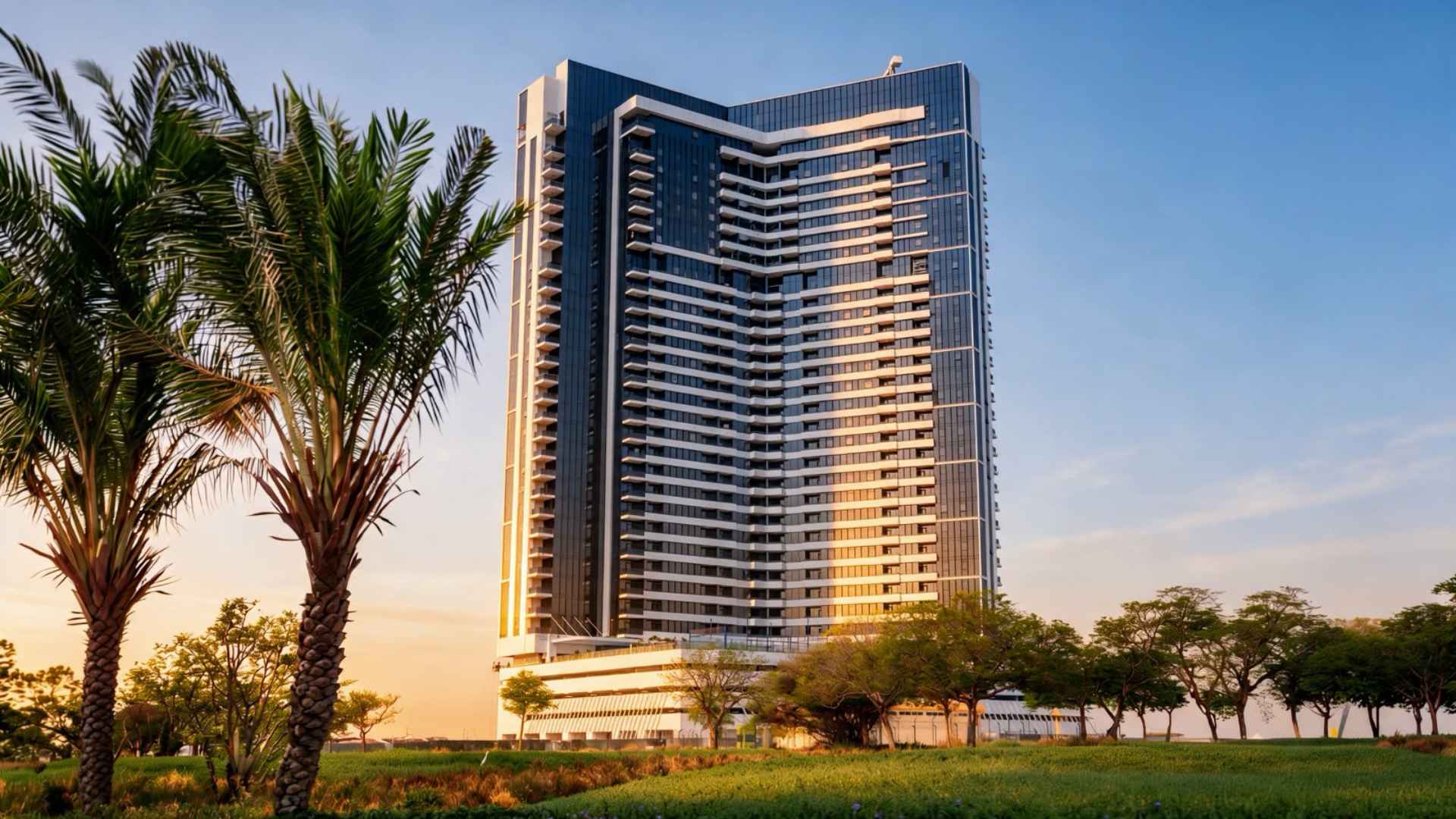
Deyaar Development PJSC (Deyaar), a DFM-listed integrated real estate company and one of Dubai’s leading developers, has announced the handover of Tria, a landmark residential development that brings a new scale of elevated living to Dubai Silicon Oasis (DSO). Rising prominently above its surroundings, the development comprises 711 residences and six retail units, distinguished by a striking three-wing architectural form designed to create three unique view corridors, ensuring residents enjoy prime outlooks across the Dubai skyline, Dubai Silicon Oasis and the surrounding parklands.
The handover lifts Deyaar’s deliveries in 2026 to more than 2,100 units, following the completion of 1,436 units across Regalia, Jannat and Talia Residences earlier in the first half. Built with families in mind, Tria pairs its homes with podium and rooftop amenities that include swimming pools, landscaped gardens, children’s areas, fitness and wellness facilities, sports courts, social spaces, and outdoor dining and entertainment areas.
Saeed Mohammed Al Qatami, CEO of Deyaar, said: “Earlier this year we welcomed owners to three of our projects across Dubai. Today, Tria adds another 711 homes to that momentum. It was conceived as a modern urban sanctuary, and seeing it come to life in the heart of Dubai Silicon Oasis is a proud moment for Deyaar. We thank our owners and investors for their trust, and our partners, contractors, government stakeholders and team for making it possible.”
With more than two decades of experience across residential, commercial and hospitality developments, Deyaar continues to diversify its portfolio and build on its momentum this year. Tria reflects a clear vision: creating vibrant communities where thoughtful design, wellbeing and lasting value shape the way Dubai lives.
As Deyaar looks ahead, its focus remains on scaling a balanced pipeline of projects, strengthening its position as one of Dubai’s most dynamic developers and contributing to the emirate’s long-term urban growth.
Home Integrator
Burjeel Holdings Launches Preventive Cardiac Campaign Across Its UAE Hospital Network for World Heart Day
Burjeel Holdings launched “The Cardiograms of Love”, a World Heart Day campaign that transformed everyday expressions of affection into cardiogram-inspired visuals, encouraging people across the UAE to turn care for their loved ones into a proactive step towards heart health.
The campaign was activated across five Burjeel Holdings facilities in the UAE, including Burjeel Hospital, Burjeel Day Surgery Center, and Burjeel Medical Center in Abu Dhabi, as well as Burjeel Specialty Hospital in Sharjah and Burjeel Royal Hospital in Al Ain.
Built around a simple human insight, the campaign connected the words people use to express care for those closest to them with the rhythm of a heartbeat. Familiar messages such as “You mean the world to me” and “Stay healthy for me” were transformed into six distinct cardiogram illustrations, linking emotional expressions of love with the importance of preventive cardiac care.
Each artwork represented a different personal relationship, including parent, partner, child, sibling and friend, and carried a unified call to action: “Love someone. Get their heart checked.”
Rather than relying on a single campaign launch, “The Cardiograms of Love” was rolled out across Burjeel Holdings’ UAE network from 27 to 29 September, with participating facilities premiering different pairs of visuals before the wider network amplified and re-shared the remaining creatives. This created a coordinated, rolling campaign across the three-day period.
Ahead of the public rollout, clinicians and administrative teams across the participating Burjeel facilities were briefed on the campaign and encouraged to share the visuals with people in their personal networks. The internal activation was supported by direct WhatsApp outreach to patients, while social media links connected audiences directly to cardiac screening booking channels.
The campaign also invited members of the public to create their own personalised cardiogram messages using a simple digital prompt and share them with someone they loved. This extended the campaign beyond traditional healthcare communication, encouraging people to pass the message directly between family members and friends.
Through the campaign, Burjeel Holdings highlighted the importance of regular cardiac assessments as part of preventive healthcare, particularly for people with recognised risk factors, including older adults and individuals with a family history of cardiovascular conditions.
Home Integrator
SHEIN Opens the Doors to Fall/Winter 2026 with ‘The SHEIN Hotel’ at Al Habtoor Palace
SHEIN has unveiled its Fall/Winter 2026 collection in spectacular fashion by transforming Al Habtoor Palace Dubai into The SHEIN Hotel: Behind Every Door, an immersive fashion destination where more than 30 leading Middle Eastern fashion icons, regional tastemakers and industry insiders gathered to experience the brand’s latest seasonal showcase.
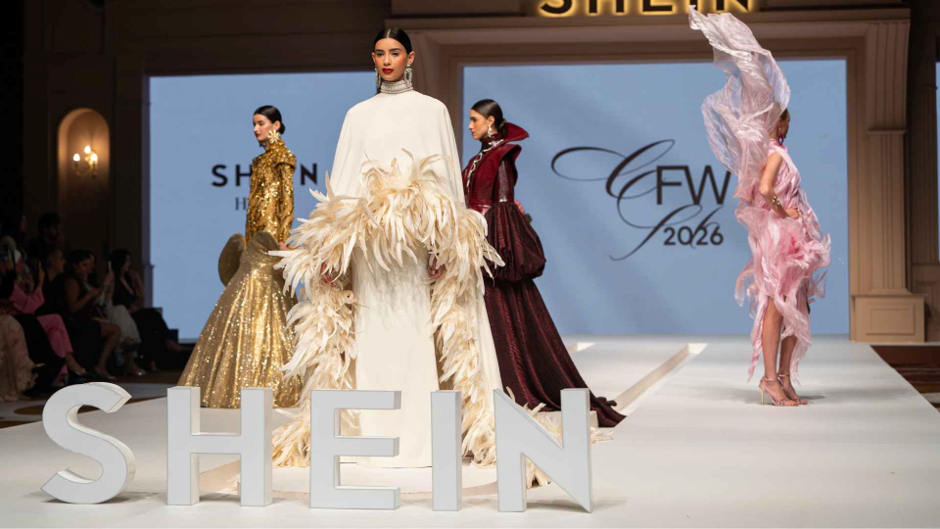
Blending fashion with immersive storytelling, the event took guests beyond the traditional runway and into The SHEIN Hotel, a boutique hotel-inspired experience created to bring the FW26 collection to life. Upon arrival, guests “checked in” and received collectible room keys, inviting them to unlock five distinct fashion worlds, each representing a different mood and expression of personal style.
The experience culminated on the runway, where the five fashion directions came to life through Power Dressing, Soft Glam, Retro Remix, Regal Maximalism and Modest Elegance. Each was anchored by a distinctive showcase look, from dramatic tailoring and pastel tulle to flowing capes, sculptural silhouettes and crystal embellishments, before all five styles came together for the finale.
And the experience extends beyond the runway. Through SHEIN’s “See Now, Buy Now” approach, consumers can discover and shop the styles presented in Dubai through the SHEIN App and website. By searching Room26 on the SHEIN App, shoppers can explore curated new arrivals spanning all five FW26 fashion directions.
At the heart of FW26 is the idea that women dress differently depending on how they feel, where they are and what the moment calls for. “The Key to Every Vibe” celebrates this freedom, with styles designed for every mood, from confident and bold to soft, playful, glamorous or understated. Through five distinct fashion directions, the collection gives women more ways to express their personal style and choose the look that feels right for them.
Power Dressing leads with oversized blazers, sharp tailoring and structured outerwear that create a confident and purposeful look. Strong silhouettes make it a collection for moments when women want to make their presence felt.
Soft Glam takes a gentler approach, using silk, lace, delicate knits and fluid silhouettes to combine comfort with femininity. The result is polished but relaxed, designed to move easily between different occasions.
Retro Remix looks to the past for inspiration, bringing plaid, denim, collegiate knits and vintage details into a contemporary wardrobe. Familiar styles are reinterpreted for a playful approach to everyday dressing.
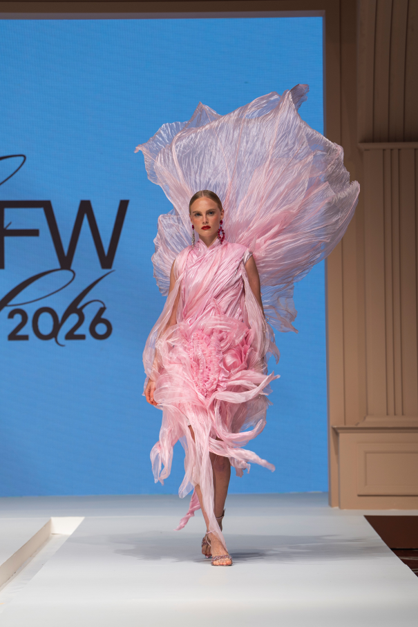
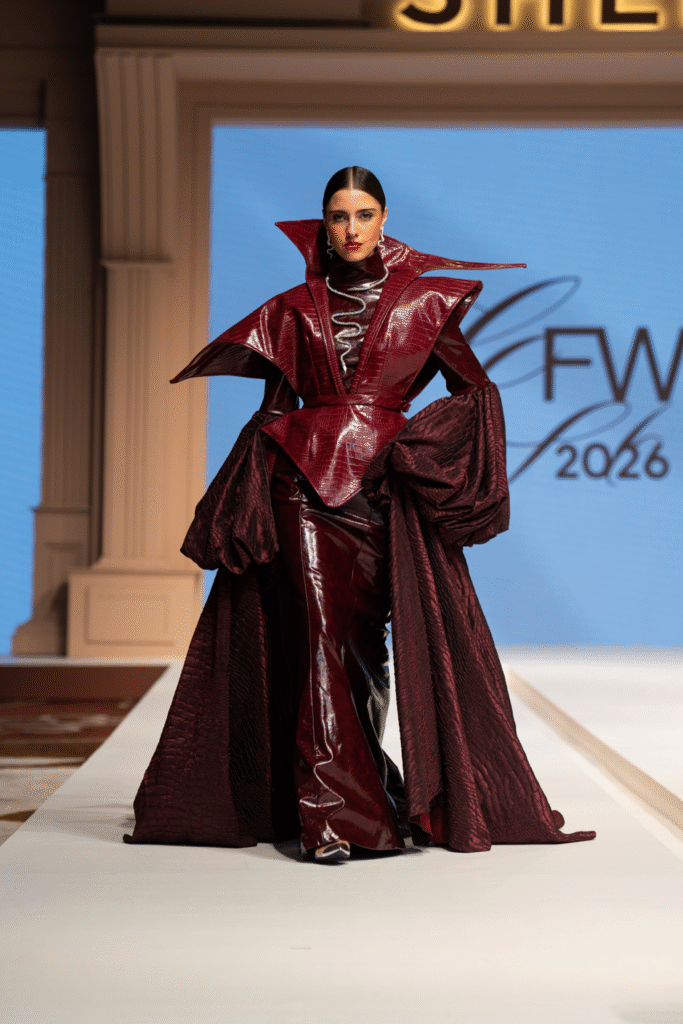
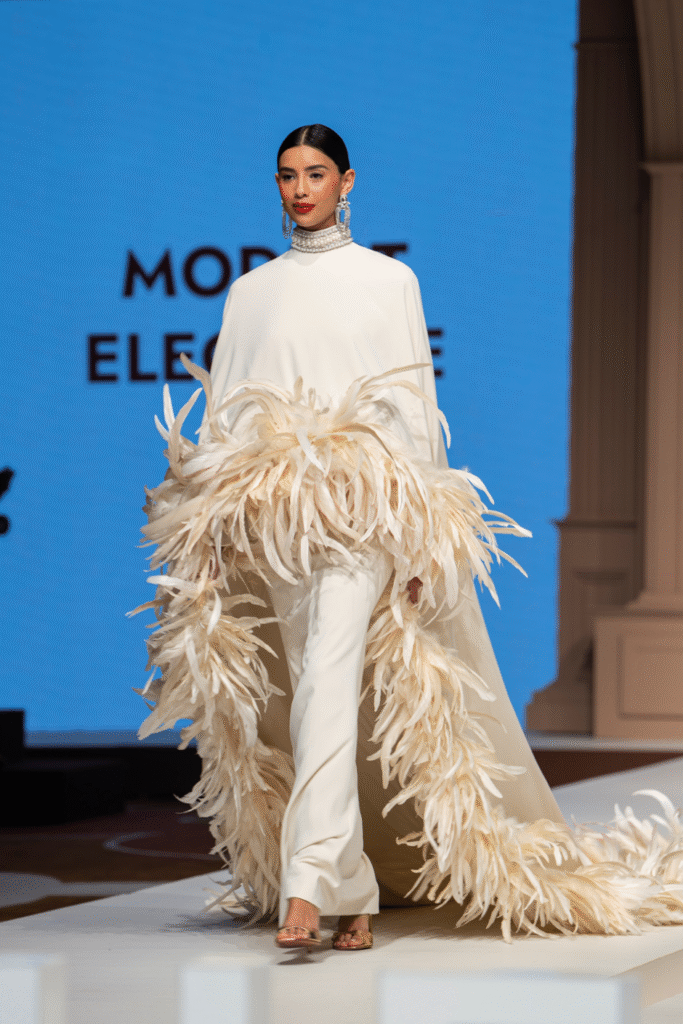
For women looking to make a stronger statement, Regal Maximalism brings together crystals, metallic textures and rich detailing. Bold and expressive, the collection is designed for occasions when the outfit itself becomes part of the celebration.
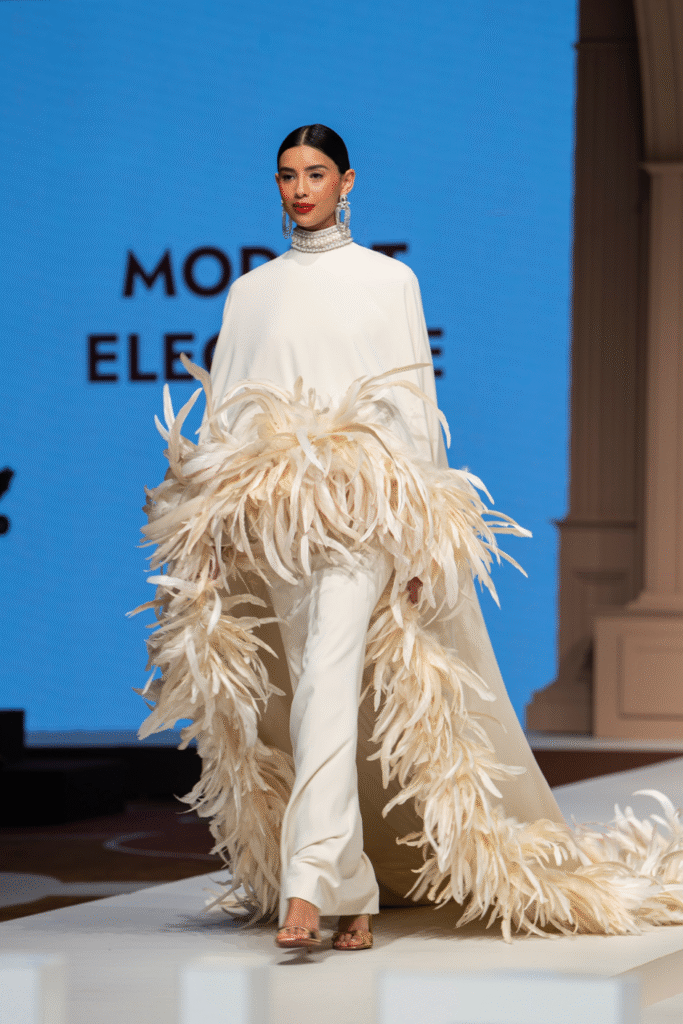
Modest Elegance completes the five directions with flowing maxi silhouettes, refined tailoring and graceful layering. Its elegant proportions offer a contemporary approach to modest fashion while maintaining a sense of poise and confidence.
The five fashion worlds bring “The Key to Every Vibe” to life, giving women the freedom to move between different expressions of themselves and find a look that reflects the mood, moment or occasion.


A LEADERSHIP PHILOSOPHY FOR MODERN HOSPITALITY
A Little Boo with Your Brunch: Halloween Takes Over Nalu

Deyaar builds on its 2026 handover momentum with 711 new homes at Tria in Dubai Silicon Oasis



-

 Trending12 months ago
OPPO A6 Pro 5G Review: Reliable Daily Driver
-

 Tech News2 years ago
Denodo Bolsters Executive Team by Hiring Christophe Culine as its Chief Revenue Officer
-
 VAR1 year ago
Microsoft Launches New Surface Copilot+ PCs for Business
-

 Automotive2 years ago
AGMC Launches the RIDDARA RD6 High Performance Fully Electric 4×4 Pickup
-
Tech Interviews3 years ago
Navigating the Cybersecurity Landscape in Hybrid Work Environments
-

 Hospitality2 years ago
Gulfood 2025 30th Edition Kicks Off Today, Setting New Benchmarks in F&B Growth and Innovation
-

 Tech News1 year ago
Nothing Launches flagship Nothing Phone (3) and Headphone (1) in theme with the Iconic Museum of the Future in Dubai
-

 VAR2 years ago
Samsung Galaxy Z Fold6 vs Google Pixel 9 Pro Fold: Clash Of The Folding Phenoms