
 Have a question? +971 56 404 0503




Uncategorized
BUILDING A SPACE BRICK BY BRICK

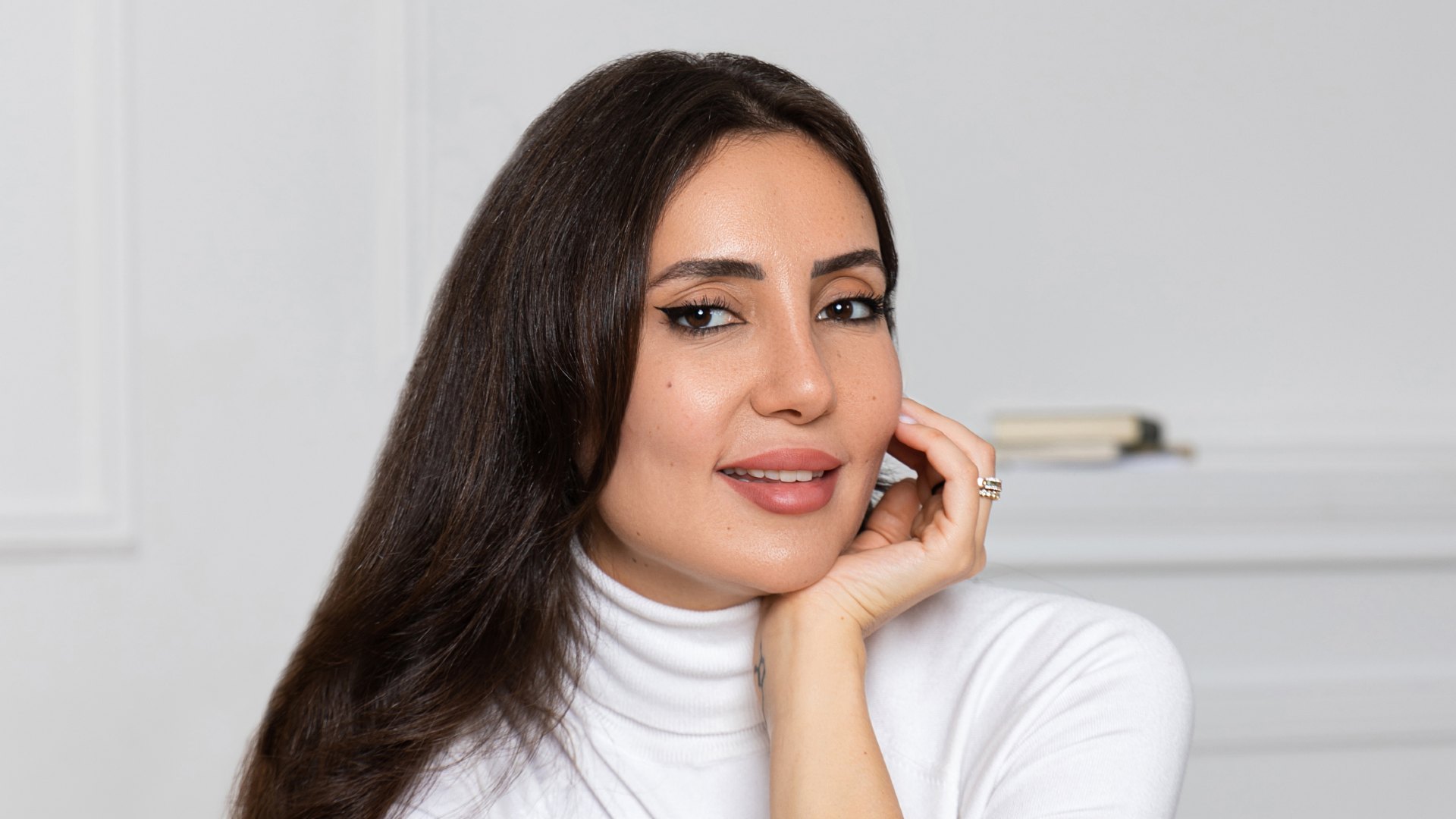
Article attributed by: Sara Aji, Managing Partner of Alma Developments
Beyond The Skyline
In recent years, the Dubai real estate market has dazzled with headlines about record-breaking penthouses, ultra-luxury investments, and international capital flows. But behind the glitter, there’s a quieter story unfolding, one that I believe is equally, if not more, important to the future of the city.
Dubai is home to families, working professionals, teachers, entrepreneurs, and healthcare workers, who are looking not for a speculative asset but for a well-designed and enduring place to live. And therefore, our built environment must reflect this reality.
Wisdom In Design
As someone who’s spent the past two decades in the design and interiors space through my family business, Al Meera, I’ve seen firsthand how good design can change the way people live. But I’ve also watched with concern as investors are drawn into the return-on-investment (ROI) trap, buying off-plan homes at inflated premiums, only to discover after handover that they require significant refurbishments, lack basic storage, or aren’t fit for long-term family living. It’s a cycle that erodes value, especially for seasoned buyers who expect more from their investment.
The Real In Real Estate
When Alma Developments was launched, it wasn’t to compete in the luxury arena; it was to help fill a widening gap in the mid-market segment. Homes that are liveable from day one, thoughtfully designed, and built with long-term residents in mind are surprisingly rare in a city as advanced as Dubai. With our debut project, Alma Gardens, in Liwan, we wanted to create something different, homes that you don’t just own, but truly live in.
That starts with getting the basics right. Take storage, for example. Most Dubai apartments aren’t designed with families in mind. We’ve changed that by delivering apartments that offer up to 75% more dedicated storage space than comparable units. That’s not a gimmick; it’s a necessity, especially for families with children or multigenerational households where space matters.
From Cement To Sentiment
Layout is another area where too many developers cut corners. A one-bedroom apartment with a study can be the difference between chaos and calm for a couple working from home. Two- and three-bedroom apartments with dedicated laundry rooms and maids’ quarters provide functional zoning that allows for privacy, routine, and organisation. At Alma Gardens, these are standard, not optional extras.
But beyond design specs, the wider question we’ve been asking is, who are we really building for? There’s a growing cohort of end-users in Dubai who don’t fit the typical investor profile. They are women, they are parents, they are long-term residents who want quality without complication. These buyers aren’t interested in trophy assets; they want homes that are built to last, don’t require immediate fixes, and provide a real sense of belonging.
Local design thinking, rooted in the real needs of Dubai residents, is finally starting to shape this new wave of development. For example, at Alma Gardens, we’ve integrated rooftop wellness spaces, multipurpose fitness studios, and communal zones that foster interaction. It’s not just about amenities, it’s about lifestyle. We’ve also taken a hands-on approach to quality control. By managing the entire construction and fit-out process in-house through Al Meera, we’ve ensured that the homes we deliver are truly turnkey, with no need for post-handover patch-ups or costly upgrades. Importantly, our commitment to liveability doesn’t come at the expense of luxury; it redefines it.
Luxury In Living
We’ve selected premium materials, elegant finishes, and custom-crafted joinery that rival, and in many cases exceed, the so-called ‘luxury’ offerings that dominate the market today. For us, true luxury is not marble floors and glossy brochures; it’s about thoughtful craftsmanship, durability, and refined simplicity that make daily living feel effortless and beautiful. That’s the standard we hold ourselves to.
In parallel, infrastructure upgrades such as the upcoming Dubai Metro Blue Line extension are opening up previously overlooked areas like Liwan to residents who want better value without sacrificing connectivity. It’s a pivotal moment for smart, mid-market development in the city, and one we’re proud to be part of.
Ultimately, the conversation about real estate in Dubai needs to evolve. Luxury and high yields will always have their place. But we also need to celebrate the projects that deliver genuine value, sustainability, and liveability. As developers, we have a responsibility to stop treating housing like a commodity and start designing it like a service. Because at the end of the day, homes should be for living, not flipping. That belief, that housing is a service, not just an asset, is what will define the next chapter of Dubai’s property market.
Uncategorized
Kenz ‘de’ Rasasi Debuts at Beautyworld Middle East 2026 with a New Expression of Rasasi Heritage
Kenz ‘de’ Rasasi, a new fragrance house born from the rich heritage of Rasasi, made its debut at Beautyworld Middle East 2026, marking a bold new chapter for one of Dubai’s established names in perfumery. Unveiling eight fragrance collections, the house is taking the treasures of Rasasi into new territory, combining decades of fragrance expertise with refined design, craftsmanship and a vision shaped for a new generation of fragrance consumers.
The name Kenz ‘de’ Rasasi translates as “The Treasures of Rasasi,” reflecting the house’s approach to its heritage. Built on Rasasi’s longstanding perfumery expertise, the house revisits selected flagship creations, refining their original compositions and reimagining their presentation for today’s discerning, younger consumers. The approach combines the richness of established fragrance craftsmanship with luxury, offering a new expression of heritage through carefully considered scents, design and storytelling.
Conceptualised and creatively driven by Mr. Anis Abdul Razak, Owner of Rasasi Perfumes and Chairman of AAR Group, Kenz ‘de’ Rasasi draws on decades of perfumery expertise to reinterpret selected creations for a new generation. Guided by the philosophy “Inspired by legacy, built for the future,” the house gives heritage-inspired fragrances a distinctive identity through refined compositions, custom bottle designs and elevated materials, creating a fresh expression of Rasasi’s fragrance heritage.
“Kenz ‘de’ Rasasi brings together the treasures we have built over generations and gives them a new identity. We wanted to preserve the soul of these creations while introducing them to a generation that appreciates authentic quality, individuality and thoughtful design. At its heart, the house is about carrying forward what we have built while embracing what lies ahead: inspired by legacy, built for the future.”
With the global luxury fragrance market valued at approximately USD 16 billion, Kenz ‘de’ Rasasi is positioning its launch around the opportunity to take Rasasi’s fragrance heritage to a wider international audience. By combining the richness of established perfumery with accessible luxury, contemporary design and storytelling, the house aims to connect with younger consumers across global markets while giving familiar Rasasi creations a new relevance.
Commenting on this occasion, Mr. Ismail Anis Abdul Razzak, Deputy Chairman and Co-Founder of AAR Group, said, “The launch is rooted in the story of Dubai and the UAE’s growing influence on the global luxury and fragrance landscape. Rasasi has grown alongside Dubai, understanding the preferences, traditions and aspirations of the markets we come from. Kenz ‘de’ Rasasi allows us to take that heritage forward in a way that speaks to a new generation across international markets. We are bringing the craftsmanship and richness of our heritage into a new expression, ensuring that quality, elegance and individuality remain at its heart. Our ambition is to build a fragrance house that can resonate with our patrons, offering quality and elegance at an accessible level of luxury.”
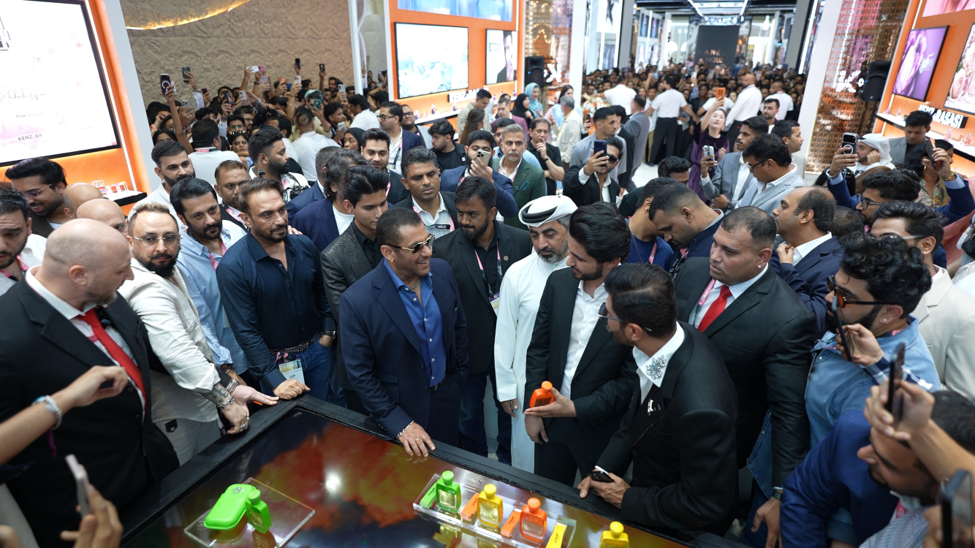
The official unveiling was further marked by the presence of Bollywood superstar Salman Khan, who joined Mr. Anis Abdul Razak at the Kenz ‘de’ Rasasi booth as Chief Guest. His presence brought an added cultural and emotional dimension to the occasion, connecting the Dubai-born house with audiences across the region and beyond. As a familiar and influential figure across India, the UAE and international markets, Salman’s participation added further significance to a launch centred on taking a regional fragrance legacy to a global audience.
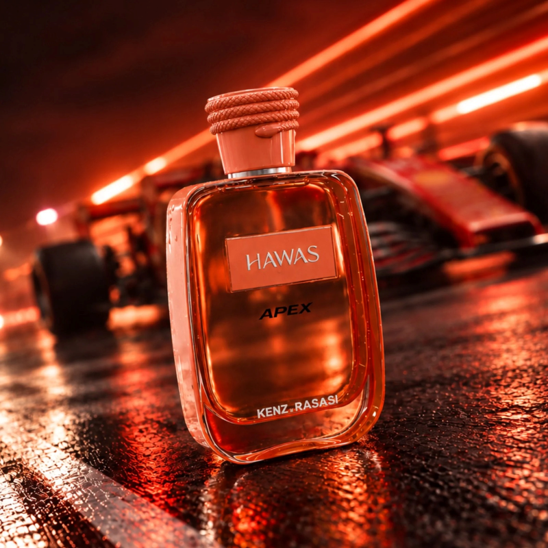
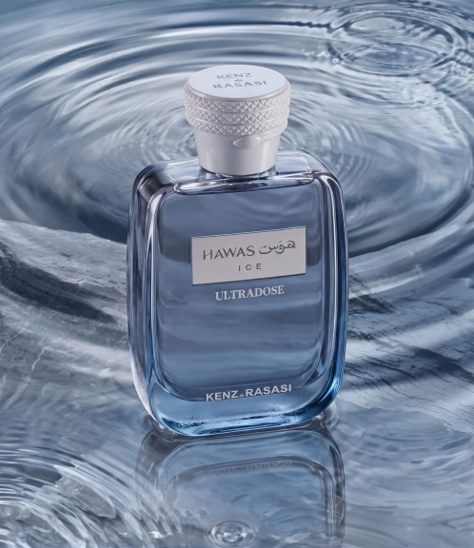
At Beautyworld Middle East, Kenz ‘de’ Rasasi unveiled eight fragrance collections, with custom bottle redesigns, elevated materials and tactile packaging that reinterpret Rasasi’s artistry through a modern lens. The collection includes Beyond Hawas, Hawas Apex, Hawas Desire, La Yuqawam Terrabotanica, Daareej, Shuhra, Rimal, and Tobacco. Every element has been developed to create a complete fragrance experience while maintaining a clear connection to the house’s origins. Inspired by legacy, built for the future, Kenz ‘de’ Rasasi is looking to give the treasures of Rasasi a new place in the world of fragrance.
This Pinktober, RX Coffee Apothecary is adding a little sweetness to an important cause with a simple gesture designed to recognize those taking a proactive step towards their health.
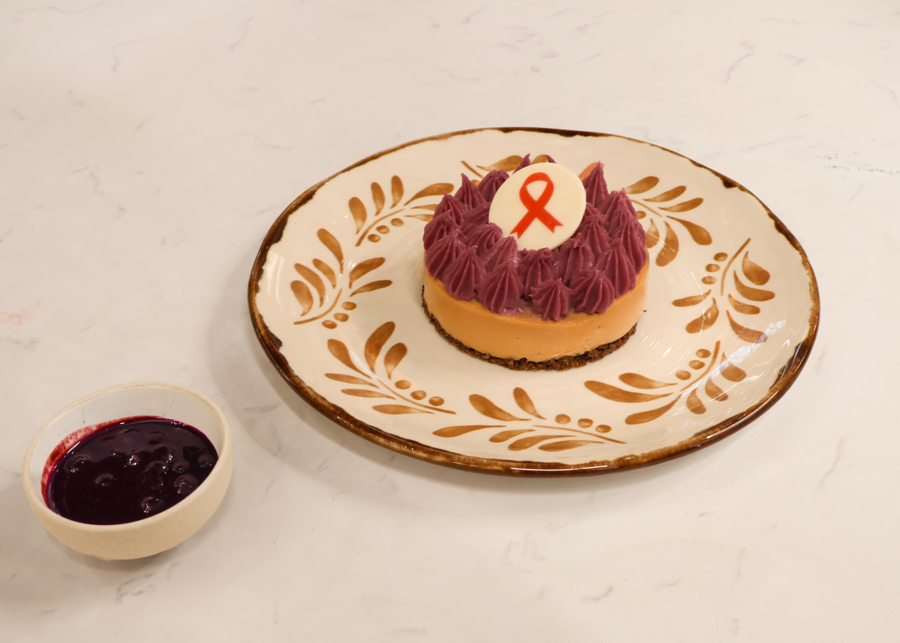
As part of its Pinktober initiative this October, RX is offering a complimentary Strawberry Softie to customers who present proof of breast cancer screening. Available across all RX outlets throughout the month, the gesture is RX’s way of acknowledging and supporting those who have prioritised their health and taken an important proactive step.
Through the initiative, RX aims to raise awareness around the importance of early screening and preventive health, while using an everyday coffee stop as an opportunity to spark meaningful conversations. By engaging its community in a simple and approachable way, RX hopes to reinforce the message that taking the time to get screened can make a meaningful difference.
Adding to its Pinktober offerings, RX has also introduced Pinktober Tart, priced at AED 45. The Pinktober initiative is available throughout October across all RX outlets, including Dubai Mall, Jumeirah, City Centre Mirdif and City Centre Al Zahia. Because sometimes, taking an important step for your health deserves a little something sweet.
Uncategorized
DINE IN PINK FOR A PURPOSE AT GRAZER, MÖVENPICK HOTEL APARTMENTS DOWNTOWN DUBAI THIS OCTOBER
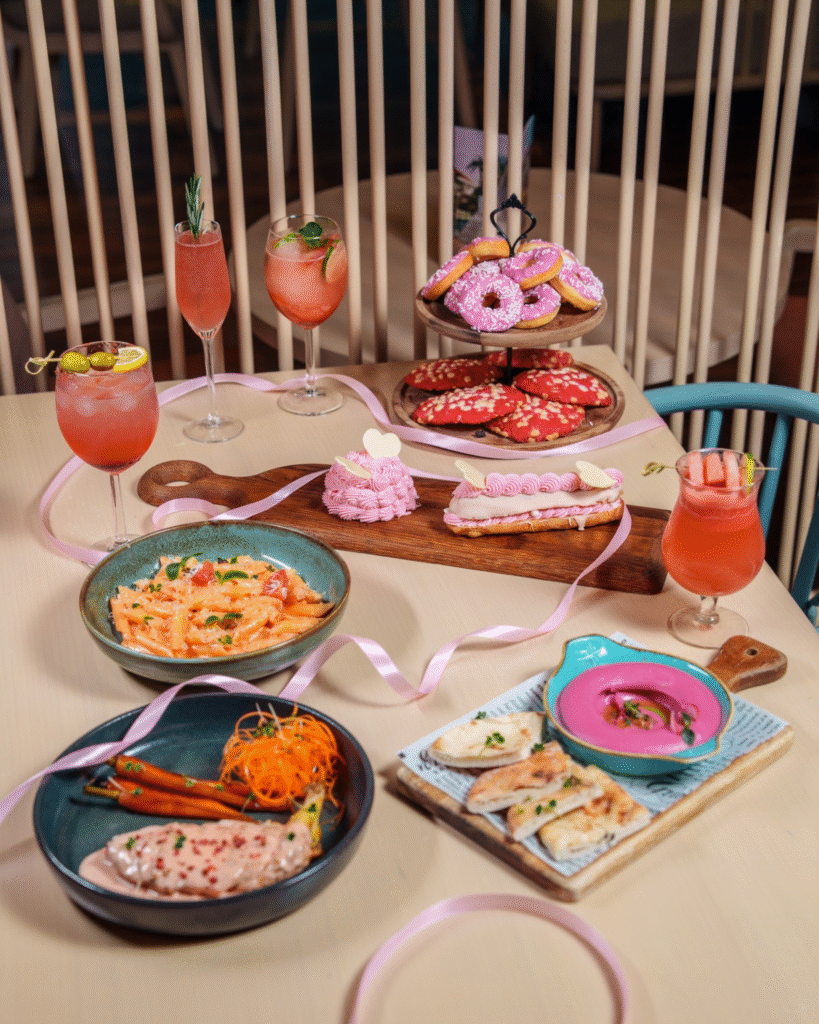
This Pinktober, Grazer at Mövenpick Hotel Apartments Downtown Dubai is turning pink for a purpose with the launch of a limited-edition Pink Menu in support of Al Jalila Foundation.
Available until 31 October 2026, the month-long initiative invites guests to sip, savour and give back, with 25% of sales from the Pink Menu, excluding applicable taxes and fees, donated to Al Jalila Foundation.
Created especially for Pinktober, the menu features a selection of vibrant pink-inspired creations, including three refreshing drinks, three pastries and three savoury dishes. Pink drinks and pastries are priced at AED 30 each, while savoury dishes are available à la carte from AED 55 to AED 75.
Adding another touch of pink to the experience, guests who wear pink while dining at Grazer will receive 10% off their total bill, encouraging diners to show their support while enjoying the specially curated menu with friends and family.
Open daily from 8:00 AM to 11:00 PM, Grazer welcomes families and younger guests to take part in the initiative, with children also able to order from the Pink Menu at the same prices.
Through the Pinktober campaign, Grazer and Mövenpick Hotel Apartments Downtown Dubai aim to turn an everyday dining experience into an opportunity to give back, bringing the community together over good food and a meaningful cause throughout October.


RISE Summit 2026 brings global investment leaders to Dubai as shifting capital flows reshape growth opportunities
ParamountAssure calls for stronger OT security to protect essential services at CYSEC UAE 2026

Opening of HR Summit & Expo 2026 Under the Patronage of the Dubai Government Human Resources Department



-

 Trending12 months ago
OPPO A6 Pro 5G Review: Reliable Daily Driver
-

 Tech News2 years ago
Denodo Bolsters Executive Team by Hiring Christophe Culine as its Chief Revenue Officer
-
 VAR1 year ago
Microsoft Launches New Surface Copilot+ PCs for Business
-

 Automotive2 years ago
AGMC Launches the RIDDARA RD6 High Performance Fully Electric 4×4 Pickup
-
Tech Interviews3 years ago
Navigating the Cybersecurity Landscape in Hybrid Work Environments
-

 Hospitality2 years ago
Gulfood 2025 30th Edition Kicks Off Today, Setting New Benchmarks in F&B Growth and Innovation
-

 Tech News1 year ago
Nothing Launches flagship Nothing Phone (3) and Headphone (1) in theme with the Iconic Museum of the Future in Dubai
-

 VAR2 years ago
Samsung Galaxy Z Fold6 vs Google Pixel 9 Pro Fold: Clash Of The Folding Phenoms