
 Have a question? +971 56 404 0503




Uncategorized
ABU DHABI, WHERE THE WORLD UNITED FOR PATIENT SAFETY

At the 2nd International Forum of Pharmaceutical Inspectorates (IFPI), held on November 24–25 at the Marriott Hotel Downtown Abu Dhabi, global regulatory authorities and pharmaceutical industry leaders reaffirmed a shared commitment to ensuring safe, effective medicines worldwide. Co-chaired for the second year by the Russian Federation, the Forum drew representatives from more than 50 countries. With medicines often manufactured in one country, packaged in another, and prescribed in a third, the Forum stressed that shared standards and transparent dialogue remain essential to global patient safety.
The program opened with high-level plenary sessions attended by heads of representatives of the regulatory authorities and experts from Russia, the UAE, France, Serbia, India, Singapore, Indonesia, Myanmar, the US, Cuba, Chile, Jordan, Egypt, Turkey, Armenia, Belarus, Kyrgyzstan, Afghanistan, Pakistan, Ecuador, and others, and African nations participating in the African Medicines Regulatory Harmonization (AMRH) initiative. Subsequent sessions focused on GMP regulatory challenges, the harmonization of pharmaceutical production requirements, and approaches to mutual recognition of GMP inspection results. Delegates also examined inspection mechanisms for biological products and strategies to improve access to modern medicines across different health systems.
Shared mission: patient safety above all: “Cooperation between regulatory authorities increases the availability of high-quality, safe, and effective medicines while improving transparency,” said Vladislav Shestakov, Co-Chair of the Organizing Committee and Director of the State Institute of Drugs and Good Practices (SID & GP). “Quality is not merely about inspections and reports—it begins with the mindset of its creators. Like classical music, achieving a pure sound requires professional instruments and fine-tuning.” For the second consecutive year, Russia served as Co-Chair of the Forum’s Organizing Committee. The representative of the UAE, Dr. Shaikha Al Mazrouei, Director of Reference National Laboratory, Drug Department, Emirates Drug Establishment, stressed that countries that strive to ensure the modern level of quality of medicines and their accessibility to patients, as well as to develop their own R&D-based pharmaceutical industry, are convinced of the efforts to deepen the harmonization process. “Today, we are discussing how regulatory harmonization can help ensure that medicines are available to patients in our countries on faster and safer pathways. And, of course, the GxP practice system is the most important part, the core of the entire process. Closer integration into global regulatory processes and the development of digital healthcare are the tools that ensure the success of this movement. In this regard, the Forum provides an important chance for the entire GMP community to gather and discuss the challenges that we face and how we can help each other overcome them.”
Collaborate: This year’s Forum brought together GMP authorities, business leaders, and technical experts to enhance transparency, support regulatory convergence, and strengthen global GMP oversight. The message—collaborate—resonated throughout keynotes and panel discussions, underscoring that interconnected health systems require unified regulatory approaches. As biotechnology advances, global supply chains expand, and AI reshapes healthcare, regulators must work together to safeguard the quality and safety of medicines. Participants included officials and regulators from about 50 countries—among them Jordan, Cuba, Indonesia, the UK, the US, China, India, Italy, Belgium, Denmark, Serbia, Mongolia, and Turkey—alongside pharmaceutical manufacturers and international experts.
Key themes and high-level discussions: The Forum addressed critical areas shaping the global
pharmaceutical landscape, including:
● Harmonization of pharmaceutical manufacturing regulations and movement toward unified quality standards
● Access to modern medicines across diverse healthcare systems
● Regulatory trust, reliance, and mutual recognition of GMP inspections
● Inspection approaches for biological medicinal products and mechanisms for information exchange
Dmitry Galkin, Director of the Department for the Development of the Pharmaceutical and Medical Industry at the Ministry of Industry and Trade of the Russian Federation and Head of the Russian GMP Inspectorate, noted that the global regulatory environment is undergoing rapid transformation. With innovations—from gene therapy to antibody-based drugs—emerging at unprecedented speed, regulatory systems must adapt continuously. “A new architecture of global pharmaceutical regulation is taking shape, where mutual recognition of inspections, data exchange, and comparable quality standards become key elements,” he said.
A space to learn, exchange, and evolve: Alongside high-level discussions, delegates participated in workshops and case-based sessions to strengthen technical expertise and inspection competencies. The Forum served as a space for shared learning and practical problem-solving. Participation by the Russian Ministry of Industry and Trade and the State Institute of Drugs and Good Practices underscored ongoing efforts to integrate with the global GMP community. The Forum aspires to continue to serve as a key platform for shaping a unified GMP agenda, reinforcing professional trust, and coordinating regulatory initiatives.
Contributions from leaders such as Dr. Olga Lidia Jacobo Casanueva, Director of Cuba’s Center for State Control of Medicines, further highlighted the value of international cooperation. “The IFPI Forum demonstrates how global collaboration can substantially strengthen regulatory systems and elevate the quality, consistency, and integrity of GMP inspections worldwide. This platform allows us to share experiences openly, learn from one another, and build confidence among inspectorates—an essential foundation for safeguarding public health across borders. ASEAN is committed to contributing actively to this shared vision. Through harmonized standards, capacity building, and a science-based inspection approach, we aspire to become a trusted regulatory partner in the global pharmaceutical ecosystem. Indonesia is proud to support these efforts, ensuring that our collective work ultimately leads to improved access to safe, effective, and high-quality medicines for patients everywhere,” said Prof. Dr. Taruna Ikrar, M.Biomed., Ph.D., Head of the Indonesian FDA (BPOM).
Looking ahead: Across the two days, one message stood out: progress in pharma begins with people—those who inspect, regulate, innovate, and ask, “Can we do this better?” The discussions set the stage for ongoing collaboration and the return of a more robust next edition.
Who says your morning workout has to come with four walls? Level 43 Sky Lounge is teaming up with CRANK to bring an exhilarating rooftop cycling experience to Dubai, inviting fitness enthusiasts to start their day with an energising ride high above the city.
Taking place on the Level 43 helipad, A Morning Above the City combines the thrill of an outdoor cycling session with spectacular views of Dubai’s skyline as the city comes to life. Guests can choose from two morning sessions before enjoying a well-deserved breakfast at Level 43 Sky Lounge. With just four classes across two days and limited spaces available, this is one morning workout worth setting an early alarm for.
Details:
- Event: A Morning Above the City – Rooftop Cycling with CRANK | When: 31 October and 1 November 2026, 7:00 AM and 8:00 AM | Price: AED 200 per guest, including breakfast at Level 43 Sky Lounge | Highlights: Rooftop cycling on the Level 43 helipad, panoramic Dubai skyline views and post-workout breakfast | Availability: Four classes across two days, limited spaces | Location: Level 43 Sky Lounge, Four Points by Sheraton Sheikh Zayed Road | Reservations: Advance booking required via the event booking link
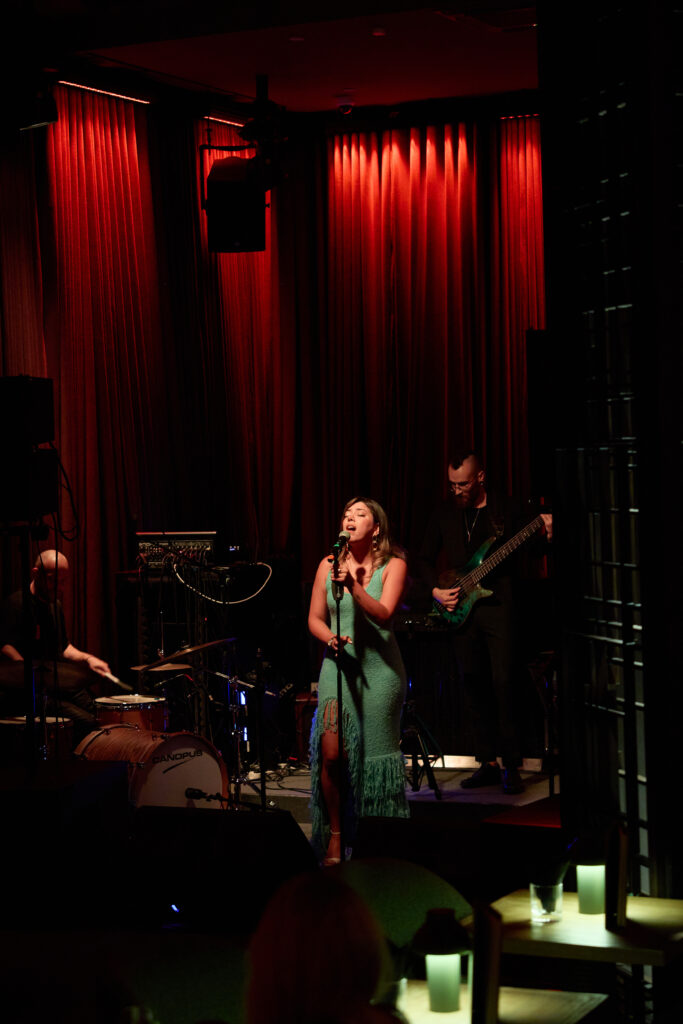
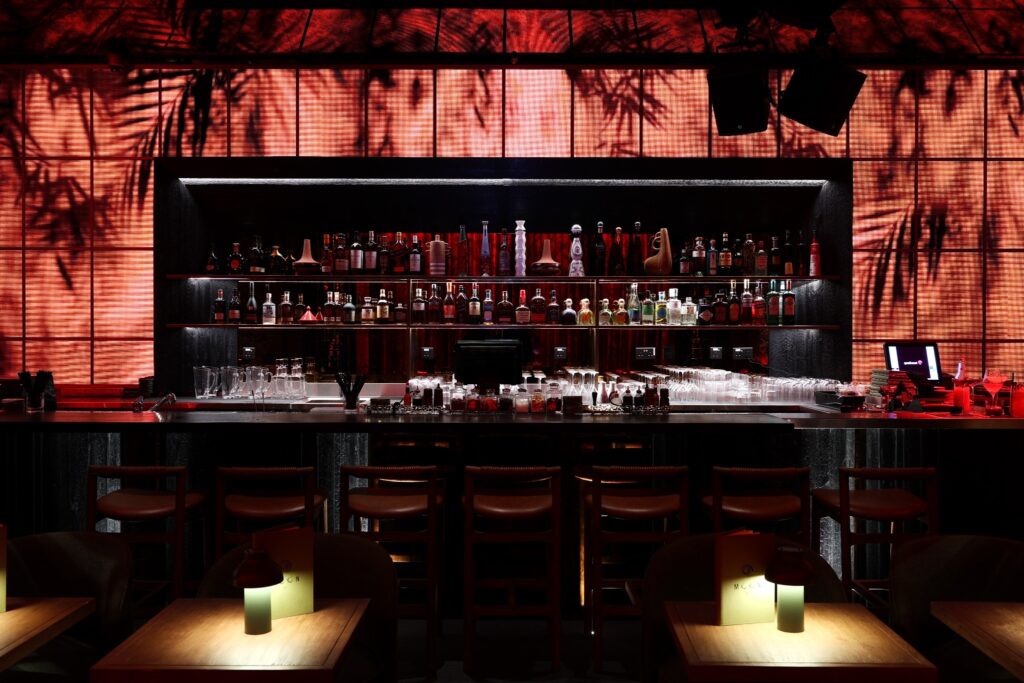
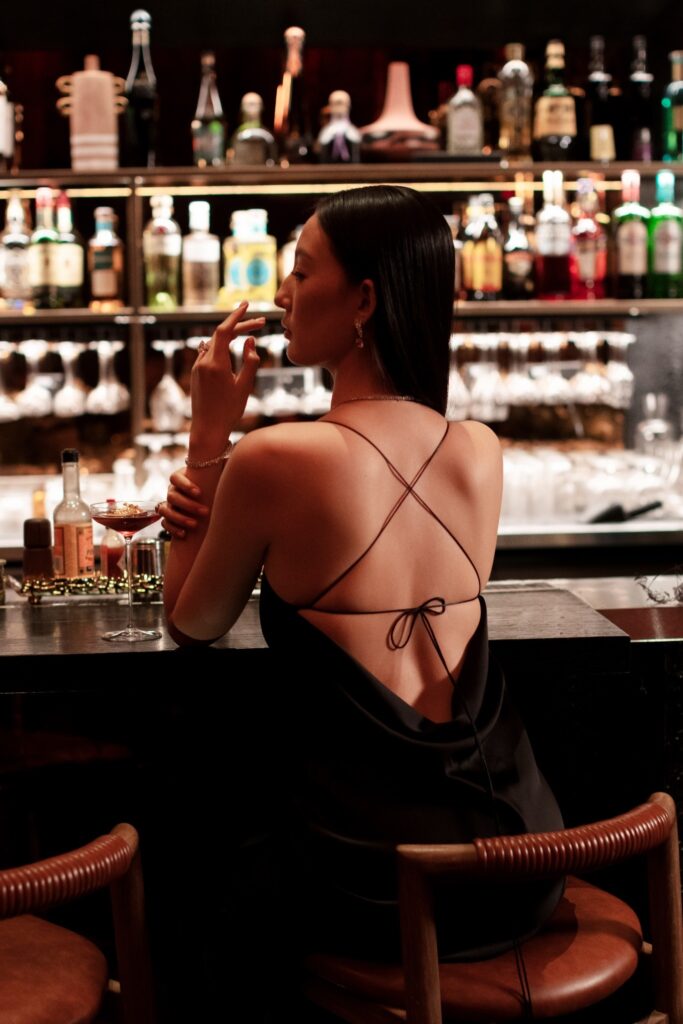
This Halloween, MOON Bar at SANA Restaurant invites Dubai’s night owls to step into the shadows for ECLIPSE AT MOON, an immersive evening of karaoke, themed cocktails, dance entertainment and a DJ afterparty on Saturday, 31 October.
Set within the intimate speakeasy at Jumeirah Mina Al Salam, Madinat Jumeirah, the event promises a playful take on Halloween nightlife, bringing together music, friendly competition and a dramatic eclipse-inspired setting.
The evening begins at 9:00 PM with open karaoke, inviting guests to take the microphone and perform their favourite tracks, from Halloween classics such as Michael Jackson’s Thriller to crowd-pleasers including Disturbia and Toxic. Those who prefer to share the spotlight can join the Scary Duet round, while competitions for Best Costume, Best Karaoke Performance and Best Duet add a competitive edge to the night. A secret guest appearance during karaoke will offer an additional surprise.
Special dance performances will build the energy throughout the evening before the focus shifts to the dance floor at 11:00 PM, when the DJ afterparty begins. The celebration continues until 2:00 AM, accompanied by atmospheric lighting and eclipse-inspired visuals.
The venue will be transformed with silver eclipse details, dark florals and moody lighting, creating a sophisticated Halloween setting. Costumes are encouraged but not compulsory. Guests looking for a subtler approach to the theme can opt for black, silver, charcoal grey, midnight blue or deep burgundy.
Food and drinks remain part of the experience, with SANA’s à la carte menu available at MOON throughout the evening, alongside specially created Halloween cocktails.
Whether guests are ready to take the stage, compete for the best costume or simply settle in for dinner, cocktails and late-night music, ECLIPSE AT MOON offers a Halloween night out with a distinctive speakeasy atmosphere.
This October, Acacia Lounge at Al Habtoor Grand Resort, Autograph Collection invites guests to enjoy a simple yet indulgent pairing of expertly brewed coffee and a delicate pink macaron.
Bathed in natural light and offering a relaxed setting, Acacia Lounge provides the perfect spot to pause and unwind over a freshly prepared coffee, accompanied by a petite pink macaron.
Available daily throughout October, the experience is priced at AED 38 per person. Date & time: Daily – throughout the month of October | 7:30am – 10:30pm | Price: AED 38 per person | Place: Acacia Lounge, Al Habtoor Grand Resort, Autograph Collection


Submer to Address the Infrastructure Challenges Behind Sovereign AI at DCD Connect | MENA 2026
Terrace Dining, Oktoberfest, and Beach Days Return to InterContinental Abu Dhabi This October

THE STORIES BEHIND THE MATERIALS SHAPING UAE INTERIORS



-

 Trending12 months ago
OPPO A6 Pro 5G Review: Reliable Daily Driver
-

 Tech News2 years ago
Denodo Bolsters Executive Team by Hiring Christophe Culine as its Chief Revenue Officer
-
 VAR2 years ago
Microsoft Launches New Surface Copilot+ PCs for Business
-

 Automotive2 years ago
AGMC Launches the RIDDARA RD6 High Performance Fully Electric 4×4 Pickup
-
Tech Interviews3 years ago
Navigating the Cybersecurity Landscape in Hybrid Work Environments
-

 Hospitality2 years ago
Gulfood 2025 30th Edition Kicks Off Today, Setting New Benchmarks in F&B Growth and Innovation
-

 VAR11 months ago
Huawei Nova 14 Pro Review: Where Camera Excellence Meets Ecosystem Evolution
-

 Tech News1 year ago
Nothing Launches flagship Nothing Phone (3) and Headphone (1) in theme with the Iconic Museum of the Future in Dubai