Home Integrator
DESIGNING EXPERIENCES, NOT JUST SPACES: STUDIO WYZE’S STORY-DRIVEN PRACTICE

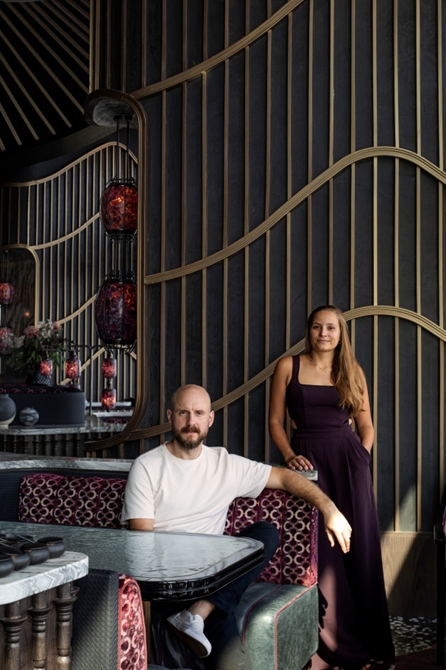
Exclusive Interview with Christina Arbenz and Chris Sayce, Co-founders and Principals of Studio WYZE

Studio WYZE works across hospitality, residential and product design. When you approach a space, what elements of your process stay constant—no matter the typology?
We always start with the layout, as it often opens the pathway for the concept to unfold. Layout is vital for all parties: operations rely on it to function efficiently; owners need it to achieve a desired number of covers and guests need to feel comfortable and immersed in the experience. The storytelling then comes into play, anchoring the guest journey in narrative. We approach the design of spaces as a series of framed views, with transitions between them unfolding like cinematic shots, guiding people slowly and deliberately through the space.
Many interior studios today lean heavily into aesthetics-first storytelling. How do you ensure that emotional resonance and functionality hold equal weight in your projects?
The emotional resonance of a space comes from how the storytelling unfolds. When the narrative is clear and carried through every step of the design, the guest’s experience becomes part of that story. We think about how someone will sit in a space, how they will interact with the furniture around them, what they will touch, the textures they will feel—and how each of these moments makes them feel. Functionality comes alive in the details. We focus intensely on the refinement and coordination of every elements, so the space not only looks beautiful, but works seamlessly for the team using it day-to-day, and feels effortless and comfortable for the guest.
Hospitality design often demands drama and immersion. How does that sensibility influence the way you approach high-end residential interiors?
Hospitality and residential design both aim to create environments that feel comfortable for the individual using them. In F&B, the experience is often tied to a brand narrative — its cuisine, culture and inevitably a bit of a theme. In hotel design, the storytelling comes from the sense of place, the local context and the type of guest the brand is aimed at. In high-end residential, the goal is similar: to tell a story, but one that belongs to the resident. We look to their tastes, hobbies, travels and meaningful memories, and bring these together to create a space that reflects who they are.
With studios in London and Zurich and projects across global markets, how do you adapt your design language without losing Studio WYZE’s signature identity?
Our identity comes through our process, rather than a signature aesthetic. We approach each project as a unique, individual space. We begin with the building itself—its location, history and purpose—and from there weave in the brand or resident identity, uncovering the story the space is meant to tell. We immerse ourselves in the process, designing bespoke furniture and lighting that give each space its own character. We collaborate with local craftsmen, artisans and manufacturers, and we’re always traveling and exploring to discover new methods, ideas and approaches that bring fresh energy and perspective to our work.
TATTU Dubai unfolds as a multi-level journey inspired by mythology. How early did storytelling become the anchor for this project?
The foundations of TATTU as a brand stem from the history of Asian Tattoos, whereby the inked spirits would endow the owner with protective and strengthening properties. Previous TATTU venues have grounded themselves in four core ‘spirit animals’; the Dragon, the Carp, the Phoenix and the Tiger. The brief was to interpret this core brand narrative into three unique concepts, developing on the design touchpoint to create a more holistic and narrative-driven design.
From the beginning, we felt the most authentic way to unfold the brand and its mythology across the three levels was to develop individual realms for three of these core characters. Our chosen three were The Dragon, featuring at Level 74 as part of the main TATTU Restaurant and Bar; The Carp, featuring at Level 76 as part of the Pool Deck and Sushi Lounge concept; and The Phoenix, feature at Level 81 as part of the Cocktail Bar and Lounge concept. The key was to maintain the storytelling of each of these spirits through materiality, detailing, colour palette and accessories.
From Shou-Sugi-Ban timber to onyx and amethyst glass, the palette is bold yet controlled. How do you decide when a material should lead versus support the space?
We play with contrasts in texture and finish—smooth versus rough, dark versus light, metallic versus natural, gloss versus matte. Every material has a purpose, even if some are more visually dominant. The secondary materials are almost always interesting in their own right, adding depth and nuance to the space. For example, in our main restaurant, the gold leaf slats immediately draw the eye, but behind them, the black plaster finish has its own subtle movement. The hand-applied texture and selective polishing create variations in gloss and shadow, giving the surface life and detail, even when the focus is on the gold above. It’s this layering and dialogue between materials that allows a space to feel rich and purposeful, whether a material is leading or supporting.
Designing the world’s highest infinity pool is no small feat. How did you approach creating a space that feels relaxed yet elevated—literally and conceptually?
On the pool deck, the design is restrained, giving the breathtaking views and architecture the space to speak for themselves. We approached the pool deck with a soft, fresh and airy palette, favouring natural tones that evoke calm. The light aqua hue references both the tranquil colours of water and the legend of the Carp, adding a subtle layer of narrative. The timbers were treated to feel lighter and sun-bleached, as if naturally weathered over time, while the fabrics, though simple, are tactile and inviting, adding a quiet richness to the experience. The goal was to create a space where guests could relax among the foliage and fully appreciate the spectacular views beyond.