Hospitality
WHY HOTELS ARE BETTING ON PREMIUM BEEF AS A BRAND DIFFERENTIATOR IN 2026

Exclusive interview with Darren Watson, Regional Manager, Europe, Middle East & Africa, Meat & Livestock Australia.
Premium beef is no longer limited to white-tablecloth dining. How are hotels today integrating premium beef sourcing across different F&B formats, from luxury restaurants to all-day dining and casual concepts, without compromising margins?
Hotels are no longer sourcing beef purely on price. Instead, they are prioritising consistency, yield and eating quality across all F&B formats, from signature restaurants to all-day dining and casual outlets.
Premium beef is now being used far beyond fine dining, particularly in burgers, grills and sharing concepts, where guests are willing to pay for quality. Grain-fed and Wagyu beef are increasingly appearing in casual formats because they deliver flavour and reliability without adding complexity in the kitchen.
Australian beef allows hotels to manage margins by using a wider range of cuts, including secondary cuts and smaller portions, while still delivering a premium experience. Consistent eating quality, traceability and provenance give chefs confidence that the product will perform across multiple outlets, helping hotels balance quality, creativity and commercial returns.
You lead Meat & Livestock Australia across multiple regions and verticals. What drew you to this industry in the first place, and what keeps you motivated to drive premium Aussie Beef and Lamb adoption in the UAE and MENA region?
I joined MLA in 2025 with over 25 years’ senior executive experience in global business, specialising in the international marketing and business development of Australian agricultural products across the Middle East, Africa and the Subcontinent, supported by extensive cross cultural leadership experience.
What attracted me to this role and what continues to drive me is the immense opportunity I see here for Australia’s high quality, consistent, and sustainably produced Aussie Beef and Lamb. Over the past five years Australia’s red meat export volume growth has been faster to the MENA region than the rest of the global markets combined (10% vs 7%) and value growth has been more than double to the MENA region (14% vs 6%), which speaks to its reputation not only in the MENA region but around the world.
Consumers are looking for responsibly farmed, high quality meat, and Aussie Beef and Lamb is leading the way in meeting those expectations.
Chefs are increasingly shaping purchasing decisions rather than simply executing them. How are fine-dining concepts and chef-led menus influencing demand for higher-grade beef cuts across the region?
Chefs are now central to purchasing decisions, driving demand for premium cuts, consistent eating quality, and trusted provenance. They want confidence in where the beef and lamb they buy comes from and how it’s produced, and that it’s going to meet their customers’ expectations, every time.
Australia’s grain-feeding programs are carefully designed to support each animal reach their quality potential, delivering that signature rich and deep flavour that high marbling, premium beef is known for. Combined with Australia’s ideal environment, strong biosecurity measures, and rigorous processing standards, you get a consistently premium product that can be supplied 12 months of the year to the highest global standards.
Additionally, Australia is home to the second largest Wagyu herd in the world behind Japan and is the largest exporter of Wagyu beef. Combining traditional Japanese Wagyu bloodlines with innovative and sustainable farming techniques, Aussie Wagyu delivers exceptional marbling and flavour all year-round.
Innovation is a major focus for Meat & Livestock Australia at Gulfood 2026, with five pioneering brands showcasing next-generation solutions. How important is innovation, from oxygen-elimination packaging delivering chilled shelf life beyond 120 days to supply-chain efficiencies in futureproofing the red meat industry for hospitality?
Innovation is critical. Advances in packaging shelf life and cold chain efficiency are transforming how Aussie Beef and Lamb is stored, shipped and utilised, reducing waste, improving consistency and giving hospitality operators greater flexibility without compromising quality. Innovation supports premium positioning, rather than replacing product quality.

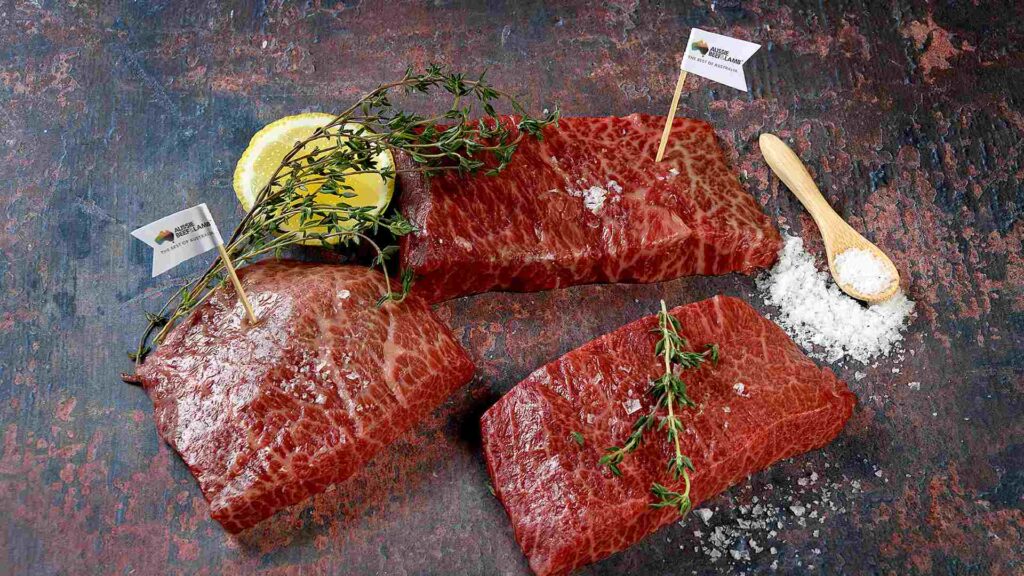
Australian beef exports to the region are seeing average unit values grow nearly twice as fast as the global average, signalling that buyers are paying more for quality, marbling, and consistency. How have chef and buyer expectations evolved over the past few years, and what does this mean for suppliers?
Buyers are far more informed and discerning than they were even a few years ago. With growing affluence among the MENA region households, and continued strong growth forecast to 2030, particularly in Saudi Arabia and the UAE (US $50,0000 + annual household disposable income), they’re paying for reliability, eating quality, and brand trust.
With its world class traceability and eating quality grading systems, premium Australian grainfed beef delivers this trust from farm to fork, every animal is tracked, ensuring top tier food safety and transparency.
Sustainability credentials and provenance are an increasingly part of supplier selection and brand storytelling, not a “nice to have”.
What’s one thing you want hospitality leaders in the UAE to understand about premium beef in 2026 that they might not be thinking about yet?
Premium beef is no longer just a luxury ingredient; it’s a brand and experience differentiator. Those who integrate it into their broader food story, will see the strongest returns. As a brand, Aussie Beef & Lamb logos now have high awareness and strong associations with quality, safety and trust. Australian red meat is widely viewed as the “most superior” among imports by affluent MENA region consumers.
Looking ahead, what should hotel groups and F&B leaders be paying closer attention to when it comes to premium beef sourcing in the next three to five years?
Over the next three to five years, premium beef sourcing will be less about individual cuts and last-minute substitutions, and more about long-term, reliable partnerships that deliver consistency, flexibility, and eating quality across multiple dining formats.
In 2026, some 128m tourists are expected to arrive in the region and spend around US$ 151.3bn. An additional 27m tourists are forecast between 2025-2030 with Saudi Arabia, UAE and Egypt leading the growth. An additional 560 new hotels (and associated dining venues) are forecast to be built over the same period, boosting food and red meat consumption.
Visitors to the UAE are more informed and adventurous diners; they expect high quality and menus designed for international tastes. Aussie Beef and Lamb are a trusted choice across all international cuisines from fine dining, to casual and all-day menus. As expectations around sustainability, transparency, and supply-chain reliability continue to rise, operators will increasingly favour suppliers that can support menu engineering, yield optimisation, and storytelling.