
 Have a question? +971 56 404 0503





Home Integrator
‘SHARE THE JOY, GIVE A TOY’ RETURNS THIS RAMADAN 2026 TO SUPPORT CHILDREN IN NEED ACROSS THE UAE


Landmark Leisure, the entertainment division of the Landmark Group, is pleased to announce the return of its CSR initiative, ‘Share the Joy, Give a Toy’ by its flagship brand, Fun City Arabia.
This event is being organized in association with Emirates Red Crescent and Islamic Affairs & Charitable Activities Department, bringing together those who share a common goal of compassion, responsible giving, and sustainability. This community-based initiative, inspired by the spirit of Ramadan, aims to collect preloved toys that are in usable condition. These toys will then be carefully collected and distributed through Emirates Red Crescent and Islamic Affairs & Charitable Activities Department, ensuring that they reach underprivileged children in the UAE. In addition to giving toys a second life, this initiative also supports the cause of sustainable consumption and responsible reuse.
Under the initiative, families can drop off pre-loved toys at participating Fun City locations across the UAE, including Fun City at Arabian Centre, Mercato Mall, Century Mall (Mamzar), Ibn Battuta Mall, Oasis Centre, Nad Al Sheba Mall, Abu Dhabi Mall, Dalma Mall, Al Falah Central Mall, Al Seef Village Mall, Marina Mall, Kalba Mall, Oasis Sharjah, Bawadi Mall, and Al Hamra Mall & Fun Block at Zero6 Mall, Fujairah Mall, Souq Al Jami, Barari Outlet Mall, Fun Works, and Tridom in UAE and Fun Ville at Al Khor Mall, Ezdan Mall (Al Gharafa), Al Asmakh Mall, Barwa Village, Ezdan Mall (Wakrah), Barwa City, and Abu Sidra Mall in Qatar.
These stores were chosen for easy access, enabling families and visitors to participate and bring joy to children who need them. With multiple drop-off points across the city, Landmark Leisure aims to make the act of giving more accessible and impactful.
Speaking about this initiative, Silvio Liedtke, CEO of Landmark Leisure, GCC and India, said: “Ramadan is a time when the community comes together through acts of kindness and generosity. ‘Share the Joy, Give a Toy’ is a platform that encourages families to be a part of this act of kindness by donating toys that can bring joy to children in need. This Ramadan, we are delighted to continue this initiative with our partners and the community, and we look forward to seeing families come together to share the joy of giving.”
The initiative invites guests across the UAE to come together and make a meaningful difference through small acts of generosity this Ramadan.
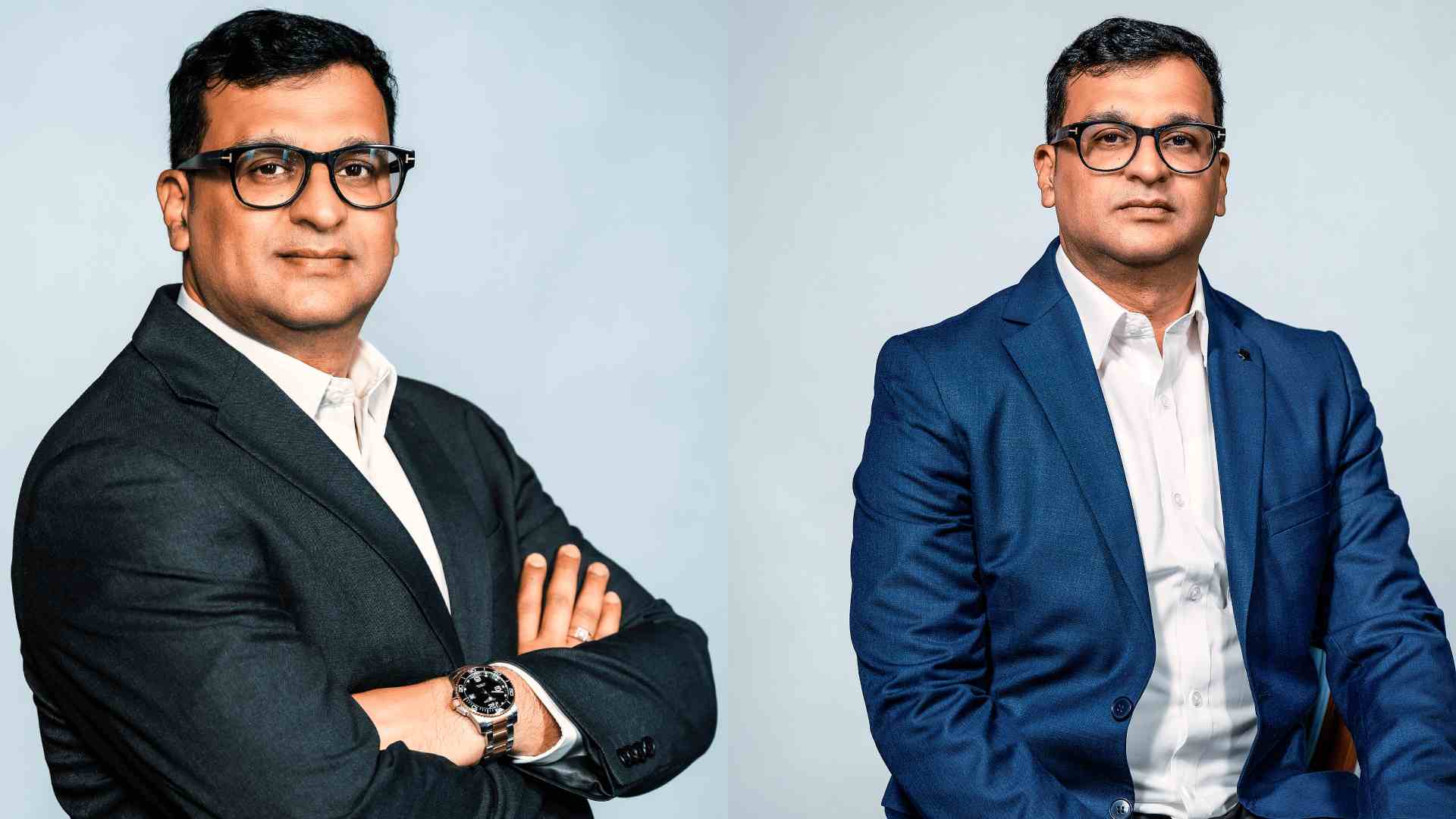
Exclusive interview with Chetan Gopal, Managing Director – Oilfield Services, Industrial Coatings & Project Management, Innovations Coatings.
With the UAE continuing to expand its energy, oil and gas, and industrial infrastructure, what are the key challenges organisations face in protecting critical assets?
The biggest challenge is the scale and speed of what’s being built. New plants, pipelines and storage facilities are coming up alongside assets that have been running for 20 or 30 years, and both need attention at the same time. Many operators also have very tight shutdown windows, so protection work has to be planned around production rather than the other way round. Then there’s the environment itself. Heat, humidity and salt here are very hard on steel and a coating system that performs well elsewhere won’t always hold up in the Gulf.
What environmental and operational factors are accelerating corrosion and asset deterioration across the UAE’s industrial sectors?
Coastal humidity and airborne chlorides are the main causes, especially for facilities near the sea. Surface temperatures in summer can go well beyond 60°C and the daily swing between day and night puts a lot of stress on coatings. Sand abrasion is another factor people tend to underestimate. On the operational side, process chemicals, high-temperature service and insulated equipment create conditions for corrosion under insulation, which often goes unnoticed until the damage is already significant.
How is the growing focus on asset integrity influencing maintenance strategies and investment decisions among industrial operators?
We’re seeing operators move away from fix it when it fails towards planned, condition-based programmes. Asset integrity teams are now involved much earlier, sometimes at the design stage, specifying coating systems with the full life cycle in mind rather than the lowest upfront cost. Budgets are also being allocated more for inspection and preventive work, because clients understand that one unplanned shutdown can cost far more than years of routine maintenance.
With ageing infrastructure posing operational challenges, how can businesses balance maintenance costs, operational continuity and long-term asset performance?
It starts with knowing the actual condition of your assets. A good inspection and survey lets you prioritize the areas that are genuinely at risk instead of spreading budget evenly. From there, phasing work around planned shutdowns, using coating systems that can be applied with minimal downtime, and doing targeted rehabilitation instead of full replacement all help. In our experience, a well-planned maintenance programme almost always works out cheaper than reacting to failures.
How are advances in protective coatings, surface preparation and rehabilitation technologies transforming the way industries manage corrosion and extend asset life?
Coatings today are far more durable and specialized than they were even ten years ago. High-performance epoxy and polyurethane systems, thermal spray coatings, chemical-resistant linings and intumescent fireproofing all allow us to match the system closely to the service conditions. But the coating is only as good as the surface underneath it. Proper blasting and surface preparation is still where most of the long-term performance is decided, and that’s an area where experience and discipline on site really count.
How can proactive maintenance and infrastructure rehabilitation help reduce operational downtime, replacement costs and environmental impact?
Rehabilitating a tank, pipeline or structure is usually far quicker and cheaper than replacing it and it avoids the material, fabrication and emissions that come with new steel. Catching corrosion early also means the repair is smaller, the shutdown is shorter and the risk of leaks or failures is much lower. From a sustainability point of view, extending the life of an existing asset is one of the most practical things an operator can do.
How are evolving industry standards, inspection practices and emerging technologies shaping the future of industrial coatings and asset protection in the UAE?
Standards have become much stricter, and that’s a good thing for the industry. Major operators such as ADNOC have clear requirements for coating systems, applicator qualifications and quality control, and international standards such as NACE and ISO are now the baseline. Inspection is becoming more data-driven too, with digital records, drones and non-destructive testing making it easier to track coating condition over time. For contractors, it means quality and documentation matter as much as the work itself, and that’s where the industry is heading.
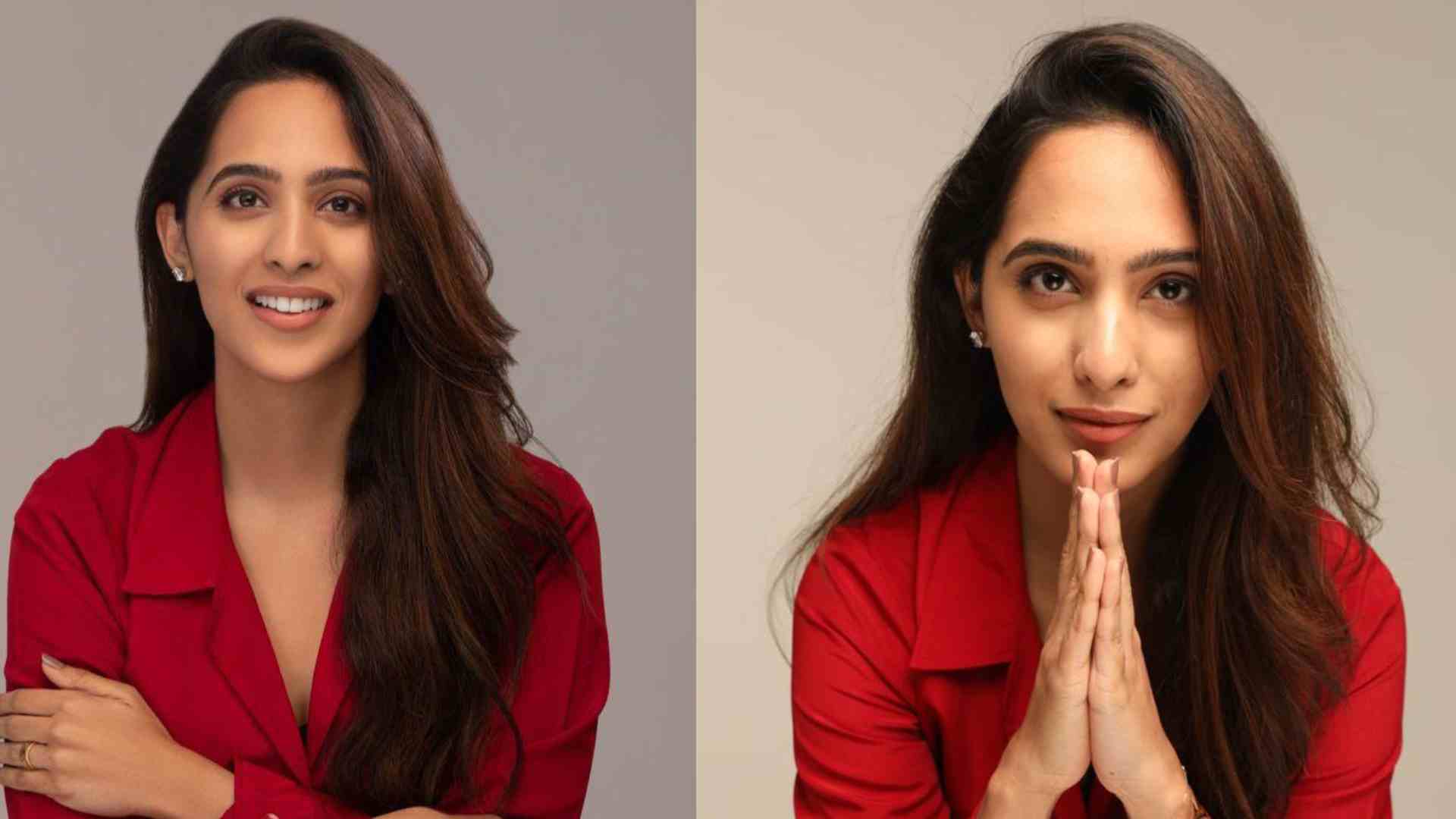
Exclusive interview with Dr Taniyaa Bakshhi, Managing Director, Bakson Group | Brand Lead, Sunny Herbals
Having transitioned from studying homeopathy to leading brand operations and product innovation, how has your medical background shaped your approach to building wellness products and understanding consumer needs?
My medical background has shaped my approach enormously. When you study medicine, you study human anatomy and physiology, such as how the body is structured, how it functions, the different layers of skin and how hair follicles sit within it. That gives you a valuable foundation for understanding what a topical product can realistically do. My clinical practice brought that knowledge to life. Before products came into the picture, I was seeing patients, understanding their concerns and making decisions about their care. Those were real people depending on my judgement, and that responsibility stays with you. It also taught me to listen. What someone describes as a hair or skin concern often comes with frustration, expectations and habits you need to understand. I bring both perspectives into product development, including knowledge of the body and experience of the person living in it.
Your approach emphasises working with the body’s natural systems rather than against them. How does this philosophy influence the formulation of Sunny Herbals’ products, particularly across skincare and haircare?
Our primary goal is to create Indian, plant-based, clean skincare and haircare. That direction is deeply personal to me. I grew up in India, surrounded by plant-based rituals and a belief that nature has something valuable to offer our everyday lives. For me, using plants in skincare and haircare feels like a natural extension of that upbringing. Ingredients such as aloe vera, calendula, rosemary and methi are part of a familiar vocabulary of care. I want to bring that familiarity into products that work practically for people today. At the same time, the whole formulation matters. Choosing a botanical ingredient is only the beginning. How it is formulated, how the product feels and what it can reliably deliver are equally important. When we use the word “clean,” I want it to reflect thoughtful ingredient choices and clear communication. Our aim is to bring Indian botanical wisdom into well-considered everyday care.
The UAE’s climate presents unique challenges for skin and hair, from intense heat and sun exposure to hard water and prolonged air-conditioning. How should consumers adapt their skincare and haircare routines to these conditions, and what should they look for when choosing products?
We started by listening. We sat down with a focus group of UAE based women to understand their skin and hair challenges, and that helped shape our product approach. We wanted to understand what women here actually needed before bringing a product into their routines. One thing that stood out was the contrast between outdoor heat and indoor air-conditioning. People want products that feel comfortable across both environments. Then there is the pace of Dubai itself. It is a city that keeps moving, and personal care needs to fit into that life. We wanted our products to easily fit into routines, with comfortable textures and products with clear purposes. A product can be enjoyable and effective without requiring a lengthy ritual. For example, our Rosemary Methi & Rice Water Hair Reviver reflects that thinking as an easy-to-apply mist that makes haircare feel more accessible when someone does not have time for a long oiling routine. Similarly, our Aloe Vera Calendula Cream offers multipurpose moisturising care for the face, hands and body, as well as skin preparation before makeup and also possible to use as a make-up remover. For me, convenience means making consistent care easier. A routine only becomes useful when people can actually keep doing it
With herbal beauty increasingly intersecting with science-led formulation and modern wellness, what emerging trends or innovations do you believe will shape the future of skincare and haircare in the region?
I believe the future of skincare and haircare in the region will be shaped by a growing demand for botanical ingredients supported by credible research, smarter formulations and simpler, more effective everyday routines. Consumers are becoming more ingredient-conscious and want to understand not just what is in a product, but why it works and how it fits into their lifestyle. What excites me is how traditional ingredients can be reimagined through modern formulation without losing the heritage behind them. At Sunny Herbals, we draw on more than 33 years of Indian botanical beauty heritage while recognising the importance of evaluating the performance of finished formulations. We have also seen encouraging consumer interest in the UAE market. In fact, both products sold out on Amazon within just 15 days of their respective launches, which was an exciting early indication of the growing interest in botanical beauty. I also see greater opportunities for multifunctional products and for botanical care to become part of professional salon and wellness experiences. Aloe vera and calendula can feature in moisturising skincare rituals, while rosemary, methi and rice water offer interesting possibilities for haircare routines focused on conditioning and manageability. Ultimately, I believe that the next phase of beauty in the region will be about combining traditional knowledge with modern innovation to create products that are practical, thoughtfully formulated and relevant to the way people live today.
As Sunny Herbals continues to expand regionally, what will be the key priorities shaping its product development, consumer engagement and long-term growth?
Our priorities are people and results. Product development has to begin with someone’s needs and lead to an experience they value. I want us to create products people enjoy using, see value in and choose to return to. Consumer engagement means being present. I want to meet communities across the UAE through pop-ups, events, demonstrations and direct conversations. There are so many different communities here, and each gives us an opportunity to listen and learn. Feedback is central to that, both positive and negative. It helps us understand what is working, what needs improvement and how we can serve people better in this region. For long-term growth, I believe in consistency and staying power. Trust takes time, and so does building a business that lasts. We want to keep showing up, improving our products and strengthening our relationships with consumers.
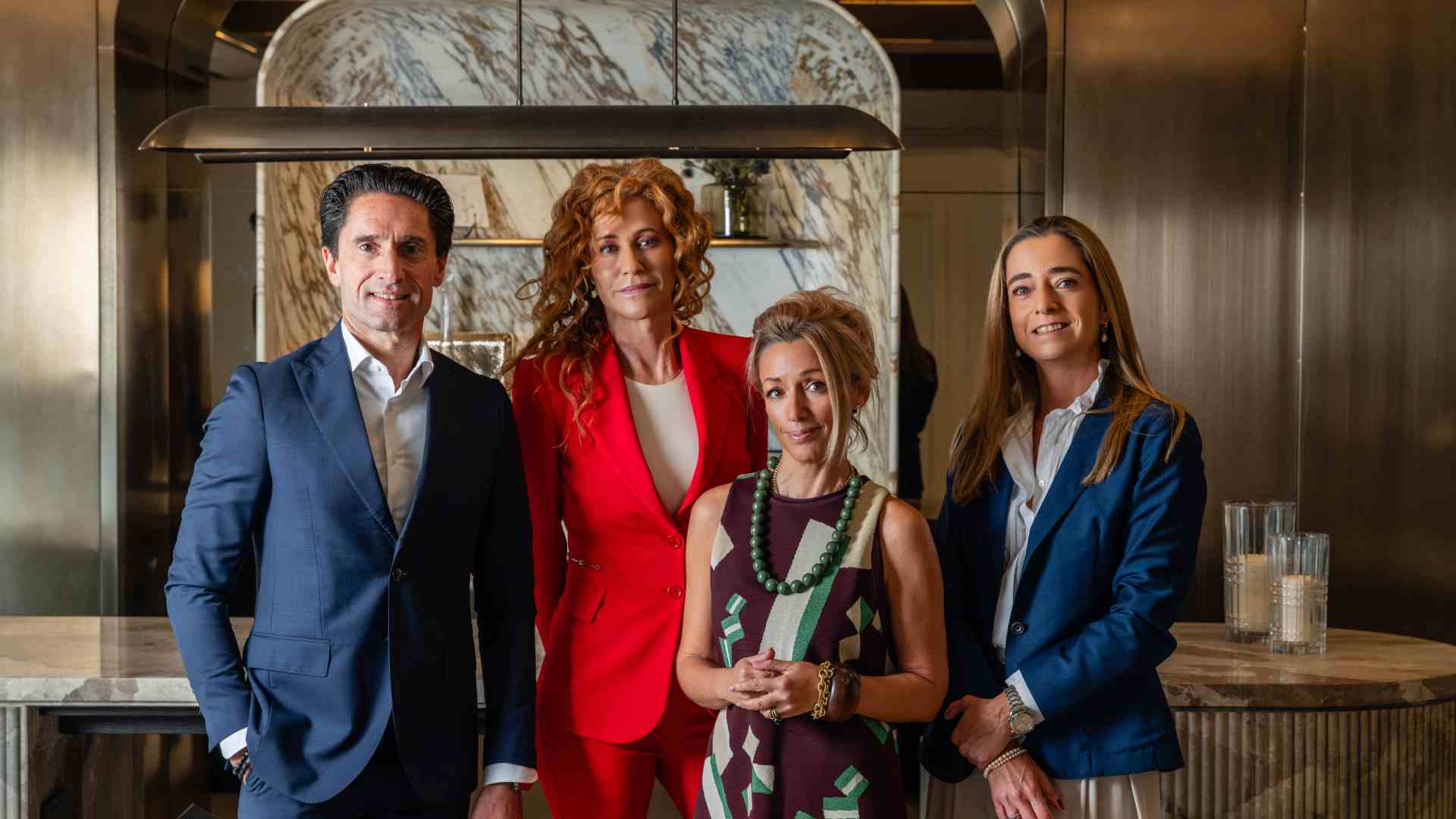
DesignEQ, the international masterplanning, architecture, landscape and interior design practice specialising in luxury hospitality and residential destinations, has opened its first permanent Middle East studio in Dubai, a space that welcomes clients as guests rather than visitors.
Located at Capricorn Tower on Sheikh Zayed Road, the boutique studio has been conceived as a hospitality space first and an office second, reflecting the practice’s belief that design should create an emotional connection with the people who use it. The opening gives DesignEQ a permanent base in a region where it has delivered projects for years.
Reuben Xuereb, Founder and CEO of DesignEQ, said: “We planned this studio as we would a hotel, around how people arrive, where they gather and how the place makes them feel. Like every space we design, it is meant to be felt, not just seen.”
Drawing on Dubai’s culture of hospitality, the studio moves away from the conventional workplace towards the atmosphere of a private members’ club. Expressive marble picks up the colours and movement of the desert, while bronze, dark timber and rich textures add warmth and a sense of permanence. A coffee bar sets a relaxed tone on arrival, while a dedicated material library is a central feature of the studio, with carefully curated finishes, textures and samples presented in illuminated showcases. Clients are encouraged to explore the materials firsthand, bringing the design process to life in a welcoming, informal setting.
Xuereb added: “We have worked on projects across this region for years, and opening a permanent studio here is a long-term commitment. Our clients want a design partner on the ground, not on a flight. Dubai is home to some of the world’s most ambitious hospitality developments, and having a dedicated team here allows us to work more closely with our clients and contribute to the next generation of destinations across the region.”
The Dubai studio will serve clients in the UAE, including Dubai Holding, Modon, Shamal and RAK Properties, and act as a regional creative hub connected to DesignEQ’s studios in London and Malta. It will also support clients in Saudi Arabia, another priority market, as well as Qatar, Oman, Bahrain and Egypt.
The studio is led by General Manager Irma Coello Munoz, with Founder and CEO Reuben Xuereb, Senior Partner and Global Head of Hospitality Design Kevin Underwood, and Senior Partner and Head of Hospitality Interior Design Veronica Givone maintaining a regular presence in the studio. Underwood has led masterplans and conceptual architecture across the region, including Saadiyat Island in Abu Dhabi, Msheireb Downtown Doha, Dubai Waterfront, Bluewaters Island, ARM Prime and Dubai Creek Harbour in Dubai, and Wynn Al Marjan Island in Ras Al Khaimah. He also led the Baccarat and Corinthia hotels in the Maldives. In Saudi Arabia, his work includes Diriyah Gate in Riyadh and the masterplans for Qiddiya Coast and Amaala, where he led the conceptual architecture of the Amaala Yacht Club and the Corallium Museum.
The practice plans to expand its Dubai team as its regional work grows, with recruitment focused on interior designers, architects, furniture, fixtures and equipment (FF&E) specialists, landscape architects, visualisers and business development professionals.
Irma Coello Munoz, General Manager of DesignEQ’s Dubai studio, said: “Our clients can now sit with us, handle the stone, timber and fabrics for their projects in our material library, and see their ideas take shape in person. Being based in Dubai means we are alongside our clients at every stage, and that is how lasting relationships are built.”


DOERS Summit Dubai 2026 to Bring Together 5,000 Participants for Technology and Investment Discussions

Beyond the 30×30: EVIRON Encourages Everyday Wellness This Dubai Fitness Challenge
UBK Turns Up the Festive Season with Weekly Quiz Nights, a Saturday Mic Drop and Festive Turkey to Go

OPPO A6 Pro 5G Review: Reliable Daily Driver

Denodo Bolsters Executive Team by Hiring Christophe Culine as its Chief Revenue Officer

Microsoft Launches New Surface Copilot+ PCs for Business

2026 in Review: Is AI Becoming More of a Management Problem Than a Technology Problem?

Inside XPENG Brand Night: AI Mobility Lands Centre Stage in Dubai

Chinese Cars Are Reshaping the GCC Market, but Resale Value Could Be the Next Battleground

-
 Trending1 year ago
OPPO A6 Pro 5G Review: Reliable Daily Driver
-
 Tech News2 years ago
Denodo Bolsters Executive Team by Hiring Christophe Culine as its Chief Revenue Officer
-
VAR2 years ago
Microsoft Launches New Surface Copilot+ PCs for Business
-

 Automotive2 years ago
AGMC Launches the RIDDARA RD6 High Performance Fully Electric 4×4 Pickup
-
 VAR11 months ago
Huawei Nova 14 Pro Review: Where Camera Excellence Meets Ecosystem Evolution
-
Tech Interviews3 years ago
Navigating the Cybersecurity Landscape in Hybrid Work Environments
-

 Hospitality2 years ago
Gulfood 2025 30th Edition Kicks Off Today, Setting New Benchmarks in F&B Growth and Innovation
-
News4 years ago
BenQ ZOWIE : First TN 360Hz DyAc+ Gaming Monitor