Hospitality
“HOSPITABLE” LEADERSHIP STARTS WITH EMPATHY

Because service quality can never rise above the culture behind it

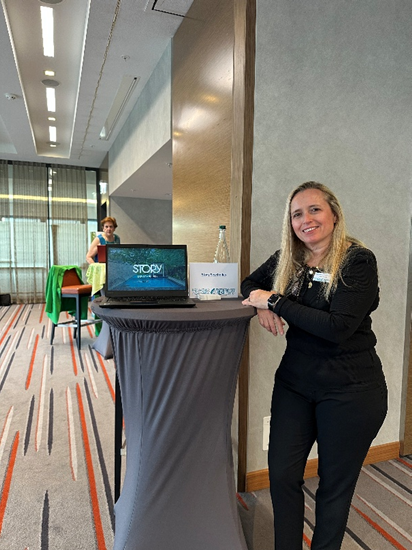
By Nives Deininger, Cluster Director of Sales, STORY Seychelles and Fisherman’s Cove Resort
Hospitality has always been a people business. We talk a great deal about guest expectations, service standards and commercial performance – and rightly so.
But behind all of that sits something more fundamental: how people are led. In my experience, empathetic leadership is not a soft extra or a nice-to-have. It’s a practical, commercially relevant way of building stronger teams, more resilient cultures and better guest experiences.
In hospitality, business value is created every day through human interactions. We see motivated employees who feel supported approaching guests differently from those who feel overlooked or undervalued. And when leaders take time to understand their teams, listen to concerns and respond with honesty, it creates an environment where people are more engaged in their work and more confident in how they deliver it.
That clearly has a direct impact on service quality, team stability and, ultimately, revenue.


Proactive, thoughtful and personal
This is especially important in a luxury environment, where the guest experience depends on authenticity as much as efficiency. Five-star hospitality is not only about polished processes. It’s as much about the proactive, thoughtful and personal touches that guests remember. And those moments are much easier to create when employees feel respected and trusted. Empathy, in that sense, is not separate from performance, it supports it.
It also shapes the way departments work together. In hotels and resorts, no team operates in isolation. Sales, revenue and operations need to be aligned if the business is to grow without compromising the guest experience. Empathetic leadership encourages stronger communication and collaboration across those functions.
It helps people understand one another’s pressures, priorities and constraints, which leads to better decisions and more joined-up strategies. Over time, that strengthens not only internal trust but also guest loyalty, client relationships and repeat business.
Connecting with your teams
In high-pressure hospitality environments, empathy is even more important. The pace can be intense, and performance expectation remains high across seasons, segments and business cycles.
As a Director of Sales, I believe leadership in this setting means more than setting targets or leading by example. It means connecting with the team as individuals, understanding that each person brings different circumstances, strengths and pressures to work, and finding ways to bring out the best in them, while making sure they feel valued.
My team in Seychelles includes Seychellois women who are strong-willed, highly capable and well used to working under pressure. That strength is an asset, but it still needs the right environment around it. People perform best when they know they are appreciated, when expectations are clear, and when challenges can be discussed openly rather than hidden. Honesty and transparency matter here. They build trust, and trust allows teams to keep performing even when conditions are demanding.
This is a good reason why the conversation around women in hospitality leadership is so important. The industry is making progress, but there is still more to do if we want to see more women move from operational and administrative roles into executive leadership positions.
One of the biggest needs is for clearer leadership pathways and stronger mentorship earlier in women’s careers. Many talented women are already in the industry, but too often they are not given the visibility, support or structured development needed to progress with confidence.
Outcomes, strength and flexibility
There is also a broader cultural issue to address. Senior roles in hospitality have traditionally been designed around long, inflexible hours and a strong emphasis on physical presence.
That model can make progression harder for women, particularly at different stages of life. The industry needs to become more thoughtful about how leadership is measured and supported. A greater focus on outcomes, collaboration and the strength of leadership teams, rather than simply time spent on site, would help retain and promote more talented women across the sector.
This is not only about fairness, it’s as much about what kind of leadership the industry needs for the future. Hospitality is evolving, with guests increasingly expecting personalised service, emotional intelligence and experiences that feel genuine, rather than scripted.
At the same time, employees are placing greater value on wellbeing, inclusion and workplace culture. We know empathetic leadership is well suited to both these shifts, because it keeps people at the centre of the business.
Looking ahead, I believe empathy will play an even greater role in shaping hospitality, from employee wellbeing to guest experience and the way hotels build workplace culture. When leaders understand the needs, motivations and pressures of their teams, they are better placed to sustain the service levels that premium hospitality requires.
Employees who feel heard and supported are far more likely to create the authentic and personalised moments that today’s guests increasingly value.
Focus on wellbeing
Internally, we will continue to see hospitality workplaces place more emphasis on wellbeing, flexibility and inclusive culture. Hotels and resorts that do this well will be in a stronger position to attract and retain talented people. That matters, because service quality can never rise above the culture behind it. In a competitive market, a supportive workplace is not separate from brand reputation. It helps protect it.
Empathy is sometimes spoken about as though it sits outside hard business reality. I would argue the opposite.
In hospitality, where people shape every outcome, empathetic leadership is an integral part of the operating model. It creates better environments for employees to bring their best, helps teams navigate pressure with honesty and transparency, and supports the kind of service that builds long-term value.