Hospitality
TURNING POST‑TRAVEL DEMAND INTO LASTING HOSPITALITY VALUE


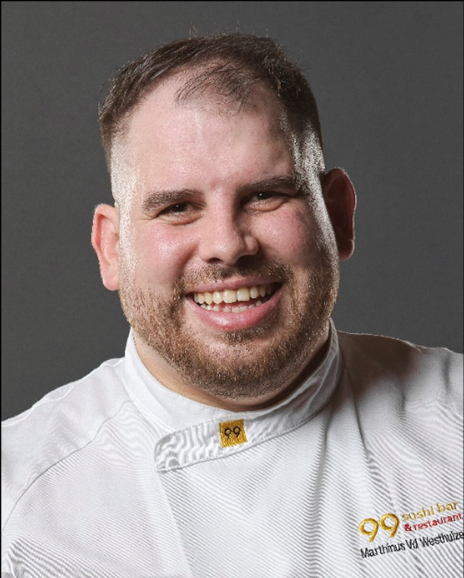
Exclusive interview with Thinus van der Westhuizen – Culinary Director | Ninety Nine SB Investment L.L.C.
How has UAE hospitality capitalized on pent-up travel demand?
The UAE hospitality sector didn’t passively benefit from pent-up travel demand; it strategically positioned itself to capture it early and at scale. By reopening quickly and ensuring seamless entry through simplified visas and strong air connectivity, the country became one of the first accessible global destinations when travel resumed. This allowed it to convert suppressed demand into immediate high occupancy and visitor volumes.
At the same time, the UAE diversified its demand base by balancing leisure tourism with business travel and large-scale events. Conferences, exhibitions, and global events helped sustain momentum beyond the initial leisure surge, supporting year-round performance rather than a short-term spike.
The sector also focused on enhancing experiences, with continuous investment in new hotels, attractions, and luxury offerings. This encouraged repeat visits and increased length of stay, turning demand into deeper engagement rather than just higher footfall.
Importantly, the UAE maintained strong pricing power, capturing higher revenue per visitor without compromising its premium positioning. Combined with coordinated government strategies and global marketing, this approach transformed pent-up demand into sustained growth and long-term competitiveness.
Are travelers’ priorities changing (luxury vs. wellness vs. experiences)?
Yes, within the context of 99 Sushi Bar, traveler priorities are shifting, but in a way that actually reinforces its positioning rather than challenges it.
Luxury at 99 Sushi Bar is already aligned with the new definition of the category. The concept is built around exceptional product quality, refined technique, and highly personalized service, rather than overt opulence. Its philosophy of “respect for the product” and use of premium ingredients like bluefin tuna naturally fits the growing demand for authentic, high-value dining experiences.
At the same time, the rise of experience-led dining works strongly in its favor. The brand blends traditional and contemporary Japanese cuisine, offering both classic and innovative dishes, which keeps the experience dynamic and engaging for repeat guests.
Wellness, while less explicit, is indirectly addressed through quality sourcing, balance, and precision, key elements of Japanese cuisine that resonate with today’s health-conscious diners.
In the UAE market, this convergence means 99 Sushi Bar isn’t adapting to trends, it’s already positioned at the intersection of experiential luxury, quality-driven dining, and meaningful guest engagement, which is exactly where demand is heading.
Are local sourcing and partnerships helping maintain menu quality and pricing stability?
Yes, local sourcing and partnerships are playing an increasingly important role in maintaining both menu quality and pricing stability, particularly in markets like the UAE.
On the quality side, sourcing locally allows restaurants to access fresher ingredients with shorter lead times, which directly improves taste, consistency, and seasonality. It also enables closer collaboration with suppliers, chefs can influence growing practices, secure specific varieties, and ensure more reliable standards compared to relying solely on imports. We at 99 have shifted towards this philosophy years ago encouraging local produce as Dibba bay oysters or UNS for fresh herbs and greenery.
From a pricing perspective, local partnerships help reduce exposure to global supply chain volatility, currency fluctuations, and import costs. While local produce isn’t always cheaper, it offers greater predictability, which is critical for menu engineering and margin control. Long-term agreements with regional suppliers can also lock in pricing or at least smooth out extreme swings.
There’s also a brand and demand advantage. Diners are increasingly responsive to locally sourced ingredients, associating them with sustainability and authenticity, which supports perceived value even if prices are maintained or slightly increased.
Overall, local sourcing doesn’t eliminate cost pressure, but it creates more control, consistency, and resilience, allowing operators to protect both quality and pricing more effectively.
Are chefs innovating with Emirati produce to keep menus dynamic?
Yes, chefs in the UAE are increasingly innovating with Emirati produce, and it’s becoming a key way to keep menus dynamic while reinforcing identity. Our Local produce runs seemlessly throughout the menu, introducing great freshness and bragging rights as ambassadors for the produced sourced locally.
There’s a noticeable shift from relying heavily on imported ingredients to exploring what can be grown locally, from desert herbs and local seafood to dates, camel dairy, and regionally farmed vegetables. What’s interesting is that this isn’t just about tradition, chefs are reinterpreting Emirati ingredients through modern techniques and global influences, creating dishes that feel both rooted and contemporary.
This approach gives menus a natural sense of evolution. Because local produce is often seasonal and still developing in scale and variety, chefs are encouraged to rotate dishes more frequently, experiment with new suppliers, and adapt based on availability. That constant adjustment keeps offerings fresh without needing to reinvent concepts entirely.
There’s also a storytelling element that resonates with diners. Using Emirati produce allows chefs to connect guests more deeply to place, which aligns with the broader demand for meaningful, experience-driven dining.
Ultimately, local innovation isn’t just a creative choice, it’s becoming a strategic tool for differentiation, sustainability, and long-term menu relevance.
What strategies are you using to maintain occupancy and revenue growth?
To maintain occupancy and drive revenue growth, the focus has been on balancing demand diversification with disciplined commercial strategy rather than relying on volume alone.
A key approach is targeting multiple demand segments simultaneously, leisure, corporate, and events, so performance isn’t dependent on one stream. By actively leveraging partnerships, programming, and seasonal campaigns, demand is smoothed across periods that would traditionally see softer occupancy.
At the same time, there’s a strong emphasis on revenue management. Instead of discounting to fill rooms, pricing is dynamically adjusted based on demand patterns, booking windows, and market trends, allowing us to protect rate integrity while still maximizing occupancy.
Another important lever is enhancing the guest experience to drive repeat visitation and longer stays. This includes curated offers, personalized service, and evolving on-property experiences that encourage higher spend per guest rather than just higher footfall.
Finally, collaboration plays a role, working closely with airlines, tourism boards, and local partners helps expand reach and tap into new source markets. Overall, the strategy is about maintaining a premium positioning while being agile enough to capture demand as it shifts.