
 Have a question? +971 56 404 0503





Financial
UAE energy firms risk forfeiting millions in R&D credits unless spend is qualified and pre-approved


From enhanced carbon capture at gas processing plants to grid modernisation and renewable energy storage, the technology reshaping the UAE’s oil and gas industry, has acquired a new dimension. As of the 2026, a significant portion of the research and development (R&D) behind it can be converted into a corporate tax credit of up to 50 percent under the country’s first dedicated R&D Tax Credit regime. According to Dhruva, a Ryan Affiliate, the opportunity for the energy sector is substantial, but the design of the regime rewards companies that act early and penalises those that treat it as a year-end exercise.
The regime was established by Cabinet Decision No. 215 of 2025 and made operational by Ministerial Decision No. 24 of 2026, issued on 18 March 2026. It applies to tax periods and fiscal years beginning on or after 1 January 2026, with the first claims expected in 2027. Credits are calculated on a tiered basis, rising from 15 percent to a headline 50 percent. Qualifying expenditure is capped at AED 5 million per qualifying entity or tax group per year, which produces a maximum credit of AED 2 million.
“The UAE’s energy transition has been told as a sustainability story and an investment story. From this year it is also a tax story. The work being undertaken to decarbonise hydrocarbon production, including enhanced oil recovery, carbon capture and storage, methane abatement, and the development of digital twins for processing plants, exemplifies the systematic, uncertainty-driven R&D that this regime is designed to reward. The catch is that the value sits in the documentation, and the documentation has to be built in real time. You cannot retrospectively reconstruct a year’s worth of R&D evidence in 2027,” said Nimish Goel, Leader, Middle East, Dhruva, Ryan LLC Affiliate.
For an industry as engineering-intensive as oil and gas, the central question is not whether qualifying activity exists. It is whether companies can tell the difference between routine engineering and genuine R&D, and prove it. Applying an established recovery method to a new reservoir does not, in itself, qualify. By contrast, systematically resolving technical uncertainty, whether relating to reservoir behaviour, materials performance under high-pressure conditions, the capture of CO₂ from sulphur recovery flue gas, or the integration of new digital control systems, may qualify, provided the systematic experimentation and its outcomes are documented as the work is carried out.
“Two features will catch international energy companies off guard. Only R&D performed inside the UAE qualifies, and subcontracted R&D counts only when it is carried out by UAE-based third parties. Much of the sector’s historical R&D has run through global technology centres and group affiliates abroad. Companies will need to look hard at where their R&D actually physically takes place, before they assume they qualify,” said Fran Wilhelm, Associate Partner, Dhruva, Ryan LLC Affiliate.
The regime’s defining feature is a dual threshold that links the credit rate to both qualifying spend and headcount. The first AED 1 million of qualifying spend earns 15 percent and requires at least two R&D staff on average; spend between AED 1 million and AED 2 million earns 35 percent and requires at least six; and spend between AED 2 million and AED 5 million earns the top 50 percent rate and requires at least fourteen. Both conditions must be met for each band. Where the headcount falls short, the claim drops back to the highest band where both the spend and the staffing tests are satisfied. A minimum of AED 500,000 of qualifying expenditure applies to each R&D project.
This is where oil and gas companies face a structural choice that other sectors may not. R&D in the industry is often capital-intensive rather than people-intensive: a single carbon capture or enhanced oil recovery pilot can absorb millions in equipment and consumables while employing only a handful of dedicated researchers. Under the dual threshold, that profile caps the credit at the lowest band regardless of how much is spent. Reaching the higher rates means building R&D headcount physically in the UAE.
Pre-approval from the Emirates Research and Development Council is mandatory before any credit can be claimed, with no exceptions. No pre-approval means no credit, however strong the underlying scientific or technological uncertainty. Businesses must keep detailed technical records of objectives, methods, experiments and outcomes for at least seven years. The credit is also currently non-refundable, so it benefits companies that have a corporate tax or top-up tax liability to offset, which describes most established producers and service contractors in the sector. That said, it has been suggested that Phase 2 may include a refundable credit and an increase in both application and generosity, meaning all businesses should start planning ahead, irrespective of their tax position.
“Companies that map their qualifying projects now, secure pre-approval and build the evidence trail through the 2026 financial year will capture real value when claims open in 2027. Those that wait will find that the spend was eligible but the proof was never created. In this regime, the documentation is the asset,” concluded Nimish Goel.

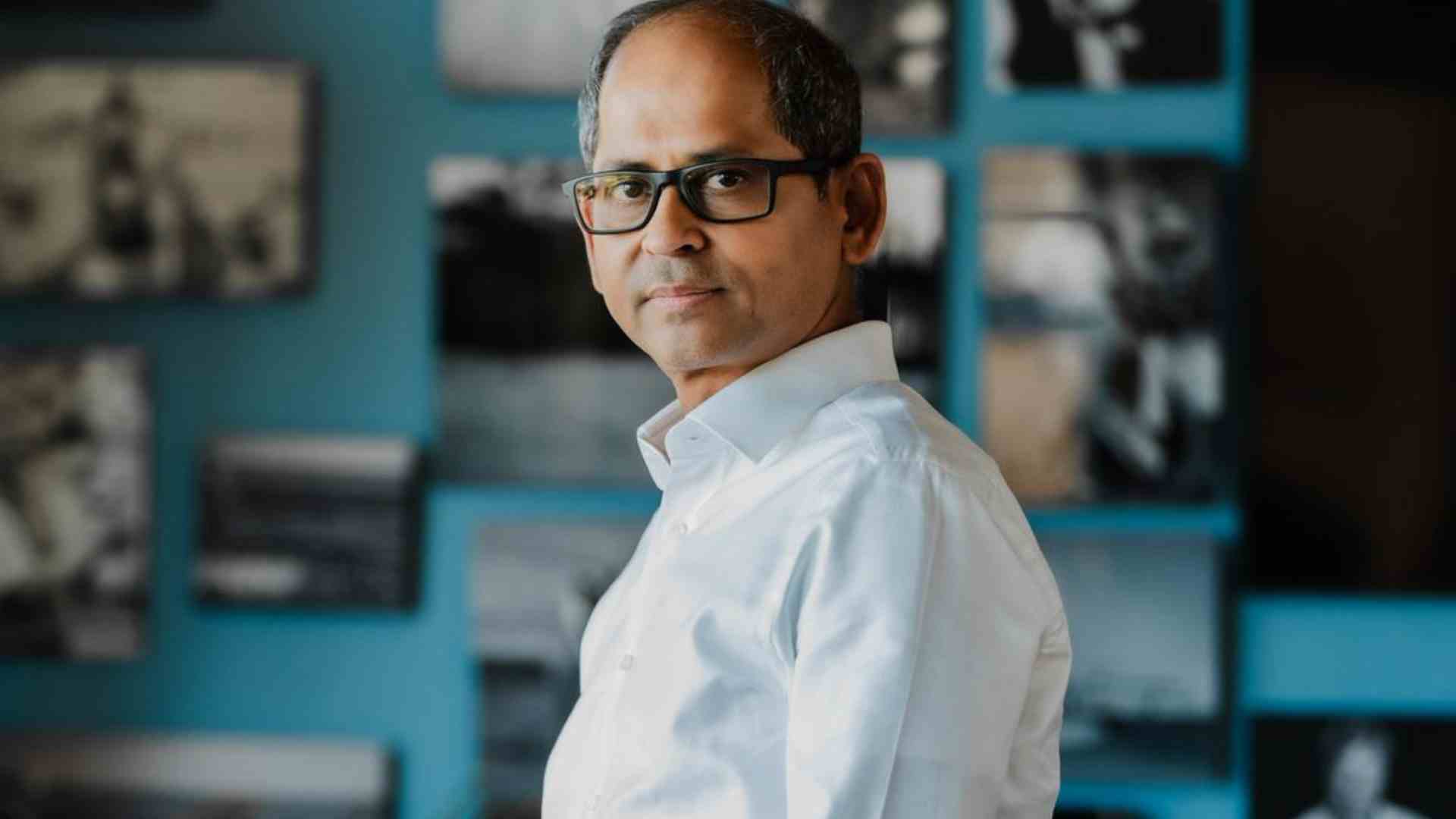
By Ramki Jayaraman, CEO and Managing Partner, Synarchy Consulting
Disruptions to Gulf shipping routes have brought attention to ports and logistics centers beyond the region’s commercial hubs. Khor Fakkan, Fujairah, Sohar and Salalah matter as companies reassess distribution networks and locations. These developments reinforce a wider shift. Industrial clusters have matured, operating costs and competition for skilled people have increased, and businesses are reassessing where activities should sit. Dubai, Riyadh and Abu Dhabi remain important for headquarters, talent and capital, while production, distribution, support services and research can be located elsewhere.
Saudi Arabia’s regional headquarters program draws leadership to Riyadh, while industrial cities and Special Economic Zones are designed for industry and logistics.
A World Bank study published in June 2026 benchmarked 615 MENA cities against more than 8,000 worldwide and found the typical MENA city 17.6% less productive than the best-performing cities of comparable size. A smaller city improves results only when it offers the infrastructure, market access and skills required. The locations offer different advantages. Jubail and Yanbu provide petrochemical and downstream supplier networks. SOHAR Freezone links industry to a deep-water port and signed five investment contracts worth $589 million in the first half of 2026. Ras Al Khaimah offers lower costs within reach of the UAE market. Ain Sokhna serves distribution, while Tangier connects automotive suppliers to export supply chains.
For a chief financial officer, the comparison has four parts: the fully loaded cost of running a function, the time needed to reach target productivity, the additional investment and management effort separation creates, and the effect on resilience and market access. Licensing matters too: a free-zone company may need a mainland license or local distributor to sell domestically.
In the feasibility work we do across the region, the location is often settled before the business case is tested, usually on the strength of an incentive package. The incentive then shapes the plan, when the plan should decide whether it is worth taking. Every function moved to another city still has to run as part of one enterprise. That brings coordination time, duplicated supervision, extra inventory and working capital, and slower decisions.
Savings at the new site must exceed the cost of running across two, and management has to own this design alongside the board. Talent is a hard constraint, though power, water or suppliers can matter more. Operators, technicians and supervisors can be developed locally. Experienced managers and specialists usually must relocate, and their decisions depend on schools, healthcare and housing. A low-cost site can take years to reach target productivity, and those years belong in the investment case.
Public investment and policy shape whether these locations work. Companies must assess the ecosystem behind an incentive: reliable power and transport, housing and healthcare, suppliers and training providers. Zones offering only industrial plots struggle to keep tenants. Recent shipping patterns have highlighted the limits of geographic diversification. Alternative ports and transport corridors provide options, but depend on capacity, connectivity and reliable infrastructure. A business across three locations may still rely on a single port, supplier, technology platform or regulatory approval. Resilience depends on managing dependencies, not simply adding locations.
A disciplined approach is to test a city against one function before committing to large property or capacity. A supplier partnership, distribution node or small operating unit can show whether service levels, staff retention and cash returns hold.
The lasting change is how companies design their footprint: which functions sit where, how sites run as one business, and what each location adds once the cost of connecting it is counted. Boards that make these decisions function by function will grow across the region with fewer expensive surprises.
Ramki Jayaraman is CEO and Managing Partner of Synarchy Consulting, a Dubai-based management and technology advisory firm working with governments, enterprises and family businesses across the Middle East and Africa.
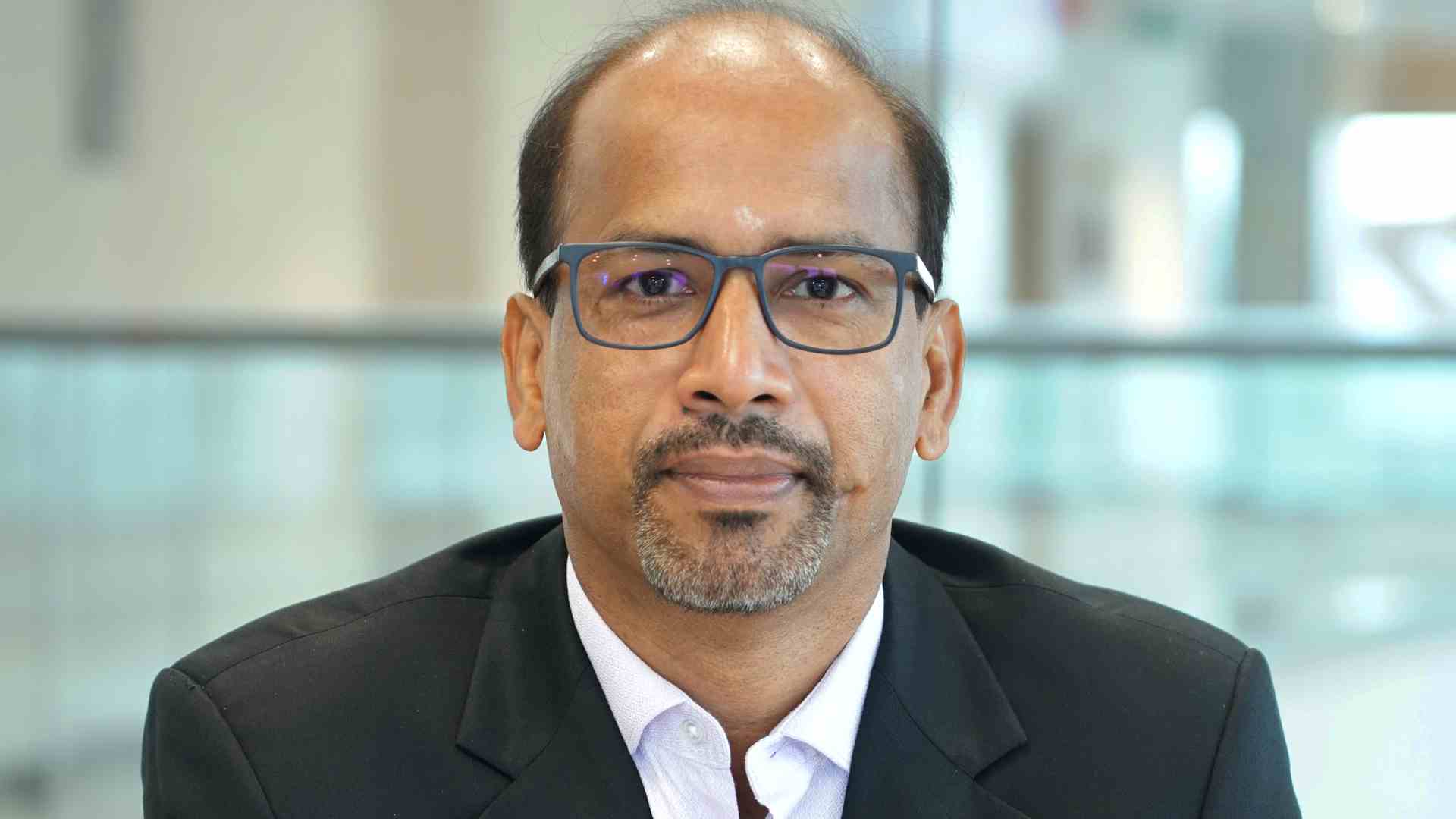
Prakash P. Nair, Vice President – Customer Excellence Group, SunTec Business Solutions
For banks preparing for e-invoicing, much of the readiness conversation naturally centers on technology: system integration, data formats, regulatory requirements, service providers, and connectivity. But technology is only one part of the equation.
The bigger question is whether people and processes are ready to operate in a world where financial data is more structured, connected, and available closer to the point of transaction.
The UAE’s e-invoicing program is designed to reduce manual intervention, improve data quality, strengthen compliance, and provide richer information for decision-making. For banks, readiness should be measured by more than whether systems can generate and transmit a compliant invoice. Employees also need to understand the new data flows, their role in them, and how the information can be used.
From Technology Readiness to Workforce Readiness
The UAE’s transition is already moving into implementation. Its e-invoicing pilot began on July 1, 2026, while mandatory implementation for businesses with annual revenue of AED 50 million or more remains scheduled for January 1, 2027.
This creates a short window to address a practical question: What will people need to do differently once e-invoicing becomes part of the operating model?
The answer will vary across teams. Relationship managers need greater awareness of how pricing, fees, discounts, products, and contractual terms affect billing data. Operations teams need to understand recurring billing issues and address the process or data problems behind them. Finance and tax teams will increasingly work with controls closer to the transaction itself.
IT and risk teams also need to understand what information moves between systems, who relies on it, and where errors or control gaps can emerge.
The common requirement is technical expertise, alongside data literacy and an understanding of business processes.
Redesigning How Work Gets Done
Workforce readiness becomes meaningful when processes change with it.
A bank can implement an e-invoicing platform while retaining many manual practices associated with traditional invoicing. That would limit the value of the investment.
Billentis estimates that electronic and automated invoice processes can generate 60–80% savings compared with traditional paper-based processing.
The value comes from redesigning the processes around the invoice. Manual validation can move towards automated validation, post-transaction reconciliation towards earlier controls, and recurring exception resolution towards preventing those exceptions at source.
This also changes how employees spend their time. Instead of entering, checking, matching, and correcting information, teams can focus more on interpreting exceptions, improving processes, and acting on insights.
That transition requires changes to roles, responsibilities, workflows, and escalation paths.
The Invoice Becomes a Data Asset
With e-invoicing, the invoice does more than document a transaction. Its information can be captured in a structured, machine readable format and used across different parts of the business.
The UAE Ministry of Finance has highlighted this as an opportunity to use invoice data for analysis and more proactive decision making. For banks, that could mean better visibility into transactions, pricing and revenue, while giving operations and risk teams more information to identify issues and strengthen controls.
The value, however, depends on what happens with that information once it is available. Teams need to know how to interpret the data, where it fits into their work, and when to act on what it shows.
Making Readiness Part of Implementation
The impact of e-invoicing will become clear once it starts changing how work moves through the organisation. Employees may work with different information, controls may sit earlier in the transaction, and teams that previously handled separate parts of the process may need to work more closely.
That makes workforce readiness part of implementation itself. Training people on a new platform is useful, but it does not address the wider changes to roles, workflows and decision-making. Banks need to give employees a clear understanding of what the new data means, how it affects their work, and where they are accountable for its quality.
The same thinking applies to processes. Manual steps that made sense under traditional invoicing may become unnecessary, while recurring exceptions may point to problems earlier in the process. Addressing those issues can help teams spend less time correcting information and more time using it.
Readiness should ultimately be visible in the way the organisation operates: fewer manual interventions, fewer recurring errors, faster exception resolution, and greater use of transaction data in decision-making.
A successful implementation depends on what happens after the technology goes live.
The UAE’s e-invoicing framework creates an opportunity for banks to build a more connected approach to financial operations. Capturing that value will depend on how effectively technology, people, and processes work together.
Ultimately, E-invoicing readiness comes down to how well people, processes and technology work together once the new system is in place.

Unmanaged rapid expansion risks severe financial distress when revenue growth fails to cover ballooning overheads
In the UAE’s high-octane economic environment, rapid expansion is often seen as the biggest sign of entrepreneurial success. From ambitious startups in Dubai’s innovation hubs to established firms expanding across the GCC, the goal is clear: capture market share quickly, grow fast, and stay ahead of competitors. However, behind impressive revenue figures lies a hidden risk that can affect even the most promising businesses. When a company grows faster than its operations and financial systems can support, growth can quickly turn from an advantage into a serious financial risk.
The challenge of rapidly scaling a business is that high sales numbers can hide deep structural deficiencies. When a company expands quickly, it may appear financially healthy while facing issues such as falling profits, limited cash flow, and rising costs. This can lead to unnecessary spending, poor inventory management, and longer working capital cycles. What looks like a thriving company from the outside may be one that is spending money faster than it can improve its efficiency.
In the UAE, this challenge is intensified due to the constantly changing market. Changes in regulations, new tax systems, and a more developed financial sector require businesses to have strong management and control systems. At the same time, companies that grow too quickly often face challenges in hiring and managing people. Rapid expansion can create skill shortages, forcing businesses to depend on temporary solutions instead of planned hiring. When teams double or triple in size without proper HR planning and leadership development, company culture can suffer. Communication becomes difficult, responsibilities may overlap, and employee performance can decline. This makes people management one of the most important areas to focus on during business expansion.
The difference between sustainable growth and hasty expansion comes down to financial clarity and strong management. Business leaders must look beyond total revenue and understand the actual quality of their growth.
Are profit margins improving or falling? Is working capital being managed properly? Are internal controls strong enough to handle growing business operations? Does the company have the right HR systems and leadership talent to manage larger teams? Most importantly, is cash flow protected through clear credit policies and timely collections?
One of the first things to suffer when a company expands too quickly is financial discipline. This often begins with falling profit margins. As revenue grows, business operations also become more complex. Without simplified operations and proper cost control, the cost of delivering services and attracting customers can quickly become higher than the money coming in. Internal controls, especially those related to cash flow and payments due from customers, can also become weaker as margins fall.
Cash flow difficulties caused by delayed collections are one of the most common issues faced by growing businesses. Without strict credit controls and follow-ups on receivables, money remains tied up, leaving companies at risk when market conditions change or supply chains are disrupted. Businesses may also accept projects with lower profit margins or offer heavy discounts simply to show growth. This creates a false picture of success, where higher revenue is mistaken for long-term financial stability.
To address this risk, organisations must have clear payment terms, strong collection processes, and proper checks to manage credit risks before cash flow becomes a problem.
Sustainable expansion requires businesses to be ready for growth at every level.
Executive leadership must put strong internal controls, financial planning, risk management systems, and HR processes in place before expanding, rather than waiting for problems to arise. This also means having the discipline to turn down low-profit-margin projects, slow expansion when teams are already stretched, manage investments carefully, and protect cash flow through regular follow-ups and timely collections.
In a market driven by high ambition, the real measure of leadership is not how quickly a business grows, but how well it manages that growth. Expansion should come from a well-executed strategy supported by strong operations, cash flow protection, and effective people management, not a rushed process that jeopardises the company’s future. Growth is an achievement, but disciplined growth is what builds a resilient business.

Bijou Patisserie Unveils a New Afternoon Tea Inspired by Travel and Precious Discovery
Time to Switch Off: Ways to Spend the Eid Al Etihad Break
Things to Do During the Eid Al Etihad Long Weekend in Dubai

OPPO A6 Pro 5G Review: Reliable Daily Driver

Denodo Bolsters Executive Team by Hiring Christophe Culine as its Chief Revenue Officer

Microsoft Launches New Surface Copilot+ PCs for Business

2026 in Review: Is AI Becoming More of a Management Problem Than a Technology Problem?

Inside XPENG Brand Night: AI Mobility Lands Centre Stage in Dubai

Chinese Cars Are Reshaping the GCC Market, but Resale Value Could Be the Next Battleground

-
 Trending1 year ago
OPPO A6 Pro 5G Review: Reliable Daily Driver
-
 Tech News2 years ago
Denodo Bolsters Executive Team by Hiring Christophe Culine as its Chief Revenue Officer
-
VAR2 years ago
Microsoft Launches New Surface Copilot+ PCs for Business
-

 Automotive2 years ago
AGMC Launches the RIDDARA RD6 High Performance Fully Electric 4×4 Pickup
-

 VAR11 months ago
Huawei Nova 14 Pro Review: Where Camera Excellence Meets Ecosystem Evolution
-
Tech Interviews3 years ago
Navigating the Cybersecurity Landscape in Hybrid Work Environments
-

 Hospitality2 years ago
Gulfood 2025 30th Edition Kicks Off Today, Setting New Benchmarks in F&B Growth and Innovation
-
News4 years ago
BenQ ZOWIE : First TN 360Hz DyAc+ Gaming Monitor