Hospitality
WHY TRUE LUXURY IS FOUND IN CONNECTION: ANDREA ORRÚ ON ANANTARA, SALALAH AND SENSE OF PLACE


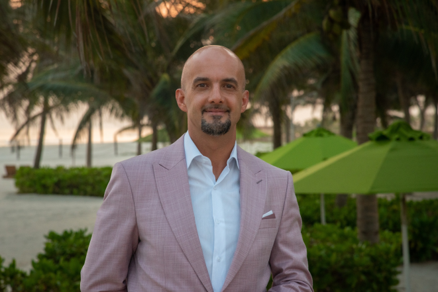
Exclusive interview with Andrea Orrú, General Manager, Al Baleed Resort Salalah by Anantara
- Your journey has taken you from Sardinia to some of the world’s most celebrated luxury destinations. Looking back, what first inspired you to pursue hospitality, and what continues to excite you about the industry today?
What first drew me to hospitality was the human side of it. It is an industry built around people, stories and experiences, and no two days are ever quite the same. Since beginning my career in 1999, I have had the privilege of working in many different parts of the world, and that has given me a real sense of being a citizen of the world. Every destination, culture and team has shaped me in some way. What still excites me is seeing an idea come to life and witnessing the effect it has on a guest or a colleague. It could be a new experience, a thoughtful detail in the guest journey or an opportunity for someone in the team to grow.
Having worked across Europe, Asia, the Middle East and the Maldives, what has each region taught you about the true meaning of luxury hospitality?
Every region has shaped my understanding of luxury in a different way. Europe taught me to appreciate heritage, craftsmanship and the discipline behind consistently high standards. Asia showed me the beauty of intuitive service, where the smallest details are often noticed without the guest needing to ask. The Maldives reinforced the importance of privacy, personalisation and caring for a fragile natural environment. The Middle East has taught me a great deal about generosity, warmth and creating experiences that speak to couples, families and multigenerational travellers alike. Australia also holds a very special place in my heart. It was an important chapter both professionally and personally, as it is where I met my wife, Jana. Today, we have two beautiful children together, so my time there will always remain especially meaningful to me. What I have learnt across all of these destinations is that luxury is not necessarily about having more. It is about making every element feel considered. Guests remember how smoothly everything flowed, how well the team understood them and whether they felt a genuine connection to the place. The setting is important, of course, but the people bring it to life. That is where true luxury is found.
Al Baleed Resort Salalah by Anantara has consistently strengthened its position as one of Oman’s leading luxury destinations. What has been the biggest contributor to that success?
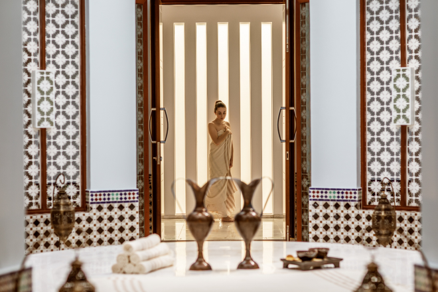
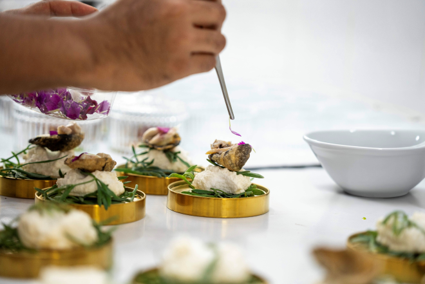
Without question, it is our people. A beautiful resort gives you a strong foundation, but it is the team who create the experience guests remember. Our success has come from having a clear direction and a team that understands what we are trying to achieve together. We have continued to strengthen the resort around what makes both Anantara and Salalah special: a strong sense of place, meaningful wellness, memorable dining and a genuine commitment to sustainability. You can see this in many areas, from the personalised service offered by our villa hosts to our locally inspired wellness experiences and the annual culinary festival, which brings international chefs from Michelin-starred backgrounds alongside Omani talent.
Luxury hotels often tell their own stories. Al Baleed Resort seems to tell Salalah’s story instead. Was that always the vision?
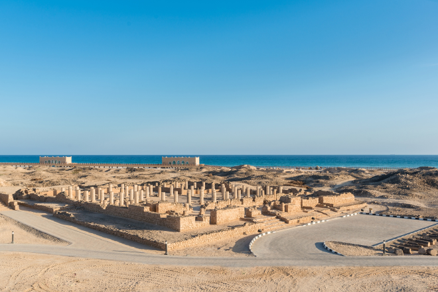
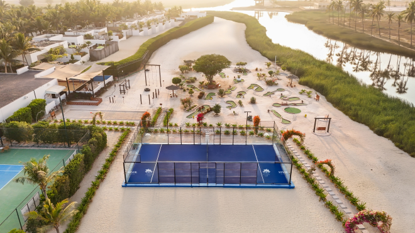
Yes, absolutely. Anantara is at its best when the hotel becomes a gateway to the destination rather than a world separated from it. Al Baleed sits beside the UNESCO World Heritage site of the Land of Frankincense and is surrounded by an extraordinary combination of coastline, mountains and Dhofari culture, so it would be a missed opportunity for the resort to focus only on itself. We aim to showcase Salalah through the guest journey: locally inspired design, frankincense rituals, regional ingredients, Omani culinary experiences, cultural excursions with our Salalah Insider and collaborations that place local creativity alongside international expertise. Even contemporary concepts, such as the Anantara Khareef Chocolate, are developed with ingredients and stories rooted in Dhofar. Ideally, the resort should give visitors the confidence and curiosity to explore beyond its gates.
The frankincense tree-planting ceremony is a distinctive addition to your 25th anniversary experience. How does this initiative reflect Al Baleed Resort Salalah by Anantara’s broader approach to sustainability and responsible tourism?
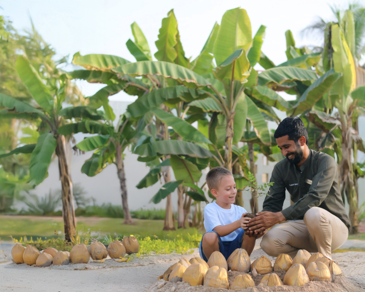
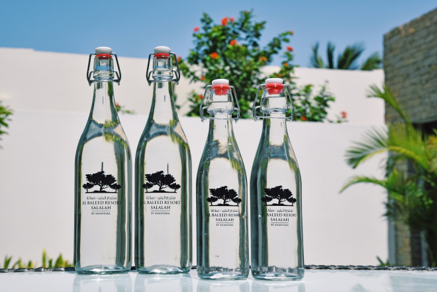
Frankincense is deeply woven into Dhofar’s identity, so the tree-planting experience felt like a meaningful way to mark Anantara’s 25th anniversary. It allows guests to contribute to the destination, rather than simply experience it from the outside. Each tree is marked with a bespoke engraved plaque, and guests receive a keepsake pouch of frankincense to take home. They also receive quarterly updates from our Farm Guru, so the connection continues long after their stay and they can follow the progress of the tree they planted. The experience reflects our wider approach to sustainability, which is not centred on one initiative alone, but on the choices we make every day. Our on-site farm supports farm-to-table dining and gives guests the opportunity to understand more about local cultivation. Our in-house water-bottling operation helps reduce reliance on single-use plastic, and we were the first resort in Dhofar to introduce electric-vehicle charging. We also support beach clean-ups and work with organisations including the Environment Society of Oman to help protect local wildlife. For us, responsible tourism should leave something positive behind. The frankincense tree is a lasting symbol of that commitment and gives guests a personal connection to the heritage and future of Dhofar.
Rapid Round
What is one hidden gem in Salalah that every first-time visitor should experience?
It’s difficult to choose just one. I would recommend the Sugar Dunes in Fushi, around two hours from Salalah, where powder-white dunes meet the coastline, as well as Al Hawta, with its dramatic waves, green landscapes and its seasonal waterfall. Al Hawta is especially beautiful during Khareef, when the microclimate brings the scenery to life, while the Sugar Dunes remain striking throughout the year.
Coming from Sardinia, is there anything that reminds you of home when you are in Salalah?
There are several similarities. Both Sardinia and Salalah have areas of unspoilt, almost untouched scenery, with dramatic coastlines, mountains and landscapes that still feel wonderfully undiscovered.
They also share a long history and a very strong sense of heritage. What perhaps reminds me most of home, however, is the warmth of the people. Much like Omanis, Sardinians are proud of where they come from and genuinely want visitors to experience the beauty, traditions and character of their land.
What hospitality trend do you think is currently overhyped?
I think the industry sometimes becomes too focused on adding more, more concepts, more technology and more touchpoints, when what guests often value most is simplicity. They want things to feel effortless, personal and well considered.
Luxury should not feel complicated or overproduced. The most memorable experiences are often the quietest ones: being recognised, having a preference remembered or receiving thoughtful service at exactly the right moment.
If guests leave Al Baleed remembering just one feeling rather than one facility, what would you want that feeling to be?
I would want them to feel that Al Baleed was not simply a place where they stayed, but a destination they came to experience.
That means feeling genuinely cared for, having the small details noticed and being encouraged to discover Salalah in a way that feels personal. Ideally, they leave with beautiful memories of the resort, but also with a deeper connection to Dhofar and a desire to return.