
 Have a question? +971 56 404 0503





Hospitality
Why Safety Has Become the New Luxury in Hospitality and Tourism: Building Guest Confidence Through Secure, Future Ready Infrastructure

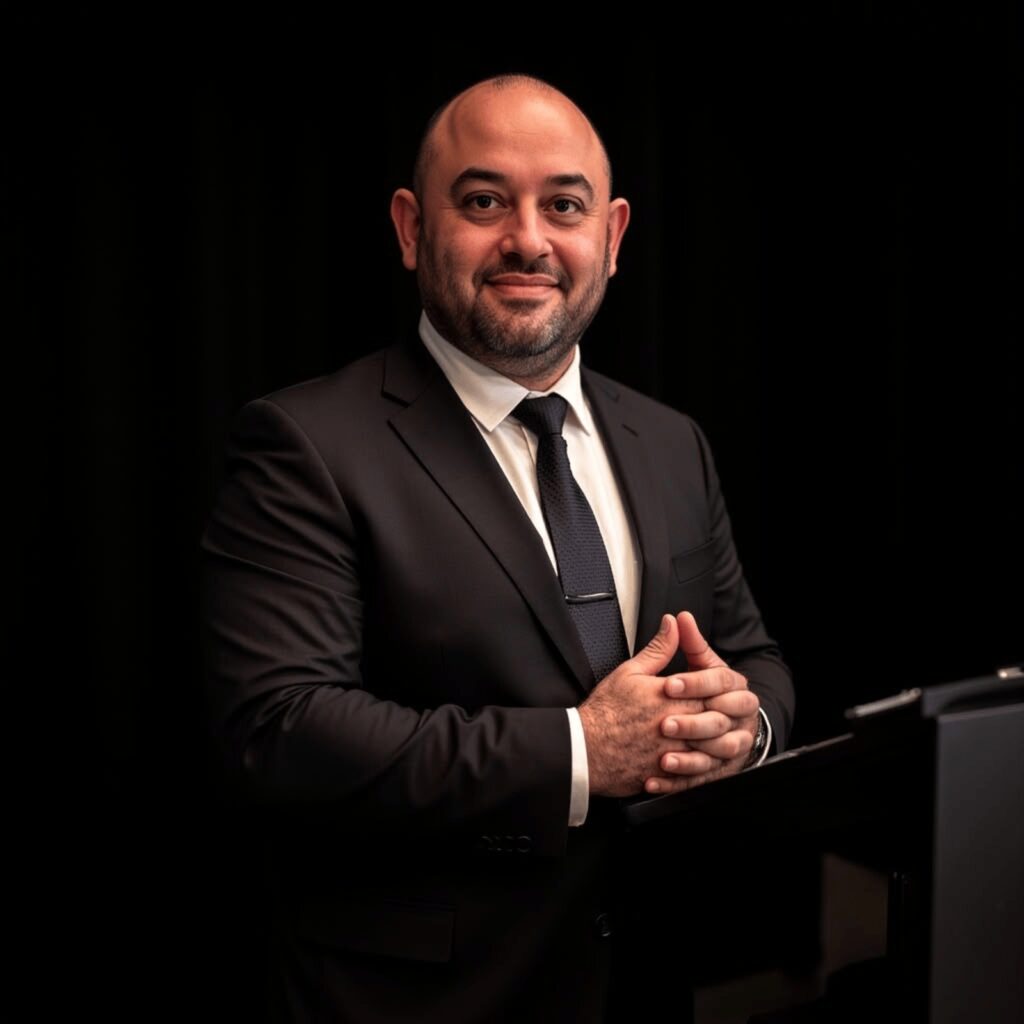
By Salah Sardouk, Founder of Apex Atlas Global
The GCC has become one of the world’s fastest-growing tourism and hospitality destinations. From iconic luxury hotels and integrated resorts to entertainment districts and giga projects, the region is redefining what world-class hospitality looks like. Governments across the UAE and Saudi Arabia have placed tourism at the centre of their economic diversification strategies, while developers continue to invest billions of dollars in creating destinations that attract visitors from every corner of the world.
As competition intensifies, however, luxury is being redefined. Exceptional architecture, premium amenities, and personalized experiences remain essential, but they are no longer enough on their own. Today’s travellers expect something more fundamental: confidence that the environments they choose are safe, resilient, and prepared for an increasingly complex world.
Safety has evolved beyond regulatory compliance. It has become an integral part of the guest experience and one of the hospitality industry’s most valuable differentiators. The properties that will define the next generation of luxury are those that seamlessly combine exceptional design with secure, future-ready infrastructure that protects both guests and business continuity.
This shift reflects broader changes in traveller expectations. Guests are more informed than ever before, with instant access to information about destinations, hotels, and global events. They are increasingly conscious of health, security, digital privacy, and operational resilience when making travel decisions. Whether travelling for business or leisure, they expect hospitality providers to anticipate risks before they become disruptions.
For hospitality developers across the GCC, this represents both a challenge and an opportunity. Building guest confidence is no longer achieved solely through outstanding service. It begins much earlier, during the planning, engineering, and construction of every hospitality asset.
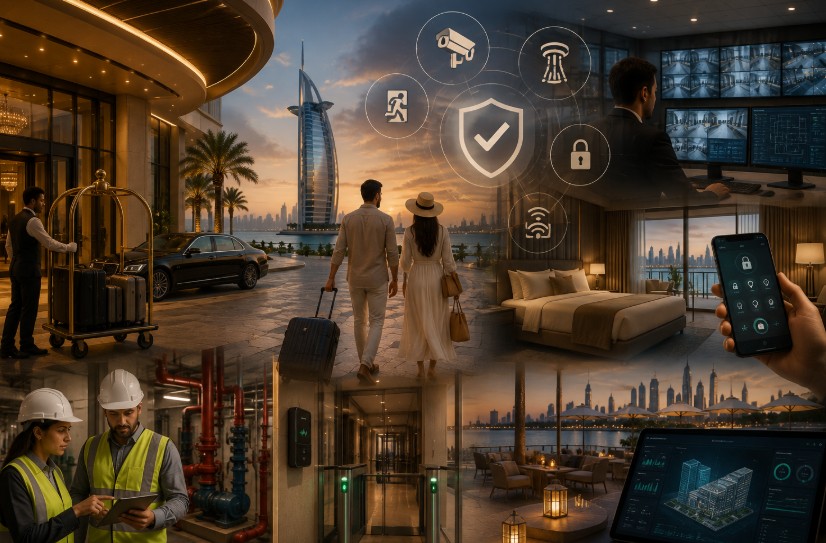
Behind every luxury hotel lies an extensive network of systems that most guests never notice. Fire protection, intelligent building management, access control, surveillance technologies, emergency communications, resilient utilities, and secure operational facilities all work together to create an environment where visitors feel protected without ever feeling restricted.
The most successful hospitality developments are those where security is virtually invisible yet consistently effective. Guests should never feel surrounded by security measures, but they should always experience the confidence that comes from a property designed to perform under any circumstance.
Achieving this balance requires safety to be embedded into the development process from the very beginning. Too often, security is viewed as something that can be added after a building has been designed. In reality, resilient infrastructure starts with the earliest planning decisions. Site layouts, circulation routes, building systems, operational workflows, and technology integration all influence how effectively a property can respond to emergencies while maintaining an exceptional guest experience.
This integrated approach is becoming increasingly important as hospitality developments across the GCC grow larger and more complex. Mixed-use destinations now combine hotels, residences, retail, entertainment venues, conference facilities, wellness centres, and public spaces within a single development. Managing these interconnected environments requires infrastructure that supports seamless operations while maintaining the highest standards of safety and resilience.
Technology is also reshaping how hospitality assets are managed. Artificial intelligence, predictive maintenance, Internet of Things solutions, and smart building platforms are enabling operators to identify issues before they affect guests. Intelligent systems can monitor equipment performance, optimize energy consumption, detect operational anomalies, automate maintenance schedules, and improve emergency response times.
The result is a shift from reactive management to proactive operations. Instead of responding to failures after they occur, hospitality operators can increasingly predict and prevent them. This not only enhances operational efficiency but also strengthens guest confidence by ensuring consistent service delivery.
Digital infrastructure has become equally important. Modern travellers expect mobile check in, digital room keys, contactless payments, personalized digital services, and seamless connectivity throughout their stay. While these technologies improve convenience, they also introduce new security considerations. Protecting guest information and securing operational systems have become essential components of hospitality resilience. Cybersecurity is no longer solely an IT responsibility; it is now part of the overall guest experience and a critical element of maintaining trust.
The GCC is particularly well positioned to lead this transformation. Across the region, governments are investing in smart cities, digital infrastructure, and sustainable urban development while introducing increasingly sophisticated building standards. Hospitality developers have an opportunity to integrate these advancements into projects from day one, creating destinations that are not only visually impressive but also operationally resilient.
This is especially relevant as the UAE continues to strengthen its position as a global tourism hub. Visitors choose the country not only for its attractions and luxury offerings but also because it consistently demonstrates high standards of safety, organization, and infrastructure. Maintaining this reputation requires continuous investment in facilities that are capable of adapting to evolving risks while supporting uninterrupted operations.
From my experience delivering specialized infrastructure, secure facilities, and complex construction projects across the UAE and GCC, one lesson has remained consistent: the strongest projects are never defined solely by what guests can see. Their long-term success depends on the quality of the systems operating behind the scenes. Infrastructure that prioritizes resilience, operational efficiency, and security ultimately creates better experiences for everyone who uses the space.
This philosophy extends beyond physical security. Sustainable infrastructure, resilient utilities, efficient building systems, and integrated operational planning all contribute to creating hospitality assets that perform reliably over decades rather than years. Developers who make these investments early benefit from lower lifecycle costs, improved operational efficiency, and stronger long-term asset value.
Ultimately, safety should not be viewed as a cost or a regulatory obligation. It is an investment in reputation. Every uninterrupted guest experience, every efficiently managed facility, and every well-prepared response to an unexpected event reinforces trust in the brand. In an industry where reputation influences every booking decision, that trust becomes one of the most valuable assets a hospitality business can possess.
As tourism across the GCC continues its remarkable growth, hospitality developers have an opportunity to redefine luxury for a new generation of travellers. The industry’s future will not be shaped solely by iconic architecture or exceptional service, but by destinations that provide confidence through intelligent design, resilient infrastructure, and operational excellence.
The most memorable guest experiences are often created by what never happens. Guests may never notice the sophisticated fire engineering, secure operational systems, resilient digital infrastructure, or integrated emergency planning that protect their stay. What they do notice is the confidence those systems create. They notice how smoothly a property operates, how prepared staff are, and how effortlessly every aspect of the experience comes together.
In the years ahead, safety will no longer remain an invisible operational function working quietly in the background. It will become one of the defining characteristics of premium hospitality. In a region leading the world in ambitious tourism development, building secure, future-ready infrastructure will be just as important as creating extraordinary destinations. Because today, the greatest luxury any hotel or resort can offer is not simply comfort or exclusivity, but the confidence that every detail has been designed with guests’ safety and wellbeing in mind.








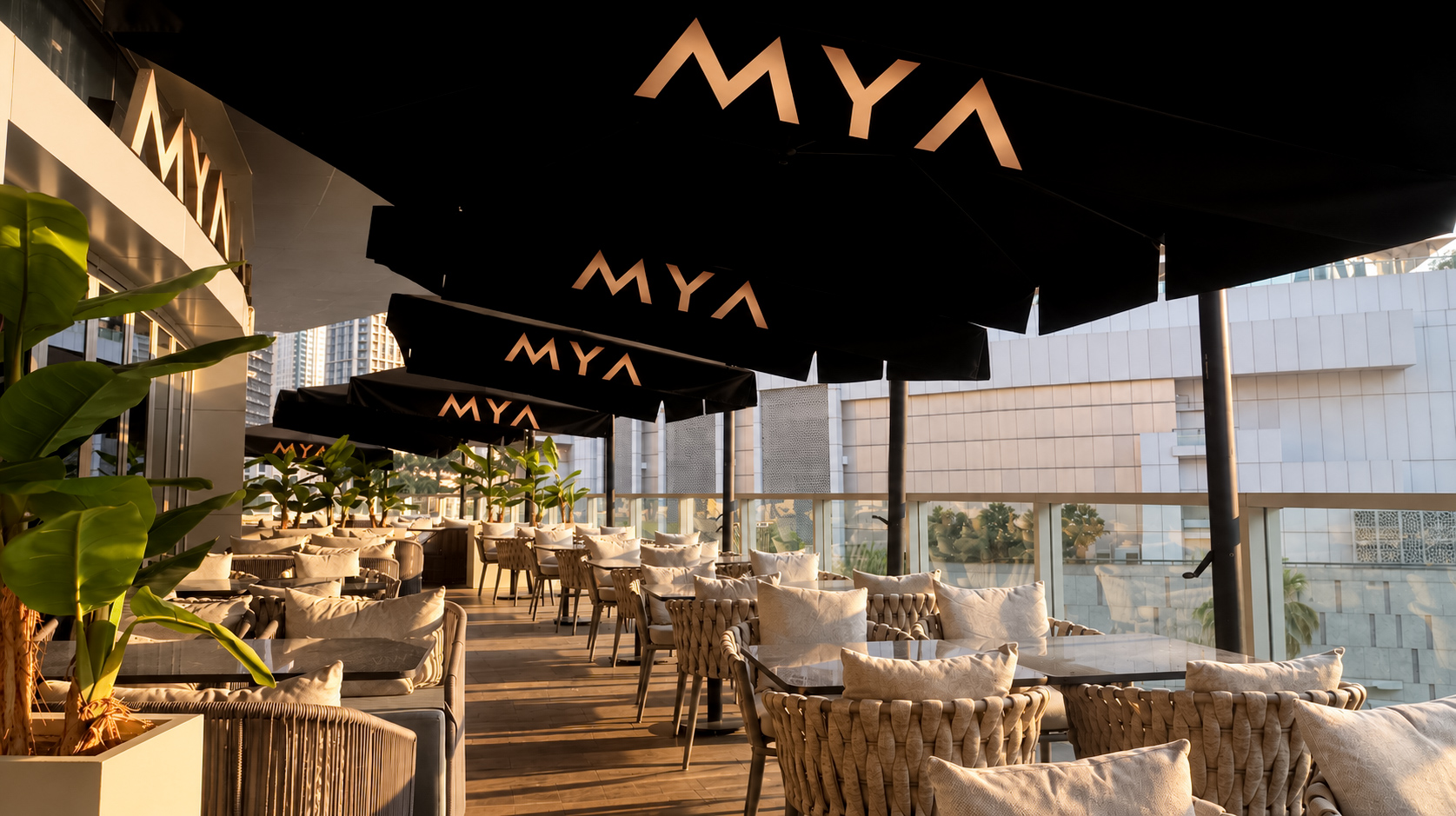
AMAYA is now MYA. As the brand expands its regional and international presence, a unified name gives every location one voice and every guest one clear promise. MYA supports consistency across its growing portfolio of destinations while preserving the energy, hospitality and attention to detail established in Dubai.
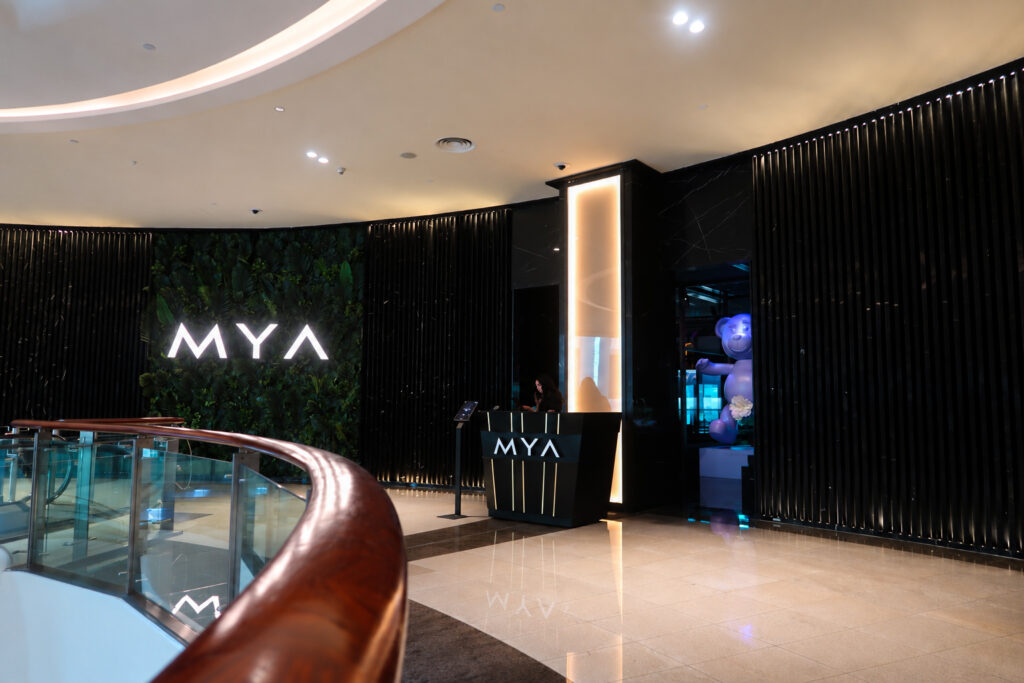
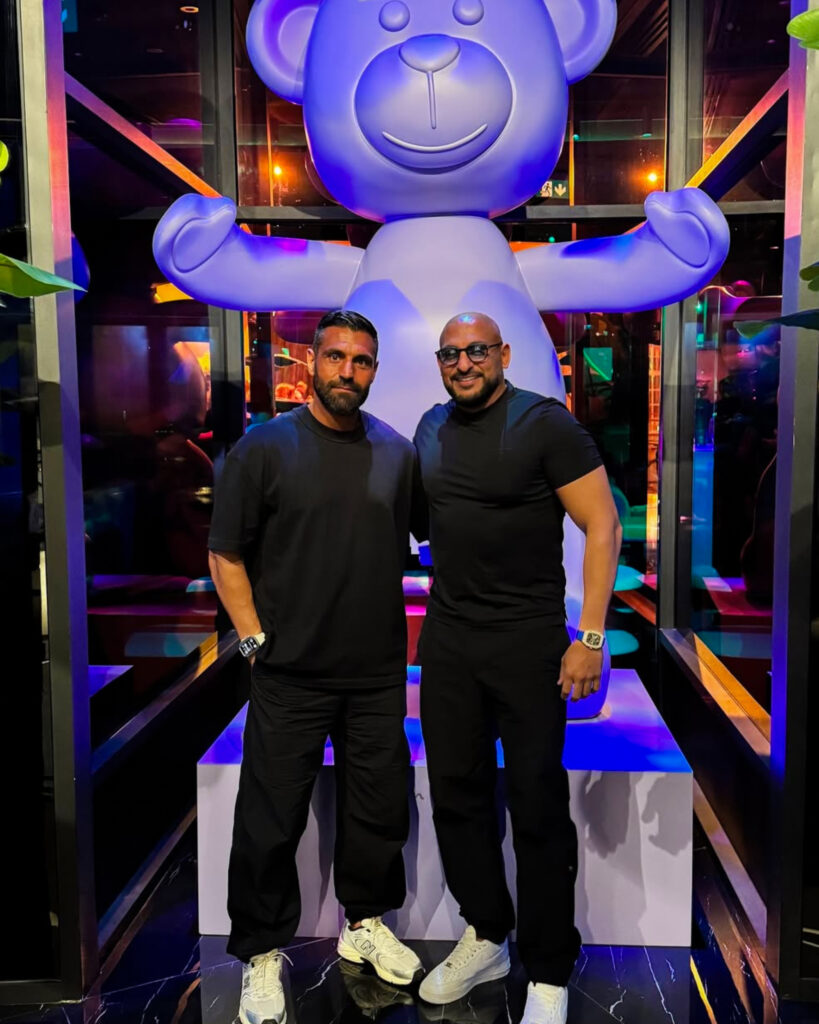
The Dubai-born dining and lifestyle brand has refined its name as part of its continued growth: one concise name that can be recognized, remembered and expressed with equal confidence in every market. MYA is shorter by design, creating greater clarity across destinations, partnerships, communications and digital platforms.
The refinement is precise. MYA carries forward the same founder and leadership, the same team, the same concept, the same culinary direction, the same standards and the same distinctive guest experience. Everything that earned the trust of AMAYA’s guests remains at the heart of MYA.
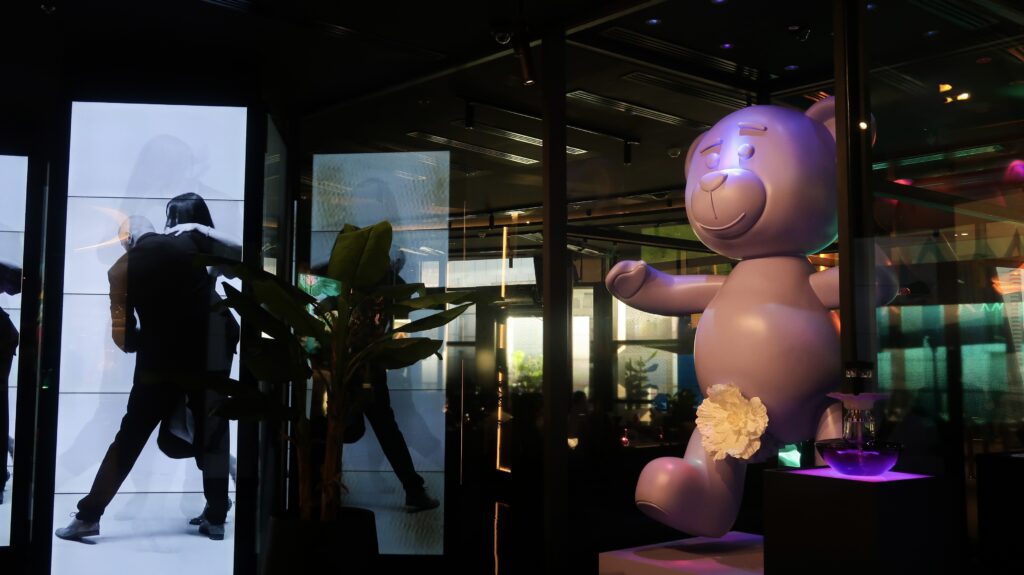
“Strong brands grow through clarity, consistency and trust. MYA gives the name we have built a sharper global expression. Our people, standards and guest experience remain exactly the same. One name. One vision. One uncompromising standard, built in Dubai and continuing forward as MYA.”
– Murat Tutuncu and Moe Ezzat | Founders & CEO, MYA
MYA’s purpose is clear – to give the established Dubai-born hospitality brand a shorter and more consistent name as it grows across destinations. The shorter name increases recognition, the unified name strengthens consistency, and the same standards give the brand the foundation to grow confidently across cultures and geographies.

Exclsuive interview with Dr. Dragana Spica, Specialist Plastic, Reconstructive & Aesthetic Surgeon, Aesthetics by King’s College Hospital London – Dubai
When patients talk about wanting to look more refreshed or rejuvenated, how important is skin quality and tightening alongside changes to facial volume and shape?
Looking refreshed is about much more than restoring volume or enhancing facial contours. Skin quality plays a central role in how youthful and healthy a person appears. Even when volume loss is addressed with fillers or fat transfer, poor skin texture, laxity, pigmentation, or reduced collagen can still contribute to a tired appearance.

A comprehensive rejuvenation approach combines attention to facial structure with treatments that improve skin quality and firmness. Technologies that stimulate collagen production, skin tightening procedures, and regenerative treatments can significantly enhance results. When healthy, firm skin is combined with balanced facial proportions, patients tend to achieve a more natural and refreshed appearance rather than an over-treated look.

When it comes to body transformation, what are the most common concerns patients are looking to address through contouring and sculpting?
Most patients are not necessarily looking for dramatic weight loss. Instead, they want to improve body proportions and address stubborn areas that do not respond to diet and exercise. Common concerns include excess fat deposits, loose skin following weight loss or pregnancy, and a lack of definition in certain areas of the body.
Many patients seek contouring to create a smoother silhouette, improve waist definition, refine body balance, or restore confidence in their appearance. Increasingly, body contouring is viewed as a way to enhance overall shape and harmony rather than simply reduce body size.
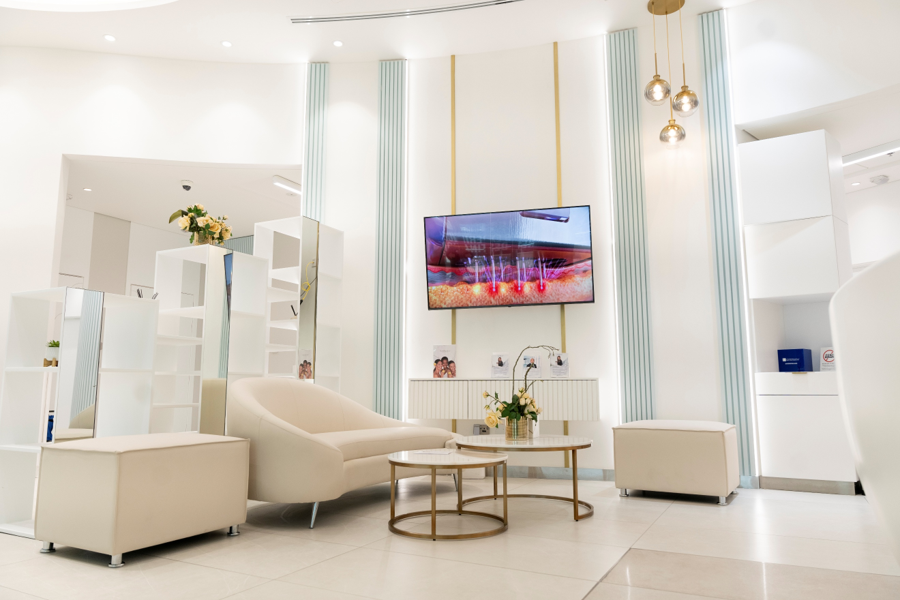
What are some of the most common concerns patients come to you with when it comes to skin laxity, body contouring and overall body shape?
Skin laxity is one of the most frequent concerns, particularly after significant weight loss, pregnancy, or as part of the natural ageing process. Patients often report loose skin around the abdomen, upper arms, thighs, neck, or lower face. In terms of body contouring, many individuals are concerned about localized fat deposits that persist despite maintaining a healthy lifestyle. Others are seeking improved body proportions, whether through waist contouring, abdominal refinement, thigh reshaping, or enhancement of areas that have lost volume over time. Ultimately, most patients want results that look natural and complement their unique body structure rather than conforming to a single aesthetic ideal.

Body contouring has become an increasingly important part of aesthetic care. Which areas of the body are patients most interested in sculpting and refining?
The abdomen remains one of the most commonly requested areas for contouring and sculpting, followed closely by the waist and flanks. Patients are also frequently interested in refining the thighs, upper arms, back, and under-chin area.
There has also been growing interest in body-shaping procedures that enhance overall proportions, such as creating a more defined waistline or improving the contour of the hips and buttocks. What is particularly notable today is that patients increasingly view the body as a whole, seeking balanced and harmonious results rather than focusing on a single area in isolation.
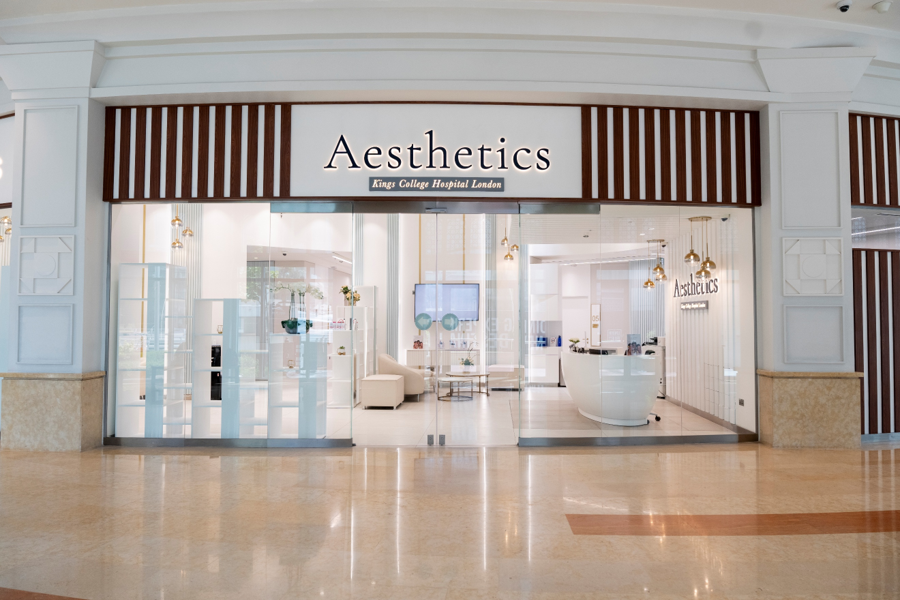
How has the conversation around targeted fat reduction evolved, particularly among patients who are looking for definition rather than significant weight loss?
The conversation has shifted considerably over the past few years. Patients are now much more informed and understand that body contouring is not a substitute for weight loss. Instead, they are seeking targeted refinement and improved definition.
Many patients are already close to their ideal weight and simply want to address stubborn pockets of fat that obscure muscle definition or affect body proportions. The focus has moved toward precision, customization, and natural-looking outcomes. Today’s patients often ask how they can achieve a more sculpted appearance while maintaining a healthy, authentic look, and treatment plans are increasingly tailored to support those goals.
In modern aesthetic practice, body contouring is less about reducing size and more about enhancing shape, proportion, and confidence through personalized treatment strategies.
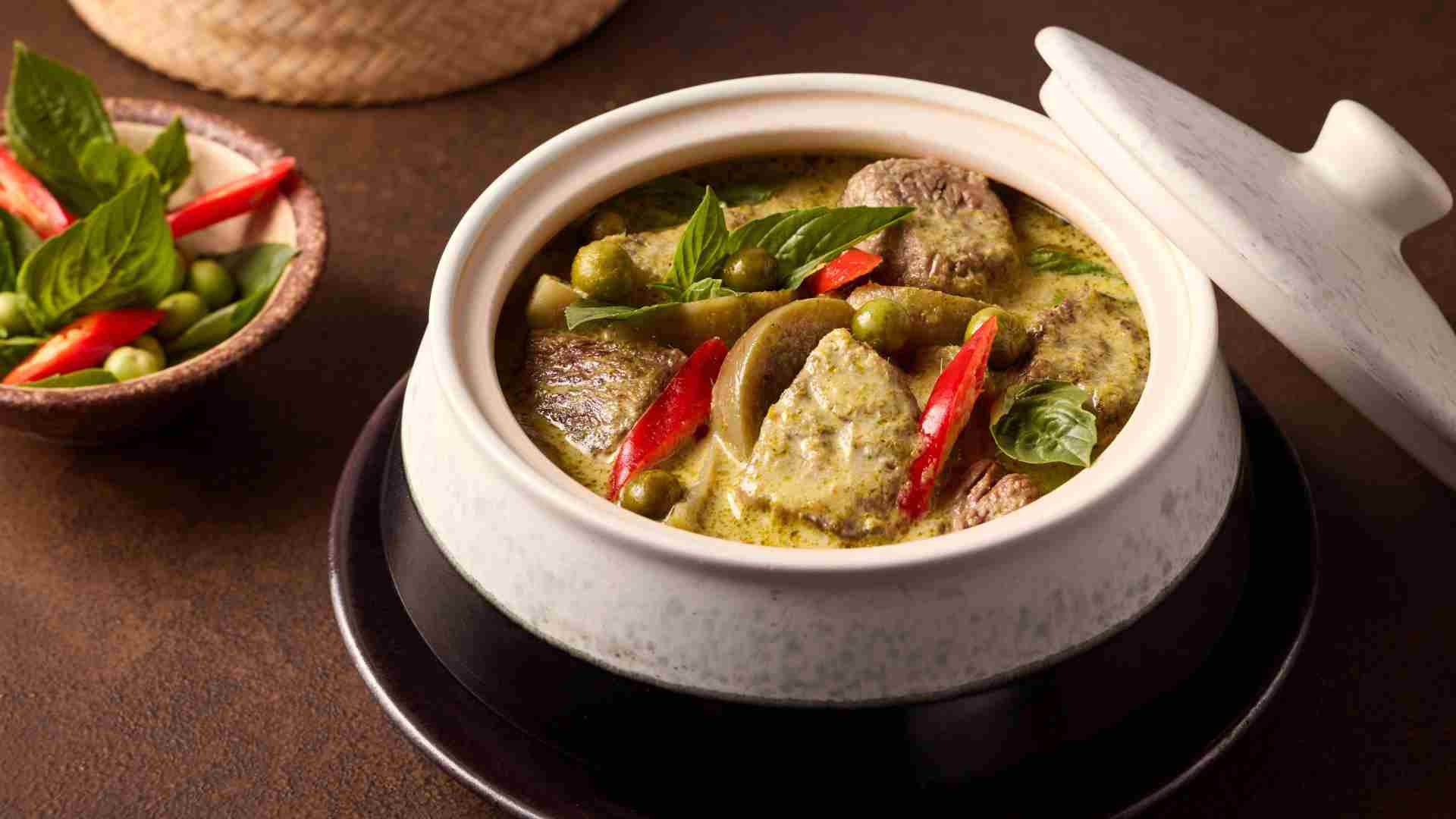
This October, Pai Thai at Jumeirah Al Qasr invites guests to an exceptional weekend of Thai gastronomy. On 16 and 17 October, the award-winning dining destination welcomes Blue Elephant founder, Master Chef Nooror Somany Steppe to Dubai, where she joins Head Chef Amara Mahayothee for a limited series of four-hands dinners and an intimate culinary masterclass.
Across two evenings, the chefs will present three- and five-course menus combining dishes from Pai Thai and Blue Elephant. Among the highlights are “Naam Dokmai” green mango lobster salad, prepared with mango from Master Chef Nooror Somany Steppe’s native province; organic green chicken curry with Thai sweet basil and kaffir lime leaves; and ribeye with Blue Elephant Black Diamond garlic, GI pepper and a hint of truffle.
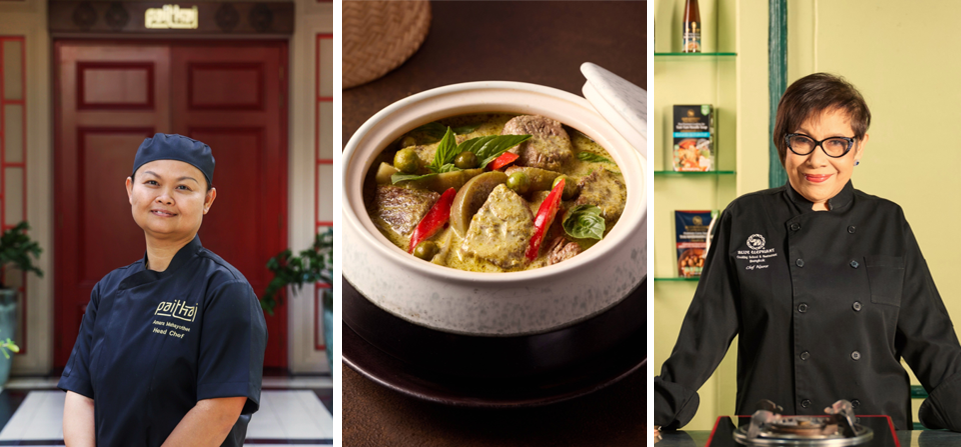
The dinner menu draws upon recipes with personal and historical significance. The jumbo river prawn tom yum replicates the traditional version served during the period of King Rama V in the late nineteenth century. Uniting Emirati dates with Thai mung bean and jasmine essence, the date cake dessert is inspired by a recipe from Master Chef Nooror Somany Steppe’s late mother. These stories bring the collaboration’s wider narrative of heritage and tradition to the table while connecting Thai culinary techniques with its Dubai setting.
On Saturday 17 October, the chefs take guests beyond the dining room with a hands-on masterclass exploring four Thai favourites: Yam Som O, Chor Muang, Gaeng Phed Goong and Khao Niew Ma Muang. Participants will discover the techniques and cultural stories behind each recipe before enjoying a seated three-course lunch at Pai Thai.
Event details:
Four-Hands Thai Dinner
Dates: 16 and 17 October 2026
Time: 18:00 onwards
Price: AED 395 per person for the three-course set menu; AED 695 per person for the five-course set menu. Beverages are available à la carte.
Four-Hands Thai Masterclass
Date: 17 October 2026
Time: 11:00 to 14:30
Price: AED 695 per person, including a three-course lunch and soft beverages; AED 895 per person, including a three-course lunch with wine pairing
Beyond the collaboration, Pai Thai continues to bring the flavours of Thailand to the enchanting setting of Jumeirah Al Qasr, inviting guests to savour a refined expression of Thai cuisine over dinner daily from 18:00 to 22:30, or during Kin Samrap Lunch, served Friday to Sunday from 12:30 to 14:30 and extending to a daily lunch offering from November.


From AMAYA to MYA: Dubai Mall Dining Destination Refines Its Global Identity
WHAT’S HAPPENING AT MOON BY SANA THIS WEEK

NetApp to Showcase AI-Ready Data Infrastructure as CEO George Kurian Takes the Stage at Ai Everything Abu Dhabi 2026



-

 Trending11 months ago
OPPO A6 Pro 5G Review: Reliable Daily Driver
-

 Tech News2 years ago
Denodo Bolsters Executive Team by Hiring Christophe Culine as its Chief Revenue Officer
-
 VAR1 year ago
Microsoft Launches New Surface Copilot+ PCs for Business
-

 Automotive2 years ago
AGMC Launches the RIDDARA RD6 High Performance Fully Electric 4×4 Pickup
-
Tech Interviews3 years ago
Navigating the Cybersecurity Landscape in Hybrid Work Environments
-

 Tech News1 year ago
Nothing Launches flagship Nothing Phone (3) and Headphone (1) in theme with the Iconic Museum of the Future in Dubai
-

 VAR2 years ago
Samsung Galaxy Z Fold6 vs Google Pixel 9 Pro Fold: Clash Of The Folding Phenoms
-

 Hospitality2 years ago
Gulfood 2025 30th Edition Kicks Off Today, Setting New Benchmarks in F&B Growth and Innovation