
 Have a question? +971 56 404 0503





Tech News
Beyond the Finish Line: What HONOR Robotics Can Teach Us About the Future of Intelligent Devices

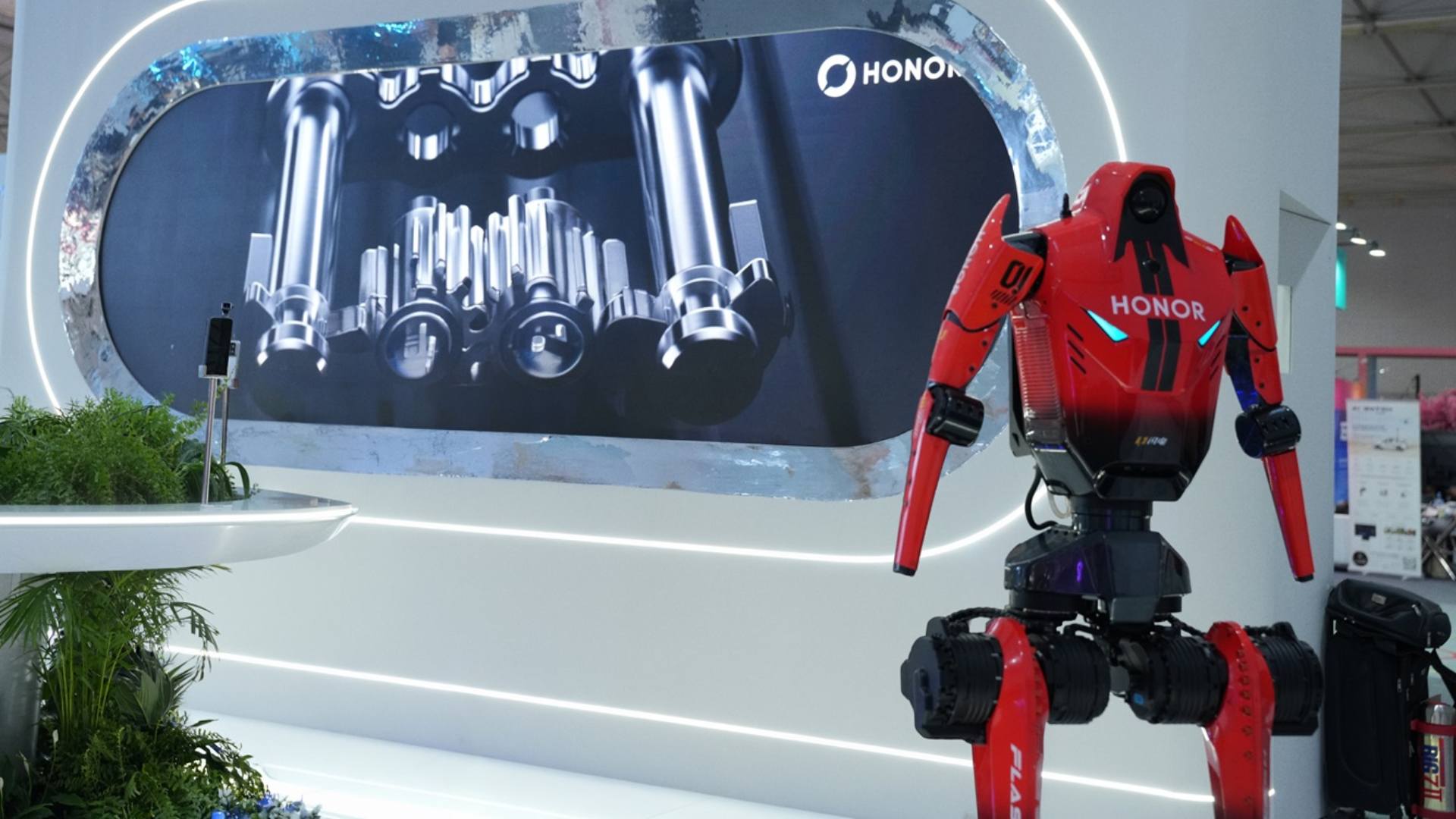
A Record-Breaking Moment for Robotics
When HONOR’s Lightning humanoid robot captured global attention with a series of record-breaking performances, the headlines understandably focused on speed. HONOR Robotics D1 broke five human world records, completing a half marathon in 50 minutes and 26 seconds, 1,500 meters in 2 minutes and 30 seconds, and 100 meters in just 9.32 seconds, while reaching a peak speed of 14.5 meters per second.
The performances demonstrated a level of athletic capability previously considered out of reach for humanoid machines, sparking widespread discussion about just how quickly robotics technology is advancing.
Yet the real story extends far beyond the stopwatch.
The Rise of Embodied AI
While achievements on the track demonstrate remarkable engineering progress, they also point to a broader shift taking place across the technology industry. Artificial intelligence is no longer confined to analysing information on a screen. It is increasingly being designed to understand, interpret and respond to the physical world around it. From navigating complex environments to making decisions in real time, the next era of AI will be defined not only by what it knows, but by how effectively it can interact with the world.
This evolution is often referred to as embodied AI, where intelligence is paired with movement, perception and action. In a race, a humanoid robot must do far more than run quickly. It must continuously process information from its surroundings, maintain balance, adapt to changing conditions and make split-second adjustments throughout its movement. Such capabilities demonstrate how AI is moving beyond digital commands towards real-world understanding.
Why Robotics Matters Beyond the Race Track
The significance of this trend extends well beyond robotics itself. As AI systems become increasingly capable of understanding context and responding intelligently, the lessons learned from these advancements have the potential to influence a wide range of everyday technologies.
For consumers, this shift is particularly relevant. People increasingly expect their devices to be proactive, intuitive and personalised. Technology is no longer judged solely by processing power or specifications. Instead, users value experiences that feel intelligent, seamless and capable of adapting to their needs.
Achieving this vision requires AI systems that can process information quickly, understand intent and respond meaningfully in real time.
The Future of Intelligent Devices
The same principles driving the next generation of robotics are also shaping the evolution of personal technology. Advances in perception, contextual understanding and intelligent decision-making are helping create devices that feel more aware of both users and their surroundings.
As AI capabilities continue to mature, devices will become increasingly capable of anticipating needs, simplifying tasks and offering more personalised experiences. The result is a more natural relationship between people and technology, where interactions feel less like commands and more like collaboration.
Rather than simply responding to requests, future intelligent devices will be expected to understand context, recognise patterns and support users in increasingly proactive ways.
Where Robotics and Consumer Technology Converge
This is where the convergence of robotics and consumer technology becomes particularly exciting.
For many years, robotics and personal devices have been treated as distinct categories. Today, however, both industries are being shaped by the same fundamental goal: creating technology that can better understand and interact with the world around it.
The pursuit of faster processing, enhanced perception and smarter decision-making continues to drive innovation across the entire AI ecosystem. As advancements in one area accelerate, they often inspire new possibilities in another.
From intelligent assistants and advanced imaging capabilities to increasingly personalised user experiences, the impact of AI innovation is already being felt across everyday technology.
Building an AI-Powered Future
Looking ahead, the future of technology will not be defined by a single breakthrough device. Instead, it will be shaped by connected ecosystems of intelligent technologies working together seamlessly.
As AI becomes more capable, users can expect more natural interactions, greater personalisation and experiences that adapt more effectively to individual needs. The focus will move beyond standalone features towards intelligent ecosystems that support people throughout their daily lives.
The recent achievements in robotics offer a glimpse into that future. While record-breaking performances may capture attention, they also demonstrate the pace at which intelligent systems are evolving and how rapidly the boundaries of what technology can achieve continue to expand.
Beyond the Finish Line
Ultimately, the significance of innovation is not measured solely by how fast a robot can run. It is measured by how those advancements help create smarter, more intuitive experiences that improve the way people interact with technology every day.
As AI continues to evolve, robotics will serve as an important testbed for what comes next. The finish line, it turns out, may be just the beginning.
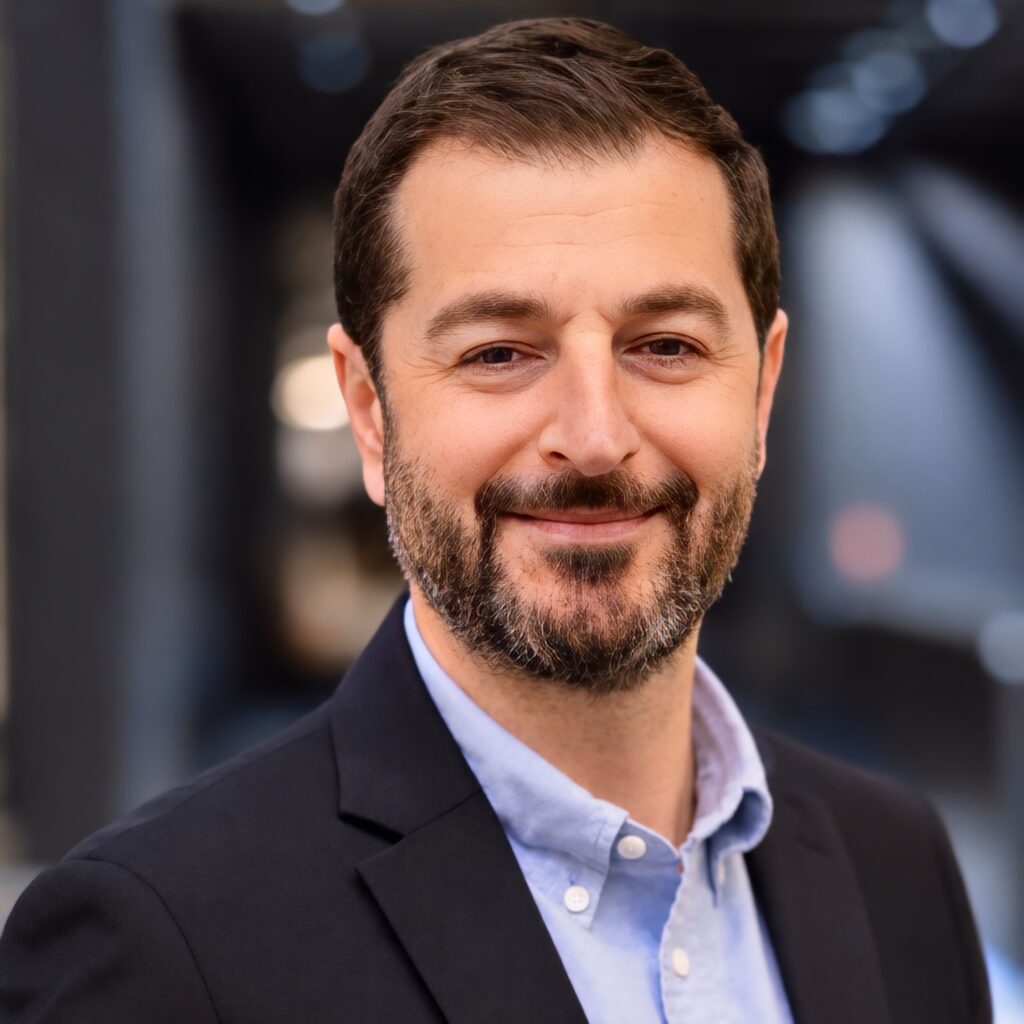
Holcim, a global leader in innovative and sustainable building solutions, has appointed Rozhgar Barzan as Chief Executive Officer for its UAE and Oman operations. Barzan brings 17 years of experience within the Holcim Group to the strategic leadership role.
Having joined Holcim in 2009, Barzan has held key executive positions across the business, accumulating deep expertise in operational management, commercial strategy, and business growth across regional markets. Most recently, he served as General Manager of Ready-Mix Oman, following his tenure as Commercial Director in Iraq. In his new role, Barzan will drive Holcim’s strategic growth and operational portfolio across the UAE and Oman, accelerating the adoption of sustainable construction practices across the region. Amongst his priorities will be delivering holistic building offerings, including low-carbon cement and low-carbon concrete ranges, and scaling circular construction initiatives. Additionally, he will focus on advancing operational transformation by integrating AI and digital technologies under Holcim’s global Plants of Tomorrow program.
These priorities reinforce Holcim’s commitment to delivering progress for people and the planet by offering innovative, sustainable solutions tailored to the region’s expanding infrastructure and climate targets. Notably, this includes Holcim’s ongoing industrial carbon capture and underground mineralisation pilot in Fujairah, advancing pioneering technologies to eliminate industrial emissions.
Commenting on his appointment, Rozhgar Barzan, CEO of Holcim UAE and Oman, said: “I am honored to take on the leadership of Holcim UAE and Oman at such a pivotal moment for the regional building sector. As both markets accelerate their investment in sustainable infrastructure and Net Zero ambitions, Holcim has a strong opportunity to deepen its role as a trusted partner to our clients and communities. By integrating AI across our operations and scaling our holistic, low-carbon building solutions, we remain dedicated to advancing sustainable growth, driving circularity, and delivering progress for people and the planet.”
Barzan succeeds Ali Said, who led Holcim UAE through a period of significant strategic development and key sustainability milestones. This appointment reinforces Holcim’s commitment to operational excellence, continuous innovation, and sustainable development across the Middle East.
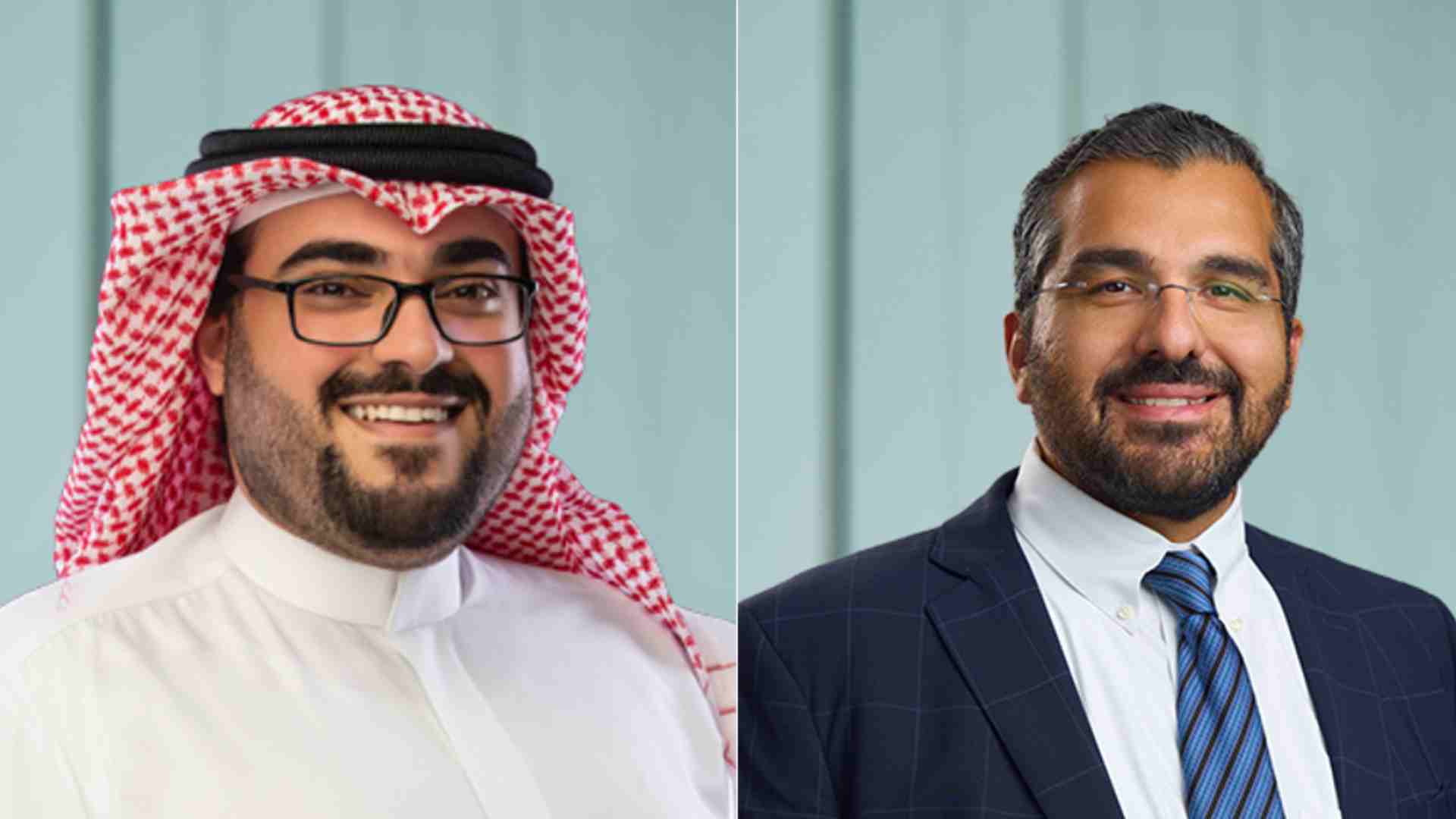
SICO Capital, a leading provider of asset management, brokerage, investment banking and fund services in Riyadh and licensed by the Saudi Capital Market Authority, has appointed Ali AlFaraj as Head of Information Technology, effective 25 October 2026.
The appointment reflects SICO Capital’s continued investment in its technology and operating platforms. Mr. AlFaraj will oversee the firm’s infrastructure, business systems, technology implementations, and client platforms, with a focus on operational resilience and regulatory alignment.
A specialist in technology governance and implementation, Mr. AlFaraj has more than 12 years of experience in the banking and capital markets sectors across the GCC. Most recently, he was Head of Information Technology and Administration at GIB Capital, where he built the company’s IT function and led the launch of its brokerage and electronic trading platforms. He holds a Bachelor of Science in Computer Science from the University of Bahrain, as well as relevant professional certifications.
“Technology is central to our ability to grow and deliver an increasingly seamless experience for our clients,” said Wissam Haddad, Chief Executive Officer of SICO Capital. “Ali brings extensive experience in technology leadership and the implementation of client-facing platforms within the financial sector. We are continuing to invest in our technology in Saudi Arabia with new and ongoing implementations including our order and asset management systems, client relationship management (CRM), and artificial intelligence platforms.”
Ali AlFaraj commented, “Technology plays a vital role in how SICO Capital serves its clients and continues to strengthen its presence in the Saudi market. I look forward to working alongside the team to further advance our technology infrastructure and digital capabilities, while upholding rigorous standards of reliability, security, and service excellence. It is a privilege to contribute to SICO Capital’s continued growth as the Kingdom’s financial sector evolves under Vision 2030.”
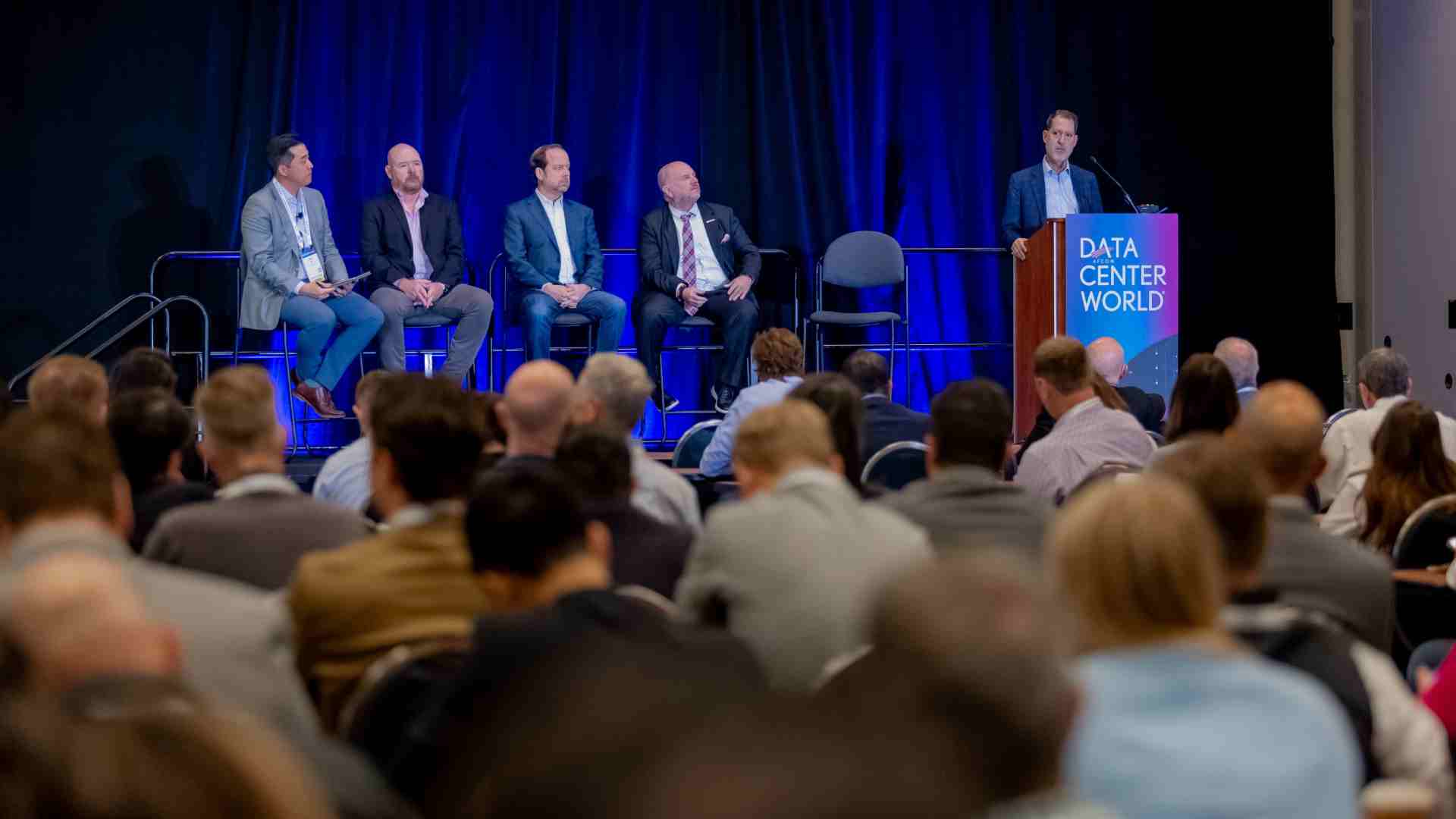
Data Center World, the premier global event for data centre IT infrastructure and innovation for more than four decades, will hold its first Middle East edition in the UAE capital, bringing together the people who build, power, finance and regulate the region’s AI infrastructure.
Building on the success of it’s flagship US conference, Data Center World Middle East, running from 17-18 November, follows the launch of events inAustralia, Latin America and Europe in 2026, reflecting rising global demand for digital infrastructuredriven by AI adoption, cloud growth and surging data consumption.
Organised by inD – an Informa/DWTC company – the event puts delegates in the same room as the UAE Ministry of Energy and Infrastructure, the UAE Ministry of Investment and the companies building and running Gulf capacity, including Khazna Data Centers, Core42 and Tabreed. Hyperscalers AWS, Google and Oracle, and AI computing leader NVIDIA, complete a line-up that pairing senior industry voices with deep technical expertise.
The event at the Dusit Thani Abu Dhabi coincides with a sharp rise in regional capacity. Omdia, the technology research and advisory group within Informa TechTarget, identifies the Middle East as the world’s next data centre hot spot. It estimates the region added 1GW of new IT capacity in 2025, with data centre IT capacity compounding at almost 25% a year.
Efficiency is also becoming a priority as capacity scales. The Ministry of Energy and Infrastructure and Khazna Data Centers have launched a pilot to cut energy use in data centers and district cooling systems, with the technology claimed to reduce cooling-related consumption by up to 40%.
Eng. Mozah Alnuaimi, Chief AI Officer, UAE Ministry of Energy and Infrastructure, a speaker on the opening panel, said: “Every megawatt saved in cooling is a megawatt of compute the grid does not have to build for. In our climate, water efficiency and energy efficiency are the same discipline: liquid cooling, closed-loop systems, and clear intensity requirements. Through the Global Cooling Pledge and the Ministry’s planning tools, we are treating data centres as a national efficiency opportunity, not only a load, so growth in AI strengthens the system rather than strains it.”
The UAE is at the centre of that growth aiming to double the digital economy’s contribution to GDP, from 9.7% to 19.4%, within a decade. In Abu Dhabi, the Department of Government Enablement’s AED 13 billion digital strategy targets full migration to sovereign cloud on the way to an AI-native government by 2027, supported by a Unified Government Data Centre. Khazna, meanwhile, is building G42’s 1GW Stargate UAE cluster with partners including OpenAI, Oracle, NVIDIA, Cisco and SoftBank.
Sean James, Distinguished Engineer – Energy Systems, NVIDIA, said: “AI load does not behave like the load utilities planned for. I watched other markets pay for that lesson. Hundreds of megawatts moving in seconds is a power quality problem before it is a capacity problem. Solve it inside your own fence, with storage and controls. The same batteries that smooth your load can hand the utility ride-through and voltage support back. Then the interconnection conversation shifts from whether to when.”
Tara Gibb, Senior Event Director for Data Center World, said: “Data Center World goes where the industry is building, and the Gulf is now one of its most important growth markets. For the first time in the region, the operators building Gulf capacity, the hyperscalers and two federal ministries share one programme. The programme moves from market outlook to closed-door technical workshops, so delegates leave with clear priorities and the right contacts to move their projects forward.”
Day one opens with a panel on the risks and realities of the Gulf’s 3GW target for AI, power and sovereign demand. A Market Outlook 2030 session will assess where growth is most investable across the UAE, Saudi Arabia, Oman, Qatar and Bahrain.
The programme runs across keynote, conference and technical tracks, with closed-door workshops on AI hall design, cooling and electrical design for AI loads, built for people running data centres in 50°C conditions
The headline sponsor is Midea Building Technologies, the building and data centre cooling division of Midea Group, with Marwan AlObaidi, Regional Director – Data Centers & Applied Systems, among the speakers. Enover and E-kerno are Gold Sponsors with Endress+Hauser as Silver Sponsors.

Above the City with CRANK at Level 43
Building the Infrastructure Behind the UAE’s AI Ambitions
Holcim Appoints Rozhgar Barzan as CEO for UAE and Oman



-

 Trending1 year ago
OPPO A6 Pro 5G Review: Reliable Daily Driver
-

 Tech News2 years ago
Denodo Bolsters Executive Team by Hiring Christophe Culine as its Chief Revenue Officer
-
 VAR2 years ago
Microsoft Launches New Surface Copilot+ PCs for Business
-

 Automotive2 years ago
AGMC Launches the RIDDARA RD6 High Performance Fully Electric 4×4 Pickup
-
Tech Interviews3 years ago
Navigating the Cybersecurity Landscape in Hybrid Work Environments
-

 Hospitality2 years ago
Gulfood 2025 30th Edition Kicks Off Today, Setting New Benchmarks in F&B Growth and Innovation
-

 VAR11 months ago
Huawei Nova 14 Pro Review: Where Camera Excellence Meets Ecosystem Evolution
-

 Tech News1 year ago
Nothing Launches flagship Nothing Phone (3) and Headphone (1) in theme with the Iconic Museum of the Future in Dubai