
 Have a question? +971 56 404 0503





Tech News
NETSCOUT DATA PLATFORM TRANSFORMS AI-DRIVEN NETWORK OPERATIONS AND CONTROLS COSTS

NETSCOUT® SYSTEMS, INC. (NASDAQ: NTCT), a leading provider of observability, AIOps, cybersecurity, and DDoS attack protection solutions, expands its data platform to provide the trusted operational context required to build the foundation for enterprise AI. The NETSCOUT data platform observes digital interactions, converts packets into high-fidelity, compact, contextualized evidence in real time, and curates that evidence at scale for observability, service assurance, cybersecurity, and AI.
This addresses a growing barrier to enterprise AI adoption: increasingly capable models still cannot deliver reliable operational decisions when the data supplied to them is incomplete, noisy, fragmented, or stripped of context. Traditional metrics, events, logs, and traces (MELT data) remain important, but often require AI systems to reconstruct what happened after telemetry has been sampled, aggregated, or separated across tools. That increases inference, compute requirements, token consumption, and the risk of an inaccurate recommendation.
Gartner predicts that by 2027, organizations that prioritize semantics in AI-ready data will increase their agentic AI accuracy by up to 80% and reduce costs by up to 60%. Agentic AI outcomes depend on context, including semantic representations of data. The need for trusted context becomes even more consequential as AI agents progress from advising operators to taking autonomous action.
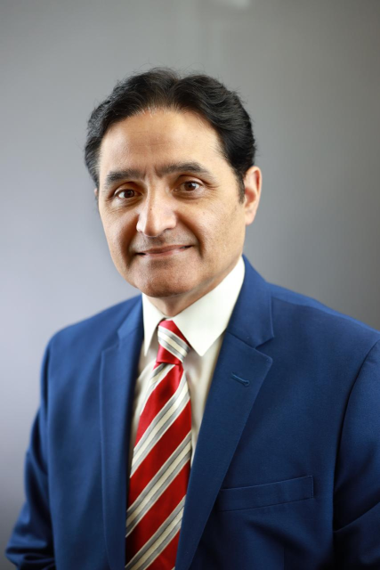
“Unlocking the benefits of AI across the enterprise will not be achieved by adding another model. It will succeed through context engineering: giving AI the right operational context before reasoning begins,” said Sanjay Munshi, chief operating officer, NETSCOUT. “NETSCOUT turns observed digital interactions into grounded-truth evidence. Through our own internal testing we experienced more than a 25% reduction in AI token consumption compared with MELT only data, and more than a 75% reduction in MTTK. Compact, context-rich operational intelligence helps our customers improve decision confidence, lower the cost of AI-driven analysis, and establish the control required to move from AIOps recommendations toward safe, autonomous operations.”
Architecture Designed for the AI Era
IDC expects 80% of agentic AI use cases will require real time, contextual, and widely accessible data and states that the goal is to create a trusted, real time data environment where AI can reason, decide, and act with the right context and guardrails. NETSCOUT produces Smart Data via a unique architectural approach, bringing together two complementary capabilities that improve context engineering:
- Early semantic extraction: NETSCOUT derives operational meaning from packets at the point of observation, preserving evidence that can disappear in conventional datasets.
- Context optimization at source: NETSCOUT delivers higher-density, relevant context so AI systems can spend less of their context window and compute budget.
Together, these capabilities deliver an AI-ready operational evidence layer that complements existing observability investments and can support human operators, analytics platforms, large language models, copilots, and AI agents. Smart Data is embedded across NETSCOUT solutions and can be integrated into enterprise data and AI workflows, enabling customers to use the operational intelligence within their chosen technology ecosystems.
Value Across the AI Maturity Curve
By meeting organizations wherever they are in their operational and AI transformation, NETSCOUT’s data platform helps customers:
- Operate more productively: Equip NetOps, SecOps, DevOps, SRE, and service teams with natural-language access to detailed operational evidence, accelerating investigation and helping resolve issues faster.
- Optimize token cost: Reduce the volume of low-value data AI must process by increasing signal density, helping organizations manage telemetry, storage, token, and compute costs without sacrificing the context required to understand service behavior.
- Automate with greater confidence: Provide AI systems with independently observed, explainable evidence to support recommendations, governance, auditability, and the controlled progression from assisted operations to agentic action.
This common foundation provides AI systems with evidence-based operational context suitable for governed automation and agentic workflows, and supports observability, cybersecurity, service assurance, cloud and data center transformation, and business-service resilience. It can help teams and agents expose hidden dependencies, distinguish infrastructure failures from application issues, identify protocol and security exposures, and understand the operational impact of an event across hybrid, multi-cloud, containerized, virtual, and physical environments.
Strategic Relevance for a Rapidly Evolving Market
As access to AI models broadens and model capabilities converge, the quality, completeness, and token efficiency of the context supplied to those models becomes a more lasting source of differentiation. NETSCOUT extends the value of its core deep packet inspection-at-scale technology into a new growth arena: providing the trusted operational intelligence layer for enterprise AI and automation.
For customers, this means a path to adopt AI without abandoning existing workflows or compromising visibility. For technology partners, it creates a source of curated, network-derived intelligence that can strengthen analytics and automation. For others, it demonstrates how NETSCOUT can apply its differentiated data foundation across observability, cybersecurity, AIOps, and AgenticOps.
Resources and Attributions:
- Learn more about NETSCOUT’s data platform at https://www.netscout.com/platform
- What Is AI-Ready Data? And How to Get Yours There, Rita Sallam. https://www.gartner.com/en/articles/ai-ready-data
- Gartner Press Release, “Gartner Says Lack of Semantics Causes Inaccurate AI Agents and Wasted Spending,” May 11, 2026. https://www.gartner.com/en/newsroom/press-releases/2026-05-11-gartner-says-lack-of-semantics-causes-inaccurate-artificial-intelligence-agents-and-wasted-spending
- AI can’t run on stale data: Why enterprises are rethinking their architecture, March 24, 2026, Devin Pratt. https://www.idc.com/resource-center/blog/ai-cant-run-on-stale-data-why-enterprises-are-rethinking-their-architecture/
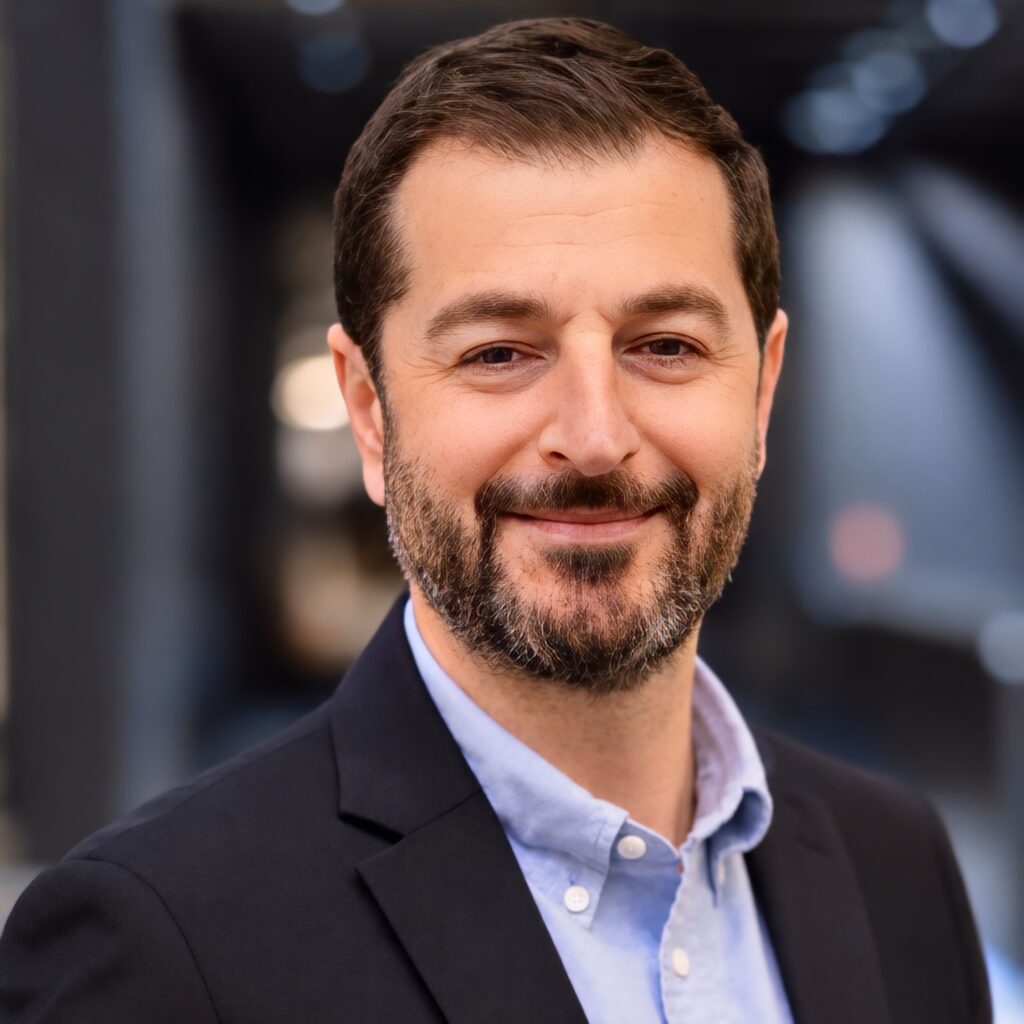
Holcim, a global leader in innovative and sustainable building solutions, has appointed Rozhgar Barzan as Chief Executive Officer for its UAE and Oman operations. Barzan brings 17 years of experience within the Holcim Group to the strategic leadership role.
Having joined Holcim in 2009, Barzan has held key executive positions across the business, accumulating deep expertise in operational management, commercial strategy, and business growth across regional markets. Most recently, he served as General Manager of Ready-Mix Oman, following his tenure as Commercial Director in Iraq. In his new role, Barzan will drive Holcim’s strategic growth and operational portfolio across the UAE and Oman, accelerating the adoption of sustainable construction practices across the region. Amongst his priorities will be delivering holistic building offerings, including low-carbon cement and low-carbon concrete ranges, and scaling circular construction initiatives. Additionally, he will focus on advancing operational transformation by integrating AI and digital technologies under Holcim’s global Plants of Tomorrow program.
These priorities reinforce Holcim’s commitment to delivering progress for people and the planet by offering innovative, sustainable solutions tailored to the region’s expanding infrastructure and climate targets. Notably, this includes Holcim’s ongoing industrial carbon capture and underground mineralisation pilot in Fujairah, advancing pioneering technologies to eliminate industrial emissions.
Commenting on his appointment, Rozhgar Barzan, CEO of Holcim UAE and Oman, said: “I am honored to take on the leadership of Holcim UAE and Oman at such a pivotal moment for the regional building sector. As both markets accelerate their investment in sustainable infrastructure and Net Zero ambitions, Holcim has a strong opportunity to deepen its role as a trusted partner to our clients and communities. By integrating AI across our operations and scaling our holistic, low-carbon building solutions, we remain dedicated to advancing sustainable growth, driving circularity, and delivering progress for people and the planet.”
Barzan succeeds Ali Said, who led Holcim UAE through a period of significant strategic development and key sustainability milestones. This appointment reinforces Holcim’s commitment to operational excellence, continuous innovation, and sustainable development across the Middle East.
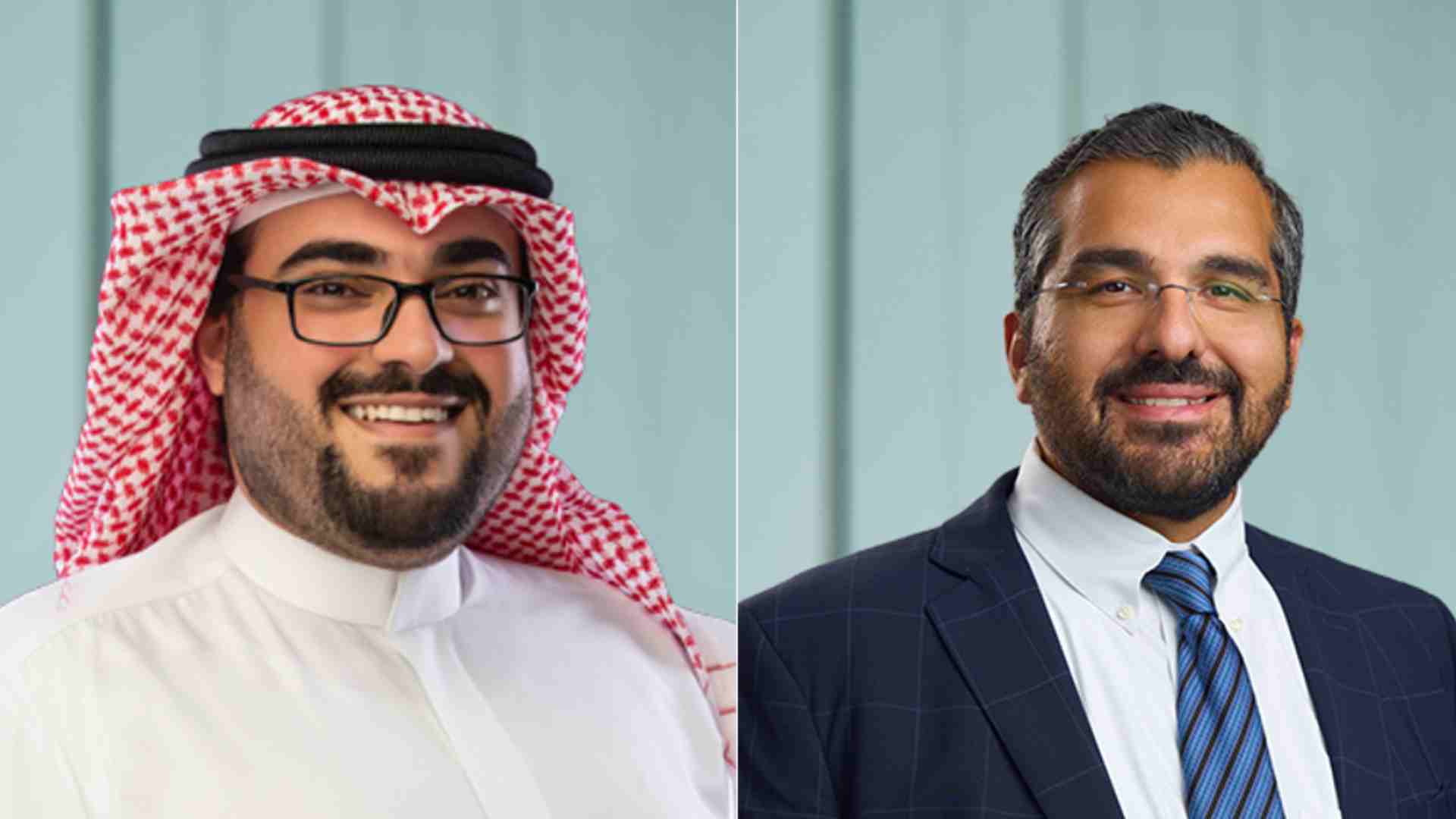
SICO Capital, a leading provider of asset management, brokerage, investment banking and fund services in Riyadh and licensed by the Saudi Capital Market Authority, has appointed Ali AlFaraj as Head of Information Technology, effective 25 October 2026.
The appointment reflects SICO Capital’s continued investment in its technology and operating platforms. Mr. AlFaraj will oversee the firm’s infrastructure, business systems, technology implementations, and client platforms, with a focus on operational resilience and regulatory alignment.
A specialist in technology governance and implementation, Mr. AlFaraj has more than 12 years of experience in the banking and capital markets sectors across the GCC. Most recently, he was Head of Information Technology and Administration at GIB Capital, where he built the company’s IT function and led the launch of its brokerage and electronic trading platforms. He holds a Bachelor of Science in Computer Science from the University of Bahrain, as well as relevant professional certifications.
“Technology is central to our ability to grow and deliver an increasingly seamless experience for our clients,” said Wissam Haddad, Chief Executive Officer of SICO Capital. “Ali brings extensive experience in technology leadership and the implementation of client-facing platforms within the financial sector. We are continuing to invest in our technology in Saudi Arabia with new and ongoing implementations including our order and asset management systems, client relationship management (CRM), and artificial intelligence platforms.”
Ali AlFaraj commented, “Technology plays a vital role in how SICO Capital serves its clients and continues to strengthen its presence in the Saudi market. I look forward to working alongside the team to further advance our technology infrastructure and digital capabilities, while upholding rigorous standards of reliability, security, and service excellence. It is a privilege to contribute to SICO Capital’s continued growth as the Kingdom’s financial sector evolves under Vision 2030.”
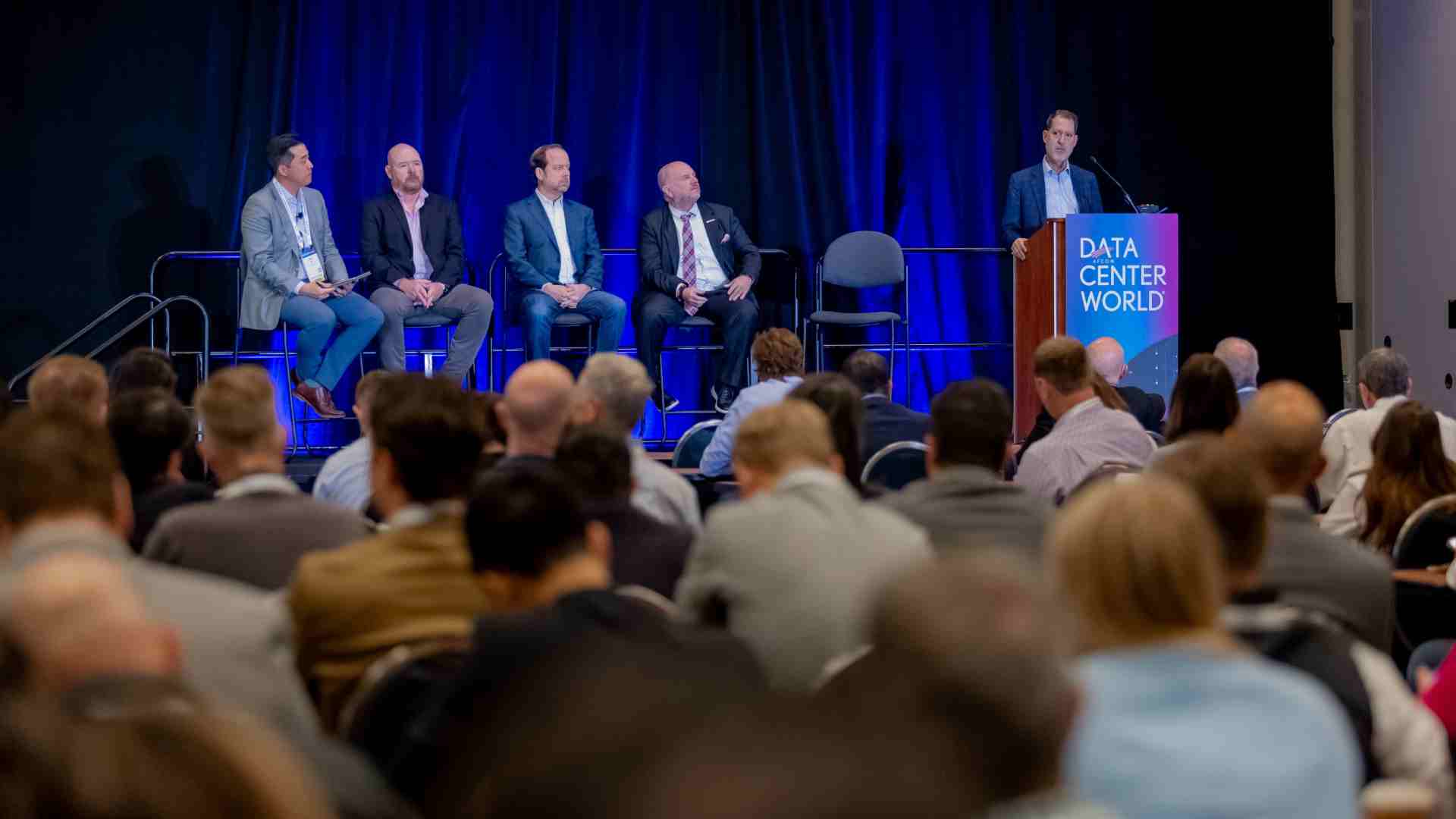
Data Center World, the premier global event for data centre IT infrastructure and innovation for more than four decades, will hold its first Middle East edition in the UAE capital, bringing together the people who build, power, finance and regulate the region’s AI infrastructure.
Building on the success of it’s flagship US conference, Data Center World Middle East, running from 17-18 November, follows the launch of events inAustralia, Latin America and Europe in 2026, reflecting rising global demand for digital infrastructuredriven by AI adoption, cloud growth and surging data consumption.
Organised by inD – an Informa/DWTC company – the event puts delegates in the same room as the UAE Ministry of Energy and Infrastructure, the UAE Ministry of Investment and the companies building and running Gulf capacity, including Khazna Data Centers, Core42 and Tabreed. Hyperscalers AWS, Google and Oracle, and AI computing leader NVIDIA, complete a line-up that pairing senior industry voices with deep technical expertise.
The event at the Dusit Thani Abu Dhabi coincides with a sharp rise in regional capacity. Omdia, the technology research and advisory group within Informa TechTarget, identifies the Middle East as the world’s next data centre hot spot. It estimates the region added 1GW of new IT capacity in 2025, with data centre IT capacity compounding at almost 25% a year.
Efficiency is also becoming a priority as capacity scales. The Ministry of Energy and Infrastructure and Khazna Data Centers have launched a pilot to cut energy use in data centers and district cooling systems, with the technology claimed to reduce cooling-related consumption by up to 40%.
Eng. Mozah Alnuaimi, Chief AI Officer, UAE Ministry of Energy and Infrastructure, a speaker on the opening panel, said: “Every megawatt saved in cooling is a megawatt of compute the grid does not have to build for. In our climate, water efficiency and energy efficiency are the same discipline: liquid cooling, closed-loop systems, and clear intensity requirements. Through the Global Cooling Pledge and the Ministry’s planning tools, we are treating data centres as a national efficiency opportunity, not only a load, so growth in AI strengthens the system rather than strains it.”
The UAE is at the centre of that growth aiming to double the digital economy’s contribution to GDP, from 9.7% to 19.4%, within a decade. In Abu Dhabi, the Department of Government Enablement’s AED 13 billion digital strategy targets full migration to sovereign cloud on the way to an AI-native government by 2027, supported by a Unified Government Data Centre. Khazna, meanwhile, is building G42’s 1GW Stargate UAE cluster with partners including OpenAI, Oracle, NVIDIA, Cisco and SoftBank.
Sean James, Distinguished Engineer – Energy Systems, NVIDIA, said: “AI load does not behave like the load utilities planned for. I watched other markets pay for that lesson. Hundreds of megawatts moving in seconds is a power quality problem before it is a capacity problem. Solve it inside your own fence, with storage and controls. The same batteries that smooth your load can hand the utility ride-through and voltage support back. Then the interconnection conversation shifts from whether to when.”
Tara Gibb, Senior Event Director for Data Center World, said: “Data Center World goes where the industry is building, and the Gulf is now one of its most important growth markets. For the first time in the region, the operators building Gulf capacity, the hyperscalers and two federal ministries share one programme. The programme moves from market outlook to closed-door technical workshops, so delegates leave with clear priorities and the right contacts to move their projects forward.”
Day one opens with a panel on the risks and realities of the Gulf’s 3GW target for AI, power and sovereign demand. A Market Outlook 2030 session will assess where growth is most investable across the UAE, Saudi Arabia, Oman, Qatar and Bahrain.
The programme runs across keynote, conference and technical tracks, with closed-door workshops on AI hall design, cooling and electrical design for AI loads, built for people running data centres in 50°C conditions
The headline sponsor is Midea Building Technologies, the building and data centre cooling division of Midea Group, with Marwan AlObaidi, Regional Director – Data Centers & Applied Systems, among the speakers. Enover and E-kerno are Gold Sponsors with Endress+Hauser as Silver Sponsors.

Above the City with CRANK at Level 43
Building the Infrastructure Behind the UAE’s AI Ambitions
Holcim Appoints Rozhgar Barzan as CEO for UAE and Oman



-

 Trending1 year ago
OPPO A6 Pro 5G Review: Reliable Daily Driver
-

 Tech News2 years ago
Denodo Bolsters Executive Team by Hiring Christophe Culine as its Chief Revenue Officer
-
 VAR2 years ago
Microsoft Launches New Surface Copilot+ PCs for Business
-

 Automotive2 years ago
AGMC Launches the RIDDARA RD6 High Performance Fully Electric 4×4 Pickup
-
Tech Interviews3 years ago
Navigating the Cybersecurity Landscape in Hybrid Work Environments
-

 Hospitality2 years ago
Gulfood 2025 30th Edition Kicks Off Today, Setting New Benchmarks in F&B Growth and Innovation
-

 VAR11 months ago
Huawei Nova 14 Pro Review: Where Camera Excellence Meets Ecosystem Evolution
-

 Tech News1 year ago
Nothing Launches flagship Nothing Phone (3) and Headphone (1) in theme with the Iconic Museum of the Future in Dubai