
 Have a question? +971 56 404 0503





Home Integrator
Emirati’s Women’s Month: Empowering the Next Generation of Girls Through Sport


An interview with the founder of GMNSM on empowering young girls through sport in the UAE – his athletic background, how disciplines like Brazilian Jiu-Jitsu and judo build confidence and resilience, and GMNSM’s expansion into Riyadh and Monaco.
As the founder of GMNSM, what have you observed about the role sport can play in shaping confidence, discipline and resilience among young girls, particularly as they grow up in the UAE?
I have seen that sports gives girls a safe environment to test themselves, make mistakes, overcome challenges, and take pride in their own progress. These experiences all have an impact far beyond the academy.
For young girls, especially, learning that they can be physically strong and have the capabilities to compete, lose, and try again can build a very practical kind of confidence. It comes from experiencing your own ability to deal with challenges, and that teaches them to become more independent.
Because the UAE is a very international landscape, children grow up surrounded by different cultures, ambitions and opportunities. Sports gives them a strong sense of identity and community while teaching qualities such as discipline, resilience, respect and teamwork.
At GMNSM, we see this as part of our broader responsibility. Our goal is not simply to develop young athletes or prepare children for competitions – we want to give them tools that they can carry into school, future careers and relationships.
I think this is especially important for girls: they should grow up knowing that strength can take many forms – physical, emotional and intellectual – and that they have the skills to develop all three.
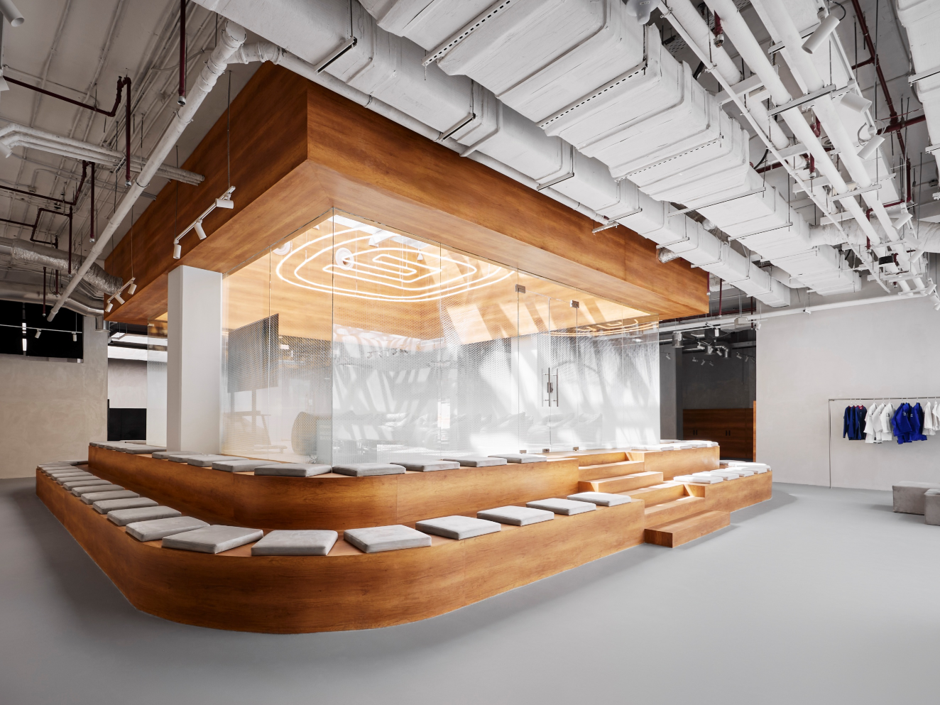
The UAE has created an environment where women and girls are increasingly encouraged to participate in sport and pursue leadership opportunities. From your experience at GMNSM, how do you see this changing the way the next generation approaches confidence and ambition?
I think we are seeing a generation of girls growing up with a much broader sense of what is possible for them. At GMNSM, we see this in the way young girls approach sport – they are more comfortable competing, taking on challenges and setting ambitious goals for themselves.
Sport plays an important role because it gives confidence a practical foundation. When a girl learns to push through difficulty, compete, lose, improve and try again, she develops resilience that can translate into other areas of her life.
The UAE’s growing emphasis on women’s participation and leadership reinforces this mindset. Our role at GMNSM is to give girls the environment and tools to develop that confidence from an early age. They need to view ambition as something they can pursue with discipline and purpose instead of something they need to limit.

You came from a professional sporting background before becoming an entrepreneur. How has your experience as an athlete shaped the way you think about empowering young girls through sport?
My experience as an athlete taught me that sport is not only about performance or winning. It teaches you how to set goals, deal with setbacks, stay disciplined and keep going when progress is not immediate.
That experience strongly shaped how I think about working with young girls. I also see it very personally as a father. My 5 years old daughter is growing up here in the UAE, and I made sure sports were part of her life from the early age of two years old. Watching her develop through sport gives me a very different perspective. I see first-hand how physical activity can build confidence, independence and resilience.
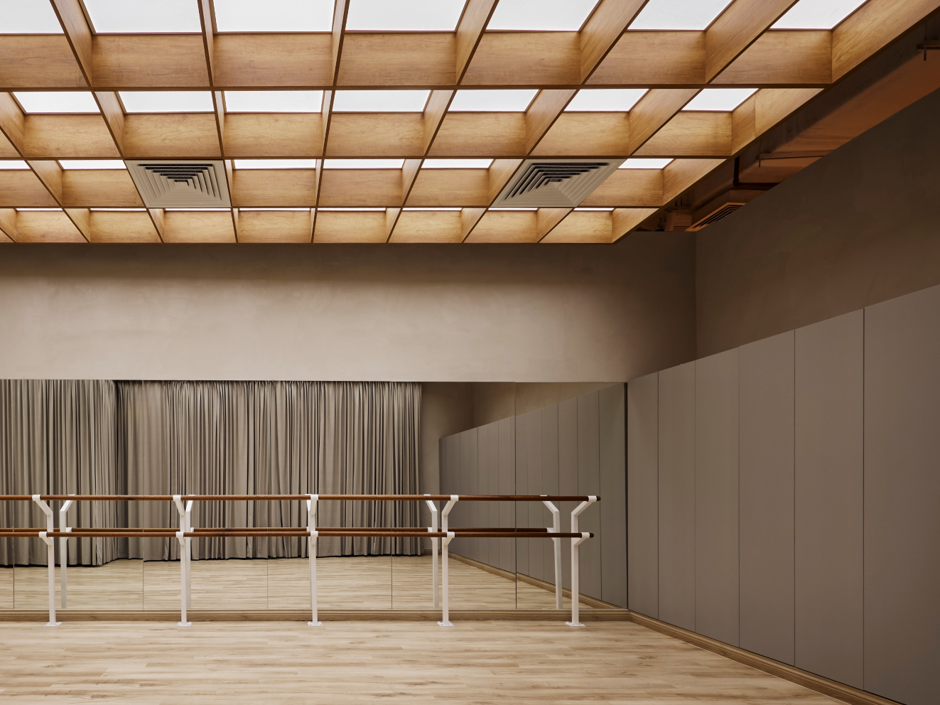
What are some of the qualities you see developing in girls through disciplines such as Brazilian Jiu-Jitsu and judo that extend beyond the training space and into school, relationships and eventually their professional lives?
One of the most important things I see is resilience. In Brazilian Jiu-Jitsu and judo, you are constantly put in situations where things don’t go according to plan. You learn to stay calm, think, adapt and try again. That mindset is incredibly valuable outside the training space.
Girls also develop a strong sense of self-confidence, but in a very grounded way. They learn what they are physically capable of, how to set boundaries, work with others and respect both themselves and their opponents.
Over time, these qualities naturally translate into other areas of life, whether it is approaching a difficult task at school, navigating relationships or, later, taking on challenges and responsibility in their professional lives.
I also want to mention that girls at GMNSM receive their own journals, where they set goals and track their progress. Our program also draws on the journeys of successful women as examples, and we explore episodes of girls’ films – Mulan, for instance – together with the kids as part of our emotional intelligence classes.
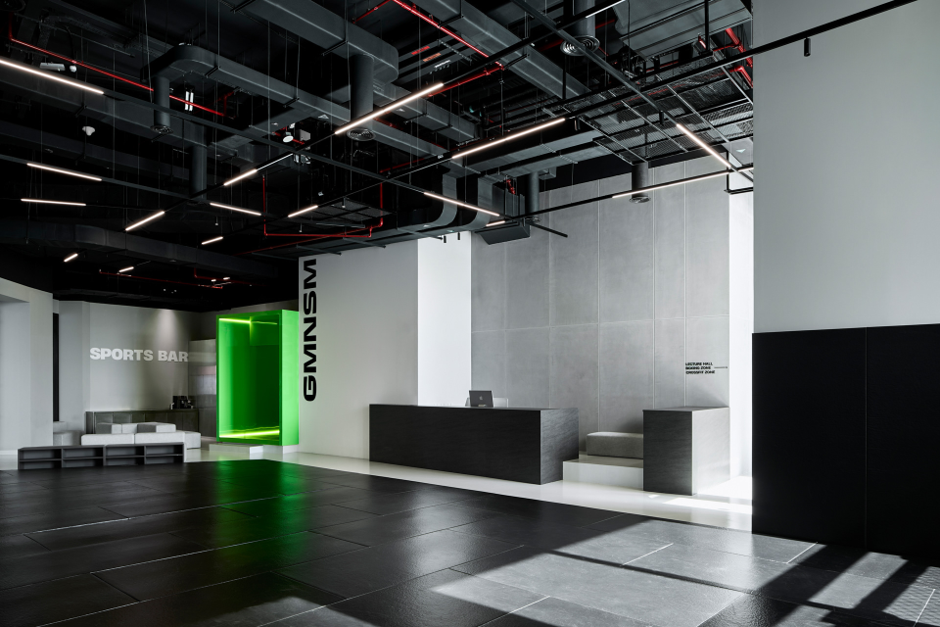
As GMNSM expands from its Dubai roots into markets such as Riyadh and Monaco, what role do you see the UAE continuing to play in shaping conversations around women, girls and sport on a broader international stage?
The UAE’s multicultural fabric makes it the ideal place to champion girls’ and women’s sport. Children here grow up surrounded by different cultures, which makes giving girls the confidence and skills to participate, compete and lead even more important – and the UAE pushes that.
At GMNSM, we see sport as a powerful tool for building this confidence. It teaches girls discipline, resilience, teamwork and leadership – qualities that carry into every part of their lives. That’s part of why we saw Dubai, with its diverse communities, as the natural home for GMNSM.
As part of our program, this journal also uses a system built around six key qualities that we help children develop. Regardless of age, we always aim for the 6 Developmental Powers as part of our programs: Resilience, Leadership & Responsibility, Social Intelligence, Thinking, Confidence, and Self-mastery.
As we expand from our Dubai roots into markets such as Riyadh and Monaco, the UAE will remain an important part of our identity. I believe its experience can contribute to a broader international conversation about how sport can support the development and empowerment of the next generation. It’s exciting to see this shift playing out across the region too – Monaco has long championed women’s participation in public life, and Saudi Arabia is moving in a similar direction, from women now driving to holding senior political positions. It all points the same way: girl power.

by Maria Petrova, co-founder of Zahar Paints
When people think about designing a home, they tend to begin with the big decisions: flooring, furniture, lighting and colour palettes. Art, however, is often treated as something to fill an empty wall, but I have always felt this is one of the biggest missed opportunities in creating a home.
After nearly three decades of working with homeowners and interior designers, I have come to believe that the things we surround ourselves with should reflect who we are.
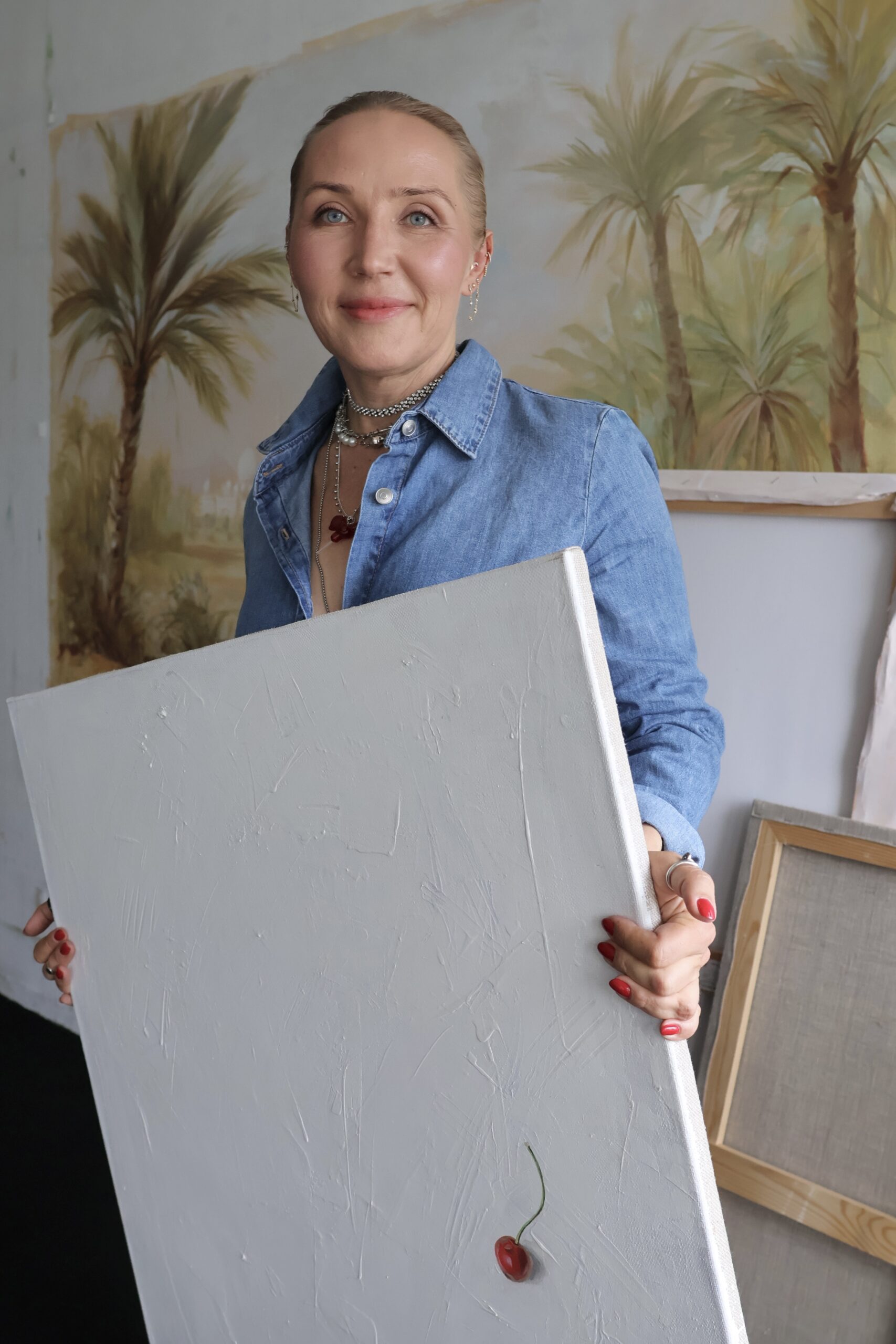
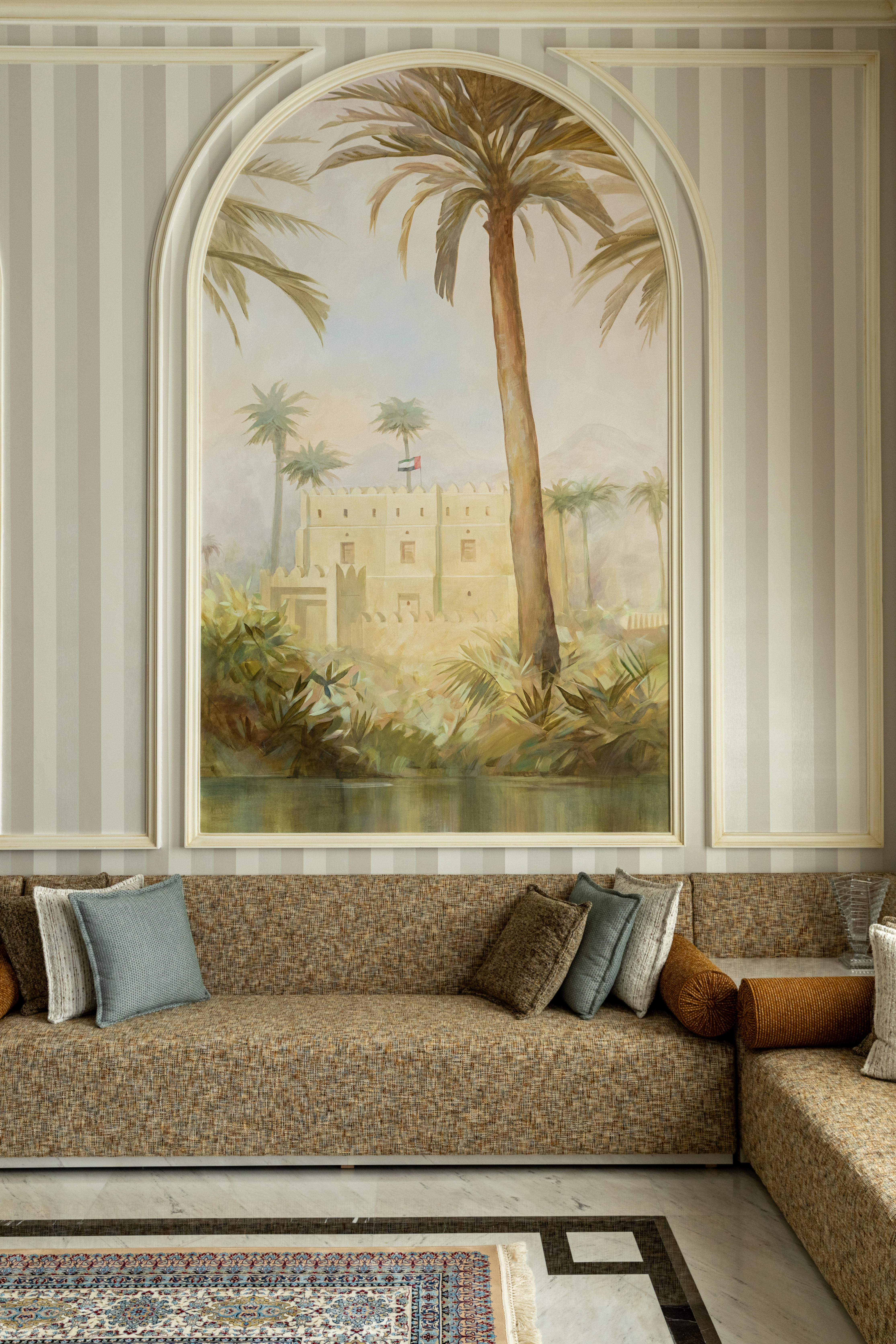
Start looking for art before you build your home
I am often asked when a homeowner should involve an artist in a new build or renovation. My answer is that there is no strict timeline. We can begin working with a family while their home is being designed, or come in after they have moved in and everything is already in place. A good piece of art will always be a great addition.
What matters more is the homeowner’s willingness to participate in the creative process. Sharing references, talking about what inspires you and being open about what you like and dislike can make a tremendous difference to the final result. Equally, if you would rather leave the creative decisions to the artist, you can rely on their experience or explore existing designs that can be recreated in different sizes and colours to suit your interior. My advice is to start looking for art long before you build a home of your own. Visit galleries, explore artists’ work and collect pieces that speak to you. You do not have to know exactly where they will go. Sometimes the home finds its way around the art.
Give the creative process some time
Commissioning a bespoke piece requires communication and a little patience. Photographs or renders of the space, along with references of work you like, are usually a good starting point. A proposal with one or more creative options typically takes three to four working days. Once you have selected a direction, the quotation can be prepared within a day. The artwork itself may take another seven to ten days, with framing requiring an additional two to three days.
A straightforward commission can therefore be completed in around 15 days, provided the client is responsive with feedback and approvals. Larger projects, such as a series of murals or a substantial bas-relief created on site, can take up to two months. I also believe that artists and artisans deserve the time to do their best work. Shipping, schedules and urgent projects can sometimes affect timelines, so if you have a fixed deadline, communicate it from the beginning.
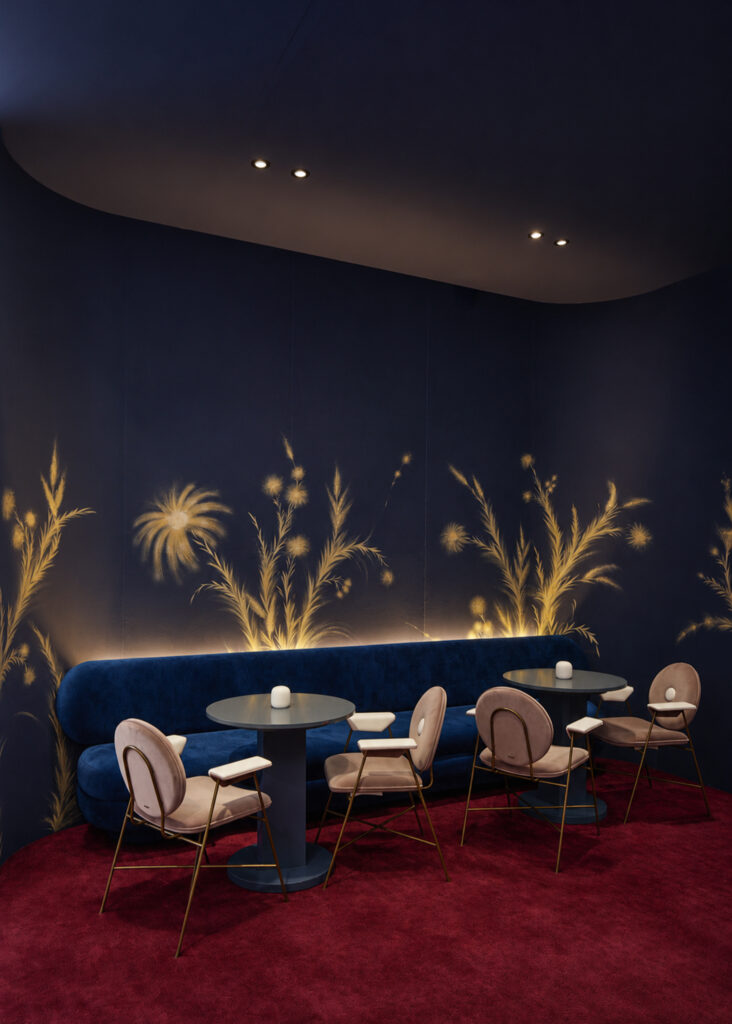
Think about how you will live with it
Homeowners sometimes worry about whether hand-finished artwork is practical for everyday living. Our murals and framed artworks use washable acrylics over a strong canvas fabric, and do not require special care, and the colours do not fade with time or crack. It is also worth thinking about artwork when planning the practical details of a home. I would suggest keeping sockets and screens to a minimum on a mural or bas-relief. Where necessary, sockets can sometimes be made less noticeable with clear finishes, while hand-painted details can be adjusted to accommodate their placement. Lighting is another consideration that is often overlooked. A well-placed lighting point can make all the difference to how an artwork is experienced.
When needed we return to our old clients and extend our support to repair damage caused by leaks, cracks or renovations. The oldest artwork of ours that we are still in contact with dates back to 2003, and it continues to look beautiful.
Build a collection, not just a room
One of the most common surprises when people approach us for bespoke decorative work is the price. There is often an expectation that a unique hand-painted artwork or custom-made mural should cost roughly the same as something purchased from a home store or ordered online. It can’t, for obvious reasons. However, bespoke art doesn’t have to break the bank.
Hand-painted wallpaper panels from houses such as De Gournay or Fromental can be framed and hung as individual artworks. Watercolours, prints, seashells and wood carvings can all find a place in interesting frames. Do reach out to artists, the prices may pleasantly surprise you.
I would leave homeowners with one little piece of advice: please keep a certain percentage of your decoration budget aside for the things that make the interior feel personal. The furniture, marble and joinery may set the scene, but it is always the art, the accessories and the little details that make you feel that your home truly belongs to you.
Home Integrator
Construction Professionals Trust AI with Complex Work, but Confidence Falls by Around Half When AI Decides
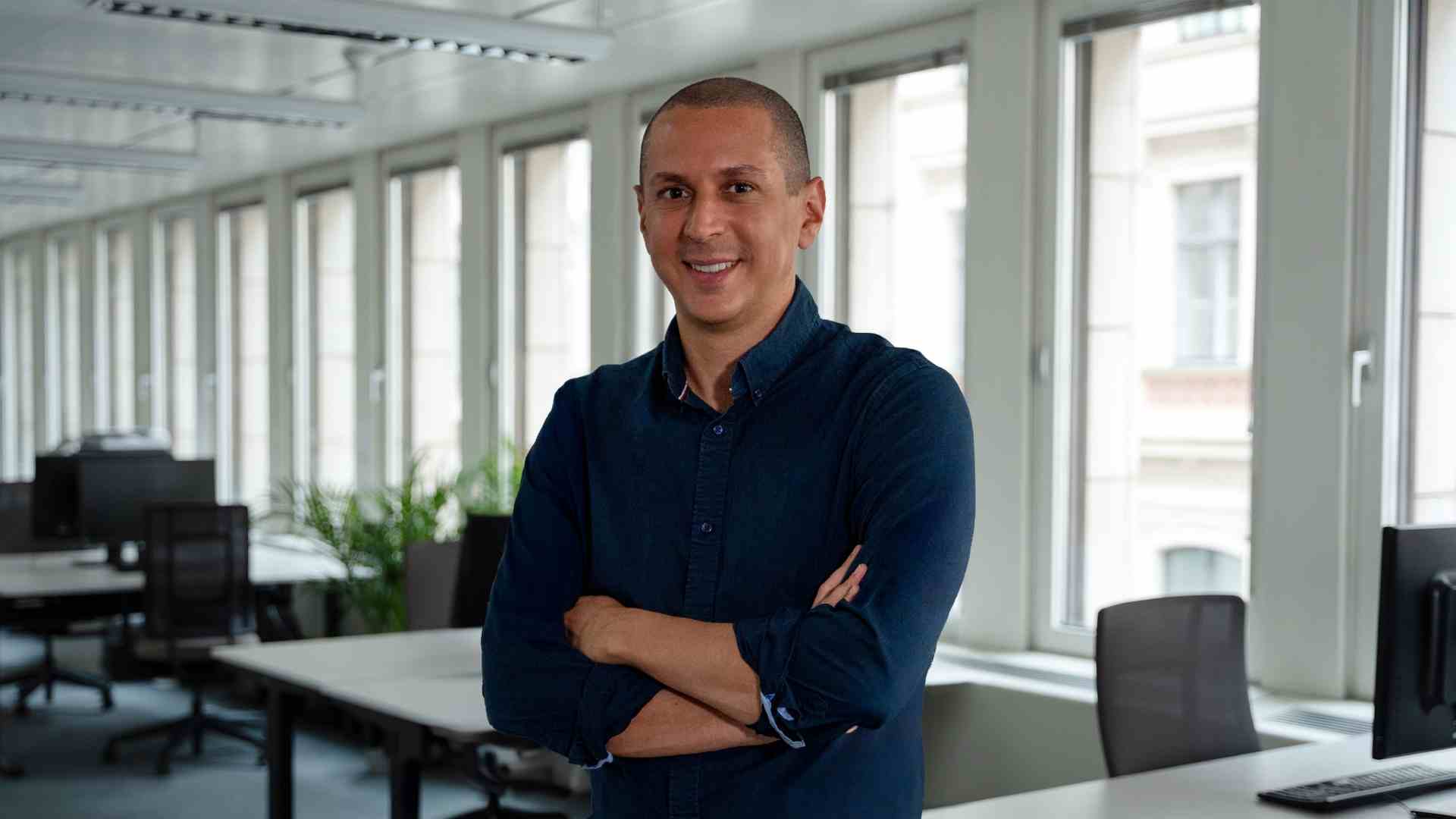
New research from PlanRadar, a leading AI-powered platform for 360° digital documentation, communication and reporting in construction, facility management and real estate projects, suggests that construction professionals are confident in AI taking on complex project work, as long as a person makes the final decision. Confidence falls by around half when AI makes a project decision itself, compared with when AI prepares the work or advises on it.
Yet only one in five respondents have built AI into how the work runs, through automated workflows or AI agents, at a time when the experienced professionals that complex project work depend on are increasingly hard to find.
The research measures confidence through the Construction AI Confidence Index, which scores respondents’ confidence in AI performing 18 everyday project tasks on a scale from −100 to +100. In tasks where AI prepares the work or advises on a decision, including demanding tasks such as building the case in a delay dispute or optimizing the project schedule, the average confidence score is +43. In tasks where AI makes the decision itself, for example signing off a defect fix, the average confidence score falls to +20. Confidence stays on the positive side in both cases, but drops once AI, rather than a person, makes the final call.
The reasons respondents give for low confidence help explain why it falls where AI makes the decision. Concerns about AI’s accuracy and the need for human judgement are the two most cited, with 70% of respondents naming one or both. When AI prepares the work or advises on it, a person reviews the output and can catch a mistake before it affects the project. When AI makes the decision itself, there is no person in between to review it before the work moves on.
“Experienced construction professionals carry the decisions that determine whether a project succeeds, and they are right to want those decisions to stay with them. Our research indicates that the line they draw is about who decides, not how difficult the work is. AI should do the groundwork, so that their years of learned judgement go into the decisions only they can make. In an industry where experienced people are increasingly hard to find, organizations that do not use AI in this way are asking their best people to spend time on work that AI could take on,” said Ibrahim Imam, PlanRadar Group Co-CEO.
GCC is the most confident market in the survey, with an overall Construction AI Confidence Index score of +49, compared with +35 globally. Confidence in AI deciding is +43 in the GCC, around twice the global figure of +20. GCC respondents also name fewer reasons for low confidence than in any other market: 59% cite trust in AI’s output and 38% cite AI not knowing the site, compared with global figures of 70% and 53%. They expect a broad range of gains from AI: 79% name efficiency, 65% better quality, 59% gains for people and 29% enabling scale; the last three are above the global figures.
According to the Royal Institution of Chartered Surveyors (RICS), a shortage of mid-career and experienced professionals is the most cited cause of skills shortages in every region, named by 60%¹ of the surveying professionals worldwide in its research. In Europe, 61%² of respondents to its Global Construction Monitor cite skills shortages as a factor holding back construction activity, a share that rose over the previous quarter. For organizations facing that pressure, PlanRadar’s research points to help that professionals are ready to accept, but most have not yet built it into how the work runs.
Progress in adopting AI is slow even among teams that already work digitally. Of the respondents who manage construction and handover processes in a central digital platform, two in five report integrated AI functionality, little more than in PlanRadar’s previous survey nine months earlier³.
Respondents also identify what AI needs before it can take on more of the work. More than half (53%) cite AI not knowing the construction site as a reason for low confidence, whether because of poor or incomplete project data, doubts about AI’s ability to interpret 3D models or site imagery, or both. In other words, confidence in AI also rests on the quality of the project information it works from.
“For AI to earn its place on a construction project, it has to understand the project as it really is, not just the documents it is handed. That means knowing its plans, what is happening on site, and the company and industry standards the work has to meet. Even in the GCC, where confidence in AI is the highest, 38% of respondents cited AI’s lack of site knowledge as a reason for low confidence. This highlights the importance of AI tools having access to accurate, up-to-date project information to deliver reliable results,” continued Ibrahim.
For businesses planning to implement AI into their operations, industry expectations can help shape key performance indicators. In the GCC, 79% expect efficiency gains, 65% better work quality, 59% employee benefits and 29% greater scalability, providing clear priorities for measuring success.

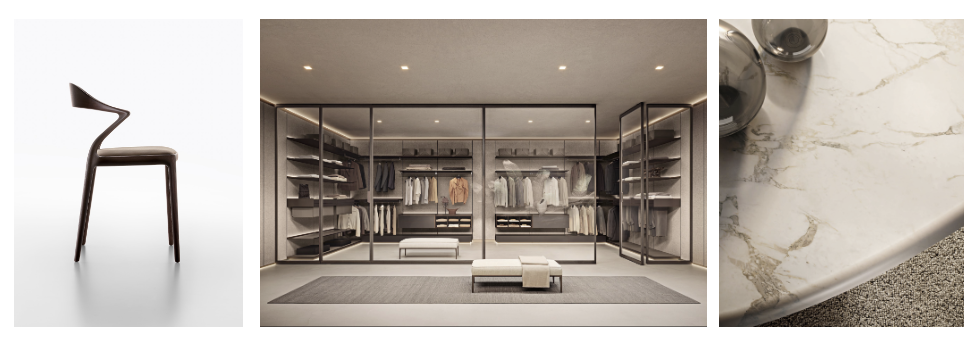
Atelio, the region’s leading destination for design furniture and collectible design, announces the opening of the UAE’s first monobrand showroom dedicated to Rimadesio, the Italian design company renowned for its integrated approach to interiors. Funded, developed and operated by Atelio, the showroom marks a new chapter in Rimadesio’s international expansion and reflects Atelio’s continued investment in bringing exceptional design brands to the region.
Founded in 1956 in Desio, Italy’s Brianza furniture district north of Milan, Rimadesio combines seven decades of manufacturing expertise with a culture of continuous research and product development. Still led by the Malberti family, the company brings together precision engineering, a Made in Italy heritage and a commitment to sustainability that informs its choice of materials, production processes and enduring design.
Located on Jumeirah Street, in Dubai’s prestigious coastal district, an established destination for luxury interiors, the new 700 sqm showroom joins Rimadesio’s international network of more than 90 monobrand showrooms and six flagship stores, including Milan, London, Paris, New York, Miami and Shenzhen.
“Rimadesio is a natural addition to the Atelio portfolio, with its systems-based approach closely aligning with our vision of creating complete, integrated interior environments,” comments Elie Khouri, Founder of Atelio and Chairman of Vivium, the family office behind Atelio. “Its arrival in Dubai reflects our commitment to bringing exceptional international brands to the Middle East, contributing to the region’s evolving design culture and enriching the way architecture and interiors are experienced.”
“Opening a monobrand showroom in Dubai marks an important milestone for Rimadesio,” adds Davide Malberti, CEO of Rimadesio. “The city has become one of the world’s most dynamic centres for architecture and design, making it the ideal location for our latest opening in the region. Together with Atelio, we look forward to sharing our design philosophy with an audience that values quality, craftsmanship and considered design.”
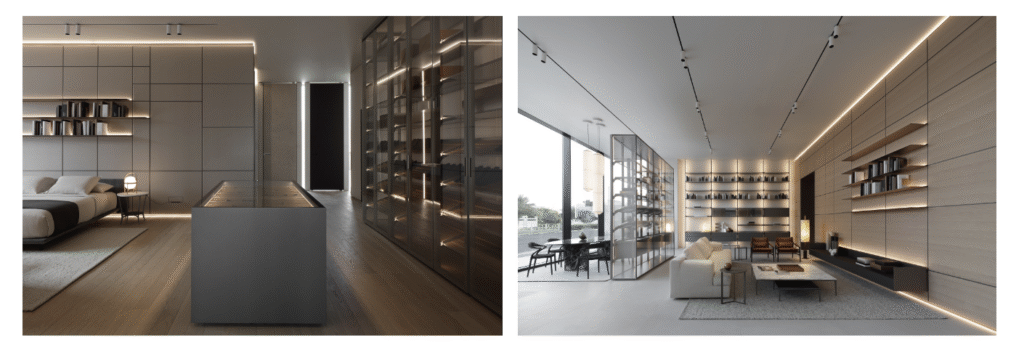
New introductions include the Air Regular Syncro sliding system and Air Plus pivot doors, alongside seating designs ranging from the visual lightness of Wabi to the softness of the Nest swivel chair. Ground-floor window displays feature the Hedon walk-in closet and a three-metre Lambda table in Verde Lepanto marble. Upstairs, a master bedroom setting combines Cover, the Altair double-sided cabinet system and Modulor wall panelling, illustrating the versatility and sophistication of Rimadesio’s design language.
Environmental responsibility remains fundamental to Rimadesio. The company uses recyclable aluminium and glass, Ecolorsystem lacquered glass finished with water-based paints, and packaging made from 90% recycled cardboard. Its use of solar energy in manufacturing further supports this commitment to reducing its environmental impact.
“Today, expectations around interior design have evolved significantly,” comments Ruggero Ottogalli, CEO of Atelio. “Clients are increasingly looking for solutions that are tailored to their individual needs and that adapt to the way they live. Having a dedicated showroom allows private clients and the design community to experience Rimadesio’s architectural approach firsthand, creating a place for inspiration, collaboration and specification.”


WebEngage international market hits 3x in ARR, five months ahead of its FY27 exit target

How Siyam World Built a Maldivian Resort Around Play

The Art of Making a House Your Own

OPPO A6 Pro 5G Review: Reliable Daily Driver

Denodo Bolsters Executive Team by Hiring Christophe Culine as its Chief Revenue Officer

Microsoft Launches New Surface Copilot+ PCs for Business

2026 in Review: Is AI Becoming More of a Management Problem Than a Technology Problem?

Inside XPENG Brand Night: AI Mobility Lands Centre Stage in Dubai

Chinese Cars Are Reshaping the GCC Market, but Resale Value Could Be the Next Battleground

-
 Trending1 year ago
OPPO A6 Pro 5G Review: Reliable Daily Driver
-
 Tech News2 years ago
Denodo Bolsters Executive Team by Hiring Christophe Culine as its Chief Revenue Officer
-
VAR2 years ago
Microsoft Launches New Surface Copilot+ PCs for Business
-

 Automotive2 years ago
AGMC Launches the RIDDARA RD6 High Performance Fully Electric 4×4 Pickup
-

 VAR12 months ago
Huawei Nova 14 Pro Review: Where Camera Excellence Meets Ecosystem Evolution
-
Tech Interviews3 years ago
Navigating the Cybersecurity Landscape in Hybrid Work Environments
-

 Hospitality2 years ago
Gulfood 2025 30th Edition Kicks Off Today, Setting New Benchmarks in F&B Growth and Innovation
-
News4 years ago
BenQ ZOWIE : First TN 360Hz DyAc+ Gaming Monitor