
 Have a question? +971 56 404 0503




Hospitality
Student accommodation and senior living among key assets shaping GCC’s future real estate market – Cavendish Maxwell

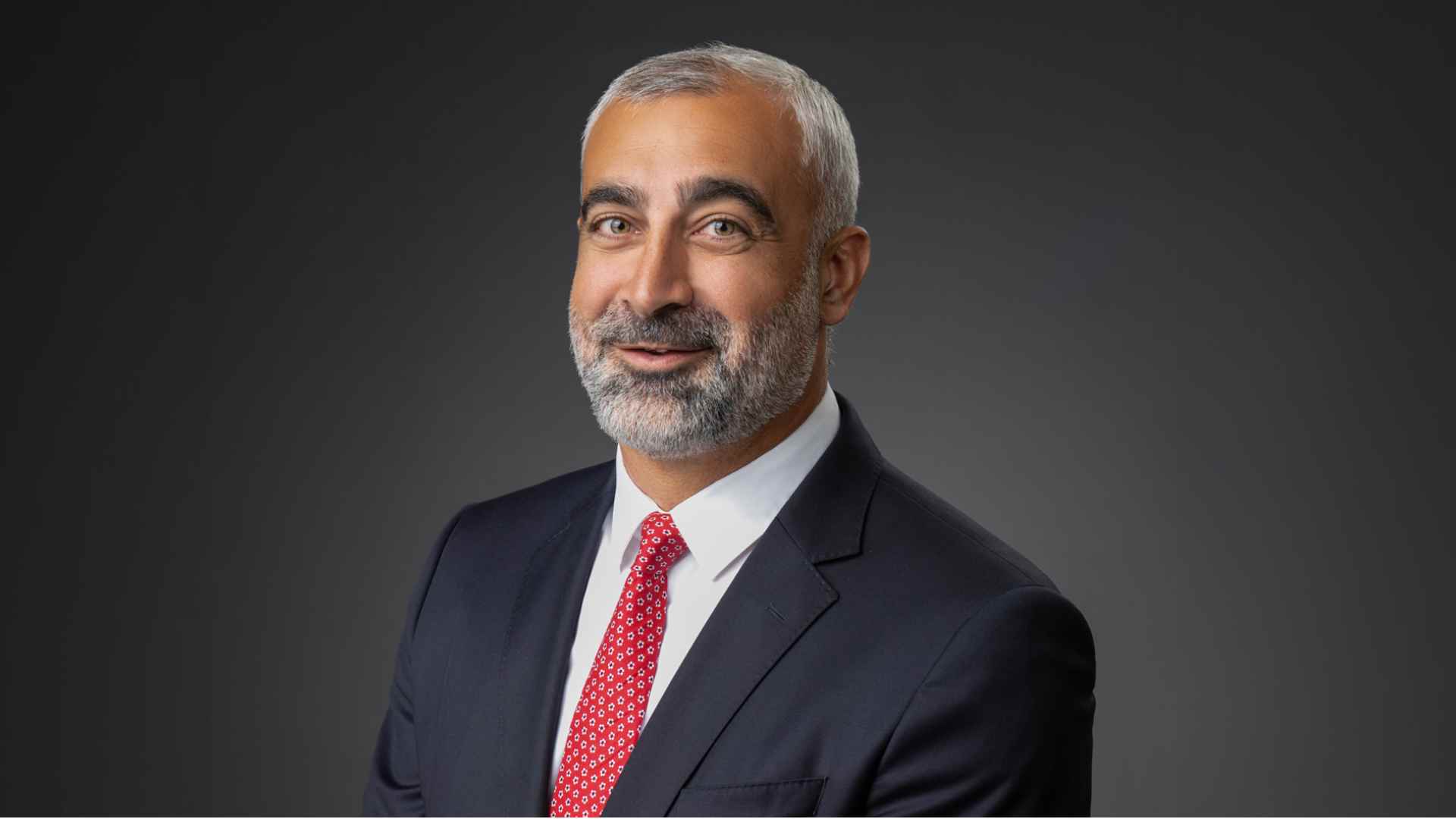
Student accommodation and senior living concepts are key to shaping the GCC’s real estate sector over the next decade, according to leading real estate advisory and property consultancy, Cavendish Maxwell.
These and other concepts like serviced living, co-living, private clubs, shared ownership and other professionally managed residential developments represent some of the region’s biggest future investment opportunities, as traditional lines between where people live, stay, work and socialise are becoming increasingly difficult to define, the company said.
Branded residences – a sector in which the Middle East is leading the way in terms existing and pipeline projects – will remain an important market component, but the next chapter is set to become much broader, according to Cavendish Maxwell experts.
Zacky Sajjad MRICS, Director of Business Development and Client Relations, Cavendish Maxwell, said: “For much of the past decade, the GCC’s residential and hospitality story has been dominated by luxury, with branded residences, five-star hotels and increasingly ambitious mixed use developments helping cities like Dubai, Abu Dhabi and Riyadh stake their claim on the global investment map. The next 10 years are likely to see a shift towards co-living across several concepts, with market fundamentals underscoring the demand.
“Governments across the region want to attract new international talent, grow tourism, expand universities, increase home ownership and diversify their economies. At the same time, populations are growing and becoming more internationally diverse, while the expectations of residents are changing. Increasingly, people are not simply buying or renting four walls; they want convenience, flexibility, community, services and experiences.
“This changes the conversation for developers and investors. It is no longer a question of whether to build residential or hospitality: it’s about understanding who will live there, how they want to live, what services they value and what they are prepared to pay for them. The GCC continues to demonstrate an extraordinary ability to deliver high-quality real estate at scale and, with the economic and demographic changes taking place across the region and strengthening the case for new concepts, there is a real opportunity for investors and developers to apply that capability to a wide and diverse range of alternative living concepts that will further enhance the strength of the property sector,” he added.
While not every international model will translate directly into a GCC context, they will work if adapted appropriately. Co-living in London, student accommodation in Manchester or senior living in the United States cannot simply be replicated in Dubai or Riyadh without considering local demographics, cultural expectations, affordability, regulation and family structures.
“Take senior living as an example,” said Zacky Sajjad. “With the rising cost of living, accommodation and care in countries such as the UK, the UAE is potentially an attractive alternative for internationally mobile retirees seeking a high quality of life, safety, connectivity, year-round sunshine and access to high-quality healthcare and hospitality led services. Rather than replicating the traditional retirement home model there is an opportunity to rethink senior living altogether combining independent living, hospitality, wellness, healthcare and community.
“The same argument can be made for purpose-built student accommodation. The UAE’s higher education sector has expanded considerably with a growing university ecosystem and ambitions to attract more students from across the Middle East, Africa, Asia and further afield. As that population grows and becomes increasingly international there is a logical opportunity for professionally managed accommodation designed specifically around student needs, incorporating community, security, amenities, technology and study facilities,” he added.
Cavendish Maxwell also believes that co-living also deserves greater attention, particularly in Dubai. Although they are now starting to moderate after sharp rises since the pandemic, residential rents can be unaffordable for some residents, particularly young professionals and those newly arriving in the city. A professionally managed co-living model could provide a more flexible and accessible entry point while offering something traditional house sharing often does not, purpose designed communal areas, services, amenities and a genuine sense of community.
Zacky Sajjad continued: “These examples demonstrate why alternative living sectors should not simply be viewed as concepts imported from mature international markets. The GCC has a golden opportunity to create its own versions, drawing on one of the region’s greatest strengths – hospitality. The result could be a new generation of hospitality-led living concepts sitting somewhere between traditional residential and hotel accommodation and responding to how people increasingly want and need to live.
“Data and market intelligence is critical in identifying genuine gaps in demand rather than following the latest property trends. The next stage of the GCC property market will not only be about building more homes or hotels, but more about creating more sophisticated choices for living and delivering the next chapter in the region’s real estate success story.”
Hospitality
A REIMAGINED PRIME68 RETURNS TO JW MARRIOTT MARQUIS DUBAI ALONGSIDE ION, A NEW “NEIGHBOURHOOD IN THE SKY”
As JW Marriott Marquis Hotel Dubai continues its property-wide enhancement, this December will see the return of Prime68 alongside the arrival of ION, marking a major moment in the hotel’s dining transformation. Prime68 has long been regarded as one of Dubai’s best steakhouses, and following a complete renovation, the destination returns fully reimagined with a fresh new look. ION, a brand-new day-to-night sky lounge, has taken over the 71st and 72nd floors of the iconic hotel, marking one of the most significant additions yet to its dining line-up.
Prime68 returns as a contemporary benchmark steakhouse high above the city, defined by serious cuts, serious views and a renewed sense of occasion. Building on its strong market equity and iconic skyline setting, the reimagined venue pairs premium cuts, live-fire cooking and a considered wine programme with renovated interiors inspired by “The Art of Silver,” a design narrative rooted in craft, precision and understated elegance.
New additions include an enhanced arrival experience with an atmospheric bar, private dining rooms, a chef’s table and a wine display, with every detail carefully reconsidered to bring greater theatre, warmth and refinement to the Prime68 experience. The result is a destination that feels both familiar and newly elevated, shaped by materiality, acoustics, simplicity and the premium dining rituals that have long made classic steakhouses enduringly relevant.
ION introduces a new day-to-night sky lounge high above the city, set across the 71st and 72nd floors, where Dubai’s skyline becomes the starting point for a more layered social experience. Designed as “a neighbourhood in the sky,” ION brings together panoramic views, music-led energy, crafted drinks and sharing plates in a setting that evolves as the hours unfold. By day, it offers a refined place to pause above the city; as golden hour arrives, the atmosphere warms into a more social rhythm; and by night, the space becomes a cinematic lounge shaped by sound, light and connection.
Prime68 and ION form part of JW Marriott Marquis Hotel Dubai’s wider property enhancement, bringing two distinct new experiences to the city and signalling an exciting new era for the iconic hotel.
Hospitality
Radisson Blu Hotel Dubai Deira Creek Invites Guests to Celebrate Diwali with Family, Flavour and Festive Stays
As families come together to celebrate the Festival of Light, Radisson Blu Hotel Dubai Deira Creek will welcome Diwali with an afternoon shaped around the traditions, flavours and shared moments that make the occasion so special. Taking place on Saturday, 7 November from 1 p.m. to 4 p.m., the hotel’s Greenhouse Social Brunch will bring together food, music, art and family entertainment in a colourful celebration inspired by Diwali.
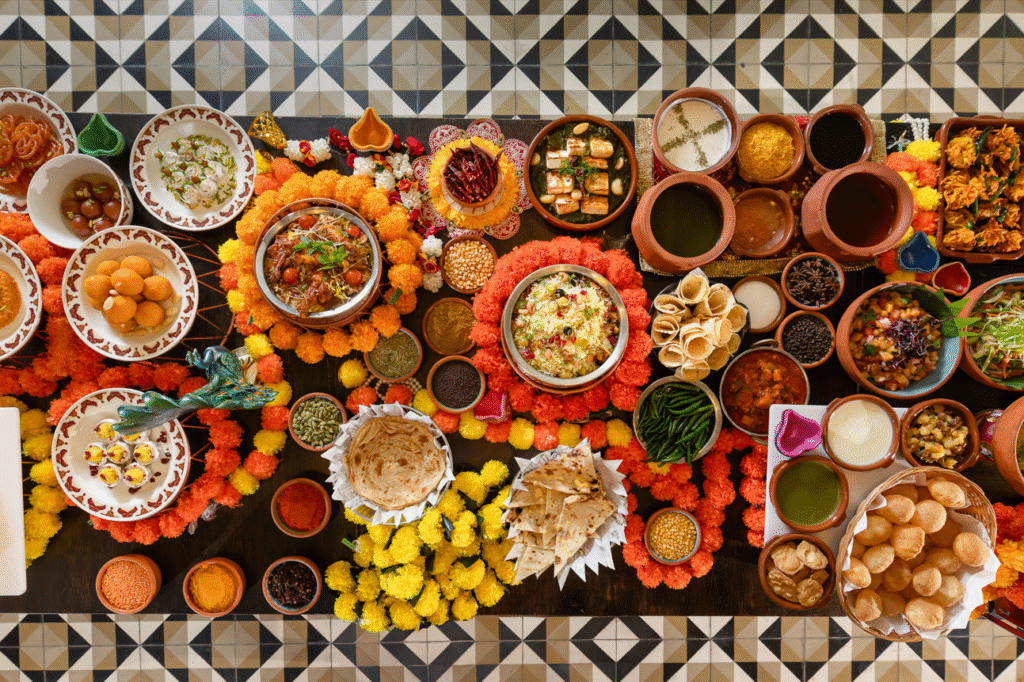
An Afternoon of Diwali Flavours and Family Traditions
Designed as an occasion for families and friends to gather around the table, the brunch will feature an abundant buffet of vegetarian and non-vegetarian dishes, offering something for every generation. The experience will be priced at AED 199 for the soft package, AED 345 with house beverages and AED 99 for children, with an early-bird rate of AED 119 for those planning ahead.
The afternoon will extend beyond the dining table, inviting guests to experience Diwali through music, creativity and play. At the Baithak area, guests can settle in with a cup of chai while Indian folk music provides a relaxed soundtrack to the afternoon. Families can also join in Antakshari, bringing generations together through one of India’s much-loved musical games.
For younger guests and those young at heart, a series of hands-on workshops will capture the creative spirit of the festival. Diya painting, rangoli making and henna will give families the opportunity to create, learn and celebrate together, while a Diwali Market will add to the festive atmosphere with a showcase of local craftsmanship.
At its heart, the celebration reflects the warmth of Diwali, a festival traditionally associated with light, new beginnings and the joy of gathering with loved ones. Rather than simply marking the occasion with a meal, the Greenhouse Social Brunch will create a setting where families can slow down, share stories, discover traditions and make new memories together.
Stay, Celebrate and Make Memories
The Diwali celebration will form part of the hotel’s wider seasonal programme, with a collection of accommodation offers inviting guests to make the most of the festive period. The Festival of Lights Diwali Room Offer, designed with Indian travellers and families in mind, will be available for stays from 1 to 15 November 2026, followed by the UAE National Day Room Offer, welcoming UAE residents and GCC travellers from 16 November to 2 December 2026.
The season will continue into December with a Festive Season Room Offer, combining accommodation with selected Christmas and/or New Year’s Eve gala dining experiences. All three offers are available at a starting rate of AED 400.
With its blend of Indian flavours, cultural traditions and family-focused experiences, Radisson Blu Hotel Dubai Deira Creek’s Diwali celebration will offer a warm setting in which to celebrate the Festival of Colours, bringing people and families together over good food, creativity, music and the simple pleasure of spending time with those who matter most.
Hospitality
Air India and Standard Chartered partner to launch travel and wealth proposition for Global Indians
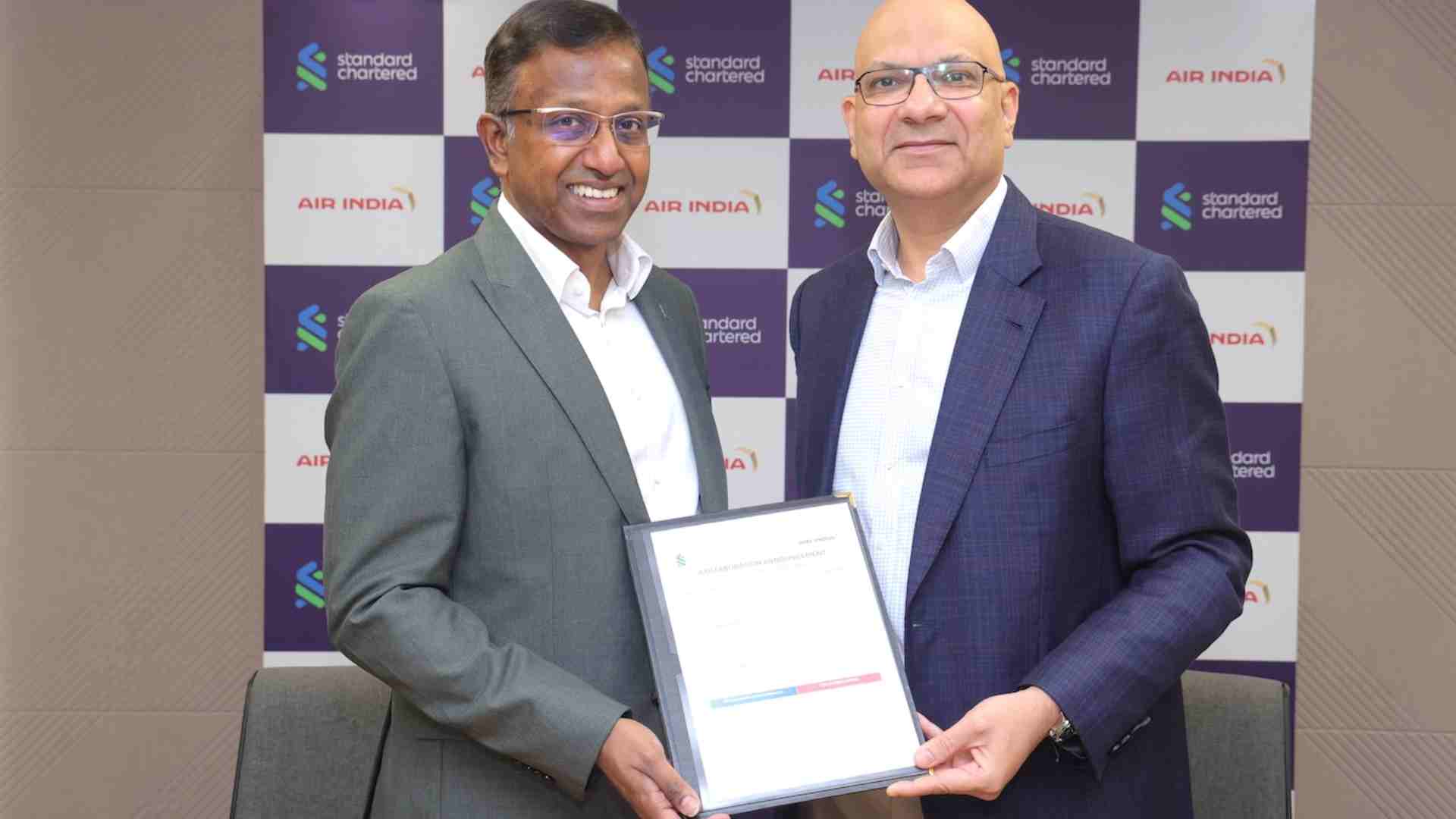
Air India and Standard Chartered (the “Bank”) today announced a first-of-its-kind partnership that combines Standard Chartered’s international banking and cross-border wealth capabilities with Air India’s premium Maharaja Club loyalty programme. The proposition, available in the coming weeks, is set to deliver travel privileges and access that meet the cross-border lifestyle and wealth needs of Global Indians.
Unlocking travel privileges with Maharaja Club
Standard Chartered will offer Air India’s Maharaja Club Gold or Silver status to eligible Affluent Global Indian clients in Singapore and the UAE. Air India Maharaja Club status offers exclusive travel benefits, including extra baggage allowance, priority check-in and boarding, airport lounge access, upgrade vouchers, and bonus Maharaja Points, with benefits varying incrementally from Silver to Gold tiers.
In particular, Maharaja Club Gold members also enjoy the benefits on eligible Air India journeys, as well as Star Alliance Gold status, which provides access to over 1,000 airport lounges worldwide, priority airport services, and extra baggage benefits, and instant recognition around the world across 25 other Star Alliance member airlines in addition to Air India.
Managing cross-border financial needs
Air India customers who meet Standard Chartered’s eligibility criteria can access the Bank’s international banking and wealth management capabilities through its wealth centres in Singapore and the UAE. Customers would benefit from dedicated relationship management support, market outlook insights from the Bank’s Chief Investment Office, invitations to exclusive thought leadership events, and tailored wealth solutions designed to support their cross-border financial needs.
Rajesh Kannan, Head, Wealth and Retail Banking, UAE & Jersey, and Head, Global Indian Clients, Standard Chartered, said: “This partnership brings together two trusted heritage brands to create a distinctive proposition for Global Indians, whose lives, business and ambitions increasingly span borders. By combining Air India’s expanding global footprint with Standard Chartered’s international network and wealth capabilities, we are delivering exclusive multi-market travel benefits to our affluent clients while supporting their broader global lifestyle, business and wealth management needs.”
Nipun Aggarwal, Chief Commercial Officer, Air India, said: “As Air India continues its transformation into a world-class global airline, we are focused on deepening our engagement with the global Indian community. This partnership with Standard Chartered enables us to expand Maharaja Club across key international markets, offering customers immediate access to premium status, enhanced travel benefits and global recognition. Combined with Standard Chartered’s cross-border banking and wealth management expertise, the proposition supports the increasingly international lifestyles of our customers while strengthening their connection with Air India.”
With a simplified structure, a host of customer-friendly features, renamed tiers, and an updated identity, Maharaja Club has added millions of new members since the programme was redesigned in 2024. Maharaja Club members are now able to earn and redeem Maharaja Points on flights operated by Air India and Air India Express to and from 104 destinations across North America, Europe (including the UK), Australia, Middle East, Africa, Southeast Asia, South Asia, in addition 25 other Star Alliance member airlines. Maharaja Club’s partnerships with over 100 other brands across categories, including hospitality, retail, lifestyle and financial services, also enables members to earn Maharaja Points across a broad range of travel and everyday spends.
Benefits on eligible Air India journeys include complimentary seat selection, applicable fee waivers, additional baggage allowance, lounge access, priority airport services, upgrade vouchers and bonus Maharaja Points, subject to subject to the programme’s terms and conditions.

A REIMAGINED PRIME68 RETURNS TO JW MARRIOTT MARQUIS DUBAI ALONGSIDE ION, A NEW “NEIGHBOURHOOD IN THE SKY”
Radisson Blu Hotel Dubai Deira Creek Invites Guests to Celebrate Diwali with Family, Flavour and Festive Stays
Trust Is the New Speed – AI, Lexis+ with Protégé and the future of legal work in the Middle East



-

 Trending12 months ago
OPPO A6 Pro 5G Review: Reliable Daily Driver
-

 Tech News2 years ago
Denodo Bolsters Executive Team by Hiring Christophe Culine as its Chief Revenue Officer
-
 VAR2 years ago
Microsoft Launches New Surface Copilot+ PCs for Business
-

 Automotive2 years ago
AGMC Launches the RIDDARA RD6 High Performance Fully Electric 4×4 Pickup
-
Tech Interviews3 years ago
Navigating the Cybersecurity Landscape in Hybrid Work Environments
-

 Hospitality2 years ago
Gulfood 2025 30th Edition Kicks Off Today, Setting New Benchmarks in F&B Growth and Innovation
-

 VAR10 months ago
Huawei Nova 14 Pro Review: Where Camera Excellence Meets Ecosystem Evolution
-

 Tech News1 year ago
Nothing Launches flagship Nothing Phone (3) and Headphone (1) in theme with the Iconic Museum of the Future in Dubai