
 Have a question? +971 56 404 0503




Home Integrator
SHEIN Opens the Doors to Fall/Winter 2026 with ‘The SHEIN Hotel’ at Al Habtoor Palace

SHEIN has unveiled its Fall/Winter 2026 collection in spectacular fashion by transforming Al Habtoor Palace Dubai into The SHEIN Hotel: Behind Every Door, an immersive fashion destination where more than 30 leading Middle Eastern fashion icons, regional tastemakers and industry insiders gathered to experience the brand’s latest seasonal showcase.

Blending fashion with immersive storytelling, the event took guests beyond the traditional runway and into The SHEIN Hotel, a boutique hotel-inspired experience created to bring the FW26 collection to life. Upon arrival, guests “checked in” and received collectible room keys, inviting them to unlock five distinct fashion worlds, each representing a different mood and expression of personal style.
The experience culminated on the runway, where the five fashion directions came to life through Power Dressing, Soft Glam, Retro Remix, Regal Maximalism and Modest Elegance. Each was anchored by a distinctive showcase look, from dramatic tailoring and pastel tulle to flowing capes, sculptural silhouettes and crystal embellishments, before all five styles came together for the finale.
And the experience extends beyond the runway. Through SHEIN’s “See Now, Buy Now” approach, consumers can discover and shop the styles presented in Dubai through the SHEIN App and website. By searching Room26 on the SHEIN App, shoppers can explore curated new arrivals spanning all five FW26 fashion directions.
At the heart of FW26 is the idea that women dress differently depending on how they feel, where they are and what the moment calls for. “The Key to Every Vibe” celebrates this freedom, with styles designed for every mood, from confident and bold to soft, playful, glamorous or understated. Through five distinct fashion directions, the collection gives women more ways to express their personal style and choose the look that feels right for them.
Power Dressing leads with oversized blazers, sharp tailoring and structured outerwear that create a confident and purposeful look. Strong silhouettes make it a collection for moments when women want to make their presence felt.
Soft Glam takes a gentler approach, using silk, lace, delicate knits and fluid silhouettes to combine comfort with femininity. The result is polished but relaxed, designed to move easily between different occasions.
Retro Remix looks to the past for inspiration, bringing plaid, denim, collegiate knits and vintage details into a contemporary wardrobe. Familiar styles are reinterpreted for a playful approach to everyday dressing.

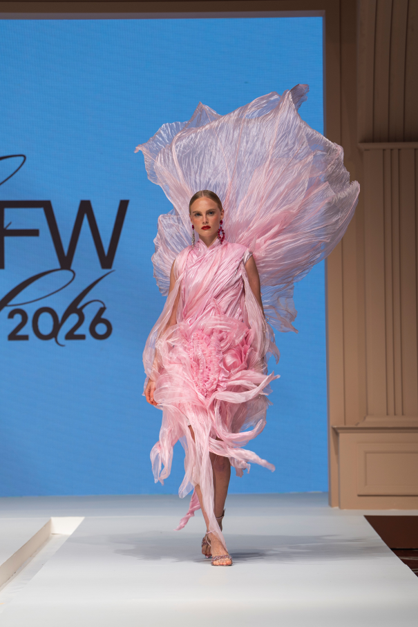
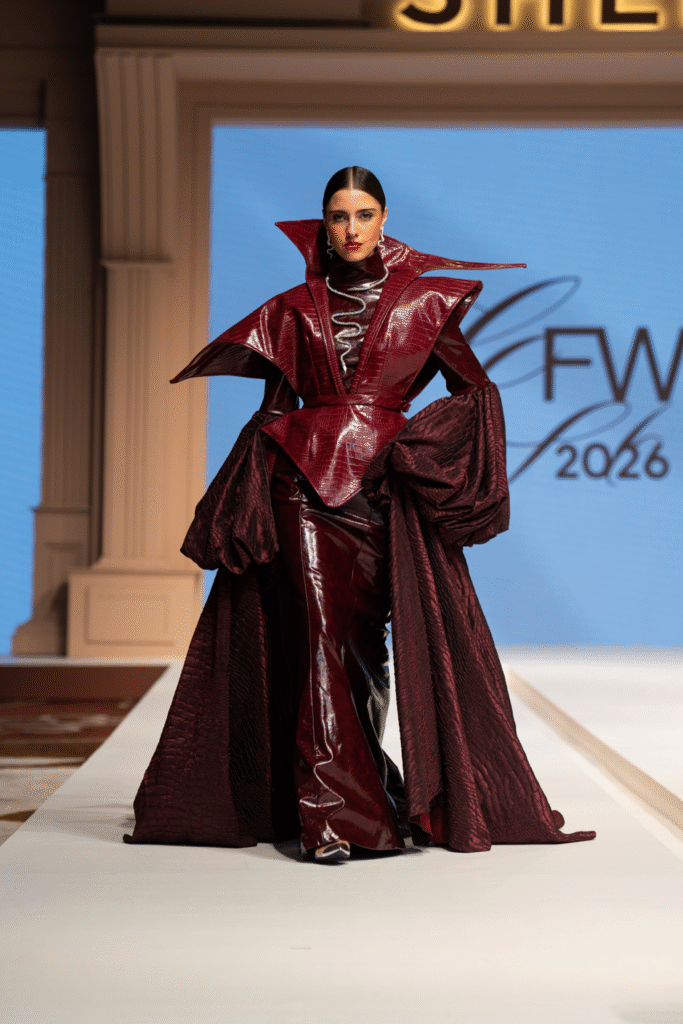

For women looking to make a stronger statement, Regal Maximalism brings together crystals, metallic textures and rich detailing. Bold and expressive, the collection is designed for occasions when the outfit itself becomes part of the celebration.
Modest Elegance completes the five directions with flowing maxi silhouettes, refined tailoring and graceful layering. Its elegant proportions offer a contemporary approach to modest fashion while maintaining a sense of poise and confidence.
The five fashion worlds bring “The Key to Every Vibe” to life, giving women the freedom to move between different expressions of themselves and find a look that reflects the mood, moment or occasion.
Home Integrator
Burjeel Holdings Launches Preventive Cardiac Campaign Across Its UAE Hospital Network for World Heart Day
Burjeel Holdings launched “The Cardiograms of Love”, a World Heart Day campaign that transformed everyday expressions of affection into cardiogram-inspired visuals, encouraging people across the UAE to turn care for their loved ones into a proactive step towards heart health.
The campaign was activated across five Burjeel Holdings facilities in the UAE, including Burjeel Hospital, Burjeel Day Surgery Center, and Burjeel Medical Center in Abu Dhabi, as well as Burjeel Specialty Hospital in Sharjah and Burjeel Royal Hospital in Al Ain.
Built around a simple human insight, the campaign connected the words people use to express care for those closest to them with the rhythm of a heartbeat. Familiar messages such as “You mean the world to me” and “Stay healthy for me” were transformed into six distinct cardiogram illustrations, linking emotional expressions of love with the importance of preventive cardiac care.
Each artwork represented a different personal relationship, including parent, partner, child, sibling and friend, and carried a unified call to action: “Love someone. Get their heart checked.”
Rather than relying on a single campaign launch, “The Cardiograms of Love” was rolled out across Burjeel Holdings’ UAE network from 27 to 29 September, with participating facilities premiering different pairs of visuals before the wider network amplified and re-shared the remaining creatives. This created a coordinated, rolling campaign across the three-day period.
Ahead of the public rollout, clinicians and administrative teams across the participating Burjeel facilities were briefed on the campaign and encouraged to share the visuals with people in their personal networks. The internal activation was supported by direct WhatsApp outreach to patients, while social media links connected audiences directly to cardiac screening booking channels.
The campaign also invited members of the public to create their own personalised cardiogram messages using a simple digital prompt and share them with someone they loved. This extended the campaign beyond traditional healthcare communication, encouraging people to pass the message directly between family members and friends.
Through the campaign, Burjeel Holdings highlighted the importance of regular cardiac assessments as part of preventive healthcare, particularly for people with recognised risk factors, including older adults and individuals with a family history of cardiovascular conditions.
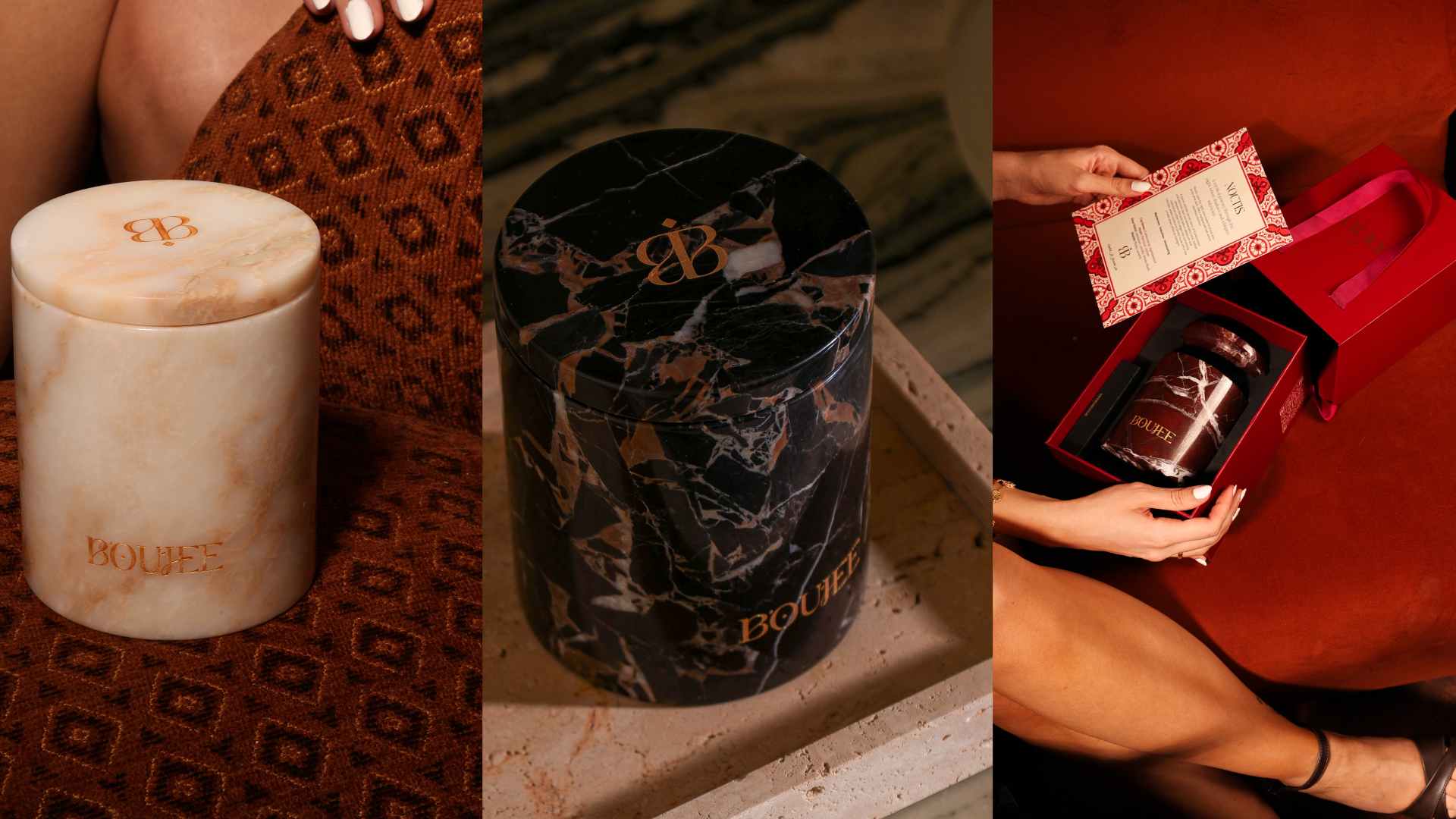
Boujee Life, the UAE-based luxury candle brand, brings Middle Eastern fragrance influences into modern homes through its signature Aether Collection. Combining a small-batch of middle eastern scents with handcrafted marble vessels, the collection reflects the brand’s approach to quiet luxury: thoughtfully made pieces that become part of everyday life and remain in use through refilling programmes.
Hand-poured in the UAE using natural wax blends, the collection comprises eight fragrances across floral, fresh, musky, spicy, and woody-earthy profiles. Each fragrance is developed
in-house and aged before pouring, with notes including saffron, rose, amber and oud lending depth and warmth to the range.
Named after the celestial fifth element of ancient philosophy, Aether draws on the idea of escape through scent. The collection invites people to shape the atmosphere of their surroundings, whether preparing a home for guests or creating a quieter setting at the end of the day.
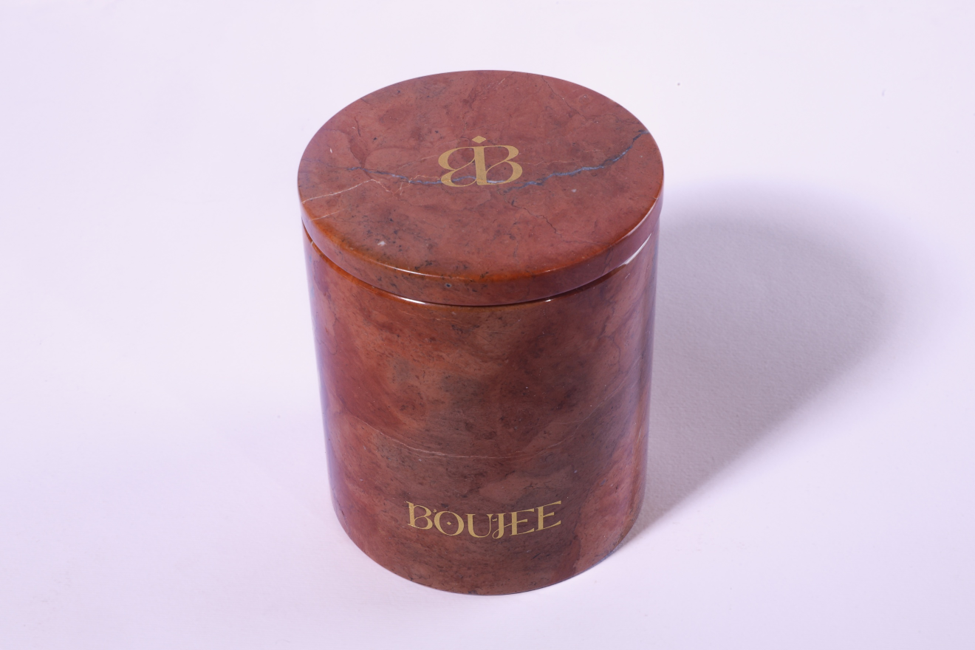
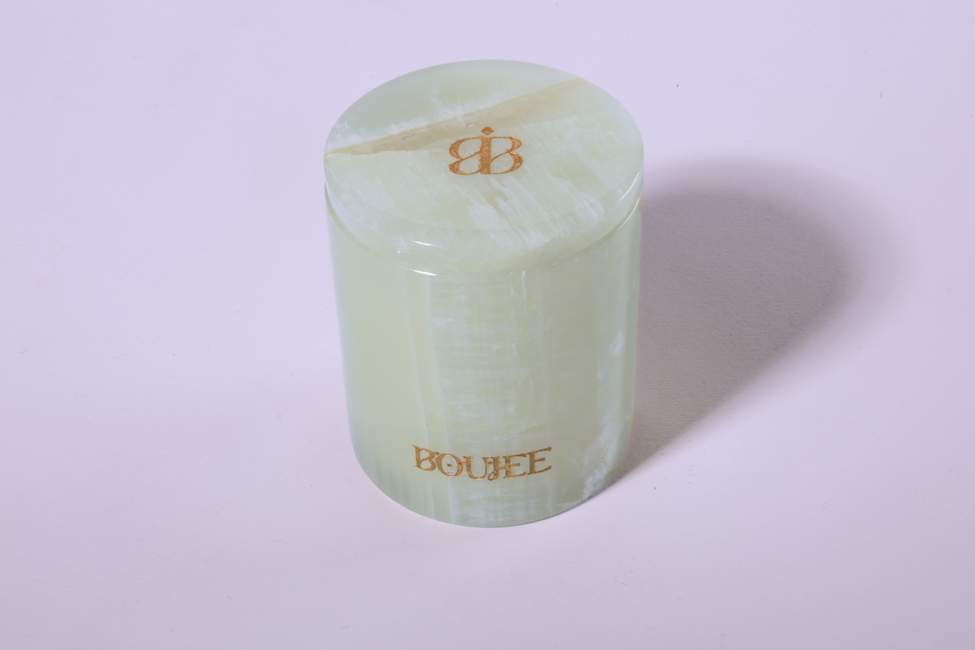
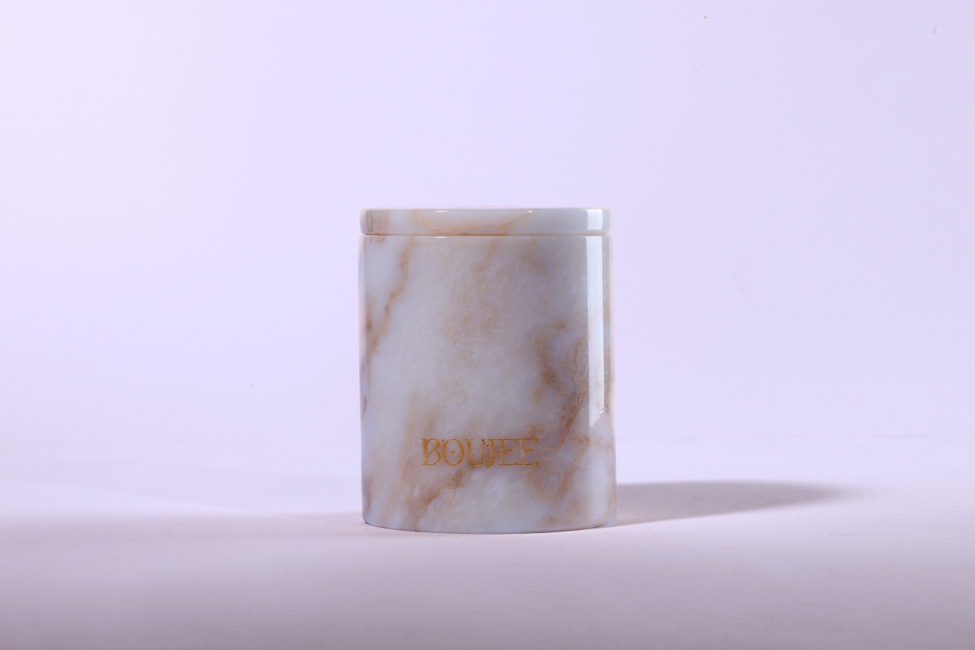
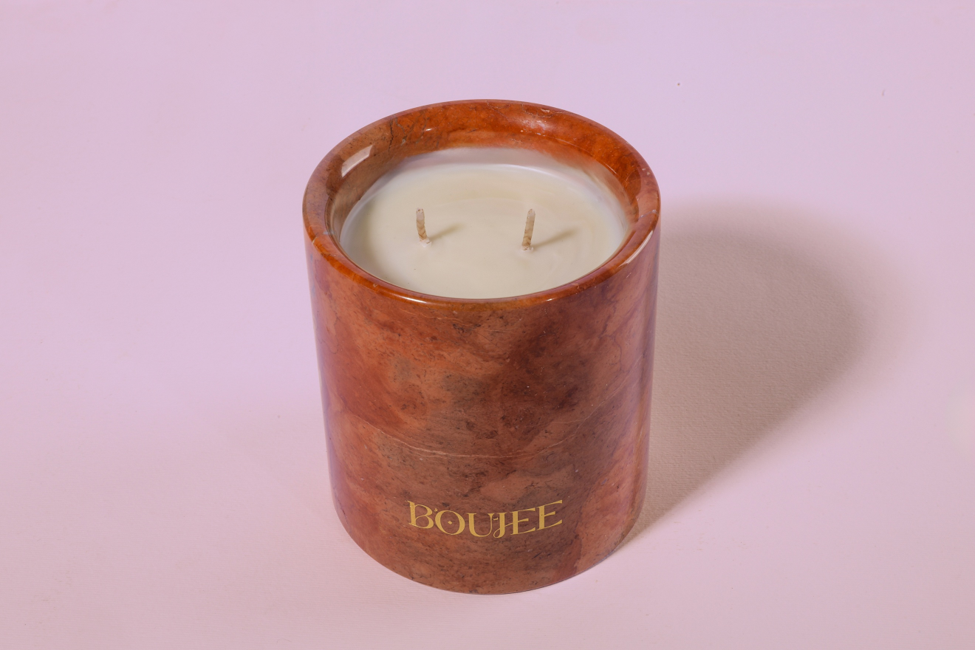
Among the collection is Zahra, which combines pink saffron, Bulgarian rose, amber and white musk in a Rosa Onyx vessel. Zafran pairs saffron and geranium petals with amber and aged woods, housed in Ancient Green marble. Each scent has its own character, complemented by the colour and natural markings of its vessel.
Made from solid blocks of natural stone, the vessels are individually numbered, with variations in veining and texture ensuring each piece is unique. Their sculptural forms make them a considered addition to an interior, lending a decorative presence to a dining table, bedside or bathroom even when unlit.
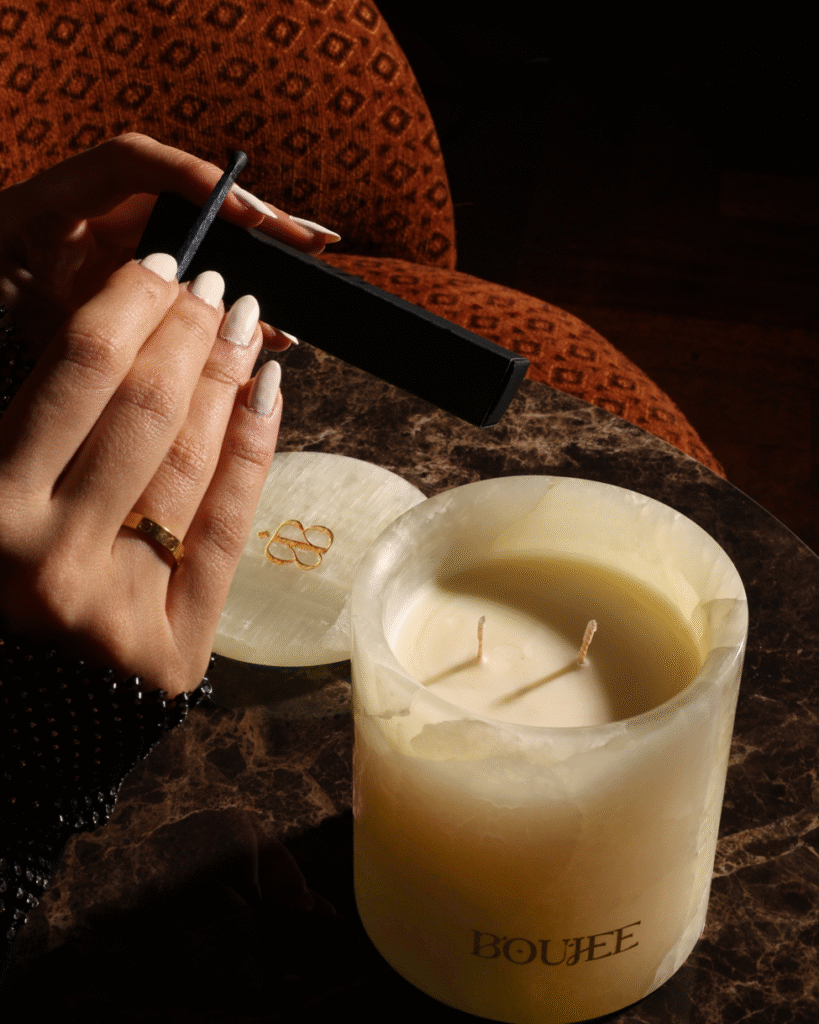
Boujee Life’s commitment to sustainability is reflected in its refill programme, which preserves the beauty and purpose of each vessel for years to come. Customers in the UAE can return empty vessels to be professionally cleaned and refilled with their chosen fragrance at approximately half the original candle price. The service allows a favourite piece to remain part of the home through every refill, while the vessels can also be repurposed as decorative elements.
The collection’s connection to everyday rituals extends to hosting. Fragrance can welcome guests before the first conversation, while candlelight adds warmth to a shared meal. Boujee Life draws on these familiar expressions of hospitality to create a sense of occasion at home.
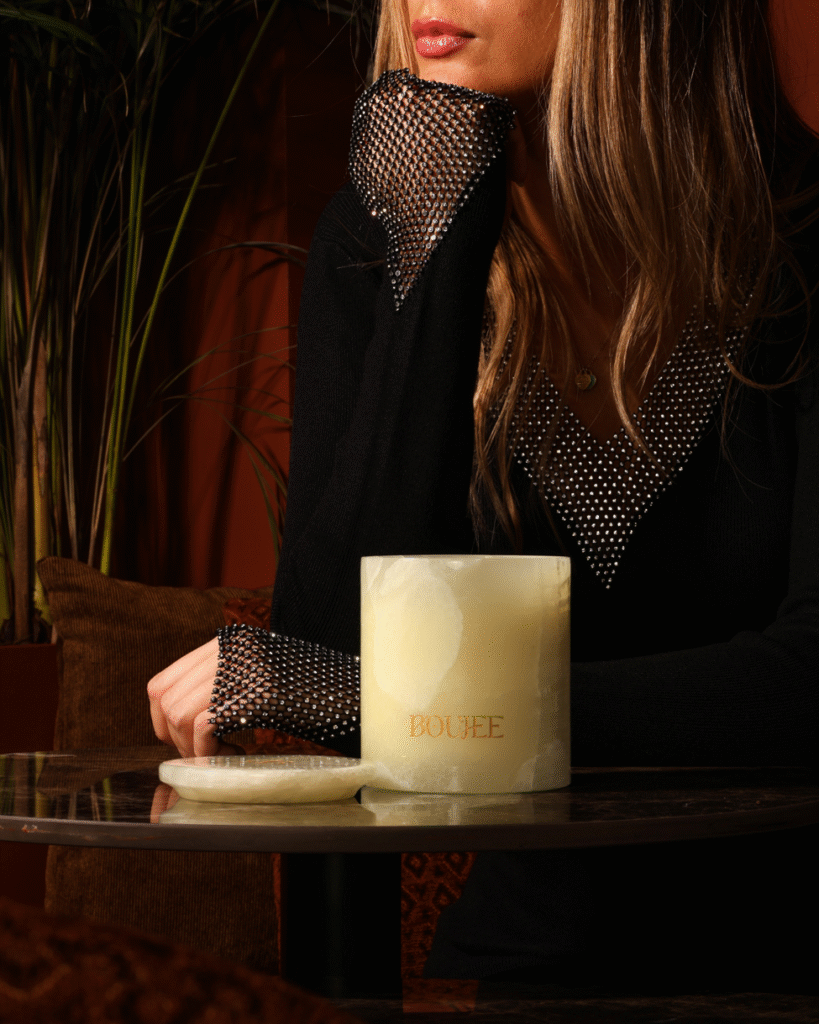
With the festive season approaching, the candles also offer a distinctive option for personal and corporate gifting. Each recipient receives a vessel with its own natural character, designed to be enjoyed and refilled long after the celebrations.
For hotels, restaurants and spas, the collection offers opportunities to incorporate fragrance and natural stone into guest settings and gifting. Interior designers can also introduce the vessels as finishing touches within residential and hospitality spaces.

By Dr Ryan Copeland, Regional Medical Director, Middle East, International SOS
As traffic volumes continue to rise across Dubai and the UAE, particularly along heavily congested commuter corridors, employers face a growing responsibility to address one of the most underestimated workplace risks: driver fatigue. Recent reports of significant congestion on key routes connecting Dubai and Sharjah serve as a timely reminder that many employees are spending longer periods behind the wheel each day. For organisations whose employees drive for work, whether visiting clients, transporting goods, responding to emergencies, or travelling between sites, fatigue can significantly impair performance and increase the likelihood of serious road traffic incidents.
While organisations often focus on vehicle safety, defensive driving, and compliance measures, fatigue management should be viewed as a critical component of any duty of care programme. Unlike mechanical failures, fatigue can be difficult to recognise, yet its effects on concentration, reaction time, decision-making, and situational awareness can be profound.
Fatigue: More Than Just Feeling Tired
Fatigue is a physical and mental state that reduces a person’s ability to perform tasks safely and effectively. It may result from insufficient sleep, long working hours, stress, illness, dehydration, poor nutrition, or prolonged periods spent driving in congested traffic.
Long commutes, early starts, and frequent travel between emirates can contribute to chronic sleep debt, often before employees recognise its impact on performance.
Common warning signs include:
- Frequent yawning or heavy eyelids
- Difficulty concentrating or maintaining attention
- Missing road signs or navigation instructions
- Drifting within a lane
- Delayed reaction times
- Increased irritability or mood changes
Employers should educate both drivers and line managers to recognise these signs before fatigue becomes a serious safety risk.
Building Fatigue Awareness into Journey Risk Management
Driver fatigue should form part of every organisation’s journey risk assessment process. Managers should evaluate not only the distance being travelled but also the employee’s fitness to drive.
Key considerations include:
- Has the employee had adequate sleep in the previous 24 to 48 hours?
- Are they undertaking an early morning or late-night journey?
- Have they worked a prolonged shift before driving?
- Are they feeling unwell or taking medication that may affect alertness?
- Is the journey likely to involve extended periods in heavy traffic?
Organisations should avoid schedules that encourage rushed journeys, excessive driving hours, or inadequate rest. Where practical, virtual meetings, overnight stays, or alternative transport arrangements may offer safer options than long-distance road travel.
Sleep: The Foundation of Driver Safety
Good-quality sleep remains the most effective defence against fatigue.
Most adults require seven to nine hours of sleep each night to maintain alertness, concentration, and decision-making ability. Chronic sleep deprivation can significantly increase the risk of driving-related incidents.
Employers can support healthy sleep habits by encouraging employees to:
- Maintain consistent sleep and wake times
- Create a cool, dark, and quiet sleep environment
- Avoid heavy meals close to bedtime
- Limit caffeine intake later in the day
- Reduce screen exposure before sleep
- Seek medical advice for persistent sleep problems, snoring, or suspected sleep apnoea
Hydration and Nutrition Matter
The Gulf climate presents additional challenges for drivers. Even mild dehydration can contribute to headaches, poor concentration, fatigue, and reduced mental performance.
Employees should be encouraged to:
- Drink water regularly throughout the day
- Carry water during journeys
- Increase fluid intake during hot weather or after physical activity
- Limit excessive consumption of energy drinks and highly caffeinated beverages
Nutrition also influences alertness. Heavy meals can contribute to sluggishness, particularly during afternoon driving periods.
To help maintain concentration, drivers should aim for:
- Balanced meals containing lean protein, whole grains, fruits, and vegetables
- Healthy snacks such as nuts, yoghurt, or fresh fruit
- Regular meal timing to maintain stable energy levels
- Reduced reliance on sugary snacks that can lead to energy crashes
While caffeine may provide a temporary boost, it should never be viewed as a substitute for adequate sleep.
Practical Steps During Peak Traffic Periods
As congestion increases, employers should reinforce practical fatigue-mitigation measures:
- Encourage regular breaks during longer journeys
- Rotate driving responsibilities where possible
- Avoid scheduling consecutive high-mileage driving days
- Plan journeys outside peak traffic periods when feasible
- Use telematics and journey management tools to identify excessive driving exposure
- Include fatigue awareness in routine safety briefings
Drivers should also be reminded that opening a window, turning up the music, or consuming caffeine offers only temporary relief. If fatigue develops while driving, the safest option is to stop in a safe location and rest.
A Shared Responsibility
Managing driver fatigue is not solely the responsibility of the individual behind the wheel. It requires a coordinated approach involving employers, managers, occupational health teams, and employees.
By promoting healthy sleep habits, supporting hydration and nutrition, recognising warning signs, and embedding fatigue awareness into journey planning, organisations can significantly reduce fatigue-related driving risks.
As traffic volumes continue to increase during peak periods, companies that proactively address fatigue as part of their duty of care strategy will not only enhance road safety but also protect employee wellbeing, productivity, and organisational resilience. Ultimately, safer and healthier drivers contribute to safer roads for everyone.

Kenz ‘de’ Rasasi Debuts at Beautyworld Middle East 2026 with a New Expression of Rasasi Heritage

Burjeel Holdings Launches Preventive Cardiac Campaign Across Its UAE Hospital Network for World Heart Day

Vertiv™ Coolant Distribution Unit qualified as NVIDIA DSX Ready for AI Factory Infrastructure



-

 Trending11 months ago
OPPO A6 Pro 5G Review: Reliable Daily Driver
-

 Tech News2 years ago
Denodo Bolsters Executive Team by Hiring Christophe Culine as its Chief Revenue Officer
-
 VAR1 year ago
Microsoft Launches New Surface Copilot+ PCs for Business
-

 Automotive2 years ago
AGMC Launches the RIDDARA RD6 High Performance Fully Electric 4×4 Pickup
-
Tech Interviews3 years ago
Navigating the Cybersecurity Landscape in Hybrid Work Environments
-

 Tech News1 year ago
Nothing Launches flagship Nothing Phone (3) and Headphone (1) in theme with the Iconic Museum of the Future in Dubai
-

 VAR2 years ago
Samsung Galaxy Z Fold6 vs Google Pixel 9 Pro Fold: Clash Of The Folding Phenoms
-

 Hospitality2 years ago
Gulfood 2025 30th Edition Kicks Off Today, Setting New Benchmarks in F&B Growth and Innovation