
 Have a question? +971 56 404 0503





Technology
Opening of HR Summit & Expo 2026 Under the Patronage of the Dubai Government Human Resources Department

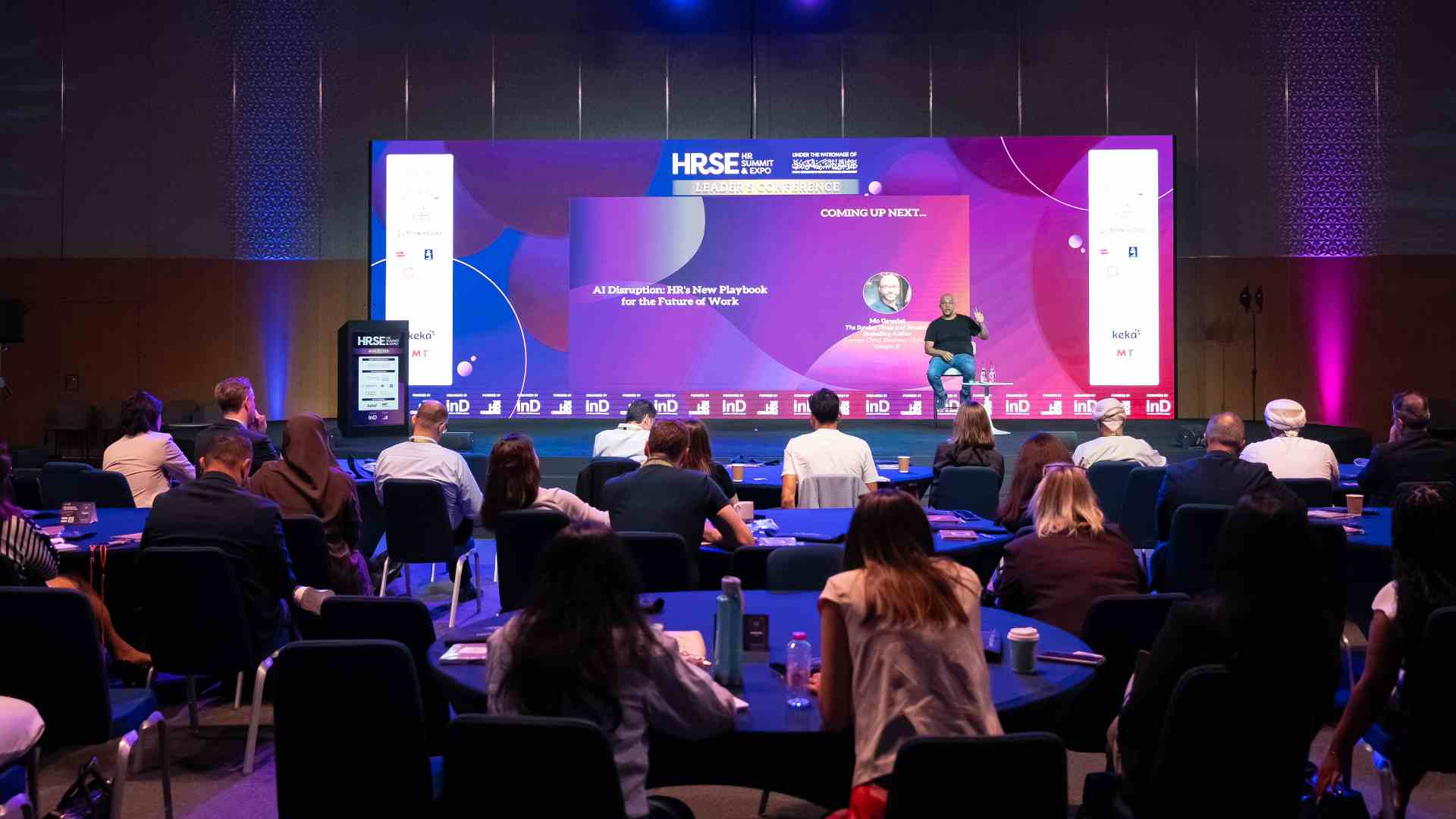
The HR Summit & Expo (HRSE Dubai), the largest and longest-running HR conference and exhibition in the Middle East and North Africa region, officially opened today under the patronage of the Dubai Government Human Resources Department (DGHR). The event brought together a distinguished group of HR leaders and experts from around the world to discuss the key trends shaping the future of work, particularly artificial intelligence, future skills, and modern workplace models, and their impact on attracting, developing, and empowering talent.
On its first day, the summit welcomed 3500 HR professionals from 35 countries, including 200 Chief Human Resources Officers (CHROs) and senior people leaders, following three days of certified workshops and specialized masterclasses held at the Conrad Dubai Hotel.
The event was officially opened by H.E. Abdullah Ali Bin Zayed Al Falasi, Director General of the Dubai Government Human Resources Department, while the HR Leaders Conference commenced with a keynote address delivered by H.E. Iman Bin Khatem, CEO of Policies and Programs at DGHR, who highlighted the importance of reimagining employee experience and advancing talent attraction and empowerment strategies to keep pace with the rapidly evolving world of work.
Commenting on the occasion, H.E. Abdullah Ali Bin Zayed Al Falasi, Director General of the Dubai Government Human Resources Department, said: “The HR Summit & Expo Dubai serves as a leading global platform for dialogue and knowledge exchange on the future of work, at a time when labour markets are undergoing rapid transformation driven by technology, artificial intelligence, and evolving skills requirements. In Dubai, we firmly believe that investing in human capital is the most valuable investment for achieving sustainable development and enhancing institutional competitiveness.” He added, “This summit aligns with Dubai’s vision of building a more agile and future-ready government workforce through empowering talent, fostering a culture of innovation, and leveraging emerging technologies to enhance employee experience and productivity. It also provides a valuable opportunity to explore international best practices and exchange expertise that contributes to preparing the next generation of leaders capable of driving change and shaping the future.”
Headlining the day, Mo Gawdat, bestselling author and former Chief Business Officer of Google X, took the HR Leaders Conference stage with “AI Disruption: HR’s New Playbook for the Future of Work”. He challenged HR leaders to move beyond managing the fallout of technological change and become the architects of how their organisations adapt to it. His keynote was followed by an exclusive Q&A with HRSE Conference Chair Charlie Swan.
Commenting on the session, Mo Gawdat, Bestselling Author & Former Chief Business Officer, Google X, said, “The question for HR is no longer whether AI will change work. It already has. The question is who shapes that change inside the organisation. When HR leaders sit down with their technology teams, ask what people need to learn next, and treat AI as a way to make everyone more capable, adoption stops being an IT project and becomes part of how the organisation works. The leaders in this room are in a position to decide which way that goes.”
The morning’s main stage programme stayed close to the challenges HR leaders are facing right now. The opening panel on the new mandate for CHROs brought together Jacob Jacob of Aster DM Healthcare, Milan Makwana of LetterOne, Noaman Minhas of Bukhatir Group, Rahul Vikram Singh of Zee Entertainment Enterprises and Sophie Massant of SSH Design, to discuss how HR earns board-level credibility by proving its contribution to business outcomes. A keynote from Daniele Galati of Indeed explored the shift towards skills-first hiring and what it means for the way organisations find and keep talent. The programme also emphasized on the human side of the workplace this morning, from supporting parents at every stage of their working lives, with the Abu Dhabi Early Childhood Authority and employers including Ethara, TAQA Transmission and Kraft Heinz, to building a cohesive workforce across generations, from Gen Alpha to Baby Boomers. In the afternoon, speakers from Al-Futtaim and Gulf Cryo turn to judging potential consistently and spotting the signs of resignation before employees leave.
Commenting on the day, Karim Bawani, Event Director, inD, said, “What we have seen on day one is a community that wants practical answers. The conversations on the stage and across the exhibition floor have been about AI, skills and how people want to work, and they are being led by people putting these ideas to work inside their own organisations. That is what HRSE Dubai embodies. Tomorrow goes further, with Stephen M.R. Covey on trust and a closing panel on what workforce strategy looks like towards 2030.”
On the exhibition floor, 70 exhibitors showcased HR technology, learning and talent solutions through live demonstrations, while AI-powered matchmaking connected delegates with pre-booked 1:1 meetings.
The Future Workplace Awards at the Conrad Hotel on Day 1 brings the region’s HR community together to celebrate organisations and individuals building people-first, future-ready workplaces. Shortlisted nominees compete across 20 award categories, from Best Future of Work Strategy and Best Nationalisation Strategy to CHRO of the Year and HR’s Rising Star of the Year, with winners chosen by a 20-member judging panel of senior HR leaders from the region. Shortlisted organisations include DMCC, Daman, Etisalat, Emirates NBD, Almarai, Zain Group and Abdul Latif Jameel Motors.
Day two of HRSE Dubai scheduled for October 15, at Za’abeel Hall 6, will see Stephen M.R. Covey, New York Times and #1 Wall Street Journal bestselling author, present “The Human Advantage: Building High-Trust Leaders in the Age of AI”, followed by an exclusive Q&A. Speaking on the event, he said, “AI will make organisations faster, but speed without trust only gets people to the wrong place sooner. Tomorrow, I want to show HR leaders how to build the kind of trust that lets teams use AI with confidence, share what they are learning and give their best work. Trust is a skill that can be learned and practised, and HR is the function best placed to help leaders do it.”
Paul McDonagh-Smith of MIT Sloan School of Management will introduce a framework for HR leaders to change work, workforce and workplace together as AI is adopted, and Natalie Wharton, Founder & CEO of Wharton Business Consulting, will explore what mergers can teach organisations about de-risking AI transformation.
The day will also look at what boards now expect from the GCC CHRO, in a fireside chat with Sarah Young of inD and Dr. Adrian Waite of The GCC CHRO Masterclass, and at strategic workforce planning for uncertain times in the opening panel. Parallel seminar stages will cover learning and talent development, people and culture, and technology and innovation, while the exhibition and AI-powered matchmaking continue. The programme closes with a panel on a 2030 transformation blueprint for HR and workforce strategy, bringing together leaders from Boehringer Ingelheim, Colgate-Palmolive, Red Sea Gateway Terminal, Al Ghurair and Galfar.
HRSE Dubai is supported by Platinum Sponsors CVing, Daman, FranklinCovey Middle East, Informa Connect Academy, the Parent-friendly Label by the Abu Dhabi Early Childhood Authority and Zoho; Gold Sponsors Keka and MIT Sloan Executive Education; and Awards Gold Sponsor Frazer Jones, with the ICF UAE Chapter as a Partner. HRSE Dubai is CPD-certified and powered by The HR Observer, offering insights from a global network of HR and talent experts.

By Sourav Guha Roy, Practice Head – Cyber Academy, CPX
Prevention remains essential to cybersecurity, but it is no longer enough on its own. As AI-enabled threats become increasingly complex, convincing and harder to detect, a new question is gaining prominence in boardrooms across the region: if an attack succeeds, how quickly can the business recover? How effectively can teams recognize a threat, leaders make critical decisions under pressure and coordinate a response before disruption escalates?
For business leaders, the focus is shifting from simply keeping attackers out to containing damage, restoring critical services and maintaining business continuity. Building this capability requires more than technology safeguards. It means preparing people, establishing clear processes and ensuring teams can act decisively under pressure.
Recovery readiness: From prevention to preparation
Cyber readiness is often measured by what an organization puts in place before an incident: clear responsibilities, tested response plans and technology that supports detection and decision-making. But when an attack succeeds, the real measure of preparedness is how effectively are the people able to use these capabilities to limit disruption and restore critical services.
Cyber resilience extends beyond the initial response. It is an organization’s ability to adapt to disruption, maintain essential functions and recover while managing the wider impact on customers, employees and business performance. The speed and effectiveness of that recovery depend on more than the tools available. People must interpret alerts, assess business impact and make decisions that enable the organization to move forward.
This distinction has important implications for leadership. Preventing every incident may not be realistic, but organizations can prepare for the moments when prevention fails. The priority is to ensure that response plans work in practice, responsibilities are understood and teams can make coordinated decisions under pressure.
Three connected pillars of cyber readiness
A human-centric approach does not reduce the importance of technology. Instead, it aligns three interdependent pillars: people, process and technology.
- People provide context, judgment and ethical oversight. They need the confidence to pause when an instruction appears unusual, verify a request through a trusted channel and report concerns without delay. In an environment shaped by AI-generated impersonation, these behaviors are increasingly important.
- Process turns individual awareness into a coordinated response. Clear escalation routes, decision authority and defined ways of working help employees and specialist teams understand what happens after a concern is raised. Processes should also clarify the responsible use of AI, including which tools are approved, what information may be shared and how AI-related risks should be reported.
- Technology protects systems and supports human decisions by detecting suspicious activity, controlling access and monitoring how AI and organizational data are used. Yet an alert is only an indication that something requires attention. Without context, ownership and action, it does not create readiness or guarantee a timely recovery.
Consider a finance employee who receives an urgent payment instruction that appears to come from a familiar executive. Technology may flag unusual activity, process determines how the request is verified and escalated, and people apply judgment and involve the right decision-makers.
From the frontline to the boardroom
Cyber readiness should reflect the decisions expected of each role. Employees must recognize and report warning signs. Specialists must assess the impact, coordinate the response and restore operations securely. Leaders must make informed decisions when facts are incomplete, balancing security, continuity and accountability.
Readiness depends on the handoffs between these groups: employees need clear reporting routes, specialists need the authority and information to act, and leaders need timely insight into business impact.
Build capability through a continuous cycle
Human-centric readiness is not achieved through a one-time awareness campaign. A practical model is to Assess, Train and Simulate continuously.
Do employees verify unusual requests? Can specialist teams build a shared view of impact? Do leaders know when to intervene? Can critical services be restored within acceptable timeframes? The findings should feed back into the next assessment and improvement cycle.
Conclusion: Make recovery a business priority
No organization can guarantee that every cyberattack will be prevented. But every organization can decide how prepared it will be when one occurs. That means moving beyond prevention metrics to test how effectively teams contain incidents, protect critical services and restore operations.
The most important shift is to stop treating people as the weakest link and start preparing them as an active part of the defense. This does not mean turning every employee into a cybersecurity expert. It means ensuring that each person knows what to recognize, how to respond and when to escalate.
The strongest organizations will not be those that eliminate every human error. They will be those that give people the judgment, processes and support to prevent a single mistake from becoming a business crisis.
For boards and executive teams, the call to action is clear: ask not only how likely an attack is, but how long the business could operate under disruption. Cyber resilience is ultimately measured not by the absence of incidents, but by the ability to withstand them and recover. The organizations best positioned for the future will be those that make recovery readiness a business priority before the next attack begins.
Tech News
KnowBe4 Expands Global Data Residency to Six Markets Across the Middle East, Asia-Pacific and South America
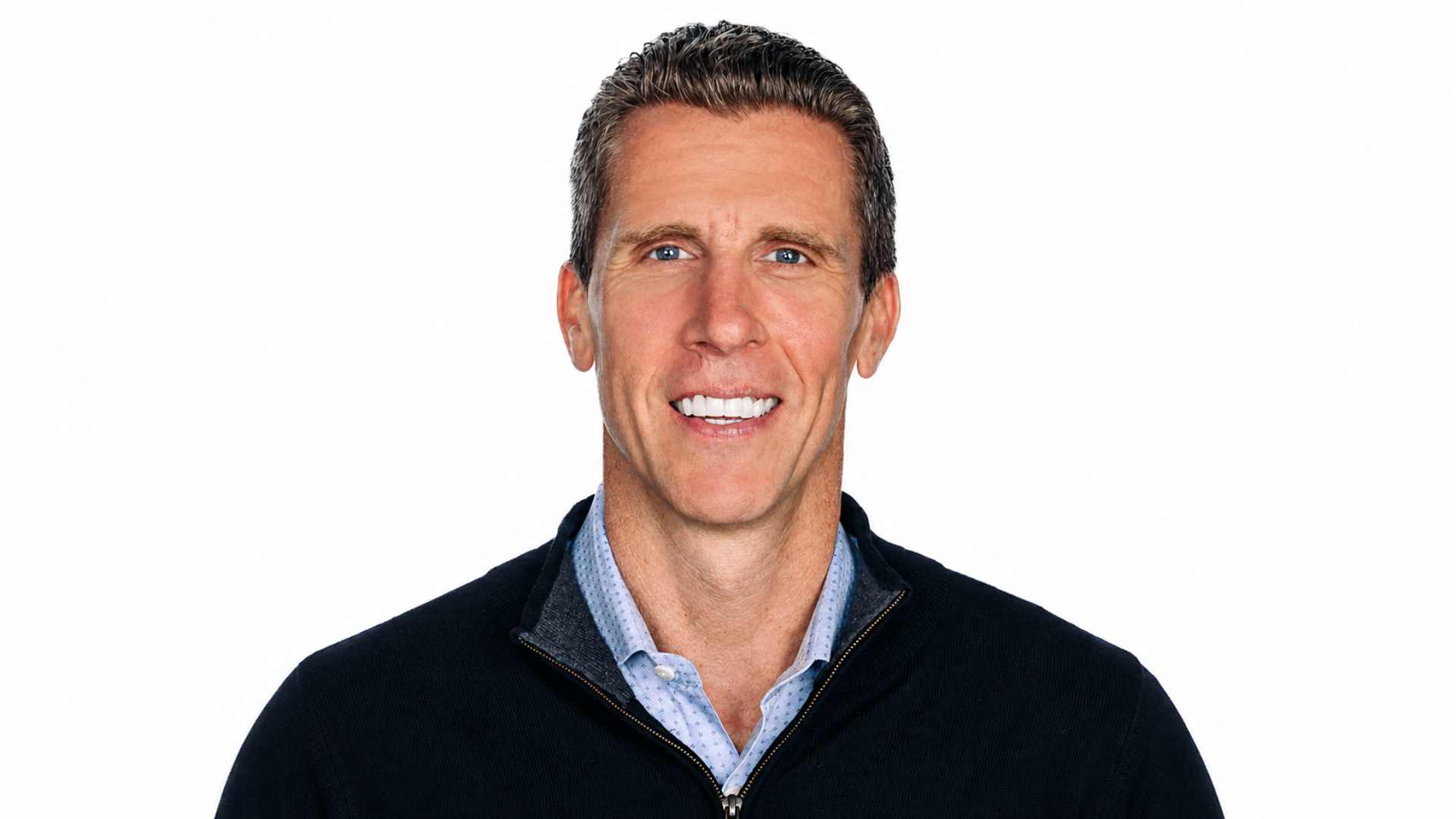
KnowBe4, the global leader in digital workforce security, securing both humans and AI agents, today announced its commitment to expanding in-region data residency across six key international markets: Australia, Brazil, Japan, Saudi Arabia, Singapore, and the United Emirates (UAE).
The expansion addresses escalating regulatory complexity worldwide. By offering local data residency, KnowBe4 enables organizations across industries to secure their whole workforce, people and AI agents, while aligning with local data privacy frameworks.
These new regions are in addition to KnowBe4’s existing data residency capabilities across Canada, the European Union (Germany and Ireland), the United Kingdom and the United States.
“As the global regulatory environment evolves and cyber threats grow more sophisticated, international organizations require clarity and confidence regarding where their sensitive data is stored,” said Bryan Palma, CEO at KnowBe4. “Expanding our in-region data residency across these six markets gives our customers greater control over their data at rest, so they can secure their workforces with confidence.”
Launch in each new region is contingent on the underlying cloud infrastructure becoming generally available. Customer data at rest in these regions will be available across the KnowBe4 Platform.
Tech News
Cambridge Health Group and Heriot-Watt University to advance research and innovation in the GCC
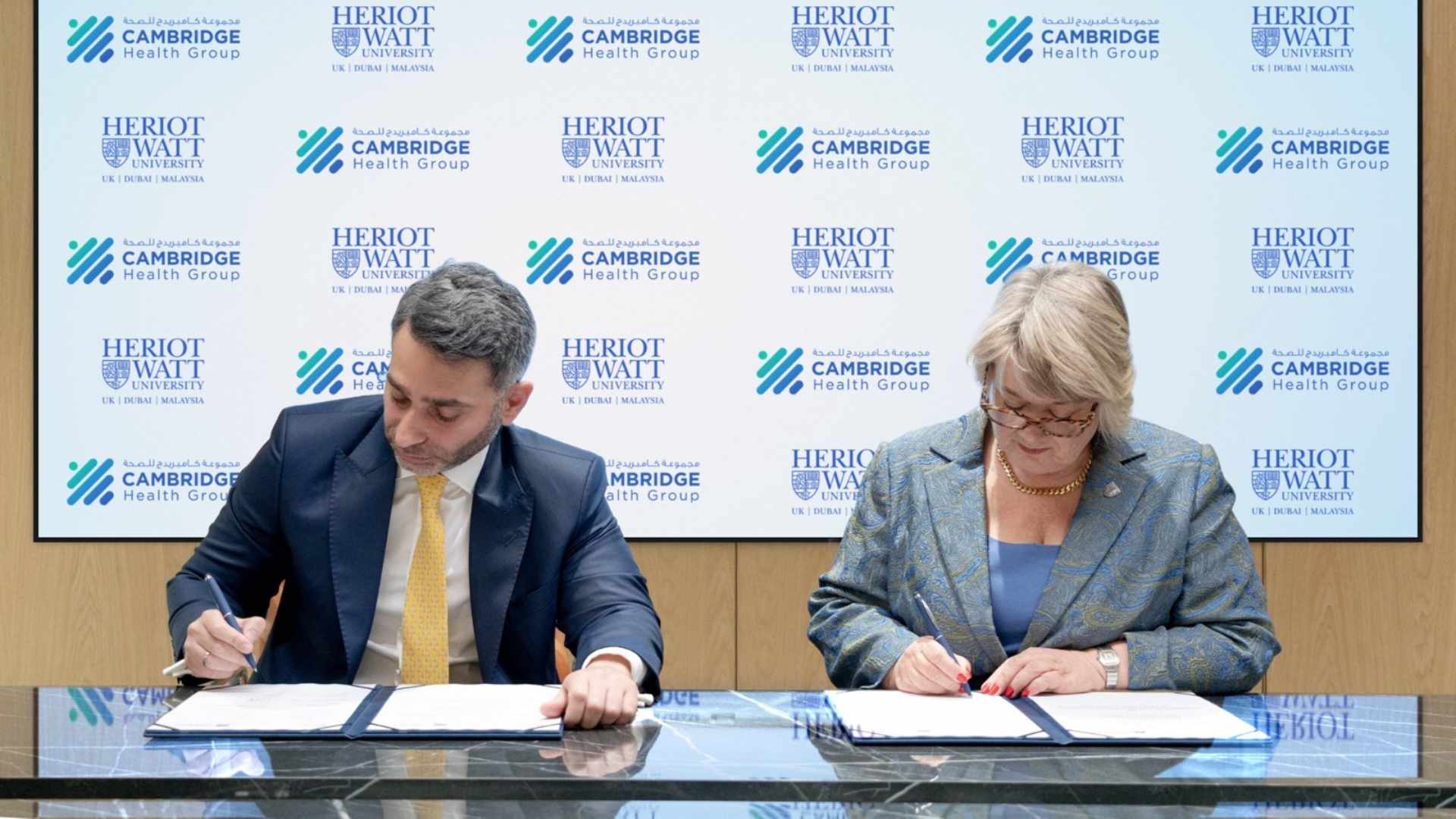
Cambridge Health Group (“CHG an international specialist healthcare group providing post-acute care and a subsidiary of Amanat Holdings PJSC (“Amanat”), has signed a three-year Memorandum of Understanding (MoU) with Heriot-Watt University (“Heriot-Watt”) to advance academic research in rehabilitation, long-term care and specialised care.
The agreement brings together CHG’s clinical expertise in long-term care and post-acute rehabilitation across six facilities in the UAE and Saudi Arabia with Heriot-Watt University’s pioneering research in healthy ageing, rehabilitation robotics and assistive technologies. Through its Global Research Institute in Health and Care Technologies and the National Robotarium, Heriot-Watt combines expertise in engineering, artificial intelligence and behavioural science to address complex challenges in health and care. Heriot-Watt’s global presence spans five campuses across Scotland, Dubai and Malaysia, with plans to establish a further campus in Saudi Arabia.
Together, the organisations will connect research with clinical practice, creating opportunities to develop and evaluate innovations that support rehabilitation, maximise independence and improve quality of life for people with complex, long-term care needs. The partners will also pursue national and international research grants, including collaboration with government and industry partners.
The partnership will also support the development of the region’s specialist healthcare workforce through academic training, executive education and tailored development programmes. These will include postgraduate research supervision, internships, industry placements and mentoring, helping connect academic learning with practical experience.
Professor Dame Heather McGregor, member of Heriot-Watt University’s Executive, said: “Universities have an important role in ensuring that research responds to the needs of society and that its benefits extend beyond academia. Our partnership with Cambridge Health Group brings our researchers closer to the questions and challenges shaping healthcare practice, creating opportunities to translate knowledge into meaningful improvements in care. Through education, professional development and practical experience, we look forward to supporting the skills and expertise the region will need as its healthcare sector continues to evolve. We look forward to doing meaningful work together.”
Wael K. Abdallah, Group Chief Executive Officer of Cambridge Health Group, said: “As healthcare systems across the region evolve, advancing specialised care will increasingly depend on our ability to connect research, clinical expertise and real-world healthcare needs. At Cambridge Health Group, we see research and innovation as important enablers of better care outcomes and the continued development of post-acute healthcare across the GCC. Our collaboration with Heriot-Watt creates opportunities to bring academic expertise closer to clinical practice, strengthen the capabilities of our workforce and contribute to the long-term advancement of the sector.”
The partnership represents a step towards translating research into practical advances in specialised care, with the potential to benefit patients, healthcare professionals and the wider sector.


H&H’s AED 30 Billion Dubai Peninsula Development Takes Shape, Home to Five World-Renowned Hospitality Brands

The Best Festive Turkey Takeaways in Abu Dhabi This Christmas

Qatar Airways Connects Doha to Caracas, Venezuela, and Bogotá, Colombia with First Flight



-

 Trending1 year ago
OPPO A6 Pro 5G Review: Reliable Daily Driver
-

 Tech News2 years ago
Denodo Bolsters Executive Team by Hiring Christophe Culine as its Chief Revenue Officer
-
 VAR2 years ago
Microsoft Launches New Surface Copilot+ PCs for Business
-

 Automotive2 years ago
AGMC Launches the RIDDARA RD6 High Performance Fully Electric 4×4 Pickup
-

 VAR11 months ago
Huawei Nova 14 Pro Review: Where Camera Excellence Meets Ecosystem Evolution
-
Tech Interviews3 years ago
Navigating the Cybersecurity Landscape in Hybrid Work Environments
-

 Hospitality2 years ago
Gulfood 2025 30th Edition Kicks Off Today, Setting New Benchmarks in F&B Growth and Innovation
-

 Tech News1 year ago
Nothing Launches flagship Nothing Phone (3) and Headphone (1) in theme with the Iconic Museum of the Future in Dubai