
 Have a question? +971 56 404 0503





Hospitality
WARM SERVES, NEW RITUALS

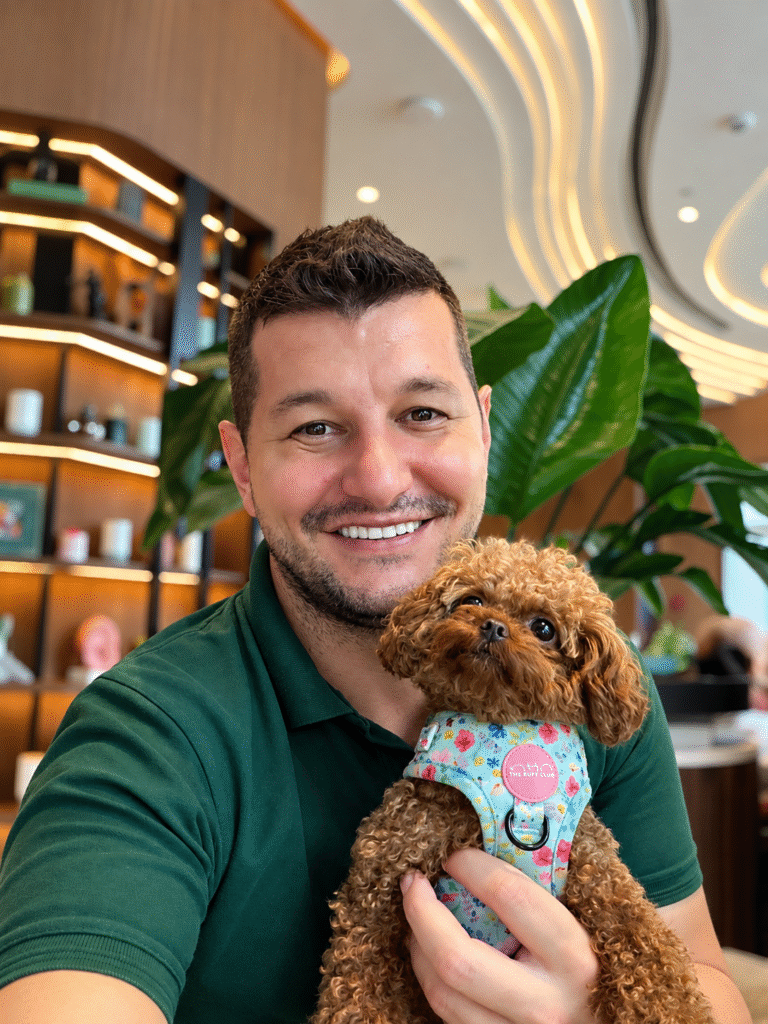
By: Ivica Miloshevski, Venue Manager at Uptown Social
As temperatures fall, we naturally reach for warmer ingredients in our food and drinks. We start looking for beverages that offer comfort, warmth, and are typically tied to occasions celebrated during this time of year. Cooler days create an appetite for something familiar: an indulgent hot chocolate, a spiced mulled non-alcoholic wine, or a delicious creation that fills the room with captivating aromas of warming spices. Personally, this is where the most interesting part of the season begins: when memories become inspiration for something new.
Several flavours associated with cooler weather are deeply connected to childhood experiences bound to seasonal occasions. Gingerbread cookies, cinnamon, vanilla, nutmeg, roasted nuts and warm chocolate can immediately transport us to a beloved memory. They remind us of family kitchens, festive gatherings, and the excitement of waiting for celebrations to arrive. These flavours are powerful because they are not simply ingredients – they are memories.
Today, as coffee professionals, we have an opportunity to take those memories and reinterpret them for a new generation of drinks.
A gingerbread-inspired latte, for example, does not need to simply reproduce the flavour of a traditional cookie. It can become something more contemporary: espresso layered with ginger, cinnamon and subtle caramel notes, finished with textured milk and perhaps a delicate spice garnish. The drink still carries the essence of gingerbread embedded in our memory, but its presentation, balance, and technique belong to today.
This is what I mean by memories infused into new-era drinks.
The modern customer is increasingly interested in experiences. They want to understand where ingredients come from, how a drink is conceptualized, and why certain flavours work together. Seasonal beverages give coffee professionals an opportunity to tell that story; in fact, coffee itself can be part of that narrative. In the UAE, we are fortunate to have access to an incredibly diverse coffee culture; specifically Uptown Social enjoys the benefits of a varied coffee selection through the DMCC Coffee Centre. Green coffee beans arrive from producing regions around the world, bringing with them different origins, varieties and flavour profiles. They are then roasted here in Dubai, allowing us to connect global coffee origins with a local roasting culture.
That connection is particularly exciting when creating warm seasonal beverages.
A naturally sweet coffee with chocolate and nutty characteristics can become the foundation for a luxurious winter-style mocha. A coffee with brighter fruit notes might work beautifully with ginger and orange. A more caramelised, full-bodied roast can support cinnamon, vanilla and toasted spices without becoming overwhelmed.
The key is balance.
Seasonal drinks should feel indulgent, but they should still respect the coffee. Too much syrup or spice can overshadow the character of the beans. The best warm serves allow the coffee and seasonal ingredients to complement each other rather than compete.
Hot chocolate is another perfect example. It has always been associated with comfort, but today’s version can move far beyond a simple sweet drink. The quality of chocolate, the texture of the milk, the temperature, and even the aroma can transform the experience. Add cinnamon, ginger, vanilla or a touch of toasted marshmallow, and the familiar hot chocolate becomes an elevated sensorial experience.
Then there is mulled non-alcoholic wine – a drink that captures the festive season almost entirely through aroma. Warmed with cinnamon, cloves, orange, star anise and other spices, it creates an atmosphere before the first sip. It reminds us that beverages are not only about taste. Aroma, temperature, presentation, and memory all contribute to the experience.
Ginger is particularly interesting because it bridges memory and modernity. It has warmth and natural spice, but it can also feel fresh and vibrant. Combined with citrus, honey, cinnamon or coffee, ginger can create drinks that are comforting without becoming heavy.
This season, I believe the strongest beverage menus will not simply follow trends. They will create rituals.
A warm drink enjoyed after work. A hot chocolate shared between parents and children. A spiced coffee ordered during a festive shopping afternoon. A gingerbread latte that becomes the first sign that the holiday season has arrived. These are small moments, but they can become traditions.
Perhaps that is a renewed opportunity for coffee professionals – to not simply create seasonal beverages but rather new ways for people to experience familiar emotions.
The future of seasonal drinks is not about forgetting the past. It is about taking the flavours, aromas and memories we grew up with and giving them a new expression. From coffee beans sourced from around the world and roasted here in Dubai, to ginger, cinnamon, chocolate and festive spices inspired by childhood, every cup can tell a story.
Warm drinks are becoming more than accompaniments or trends. They are new rituals – familiar memories, reimagined for today.
Hospitality
Two Chefs, Two Stories, Two Pizzas: Chef Roberta De Sario and Chef Gabriela Chamorro Come Together at FALCONE
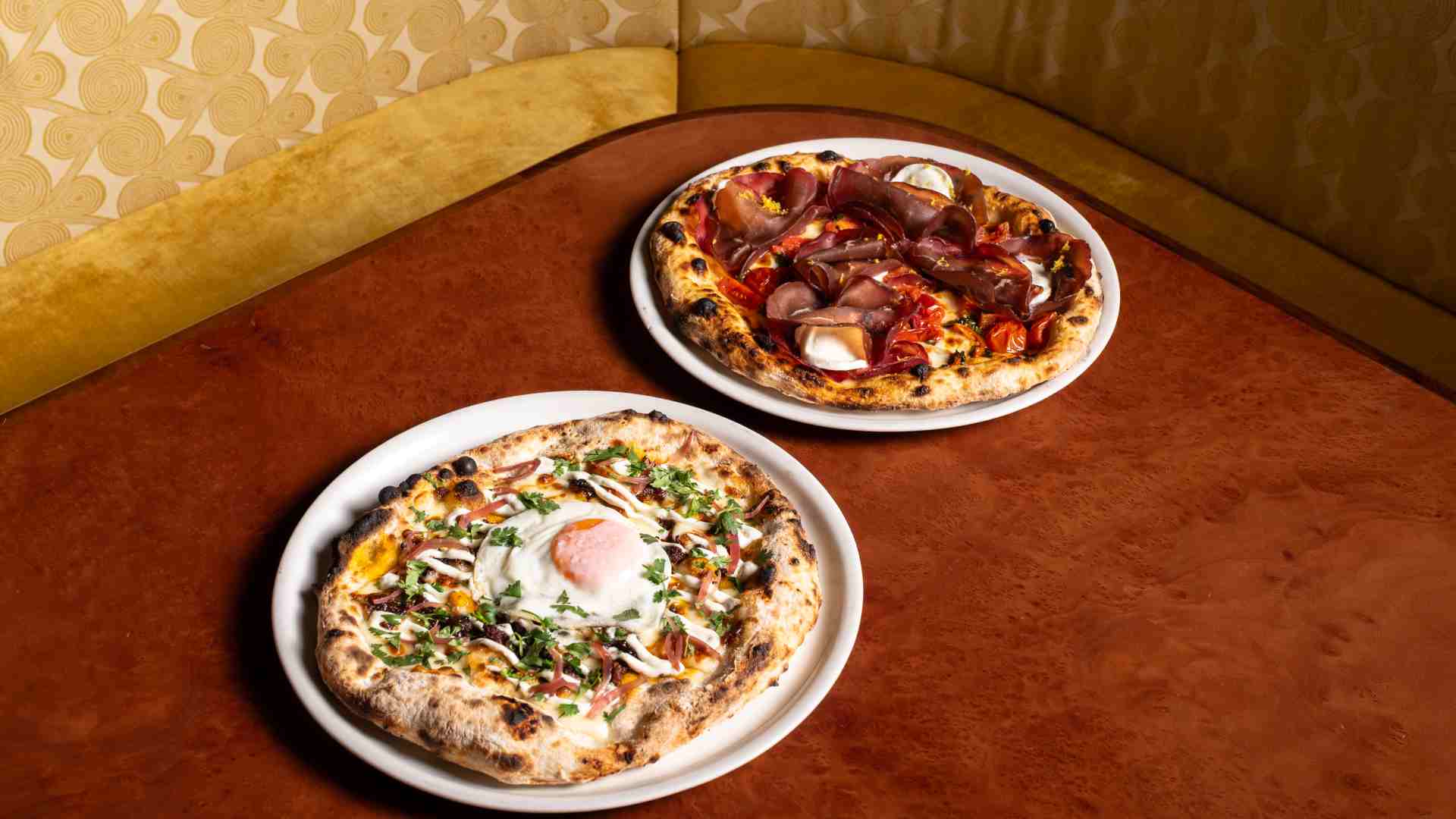
What happens when a Neapolitan pizza chef and a Nicaraguan chef step into the same kitchen, each bringing their own stories, experiences and approach to food? At FALCONE, the answer is two very special pizzas, created by Chef Roberta De Sario and Chef Gabriela Chamorro, founder of Girl & The Goose – Restaurante Centroamericano, available from 24 October to 1 November 2026.
More than simply bringing two culinary cultures together, the collaboration is about learning, exchanging ideas and discovering new possibilities through food. For Gabriela, it was an opportunity to explore the techniques and craftsmanship behind Roberta’s Neapolitan pizza-making, while Roberta drew inspiration from Gabriela’s Nicaraguan heritage and bold approach to flavours. Together, they have created two distinct pizzas, each telling a personal story.
Gabriela’s Buenos Días, Nicaragua is inspired by the comforting breakfasts of her childhood. Bringing a little taste of home to Neapolitan pizza, her creation features homemade Nicaraguan-style chorizo seasoned with achiote and cinnamon, confit potatoes, caramelised onions and smoked cheese, reminiscent of el fogón, the traditional wood-fired kitchens back home. Finished with pickled onions, coriander, creamy goat cheese and a soft egg at the centre, the pizza brings together familiar childhood flavours in an entirely new way.
For Roberta, Momento is a celebration of the connections made through food. Inspired by her first trip to Naples with Chef Josh Stumbaugh and the experience of creating alongside Gabriela, the pizza reflects her belief that food is as much about emotion as it is about technique. Featuring marinated tomatoes with basil, fior di latte, bresaola, buffalo mozzarella and lemon zest, Momento is a reminder to slow down, enjoy the present and cherish the people around the table.
Born and raised in Naples, Chef Roberta De Sario has honed her craft across Italy, Paris and Hong Kong before bringing her expertise to FALCONE in Dubai. Ranked No. 63 in The Best Pizza Awards 2026, she continues to explore contemporary pizza-making while remaining rooted in Neapolitan traditions. Chef Gabriela Chamorro, originally from Nicaragua, brings a different perspective through Girl & The Goose, where her heritage, travels and personal memories shape her approach to cooking.
While the pizzas are distinctly different, both celebrate the same idea: that the most exciting creations often come from sharing knowledge, stepping outside familiar territory and finding common ground through food. Both pizzas, priced at AED 100 will be available on FALCONE’s à la carte menu from 24 October to 1 November 2026. For reservations, visit www.pizzeriafalcone.ae.
Hospitality
HSMAI MEA presents a performance-driven programme for the 9th annual Commercial Strategy Conference in Dubai
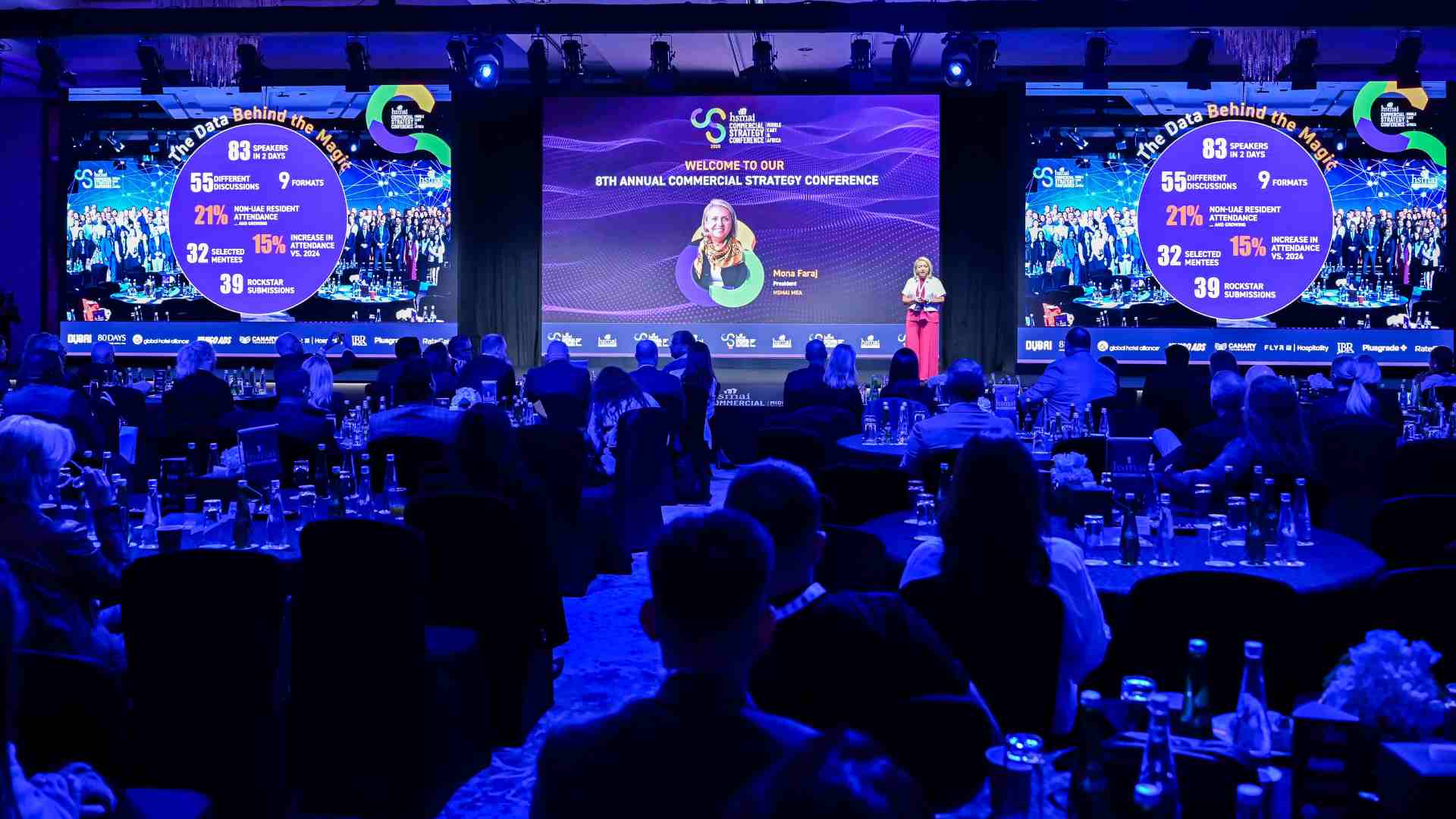
Hospitality Sales and Marketing Association International Middle East and Africa (HSMAI MEA) has launched the programme for its annual Commercial Strategy Conference under this year’s timely theme of “Resilience. Agility. Results. The spirit that defines MEA”. The HSMAI Commercial Strategy Conference MEA 2026 (CSC MEA 2026) takes place on 17 and 18 November 2026 at Conrad Dubai.
Bringing together the region’s leading hospitality experts in sales, marketing, revenue management and distribution, the programme features 18 hours of learning and insights across 40 sessions, nine engaging content formats, 65+ expert speakers, seven ROCKSTAR award finalists, and four hours of networking to turn conversations into connections.
The HSMAI MEA Advisory Board has shaped the programme to what matters right now to our community. This year, three new conversations join the conference: women in hospitality, through the launch of Sawti meaning My Voice at this year’s conference, independent hotels and national chains, and Africa’s hotel community, broadening the perspectives, experiences and ideas that shape our discussions.
The programme’s primary themes centre around Travel Demand, Market Intelligence & Growth; AI, Automation & the Future of Hospitality; Commercial Strategy, Revenue & Guest Value; Leadership, Culture & Talent Development; Marketing, Loyalty & Customer Connection and Connected Journeys, Collaboration & Trust.
Programme highlights include the keynote opening speech on ‘Change Mindset – Embracing Change with Enthusiasm’ by Dr. Florian Ilgen, CSP, Keynote Speaker & Change Catalyst.
Other main stage speakers include: Ahmed El Meligui, Regional Vice President Sales Revenue & Business Development MEA, Hyatt International; Alessandro Brunori, Vice President – Brand Experience, G42; Andrew Boshoff, CFO, Global Hotel Alliance; Bianca Gracias, Managing Partner, Crimson Legal; Brian Hicks, President & CEO, HSMAI; Caroline Thissen, AVP Commercial MEA & Southeast Asia Pacific, Radisson Hotel Group; Jeff Strachan, Associate Vice President, Dubai Economy & Tourism; Guido De Wilde, Director wasl Hospitality; Linda Lewis, VP Global Sales Middle East & Asia Pacific, Jumeirah; Loay Nour, VP, Brand & Marketing, Kempinski; Mark Flower, VP Commercial Market Strategy, MEA & Turkiye, Accor; Sam El Asmar, VP Revenue & Distribution, Rotana; Sarah Duignan, Director, Client Relationships, STR.
Mona Faraj, President, HSMAI Middle East & Africa, said: “This has been a testing year for the hospitality industry in our region, and commercial teams have had to rethink source markets, pricing and distribution at short notice. Our Advisory Board built the 2026 programme around those pressures. Delegates will hear about the economic outlook, how source markets recover after conflict, and how independent and regional brands can compete as the industry prepares for 2027. We also take a clear-eyed look at AI, from booking journeys and revenue decisions to data ownership. Every session is built to give commercial leaders something they can act on in their 2027 plans.”
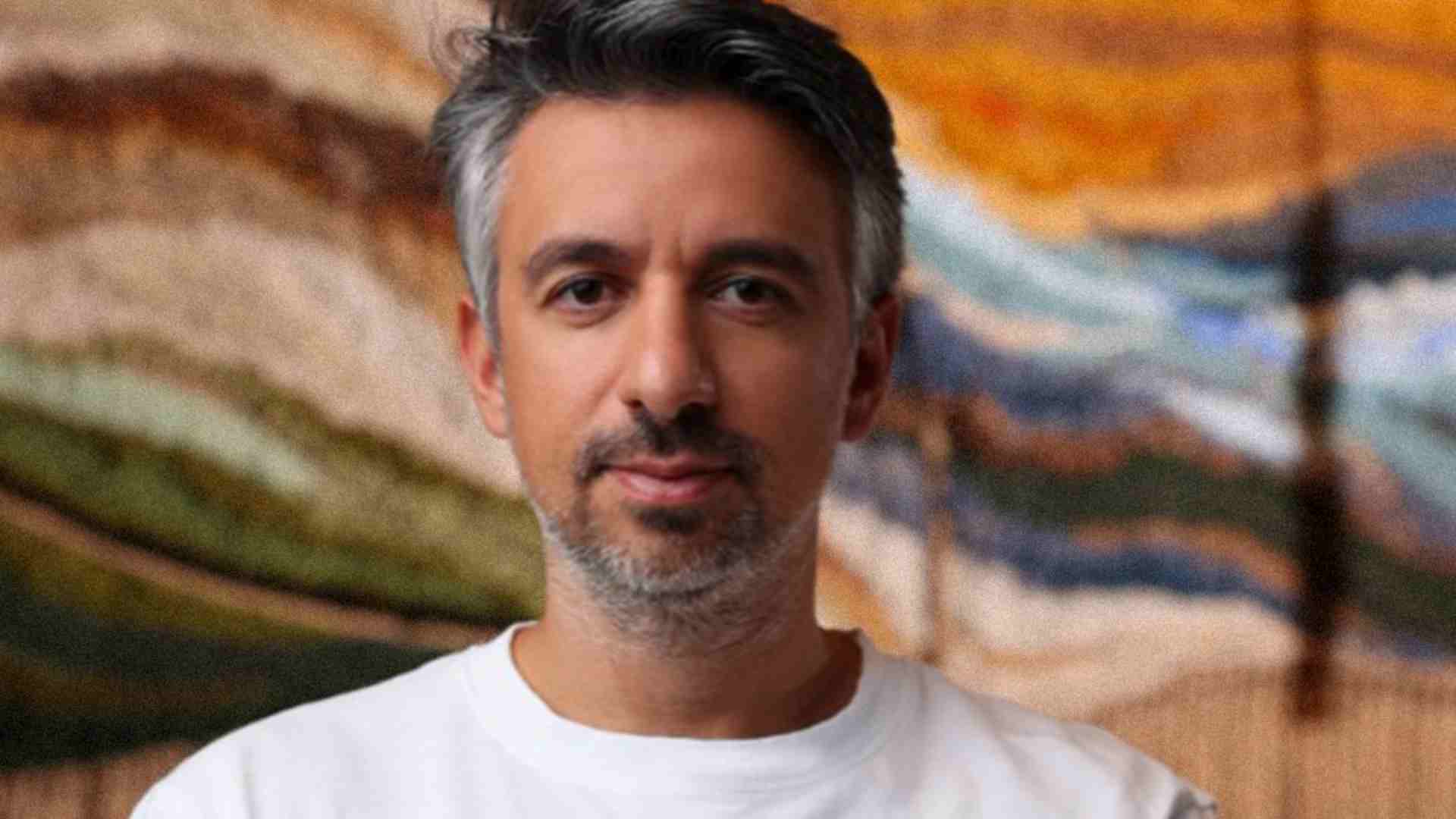
Exclusive interview with Boris Kofman, Founder, SANA
SANA brings the heritage of Uzbek cuisine into one of Dubai’s most established hospitality destinations. What does authentic Uzbek hospitality mean to you, and how have you translated it into the guest experience at SANA?
In Uzbekistan there is a saying that a guest is more important than your own father. That is the whole philosophy. When you walk into an Uzbek home, the table is already full before you sit down, the tea is already poured, and nobody asks if you are hungry. That generosity is what I wanted at SANA. But I did not want a museum. SANA is a modern Uzbek restaurant, built for how Dubai lives today. The soul comes from home: our chefs are from Uzbekistan, and the majority of our ingredients are imported from Uzbekistan, so the flavours are the real thing. The design, the music and the energy are completely now. In practice it means our team is trained to read the table, not just take the order. Bread arrives without you asking. Dishes are brought to share. We want you to leave feeling you were hosted, not served. That feeling is the thing I am proudest of.
The concept draws inspiration from the Silk Road, where food, culture and hospitality were deeply interconnected. How does this idea influence the way guests experience SANA beyond the dining table?
The Silk Road was the first great meeting place of the world. Merchants from China, Persia, India and Europe sat at the same table, traded stories, and took each other’s food home. Dubai is exactly that today, a city where every culture meets. So SANA is not only about what is on the plate. It is the music, the textures, the lighting, the way the evening moves from dinner into something more. We want guests to feel like travellers arriving at a caravanserai: you come for dinner, you stay for the atmosphere, and you leave having met someone new. When a table of Emiratis, Russians and Brits ends up sharing tea at midnight, that is the Silk Road happening again.
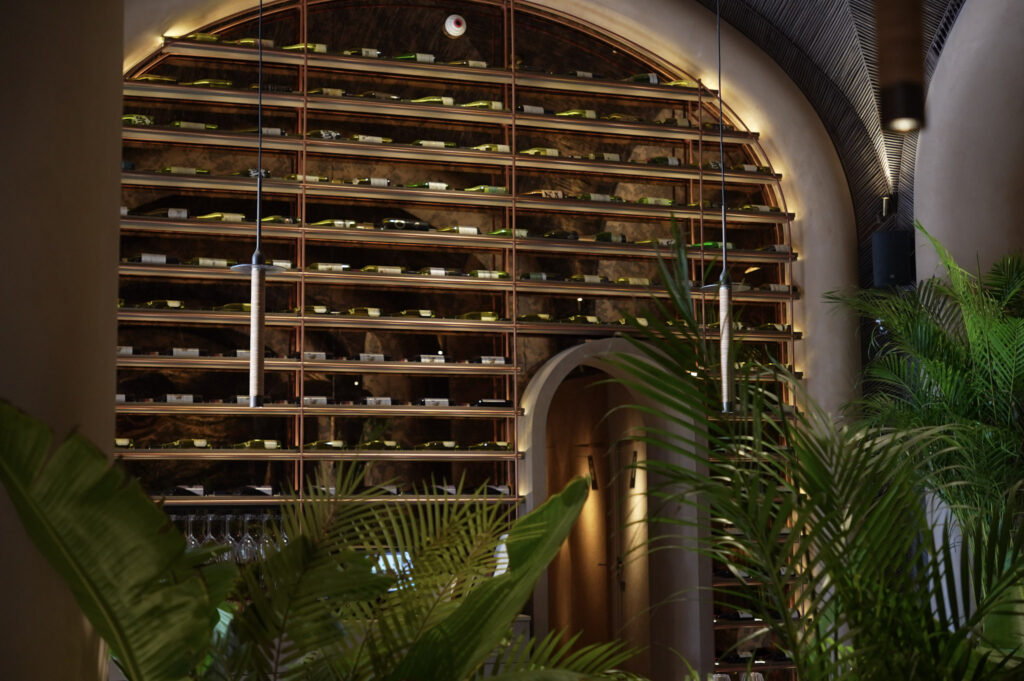
SANA also extends into private celebrations, curated dinners and experiences at Moon. How are you seeing demand for more personalised and experience-led dining evolve in Dubai?
Dubai has changed. People have eaten everywhere. A great menu is now the minimum, not the reason to go out. What people want is a night they will remember and talk about. That is why SANA was never only a restaurant. Moon is our space for that: private celebrations, birthdays, company dinners, buy-outs, live music and karaoke nights. Every event is built around the host, their guests and the story they want to tell. We are seeing more people book the whole experience rather than just a table, and more groups choosing to celebrate somewhere with personality instead of a hotel ballroom. I think that is only going to grow, and we built SANA for it.
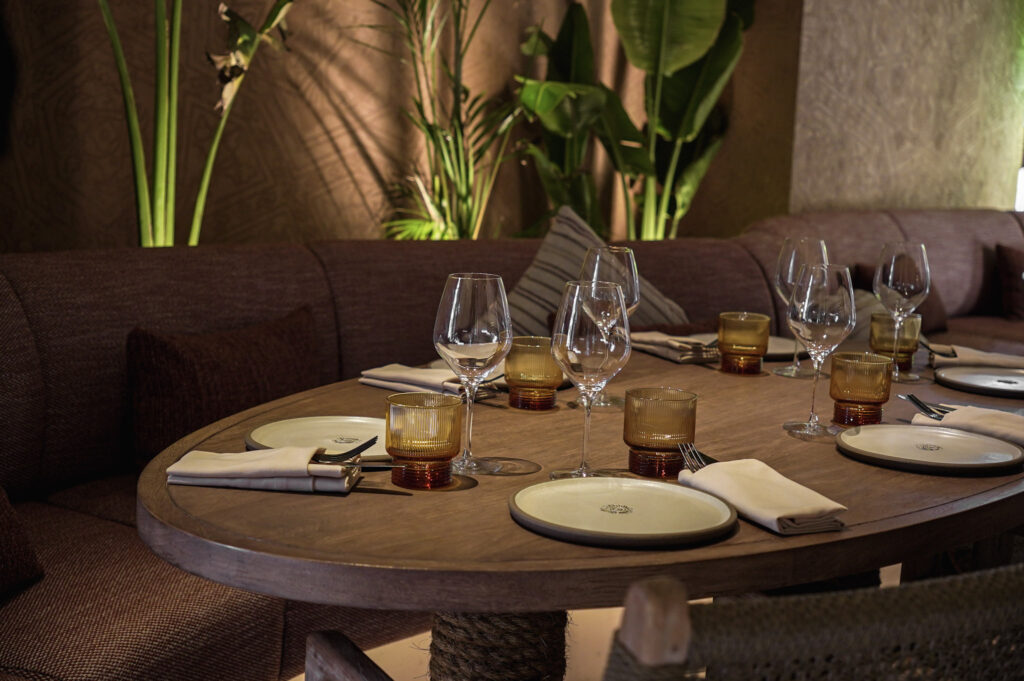
The Uzbek tea tradition is naturally centred around gathering and sharing, with SANA offering its Samovar collection for communal experiences. How important are these cultural rituals in creating a sense of connection between guests?
They are everything. In Central Asia, tea is not a drink, it is an invitation. The samovar sits in the middle of the table and everyone pours for each other. Nobody is in a hurry. Conversations get longer, phones go down, and strangers become friends. In a city that moves as fast as Dubai, that ritual is a gift. Our Samovar collection is designed for exactly that moment, usually at the end of the meal, when nobody wants the evening to finish. I see guests lean in, laugh and order another round of tea instead of the bill. That is when I know SANA is working.
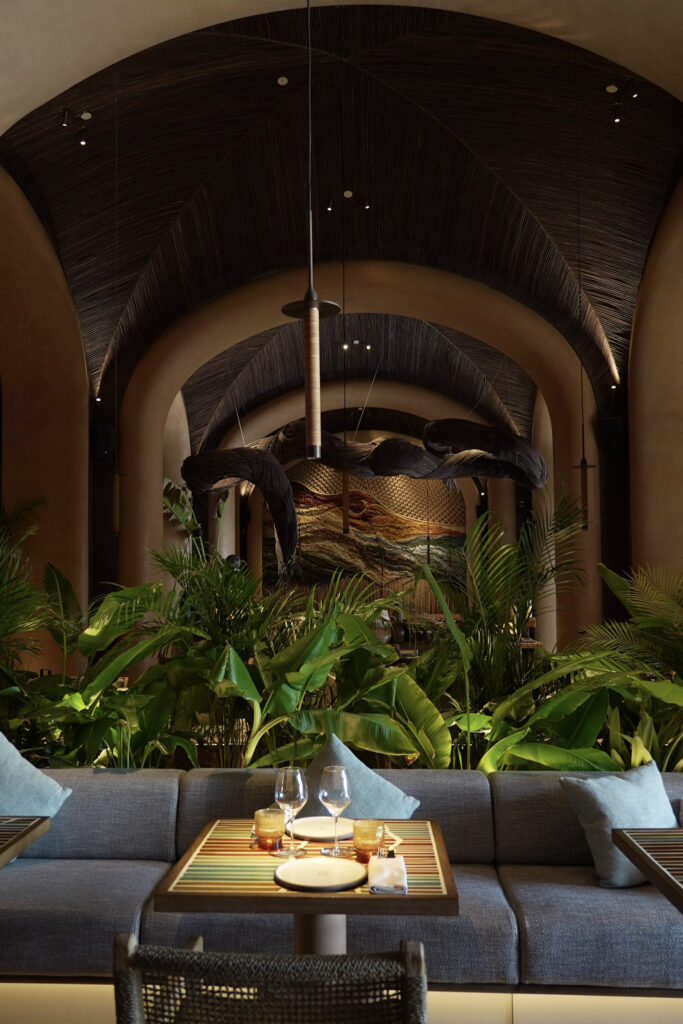
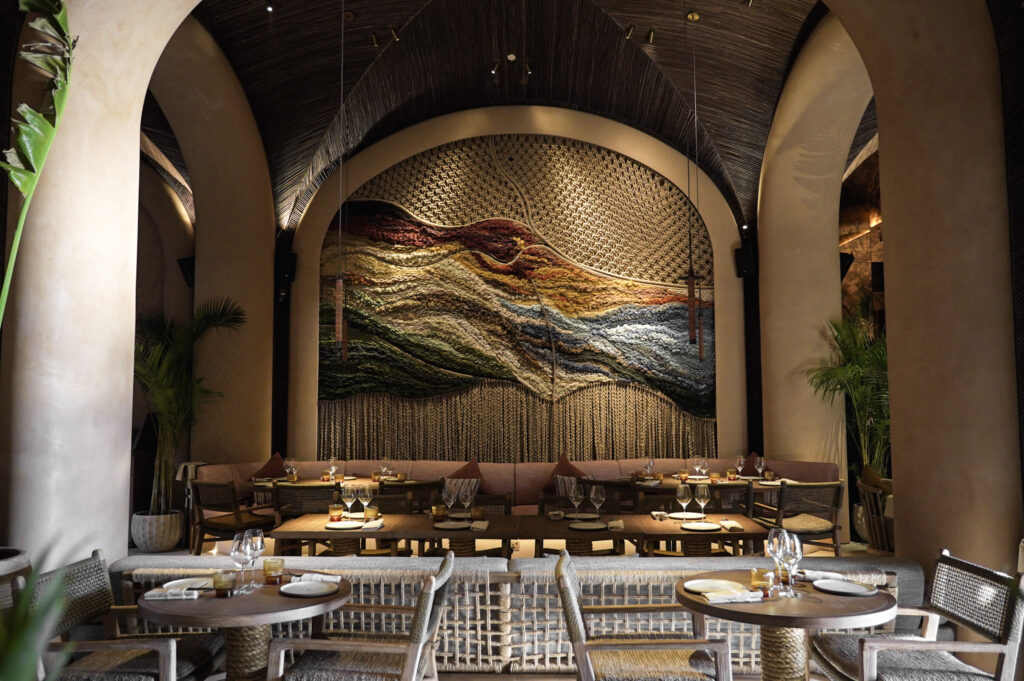
Sharing is an important part of many Central Asian dining traditions. How have communal dishes and table-sharing influenced the way you design the guest journey at SANA?
Completely. We designed SANA around the shared table, not the individual plate. The menu is built for passing dishes around, so a dinner at SANA naturally becomes a conversation. The big platters, the bread torn by hand, the salads in the middle, everyone tasting everything. The journey starts with small plates and bread, builds to the centerpiece dishes for the whole table, and ends with tea and our desserts, which are from a different world and constantly evolving, so there is always a reason to come back. Our layout and our service follow the same idea: generous tables, a team that brings dishes to the centre, and space for groups to linger. Sharing food is the fastest way to bring people together. My invitation is simple: come with friends, order too much, and stay longer than you planned. That is the Uzbek way, and that is SANA.

WARM SERVES, NEW RITUALS

Two Chefs, Two Stories, Two Pizzas: Chef Roberta De Sario and Chef Gabriela Chamorro Come Together at FALCONE

TrendAI™Expands Vision One with New Security Capabilities for AI Agents and Application Development



-

 Trending12 months ago
OPPO A6 Pro 5G Review: Reliable Daily Driver
-

 Tech News2 years ago
Denodo Bolsters Executive Team by Hiring Christophe Culine as its Chief Revenue Officer
-
 VAR2 years ago
Microsoft Launches New Surface Copilot+ PCs for Business
-

 Automotive2 years ago
AGMC Launches the RIDDARA RD6 High Performance Fully Electric 4×4 Pickup
-
Tech Interviews3 years ago
Navigating the Cybersecurity Landscape in Hybrid Work Environments
-

 Hospitality2 years ago
Gulfood 2025 30th Edition Kicks Off Today, Setting New Benchmarks in F&B Growth and Innovation
-

 VAR10 months ago
Huawei Nova 14 Pro Review: Where Camera Excellence Meets Ecosystem Evolution
-

 Tech News1 year ago
Nothing Launches flagship Nothing Phone (3) and Headphone (1) in theme with the Iconic Museum of the Future in Dubai