
 Have a question? +971 56 404 0503





Tech News
Moscow International Game Week to Strengthen Gaming Ties with MENA and Türkiye

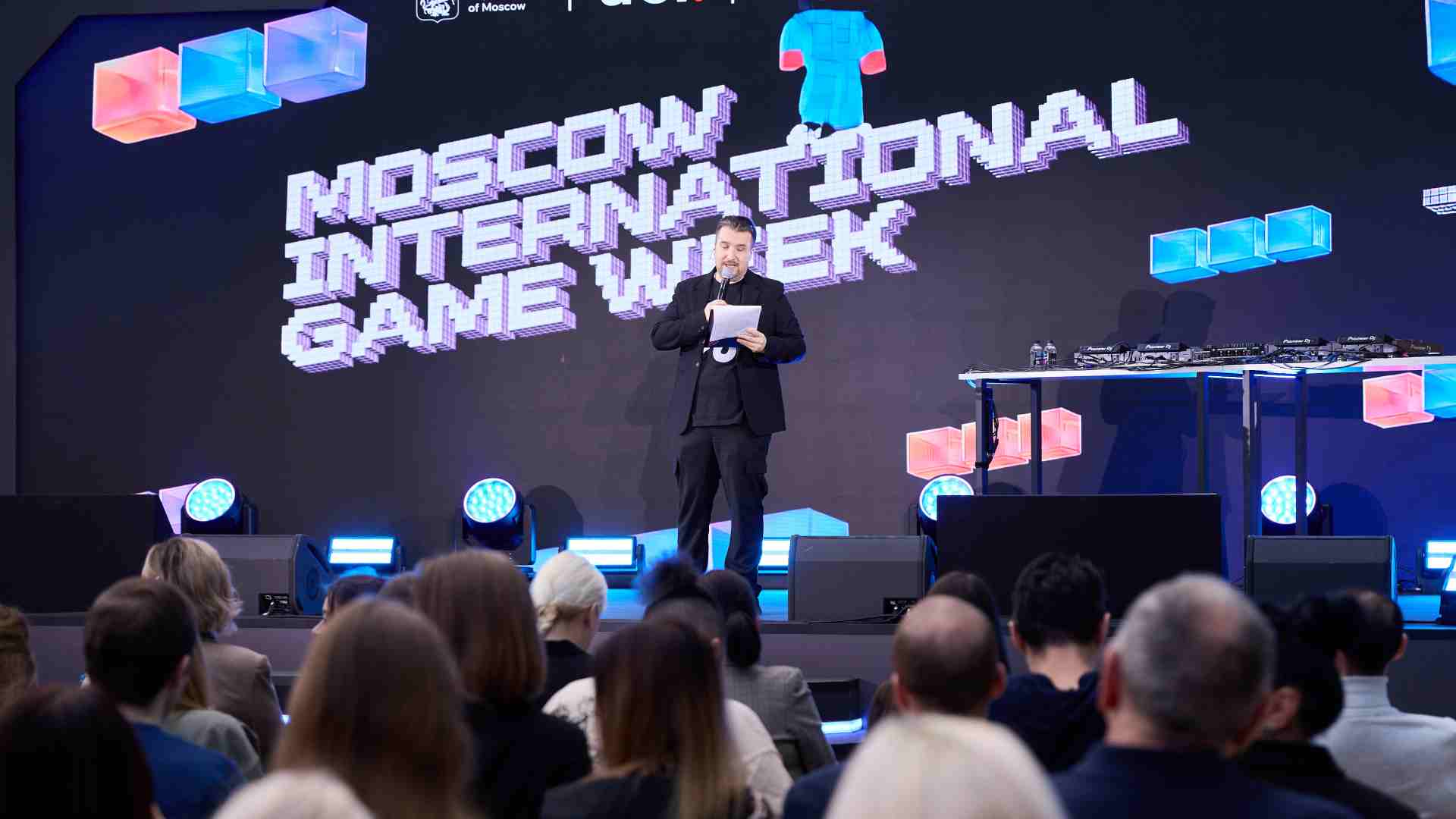
For the second time, Moscow will bring the international video game industry together at Moscow Game Hub, from October 29 to November 1, 2026, developed by the Agency of Creative Industries.
Over four days, players, developers and investors from more than 25 countries will discuss how games, alongside animation, film and literature, are becoming part of the creative economy. The event will also provide a platform for new projects and partnerships.
International participants will be able to meet Russian studios and discuss opportunities to co-produce and promote content. This year’s theme, “Beyond the Industry,” explores how video games connect with animation, film, literature and other areas of the creative economy.
Opportunities for companies from Türkiye and the MENA region
The event will give companies from Türkiye, the Middle East and North Africa a chance to learn about the Russian market, showcase their projects and find partners. Expected delegates include a representative of Digital Dunes, a Qatari mobile game developer and publisher.
For companies from Türkiye and the MENA region, Moscow International Game Week will be an opportunity to connect with Russian developers, publishers and technology partners, discover new projects, and discuss collaboration in game development, localization and distribution.
Moscow is open to international cooperation, exchange of expertise and joint projects. The city is building an environment for the gaming and animation industries by bringing together support programs, technology, skilled professionals and access to new markets.
Moscow Game Hub provides companies with infrastructure for developing, producing and promoting projects. Moscow International Game Week will introduce international participants to these opportunities and serve as a working platform to showcase projects, find partners and discuss agreements. Guests can also look forward to an extensive business program.
International exhibition
More than 85 companies will take part in the exhibition. Brazil’s national stand will be presented by Brasilia Game Hub, while the India group stand will feature projects by BUZZEDMEN STUDIO, ABRACA DABRA SOFTWARE SOLUTIONS and Nilee Games. The exhibition will also include stands by Chingmu from China, BURNING SOUL and BEAR&SKUNK from the Republic of Korea, and Experimental Design Team (EDT) from Malaysia.
Visitors will discover projects from Russian publishers and gaming platforms. Independent developers will showcase their games in the indie alley, while the residents’ alley will feature studios from Moscow Game Hub. A marketplace for themed merchandise will also be open to visitors.
The exhibition will give the wider public a chance to experience the industry firsthand: play new projects, meet their creators and learn more about game and animation development.
International tournament
One of the highlights of Moscow International Game Week will be the LAN finals of the Moscow Cyber Games 2026, an international Counter-Strike 2 tournament. The finals will take place on October 31 and November 1 at Moscow Game Hub. A total of 956 teams from Europe and Asia took part in the open qualifiers.
Tournament results count toward the Valve Regional Standings, which are used to allocate invitations to CS2 tournaments. Holding the event at the end of the ranking cycle gives Russian teams an additional opportunity to earn points and improve their standings. Spectators will be able to watch the professional teams’ final matches online and at the venue.
The finals will be part of Moscow International Game Week’s international program and will showcase Moscow Game Hub’s capacity to host major esports events.
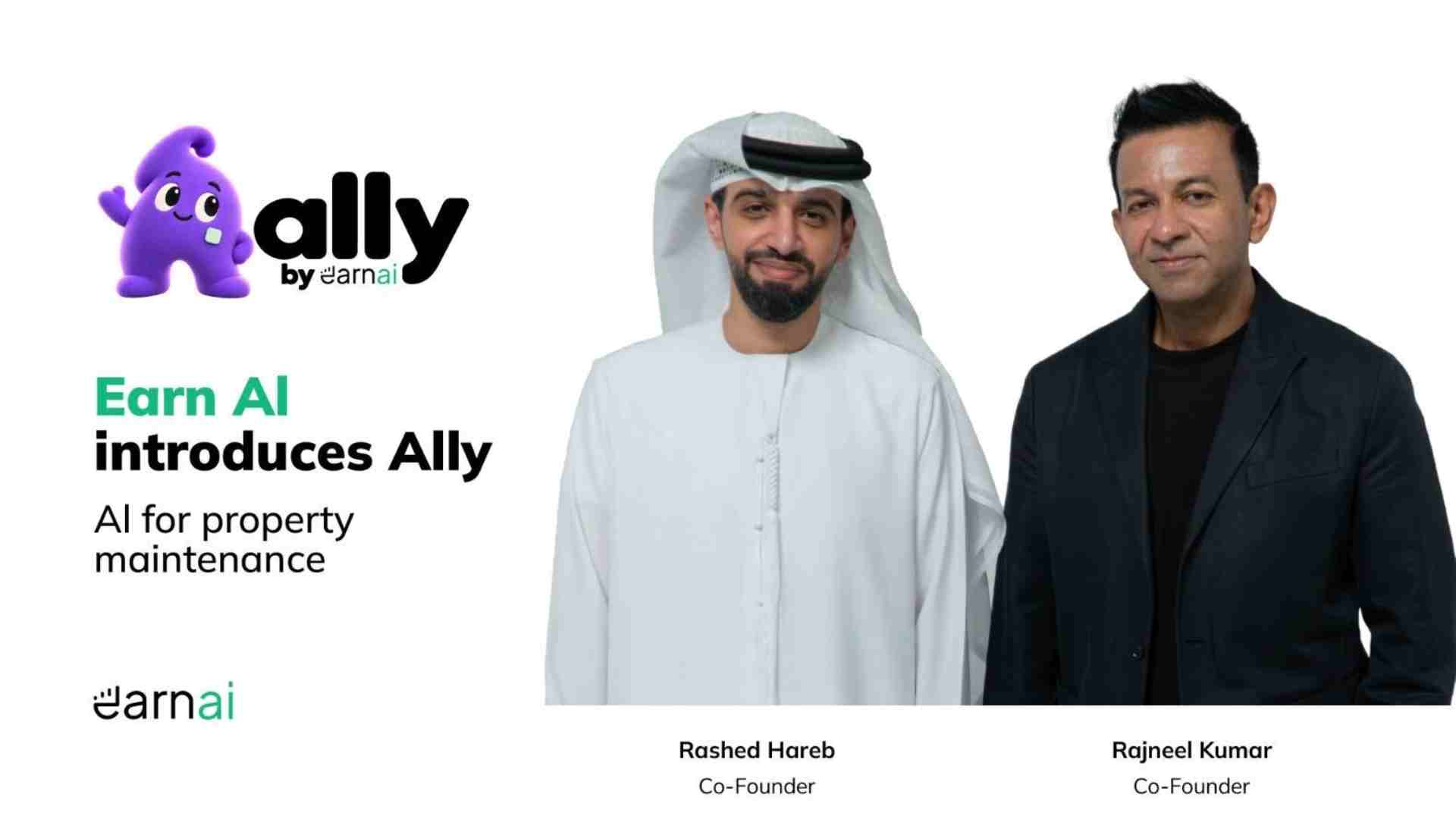
Rentify today introduced Ally, the maintenance agent in its Earn AI workforce, to help property managers reduce routine coordination and give owners clearer visibility into repair costs. Ally connects tenant requests, maintenance contract checks, approvals, vendor dispatch and invoice matching through a workflow that starts on WhatsApp.
The launch targets rental maintenance within the UAE’s broader facilities management market, which was valued at USD 6.56 billion in 2024 and is forecast to reach USD 10.95 billion by 2030, according to a TechSci Research report available through Research and Markets. Within this sector, Ally focuses on the coordination of rental repairs, connecting tenant requests, spending approvals, vendors and invoices.
A repair can involve a tenant, contractor, property manager and landlord before work even begins. Ally brings those exchanges into one process. Tenants report issues by text, photo or video. Ally classifies the request, checks the unit’s maintenance contract, estimates the cost and applies the property manager’s approval rules before dispatching a vendor. It then matches the invoice against the approved estimate, keeping the repair linked to the unit’s operating record.
Property managers set the rules for approvals and escalation. Routine coordination is automated within those rules, while decisions requiring judgment, higher spending or safety oversight are referred to people. Emergency requests are routed to the on-call vendor. Actions are logged with the rule applied and a timestamp, giving teams a record of how each request was handled.
“Our ambition is a rental unit that can collect its rent, renew its lease and arrange its repairs, with people retaining control over the decisions that matter,” said Rajneel Kumar, Co-Founder, Rentify. “Each completed job adds to the unit’s operating history. Connecting that history across collections, renewals and maintenance is how we build towards autonomous renting. Ally takes us another step in that direction.”
Ally is the fourth agent in the Earn AI workforce. According to Rentify, customer portfolios associated with Earn AI represent more than 180,000 units and USD 3.4 billion in annual rent roll. Ally adds maintenance coordination and repair costs to the platform’s wider view of rental operations.
“For a property manager, growth should not mean an equivalent increase in time spent chasing repairs,” said Rashed Hareb Al Mheiri, Co-Founder & CEO, Rentify. “We built Ally to reduce that coordination burden while keeping teams in control of spending and service decisions. For owners, it brings a clearer record of what was approved, what was charged and how maintenance costs build up across their portfolio.”
Landlords receive approval requests with photos, the quote and their share of the cost. A maintenance cost history for each unit helps them understand expenditure alongside rental income. Vendors receive structured job cards, while invoice matching helps property teams check charges against the approved work.
Ally is designed to work alongside existing property management systems and spreadsheet-based processes, with tenants interacting through WhatsApp. Deployment requirements depend on the customer’s systems, data and approval workflows.
The launch addresses a recurring operational need in a substantial rental market. Dubai recorded 1.38 million tenancy contracts worth AED 126.4 billion in 2025, according to the Dubai Land Department, spanning residential and commercial activity.
Tech News
Submer to Address the Infrastructure Challenges Behind Sovereign AI at DCD Connect | MENA 2026

Submer, a full-stack AI and HPC data centre infrastructure provider, will join industry leaders at DCD Connect | MENA 2026, taking place October 26–27 at Grand Hyatt Dubai, to discuss the infrastructure strategies needed to advance sovereign AI across the region.
As governments and organisations across the Middle East accelerate their sovereign AI and cloud strategies, the challenge extends beyond keeping data within national borders. They must also build the high-performance computing infrastructure needed to support increasingly complex AI workloads while meeting regulatory requirements, scaling efficiently and maintaining commercial viability.
Submer will contribute to this discussion through its participation in the panel debate “Building Sovereign AI: Enabling Innovation Through Scalable Compute,” on October 26, from 2:30 p.m. to 3:15 p.m. The session will explore the infrastructure requirements of sovereign cloud environments, the trade-offs between fully localised and hybrid infrastructure models, and how the region can develop a sovereign-ready compute backbone without compromising flexibility, performance or return on investment.
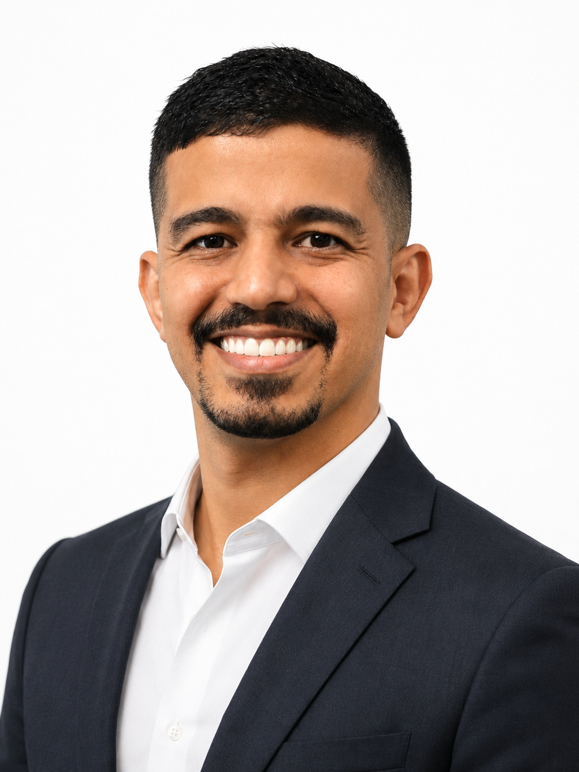
Bahaa Al Janabi, Technical and Solution Lead for Middle East, Turkey and Africa at Submer, will join fellow industry experts to examine how infrastructure decisions can shape the region’s ability to turn its AI ambitions into scalable, commercially viable deployments.
“Sovereign AI is not simply about where data resides. It is about having the infrastructure to run advanced AI workloads at scale while meeting national requirements and making the economics work. The choices organisations make today will shape their ability to innovate, scale and compete. We look forward to discussing how the right infrastructure strategies can help turn the region’s sovereign AI ambitions into reality,” said Bahaa Al Janabi.
Submer representatives will also be available throughout the event to meet with customers, partners and industry stakeholders and discuss the evolving AI infrastructure landscape across the Middle East, Africa and Turkey.
Tech News
Thermax showcases advanced desalination and water recovery technologies to strengthen UAE’s industrial water security at WETEX 2026
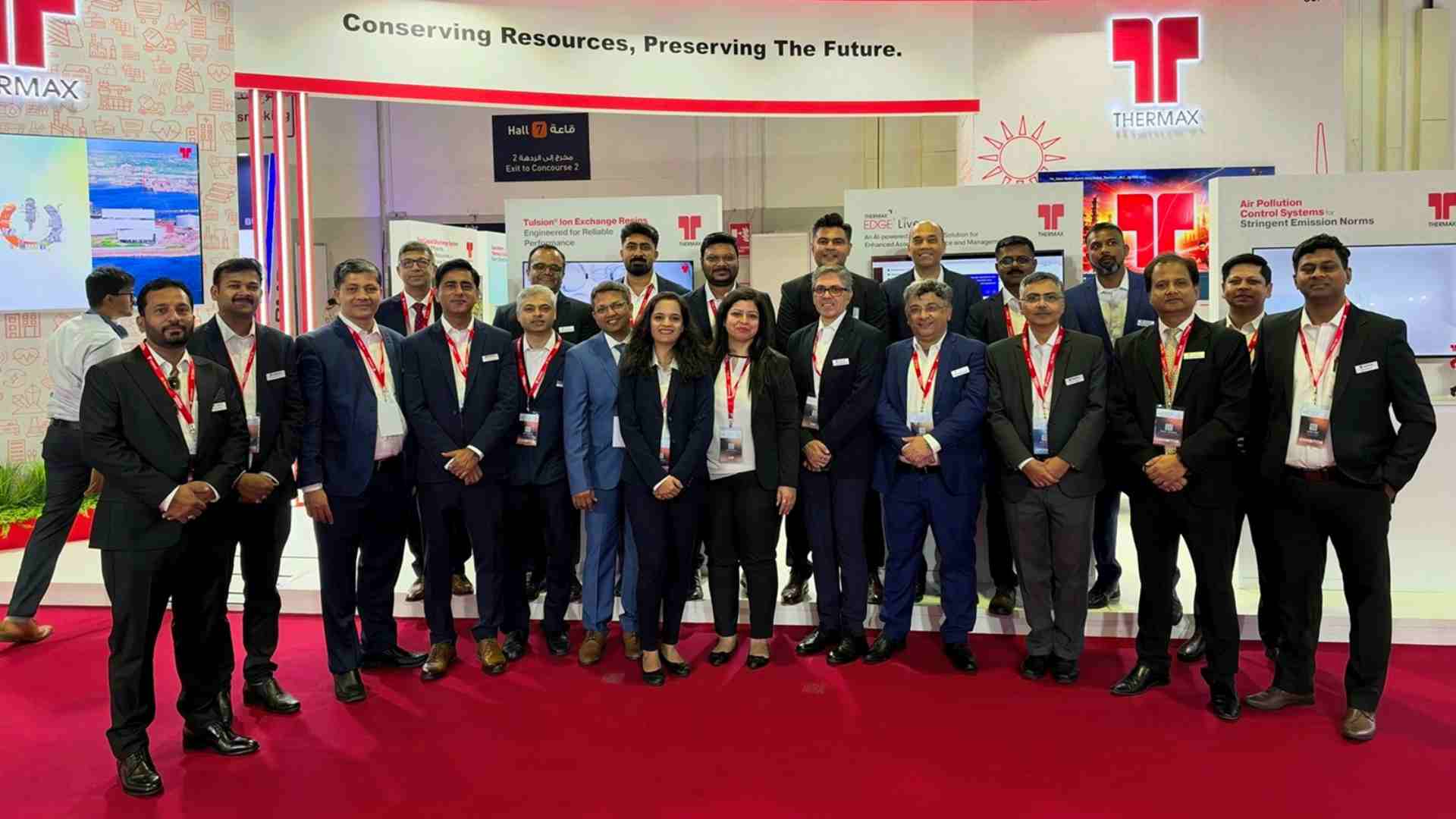
Thermax Limited showcased its advanced seawater desalination and industrial water recovery technologies at the Water, Energy, Technology and Environment Exhibition 2026 (WETEX), held from October 20 to 22 at Dubai World Trade Centre. Through its digital showcase, the company highlighted solutions designed to help industries secure reliable water supplies, improve resource efficiency and reduce environmental impact.
Thermax’s participation came as Dubai continues to strengthen its desalination infrastructure to meet growing water requirements. According to Dubai Electricity and Water Authority (DEWA) Financial Annual Report, desalinated water production increased by 5.51 per cent year-on-year in the first quarter of 2026, reaching a record 37.57 billion imperial gallons. By June 2026, Dubai’s installed desalination capacity had reached 555 million imperial gallons per day, with seawater reverse osmosis accounting for 23 per cent of the total. These developments highlight the growing importance of efficient and reliable water infrastructure in supporting the UAE’s evolving water requirements.
At the event, Thermax highlighted its desalination solutions that help industries meet their water needs while easing pressure on freshwater resources. The systems use energy-efficient membrane technology to remove salts from seawater and produce water suitable for industrial use, with designs tailored to each customer’s water quality and operating requirements.
Through its digital showcase, Thermax also highlighted portable and containerised desalination systems that bring key equipment together in compact units. This reduces installation work on site, supports faster deployment and allows treatment capacity to grow with demand.
Ashish Bhandari, Managing Director & CEO, Thermax Limited, said: “Water security shapes where industries invest and how competitively they operate. Businesses need dependable supply at a cost they can sustain. That means planning water and energy together, with investment decisions guided by performance throughout a plant’s life.”
Beyond desalination, Thermax also showcased Advanced Reverse Osmosis (RO) technology that recovers additional usable water from the concentrated stream left after treatment. By concentrating the remaining brine, the technology reduces the load on downstream evaporation systems and supports more efficient industrial wastewater management. When combined with suitable additional treatment and crystallisation processes, it can also support salt recovery, creating opportunities to recover valuable resources from wastewater and promote circular water management.
Thermax also showcased industrial water treatment, wastewater recycling and zero liquid discharge (ZLD) solutions that help industries treat and reuse wastewater for suitable applications while reducing freshwater dependence. Complementing these solutions, Thermax’s EDGE Live digital platform supports plant performance through real-time monitoring, AI-driven analytics and predictive diagnostics, helping industrial operators identify potential issues early, optimise maintenance and improve operational reliability.
These solutions align with the objectives of the UAE Water Security Strategy 2036, which targets 95 per cent reuse of treated water by 2036. Through its regional office in Dubai, Thermax is focused on exploring various opportunities across the UAE’s industrial desalination, water treatment and wastewater recycling sectors, particularly within water-intensive industries such as oil and gas, chemicals, metals, food and beverages, and pharmaceuticals.
Thermax has been active across the Middle East and North Africa region since 1993, with more than 1,000 installations across its regional energy and environment portfolio, serving over 30 industries.


Building Loyalty in Dubai’s Competitive Hospitality Market

Moscow International Game Week to Strengthen Gaming Ties with MENA and Türkiye

Rentify launches Ally, the first standalone AI maintenance agent for the UAE market



-

 Trending12 months ago
OPPO A6 Pro 5G Review: Reliable Daily Driver
-

 Tech News2 years ago
Denodo Bolsters Executive Team by Hiring Christophe Culine as its Chief Revenue Officer
-
 VAR2 years ago
Microsoft Launches New Surface Copilot+ PCs for Business
-

 Automotive2 years ago
AGMC Launches the RIDDARA RD6 High Performance Fully Electric 4×4 Pickup
-
Tech Interviews3 years ago
Navigating the Cybersecurity Landscape in Hybrid Work Environments
-

 Hospitality2 years ago
Gulfood 2025 30th Edition Kicks Off Today, Setting New Benchmarks in F&B Growth and Innovation
-

 VAR11 months ago
Huawei Nova 14 Pro Review: Where Camera Excellence Meets Ecosystem Evolution
-

 Tech News1 year ago
Nothing Launches flagship Nothing Phone (3) and Headphone (1) in theme with the Iconic Museum of the Future in Dubai