
 Have a question? +971 56 404 0503





Hospitality
Welcome 2027 with a Night of Fireworks, Dining and Entertainment at The Oasis

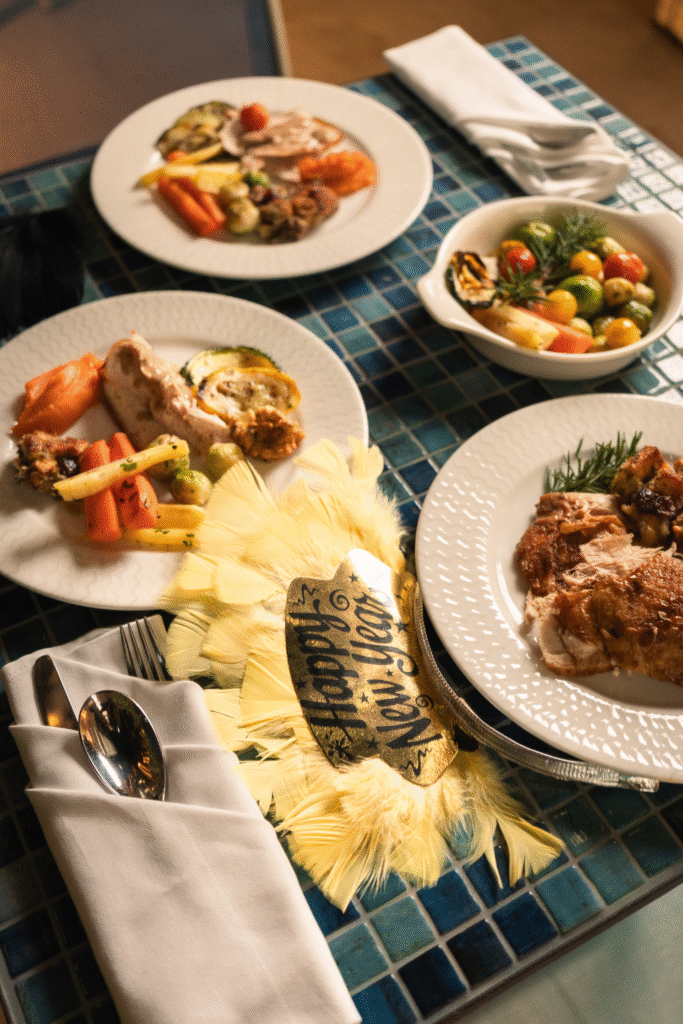
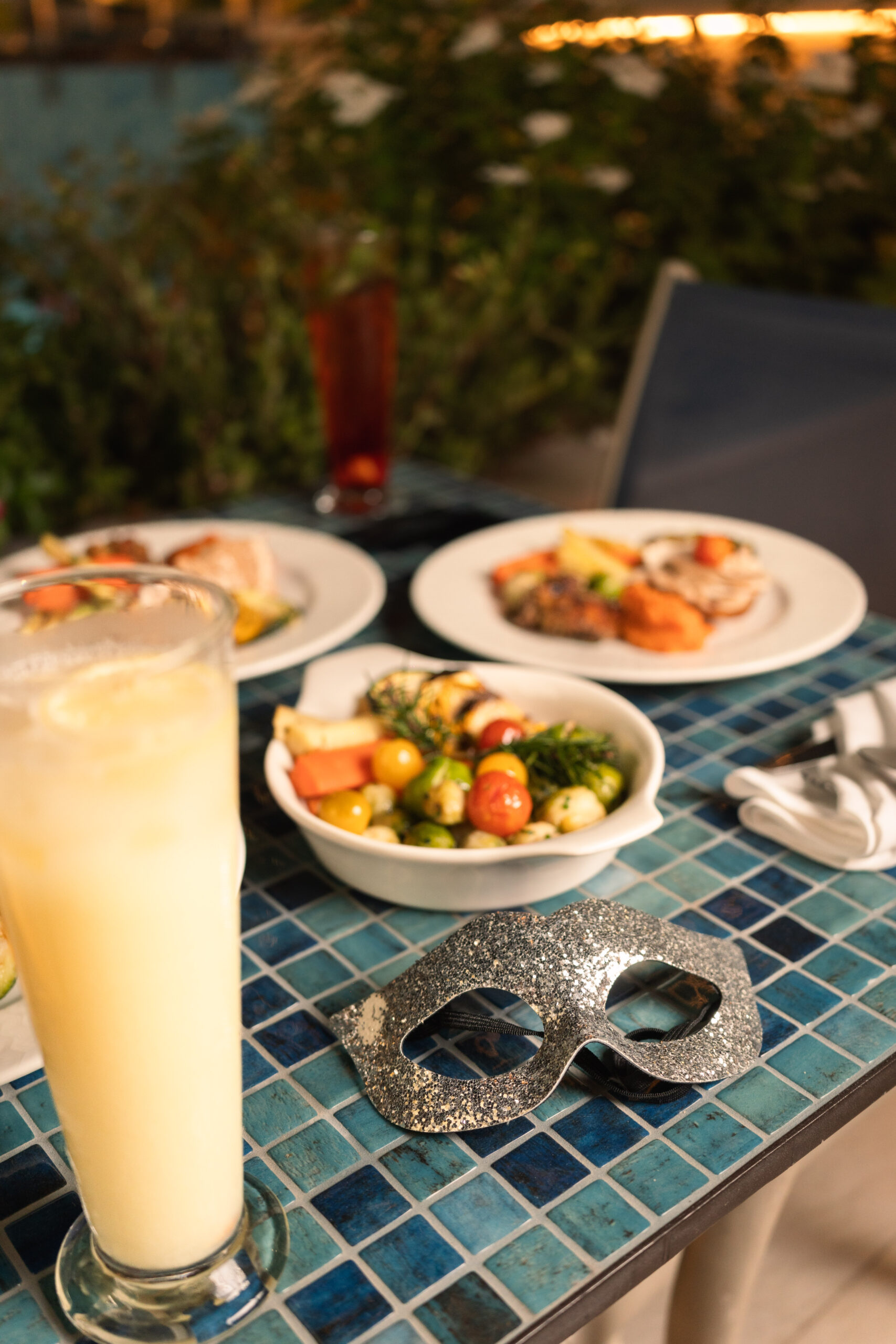
As Dubai prepares to welcome another year, The Oasis Terrace and Garden invites guests to celebrate New Year’s Eve with an evening of dining, music and spectacular city views. On Thursday, 31 December 2026, the venue will host a special countdown celebration, bringing together a premium buffet, live entertainment and a front-row view of the Burj Khalifa fireworks.
Running from 8:00pm until 1:00am, the evening promises a festive atmosphere as guests gather to enjoy a carefully curated selection of dishes before the midnight celebrations begin. The buffet will feature chef’s specials, fresh seafood and a grill action station, alongside a dessert corner and live station offering something for every taste. Non-alcoholic beverages will also be available throughout the evening.
As the night unfolds, a live DJ and entertainment will set the mood, building towards the midnight countdown and a celebratory toast to the arrival of 2027. With Burj-facing viewing areas and elevated seating by the pool, The Oasis offers a setting to take in the fireworks and enjoy the city’s New Year’s Eve atmosphere.
Guests can choose between two seating experiences. Standard seating is priced at AED 599 per person and offers a table-seating arrangement with limited or no direct views of the Burj Khalifa. For those looking for a more elevated experience, Premium seating is available at AED 999 per person, including reserved seating with direct views of the Burj Khalifa and a complimentary bottle of sparkling cider for the midnight toast. Premium tables are limited and subject to availability.
Families are welcome, with tickets for children aged seven to 12 priced at AED 299, while children under six can attend complimentary, regardless of seating category.
Whether celebrating with friends, family or loved ones, The Oasis offers an opportunity to see out 2026 with good food, music and the excitement of Dubai’s iconic New Year’s Eve fireworks.
- Event Details: Date: Thursday, 31 December 2026 | Time: 8 pm – 1 am | Venue: The Oasis Terrace and Garden | Standard seating: AED 599 per person | Premium seating: AED 999 per person, including reserved Burj Khalifa views and a complimentary bottle of sparkling cider | Children aged 7–12: AED 299 | Children under 6: Complimentary | Entertainment: Live DJ, midnight countdown and Burj Khalifa fireworks views
Reservations can be made via SevenRooms, WhatsApp or by contacting the hotel directly. Premium seating is limited and early booking is recommended.
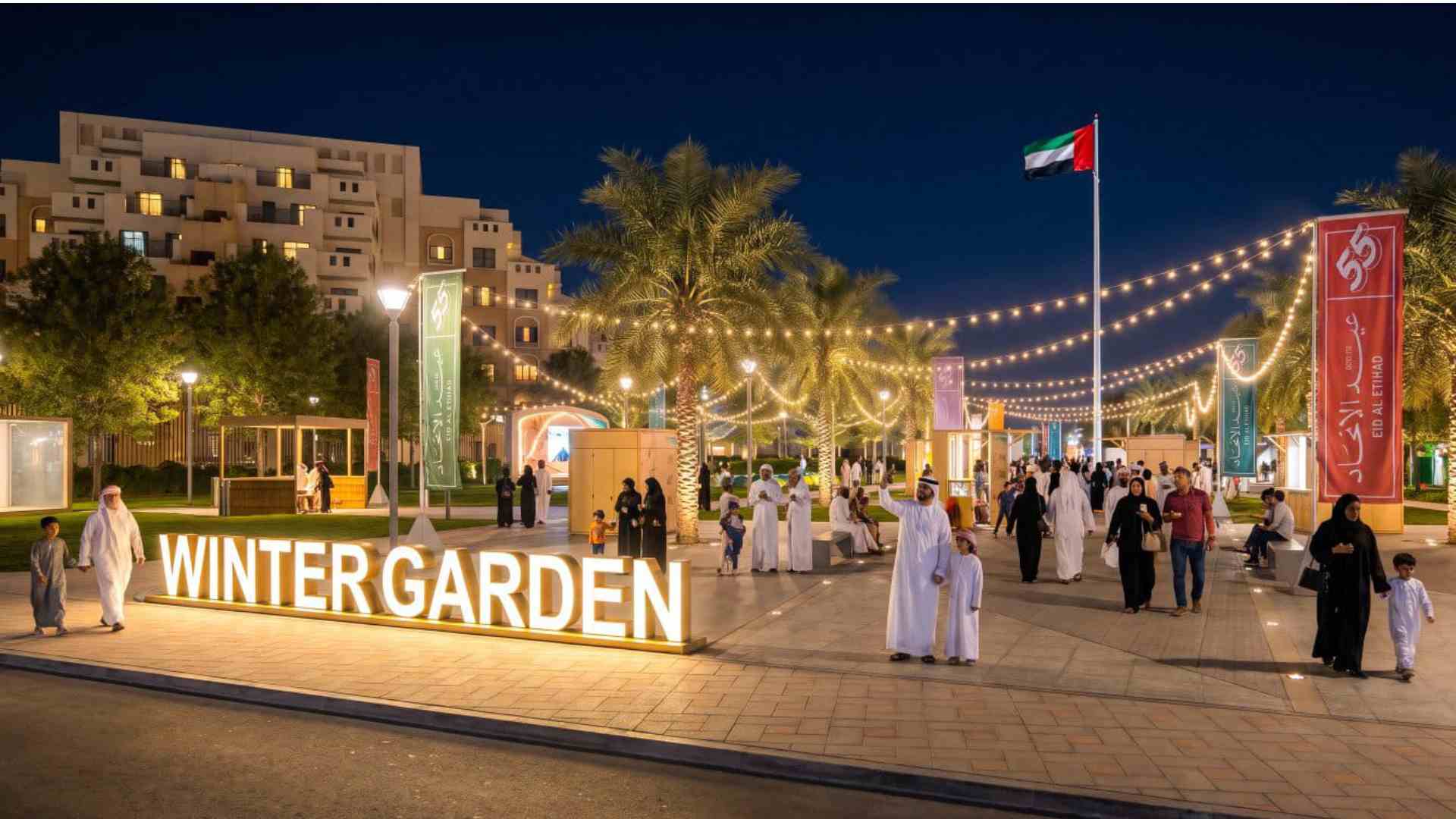
Al Marjan Island presents Winter Garden, a seasonal outdoor experience running from 26 November to 20 December 2026 at the entrance of Al Marjan Island, bringing residents and visitors together to enjoy the cooler months in Ras Al Khaimah.
Designed as a welcoming community destination, Winter Garden will create opportunities to gather, explore and discover seasonal experiences in the setting of Al Marjan Island. The concept draws on a mix of food and beverage, entertainment and family-friendly activities, with curated dining concepts, local retail kiosks, live cooking experiences and interactive activities for families.
The initiative coincides with the UAE’s Eid Al Etihad celebrations and reflects the spirit of community, shared experiences and local creativity throughout the winter season. The National Day activation will bring Emirati culture and heritage to life through traditional performances, interactive cultural workshops, family activities and opportunities to discover homegrown Emirati businesses
Winter Garden reflects Marjan Lifestyle’s emphasis on shaping distinct experiences that complement the Group’s wider Development and Hospitality activities and enrich Ras Al Khaimah’s evolving destination offering.
Event at a Glance
Where: Entrance of Al Marjan Island (Adjacent to Marjan HQ), Al Marjan Island, Ras Al Khaimah | When: Every weekend from26 November to 20 December 2026 | Timings: 4pm to 10pm | Highlights: F&B, local retail, family activities, live cooking, entertainment and more
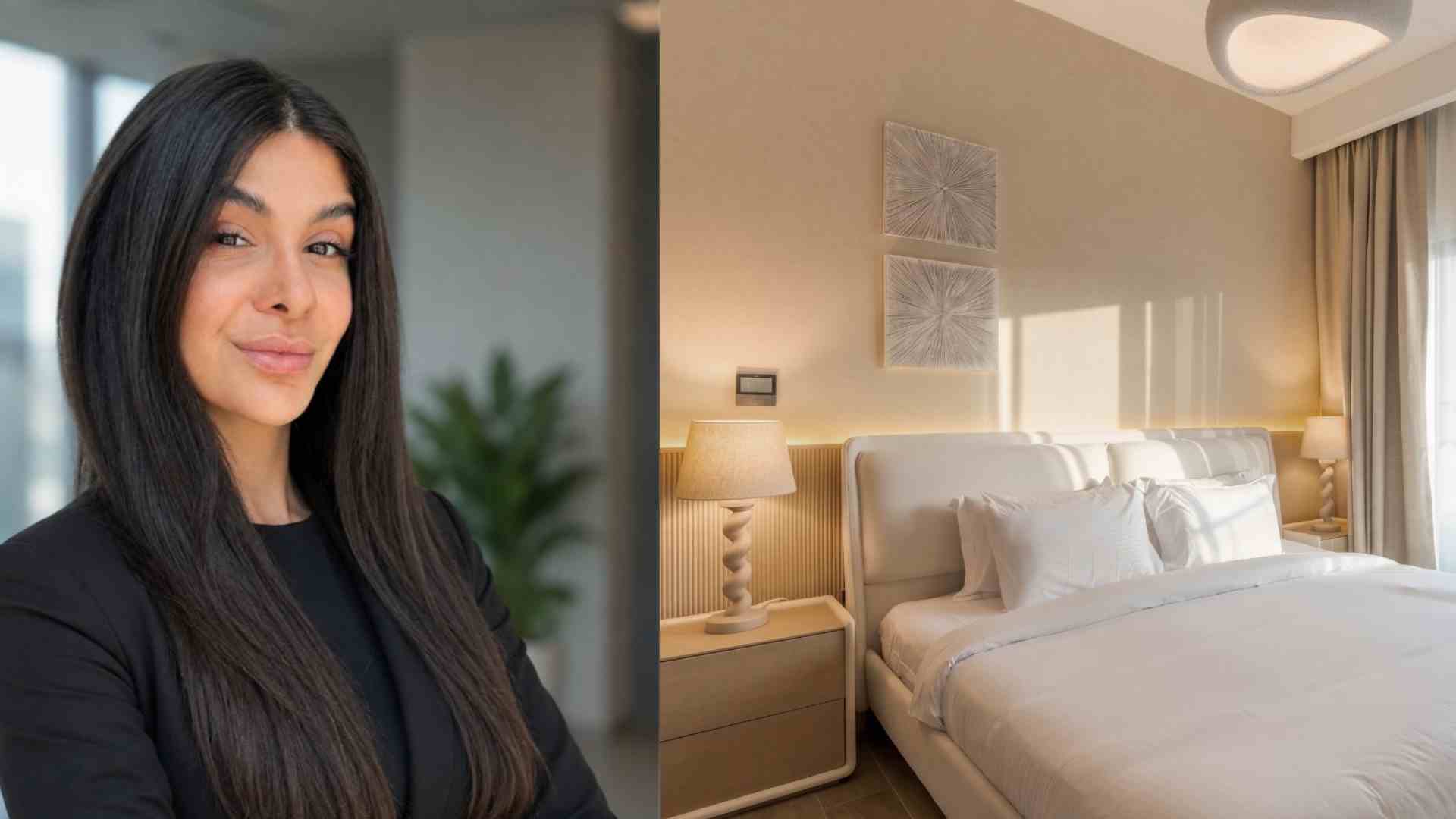
Exclsuive interview with Souad Ismail, Head of Interior Design Department of First Class Property Management
How important is the initial specification stage?
It is the stage where most of a project’s quality is decided. A specification is not just a list of products. It records how each space is meant to be used, how hard it will be worked and what it should feel like, and every later decision on cost, programme and procurement is measured against it. When it is detailed and realistic from the start, the contractor prices accurately and the client knows what they are getting. When it is vague, the gaps get filled on site, usually by whoever is under the most time pressure, and that is where quality and function are lost.
What should developers consider when selecting materials, furniture and finishes?
Start with how the space will actually be used. A hotel lobby or restaurant takes more wear in a month than a home does in years, so I look at performance first: abrasion and stain resistance, fire rating, slip resistance, how the material is cleaned, and how it will look after five years rather than on opening day. Then I look at lead times and local availability, because a beautiful finish that arrives late or cannot be replaced is a risk to the operator. Finally, guests experience materials through touch, sound and comfort as much as through sight. The seat they sit on and the door handle they hold deserve more of the budget than surfaces nobody touches.
How do lighting, fit-out and spatial planning influence the experience?
These three decide how a guest feels before they notice a single finish. Spatial planning sets the journey: the arrival, where you pause, how privacy and openness are balanced, and how staff move without crossing guests. Lighting sets the mood and has to change through the day, so layered, dimmable, warm light matters more than expensive fittings. The fit-out is what people see up close: the joinery junctions, the alignment, the way a door closes. Guests rarely describe these things, but they sense immediately when they are right, and residents live with them every day.
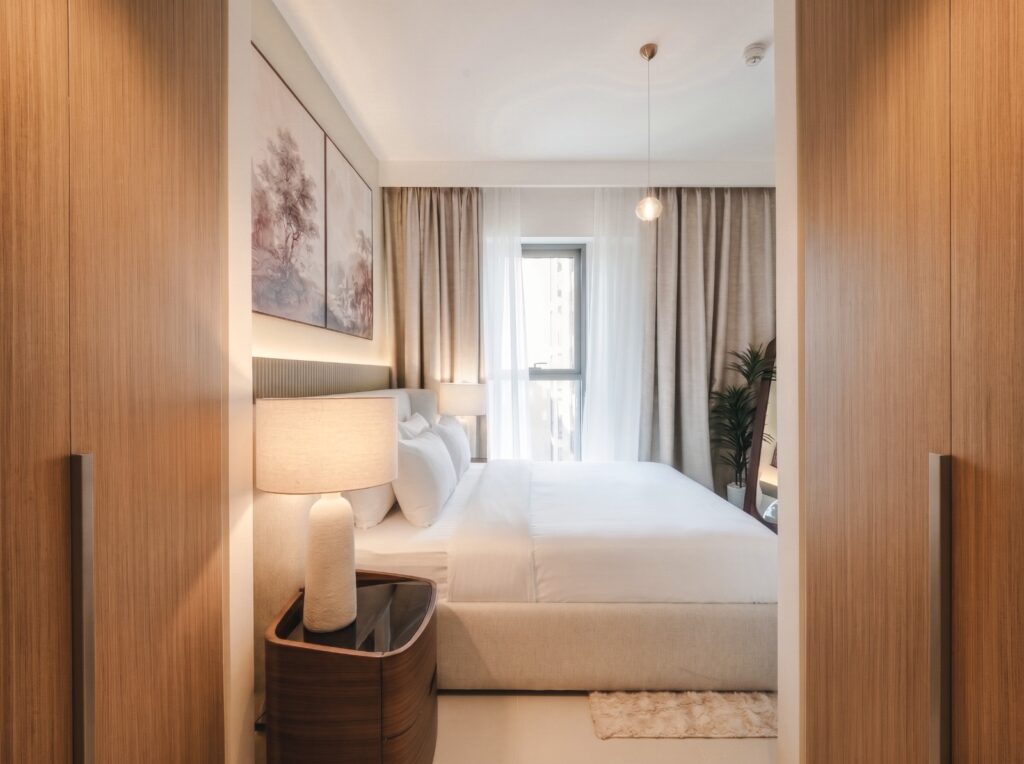
What are the common challenges in translating a design vision into the built environment?
The most common one is that a drawing shows intent while a site has real conditions. Services clash with ceiling designs, dimensions differ from the survey, and each trade reads the drawings through its own scope. Small substitutions that look harmless individually add up to a different space. What works for me is a single point of design responsibility from concept to handover, careful review of shop drawings, approved samples and mock-ups before anything is ordered in volume, and being on site regularly. Most problems are cheap to solve on paper and expensive to solve after installation.
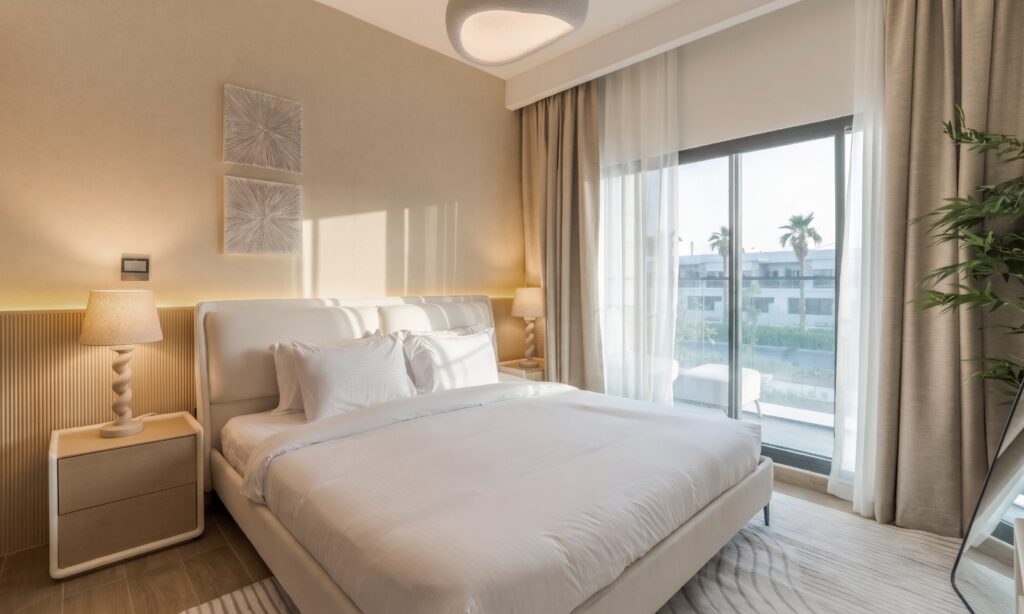
How can procurement decisions stay aligned with design intent, timelines and budgets?
Bring procurement into the conversation early instead of treating it as the step after design. That means confirming lead times for long-lead items at the design stage, ordering them first and building the programme around them. For every key item I define what is non-negotiable, whether that is the colour, the texture, the performance or the proportion, so that if an alternative is needed for cost or time, everyone knows what it must match. Any substitution should go back to the designer for approval against a physical sample. Value engineering works when it protects what the guest sees and touches and saves in the places they never will.
What distinguishes a well-executed hospitality-led development from one that simply meets its specifications?
A project can tick every item on the specification and still feel flat. The difference is in the things a schedule cannot fully capture: how the lighting is commissioned and set at night, how materials meet at the junctions, the acoustics, the scent, and how smoothly the space works for the people operating it. A well-executed development feels like one idea carried through by everyone involved, and it still looks and works that way years after opening. For me the test is simple. Guests should not notice the specification at all. They should just want to stay longer and come back.
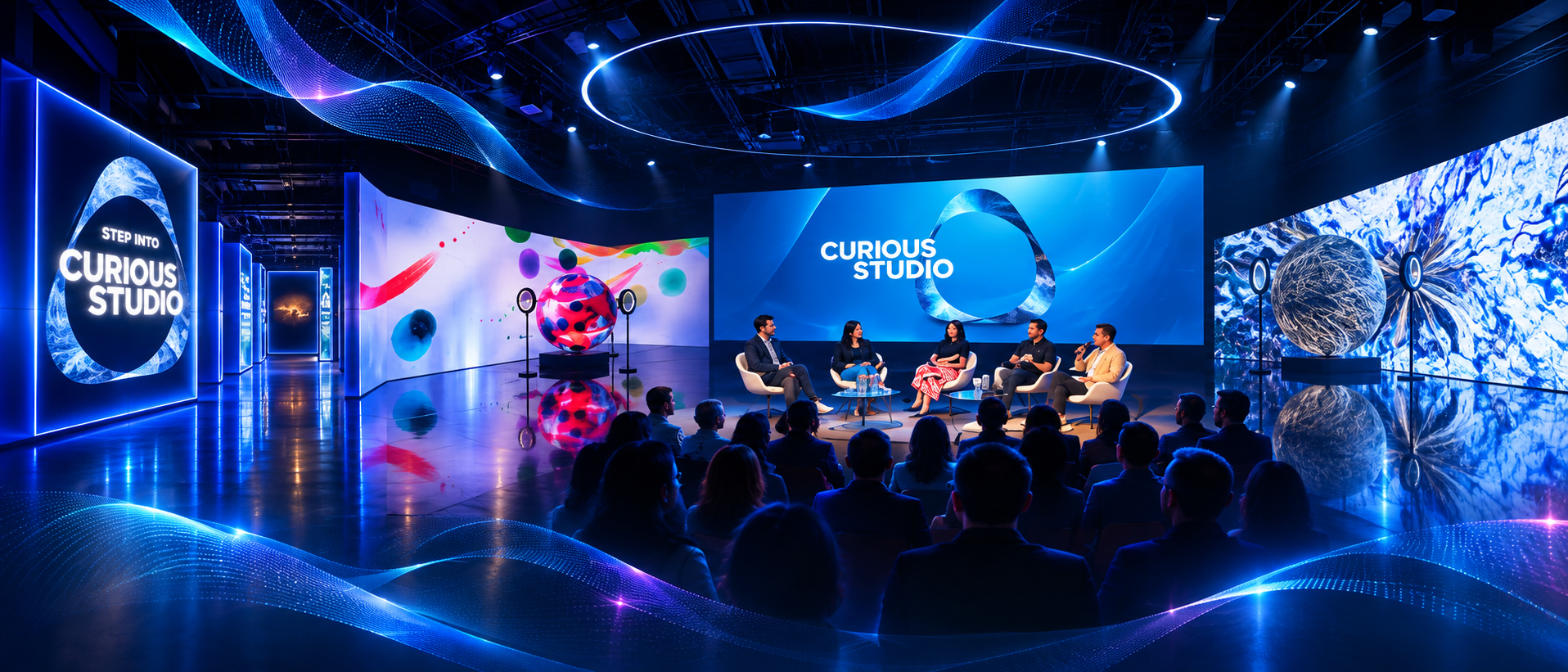
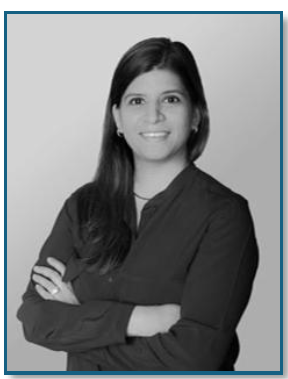
Richa Rustagi, Managing Director, Lower Gulf & Iraq at Philip Morris International, discusses how the company’s business model is evolving, the role of consumer experience and design, and what 16 years inside PMI have taught her about transformation.
PMI has been going through a significant transformation. Beyond individual product launches, what is changing in the business as a whole?
It has taken time. This is a very disruptive move for a company with such a long history, and we started this journey several years ago.
What we are seeing now is real momentum. We have different products available, launches across regulated markets, and increasingly we are seeing demand from adult smokers. People know about these products, they are curious about them, and many are looking to make a change.
So, for lack of a better word, the momentum is very strong and is working in our favour. But it has taken time. It is not easy for a company like PMI to make such a significant leap and transform the business in this way.
You mentioned during the panel that consumers in the UAE expect the best. What does innovation look like when it comes to building a smoke-free portfolio?
I would not necessarily say one product is better than another because different adult smokers have different needs.
For example, we have heated tobacco products such as IQOS. We also have other propositions designed for consumers who may be looking for something different at various stages of their transition.
We also have products in the vaping category in a number of markets, and we have introduced ZYN, our nicotine pouch brand, in the UAE.
Different people have different conversion journeys. There is no single product that works best for everyone. Consumers choose products for different moments and different needs.
For us, the important point is providing alternatives to traditional cigarettes for adult smokers who would otherwise continue smoking.
Why are design and immersive experiences becoming such an important part of the way you engage with consumers? What was the thinking behind CURIOUS STUDIO?
It would be easy to say that an adult smoker has decided to switch to IQOS, so why would we need to make all these additional investments around the experience?
But what we hear from many IQOS users is that switching can represent an important milestone for them. They want to interact with the brand beyond simply purchasing a product.
We see this at our boutique in Dubai Mall as well. Many people return regularly and engage with us.
This is not unique to the UAE. Around the world, we have seen a community develop around the brand. Like many strong consumer brands, it begins to evolve into a platform of its own.
We also want to demonstrate that IQOS is not simply a product being sold here. We are part of the local community and intend to remain part of it.
That is also why we wanted to work with artists from the region and provide them with a platform. It becomes a symbiotic relationship between the brand, creativity and the local community.
You have now spent around 16 years with PMI. What has changed most during that period — both for the company and for you personally?
I will start with the company because that is the easiest answer: the company has completely transformed.
Sixteen years ago, none of the products we are discussing today existed commercially. Many were still at the research and development stage.
It has been a huge transformation and a major pivot for a company of this scale. I believe one day it could become a genuine case study in how a company disrupts its own traditional business.
Professionally, the way we operate is also completely different.
We engage with consumers differently. We are much more digital. We have websites, e-commerce, CRM platforms and completely different routes to market compared with the traditional model.
There are also many services and experiences that come with using these devices, which means the relationship with the consumer is very different.
So professionally, the business I work in today is almost unrecognisable compared with the company I joined.
Personally, I have grown with the company as well. Today, I am a Managing Director with P&L responsibility. When I joined, I was at a very different stage of my career and still trying to find my way.
PMI has invested heavily in my development, and over time it becomes a kind of family.
I never imagined I would spend such a large part of my career with one company, but PMI has also given me the opportunity to build an international career.
I started in Switzerland, moved to Dubai, had two further assignments back in Switzerland, and then returned to the region.
That kind of international experience is quite common within PMI. You see many executives who have worked across different markets and built very different perspectives along the way.

Welcome 2027 with a Night of Fireworks, Dining and Entertainment at The Oasis

ApexBrasil returns as Country Partner, joined by Canada’s inaugural country pavilion and pioneering companies from the United States and Suriname

National pavilions and emerging founders unite in Dubai to leverage new opportunities for international investment, collaboration and commercial growth

OPPO A6 Pro 5G Review: Reliable Daily Driver

Denodo Bolsters Executive Team by Hiring Christophe Culine as its Chief Revenue Officer

Microsoft Launches New Surface Copilot+ PCs for Business

2026 in Review: Is AI Becoming More of a Management Problem Than a Technology Problem?

Inside XPENG Brand Night: AI Mobility Lands Centre Stage in Dubai

Chinese Cars Are Reshaping the GCC Market, but Resale Value Could Be the Next Battleground

-
 Trending1 year ago
OPPO A6 Pro 5G Review: Reliable Daily Driver
-
 Tech News2 years ago
Denodo Bolsters Executive Team by Hiring Christophe Culine as its Chief Revenue Officer
-
VAR2 years ago
Microsoft Launches New Surface Copilot+ PCs for Business
-

 Automotive2 years ago
AGMC Launches the RIDDARA RD6 High Performance Fully Electric 4×4 Pickup
-
 VAR12 months ago
Huawei Nova 14 Pro Review: Where Camera Excellence Meets Ecosystem Evolution
-
Tech Interviews3 years ago
Navigating the Cybersecurity Landscape in Hybrid Work Environments
-

 Hospitality2 years ago
Gulfood 2025 30th Edition Kicks Off Today, Setting New Benchmarks in F&B Growth and Innovation
-
News4 years ago
BenQ ZOWIE : First TN 360Hz DyAc+ Gaming Monitor