
 Have a question? +971 56 404 0503




Uncategorized
How Resorts Are Balancing Business and Leisure Travellers

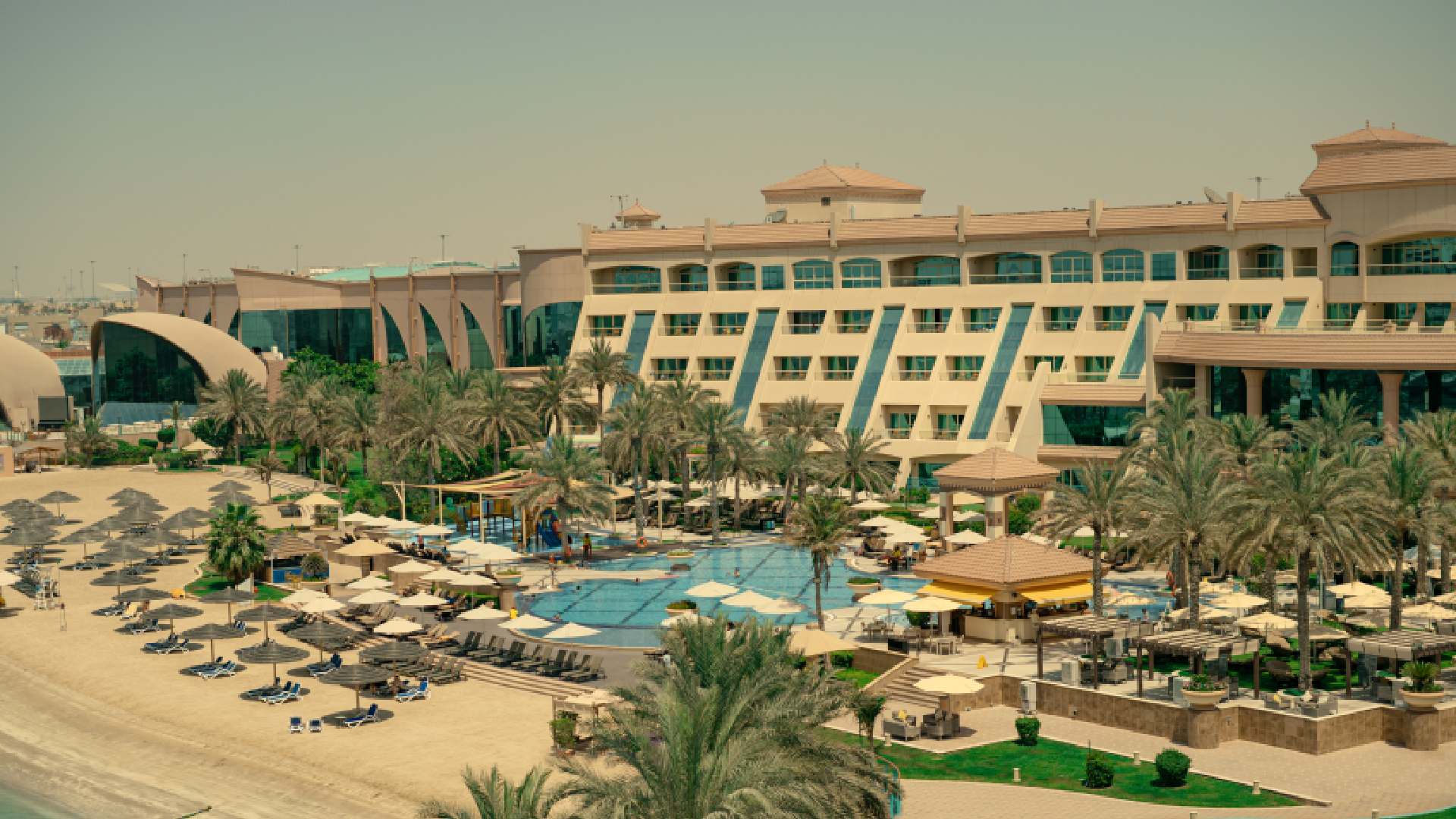
Attributed to Ahmed Abdraboh, Director of Sales & Marketing at Al Raha Beach Resort & Spa
In the highly competitive hospitality sector, resorts are facing the growing challenge of serving two distinct, yet frequently overlapping, types of guests: business and leisure travellers. The rise of the “bleisure” traveller; a blend of business and leisure; highlights a wider trend in today’s travel landscape. These travellers merge work obligations with their desire for relaxation and adventure, compelling resorts to adjust their offerings to meet the needs of both demographics. Striking this balance can be complex, but the benefits of effectively catering to both segments can be substantial.
Understanding the Unique Needs
Before delving into strategies, it’s crucial to recognize the differing needs of business and leisure travellers. Business travellers often seek efficiency, connectivity, and amenities that facilitate work. High-speed internet, dedicated meeting spaces, and convenient location are paramount. They value streamlined services, express check-ins, and an atmosphere conducive to productivity.
On the other hand, leisure travellers prioritize relaxation, exploration, and experiences. They are looking for leisure activities, spa services, fine dining, and cultural experiences that allow them to unwind and immerse themselves in the local environment. The challenge for resorts lies in creating an environment that simultaneously serves the quick paced demands of the business traveller while providing the dreamlike experiences that leisure travellers seek.
Designing Dual-Purpose Spaces
Resorts are increasingly designing their spaces to accommodate both types of travellers. Flexible meeting spaces that can be easily converted into event venues during weekends or evenings are a great example of this dual-purpose approach. By utilizing movable partitions and adaptable furniture, resorts can create environments that can host a corporate seminar one day and an intimate wedding or social gathering the next.
Besides, resorts can incorporate leisure and relaxation features into areas that business travellers frequent. For example, comfortable lounges equipped with charging stations for devices allow guests to work while enjoying the ambiance. Poolside cabanas that double as meeting points or casual brainstorming areas cater to those who need a break from the traditional boardroom setting. Integrating these elements can enhance the guest experience for both business and leisure travellers.
Enhancing Connectivity
Strong and reliable connectivity is a must-have for business travellers, but leisure guests also benefit from staying connected. Offering robust Wi-Fi throughout the resort is essential. Beyond connectivity, resorts can create work-friendly environments, such as business centres equipped with printers and meeting rooms, where guests can hold casual meetings or work off-site without compromising on comfort.
Additionally, the rise of remote work has blurred the lines between personal and professional life. As a response, resorts are finding ways to make remote work more enjoyable by providing inspiring locations, private workspaces, and even outdoor areas that combine work with leisure. Setting up dedicated “workcation” packages that include accommodations with office amenities lets resorts cater to guests seeking to blend productivity with relaxation without boundaries.
Curating Unique Experiences
For leisure travellers, resorts have traditionally focused on creating unforgettable experiences. Nowadays, these experiences matter to business travellers as well. With “bleisure” travel on the rise, their desire for unique, local activities can significantly enhance their stay. Resorts can curate experiences that appeal to both demographics, such as offering guided tours of local attractions, cooking classes with local chefs, or wellness retreats.
In addition to traditional leisure activities, resorts can design workshops and networking events that facilitate connections among business travellers. By organizing guest speaker sessions, skill building workshops, and panel discussions, resorts can nurture an environment where business professionals can network and learn while on holiday.
Wellness and Relaxation
Both business and leisure travellers share an increasingly common interest in wellness and self-care. For business professionals, long hours of traveling can lead to stress and fatigue. Therefore, wellness facilities; such as spas, fitness centres, and meditation rooms; become attractive perks for this segment. By promoting relaxation and holistic well-being, resorts can cater to business travellers who want to rejuvenate during their stay.
Implementing wellness programs that combine fitness classes, mindfulness retreats, and spa treatments allows resorts to appeal to guests looking for self-care options. Additionally, some resorts are developing wellness retreats specifically aimed at the corporate sector, offering programs that promote teamwork, creativity, and mindfulness training often directly aligned with business goals.
Tailoring Packages and Promotions
Another effective strategy for resorts is to develop tailored packages that target specific groups within the business and leisure traveller spectrum. For example, offering promotions such as weekend corporate retreats, where businesses can host strategy sessions while their employees enjoy leisure opportunities, effectively blends both worlds. Creating promotional deals that include meeting space for companies alongside discounts for leisure activities can greatly enhance the appeal for business travellers looking to unwind after hours.
For leisure travellers, resorts can offer exclusive weekend packages that provide special bonuses for their business counterparts, turning a business trip into an inviting long weekend for the whole family. Childcare services, family friendly activities, and adult only zones create an atmosphere where everyone can enjoy their vacation, regardless of the reason for their stay.
The Role of Technology
In the digital age, leveraging technology is instrumental in balancing the needs of business and leisure travellers. From mobile apps that allow for easy check-in and room service to smart room controls that enhance the guest experience, technology can streamline processes, making them more efficient for business travellers. Meanwhile, technology also allows for leisure focused experiences, such as custom virtual tours or interactive activities that engage guests.
Moreover, resorts can utilize data and analytics to better understand and segment their guests. By analysing preferences, resorts can tailor their offerings and services to meet the expectations of both business and leisure travellers, ensuring no one feels overlooked.
Resorts are navigating the delicate balance between business and leisure travellers in an ever evolving landscape. By understanding the unique needs of each segment and adapting their offerings creatively, resorts can successfully cater to both groups. With strategic planning, innovative space design, and a focus on creating meaningful experiences, resorts not only enhance profitability but also enrich the overall guest experience.
The market for dual purpose travel continues to grow, presenting exciting possibilities for resorts willing to embrace change. As business and leisure become increasingly intertwined, the path ahead is one of collaboration, innovation, and a shared commitment to exceptional hospitality that meets the needs of all travellers.
Who says your morning workout has to come with four walls? Level 43 Sky Lounge is teaming up with CRANK to bring an exhilarating rooftop cycling experience to Dubai, inviting fitness enthusiasts to start their day with an energising ride high above the city.
Taking place on the Level 43 helipad, A Morning Above the City combines the thrill of an outdoor cycling session with spectacular views of Dubai’s skyline as the city comes to life. Guests can choose from two morning sessions before enjoying a well-deserved breakfast at Level 43 Sky Lounge. With just four classes across two days and limited spaces available, this is one morning workout worth setting an early alarm for.
Details:
- Event: A Morning Above the City – Rooftop Cycling with CRANK | When: 31 October and 1 November 2026, 7:00 AM and 8:00 AM | Price: AED 200 per guest, including breakfast at Level 43 Sky Lounge | Highlights: Rooftop cycling on the Level 43 helipad, panoramic Dubai skyline views and post-workout breakfast | Availability: Four classes across two days, limited spaces | Location: Level 43 Sky Lounge, Four Points by Sheraton Sheikh Zayed Road | Reservations: Advance booking required via the event booking link
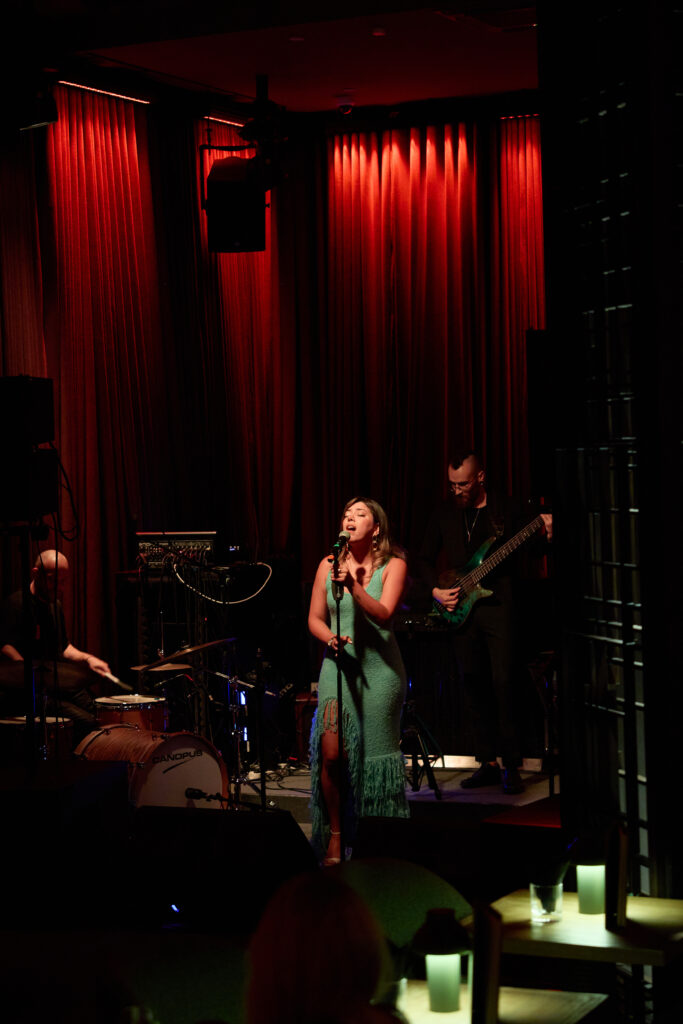
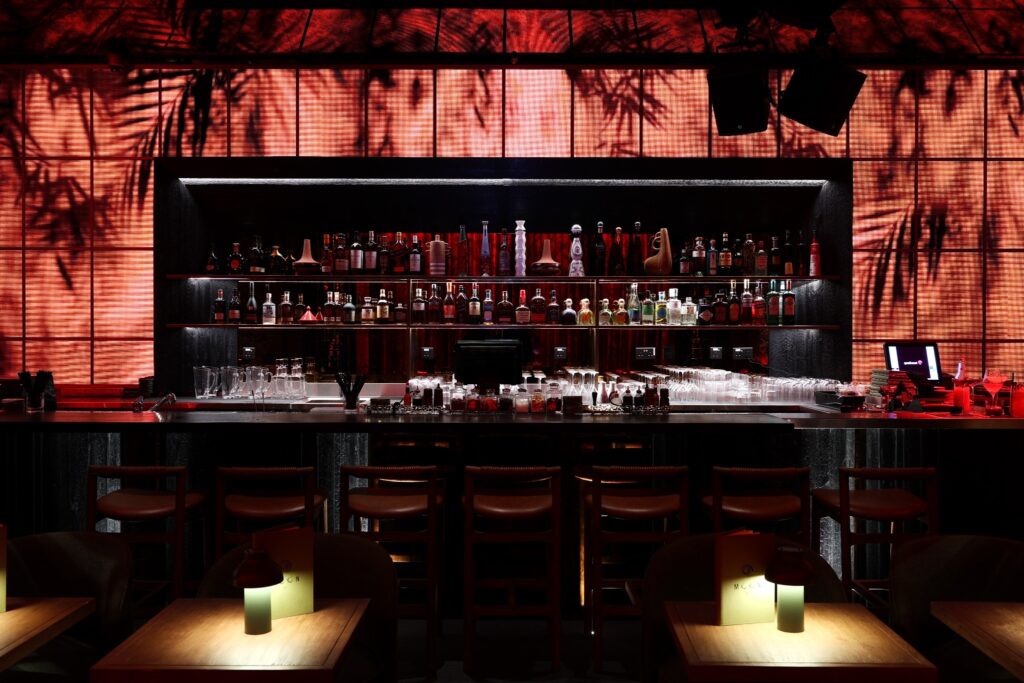
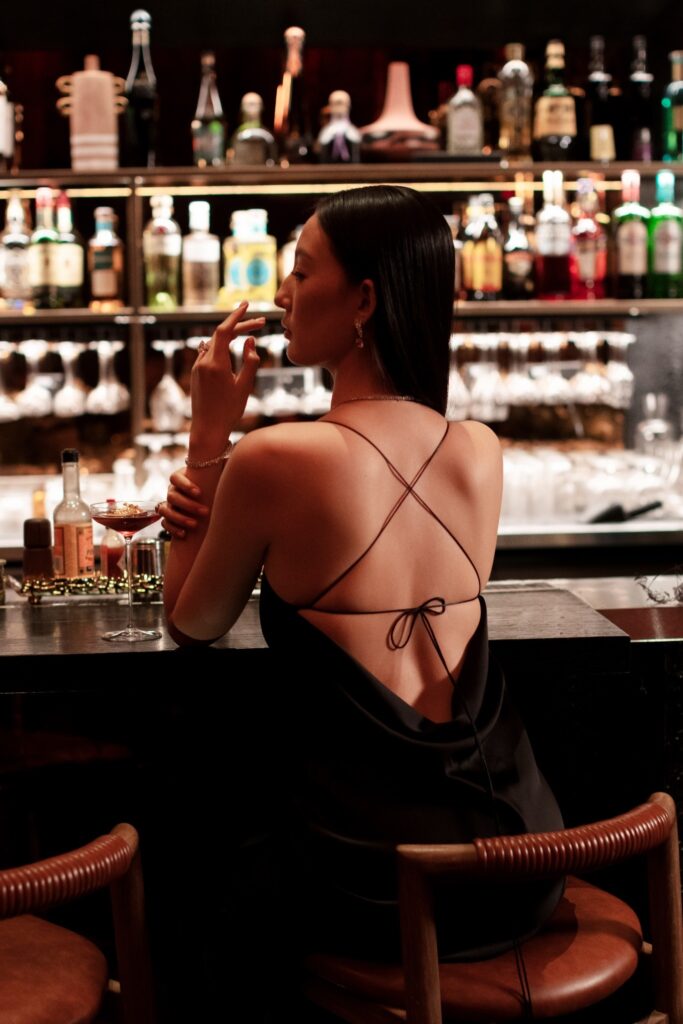
This Halloween, MOON Bar at SANA Restaurant invites Dubai’s night owls to step into the shadows for ECLIPSE AT MOON, an immersive evening of karaoke, themed cocktails, dance entertainment and a DJ afterparty on Saturday, 31 October.
Set within the intimate speakeasy at Jumeirah Mina Al Salam, Madinat Jumeirah, the event promises a playful take on Halloween nightlife, bringing together music, friendly competition and a dramatic eclipse-inspired setting.
The evening begins at 9:00 PM with open karaoke, inviting guests to take the microphone and perform their favourite tracks, from Halloween classics such as Michael Jackson’s Thriller to crowd-pleasers including Disturbia and Toxic. Those who prefer to share the spotlight can join the Scary Duet round, while competitions for Best Costume, Best Karaoke Performance and Best Duet add a competitive edge to the night. A secret guest appearance during karaoke will offer an additional surprise.
Special dance performances will build the energy throughout the evening before the focus shifts to the dance floor at 11:00 PM, when the DJ afterparty begins. The celebration continues until 2:00 AM, accompanied by atmospheric lighting and eclipse-inspired visuals.
The venue will be transformed with silver eclipse details, dark florals and moody lighting, creating a sophisticated Halloween setting. Costumes are encouraged but not compulsory. Guests looking for a subtler approach to the theme can opt for black, silver, charcoal grey, midnight blue or deep burgundy.
Food and drinks remain part of the experience, with SANA’s à la carte menu available at MOON throughout the evening, alongside specially created Halloween cocktails.
Whether guests are ready to take the stage, compete for the best costume or simply settle in for dinner, cocktails and late-night music, ECLIPSE AT MOON offers a Halloween night out with a distinctive speakeasy atmosphere.
This October, Acacia Lounge at Al Habtoor Grand Resort, Autograph Collection invites guests to enjoy a simple yet indulgent pairing of expertly brewed coffee and a delicate pink macaron.
Bathed in natural light and offering a relaxed setting, Acacia Lounge provides the perfect spot to pause and unwind over a freshly prepared coffee, accompanied by a petite pink macaron.
Available daily throughout October, the experience is priced at AED 38 per person. Date & time: Daily – throughout the month of October | 7:30am – 10:30pm | Price: AED 38 per person | Place: Acacia Lounge, Al Habtoor Grand Resort, Autograph Collection


Submer to Address the Infrastructure Challenges Behind Sovereign AI at DCD Connect | MENA 2026
Terrace Dining, Oktoberfest, and Beach Days Return to InterContinental Abu Dhabi This October

THE STORIES BEHIND THE MATERIALS SHAPING UAE INTERIORS



-

 Trending12 months ago
OPPO A6 Pro 5G Review: Reliable Daily Driver
-

 Tech News2 years ago
Denodo Bolsters Executive Team by Hiring Christophe Culine as its Chief Revenue Officer
-
 VAR2 years ago
Microsoft Launches New Surface Copilot+ PCs for Business
-

 Automotive2 years ago
AGMC Launches the RIDDARA RD6 High Performance Fully Electric 4×4 Pickup
-
Tech Interviews3 years ago
Navigating the Cybersecurity Landscape in Hybrid Work Environments
-

 Hospitality2 years ago
Gulfood 2025 30th Edition Kicks Off Today, Setting New Benchmarks in F&B Growth and Innovation
-
 VAR11 months ago
Huawei Nova 14 Pro Review: Where Camera Excellence Meets Ecosystem Evolution
-

 Tech News1 year ago
Nothing Launches flagship Nothing Phone (3) and Headphone (1) in theme with the Iconic Museum of the Future in Dubai