
 Have a question? +971 56 404 0503




Tech News
ACCELERATING AI ADOPTION IN HEARING HEALTH CRITICAL TO SUPPORTING PATIENTS WITH HEARING LOSS IN UAE

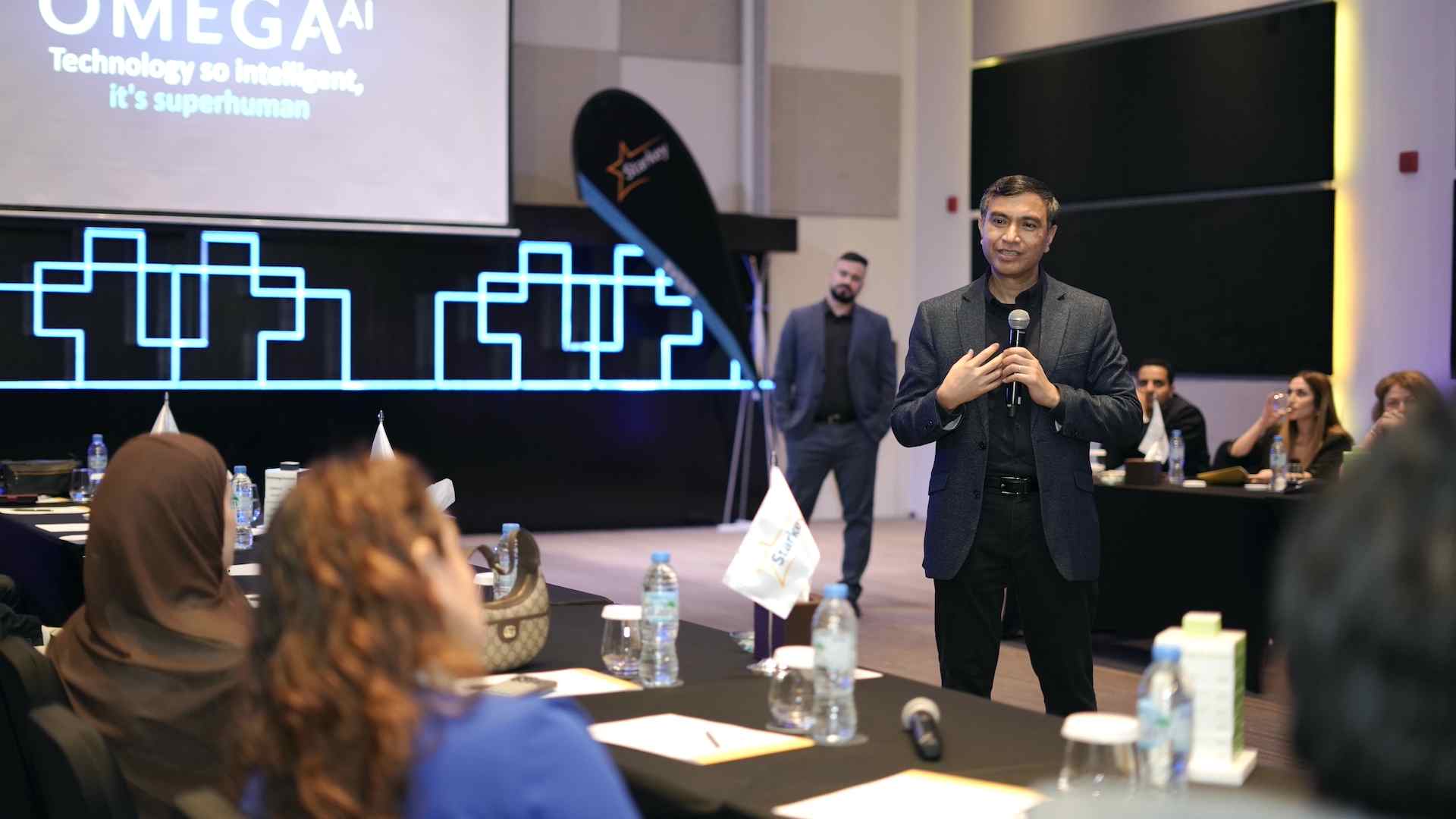
Drawing on feedback from patients across the globe, Starkey highlighted that accelerating AI adoption in hearing health is already transforming daily life for people with hearing challenges, improving how they hear, connect and participate with greater confidence. Starkey addressed UAE’s leading audiologists, clinic owners and industry stakeholders from across the Middle East and Africa, led by Dr. Achin Bhowmik, Chief Technology Officer and Executive Vice President of Engineering.
The session focused on Starkey’s blueprint for AI-led hearing performance for patients in UAE and wider Middle East region, anchored by Omega AI, and detailed how the platform is advancing real-world speech clarity in challenging noisy environments, listening comfort and spatial awareness today, while setting the architecture for next-generation sound processing.
“At Starkey, sound quality is always, and will remain, job number one. Hearing is essential for how people connect, work, and participate in everyday life. When people delay action, outcomes suffer and quality of life and cognitive ability can decline unnecessarily,” said Dr. Achin Bhowmik, Chief Technology Officer and Executive Vice President of Engineering, Starkey. “Omega AI is built to bring people closer to natural hearing in real environments, using an industry-first 360-degree deep neural network processing and generative AI designed to dynamically adapt as listening conditions change and assist the patient in all environments. Hearing aids are high tech multifunction devices. The next step is accelerating adoption, so these capabilities reach more patients in the UAE who can benefit from them.”
During the session, Starkey highlighted how Omega AI advances the shift from conventional amplification toward intelligent hearing systems designed for clarity, comfort and usability. Omega AI includes new connectivity features including Auracast assistant and Google Fast Pair, fall detection and a special AI assistant. Starkey is setting the new standards for the industry.
The briefing took place against a backdrop of hearing loss emerging as a major global health and societal challenge. The World Health Organization projects that by 2050, nearly 2.5 billion people will have some degree of hearing loss, with more than 700 million expected to require hearing rehabilitation. The WHO also estimates the annual global cost of unaddressed hearing loss at almost US$ 1 trillion, reinforcing why prevention, early checks, and access to care matter.
The roadmap also emphasized connectivity and ecosystem design, including features intended to reduce friction for wearers, support faster fitting and follow-up, and enable a smoother clinical experience for hearing care professionals.
“Audiologists and clinic leaders in the Middle East, Africa and Turkey can rest assured that the new OMEGA AI platform will give them confidence and speed in treating their patients,” said Giscard Bechara, Director, Starkey MEA. “This briefing was designed to align the professionals on a larger point – hearing care is the need of the hour. Starkey has the technology today to service our patients better than any time before and we will waste no effort to educate and bring it here to our patients in the UAE and the Middle East.”
Starkey Middle East and Africa will continue engaging hearing care professionals and partners through professional education, technology briefings and clinical enablement initiatives, supporting evidence-based hearing care practices and helping translate the latest hearing innovation into improved patient outcomes.
Tech News
NetApp to Showcase AI-Ready Data Infrastructure as CEO George Kurian Takes the Stage at Ai Everything Abu Dhabi 2026

NetApp® (NASDAQ: NTAP), the Intelligent Data Infrastructure company, will exhibit at Ai Everything Abu Dhabi 2026, taking place on October 6 and 7 at ADNEC Centre in Abu Dhabi. The event will also feature George Kurian, Chief Executive Officer of NetApp, who will take part in a fireside chat on the Summit Stage titled, “Can AI Be Trusted? The New Architecture of Sovereign, Secure and Safe AI.” As AI moves from generating answers to taking action across the enterprise, Kurian will explore why trust must extend beyond the model to the data, infrastructure and systems AI can access, as well as the growing importance of security, data sovereignty and governance.
At the centre of NetApp’s presence will be the NetApp Platform, designed to provide enterprises an intelligent, connected, governed foundation that delivers zero-copy access to their data. Customers can quickly and confidently access, manage, and activate their data and be confident it is AI-ready and secure so they can take on the most demanding tasks and solve the most complex problems. In addition to being available on-premises, the NetApp Platform is natively embedded in the world’s largest public clouds. As organizations move AI initiatives from experimentation into production, having data that is accessible, governed and protected becomes increasingly important to scaling AI securely and efficiently.
“Abu Dhabi’s ambition to become an AI-native government reflects a broader shift we are seeing across the Middle East, where AI is rapidly moving from experimentation to large-scale deployment. But scaling AI is ultimately a data challenge. Organizations need trusted, secure and accessible data wherever it resides. The NetApp Platform provides the foundation customers need to build Intelligent Data Infrastructure that enables them to move from AI ambition to real business outcomes, securely and at scale.” said Suhail Hasanain, Senior Director and General Manager, MEA at NetApp
During the two-day event, NetApp’s regional and global experts will engage with industry leaders, partners and customers on building AI-ready infrastructure and addressing the data and infrastructure challenges that can prevent AI projects from progressing into production.
Visitors will have an opportunity to hear the latest developments from NetApp INSIGHT 2026 in Las Vegas, one of the company’s key events focused on tackling today’s biggest AI and technology challenges with intelligent data infrastructure.
Tech News
Optro Establishes UAE Hub to Support Rapid Transition to Agentic GRC Across the Middle East
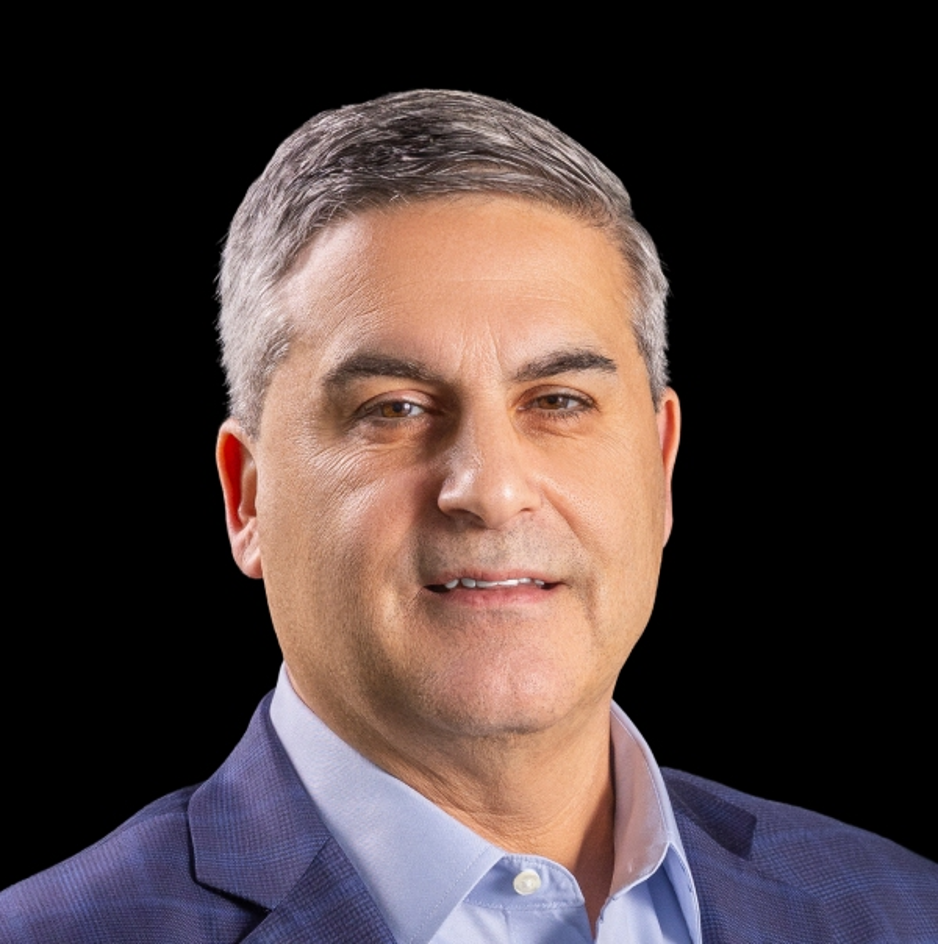
Optro, the leading AI-powered GRC Intelligence Platform, today announced its expansion into the United Arab Emirates (UAE), establishing Dubai as the company’s newest regional center. The move represents a major step forward in serving global GRC teams and providing localized support for its rapidly growing customer base across the Middle East and North Africa (MENA) region. The announcement was made at the 2026 CAE Conference in Abu Dhabi, United Arab Emirates.
The expansion comes at a historic inflection point for technology governance in the region. Under the “UAE Government 4.0” directive of the UAE National Strategy for Artificial Intelligence 2031, federal institutions are tasked with converting 50 percent of government sectors, services, and operations to autonomous Agentic AI models within a two-year timeline. As non-human agents gain authority to execute workflows, invoke APIs, and issue binding administrative decisions, enterprise and public-sector audit, risk, compliance, and infosec teams are facing unprecedented operational, cybersecurity, and regulatory complexities.
With strict regulatory frameworks taking shape, including Central Bank of the UAE (CBUAE) AI & ML Guidance, the UAE National AI Policy & Ethics guidelines, the Federal Personal Data Protection Law (PDPL), and Cybersecurity Council/NESA standards, demand is surging for connected, real-time approaches to audit, risk management, data sovereignty, and non-human access control. Optro is built specifically for this paradigm shift. By deploying agentic AI tailored to regional frameworks, Optro gives local practitioners an unmatched ability to execute continuous risk assessments, manage non-human access identities, and automate live compliance mapping against evolving UAE regulations.
“Enterprises and public sector organizations across the Middle East are setting a global benchmark for autonomous innovation,” said Raul Villar Jr., Chief Executive Officer at Optro. “However, deploying agentic AI at scale requires a corresponding evolution in control and assurance. By establishing our regional hub in the UAE, we are delivering the localized presence, partner network, and agentic GRC tools required to help organizations govern autonomous operations, protect data sovereignty, and turn regulatory compliance into a competitive advantage.”
“Internal Audit and GRC functions are playing an increasingly strategic role in helping organizations strengthen resilience, enhance governance, and respond to emerging risks,” said Fady Nader, EY MENA Risk Consulting Partner. “As organizations continue to embrace digital transformation and AI-enabled ways of working, there is a growing need for integrated assurance and timely risk insights. We are pleased to collaborate with Optro in supporting organizations across the region as they evolve their governance, risk and assurance capabilities and adapt to an increasingly dynamic business environment.”
“Our alliance with Optro reflects Deloitte’s commitment to helping clients modernize their control environments,” said James Smith, Controls Assurance Leader at Deloitte Middle East. “Optro’s investment in regional data hosting is another important step and demonstrates their long-term commitment to the region and we are proud to partner with them.”
Optro’s expansion into the UAE follows the company’s recent launch of its Asia-Pacific (APAC) regional hub in Singapore, announced at The Institute of Internal Auditors (IIA) International Conference in June. Earlier this year, Optro also acquired Midship — the premier AI-native autonomous controls testing solution — delivering highly governed, enterprise-grade AI agents to Optro’s customers and prospects, enabling Optro to rapidly scale across global innovation centers, helping risk, compliance, and audit teams modernize operations and navigate complex regulatory environments in real time.
Tech News
HID Enhances FARGO® DTC Printer Line to Help Organizations Issue Faster, More Secure ID Cards
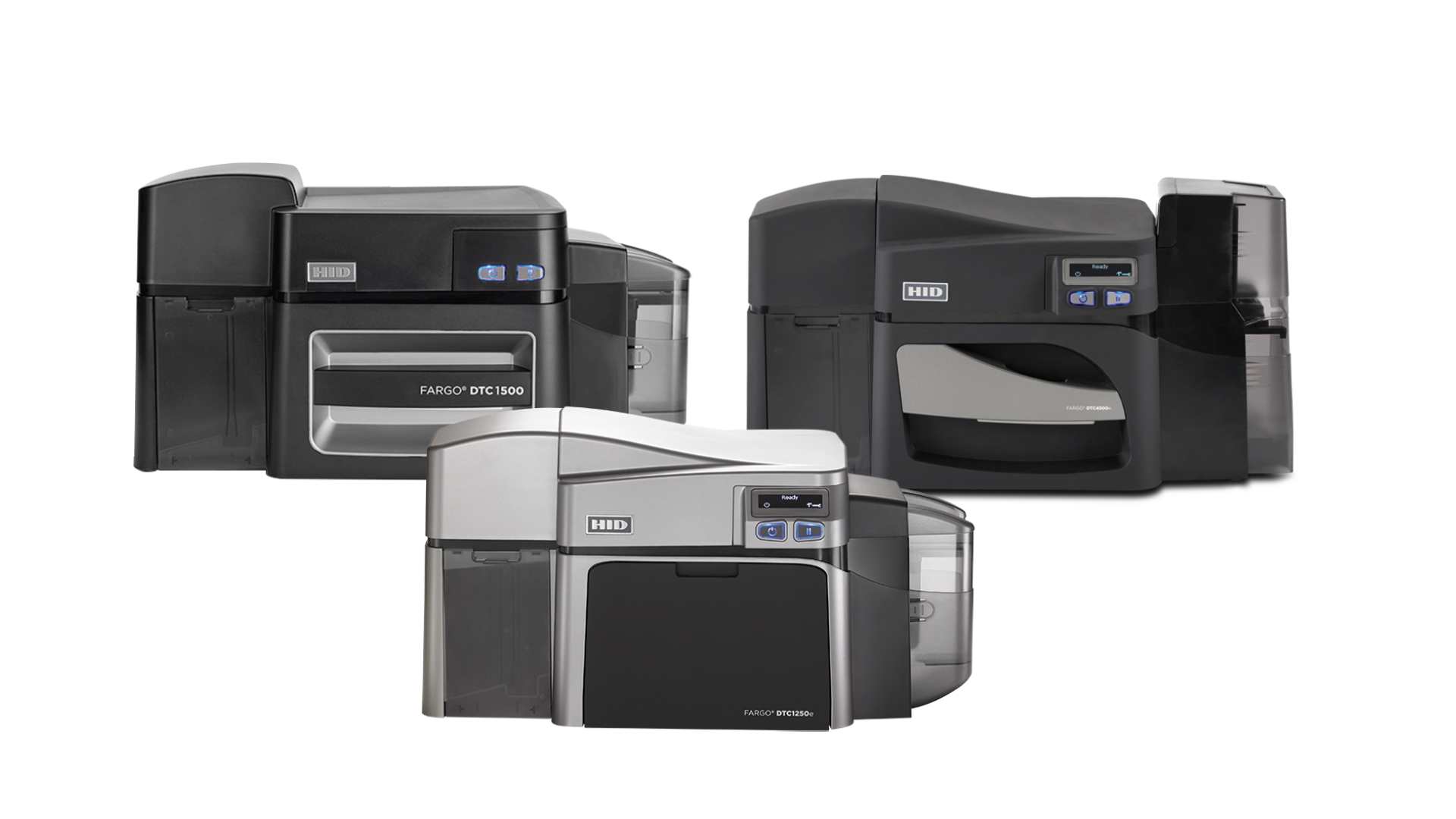
HID, a global leader in trusted identity solutions, is rolling out enhancements across its FARGO® DTC ID card printers, including the DTC1250e, DTC4500e and DTC1500 models, to help organizations issue secure, professional-quality ID cards faster, with less IT support and the ability to easily scale as needs evolve.
Organizations that issue ID cards — from schools and healthcare systems to government offices, corporate campuses and others — need printers that are easy to operate, produce consistently high-quality credentials and keep pace with growing security requirements. The latest enhancements address each of those priorities.
Built to Print: Faster, Sharper Output and Stronger Security
Speed and reliability are essential for high-volume credential issuance. Printing more cards in less time with fewer interruptions, these printers have been updated with newer, faster hardware and electronics platforms. Support for high-capacity ribbons also streamlines the issuance workflow and maintains high productivity, reducing reloads and lost time. For front-desk and HR staff who issue dozens of badges a day, this means shorter lines and less time waiting on a stalled print job.
“We’ve been at this for a long time. For more than three decades, organizations have trusted us to power their ID badging programs,” said Apryl Erickson, VP and Head of FARGO. “With thousands of printers in the field worldwide, we’re excited to build on that legacy by delivering enhanced solutions that provide greater value to our end users and support their mission-critical issuance processes.”
Card quality matters just as much as issuance speed. With 300 x 600 dpi resolution, an enhanced color profile and adjustable K-panel printing, organizations benefit from having professional-quality ID cards that look sharper, have crisper text, cleaner logos and more accurate color.
When an organization issues credentials, they need to enhance card security and safeguard cardholder data. As such, all DTC printers offer enhanced AES-256-GCM encryption and resin scramble data protection. On the DTC1500 and DTC4500e, a built-in, customizable watermark overlay adds a layer of security at no added cost.
Built to Last: Secure, Reliable, Sustainable Performance and Less Downtime
Reliable and sustainable, the enhancedDTC printers are backed by three-year product warranties, provide ongoing printer health monitoring and are specifically engineered for efficient energy use.
Organizations also need to keep operator maintenance low. An integrated diagnostic utility and Color Assist tool are now built directly into the printer driver, so common issues can be identified and resolved without a support call. An optional OLED SmartScreen on the DTC1250e further simplifies day-to-day operation, helping non-technical staff be productive from day one with no IT ticket required.
Built for More: Room to Grow Without Starting Over
Programs rarely remain static, and organizations need to scale as their needs grow without incurring the cost of new hardware. FARGO DTC printers offer field-upgradable dual-side printing and encoding options that let organizations start with what they need and add capabilities later, without having to buy new base hardware, as programs expand.
These upgrades build on more than 30 years of DTC printing expertise. The portfolio also integrates with HID’s broader ecosystem for access control and identity management, helping organizations expand their credentialing programs as needs evolve. The DTC1500 and DTC4500e are also compatible with FARGO Connect™, a secure, cloud-based card printing platform that provides real-time fleet visibility.
The enhanced DTC printer portfolio is commercially available now. Product availability for enhanced FARGO DTC1250e and DTC4500e printers is slated for late October/early November, varying by region. Enhanced FARGO DTC1500 units will follow later in Q4 2026. Building on these enhancements, HID plans to further expand the FARGO DTC portfolio later this year with a streamlined, single-sided printer designed for organizations with lower-volume issuance needs. It will not be available in the United States and Canada. It will be offered only in select regions outside these markets. The new model will bring the same reliability and ease of use while providing an accessible entry point into the broader FARGO portfolio.


BOUJEE LIFE BRINGS THE WARMTH OF THE MIDDLE EAST INTO THE HOME

TWG Tea Unveils the TWG Tea Gallery, Its Largest Flagship and First-Ever TWG Tea Museum at Singapore Changi Airport
RX Coffee Apothecary Offers a Sweet Reward for Early Screening This Pinktober



-

 Trending11 months ago
OPPO A6 Pro 5G Review: Reliable Daily Driver
-

 Tech News2 years ago
Denodo Bolsters Executive Team by Hiring Christophe Culine as its Chief Revenue Officer
-
 VAR1 year ago
Microsoft Launches New Surface Copilot+ PCs for Business
-

 Automotive2 years ago
AGMC Launches the RIDDARA RD6 High Performance Fully Electric 4×4 Pickup
-
Tech Interviews3 years ago
Navigating the Cybersecurity Landscape in Hybrid Work Environments
-

 Tech News1 year ago
Nothing Launches flagship Nothing Phone (3) and Headphone (1) in theme with the Iconic Museum of the Future in Dubai
-

 VAR2 years ago
Samsung Galaxy Z Fold6 vs Google Pixel 9 Pro Fold: Clash Of The Folding Phenoms
-

 Hospitality2 years ago
Gulfood 2025 30th Edition Kicks Off Today, Setting New Benchmarks in F&B Growth and Innovation