Tech Features
How digital transformation of UAE’s industrial sector is driving ‘Net Zero 2050’ ambitions

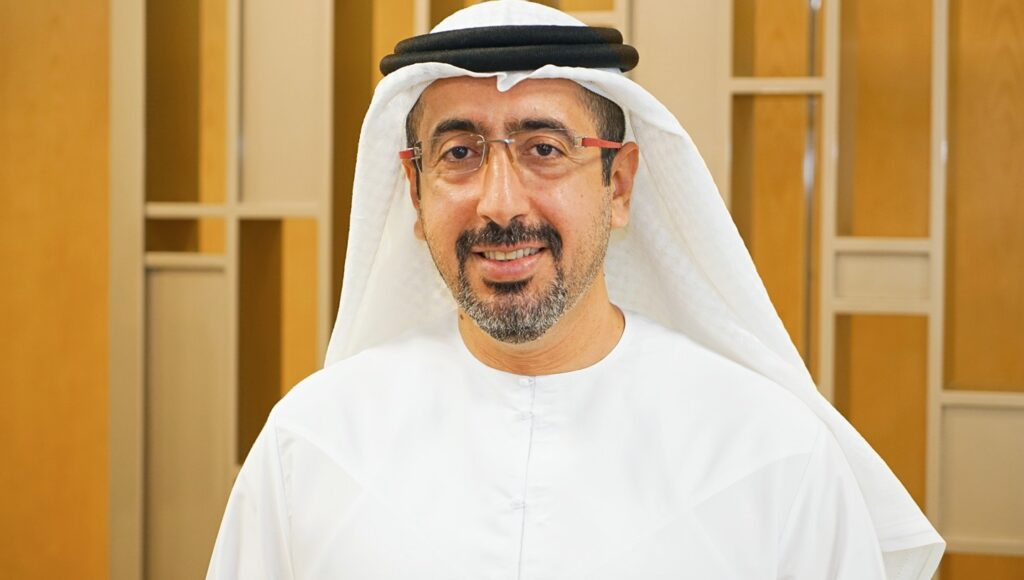
By Ahmad Hamad Bin Fahad, CEO of DUBAL Holding

The UAE’s growth journey is led by an unwavering focus on driving digital transformation, enhancing renewable energy capacity and promoting regulatory excellence. This is best reflected in the ‘Net Zero 2050’ strategy, which aims to create 200,000 jobs across the solar, battery and hydrogen sub-sectors, combining economic and sustainability goals. Digitalisation of the industrial sector will play an important role in realising this vision by paving the way for long-term industrial competitiveness and resilience.
Smart manufacturing, AI adoption and Industry 4.0
Across the UAE, factories are being installed with smart manufacturing systems that integrate IoT sensors, predictive analytics and real-time data environments. These optimise energy usage, reduce downtime and minimise material waste, turning sustainability into a measurable, operational outcome rather than an abstract concept.
Furthermore, digitally connected factories can track emissions at every stage of production, benchmark efficiency and automate corrective actions. This is crucial to achieving the goals of ‘Operation 300bn’ and positioning the UAE as a global hub for future industries.
According to the Ministry of Industry and Advanced Technology (MoIAT), Industry 4.0 tools can increase the nation’s industrial productivity by up to 30 per cent while reducing operational costs by nearly 20 per cent through wider structural transformations. Moreover, AI adoption is set to contribute AED 335 billion to the UAE economy by 2031, as reported by the UAE Council for AI and Blockchain.
Artificial Intelligence is also redefining how industrial assets function, from power plants and smelters to logistics centres and material processing facilities. AI-enabled algorithms can even forecast equipment failures, balance energy loads and simulate entire production cycles to identify carbon-saving interventions. AI also helps enhance transparency and enforce operational discipline, promoting both sustainability and profitability.
Role of advanced automation in redefining industrial operations
Advanced automation, from robotics to autonomous transport systems, is driving sustainability by eliminating key bottlenecks that cause higher emissions. Furthermore, automated systems ensure enhanced precision, enabling industries to streamline energy usage, optimise supply chains and accelerate circular-economy practices such as recycling, material recovery and waste-to-value processes.
However, automation does not replace human capability; it merely enhances it, enabling operators to move on to high-value digital roles. It efficiently tackles repetitive, energy-intensive tasks, creating a more resilient, low-carbon industrial ecosystem. A key enabler of this transition is the rise of strategic, government-aligned investments in digital-first industrial ventures. These investments are the backbone of the nation’s industrial future as they help build advanced manufacturing platforms, AI-driven optimisation technologies, smart mobility solutions and digital energy-management systems.
By investing in companies that integrate digital tools into core industrial operations, the UAE is accelerating technology adoption at scale. These investments further position digital transformation as a strategic imperative for fulfilling the UAE’s sustainability goals while boosting economic competitiveness.
Way Forward: Shaping a resilient industrial economy
The UAE’s wise leadership remains committed to fostering an ecosystem that rewards digital innovation and AI adoption. Moreover, by directing long-term strategic capital towards transformative technologies, the nation is building an industrial sector that is both future-ready and climate-aligned.
Amid this shift, digitalisation stands out as the most critical tool for building a sustainable, net-zero industrial economy. Aligning with this, companies must embrace forward-looking strategies that can positively shape the future of the industry.