Tech Features
IN THE AGE OF AI, THE BEST HEALTHCARE WILL STILL BE HUMAN


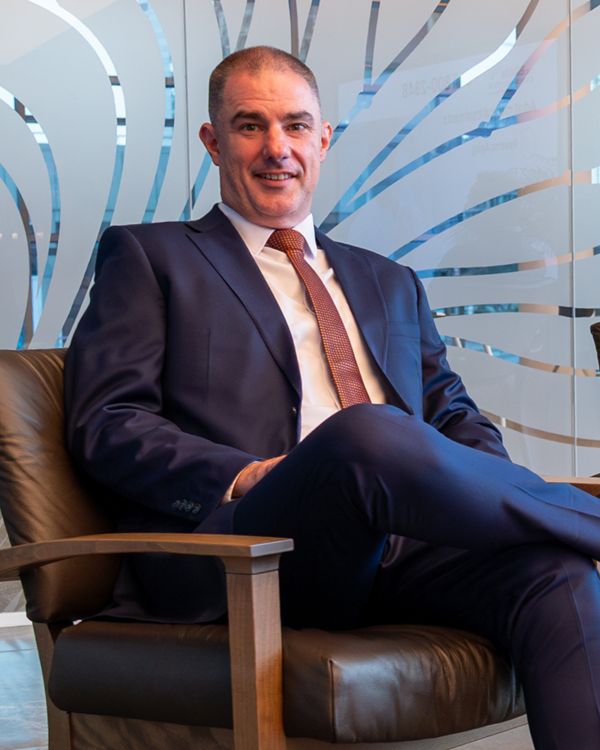
By Dr. Craig Cook, CEO, The Brain & Performance Centre, A DP World Company
Healthcare is entering one of the most transformative periods in its history. Artificial intelligence is accelerating diagnostics, enhancing imaging, and enabling more personalised treatment pathways than ever before. These advancements are no longer theoretical, they are already shaping how care is delivered across leading medical systems.
However, as the industry moves forward at pace, there is a risk of focusing too heavily on what technology can do, and not enough on what individuals actually need.
At its core, healthcare is not a technical transaction. It is a human experience. Within that experience, trust, communication and empathy are not optional, they are fundamental.
Strong human interaction between clinicians and clients remains one of the most important factors in delivering safe and effective care. Technology can identify patterns, process data and support decision-making, but it cannot replace the reassurance an individual feels when they are heard, understood and taken seriously. That interaction often determines whether someone follows through with treatment, shares critical information, or seeks support early rather than late.
From a safety perspective, this is critical. Individuals who feel comfortable with their clinician are far more likely to communicate openly about symptoms, concerns and uncertainties. They ask more questions, clarify instructions, and engage more actively in their own care. This level of engagement reduces the likelihood of miscommunication, improves adherence to treatment plans, and ultimately leads to better outcomes.
In contrast, when the human element is diminished, even the most advanced systems can fall short. An individual may receive accurate data but still leave uncertain about what it means. They may hesitate to disclose something important, or disengage entirely. No algorithm can compensate for that gap.
This is why meaningful communication must remain at the centre of healthcare delivery. It is not simply about explaining a diagnosis. It is about creating an environment where individuals feel safe to speak, where their concerns are acknowledged, and where complex information is translated into something clear and actionable.
As artificial intelligence continues to evolve, the role of the clinician will not diminish, it will become more important. Technology should reduce administrative burden, enhance precision, and create time. That time should be reinvested into the client relationship through greater clarity, deeper understanding and more considered care.
At The Brain & Performance Centre, A DP World Company, this balance is central to how we approach care. Advanced technologies play a critical role in our assessments and programmes, but they are always applied within a human-led framework. Every programme is personalised, every interaction is intentional, and every client journey is built on understanding the individual, not just the data.
The future of healthcare will undoubtedly be shaped by innovation. But its success will not be defined by how advanced the technology becomes. It will be defined by whether we use that technology to strengthen, rather than replace, the human connection at the centre of care. Because ultimately, the most powerful tool in healthcare is not artificial intelligence. It is trust.