
 Have a question? +971 56 404 0503




Automotive
MAJORITY OF AUTO DEALERS TURN TO DATA AND DIGITISATION TO STRENGTHEN OPERATIONAL, SALES AND SERVICE OFFERINGS

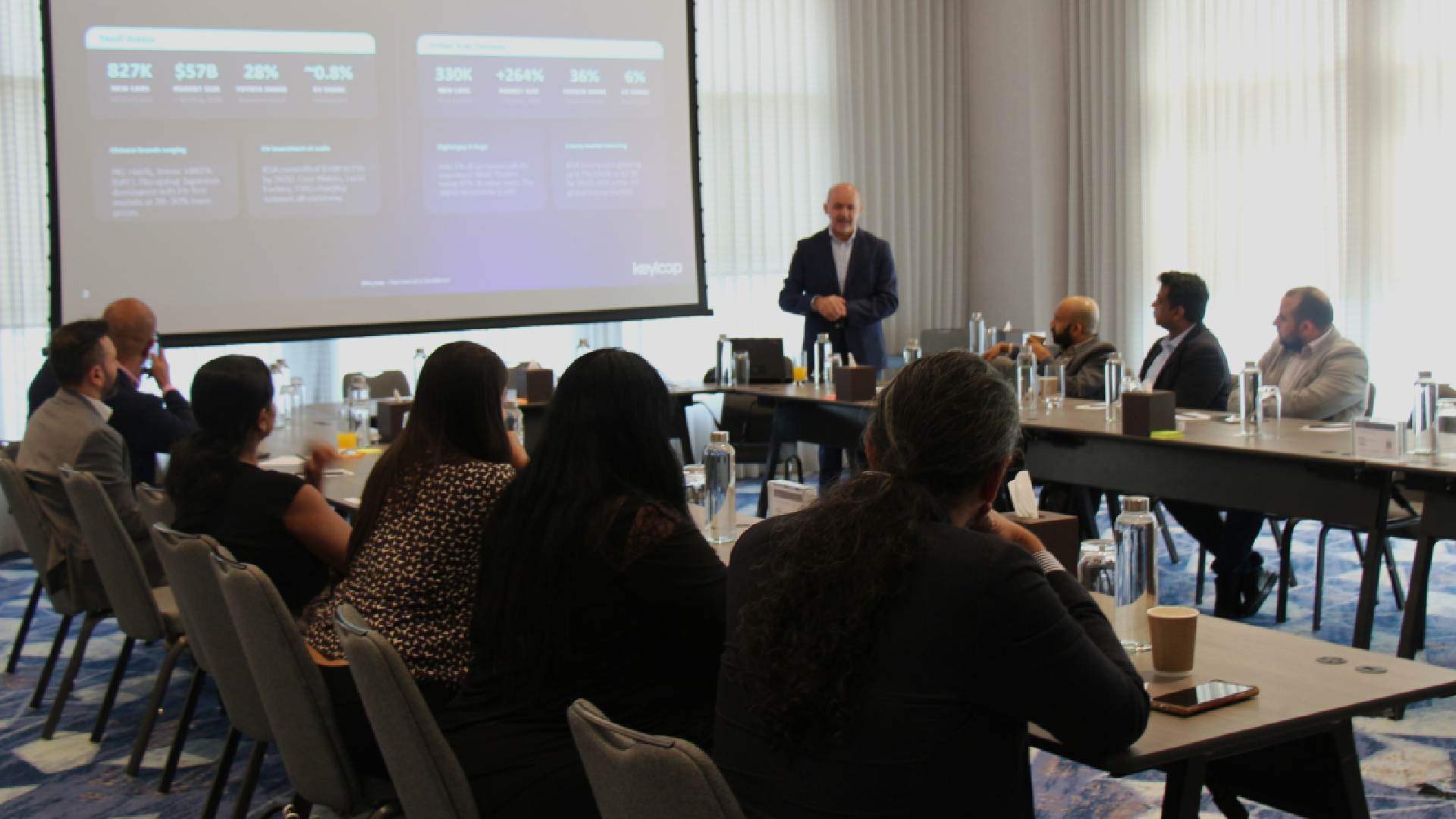
A huge majority of automotive dealers in the Middle East are now focusing on adapting data and digitisation to reinforce operational, sales and service offering efficiencies and to stay ahead of an increasingly competitive automotive retail market.
According to Keyloop, a leading provider of automotive retail solutions, growing vehicle sales volume targets and rising customer expectations are putting pressure on traditional automotive retail models. For this reason, 94% of automotive dealers in the region are now turning to data and digitisation for solutions.
“Fragmented systems, manual processes and limited data visibility are affecting dealer performance in the region. As sales volumes, brand portfolios and customer touchpoints increase, dealers across the region are facing growing pressure to modernise internal operations to maintain efficiency and service standards,” said Monzer Tohme, Managing Director, MEA & APAC, Keyloop. “Despite dealer operations becoming more complex, many organisations are still relying on outdated systems that limit visibility and hinder decision‑making.”

Tohme added that these dealerships operate across multiple disconnected platforms spanning sales, finance and aftersales, with manual processes and data silos that hinder efficiency. These challenges have a measurable business impact, with industry data showing that dealers lose up to 37 percent of online leads due to missed or delayed follow‑up, while only 1 percent of consumers describe the car‑buying experience as ideal. Additionally, 45 percent of customers are willing to switch car brands due to poor aftersales service. As such, addressing operational inefficiencies has become a priority for maintaining performance and customer confidence in an increasingly competitive market.
The UAE and Saudi Arabia registered sales growth rates of 19.1 percent and 6.6 percent respectively in 2024, making them among the fastest growing automotive markets in the world. That year, the two markets also sold a combined 1.16 million new vehicles and are worth over USD 80 billion. This growth is supported by rising consumer demand and long‑term government investment in mobility and electrification.
“There is a growing consensus among dealers that improved use of data and digital tools is crucial for strengthening operational efficiency,” Tohme explained. “As such, there is a need for clearer, real‑time visibility across sales, finance and aftersales workflows, as well as more consistent use of customer and vehicle data to support faster decisions and reduce manual intervention.”
Keyloop has noted that many dealers across the region are reassessing how data flows through their businesses as volumes rise, brand portfolios expand and regulatory requirements become more demanding.
Furthermore, there are several wider industry dynamics that are contributing to the operational pressures facing automotive retailers. These include rapid entry of new brands and business models, accelerating penetration of electric vehicles, with the UAE leading the GCC at 6 percent, and increasing policy and regulatory expectations around data governance, reporting and customer transparency. These reinforce the need for more resilient and adaptable internal processes for dealers as the regional automotive landscape continues to evolve.
“What we’re seeing across the region is a clear shift in priorities, as dealers recognise that improving operational efficiency is no longer about incremental gains, but about building the foundations needed to operate at scale,” Tohme said. “In a rapidly evolving industry, the ability to access and act on reliable data across the entire vehicle ownership cycle has become central to the business performance of dealers.”
As the region experiences strong sales growth, rapid electrification and changing government policies, effective use of data and digitisation will play an increasingly important role in how dealers can meet the market’s needs, he concluded.
Automotive
Dubai Ride-Hailing App Zed Strengthens Leadership with Appointment of Shobhit Singhal to Shape Its Future

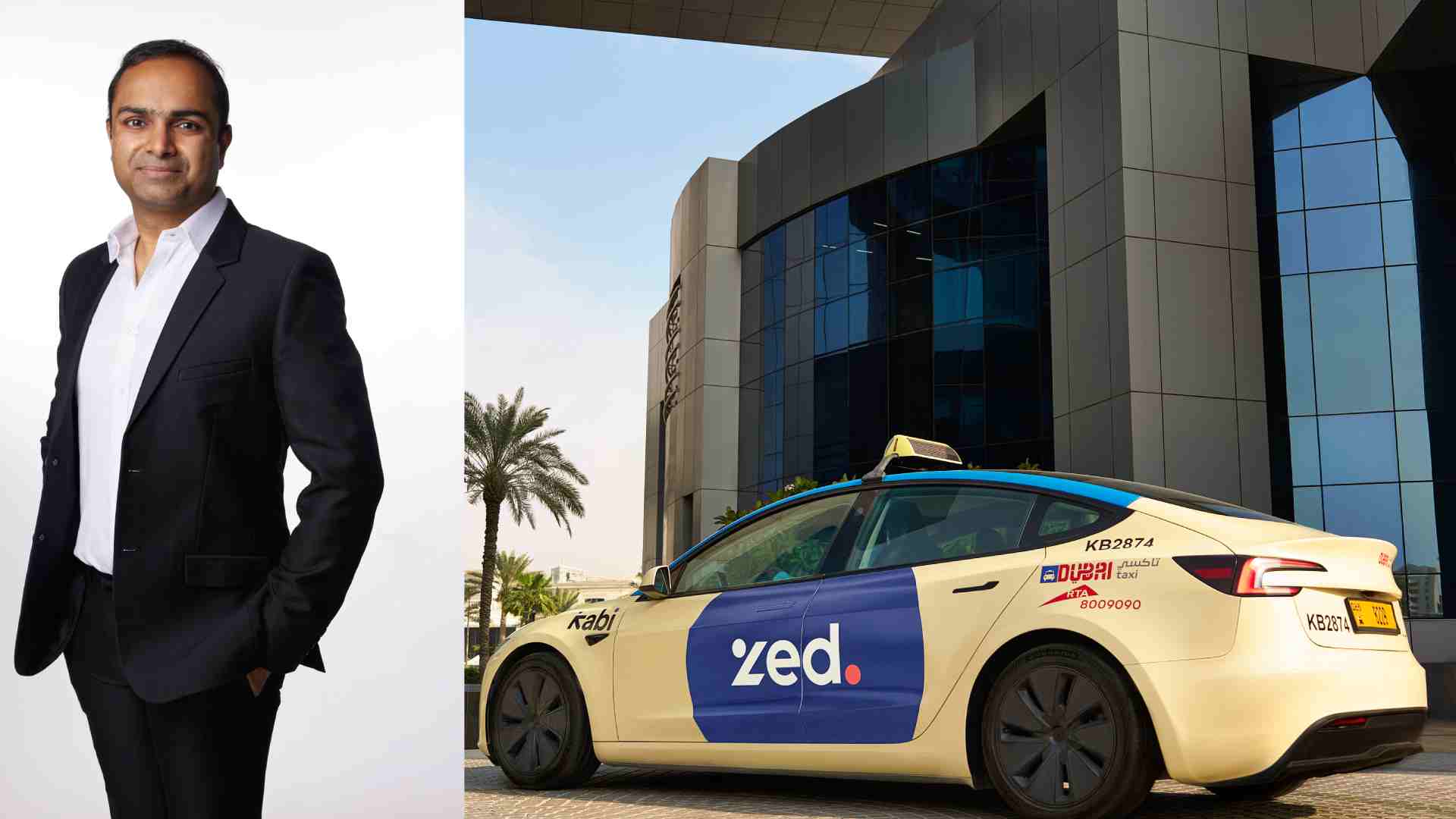
Zed, the Dubai-born ride-hailing app and part of Al Ghurair Mobility, has appointed Shobhit Singhal, former Chief Operating Officer of Southeast Asian super app Gojek, to lead its business and strategic direction. Built in Dubai and designed around the unique mobility needs of those who live and work in the city, Zed is entering a new period of development, with a renewed focus on strengthening its position in the Dubai mobility sector, advancing homegrown technology and building a scalable platform for the region.
Singhal brings extensive experience in leading technology-driven businesses across international markets. As Chief Operating Officer of Gojek, he oversaw the company’s mobility, food delivery and consumer logistics operations, having previously led cross-functional teams across Southeast Asia. His earlier career includes leadership roles at Apple in Singapore, and as a consultant with Bain & Company, specialising in technology services and telecommunications.
In his new role, Singhal will focus on enhancing the customer experience and driving innovation across Dubai’s mobility ecosystem. His priorities will centre on deploying scalable technology to build a smarter, more forward-looking ride-hailing experience for customers.
Shobhit Singhal, Head of Business at Zed, said: “Dubai is one of the world’s most dynamic markets for innovation, and there is a real opportunity to build an app designed around the unique needs of the people who live here. Our ambition is to make Zed the go-to app for rides across Dubai, whether it’s an everyday taxi journey or a premium experience. My priority is to turn that ambition into reality by delivering a reliable, seamless service that customers choose time and again. By getting the fundamentals right in Dubai, we can build a homegrown success story with the potential to grow across the wider region.”
Badr Al Ghurair, CEO of Al Ghurair Mobility commented: “Shobhit’s appointment represents an important step in Zed’s growth journey. At Al Ghurair Mobility, we see Zed as a key part of our vision for the future of mobility in Dubai. His experience in scaling complex mobility businesses, combined
with his understanding of technology and operations, brings valuable expertise to the company. We have a clear vision for Zed as a homegrown platform that can deliver meaningful value to customers and partners alike. With Shobhit’s leadership, our focus is on turning that vision into consistent execution and building a strong foundation for sustainable growth.”
With its roots in Dubai, Zed is focused on developing homegrown mobility technology tailored to the needs of Dubai residents. By strengthening its operations and building on its understanding of the local market, the company aims to establish a scalable platform.
Singhal holds an MBA from Northwestern University’s Kellogg School of Management and a Bachelor of Technology in Engineering from the Indian Institute of Technology Delhi.
Automotive
Automechanika Shanghai 2026: A platform connecting Middle East ambition with global automotive innovation
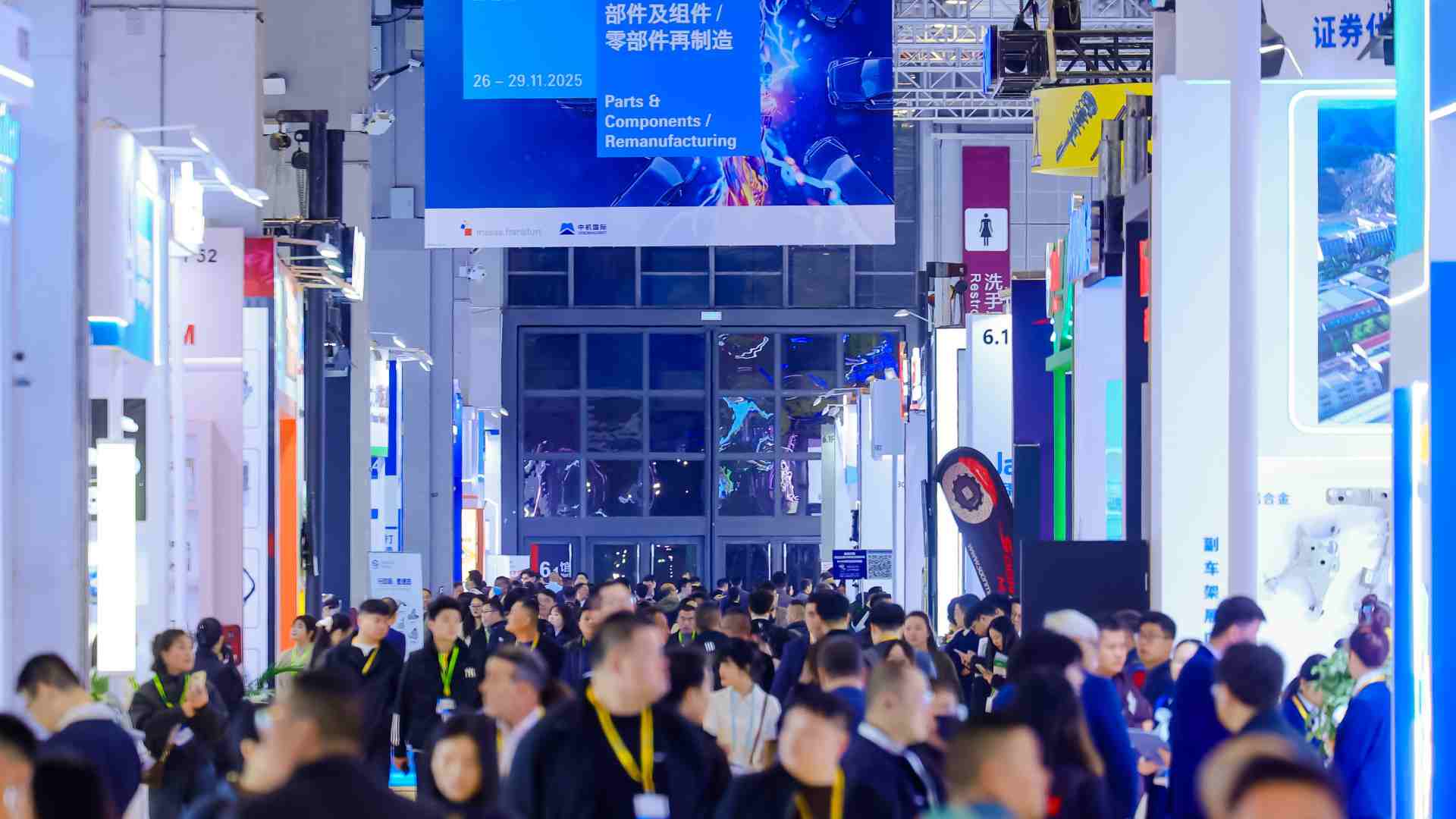
Automechanika Shanghai 2026 will bring together the global automotive supply chain from 2 to 5 December at the National Exhibition and Convention Center in Shanghai, offering businesses access to parts, components, equipment and aftermarket services. As the Middle East region advances automotive manufacturing and electric mobility, the exhibition offers an ideal platform to support sourcing and industry collaboration.
The 21st edition of the fair will occupy 390,000 sqm across 16 halls and the mezzanine floor, hosting around 7,600 global exhibitors. The fair welcomed 253,691 visitors from 190 countries and regions in its previous edition (2025). More than an exhibition, Automechanika Shanghai presents itself as a unified platform, integrating the show floor with a robust programme of conferences, workshops and 100 fringe events.
Technologies and innovations take centre stage
Covering the entire supply chain from manufacturing to the aftermarket, upgrades in parts & components, electrics & electronics, accessories, diagnostics, body and paint, tyres, and wheels showcase advanced components, smart tyres, lightweight wheels, maintenance for new energy vehicles, infotainment electronics, and high-performance enhancements for both passenger and commercial vehicles.
The Parts & Components and Electrics & Electronics sector, the largest at the fair with over 4,200 exhibitors, showcases advancements in materials, lightweight design, intelligent technologies, and electrification for ICE, EV, and hybrid vehicles, covering chassis, powertrain, new drive technologies, thermal management, standard parts, and more.
Driven by the rapid transformation of electrification, nearly half of Automechanika Shanghai’s exhibitors focus on new energy products and services. The New Energy & Connectivity sector grows 20%, featuring 700 exhibitors in electric powertrains, autonomous driving, AI, charging and battery swapping, intelligent chassis, and thermal management, alongside hybrid, fuel cell, and hydrogen solutions enhancing performance and safety. The newly established Global Quality Alliance Hub, centered on the IATF 16949 standard, unites standards bodies, trainers, certifiers, and regulators to strengthen quality management.
Fringe events guide insights into global trends
More than 480 global experts will participate in the 2026 conference and events programme.
The programme comprises five complementary pillars. Flagship events will address industry trends, policy and innovation, while the Tech series will focus on emerging technologies and R&D collaboration. The Talent series will connect companies with skilled professionals through educational initiatives.
Connect will facilitate collaboration between carmakers and suppliers throughout the year. The Automotive Supply-Demand Matching Series and Global Collective Forum will bring manufacturers, suppliers and technology companies together to discuss supply-chain development, investment and international partnerships.
Automotive+ will explore the convergence of artificial intelligence, vehicle-road-cloud systems, new energy solutions, hardware-software integration and robotics. The Innovation4Mobility platform will provide a dedicated showcase for these technologies and their applications across the automotive industry.
Middle East market developments create sourcing opportunities
The GCC’s new light vehicle market continues to grow, expanding the regional vehicle base and driving demand for parts distribution, maintenance equipment and aftermarket services. Electric vehicle adoption is also rising across the region, bringing further servicing requirements for diagnostics, charging systems and new energy powertrains. In addition, manufacturing and trade partnerships continue to develop across the Middle East. These developments underline growing opportunities for Middle Eastern businesses to source parts, equipment and technologies through international platforms such as Automechanika Shanghai.
Automotive manufacturing has rapidly developed across Asia as well, with many countries becoming key manufacturing hubs. These manufacturing centers not only fulfill domestic demand but also produce complete built-up (CBU) vehicles and parts for export across the region and beyond. China is a dominant player, leading vehicle production and exports with a significant volume that translates to tens of billions of dollars in trade value. For example, Chinese automakers shipped approximately $117 billion worth of vehicles globally, with a notable emphasis on new energy vehicles. Other major Asian automotive exporters including Thailand, India, Japan, and South Korea collectively contribute substantial export values, underscoring the integrated and competitive nature of the region’s automotive industry.
These developments highlight opportunities for cooperation between Middle Eastern businesses and international suppliers across automotive manufacturing, parts distribution and aftermarket services.
An ecosystem that needs the aftermarket to keep running
Automechanika Shanghai, Asia’s largest automotive fair of its kind, with product categories spanning across manufacturing and aftermarket, also attracts strong participation from across Asian countries and across the world. In a market dominated by an aging, largely combustion-powered fleet, this aftermarket focus remains highly relevant even as EV adoption grows. While traditional parts are still in high demand, continuous innovation is essential to keep pace with a vehicle base that is both aging and evolving. This reinforces Automechanika Shanghai’s position as the Asia’s largest in serving this sector, at a time when maintaining reliable and affordable vehicle operation is a key priority throughout the region.
Automotive
Mazal Launches First-of-its-kind Escrow-Protected Marketplace for Premium Number Plates Trading
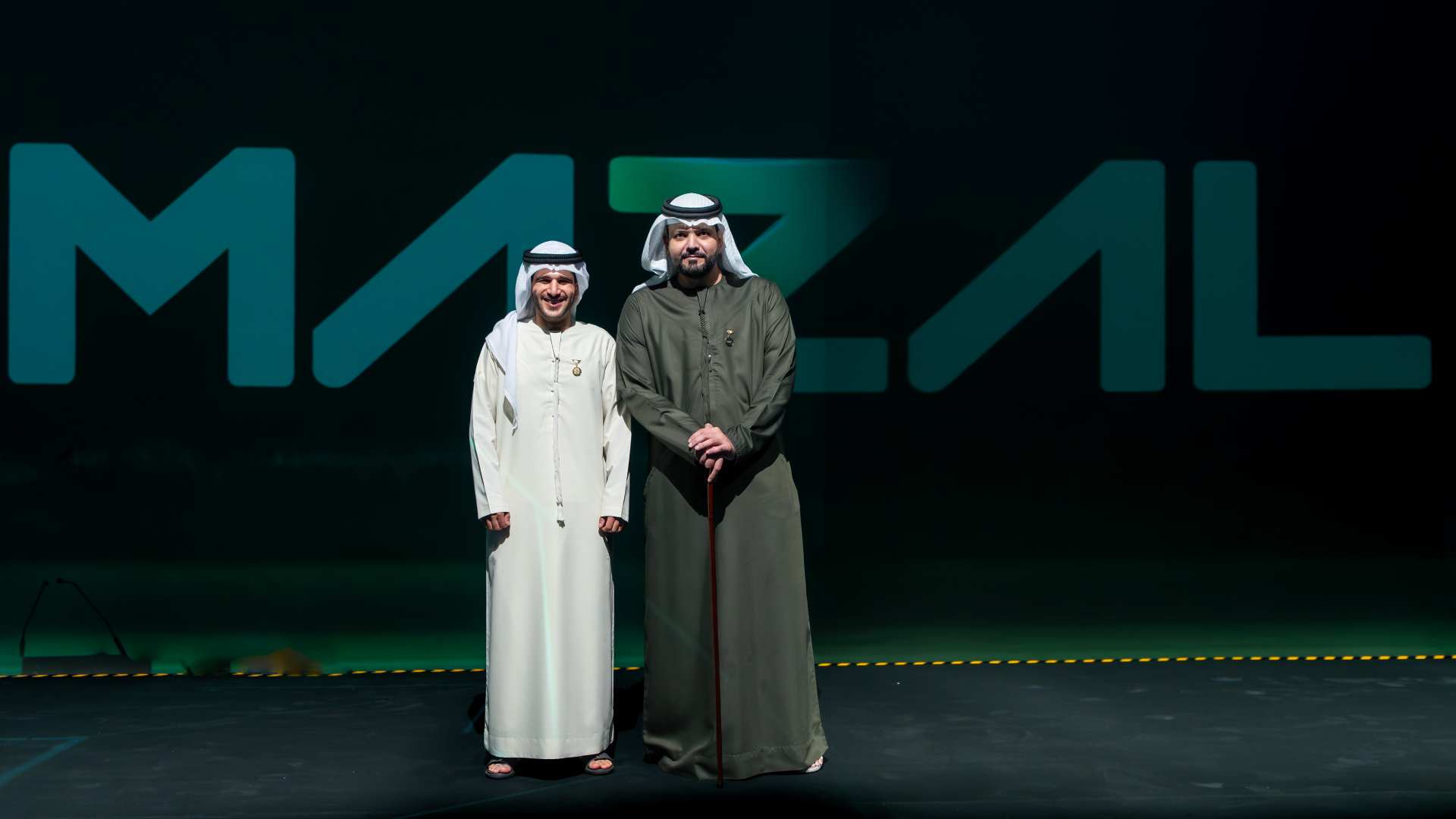
Mazal has officially launched its new digital platform, introducing what it describes as the UAE’s first escrow-protected ecosystem dedicated to the buying, selling and trading of premium Dubai number plates.
The platform was unveiled at an exclusive launch event held at a cutting-edge digital and vibrant event venue, bringing together industry stakeholders, collectors, investors and enthusiasts to mark a new chapter in Dubai’s premium number plate market.
The event also featured a live auction – the first of its kind taking place in the UAE for secondary number plates. Mazal premium number plates and premium Mazal IDs were also auctioned, lifting the energy of the evening to an all-time high.
Built around the principles of trust, transparency and security, Mazal aims to bring greater structure and efficiency to a market that has traditionally relied on informal transactions, independent brokers and manual ownership transfers. The platform provides users with a centralised environment where number plates are secured under Mazal’s custody before being made available for trading
Commenting on the occasion, Abdulla Al Meer, Co-Founder & Chairman, Mazal, said: “Building a credible market requires more than technology; it requires trust, governance and a clear framework around ownership and transactions. With my experience in Dubai’s number plate industry and its regulatory landscape, I have seen first-hand the importance of creating processes that protect both the asset and the people involved in a transaction. Mazal brings these principles together through verified ownership, secure payments and a transparent transaction journey, setting a stronger standard for the market.”
Adding to this, Ahmad Al Nasser, Co-Founder & CEO, Mazal, said: “Dubai’s premium number plate market has developed into a sophisticated trading environment, with plates increasingly recognised for their scarcity, value and long-term potential. Having spent years close to the commercial side of this industry, I have seen the need for a platform that can bring greater efficiency, transparency and accessibility to the way these assets are traded. Mazal is designed to provide that structure while preserving what makes this market unique.”
Mazal enables users to browse and list premium number plates, participate in live auctions and complete transactions through a protected escrow process. Under its transaction framework, buyers’ funds are securely held from the moment a deal is agreed and are released only once the official ownership transfer has been confirmed.
To further support secure and convenient transactions, Mazal has partnered with Transguard to facilitate reliable cash collection services for clients who choose to make payments through this method. The partnership adds an additional layer of convenience for customers while supporting the platform’s broader focus on secure and transparent transactions.
The platform also introduces data-driven valuations, with premium plates assessed against factors including transaction history, market demand, rarity and number patterns. This is designed to give buyers and sellers greater visibility into the value of an asset and reduce the uncertainty traditionally associated with premium number plate transactions.
Alongside its technology and transaction infrastructure, Mazal is investing in building a team that reflects the UAE’s talent and leadership ambitions. Through its partnership with TASC, the company is sourcing and recruiting top Emirati talent to support its growth and contribute to the development of a locally rooted business with regional ambitions.
Mazal’s launch comes at a time when premium number plates are increasingly being viewed as collectible and investment assets. According to the company’s market assessment, Dubai’s premium number plate market records approximately 55,000 transactions annually, with the market growing by around 20%. Premium plates can command significant values, with the highest recorded sale cited at AED 55 million and the premium plate market having recorded a value of AED 1.7 billion over three years.


The Connected Home Is Evolving into an Intelligent Ecosystem

New Partnership Connects Residential Wellbeing With Preventive Healthcare

Dubai Ride-Hailing App Zed Strengthens Leadership with Appointment of Shobhit Singhal to Shape Its Future



-

 Trending12 months ago
OPPO A6 Pro 5G Review: Reliable Daily Driver
-

 Tech News2 years ago
Denodo Bolsters Executive Team by Hiring Christophe Culine as its Chief Revenue Officer
-
 VAR2 years ago
Microsoft Launches New Surface Copilot+ PCs for Business
-

 Automotive2 years ago
AGMC Launches the RIDDARA RD6 High Performance Fully Electric 4×4 Pickup
-
Tech Interviews3 years ago
Navigating the Cybersecurity Landscape in Hybrid Work Environments
-

 Hospitality2 years ago
Gulfood 2025 30th Edition Kicks Off Today, Setting New Benchmarks in F&B Growth and Innovation
-

 VAR10 months ago
Huawei Nova 14 Pro Review: Where Camera Excellence Meets Ecosystem Evolution
-

 Tech News1 year ago
Nothing Launches flagship Nothing Phone (3) and Headphone (1) in theme with the Iconic Museum of the Future in Dubai