
 Have a question? +971 56 404 0503




Tech News
65% OF ANALYSTS SAY AI WORKS BEST WHEN THE LOGIC IS MANAGED AT THE BUSINESS LEVEL, ALTERYX RESEARCH FINDS

Alteryx, Inc., an AI-ready data and analytics company, today released its “2026 State of Data Analysts in the Age of AI” report, revealing that while AI is becoming central to business decision-making, human oversight remains critical to ensuring AI-generated outcomes are trusted and actionable. The research found that analysts spend nearly four hours per week validating and correcting AI-generated outputs, while poor data quality and governance continue to undermine AI and analytics initiatives. The findings also show that AI works best when the people closest to the business stay involved, with 65% of analysts saying AI and agent-based systems are most productive when the logic is managed at the business level. As organizations accelerate toward more agentic AI systems, the need for trusted data, governed logic and workflows, and human oversight continues to grow.
Key Findings at a Glance:
- 96% of data analysts are actively using AI tools in their roles
- 47% of failed AI and analytics projects are attributed to poor data quality or governance
- 65% of analysts say AI and agent-based systems are most productive when the logic is managed at the business level
- Data analysts spend an average of 5.7 hours per week preparing and cleaning data, and an additional 3.7 hours per week checking and correcting AI outputs
- Only 3% prefer fully autonomous AI without routine human involvement, while 46% favor a human-in-the-loop approach
The findings point to a broader shift in how organizations are operationalizing AI. As businesses move from experimentation to deploying AI in core workflows and decision-making, trust increasingly depends on more than model performance alone. Analysts and operations teams play a critical role because they maintain business logic, governance standards, and operational context that help AI systems produce reliable and actionable outcomes.
Human Oversight Still Remains Central in the Age of Agentic AI
As AI becomes a bigger part of an analyst’s day-to-day work, the impact goes beyond simple productivity gains. Businesses are quickly adopting more advanced AI capabilities, like agentic AI, but, on the contrary, analysts are now spending more time reviewing, validating, and guiding AI-generated work. Over half (59%) expect to use AI agents to generate insights within the next year, and many are already using them to draft communications (59%) and manage workflows (54%).
Even as AI takes on a larger role in data-to-insight workflows, analysts remain closely involved because they are ultimately accountable for the quality, accuracy, and reliability of the outcomes. Nearly half (46%) prefer a human-in-the-loop approach where AI systems require human approval before taking action, while only 3% are comfortable with fully autonomous AI. The findings suggest that as AI becomes more embedded in business processes, trust, oversight, and human judgment remain essential to ensuring outputs are accurate, explainable, and aligned with business needs.
“AI is already influencing how businesses make decisions every day, but our research highlights a reality many organizations are now confronting: trust matters just as much as speed,” said Andy MacMillan, CEO at Alteryx. “The people closest to the business play a critical role because they understand the logic, rules, and operational context behind decisions, whether that’s pricing models, compliance requirements, or operational thresholds, and that business logic is constantly evolving. AI can accelerate work, but organizations still need governed workflows and human oversight to ensure outcomes are visible, understandable, repeatable, and auditable across the organization.”
Data Challenges Continue to Limit AI Success
Behind every successful AI initiative is a strong data foundation, and many organizations are still struggling to get there. Even as AI adoption grows, ongoing issues with data quality, access, and governance continue to slow progress and limit AI effectiveness. Analysts say either poor data quality or governance is responsible for nearly half (47%) of failed AI and analytics projects, making it the biggest barrier to AI success.
Most (79%) analysts believe their data is ready for AI at scale, yet the day-to-day reality looks much different. Analysts still spend an average of nearly 6 hours each week preparing and cleaning data, plus nearly another 4 hours reviewing and correcting AI-generated outputs, checking for issues such as incorrect calculations, inconsistent metrics, or responses that don’t align with company policies and definitions. Governance concerns are also rising, with access control and data exposure (42%) ranking as the top issue, followed closely by regulatory compliance (41%). These findings show that as companies push AI deeper into business operations, the people closest to the business increasingly need to provide the context AI relies on, including not just clean data, but also the business logic, workflows, policies, and governance that shape how decisions are made and acted on.
AI Becomes Core to Business Decision-Making
AI is quickly becoming part of everyday business decision-making. Nearly all analysts surveyed (96%) say they use AI tools in their work every day, and organizations are already seeing the impact. Among IT leaders, 85% report noticeable gains in employee productivity, while 79% say AI is helping teams make decisions faster.
As AI adoption grows, AI-generated insights are carrying more weight across the business. Half (50%) of analysts and 62% of IT leaders say that most or almost all business-critical decisions are now influenced by AI insights.
But generating insights faster doesn’t always make decisions easier. The biggest challenge organizations face is helping business leaders understand and trust AI-generated outputs, with 43% saying interpreting and explaining AI insights remains a key barrier. At the same time, companies continue embedding AI into core technologies like cloud data warehouses (40%) and business intelligence tools (39%), making AI an increasingly central part of how businesses operate.
The Evolving Role of the Data Analyst
Analysts increasingly see AI as a collaborator that changes how work gets done, not a replacement for human expertise. In fact, 82% say automation is making them more effective by helping them work faster and focus on higher-value tasks.
As AI becomes more embedded in everyday operations, the role of the analyst is evolving from producing insights to guiding how AI systems operate. Over the next five years, 40% believe changing skill requirements will have the biggest impact on their responsibilities, while 36% point to the growing importance of real-time analytics. The findings suggest that analysts and operational teams will play an increasingly important role in defining, validating, and evolving the business logic AI systems rely on to deliver trusted, repeatable outcomes. This includes the rules, calculations, and operational processes that determine how the business actually runs, whether it’s updating tax rules in different countries, changing sales commission structures, adjusting supply chain thresholds, or applying compliance and pricing policies as conditions evolve.
Tech News
ALEC Partners with Environment Agency – Abu Dhabi to Launch Hydrological Mangrove Restoration Project in Abu Dhabi

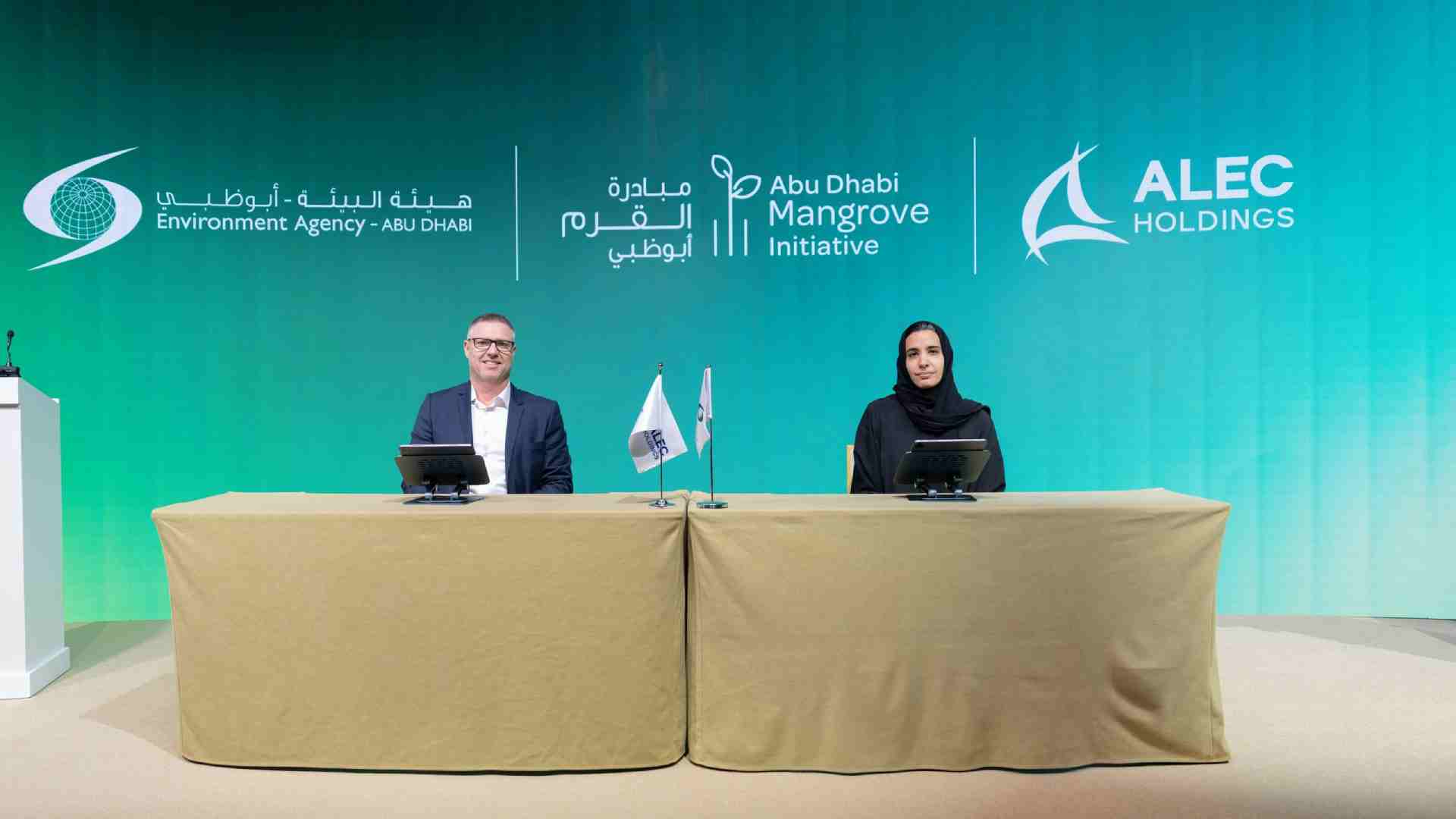
ALEC Engineering and Contracting LLC – SPC (ALEC), part of ALEC Holdings PJSC (ALEC Holdings) has signed an agreement with the Environment Agency – Abu Dhabi (EAD) to support a first-of-its-kind mangrove hydrological restoration pilot in the Emirate of Abu Dhabi.
The three-year project will explore whether restoring the natural hydrological conditions of a mangrove area in need of restoration can help the ecosystem return to long-term ecological health. In doing so, the initiative will examine the underlying conditions required to secure the future health and resilience of Abu Dhabi’s mangrove habitats.
EAD will lead the scientific planning and implementation of the project, including site selection, ecological and hydrological assessments, identification of the required restoration interventions, and the monitoring and reporting of project outcomes.
The pilot will establish baseline information for the selected site and track progress against defined restoration and biodiversity indicators. Its findings are expected to strengthen scientific understanding of mangrove hydrology in Abu Dhabi and help inform the planning of future ecosystem restoration initiatives.
The project supports the science-led restoration objectives of the Abu Dhabi Mangrove Initiative and complements the UAE’s national climate and biodiversity targets. By examining the conditions needed for mangrove habitats to recover and thrive, it will contribute to a broader understanding of how protection, hydrological restoration and long-term monitoring can work together to deliver durable ecological outcomes.
Earlier in 2026, ALEC signed the Abu Dhabi Mangrove Initiative Partners Pledge, committing to support the conservation and restoration of mangroves and other blue carbon ecosystems, advance science-based restoration, and reduce its impact on nature.
This partnership marks ALEC’s first flagship nature restoration investment with measurable biodiversity outcomes and forms part of ALEC’s broader commitment to integrating biodiversity considerations into its sustainability strategy and contributing to nature-positive outcomes in the regions where it operates.
Maitha Mohamed Al Hameli, Acting Executive Director, Terrestrial and Marine Biodiversity of the Environment Agency – Abu Dhabi, said, “We welcome ALEC’s support for this pilot, which reflects the kind of long-term, science-based commitment the Abu Dhabi Mangrove Initiative was established to encourage. The findings will strengthen our understanding of how mangrove sites respond to restored hydrological conditions and will inform how we plan future restoration in the emirate. Through this pilot, we aim to build the scientific evidence needed for long-term solutions that safeguard Abu Dhabi’s mangroves, a defining feature of the emirate’s natural heritage.”
Sean McQue, Managing Director – ALEC, said, “Abu Dhabi is a capital defined by extraordinary ambition, creating next-generation cultural and visitor experiences while protecting the natural heritage that gives the emirate its identity. For ALEC, this partnership is an important step in turning our commitment to nature into tangible action. As our first biodiversity restoration investment, the project enables us to contribute directly to the protection and restoration of Abu Dhabi’s mangrove ecosystems, while supporting a science-led approach that will generate measurable biodiversity outcomes. Through this pilot, we are supporting the development of the knowledge, evidence and practical understanding needed to help these vital ecosystems recover and thrive. In doing so, we are proud to support Abu Dhabi’s ambition to protect its natural heritage and contribute to a more resilient future for the emirate.”
As a company whose activities interact with land, water and ecosystems across the built environment value chain, ALEC recognises the importance of supporting the protection and enhancement of natural habitats. Through this partnership, the company will support the collection of ecological baseline data, monitoring of biodiversity indicators and conservation of a priority coastal ecosystem.
The collaboration will also create opportunities for employees across the ALEC Holdings group to participate in environmental awareness, education and structured volunteering activities associated with the project. These are expected to include citizen-science monitoring and other forms of community engagement.
The signing follows the fourth annual Abu Dhabi Mangrove Initiative Partners Meeting, which took place on 8 October 2026 at Rixos Saadiyat Hotel in Abu Dhabi. ALEC participated in the meeting, which brought partners together to review their collective impact and consider future opportunities to support the health and resilience of the emirate’s mangroves.
-Ends-
Photo Caption: (R) Maitha Mohammed Al Hameli, Acting Executive Director – Terrestrial & Marine Biodiversity at Environment Agency Abu Dhabi and (L) Sean McQue, Managing Director at ALEC
About the Environment Agency – Abu Dhabi
About Environment Agency – Abu Dhabi (EAD)
Established in 1996, the Environment Agency – Abu Dhabi (EAD) is committed to protecting and enhancing air quality, groundwater as well as the biodiversity of our desert and marine ecosystem. By partnering with other government entities, the private sector, NGOs and global environmental agencies, we embrace international best practice, innovation and hard work to institute effective policy measures. We seek to raise environmental awareness, facilitate sustainable development and ensure environmental issues remain one of the top priorities of our national agenda.
About ALEC Holdings PJSC
ALEC Holdings PJSC (“ALEC Holdings”), part of the Investment Corporation of Dubai, is a leading diversified engineering and construction group operating in the UAE and KSA. The Company builds and provides construction solutions that set industry benchmarks for innovation, quality, reliability and operational excellence.
ALEC Holdings offers its clients complete turnkey solutions in construction, MEP, fitout, marine, oil & gas, modular construction, energy efficiency and solar projects, heavy equipment rental, technology systems and asset maintenance. With these capabilities, the Company successfully serves a diverse range of sectors including airports, data centers, retail, hotels & resorts, high-rise buildings, and themed projects.
For more information, please visit https://alec.ae/.
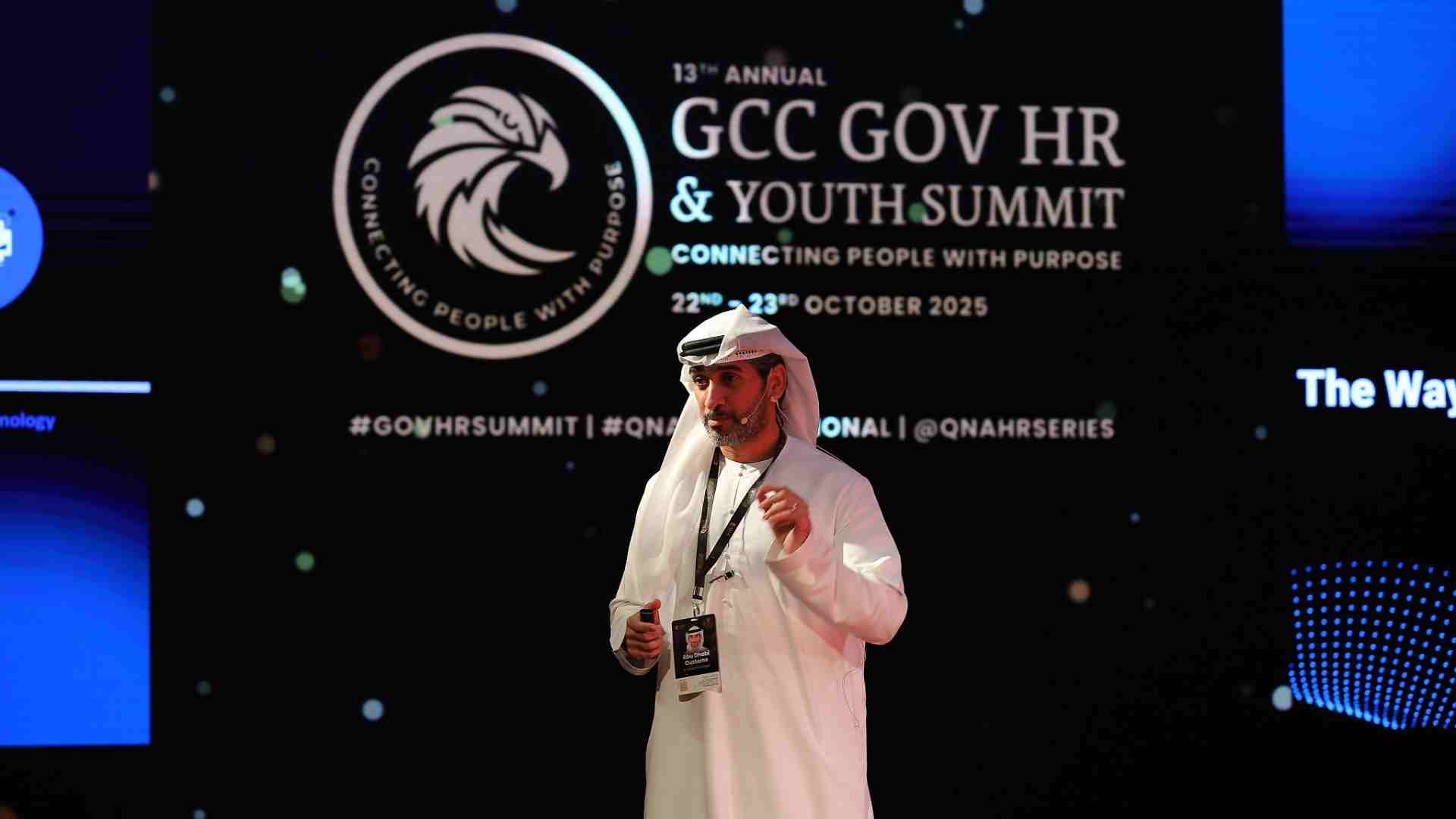
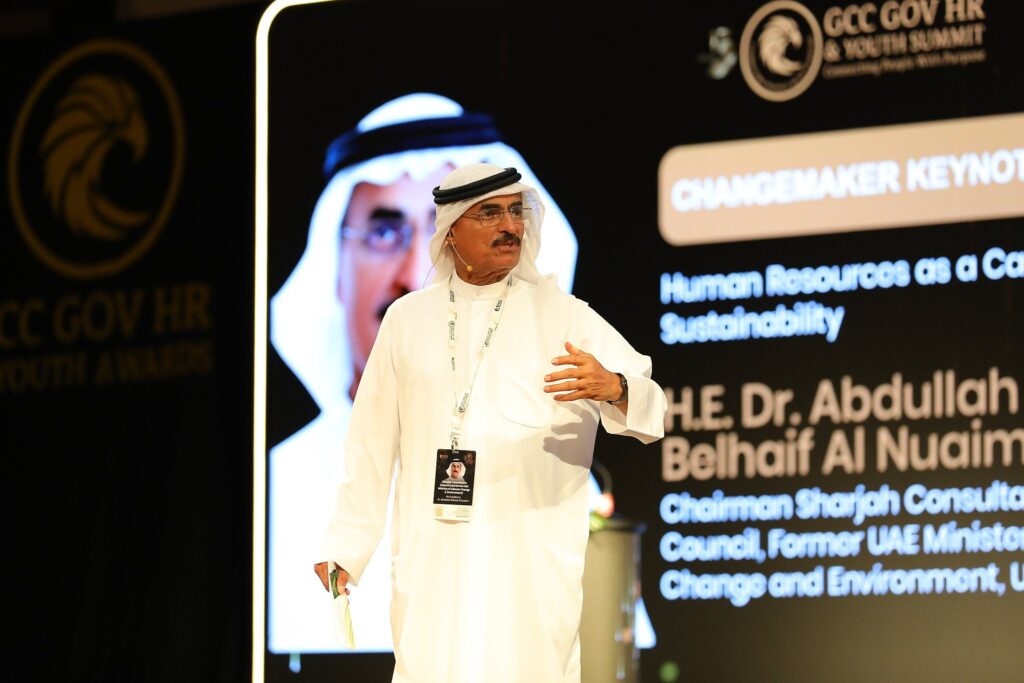
Government and public sector leaders from across the GCC will gather in Abu Dhabi on 20th and 21st October 2026 for the 14th Annual GCC GOV HR & Youth Summit and Awards, taking place at the Grand Hyatt Abu Dhabi Hotel & Residences Emirates Pearl. Organised by QNA International, the region’s most exclusive B2B public sector HR platform will bring together CHROs, People Leaders, policymakers and change agents under the theme Time of Opportunities: Uncovering the New Realities of Work.
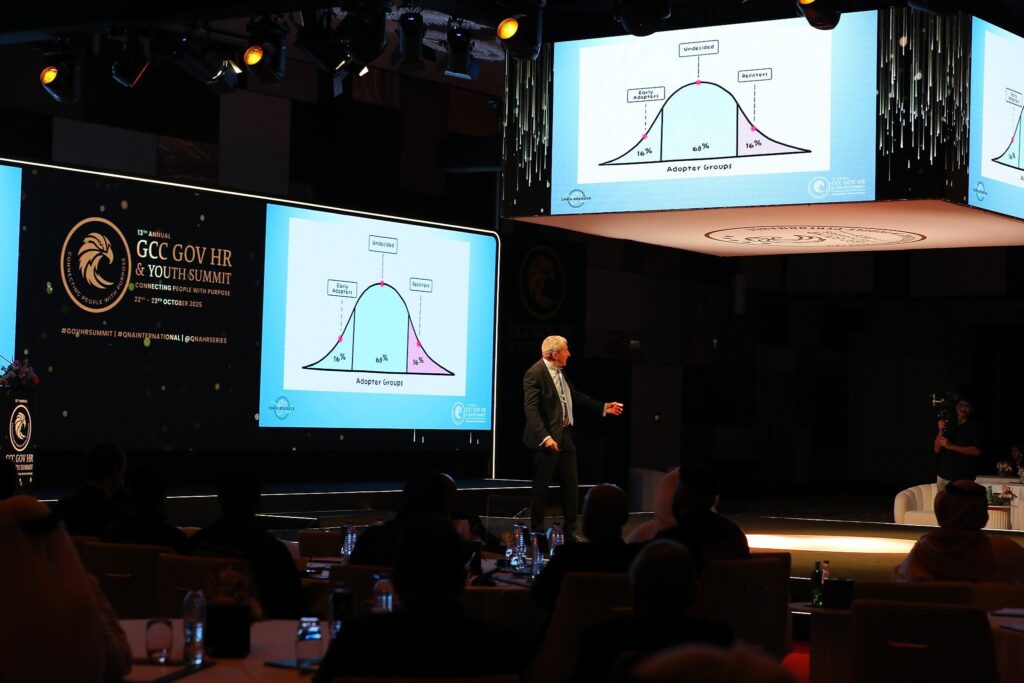
As governments across the GCC advance their national transformation agendas, the challenge is no longer simply to modernise systems or introduce new technologies, but to build institutions that can translate innovation into meaningful outcomes for people. This requires a more integrated approach to workforce transformation, one that brings together digital capability, adaptive leadership, employee experience and a culture of continuous learning.
Ahead of the event, Advisory Board Members and speakers have shared the shifts they expect to define government work across the region.
From Measuring Volume to Measuring Impact
His Highness Captain Shaikh Abdulaziz Sultan Al Nuaimi, Director of Excellence Awards Branch, Ajman Police, UAE, said: “Government excellence requires a shift from measuring the volume of achievements to measuring impact, added value, and the capacity for anticipation and adaptation.”
His Excellency Mohamed Al Marzooqi, Executive Director Of Support Services, Government Entity, UAE, added: “The future of government support services is not about doing the same things faster; it is about doing things differently and creating greater value for people.”
For HR, that means a new role. Brigadier Rashid Nasser Rashid Abdullah, Director of the General Department of Human Resources, Dubai Police, UAE, said: “The biggest shift facing government HR leaders in the GCC today is moving from managing workforces to unlocking leaders.” He added: “Our job is no longer to plan for one future, but to build institutions ready for many, and people who are trusted to learn, adapt, and take initiative.”
Dr. Ebrahim Al Khajeh, Human Resources Director, Abu Dhabi Customs, UAE, named the same turning point: “The shift from traditional HR to strategic workforce transformation.”
These themes reflect the Summit’s focus areas of Human-Centric Government and Disruptive Leadership.
AI, Accountability and Trust
His Excellency Mohamed Al Marzooqi said: “Our greatest challenge is not adopting AI; it is preparing our people and our institutions to work differently because of AI.”
Maitha A. Balfaqeeh, Senior Vice President of Shared Services, ADNOC Gas, UAE, said: “Technology and AI are fundamentally reshaping the role of shared services — moving them from primarily transactional functions to becoming more intelligent, predictive, and employee-centric.”
Iman Khalid Al Marzouqi, Group Chief Support Services Officer, Alpha Dhabi Holding, UAE, said: “HR leaders must help shape how AI is used, how decisions affecting people are made, and who remains accountable.”
These conversations connect to the Summit’s focus areas of AI-First Workforce, Agentic Intelligence, Workforce Intelligence and Trust, Talent, and Resilience.
National Talent and the Next Generation
From Saudi Arabia, Reem AlRehaili, Chief of Corporate Services, ARDARA (PIF), Saudi Arabia, said: “Vision 2030 asks us to do more than increase the number of Saudis in the workforce, it asks us to build their capability.” She added: “The most powerful thing we can offer is not a package. It is a purpose.”
Dr. Ebrahim Al Khajeh said: “Government organizations are increasingly prioritizing national talent development, digital skills, and leadership capabilities rather than simply filling vacancies.”
His Highness Captain Shaikh Abdulaziz Sultan Al Nuaimi said: “Young professionals are essential partners in shaping the future of government work, with their digital skills, capacity for innovation, and ability to adapt rapidly.”
Iman Khalid Al Marzouqi said: “We need to understand their strengths, give them meaningful responsibility, and provide mentors who are personally invested in their progress.”
Advising young professionals, Maitha Ahmed Balfaqeeh said: “Future leaders need to understand the business, not only their own function.” Reem AlRehaili’s message to young women entering the workforce was: “The door is open. What matters now is what you do once you walk through it.”
These perspectives are at the heart of the Summit’s Nationalization 2.0, Workforce 2035 and GCC Next-Gen Leaders tracks.
Why This Summit, Why Now
Brigadier Rashid Nasser Rashid Abdullah said: “This Summit matters now because change is moving faster than institutions can respond, and the UAE has chosen not to wait.”
Sidh N.C., Director of QNA International, said: “The voices ahead of this year’s Summit point in one direction: government HR in the GCC is moving from administering the workforce to leading change. Over two days in Abu Dhabi, we will bring together the leaders, the ideas and the young talent shaping the next chapter of public service across the region.”
The 14th Annual GCC GOV HR & Youth Summit and Awards 2026 will provide a platform for public sector leaders to exchange practical insights, challenge established approaches and explore how government HR can evolve from a support function into a strategic driver of institutional performance, national talent development and long-term public value.

ASUS Republic of Gamers (ROG) today announced that the limited-edition ROG XBOX Ally X20 Bundle is now available in the UAE for AED 10,999 through the ASUS UAE eShop and participating retailers. Celebrating two decades of ROG, the collection brings together an upgraded gaming handheld, a wearable virtual display and coordinated protective accessories in a complete setup designed to move from home to wherever players choose to game.
A new chapter for an anniversary handheld
The ROG XBOX Ally X20 combines a translucent black chassis with gold-accented internal details and an exclusive 20th anniversary badge. The design offers a glimpse inside the device while giving the collection a distinctive identity for ROG enthusiasts and collectors.
A 7.4-inch ROG Nebula HDR OLED display delivers rich contrast, a 120Hz refresh rate and up to 1,400 nits of peak HDR brightness. Powered by the AMD Ryzen AI Z2 Extreme processor, with 24GB of memory and 1TB of storage, the handheld brings PC gaming into a portable format. TMR joysticks designed to resist drift, a transforming D-pad and refined face buttons provide greater flexibility and control across different game styles.
A big screen experience that travels with you
The included ROG XREAL R1 Edition 20 Gaming AR Glasses connect directly to the handheld through a single USB-C cable, creating a virtual screen of up to 171 inches viewed from four metres away. Micro-OLED displays and sound by Bose bring games closer, whether players are relaxing at home or travelling. The glasses support a 240Hz refresh rate with Frame Rate Boost enabled, while Follow Mode and Anchor Mode allow the virtual screen to move with the player’s head or remain fixed in place.
Matching black-and-gold accents connect the glasses to the anniversary design, while Command Center integration provides convenient access to their settings from the handheld.
Designed to carry the whole experience
The custom dbrand Killswitch adds everyday protection, a kickstand, ROG-branded joystick grips and an exclusive skin featuring a circuit pattern inspired by the handheld’s internals. A custom Pelican Protector Case, finished with ROG-red latches and a 20th anniversary badge, keeps the device and accessories together during travel. A 68W adapter completes the bundle.
Availability and pricing
The limited-edition ROG XBOX Ally X20 Bundle is available now for AED 10,999 through the ASUS UAE eShop and participating retailers including Geekay, Virgin Megastore, Sharaf DG, Amazon UAE, Emax, Jumbo and Carrefour. Stock and availability may vary by retailer.
UAE gamers can also join the ROG Elite Program to take part in activities, earn points and explore rewards while staying connected to the ROG community.


Beyond the camera: Why video surveillance is becoming a business intelligence tool

The AI Learning Dilemma: Better Answers, But Better Thinkers?

CROMPTON PARTNERS APPOINTS SHERYL D BURTON AS DEPUTY DIRECTOR – DEVELOPER SALES



-

 Trending12 months ago
OPPO A6 Pro 5G Review: Reliable Daily Driver
-

 Tech News2 years ago
Denodo Bolsters Executive Team by Hiring Christophe Culine as its Chief Revenue Officer
-
 VAR2 years ago
Microsoft Launches New Surface Copilot+ PCs for Business
-

 Automotive2 years ago
AGMC Launches the RIDDARA RD6 High Performance Fully Electric 4×4 Pickup
-
Tech Interviews3 years ago
Navigating the Cybersecurity Landscape in Hybrid Work Environments
-

 Hospitality2 years ago
Gulfood 2025 30th Edition Kicks Off Today, Setting New Benchmarks in F&B Growth and Innovation
-

 VAR10 months ago
Huawei Nova 14 Pro Review: Where Camera Excellence Meets Ecosystem Evolution
-

 Tech News1 year ago
Nothing Launches flagship Nothing Phone (3) and Headphone (1) in theme with the Iconic Museum of the Future in Dubai