
 Have a question? +971 56 404 0503




Tech News
DELINEA INTEGRATES WITH CYERA TO PRIORITIZE DATA-AWARE IDENTITY SECURITY IN THE AI ERA

Delinea, the identity security control plane that secures access across human, machine, and AI identities, and Cyera, the fastest-growing AI Security Platform, have announced a product integration that connects privileged access to sensitive data exposure, automatically correlating identities with the data they can access. Together, Delinea and Cyera help security teams identify, prioritize, and remediate the highest-risk access paths across every human, machine, and AI agent.
As identities multiply and AI agents interact with data at machine speed, security teams struggle to govern which privileged identities can reach critical data, and act on that risk before a breach occurs. With Delinea and Cyera, identity security becomes data-aware: accounts with access to mission-critical data are automatically elevated in risk scoring, and teams can prioritize access reviews and least-privilege enforcement based on the sensitivity of the data at stake.
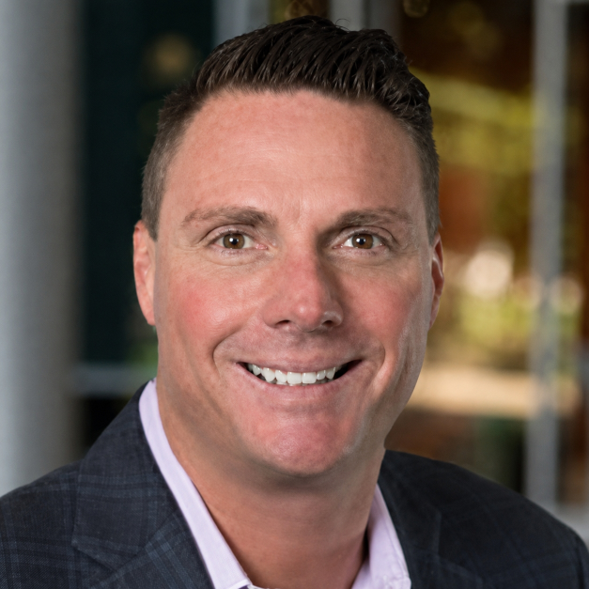
“Organizations cannot afford to manage access risk in one tool and data risk in another and hope someone connects the dots,” said Chris Kelly, president of Delinea. “As human, machine, and AI identities multiply, security teams need better context to prioritize risk and govern access with confidence. Delinea and Cyera help bring identity and data context together so teams can focus on the risks that matter most.”
The Delinea Platform and Cyera Data Security Posture Management (DSPM) integrate via API to deliver data-aware identity security at scale. Cyera continuously discovers, classifies, and monitors sensitive data across cloud and on-premises datastores. Data classification labels and exposure context flow from Cyera into Delinea, where each identity is automatically correlated with the data it can access, translating data classifications and exposure context into a continuously updated risk picture. Security teams can then prioritize remediation, access reviews, and privileged access controls based on the sensitivity and exposure level of the underlying data.
With Delinea and Cyera, security teams can:
- Remediate the exposures that matter most: Risk scoring automatically reflects data classifications, so teams close the highest-impact gaps first rather than working through an undifferentiated queue of privileged accounts.
- Spend less time chasing every alert: Entitlements alone no longer drive the alert queue, only accounts with real exposure to critical assets require immediate attention.
- Get the full picture, in one place: Human, machine, and AI identities connected to their complete exposure context, giving teams a single source of truth for identity and data risk.
To learn more about Delinea’s integration with Cyera and others, visit https://delinea.com/partners/integrations-center
Tech News
Submer to Address the Infrastructure Challenges Behind Sovereign AI at DCD Connect | MENA 2026


Submer, a full-stack AI and HPC data centre infrastructure provider, will join industry leaders at DCD Connect | MENA 2026, taking place October 26–27 at Grand Hyatt Dubai, to discuss the infrastructure strategies needed to advance sovereign AI across the region.
As governments and organisations across the Middle East accelerate their sovereign AI and cloud strategies, the challenge extends beyond keeping data within national borders. They must also build the high-performance computing infrastructure needed to support increasingly complex AI workloads while meeting regulatory requirements, scaling efficiently and maintaining commercial viability.
Submer will contribute to this discussion through its participation in the panel debate “Building Sovereign AI: Enabling Innovation Through Scalable Compute,” on October 26, from 2:30 p.m. to 3:15 p.m. The session will explore the infrastructure requirements of sovereign cloud environments, the trade-offs between fully localised and hybrid infrastructure models, and how the region can develop a sovereign-ready compute backbone without compromising flexibility, performance or return on investment.
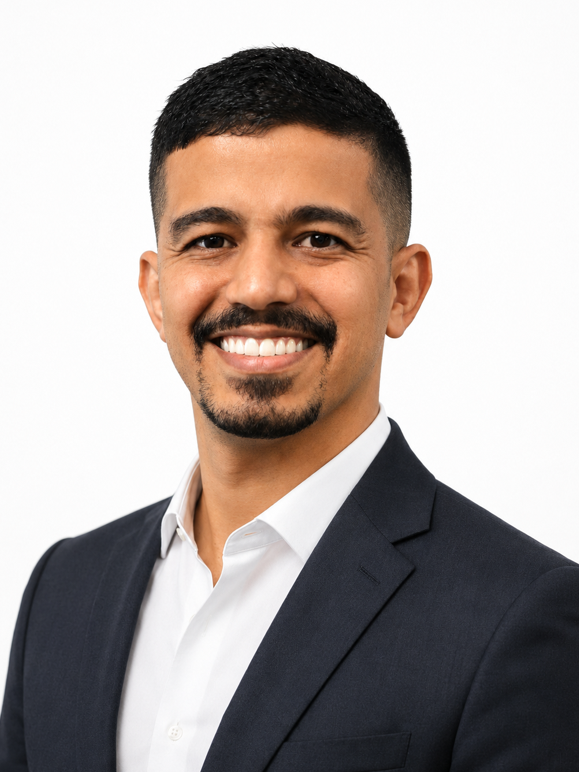
Bahaa Al Janabi, Technical and Solution Lead for Middle East, Turkey and Africa at Submer, will join fellow industry experts to examine how infrastructure decisions can shape the region’s ability to turn its AI ambitions into scalable, commercially viable deployments.
“Sovereign AI is not simply about where data resides. It is about having the infrastructure to run advanced AI workloads at scale while meeting national requirements and making the economics work. The choices organisations make today will shape their ability to innovate, scale and compete. We look forward to discussing how the right infrastructure strategies can help turn the region’s sovereign AI ambitions into reality,” said Bahaa Al Janabi.
Submer representatives will also be available throughout the event to meet with customers, partners and industry stakeholders and discuss the evolving AI infrastructure landscape across the Middle East, Africa and Turkey.
Tech News
Thermax showcases advanced desalination and water recovery technologies to strengthen UAE’s industrial water security at WETEX 2026
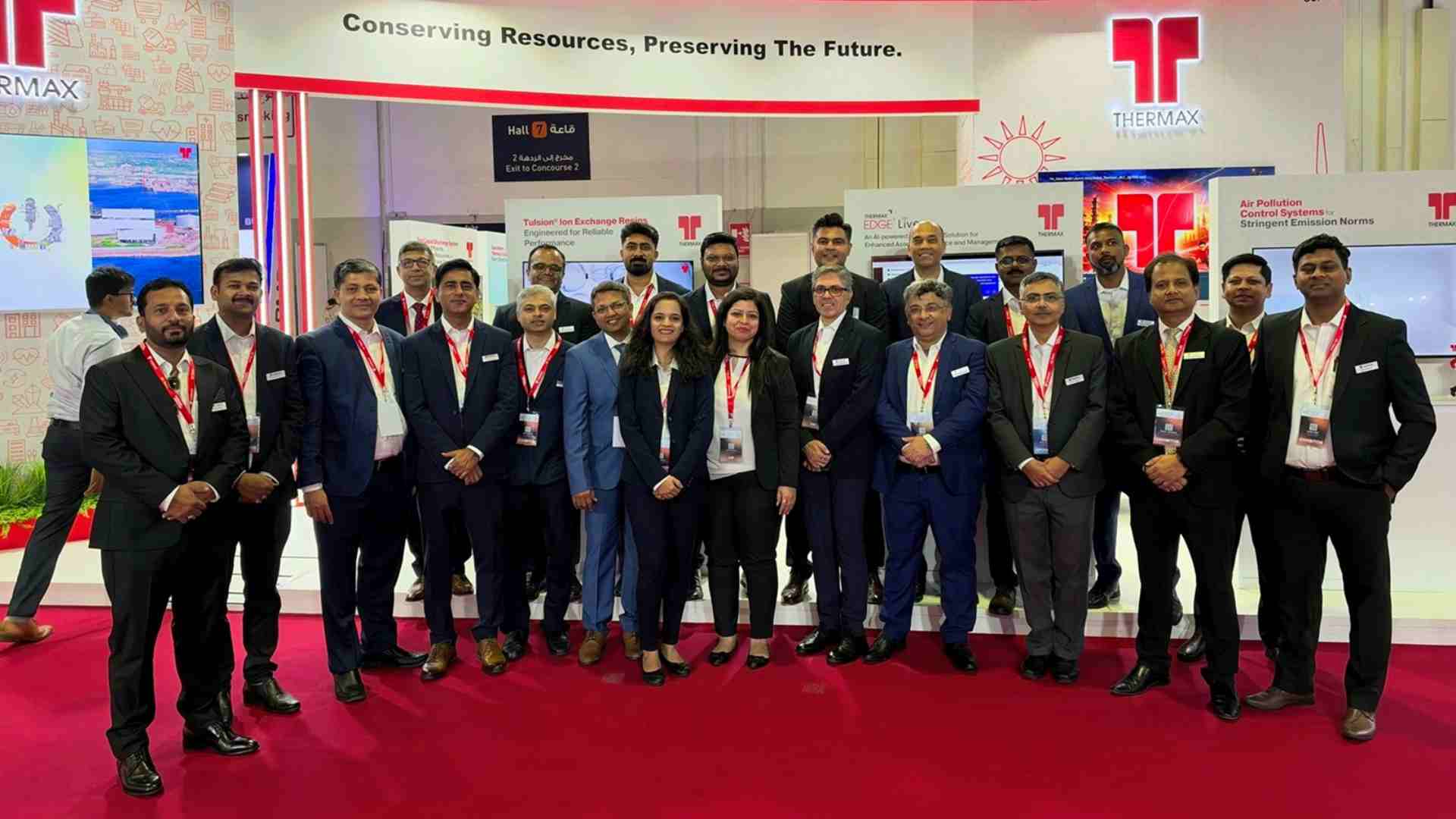
Thermax Limited showcased its advanced seawater desalination and industrial water recovery technologies at the Water, Energy, Technology and Environment Exhibition 2026 (WETEX), held from October 20 to 22 at Dubai World Trade Centre. Through its digital showcase, the company highlighted solutions designed to help industries secure reliable water supplies, improve resource efficiency and reduce environmental impact.
Thermax’s participation came as Dubai continues to strengthen its desalination infrastructure to meet growing water requirements. According to Dubai Electricity and Water Authority (DEWA) Financial Annual Report, desalinated water production increased by 5.51 per cent year-on-year in the first quarter of 2026, reaching a record 37.57 billion imperial gallons. By June 2026, Dubai’s installed desalination capacity had reached 555 million imperial gallons per day, with seawater reverse osmosis accounting for 23 per cent of the total. These developments highlight the growing importance of efficient and reliable water infrastructure in supporting the UAE’s evolving water requirements.
At the event, Thermax highlighted its desalination solutions that help industries meet their water needs while easing pressure on freshwater resources. The systems use energy-efficient membrane technology to remove salts from seawater and produce water suitable for industrial use, with designs tailored to each customer’s water quality and operating requirements.
Through its digital showcase, Thermax also highlighted portable and containerised desalination systems that bring key equipment together in compact units. This reduces installation work on site, supports faster deployment and allows treatment capacity to grow with demand.
Ashish Bhandari, Managing Director & CEO, Thermax Limited, said: “Water security shapes where industries invest and how competitively they operate. Businesses need dependable supply at a cost they can sustain. That means planning water and energy together, with investment decisions guided by performance throughout a plant’s life.”
Beyond desalination, Thermax also showcased Advanced Reverse Osmosis (RO) technology that recovers additional usable water from the concentrated stream left after treatment. By concentrating the remaining brine, the technology reduces the load on downstream evaporation systems and supports more efficient industrial wastewater management. When combined with suitable additional treatment and crystallisation processes, it can also support salt recovery, creating opportunities to recover valuable resources from wastewater and promote circular water management.
Thermax also showcased industrial water treatment, wastewater recycling and zero liquid discharge (ZLD) solutions that help industries treat and reuse wastewater for suitable applications while reducing freshwater dependence. Complementing these solutions, Thermax’s EDGE Live digital platform supports plant performance through real-time monitoring, AI-driven analytics and predictive diagnostics, helping industrial operators identify potential issues early, optimise maintenance and improve operational reliability.
These solutions align with the objectives of the UAE Water Security Strategy 2036, which targets 95 per cent reuse of treated water by 2036. Through its regional office in Dubai, Thermax is focused on exploring various opportunities across the UAE’s industrial desalination, water treatment and wastewater recycling sectors, particularly within water-intensive industries such as oil and gas, chemicals, metals, food and beverages, and pharmaceuticals.
Thermax has been active across the Middle East and North Africa region since 1993, with more than 1,000 installations across its regional energy and environment portfolio, serving over 30 industries.
Tech Features
TrendAI™Expands Vision One with New Security Capabilities for AI Agents and Application Development
TrendAI™, the global AI security leader and enterprise business unit of Trend Micro Incorporated (TYO: 4704; TSE: 4704), has announced new capabilities for TrendAI Vision One™. These include the private preview of Autonomous Vulnerability Discovery and expanded support for Claude’s Compliance API, which now covers Claude Code and Cowork sessions. Together, these services help enterprises identify exploitable vulnerabilities in source code before attackers do, investigate how AI agents operate, and maintain oversight as AI adoption scales.
The need for this oversight is growing rapidly across the region. According to research conducted by The Harris Poll for Dataiku, 62% of UAE chief information officers believe their organisation have more than 50 AI agents running in production, yet only 18% have a fully unified view of agents across platforms, data environments, and business applications. At the same time, AI is accelerating both how quickly code is written and how quickly attackers can identify flaws. Security teams therefore need to keep pace with AI adoption without losing visibility into what is happening across their environments.
The new capabilities extend TrendAI Vision One™ across both software development and AI agent activity. TrendAI Vision One™ Autonomous Vulnerability Discovery is powered by AESIR, TrendAI’s agentic exploit-remediation engine, which identifies and validates vulnerabilities, including zero-days. It also verifies fixes in customer source code. The engine uses purpose-built, multi-model AI architecture that relies primarily on Anthropic models and has outperformed single-model and agentic system scores on the CyberGym Leaderboard. Every finding is validated by experts from the TrendAI™ Zero-Day Initiative™ (ZDI), the world’s largest vendor-agnostic bug bounty programme. The Autonomous Vulnerability Discovery is deployed and operated on Amazon Bedrock from Amazon Web Services (AWS), enabling the full workflow to run within the customer’s AWS environment
In parallel, the expanded Claude Compliance API integration brings Claude Code and Cowork session records from Claude Enterprise into TrendAI Vision One™. These records include prompts, responses, and tool calls, each tied to a verified user. It enables security teams to investigate AI activity in context, correlate it with endpoint, identity, cloud and network signals, and build custom detections for relevant agent behaviour.
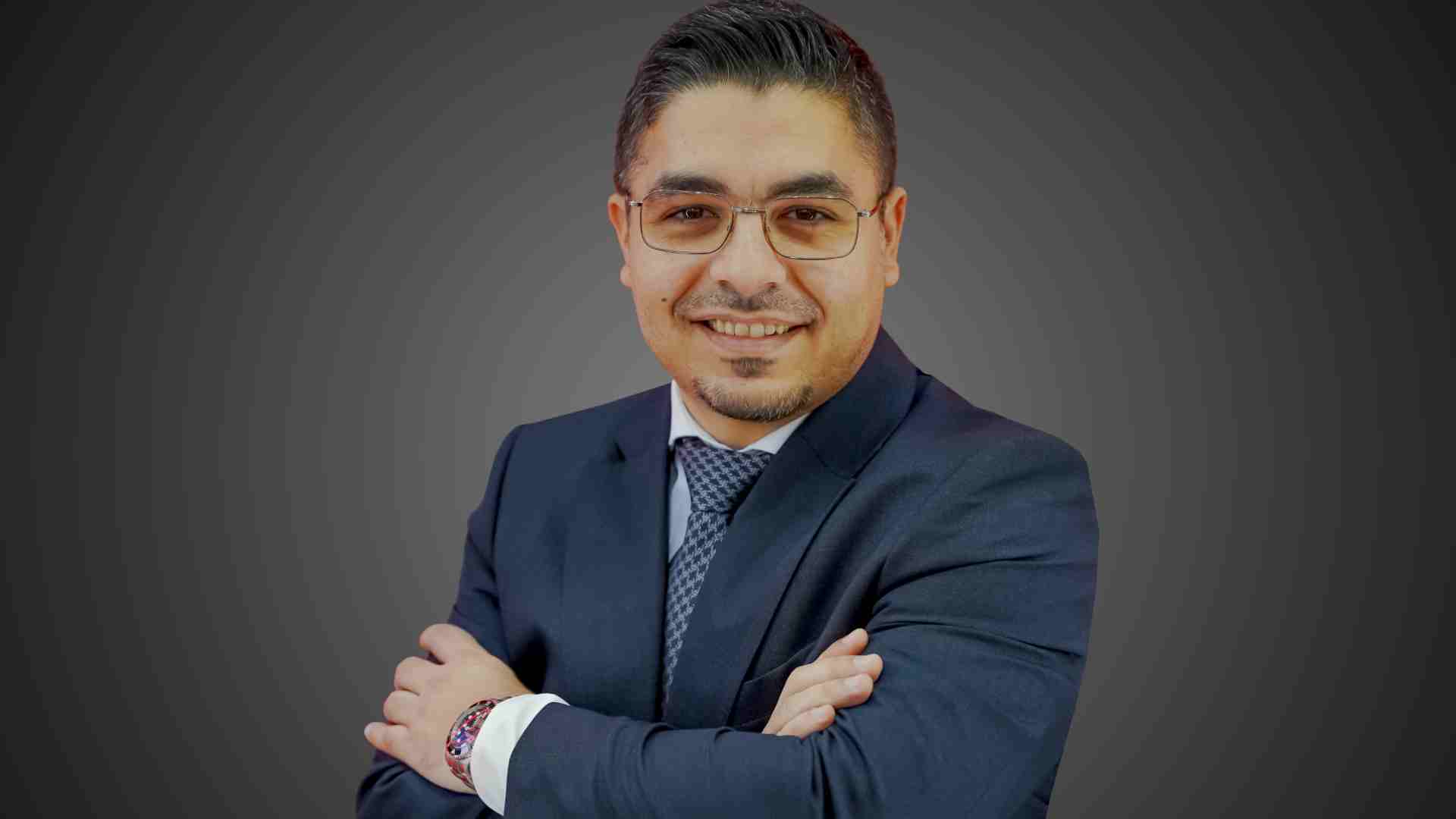
Commenting on the announcement, Salah Suleiman, Managing Director, South Gulf, TrendAI™, said, “AI is changing both how software is built and how work gets done across the enterprise. Code is being written faster than ever, while AI agents are increasingly able to access systems, call tools and act on behalf of users. As organisations across the UAE and the wider region scale AI at pace, their security teams need to identify vulnerabilities early while maintaining clear visibility into what AI systems are doing and whether their actions align with organisational policies. With these additions to TrendAI Vision One™, we are helping organisations move faster with AI while maintaining the context, oversight and control needed to do so securely.”
TrendAI Vision One™ also continues to ingest activity logs from Claude Enterprise, covering user logins, administrative actions and configuration changes, as well as from Claude Platform, covering administrative, system and resource events. Autonomous Vulnerability Discovery is now available in private preview to select enterprise customers running on AWS, while Claude’s Compliance API integration in TrendAI Vision One™ is available to TrendAI Vision One™ customers using Claude Enterprise.


Submer to Address the Infrastructure Challenges Behind Sovereign AI at DCD Connect | MENA 2026
Terrace Dining, Oktoberfest, and Beach Days Return to InterContinental Abu Dhabi This October

THE STORIES BEHIND THE MATERIALS SHAPING UAE INTERIORS



-

 Trending12 months ago
OPPO A6 Pro 5G Review: Reliable Daily Driver
-

 Tech News2 years ago
Denodo Bolsters Executive Team by Hiring Christophe Culine as its Chief Revenue Officer
-
 VAR2 years ago
Microsoft Launches New Surface Copilot+ PCs for Business
-

 Automotive2 years ago
AGMC Launches the RIDDARA RD6 High Performance Fully Electric 4×4 Pickup
-
Tech Interviews3 years ago
Navigating the Cybersecurity Landscape in Hybrid Work Environments
-

 Hospitality2 years ago
Gulfood 2025 30th Edition Kicks Off Today, Setting New Benchmarks in F&B Growth and Innovation
-

 VAR11 months ago
Huawei Nova 14 Pro Review: Where Camera Excellence Meets Ecosystem Evolution
-

 Tech News1 year ago
Nothing Launches flagship Nothing Phone (3) and Headphone (1) in theme with the Iconic Museum of the Future in Dubai