
 Have a question? +971 56 404 0503





Tech News
RISE Summit 2026 brings global investment leaders to Dubai as shifting capital flows reshape growth opportunities

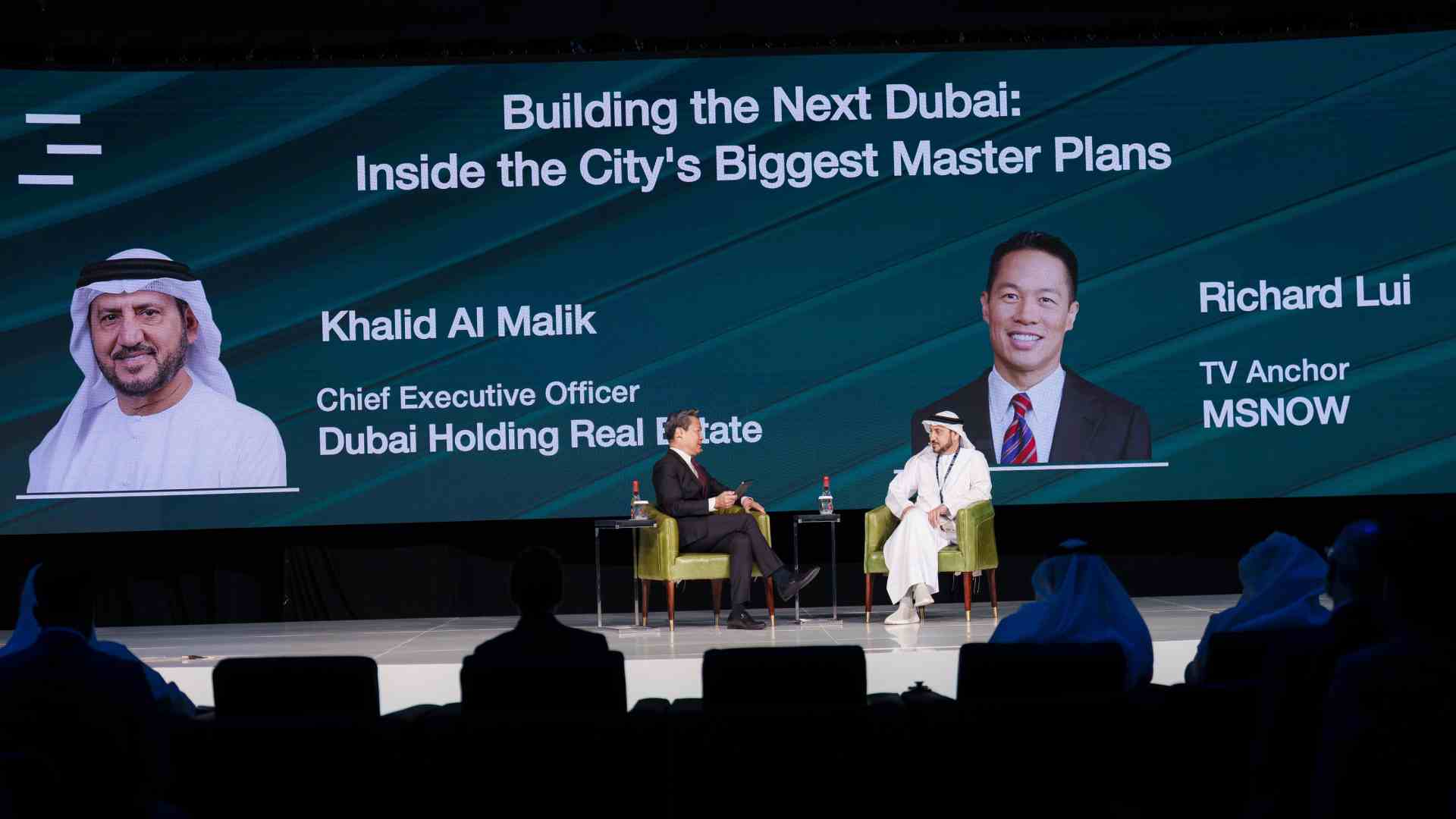
As geopolitical shifts, changing trade relationships and evolving financial conditions reshape the global economic landscape, RISE Summit 2026 brought together leading investors, policymakers, developers and industry decision-makers at Dubai World Trade Centre today to examine where capital is moving and where the next phase of global growth could emerge.
Held under the theme ‘Recharging Momentum in Global Economies,’ the Summit explored how changing investment priorities are influencing global markets, infrastructure, cities and real estate, alongside the future experience economy spanning hospitality, tourism and new models of urban growth.
The UAE’s broader economic transformation was also a central theme of the Summit. Speaking during ‘From Resilience to Opportunity in a Realigning World,’ H.E. Abdulla bin Touq Al Marri, UAE Minister of Economy and Tourism, highlighted the country’s focus on building a more productive economy.
His Excellency said: “When you ask about 2027, we’re not going to come back to the same economy. We’re going to have a different economy in 2027, a more productive economy.”
Global Leaders Series examines international forces sharping investment landscape
The Summit opened with its Global Leaders Series, examining the changing dynamics of international capital and the forces reshaping long-term investment decisions. In ‘The Great Capital Shift,’ José Manuel Barroso, Chairman of International Advisors at Goldman Sachs and former President of the European Commission, examined how geopolitical and economic realignment is changing perceptions of where capital can be deployed safely and productively, and which markets are emerging as beneficiaries of this shift.
This was followed by Ludovic Subran, Group Chief Investment Officer and Chief Economist at Allianz, who addressed the implications of the changing interest-rate environment for institutional investors in ‘Long-Term Capital in a Higher-Rate World’, including the evolving balance between fixed income, real estate, infrastructure and private markets.
Highlighting the need for investors to adapt to a rapidly evolving global landscape, Barroso said: “We are witnessing a fundamental change. This is not only geopolitical; it is also a scientific and technological revolution, and the way we allocate capital is going to change phenomenally. Long-term investors need to think strategically about what will change markets in the years ahead – energy, infrastructure, technology and defence. Don’t pay any price for growth, keep some liquidity and, above all, diversify – geographically and across sectors. For me, that is the key.”
On the Gulf’s position within shifting global capital flows, Barroso added: “Global competition is going to continue. The US will remain the central part of the world economy because of the pre-eminence of the dollar, its advances in innovation and science and its geopolitical power. At the same time, global investors will not want to be so heavily exposed to the US, so there will be diversification. The Gulf has been wise in keeping its options open, using its centrality to play an articulation role between new destinations for investment.”
Looking beyond the AI investment boom
Turning to the global growth outlook, Subran highlighted the increasing influence of AI investment on economic momentum, while warning of growing caution across the wider economy. With data-centre investment and AI-related capital expenditure continuing to underpin growth, he questioned what could emerge as the next major economic driver as the current cycle eventually begins to shift.
Subran said: “My main concern is whether the US can sustain the momentum we have seen so far with what is coming in 2027. Global trade is in recession this year if you take out AI, which shows how much the AI economy and data-centre capex are driving global and US growth. At some point that will inflect, and we need to understand what comes next. Outside AI, firms are already very cautious about the future and about making their next investment.”
Against this higher-rate backdrop, Subran also pointed to a changing role for real assets within institutional portfolios, as the boundaries between real estate, infrastructure and technology become increasingly blurred.
He added: “Real estate is really morphing into something much more complicated. The lines between real estate and infrastructure are getting blurred, particularly across logistics and warehousing, creating interesting opportunities for portfolio construction.”
Deepening global appeal through local strength
Dubai’s own development trajectory formed another major strand of discussion. Mohamed Alabbar, Founder and Managing Director of Emaar Properties, examined the role of long-term conviction in city-building and why major development can continue through changing market cycles, while H.E. Issam Kazim, CEO of Dubai Corporation for Tourism and Commerce Marketing (DTCM) explored the economic architecture underpinning Dubai’s resilience and the next phase of growth under the D33 Economic Agenda.
Pointing to Dubai’s established strengths across multiple sectors, Kazim highlighted how the D33 agenda is building on existing foundations to deepen the city’s appeal to international businesses and investors, supported by its connectivity to global markets.
Kazim said: “When we started our D33 strategy, we focused on industries including logistics, manufacturing, financial services and tourism. None of these were new industries for us; we were already strong in them, but perhaps we were not as vocal about them. Today, we are doubling down on those strengths. Companies establish their regional headquarters in Dubai not simply for the four million residents here, but because of the global population and markets they can reach from Dubai.”
Tourism remains central to this proposition, with Kazim emphasising the value of attracting visitors who develop a lasting relationship with the city and become advocates for Dubai beyond their initial stay.
He added: “For me, the biggest value is quality rather than quantity. The quality visitors who come to Dubai become genuine advocates of the city because they understand the value Dubai adds. Around 25% of our visitors are repeat visitors within 12 months. That is a significant number, and it demonstrates the kind of relationship people develop with Dubai after experiencing the city.”
Beyond the macroeconomic outlook, RISE Summit examined how changing investment priorities are translating into opportunities across the built environment and the infrastructure needed to support future economic growth.
Across the programme, RISE Summit 2026 highlighted a changing investment environment in which capital remains available, but investors are becoming increasingly selective about markets, assets and partnerships. Discussions heard by over 500 delegates pointed to economic resilience, infrastructure capacity, regulatory clarity and access to long-term growth as increasingly important factors shaping global investment decisions.
By connecting institutional investors, sovereign capital, private equity, family offices, policymakers, developers and project owners, RISE Summit provides a platform for senior decision-makers to examine how global economic change is translating into new opportunities across markets, infrastructure, cities and real estate.
Tech News
KnowBe4 Expands Global Data Residency to Six Markets Across the Middle East, Asia-Pacific and South America
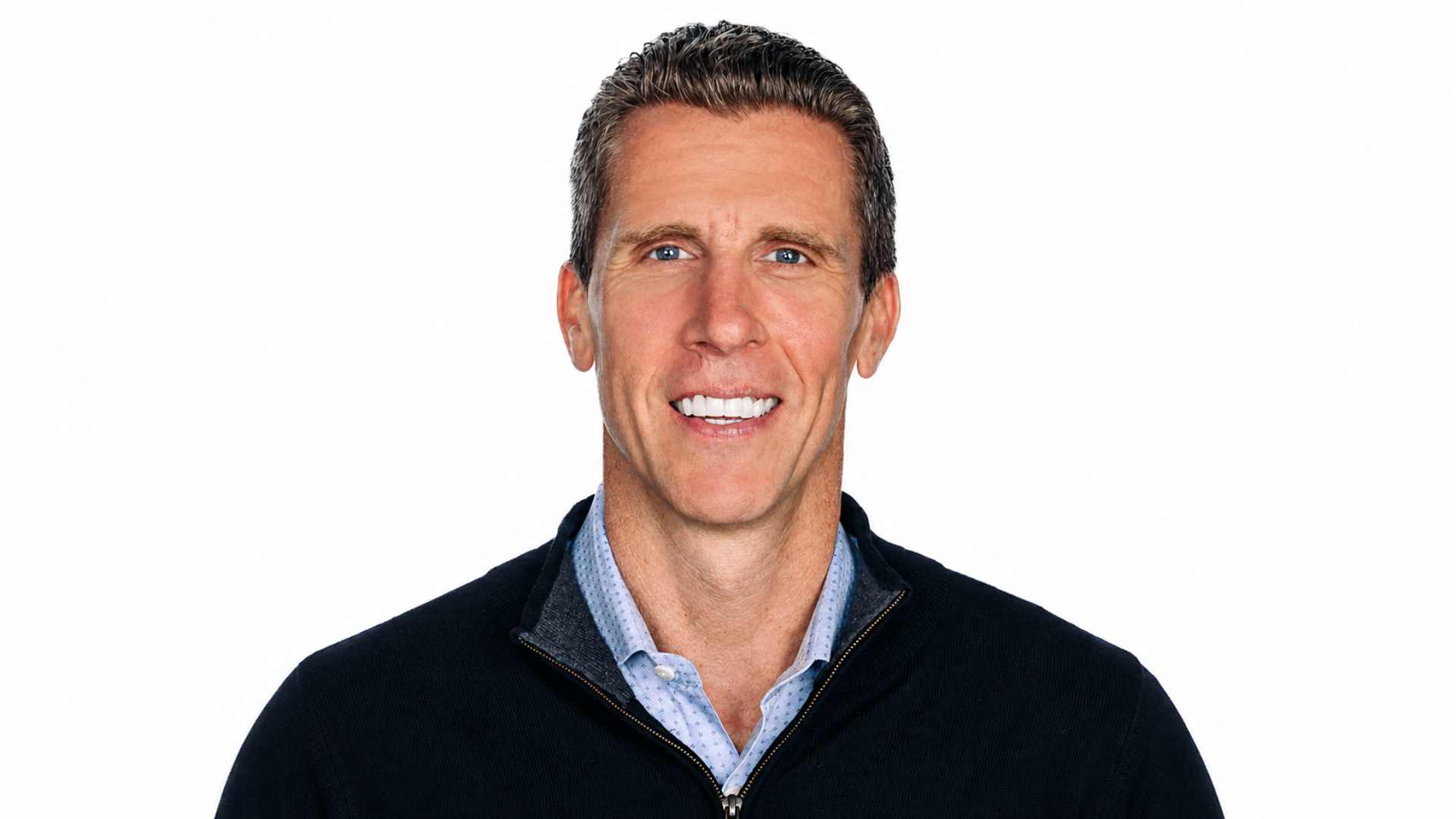
KnowBe4, the global leader in digital workforce security, securing both humans and AI agents, today announced its commitment to expanding in-region data residency across six key international markets: Australia, Brazil, Japan, Saudi Arabia, Singapore, and the United Emirates (UAE).
The expansion addresses escalating regulatory complexity worldwide. By offering local data residency, KnowBe4 enables organizations across industries to secure their whole workforce, people and AI agents, while aligning with local data privacy frameworks.
These new regions are in addition to KnowBe4’s existing data residency capabilities across Canada, the European Union (Germany and Ireland), the United Kingdom and the United States.
“As the global regulatory environment evolves and cyber threats grow more sophisticated, international organizations require clarity and confidence regarding where their sensitive data is stored,” said Bryan Palma, CEO at KnowBe4. “Expanding our in-region data residency across these six markets gives our customers greater control over their data at rest, so they can secure their workforces with confidence.”
Launch in each new region is contingent on the underlying cloud infrastructure becoming generally available. Customer data at rest in these regions will be available across the KnowBe4 Platform.
Tech News
Cambridge Health Group and Heriot-Watt University to advance research and innovation in the GCC
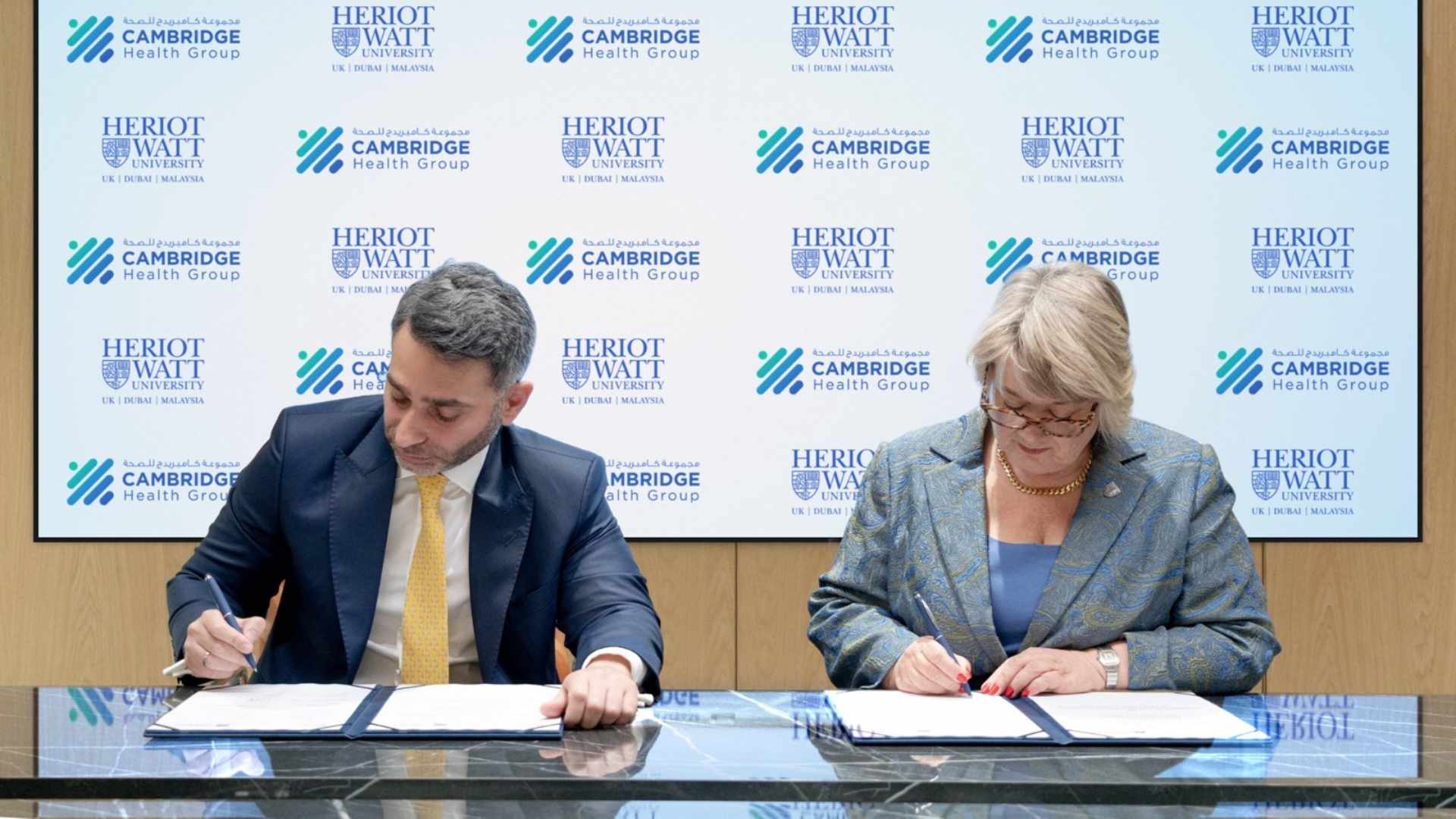
Cambridge Health Group (“CHG an international specialist healthcare group providing post-acute care and a subsidiary of Amanat Holdings PJSC (“Amanat”), has signed a three-year Memorandum of Understanding (MoU) with Heriot-Watt University (“Heriot-Watt”) to advance academic research in rehabilitation, long-term care and specialised care.
The agreement brings together CHG’s clinical expertise in long-term care and post-acute rehabilitation across six facilities in the UAE and Saudi Arabia with Heriot-Watt University’s pioneering research in healthy ageing, rehabilitation robotics and assistive technologies. Through its Global Research Institute in Health and Care Technologies and the National Robotarium, Heriot-Watt combines expertise in engineering, artificial intelligence and behavioural science to address complex challenges in health and care. Heriot-Watt’s global presence spans five campuses across Scotland, Dubai and Malaysia, with plans to establish a further campus in Saudi Arabia.
Together, the organisations will connect research with clinical practice, creating opportunities to develop and evaluate innovations that support rehabilitation, maximise independence and improve quality of life for people with complex, long-term care needs. The partners will also pursue national and international research grants, including collaboration with government and industry partners.
The partnership will also support the development of the region’s specialist healthcare workforce through academic training, executive education and tailored development programmes. These will include postgraduate research supervision, internships, industry placements and mentoring, helping connect academic learning with practical experience.
Professor Dame Heather McGregor, member of Heriot-Watt University’s Executive, said: “Universities have an important role in ensuring that research responds to the needs of society and that its benefits extend beyond academia. Our partnership with Cambridge Health Group brings our researchers closer to the questions and challenges shaping healthcare practice, creating opportunities to translate knowledge into meaningful improvements in care. Through education, professional development and practical experience, we look forward to supporting the skills and expertise the region will need as its healthcare sector continues to evolve. We look forward to doing meaningful work together.”
Wael K. Abdallah, Group Chief Executive Officer of Cambridge Health Group, said: “As healthcare systems across the region evolve, advancing specialised care will increasingly depend on our ability to connect research, clinical expertise and real-world healthcare needs. At Cambridge Health Group, we see research and innovation as important enablers of better care outcomes and the continued development of post-acute healthcare across the GCC. Our collaboration with Heriot-Watt creates opportunities to bring academic expertise closer to clinical practice, strengthen the capabilities of our workforce and contribute to the long-term advancement of the sector.”
The partnership represents a step towards translating research into practical advances in specialised care, with the potential to benefit patients, healthcare professionals and the wider sector.
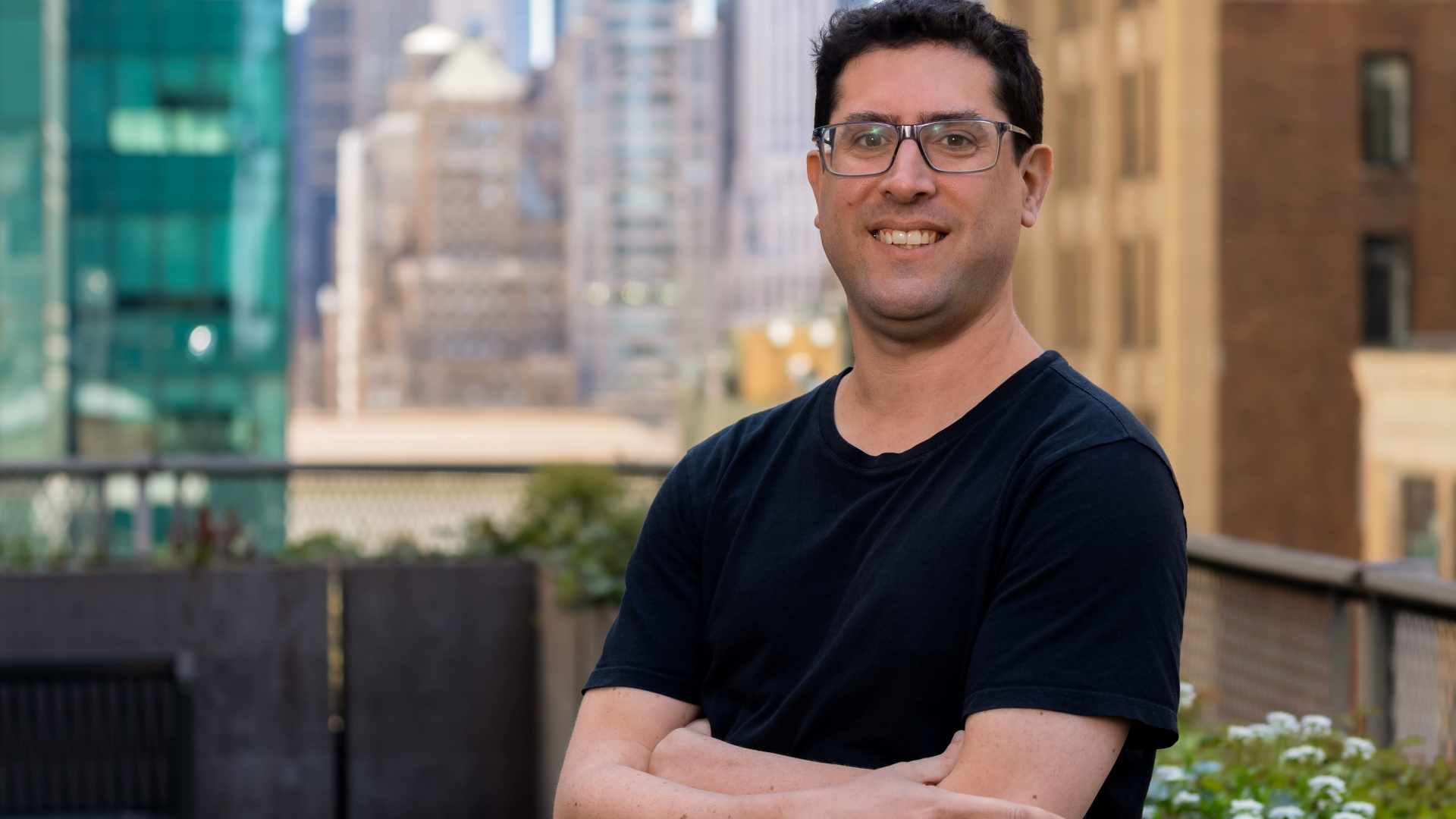
On the back of the biggest buildout in data infrastructure history, VAST Data, the AI Operating System company, today announced that it is at the center of many of the largest deployments in this space. In the first three quarters of the current fiscal year, just 14 of the more than 1,000 companies VAST serves have made more than $10 billion in aggregate commitments for VAST Data software and supporting platform hardware. The scale and breadth of these investments have no known precedent in the history of data infrastructure and signal that VAST is leading the world in this explosive buildout of superintelligent systems.
The VAST AI OS is the platform of choice for leading AI clouds and frontier AI labs to enable scalable AI training and inference. In 2026, the expansion of AI use cases and the realization of the value of superintelligent systems has reinforced the mandate for organizations to build with industrial-grade storage and database infrastructure to support GPUs and AI accelerators.
The progress VAST has made:
- 14 customers have each committed over $100M in VAST Data-powered system build outs
- Four of those 14 customers have each committed over $1B this year
- VAST Data-powered systems now support 9 of the top 10 frontier AI labs
“Growth at this scale only happens when an entire industry is rebuilding at once,” said Renen Hallak, Founder and CEO of VAST Data. “That’s what the new AI stack is. It’s being built for models and agents, not people and applications, and data sits at the center of it. The companies building it at the largest scale, for people, agents and now robots, are choosing VAST to anchor it.”
Supply Aligned Through 2029
The scale of data capacity VAST’s partners are delivering is unprecedented, and is now representing a significant percentage of the overall global NAND flash produced for enterprise data centers. At a time of such extreme supply chain pressure, VAST is also now taking steps to ensure the next phase of superintelligent system buildout. Increased flash supply takes years to bring online due to the investments in NAND fabs.
Because VAST is partnered with so many of the world’s AI builders, VAST has unique visibility into where capacity demand is headed. The company has structured agreements with its supply chain partners to align more than 200 exabytes of flash capacity through 2029. This forward planning supports VAST’s scaling objectives for the next several years, maps to the growth outlook of its largest customers and helps the AI clouds, labs, enterprises and government organizations building on the VAST AI OS plan their infrastructure with confidence.
“Planning for hundreds of exabytes isn’t only about protecting our customers’ growth projections,” said Jeff Denworth, Co-Founder of VAST Data. “It’s about keeping flash available to hundreds of clouds, so that every AI builder, not just the largest, has the capacity it needs to build and compete.”


H&H’s AED 30 Billion Dubai Peninsula Development Takes Shape, Home to Five World-Renowned Hospitality Brands

The Best Festive Turkey Takeaways in Abu Dhabi This Christmas

Qatar Airways Connects Doha to Caracas, Venezuela, and Bogotá, Colombia with First Flight



-

 Trending1 year ago
OPPO A6 Pro 5G Review: Reliable Daily Driver
-

 Tech News2 years ago
Denodo Bolsters Executive Team by Hiring Christophe Culine as its Chief Revenue Officer
-
 VAR2 years ago
Microsoft Launches New Surface Copilot+ PCs for Business
-

 Automotive2 years ago
AGMC Launches the RIDDARA RD6 High Performance Fully Electric 4×4 Pickup
-

 VAR11 months ago
Huawei Nova 14 Pro Review: Where Camera Excellence Meets Ecosystem Evolution
-
Tech Interviews3 years ago
Navigating the Cybersecurity Landscape in Hybrid Work Environments
-

 Hospitality2 years ago
Gulfood 2025 30th Edition Kicks Off Today, Setting New Benchmarks in F&B Growth and Innovation
-

 Tech News1 year ago
Nothing Launches flagship Nothing Phone (3) and Headphone (1) in theme with the Iconic Museum of the Future in Dubai