
 Have a question? +971 56 404 0503




Tech News
Sui Basecamp 2025 Lands in Dubai with Hands-on Access to SuiPlay0X1 and Other Unveils


Sui Foundation and Mysten Labs invite the Sui community worldwide to join us at Sui Basecamp, the Sui ecosystem’s flagship conference, to be held in Dubai over May 1-2, 2025. Attendees will join thousands of Sui creators, builders, entrepreneurs, enthusiasts, and industry leaders to hear from top-tier speakers—including founders from inside and outside Sui—learn breaking news before anyone else, and gain insights into the blockchain fueling the mass adoption of Web3.
At last year’s event, the groundbreaking SuiPlay0X1—the world’s first blockchain-enabled handheld gaming console—was revealed to the world. For the first time ever, at this year’s Sui Basecamp, attendees will get hands-on access to try out this highly anticipated device—before pre-order shipments begin this summer.
This year’s conference attendees can expect the conference to reflect Sui’s ascent as one of the industry’s top ecosystems, with keynotes from leading figures from inside and outside the Sui ecosystem, info-packed sessions that unveil the roadmaps of key products and projects building on Sui, networking opportunities, and more.
Announced speakers include:
- The entire Mysten Labs founding team: Evan Cheng, CEO; Sam Blackshear, CTO; Adeniyi Adiobun, CPO; Kostas Chalkias, Chief Cryptographer; George Danezis, Chief Scientist
- Raoul Pal, CEO, Real Vision
- Christian Thompson, Managing Director, Sui Foundation
- Rebecca Simmonds, Managing Executive, Walrus Foundation
- Nic Cabana, Co-Founder, Claynosaurz, a flagship partner of Walrus, the decentralized storage solution built on Sui, which launched on Mainnet this week
- Nikos Porfyris, COO, Athens Exchange Group
- Fisher Yu, Co-Founder and CTO, Babylon Labs
- Elliscope Fang, Co-Founder, NAVI Protocol
Check out additional speakers on Sui’s website and look for further speakers announced via their X account!
Christian Thompson, Managing Director of Sui Foundation, said: “The Sui ecosystem has seen meteoric growth since the first Sui Basecamp almost a year ago—powered by a vibrant community of enthusiasts, builders, entrepreneurs, partners, and industry leaders. As we learned from the first conference, bringing the Sui ecosystem together produces unmatched energy and insights. We invite you to help us honor the Sui community, celebrate the fruits of our shared commitment, and chart our course for the future together.”
A Year of Growth
Last year’s inaugural event in Paris saw 1,100 attendees from 65 countries come together to celebrate the community driving Sui’s meteoric growth, with an even greater turnout anticipated this year. Sui Basecamp 2024 featured over 100 speakers across 44 sessions, with major announcements including: unveiling the world’s first blockchain-based handheld gaming console, SuiPlay0X1; NHN doing a deep dive into their development efforts on Sui; and First Digital announcing it would natively deploy the FDUSD stablecoin on Sui.
Since Sui Basecamp 2024, where speakers from Sui and Mysten discussed the early path forward to a new internet, the Sui community has achieved significant milestones in early adoption, including:
- The mainnet launch of Walrus earlier this month—a faster, more robust, and more reliable solution than other decentralized storage systems, with $140M in capital raised to scale its solutions.
- Announcements with major partners, including Canary Capital’s filing of a SUI ETF, Sega’s Code of Joker: Evolutions game, and a surge of institutional interest in Sui, with the likes of Grayscale, Franklin Templeton, VanEck, and Ant Financial all launching investment products or initiatives on the Sui Network.
- The launch of Sui Bridge in September 2024, allowing seamless asset transfers between Sui and Ethereum—over 25,000 ETH (over $51.9M USD at the time of writing) have since been transferred to Sui.
- Sui’s total monthly active wallets reached a peak of 17.6M in February 2025, the highest count recorded to date.
Proud sponsors of Sui Basecamp 2025 include a roster of top wallets, decentralized exchanges, and infrastructure providers, such as Phantom, Cetus, Karrier One, Walrus, Artinals, Navi, Lofi, Pyth, and Suilend.
Please register using the code suinews10 for 10% off the $149 cost of registration! Don’t delay—prices increase on April 9, 2025.












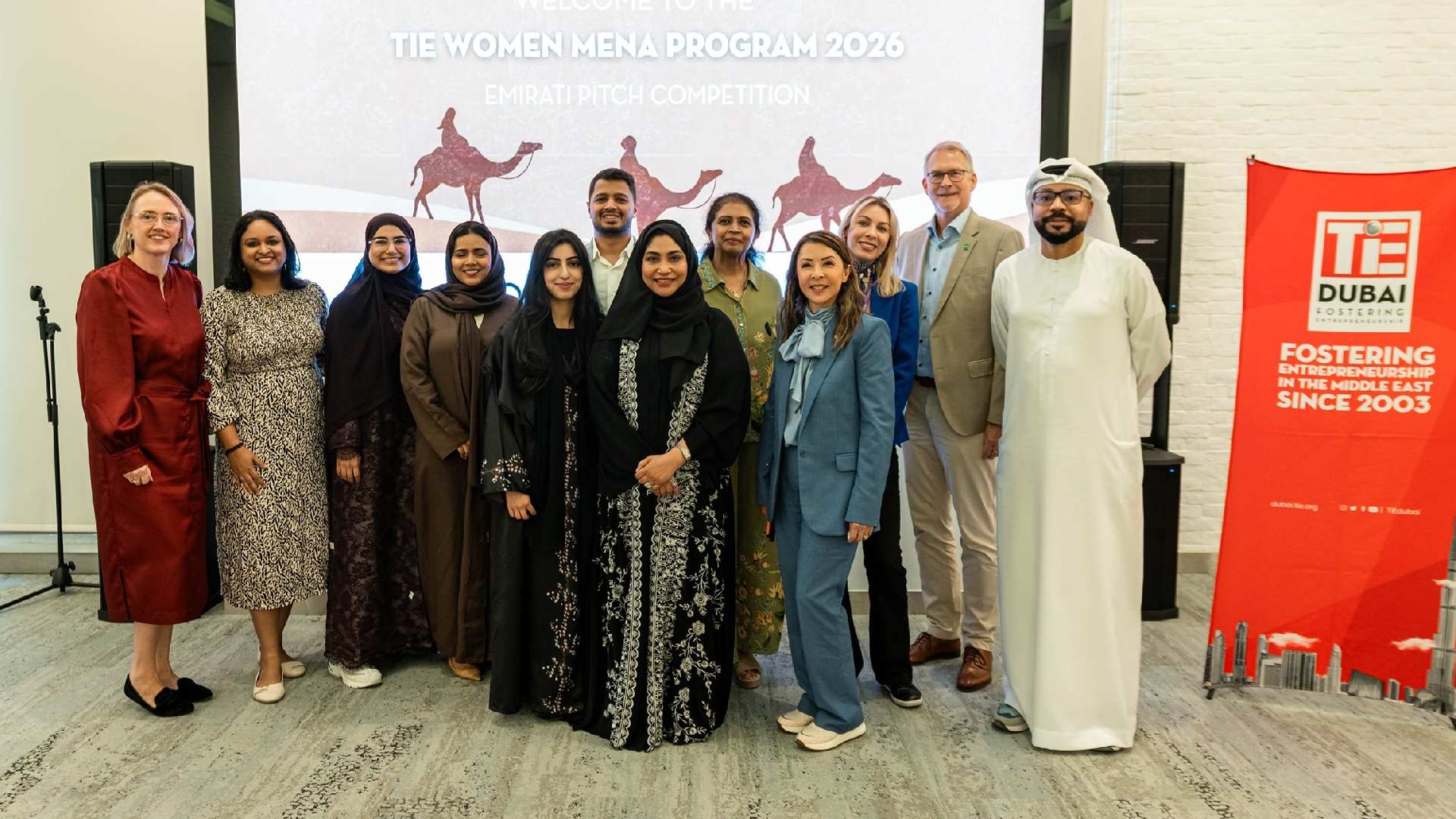
TiE Dubai, the regional chapter of TiE Global, has officially announced the five regional winners, who will compete at the seventh edition of the TiE Women MENA program 2026. Following a series of virtual regional finals held from September 8 to 17, five women founders emerged as track winners, one from each category. In the country tracks, Naglaa Mohamed, Co-Founder of P-Vita (Egypt), Lea Mehaweg, Co-Founder and CEO of Maison Safqa (Saudi Arabia), and Anuscha Iqbal, Co-Founder and CEO of Qanooni AI (UAE) took top honours. Rowan Alawi, CEO of Trase, won the Rest of MENA track, while Aisha Alyassi, Founder and Brand Director of SCULP, was named the Emirati track winner.
This year drew 250+ licensed, women-founded businesses, up from almost 200 in 2025, with strong showings in AI and SaaS, AgriTech and FoodTech, HealthTech, sustainability and fashion. From this pool, 228 founders were shortlisted and 46 went on to pitch in the regional finals, where each track named one winner and two runners-up. Founders were assessed on their idea, go-to-market strategy, team strength, competitive advantage, product-market fit, financial objectives, and operational and technical viability. Each finalist was paired with dedicated mentors who worked closely with them to get pitch- and market-ready, helping them sharpen and scale their businesses ahead of the regional finals.
At the regional finals, shortlisted founders pitched before juries drawn from venture capital, technology, banking, media and innovation. The Egypt panel featured Angeliki Karayianni of Nokia, Dina El-Shenoufy of F6 Ventures and Haifa A, formerly of Riyad Bank; Saudi Arabia brought together Abdulrahman AlJiffry of 500 Global, Dalia Nabil of Nokia and former Google and Microsoft leader Roberto Croci. The Rest of the Middle East jury included Dalia Amin of Nokia, Dr. Islam Shdaifat of JoVision and Nesma Abdel Azim of Wamda, while the UAE panel comprised Aamer Sheikh of Homegrown Ventures, Jacopo Carlo Canale of Global Ventures and May El-Rafie of Nokia. The Emirati track was judged by Lucy Chow of Pact Ventures, Saeed Alnofeli of in5 Innovation Centers and Sönke Peters of Nokia.
At Expand North Star in GITEX Global 2026, the winners will receive a dedicated pod to showcase their businesses, gaining direct access to investors and other key stakeholders. The five founders will now compete for the MENA title at the finals in December at GITEX Global 2026.
Beyond the winners’ circle, the 2026 cohort tells a clear story of founders building for the region’s most pressing challenges. AI ran through almost every track, powering solutions in legal services, construction, livestock health, prenatal care and community platforms, while sustainability shaped ventures turning farm waste into fertilizer, discarded yarn into premium textiles and smart sensors into water savings of 30-45% in a water-scarce region. Equally striking was the number of founders designing products specifically for women, from safe mobility to mental wellbeing and maternal health.
The program is run by TiE Dubai and powered by official partner Nokia, alongside longtime partners TECOM, Dubai Internet City and the in5 Innovation Centers. It is further supported by a wide network of ecosystem partners that continue to strengthen the region’s entrepreneurial network.
5 mentors, the majority TiE Charter Members, will continue supporting the cohort beyond the finals.
Carlina Marani and Shameema Parveen, Co-Chairs of TiE Women MENA 2026, commented, “The quality of the candidates and their pitch decks was exceptionally high this year, and what stood out was the diversity of sectors represented. We saw everything from Emirati food products and AI-powered solutions for water conservation and fetal health to second-hand and sustainability-focused businesses. Across the program, there was a clear sense that these women are building businesses with the intention to create meaningful impact. Their enthusiasm was infectious throughout the finals, both online and in person across the UAE and Emirati tracks.We are now looking forward to the GITEX finals and to seeing these companies continue to grow and make their mark across the region.”
Despite MENA startups raising USD 150 million across 27 deals in April 2026, the funding gap for female-founded startups remained stark, with just USD 2.5 million going to them in H1 2026, or 0.14% of the region’s USD 1.7 billion venture funding. TiE Dubai remains committed to closing the gap through practical support, mentorship, funding access, visibility and a clear path from pitch to market, backing women entrepreneurs with regional networking and community engagement initiatives that strengthen their growth and presence in the ecosystem.
In the MENA region, the program has supported more than 1,000 women-led businesses, curated 350+ pitches and awarded AED 380K in equity-free prize money over the past four years. Globally, TiE Women has become one of the largest pitch platforms for women entrepreneurs, receiving more than 11,000 applications across 62 countries and accelerating over 500 women-led startups.
Aisha Alyassi, Founder of SCULP, winner of the Emirati track of TiE Women MENA 2026, reflected, “Being named a TiE Women MENA Regional Winner is an incredibly meaningful milestone, especially as a founder building SCULP from the ground up. The experience has pushed me to think bigger, sharpen my vision, and connect with a community of women who genuinely believe in what we’re building and where it can go.”
Danial Mausoof, Vice President MI Segment, MEA at Nokia, said: “At Nokia, we believe that innovation thrives when diverse perspectives, bold ideas and entrepreneurial ambition come together. We are proud to partner with TiE Women MENA and support a platform that gives women founders across the region the visibility and mentorship they need to turn innovative ideas into businesses with real impact. The diversity and ambition we have seen throughout this year’s program are a strong reflection of the depth of entrepreneurial talent across MENA. We congratulate all five regional winners and look forward to seeing them taking their businesses to the next level and showcase the innovation emerging from the region on the global stage.”
Ahead, all five regional winners will continue one-to-one work with their assigned mentors to sharpen their pitch, go-to-market strategy and investor materials ahead of the MENA finals at GITEX Global 2026 in December. For more information, visit the official TiE Women website.
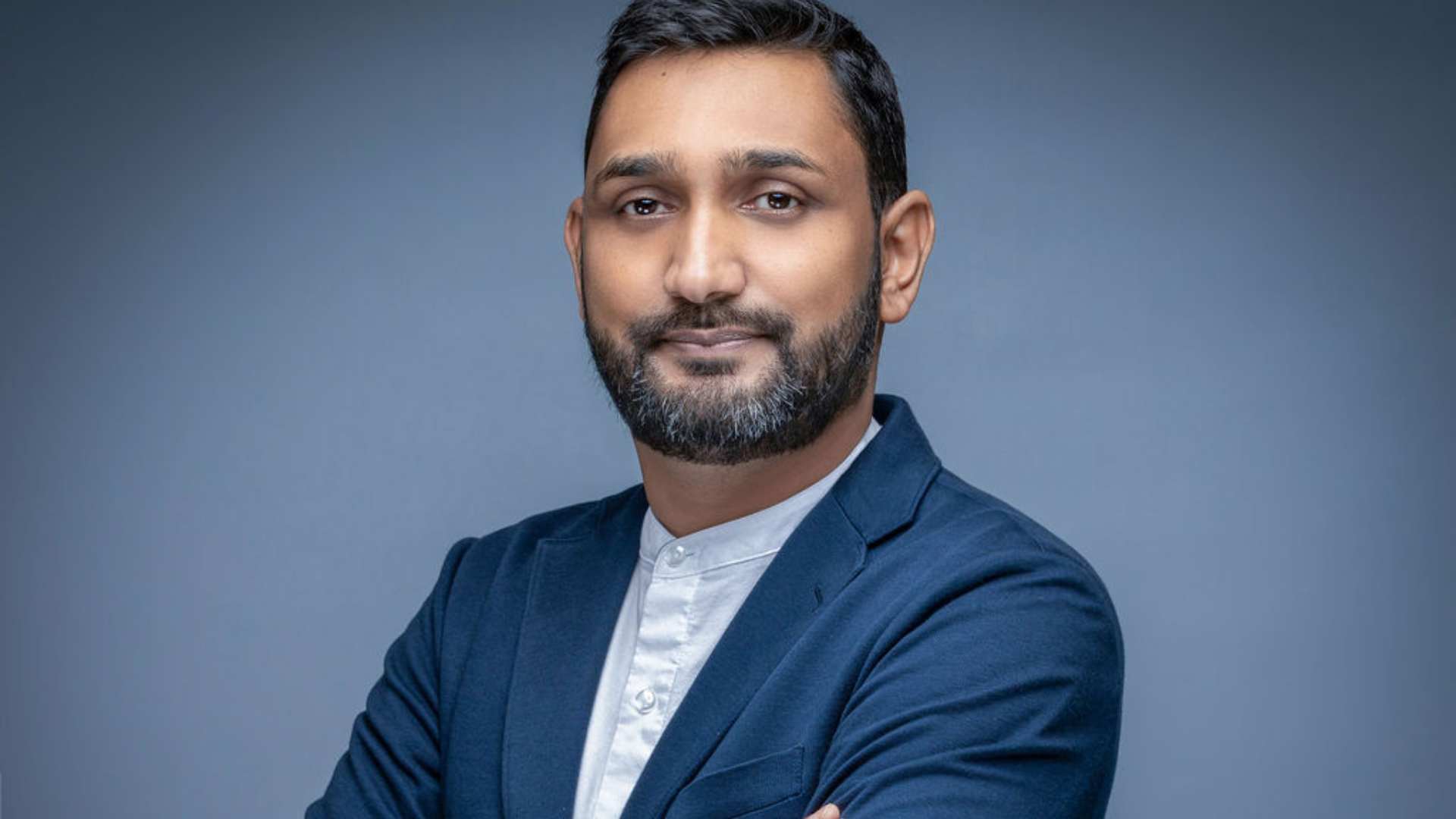
by Dr. Ryad Soobhany, Deputy Academic Head of School of Mathematical & Computer Sciences, Heriot-Watt University Dubai
Camera systems, such as CCTV, are mainly used for video surveillance within organisations. Passive video surveillance has been part of the security ecosystem for years, providing organisations with the ability to monitor different areas simultaneously, while recorded footage can be inspected after an event occurs.
The evolution of computer chips and increased processing power has led to improved image quality, including better performance in low-light conditions, particularly at night. The advent of edge computing, with processing performed on edge devices within a network, has made object and scene recognition more readily accessible. This evolution has led to more active video surveillance through video analytics, where events can be identified and addressed in real time. Examples include number plate recognition systems and facial recognition for access control.
With the combination of AI and video data, computer vision can be integrated with business analytics to transform video surveillance from a security infrastructure into a business intelligence tool. Video surveillance is moving from passively recording events to sensing what is happening in the environment. This helps to answer questions such as which areas are congested, how customers are moving, how long they dwell in particular areas, and whether unusual events are occurring. Businesses can use this data to optimise their operations, such as improving the customer checkout process, monitoring asset or staff movement, and managing crowds or traffic flows. Organisations can also incorporate contextual business information to enhance the analytics by combining behavioural data with CRM or IoT data, providing additional context and insights for decision-making and improving the customer or visitor experience.
Video surveillance can be used to optimise operations, improve customer experiences, and support strategic decision-making across industries. Video itself does not create business intelligence; rather, its value increases when visual information is combined with other operational and contextual data, while computer vision is used to understand and enhance business operations. The pipeline from video to business intelligence can be represented as obtaining data from video sources such as fixed cameras, IoT-enabled cameras, or robots. Computer vision is then applied to the video to detect or track people, objects of interest, or activities. Behavioural data are taken into account, such as customer dwell time in particular product areas, occupancy of rooms or halls, movement of people across a building, and anomalies in behaviour. At this stage, operational data are also considered. The final stage is the business intelligence stage, where trends are identified and insights are inferred. At this stage, data visualisation plays an important role, with dashboards and data storytelling displaying correlations, predictions, and infographics that provide more than simple visual summaries of surveillance data. The camera becomes an operational sensor for the organisation. The important transformation occurs when visual data are combined with business data, such as sales, operational, and IoT data, to convert visual observations into business knowledge that informs operational, tactical, and strategic decision-making within an organisation.
The levels of business intelligence can be viewed as three analytical capabilities: descriptive intelligence, diagnostic intelligence, and combined predictive and prescriptive intelligence. Descriptive intelligence usually addresses what is happening. Visual analytics can identify footfall, occupancy, queue length, waiting time, dwell time, traffic flow, movement patterns, and detected events. Visualisation dashboards can present these indicators in real time or over historical periods, allowing managers to understand the current state of an operation. For example, a museum dashboard can show heat maps of visitor numbers, dwell time, and movement across different exhibition areas, while analysing visitor behaviour and providing insights into the optimal placement of exhibitions. An airport dashboard could display passenger volumes and queue lengths across terminals.
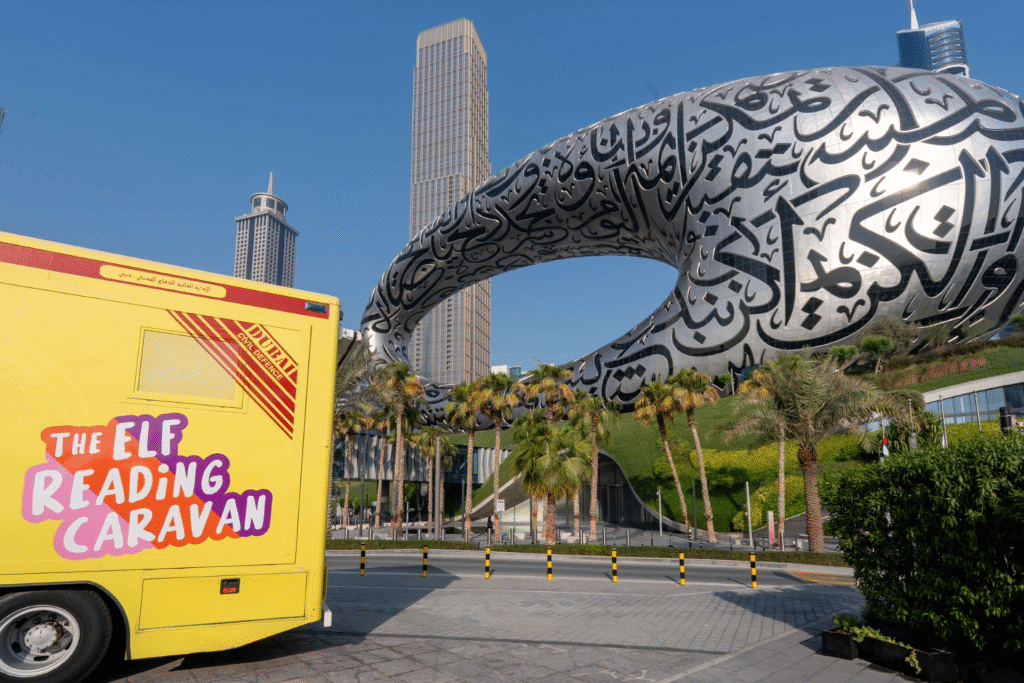
The third edition of the Reading for Pleasure Caravan Conference has concluded following four days of keynote addresses, panel discussions, workshops and practical sessions across Dubai, Al Ain and Abu Dhabi, bringing together about 120 local and international speakers and more than 2,000 parents, teachers, librarians and educators.
Organised by the Emirates Literature Foundation, the conference took on a new mobile ‘caravan’ format this year, travelling between four venues and exploring the role of reading in developing children’s learning, wellbeing, imagination and lifelong engagement with books. Inspired by the historic caravans that carried commerce, culture and knowledge across the Arabian Peninsula, the conference travelled from the Museum of the Future and Zayed University in Dubai, to United Arab Emirates University in Al Ain and the Higher Colleges of Technology in Abu Dhabi.
Now in its third edition, the conference forms part of the Foundation’s wider Reading for Pleasure initiative, a five-year pilot programme launched in 2023 to encourage children to read regularly for enjoyment in both Arabic and English, outside the pressures of academic assessment. The programme currently works with six schools in Dubai and brings together students, parents and educators as the three points of the ‘education triangle’.
Isobel Abulhoul OBE, Founder, Advisor and Member of the Board of Trustees of the Emirates Literature Foundation, said: “My life’s mission, and the purpose behind creating the Emirates Literature Foundation, has always been to put a book into the hands of a child and give them the opportunity to discover the joy of reading. I truly believe that everyone is a reader; sometimes, we simply have not found the right book yet. Our mission to help create the readers of the next generation is bigger than any one of us, which is why the Reading for Pleasure team and the Emirates Literature Foundation have leaned so heavily on our partners. Together, we have been able to take this conversation beyond the classroom and into communities across the UAE, because creating a nation of readers requires all of us to play a part.”
The conference opened at the Museum of the Future, with an opening ceremony by Isobel Abulhoul OBE, followed by a keynote address from Her Excellency Aisha Miran, Director General of the Knowledge and Human Development Authority. The opening day, which was livestreamed with the generous support of the Arab Reading Challenge, focused on Reading for Pleasure and featured conversations on the importance of developing positive reading habits and creating environments where children can discover books for themselves. As part of the programme, the winning children of the Arab Reading Challenge also took centre stage, bringing their own experiences and passion for reading to the conversation.
The opening day also recognised the six schools participating in the Reading for Pleasure pilot programme through the Reading for Pleasure Awards, celebrating the work being undertaken by schools to create stronger reading cultures for their students.
His Excellency Zaki Nusseibeh, Chancellor of United Arab Emirates University, said:
“His Excellency Zaki Anwar Nusseibeh, Cultural Advisor to His Highness the President of the UAE and Chancellor of the United Arab Emirates University, said:
“As UAEU marks fifty years since its establishment by the late Sheikh Zayed bin Sultan Al Nahyan, we remain guided by his conviction that education is fundamental to national progress. Our contribution to this initiative is one small expression of our responsibility to place knowledge at the service of future generations.UAEU is pleased to contribute to this endeavour as a research partner. Our researchers are exploring how readers engage with language, how reading habits develop, and how voluntary reading may influence learning and wellbeing.”
The conference then travelled to Zayed University for a day dedicated to Arabic Language and Bilingualism, followed by a day at United Arab Emirates University in Al Ain exploring Reading in Family and Community. The final day, hosted at Higher Colleges of Technology’s Baniyas Campus in Abu Dhabi, focused on Reading in Early Years.
Across the four days, speakers examined the latest research and practical approaches to reading, with sessions addressing topics including Reading on the Spectrum, An Overview of Policies on Reading in Arabic, How the Brain Reads, and Overstimulated and Under-Imaginative: What’s Happening to Our Children’s Reading Brains?
His Excellency Khalfan Belhoul, CEO of Dubai Future Foundation, said:
“Preparing young people for the future means giving them more than the knowledge they need today. It means nurturing curiosity, creativity and the confidence to explore new ideas. Reading for pleasure gives children the freedom to imagine possibilities beyond what they already know, while developing the habits of learning that will serve them throughout their lives. Initiatives such as Reading for Pleasure play an important role in building a generation that is curious, adaptable and ready to shape the future.”
Dr Hanada Taha, Endowed Professor and Director of the Zai Research Center at Zayed University, said: “Children’s reading experiences are shaped by far more than what happens in a language lesson. The books they encounter, the languages they read in, the choices they are given and the attitudes towards reading at home and at school all influence whether reading becomes a lasting part of their lives. We need to understand these factors through both research and practice, particularly in multilingual communities such as the UAE. The Reading for Pleasure initiative provides an important opportunity to develop evidence that reflects the experiences of children here and can inform how we support readers in the UAE and beyond.”
A national and international exchange of expertise
The conference welcomed speakers from the UAE, the wider region and around the world, reflecting the growing body of research and practice focused on reading for pleasure and its role in children’s development.
Distinguished UAE speakers included His Excellency Dr Abdullah Majid Al Ali, Director General of the National Archives and Library of the UAE; His Excellency Dr Ali Bin Tamim, Chairman of the Arabic Language Centre; Dr Ahmed Al Kaabi, Assistant Dean for Student Affairs at United Arab Emirates University; Alan Williamson, CEO of Taaleem; Dr Amani Batakji Chazy, Education Policies Advisor, The Education, Human Development, and Community Development Council; Dr Bochra Kaddoura, Early Childhood Specialist at the Sharjah Private Education Authority; Deema Al-Alami, Co-Founder of Arab Child Summit; Dr Farah Sarraj, Chief Corporate Officer at Al-Futtaim School Management Company; Dr Fuzan Alkhalidi, Director of Programmes and Initiatives at Mohammed bin Rashid Al Maktoum Global Initiatives; Graham Paris, Director of Dubai Schools; Jessica Smith, Author and Former Paralympian; Dr Maddalena Campioni, Neuroscientist; Dr Maryam AlJassmi, Associate Professor, United Arab Emirates University; Dr Mona Aljanahi, Associate Professor, United Arab Emirates University; Nadine Bakhous, Author at Dar Al Bouma Publishing; Niamh Allen, Corporate Head of EAL at GEMS Education; Dr Reem Al Gurg, Director of Strategy and Institutional Excellence at Mohammed Bin Rashid University of Medicine and Health Sciences; Dr Saeed Kharbash, CEO of Policies, Research and Programmes at the Knowledge and Human Development Authority; Dr Saliha Afridi, Clinical Psychologist and Founder of The Lighthouse Arabia; Dr Sameera Alhosani, Director of Children’s Library at the Department of Culture and Tourism – Abu Dhabi; and Dr Tim Mackintosh-Smith, Arabist and Author.
International speakers included Dr Alaa Al Najim, Assistant Professor in Children’s Literature at King Faisal University, Saudi Arabia; Davinder Dosanjh, Researcher at the University of Birmingham, UK; Dr Fajer Bin Rashed, Assistant Professor at Australian University, Kuwait; Gavin McCormack, Founder of Upschool; Dr He Sun, Associate Professor at the National Institute of Education, Nanyang Technological University, Singapore, and Dr Simon Liversedge, Professor at Northumbria University, UK.
The full conference programme is available at readingforpleasure.ae/events and the full list of speakers at readingforpleasure.ae/author.
Building a culture of reading for pleasure
Launched in 2023 through a memorandum of understanding between Emirates Literature Foundation and DP World, the five-year Reading for Pleasure pilot programme aims to create sustainable reading habits among children in both Arabic and English.
Working with six primary-level schools in Dubai, the programme provides children with greater access to books and dedicated time to read for enjoyment, while supporting parents and educators in creating environments that encourage reading beyond the classroom curriculum. Activities include enhancing school and classroom libraries, creating outdoor reading spaces, developing age- and culturally appropriate reading lists, hosting author visits and providing professional development opportunities for teachers.
The programme is designed to establish centres of excellence that can provide a model for wider adoption across the UAE and the region. Alongside this practical work, a key component of the initiative is its commitment to rigorous academic research. Research partners from Zayed University, United Arab Emirates University, Higher Colleges of Technology, the University of Birmingham and the University of Cambridge are collecting baseline and ongoing data to build a body of local research around the impact of the initiative.
The research will contribute to the growing global body of evidence on reading for pleasure, while generating locally relevant insights into what helps children develop lasting reading habits in bilingual and multicultural communities. Its findings will add to the international conversation around reading for pleasure and provide an evidence base for educators, policymakers and researchers in the UAE and beyond.
Since the inaugural Reading for Pleasure Conference in 2024, the initiative has continued to expand its network of partners. Mohammed Bin Rashid Al Maktoum Global Initiatives and the Arab Reading Challenge have provided strategic support, while Emirates Airline became a travel partner.
This year’s conference was supported by its four venue partners: Museum of the Future, Zayed University, United Arab Emirates University and Higher Colleges of Technology, enabling the conference to reach educators and communities across three cities.
The Reading for Pleasure initiative reflects the Emirates Literature Foundation’s wider commitment to developing a culture of reading and storytelling in the UAE, with a focus on giving children the opportunity to discover books, develop their interests and become lifelong readers.


Dubai Longevity Authority Could Accelerate Shift Towards Wellness-Led Homes

TiE Women MENA Crowns Five Regional Winners Ahead of GITEX Global Final

Beyond the camera: Why video surveillance is becoming a business intelligence tool



-
News11 years ago
SENDQUICK (TALARIAX) INTRODUCES SQOOPE – THE BREAKTHROUGH IN MOBILE MESSAGING
-

 Trending11 months ago
OPPO A6 Pro 5G Review: Reliable Daily Driver
-

 Tech News2 years ago
Denodo Bolsters Executive Team by Hiring Christophe Culine as its Chief Revenue Officer
-
 VAR1 year ago
Microsoft Launches New Surface Copilot+ PCs for Business
-

 Automotive2 years ago
AGMC Launches the RIDDARA RD6 High Performance Fully Electric 4×4 Pickup
-
Tech Interviews3 years ago
Navigating the Cybersecurity Landscape in Hybrid Work Environments
-
 Tech News2 years ago
Toshiba Announces MG10-D Series of Enterprise HDDs with Capacities up to 10TB
-

 Tech News1 year ago
Nothing Launches flagship Nothing Phone (3) and Headphone (1) in theme with the Iconic Museum of the Future in Dubai