
 Have a question? +971 56 404 0503





Hospitality
Rooted in Place: Why Local Communities Are at the Heart of Lasting Change


By Laura Negus, Head of Partnerships, Middle East, Camps International and Impact Travel Group
When we think about travel, we tend to focus on the places we visit and the experiences we bring home. But what about the people who call those places home? How does tourism affect their lives, and what remains once the visitors have left?
These are questions that have shaped my perspective through our work with communities across East Africa, Southeast Asia and Latin America. Running permanent camps has shown me that being rooted in a place means more than operating within its landscape; it means building lasting relationships with the people who live there and understanding what matters to them.
It starts with listening
Every community is different. The challenges facing a village in rural Kenya will not necessarily be the same as those facing a community in Cambodia or Latin America. That sounds obvious, but it is easy to overlook when arriving with a plan for what a project should achieve.
Our approach begins with listening to local people and understanding their priorities. Rather than assuming we know what a community needs, we work alongside people to identify where support can make a difference.
That takes time. It also means recognising that local knowledge is just as important as outside expertise. People understand the realities of their surroundings in ways that visitors cannot, from the resources available to the challenges they face in everyday life.
When communities help shape the work taking place around them, projects have a stronger chance of responding to real needs rather than simply delivering what an outside organisation believes will be useful.
Creating opportunities that last
The same thinking applies to how our camps are established and run. Local people are involved in building and staffing our camps, and we look for opportunities to work with businesses and suppliers in the surrounding communities.
These decisions matter because the benefits of travel should reach beyond the people who visit. Employment can provide income and valuable experience, while working with local suppliers can create opportunities for small businesses. Just as importantly, training and development can help people build skills that serve them well beyond a single project or season.
For me, the important question is not simply whether local people are involved, but whether that involvement creates meaningful opportunities over time.
This is not always straightforward. Remote locations can make sourcing supplies difficult, and every community has different resources and priorities. There is no single approach that works everywhere. What matters is being prepared to adapt, build relationships and recognise that lasting partnerships are developed through consistent effort, not one-off gestures.
Conservation and community belong together
This connection becomes particularly important in areas where communities live alongside wildlife and fragile natural environments.
Conservation is often discussed in terms of protecting habitats and species, but it is also about the people who share those landscapes. If families experience wildlife primarily as a threat to their livelihoods, protecting it becomes much more complicated. Finding ways to address those concerns is an important part of making conservation work in practice.
In Kenya, Camps International’s Lion Lights initiative uses solar-powered lights to help protect livestock from predators. By helping reduce conflict between local families and wildlife, the initiative demonstrates how a practical solution can support both community livelihoods and conservation.
It is a reminder that protecting the natural environment cannot be separated from the lives of the people who live alongside it. Their involvement is essential, not an afterthought.
The value of being present
There is a difference between visiting a place and building a lasting relationship with it. Our permanent camps give us the opportunity to work alongside communities over time, rather than treating each visit as an isolated experience.
That continuity matters. Trust takes time to develop, and understanding a community’s priorities requires more than a single conversation. Being present creates opportunities to learn, adapt and build on work already underway.
It also shapes the experience of the young people who join our expeditions. Travel becomes more meaningful when they engage with local communities, contribute to projects and begin to understand the connections between people’s livelihoods, their surroundings and the challenges they face.
For us, that is an important part of education through travel: helping young people see a destination as more than somewhere to explore, and its communities as more than people they encounter along the way.
Ultimately, no two places will have the same needs, and no single model can guarantee lasting change. But our experience has taught us that listening to local people, working alongside them and recognising their role in shaping their own futures are good places to start.
Being rooted in a place is not about how well you reflect its culture or landscape. It is about the relationships you build, the opportunities you help create and whether the work you do continues to matter long after the visit ends.

Exclusive interview with Ruchita Pardiwala, Founder, One Forty Fourz Café
What inspired you to develop this concept, and what gap did you want to address?
The idea started with my personal love of Mahjong, but what really fascinated me was everything that happened around the table. You can sit down with people you barely know and, a few games later, you’re talking, laughing and connecting. In a city as multicultural and fast-moving as Dubai, I felt there was something very relevant about creating a space that encourages people to slow down and actually spend time together.
Mahjong has also been experiencing a real resurgence globally, particularly among a younger generation that is rediscovering social games and looking for experiences that go beyond simply going out for coffee or dinner. In Dubai, however, there wasn’t a permanent, premium destination built around it. Players were organising games privately or through occasional meet-ups, while people interested in learning often didn’t know where to start.
That was the opportunity behind One Forty Fourz: to give Mahjong a home in Dubai, but also to introduce it to a much wider audience. We wanted to rethink what a café could be. You can come for great coffee and food, but you can also learn something new, meet people, spend an afternoon playing with friends or turn a casual coffee into a three-hour experience. For me, that is where hospitality is heading. People are increasingly looking for places that give them a reason to stay, interact and come back—not simply somewhere beautiful to take a picture.
What were the key challenges in turning your vision into a viable business, and what have you learned?
The biggest challenge was that we weren’t opening a conventional café. We were effectively building a new hospitality category, so there wasn’t an existing formula we could simply follow.
Every element had to work both as a café and as a gaming environment. Mahjong tables require specific dimensions; lighting has to be positioned correctly; chairs need to remain comfortable for long sessions; acoustics matter when several games and conversations are happening simultaneously. At the same time, the space still has to feel sophisticated and work for someone who may simply be coming in for coffee or lunch.
Another challenge was making Mahjong accessible without taking away from its heritage or complexity. We want experienced players to take the offering seriously, while ensuring someone who has never touched a Mahjong tile feels completely comfortable walking in and learning.
Dubai is also an incredibly competitive hospitality market. A beautiful interior or good menu alone isn’t enough anymore. Guests have an enormous amount of choice, so you need to create a genuine reason for them to return.
The biggest lesson has been that a strong concept isn’t just about having a great idea. It’s about obsessing over how that idea translates into hundreds of small decisions and, ultimately, how the guest feels when they walk through the door.
How did you translate your vision into the brand identity and guest experience?
I wanted One Forty Fourz to feel unexpected. Mahjong has such a rich visual and cultural identity, but I didn’t want to create something overly traditional or themed. The goal was to take that heritage and reinterpret it through a contemporary Dubai lens.
The result is warm, rich and elevated, but still playful. There are layers of colour, texture and detail throughout the space, and everything has been considered around the idea that guests will actually spend time here.
But for me, luxury isn’t only about how a space looks. It’s about how effortless the experience feels.
Someone who has played Mahjong for years should be able to arrive, sit down and immediately feel that the details have been properly considered. At the same time, someone who has never played before should never feel intimidated.
That’s why we have dedicated game masters available to guide guests, teach beginners and help people understand the game at their own pace. You can come with three friends and play independently, book a beginner experience, join a workshop, enjoy the food and coffee, or simply come because you’re curious.
We want the experience to evolve naturally depending on the guest. There isn’t one prescribed way to enjoy One Forty Fourz.
How do you position One Forty Fourz in Dubai’s café market, and what sets it apart?
I don’t really see One Forty Fourz as competing purely within Dubai’s café market. We sit somewhere between hospitality, entertainment and community.
Dubai already has exceptional cafés, restaurants and beautifully designed spaces. To stand out today, I think you need to offer more than a product—you need to create participation.
At One Forty Fourz, the coffee and food are an important part of the experience, but Mahjong gives the space its heartbeat.
We’re Dubai’s first premium dedicated Mahjong destination, offering both manual and automatic Mahjong tables, dedicated game masters, beginner sessions, workshops and community events, alongside our café offering and other board games.
What makes the concept particularly exciting in Dubai is the city’s multiculturalism. Mahjong may have deep roots in Chinese culture, but today it is played by communities around the world. Dubai is one of the few cities where you can genuinely bring all of those audiences together around one table.
We want to see experienced players sitting alongside people learning their first game, different generations playing together, friends replacing another conventional coffee catch-up with Mahjong, and eventually new communities forming through the café.
The ambition is for One Forty Fourz to become synonymous with Mahjong in Dubai, the place people immediately think of when they want to play, learn or simply experience it.
How did your personal interests and experiences shape the brand?
One Forty Fourz is very personal to me because it brings together several things I genuinely love: Mahjong, hospitality, design and bringing people together.
I’ve always been interested in the energy of a table—not just what is being served on it, but the conversations and relationships that happen around it. Mahjong naturally creates that. It requires concentration and strategy, but there’s also laughter, competition, conversation and this wonderful sense of ritual.
I also felt there was something very timely about creating a space centred around being present.
We’re constantly connected digitally, yet people are increasingly looking for meaningful ways to connect in real life. When you’re playing Mahjong, you’re engaged. You’re looking at the tiles, thinking about your next move, watching the other players and talking to the people sitting opposite you. You’re not just sitting next to each other scrolling through your phones.
That feeling became central to the brand.
I don’t want One Forty Fourz to be somewhere people visit once because it’s new. I want it to become part of their routine—the place where they have their weekly game, bring visiting friends, learn with their children or parents, meet new people, or simply spend an afternoon.
Ultimately, we’re not just serving coffee or providing Mahjong tables. We’re creating a reason for people to sit around a table together again.
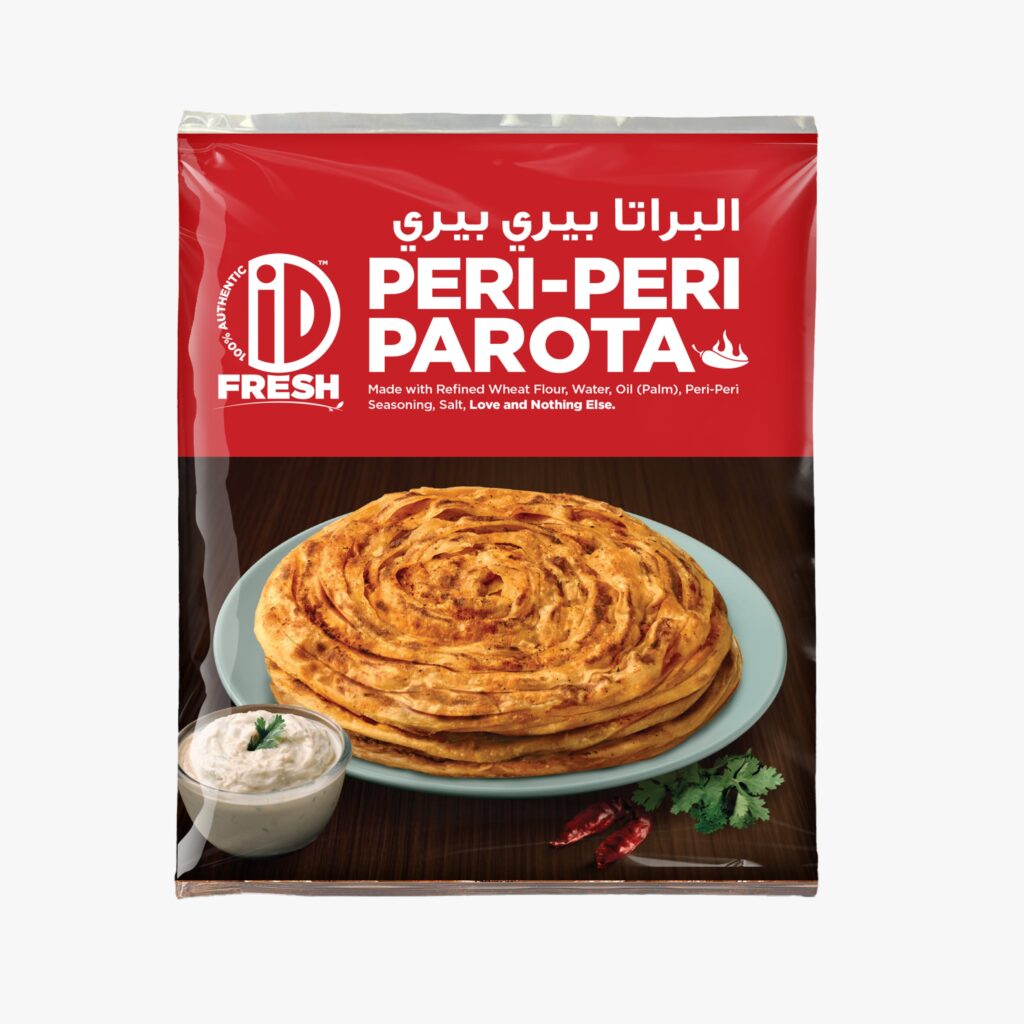
The UAE’s food scene is constantly evolving, with consumers enjoying everything from traditional dishes to new flavour combinations. Familiar foods are also finding their way into new interpretations as brands experiment with flavours that appeal to the country’s diverse mix of tastes.
Adding to this mix, iD Fresh introduces its Peri Peri Parota, giving a much-loved staple a spicy new twist. iD Fresh Peri Peri Parota combines the flaky texture of traditional parota with a bold peri peri seasoning for a unique and flavourful eating experience. Bringing a spicy twist to a familiar favourite, the new variant offers something different for those who enjoy experimenting with flavours.
Availability: The Peri Peri Parota is available across selected hypermarkets in the UAE and on noon.

It can be enjoyed straight off the pan, served alongside a meal or paired with dips and accompaniments. Whether it’s breakfast, lunch or a quick evening meal, the Peri Peri Parota adds another option to the everyday menu.
The introduction reflects how familiar food formats can take on new flavours to suit changing consumer preferences. In a market like the UAE, where food cultures and tastes regularly intersect, combinations such as these offer brands an opportunity to introduce new experiences while retaining the familiarity of everyday favourites.
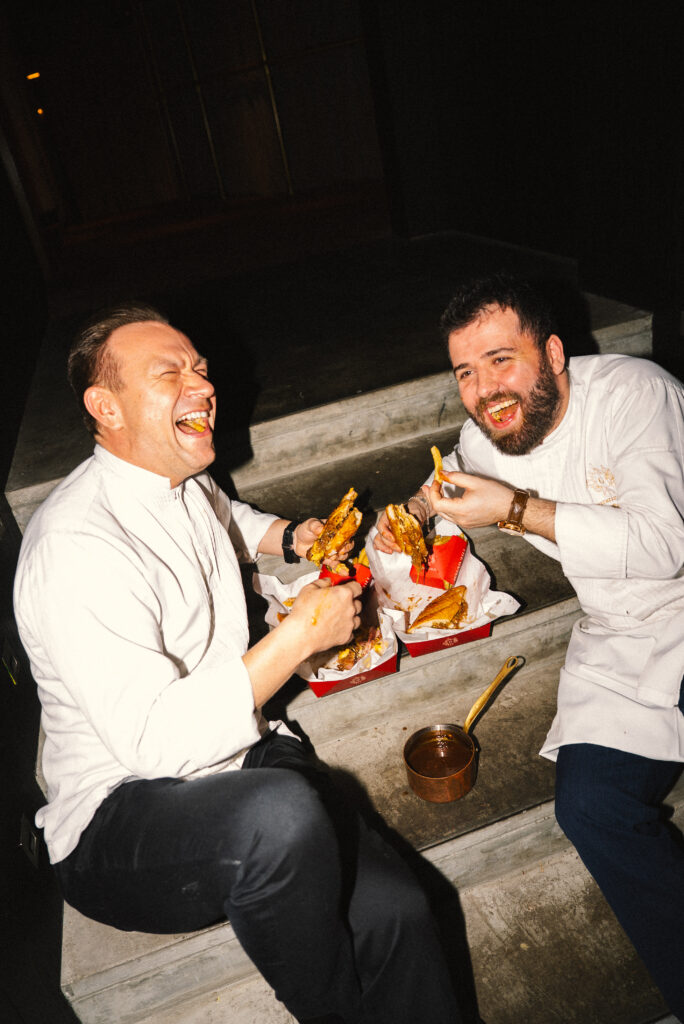
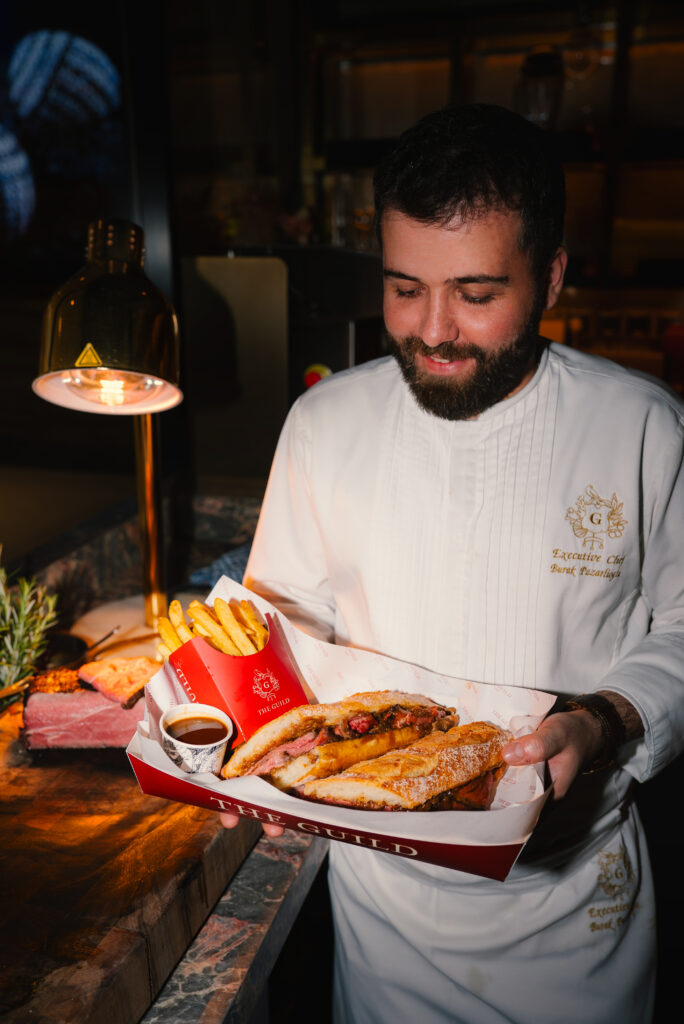
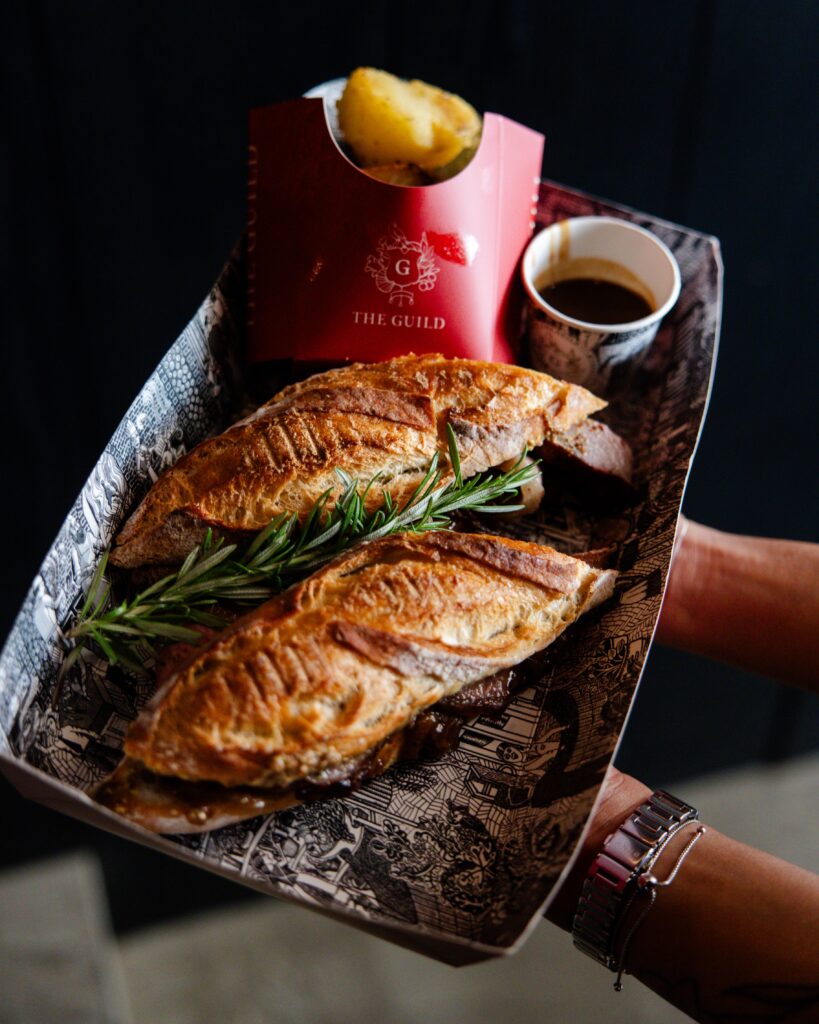
The Guild is bringing its popular Sandwinch Collection beyond DIFC, with a new weekend pop-up launching on November 7th at Splendour Fields in JLT. Located in the venue’s downstairs area, the pop-up will serve The Guild’s signature chicken, lamb and beef sandwiches every Saturday and Sunday, giving JLT residents and visitors the chance to enjoy one of DIFC’s lunchtime favourites closer to home.
Inspired by The Guild’s much-loved Sunday Roast, the sandwiches bring together quality ingredients, generous portions and carefully prepared accompaniments in a more casual, on-the-go format. Guests can choose from three options. The Chicken (AED 55), The Lamb (AED 65) and The Beef (AED 70), with roast potatoes or duck fat fries available on the side for AED 15 each.
Available in limited quantities, the sandwiches will be served on a first-come, first-served basis, so guests are encouraged to arrive early to avoid missing out.
Located in Gate Avenue, DIFC, The Guild has established itself as one of Dubai’s leading dining destinations, known for its ingredient-led menus and signature dining experiences. The JLT pop-up brings a taste of The Guild to a new neighbourhood, making its Roast Collection accessible to even more sandwich lovers across the city.


Mahjong Meets Hospitality: Creating a Destination for Repeat Visits
Your Favourite Parota Just Got a Spicy Makeover!

Nemetschek Group brings new AI-powered Max solutions to the Middle East’s AEC/O sector



-

 Trending1 year ago
OPPO A6 Pro 5G Review: Reliable Daily Driver
-

 Tech News2 years ago
Denodo Bolsters Executive Team by Hiring Christophe Culine as its Chief Revenue Officer
-
 VAR2 years ago
Microsoft Launches New Surface Copilot+ PCs for Business
-

 Automotive2 years ago
AGMC Launches the RIDDARA RD6 High Performance Fully Electric 4×4 Pickup
-
Tech Interviews3 years ago
Navigating the Cybersecurity Landscape in Hybrid Work Environments
-

 Hospitality2 years ago
Gulfood 2025 30th Edition Kicks Off Today, Setting New Benchmarks in F&B Growth and Innovation
-

 VAR11 months ago
Huawei Nova 14 Pro Review: Where Camera Excellence Meets Ecosystem Evolution
-

 Tech News1 year ago
Nothing Launches flagship Nothing Phone (3) and Headphone (1) in theme with the Iconic Museum of the Future in Dubai