
 Have a question? +971 56 404 0503




Technology
Dyson announces cutting-edge developments across its floorcare technologies in the Middle East

Dyson is well-known for creating pioneering floorcare technologies that revolutionize the vacuum cleaner industry. As we head into a new season, Dyson has unveiled three new products available in the Middle East that bring together the most advanced software and intelligence to get the best-ever cleaning performance.
The new technologies available in the region from today include Dyson’s most powerful cord-free vacuum the Dyson Gen5detect, the Dyson Submarine™ wet roller head; the brands first wet vacuum cleaner, and the Dyson Humdinger, Dyson’s lightest cordless handheld vacuum to date.
Dyson’s team of in-house microbiologists have been studying real dust from around the world for almost 20 years, analyzing particles measuring 70 microns in size – the width of human hair – right down to 0.1 microns, the size of a virus. Dyson’s labs are also home to a farm of dust mites, enabling scientists to collect their faeces and learn more about dust mite allergens. Only through this extensive research can Dyson engineers continue to engineer new vacuum cleaner technologies, to better deal with the conditions they face in the real world.
Dyson’s recent Global Dust Study revealed that in the last year, there has been a significant reduction in the number of people maintaining regular cleaning schedules, yet consumers still spend 25 minutes a week, the equivalent of 65 hours per year, vacuuming homes. In the same study it was found that the UAE and KSA ranked the highest globally, with 63% of people from KSA and 61% of UAE, saying they worry about viruses in the home.
The Dyson Gen5detect cordless vacuum, tackles this worry as it features fifth generation Hyper-dymium motor technology spinning at up to 135,000 rpm delivering unrivalled suction power, capable of capturing viruses from the home. The machine features a fully sealed, whole-machine HEPA filtration system, engineered to capture 99.99% of particles down to 0.1 microns[2]. 14 cyclones also remove dust from the airflow so there’s no loss of suction, ensuring optimal performance with every clean.
The Gen5detect offers an energy dense battery with 70 minutes run-time and possesses a number of new and re-engineered features such as the Fluffy Optic cleaner head which produces increased brightness and range with the blade of light revealing twice the amount of microscopic dust. Additionally, the product features a completely re-engineered user interface (UI) that now shows users in real-time when their surface is clean. A piezo sensor uses acoustic sensing to count and categorize particle sizes, and bars on the LCD screen now rise and fall according to volume of particles being removed in real-time – so owners know when to move on or spend more time cleaning.
James Dyson, Founder and Chief Engineer at Dyson, says: “The Gen5detect defines Dyson’s next generation of cleaning technology. It is the combination of our dust light optic technology, dust particle counting and sizing, pioneering new motor and whole-machine HEPA filtration, that enables you to achieve our deepest ever clean.”
33,997 online interviews across a representative sample of 39 countries. Fieldwork was conducted between 11th January and 6th February 2023. Data has been weighted at a ‘Global’ level to be representative of different population sizes.
Filtration tested against ASTM F3150, tested in Boost mode by independent third-party, SGS-IBR Laboratories US in 2022. Filtration efficiency is calculated by comparing the number of standardized dust particles entering the vacuum cleaner against those released. The capture rate may differ depending on actual environment and the mode.
Suction tested to IEC62885-4 CL5.8 and CL5.9, tested at the flexible inlet, loaded to bin full, in Boost mode by independent third-party, SGS-IBR Laboratories US in 2022.
Compared to the original Dyson Laser Slim Fluffy™ cleaner head. Effectiveness influenced by ambient light conditions, debris type and surface
Best accuracy achieved in Auto mode. Auto ramp feature in Auto mode only. Testing based on average in home usage according to Dyson internal test data.
Quantity and size of dust displayed on screen varies depending on usage. Examples shown may occur within one or more displayed size range. Automatic suction adaptation only occurs in auto mode. Applies in Eco mode on hard floor. Actual run time will vary based on power mode, floor type and/or attachments used.

Dyson’s Global Dust Study identified that the UAE and KSA were the markets whose residents use two-in-one mop and dry vacuums the most globally. As a result of this appetite for wet and dry vacuuming products, Dyson have introduced their first product in this category; the Dyson Submarine™ wet roller head, available with the Dyson V15s Detect Submarine and Dyson V12s Detect Slim Submarine vacuums.
The Submarine delivers just the right amount of water to effectively remove spills, stains, and small debris from hard floors. To achieve an optimum ‘clean floor’ finish without over saturating, the wet roller head has been engineered with an eight-point hydration system, using a pressurized chamber for even water distribution across the full width of the roller.
The motor-driven microfiber roller removes spills, tough stains and small debris, covering flooring up to 110m2, thanks to a 300ml clean water tank. A durable plate extracts contaminated water from the wet roller and deposits it into a separate waste-water tank to ensure no dirt and debris is transferred back onto the floor. Designed with a low profile and full-width brush bar, the Dyson Submarine™ wet roller head allows for effortless maneuvering underneath furniture, cleaning dust, debris, and spills from even the most awkward places.
The final product joining Dyson’s impressive floorcare range is the Dyson Humdinger™, the most powerful, lightweight handheld vacuum that traps 99.99% of microscopic particles with no loss of suction. Engineered for every day quick handheld cleans, the Humdinger’s™ compact and lightweight versatility and specialized cleaning tools allows users to effectively move between the car, home, or hard to reach places.
Coming with three specialized tools including a mini motorized tool, perfect for mattresses upholstery and stairs, a combination crevice tool, designed for hard to reach and narrow spaces, and a surface tool engineered to pick up small and large debris on hard surfaces. The 20-minute run time gives users the option of quick and effective cleans for speedy spill clearance.
Tech News
ALEC Partners with Environment Agency – Abu Dhabi to Launch Hydrological Mangrove Restoration Project in Abu Dhabi

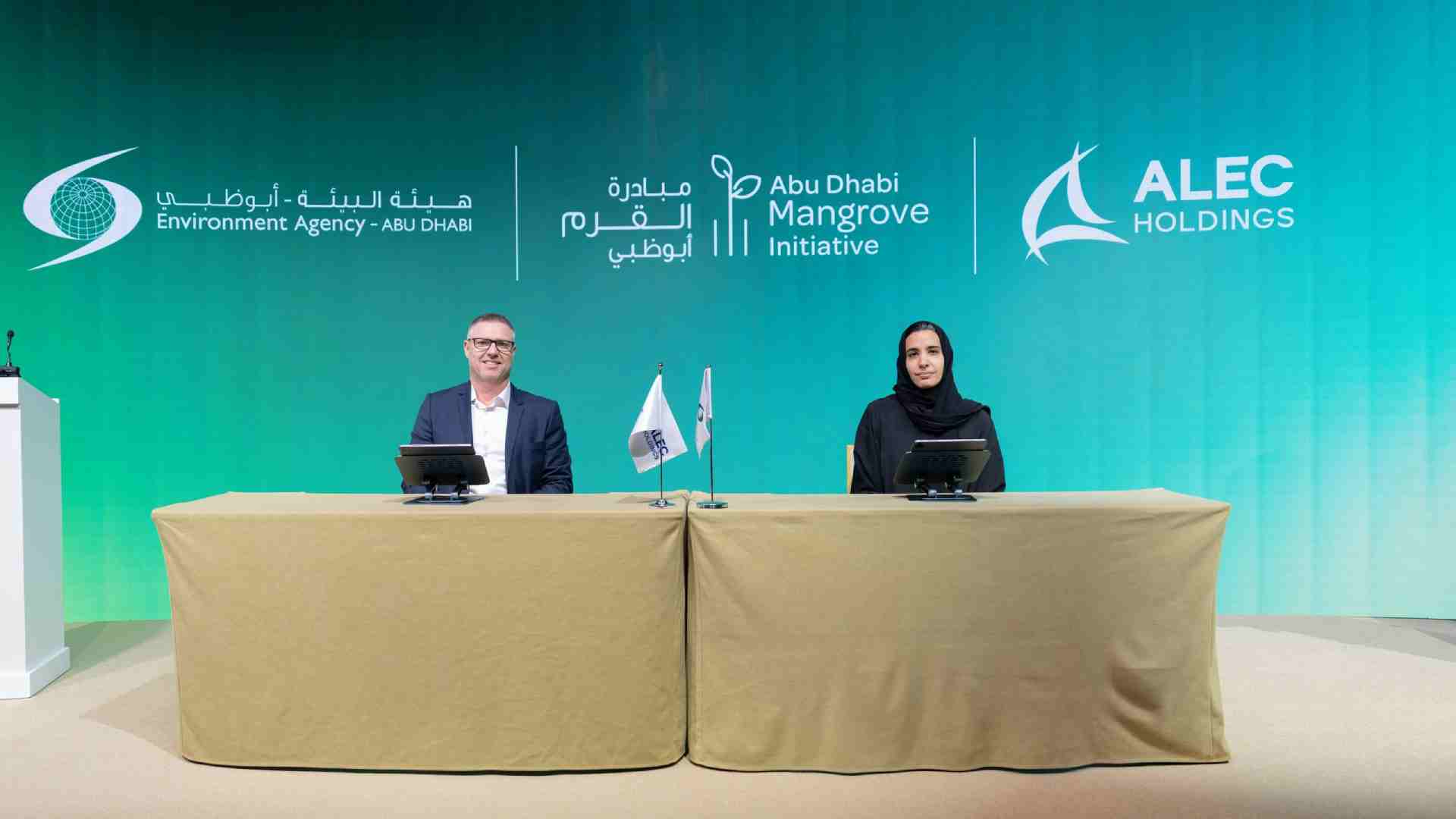
ALEC Engineering and Contracting LLC – SPC (ALEC), part of ALEC Holdings PJSC (ALEC Holdings) has signed an agreement with the Environment Agency – Abu Dhabi (EAD) to support a first-of-its-kind mangrove hydrological restoration pilot in the Emirate of Abu Dhabi.
The three-year project will explore whether restoring the natural hydrological conditions of a mangrove area in need of restoration can help the ecosystem return to long-term ecological health. In doing so, the initiative will examine the underlying conditions required to secure the future health and resilience of Abu Dhabi’s mangrove habitats.
EAD will lead the scientific planning and implementation of the project, including site selection, ecological and hydrological assessments, identification of the required restoration interventions, and the monitoring and reporting of project outcomes.
The pilot will establish baseline information for the selected site and track progress against defined restoration and biodiversity indicators. Its findings are expected to strengthen scientific understanding of mangrove hydrology in Abu Dhabi and help inform the planning of future ecosystem restoration initiatives.
The project supports the science-led restoration objectives of the Abu Dhabi Mangrove Initiative and complements the UAE’s national climate and biodiversity targets. By examining the conditions needed for mangrove habitats to recover and thrive, it will contribute to a broader understanding of how protection, hydrological restoration and long-term monitoring can work together to deliver durable ecological outcomes.
Earlier in 2026, ALEC signed the Abu Dhabi Mangrove Initiative Partners Pledge, committing to support the conservation and restoration of mangroves and other blue carbon ecosystems, advance science-based restoration, and reduce its impact on nature.
This partnership marks ALEC’s first flagship nature restoration investment with measurable biodiversity outcomes and forms part of ALEC’s broader commitment to integrating biodiversity considerations into its sustainability strategy and contributing to nature-positive outcomes in the regions where it operates.
Maitha Mohamed Al Hameli, Acting Executive Director, Terrestrial and Marine Biodiversity of the Environment Agency – Abu Dhabi, said, “We welcome ALEC’s support for this pilot, which reflects the kind of long-term, science-based commitment the Abu Dhabi Mangrove Initiative was established to encourage. The findings will strengthen our understanding of how mangrove sites respond to restored hydrological conditions and will inform how we plan future restoration in the emirate. Through this pilot, we aim to build the scientific evidence needed for long-term solutions that safeguard Abu Dhabi’s mangroves, a defining feature of the emirate’s natural heritage.”
Sean McQue, Managing Director – ALEC, said, “Abu Dhabi is a capital defined by extraordinary ambition, creating next-generation cultural and visitor experiences while protecting the natural heritage that gives the emirate its identity. For ALEC, this partnership is an important step in turning our commitment to nature into tangible action. As our first biodiversity restoration investment, the project enables us to contribute directly to the protection and restoration of Abu Dhabi’s mangrove ecosystems, while supporting a science-led approach that will generate measurable biodiversity outcomes. Through this pilot, we are supporting the development of the knowledge, evidence and practical understanding needed to help these vital ecosystems recover and thrive. In doing so, we are proud to support Abu Dhabi’s ambition to protect its natural heritage and contribute to a more resilient future for the emirate.”
As a company whose activities interact with land, water and ecosystems across the built environment value chain, ALEC recognises the importance of supporting the protection and enhancement of natural habitats. Through this partnership, the company will support the collection of ecological baseline data, monitoring of biodiversity indicators and conservation of a priority coastal ecosystem.
The collaboration will also create opportunities for employees across the ALEC Holdings group to participate in environmental awareness, education and structured volunteering activities associated with the project. These are expected to include citizen-science monitoring and other forms of community engagement.
The signing follows the fourth annual Abu Dhabi Mangrove Initiative Partners Meeting, which took place on 8 October 2026 at Rixos Saadiyat Hotel in Abu Dhabi. ALEC participated in the meeting, which brought partners together to review their collective impact and consider future opportunities to support the health and resilience of the emirate’s mangroves.
-Ends-
Photo Caption: (R) Maitha Mohammed Al Hameli, Acting Executive Director – Terrestrial & Marine Biodiversity at Environment Agency Abu Dhabi and (L) Sean McQue, Managing Director at ALEC
About the Environment Agency – Abu Dhabi
About Environment Agency – Abu Dhabi (EAD)
Established in 1996, the Environment Agency – Abu Dhabi (EAD) is committed to protecting and enhancing air quality, groundwater as well as the biodiversity of our desert and marine ecosystem. By partnering with other government entities, the private sector, NGOs and global environmental agencies, we embrace international best practice, innovation and hard work to institute effective policy measures. We seek to raise environmental awareness, facilitate sustainable development and ensure environmental issues remain one of the top priorities of our national agenda.
About ALEC Holdings PJSC
ALEC Holdings PJSC (“ALEC Holdings”), part of the Investment Corporation of Dubai, is a leading diversified engineering and construction group operating in the UAE and KSA. The Company builds and provides construction solutions that set industry benchmarks for innovation, quality, reliability and operational excellence.
ALEC Holdings offers its clients complete turnkey solutions in construction, MEP, fitout, marine, oil & gas, modular construction, energy efficiency and solar projects, heavy equipment rental, technology systems and asset maintenance. With these capabilities, the Company successfully serves a diverse range of sectors including airports, data centers, retail, hotels & resorts, high-rise buildings, and themed projects.
For more information, please visit https://alec.ae/.
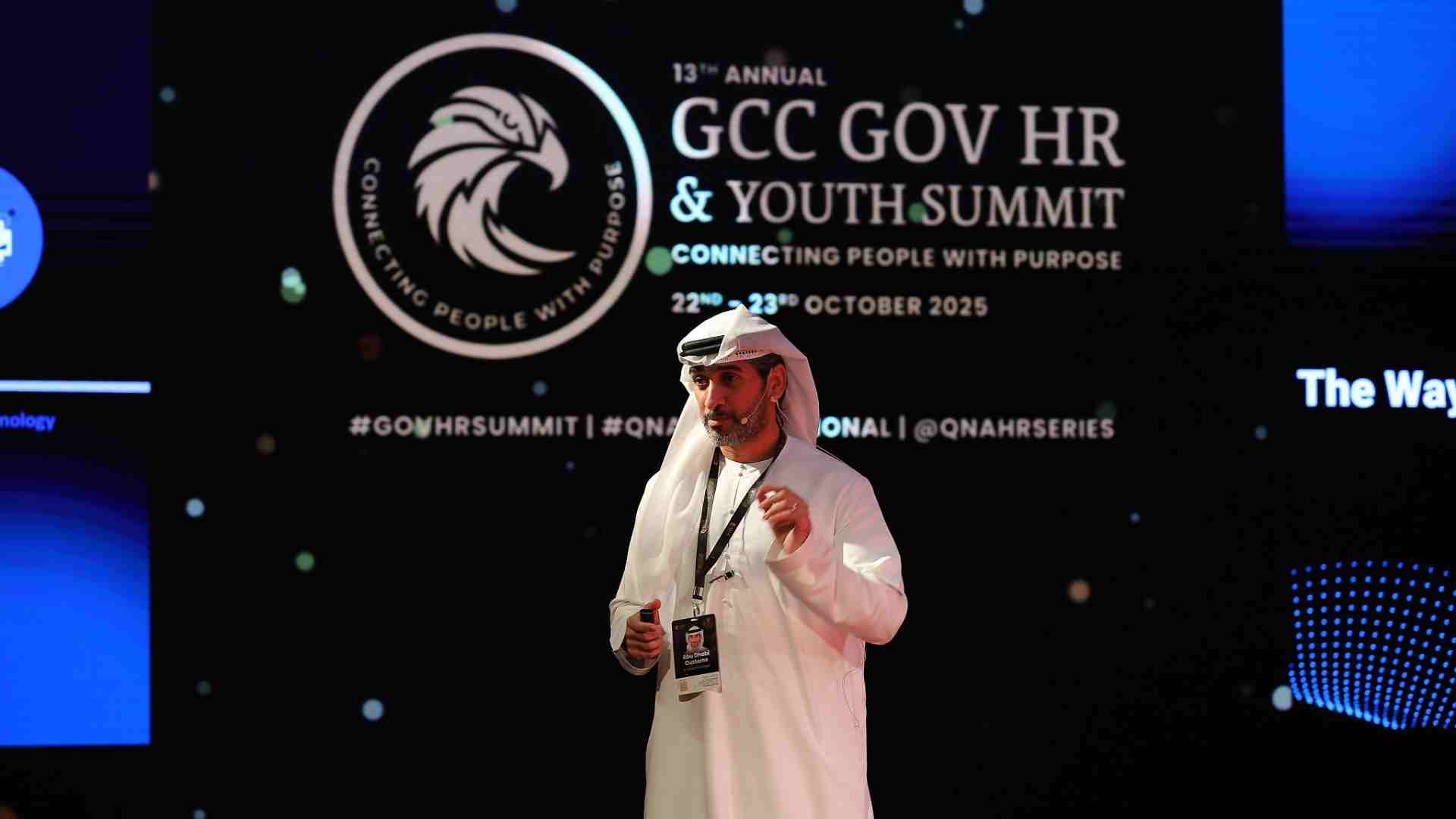
Government and public sector leaders from across the GCC will gather in Abu Dhabi on 20th and 21st October 2026 for the 14th Annual GCC GOV HR & Youth Summit and Awards, taking place at the Grand Hyatt Abu Dhabi Hotel & Residences Emirates Pearl. Organised by QNA International, the region’s most exclusive B2B public sector HR platform will bring together CHROs, People Leaders, policymakers and change agents under the theme Time of Opportunities: Uncovering the New Realities of Work.
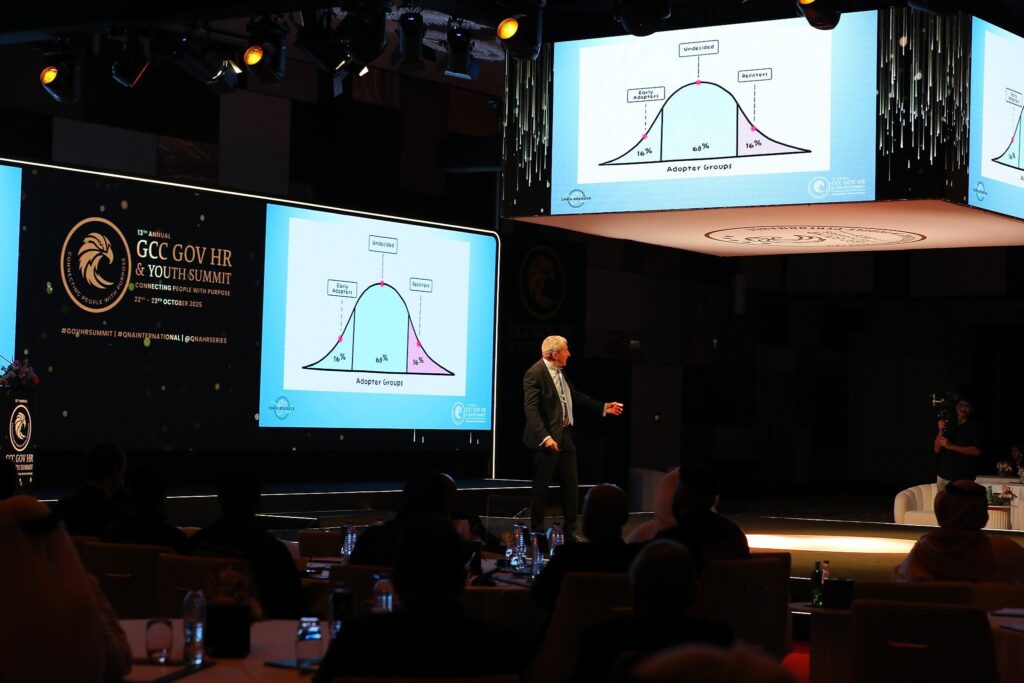
As governments across the GCC advance their national transformation agendas, the challenge is no longer simply to modernise systems or introduce new technologies, but to build institutions that can translate innovation into meaningful outcomes for people. This requires a more integrated approach to workforce transformation, one that brings together digital capability, adaptive leadership, employee experience and a culture of continuous learning.
Ahead of the event, Advisory Board Members and speakers have shared the shifts they expect to define government work across the region.
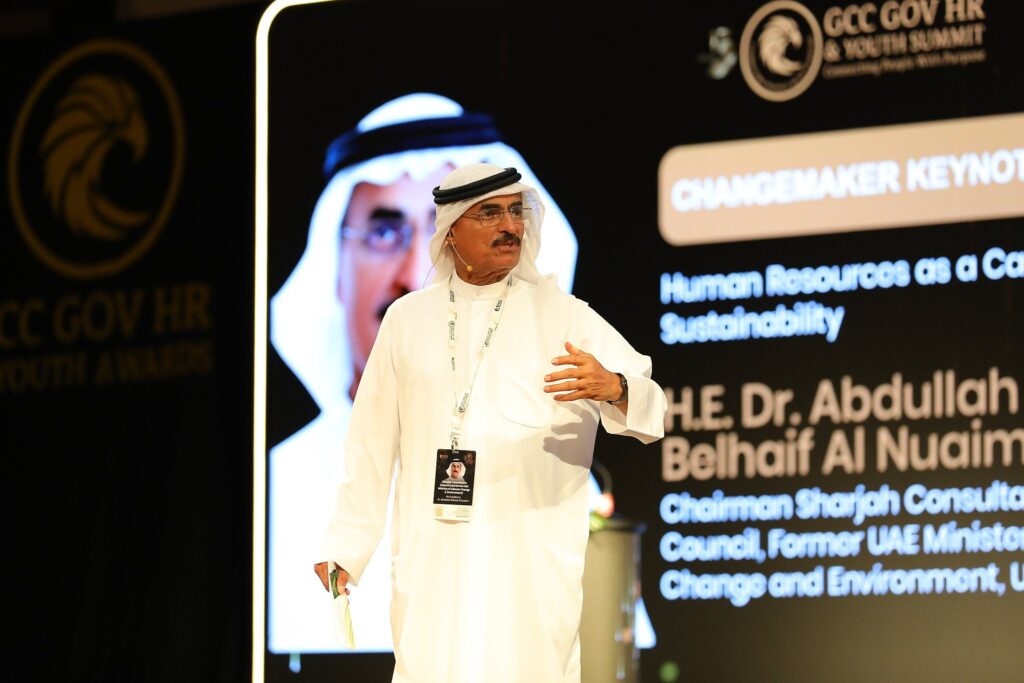
From Measuring Volume to Measuring Impact
His Highness Captain Shaikh Abdulaziz Sultan Al Nuaimi, Director of Excellence Awards Branch, Ajman Police, UAE, said: “Government excellence requires a shift from measuring the volume of achievements to measuring impact, added value, and the capacity for anticipation and adaptation.”
His Excellency Mohamed Al Marzooqi, Executive Director Of Support Services, Government Entity, UAE, added: “The future of government support services is not about doing the same things faster; it is about doing things differently and creating greater value for people.”
For HR, that means a new role. Brigadier Rashid Nasser Rashid Abdullah, Director of the General Department of Human Resources, Dubai Police, UAE, said: “The biggest shift facing government HR leaders in the GCC today is moving from managing workforces to unlocking leaders.” He added: “Our job is no longer to plan for one future, but to build institutions ready for many, and people who are trusted to learn, adapt, and take initiative.”
Dr. Ebrahim Al Khajeh, Human Resources Director, Abu Dhabi Customs, UAE, named the same turning point: “The shift from traditional HR to strategic workforce transformation.”
These themes reflect the Summit’s focus areas of Human-Centric Government and Disruptive Leadership.
AI, Accountability and Trust
His Excellency Mohamed Al Marzooqi said: “Our greatest challenge is not adopting AI; it is preparing our people and our institutions to work differently because of AI.”
Maitha A. Balfaqeeh, Senior Vice President of Shared Services, ADNOC Gas, UAE, said: “Technology and AI are fundamentally reshaping the role of shared services — moving them from primarily transactional functions to becoming more intelligent, predictive, and employee-centric.”
Iman Khalid Al Marzouqi, Group Chief Support Services Officer, Alpha Dhabi Holding, UAE, said: “HR leaders must help shape how AI is used, how decisions affecting people are made, and who remains accountable.”
These conversations connect to the Summit’s focus areas of AI-First Workforce, Agentic Intelligence, Workforce Intelligence and Trust, Talent, and Resilience.
National Talent and the Next Generation
From Saudi Arabia, Reem AlRehaili, Chief of Corporate Services, ARDARA (PIF), Saudi Arabia, said: “Vision 2030 asks us to do more than increase the number of Saudis in the workforce, it asks us to build their capability.” She added: “The most powerful thing we can offer is not a package. It is a purpose.”
Dr. Ebrahim Al Khajeh said: “Government organizations are increasingly prioritizing national talent development, digital skills, and leadership capabilities rather than simply filling vacancies.”
His Highness Captain Shaikh Abdulaziz Sultan Al Nuaimi said: “Young professionals are essential partners in shaping the future of government work, with their digital skills, capacity for innovation, and ability to adapt rapidly.”
Iman Khalid Al Marzouqi said: “We need to understand their strengths, give them meaningful responsibility, and provide mentors who are personally invested in their progress.”
Advising young professionals, Maitha Ahmed Balfaqeeh said: “Future leaders need to understand the business, not only their own function.” Reem AlRehaili’s message to young women entering the workforce was: “The door is open. What matters now is what you do once you walk through it.”
These perspectives are at the heart of the Summit’s Nationalization 2.0, Workforce 2035 and GCC Next-Gen Leaders tracks.
Why This Summit, Why Now
Brigadier Rashid Nasser Rashid Abdullah said: “This Summit matters now because change is moving faster than institutions can respond, and the UAE has chosen not to wait.”
Sidh N.C., Director of QNA International, said: “The voices ahead of this year’s Summit point in one direction: government HR in the GCC is moving from administering the workforce to leading change. Over two days in Abu Dhabi, we will bring together the leaders, the ideas and the young talent shaping the next chapter of public service across the region.”
The 14th Annual GCC GOV HR & Youth Summit and Awards 2026 will provide a platform for public sector leaders to exchange practical insights, challenge established approaches and explore how government HR can evolve from a support function into a strategic driver of institutional performance, national talent development and long-term public value.
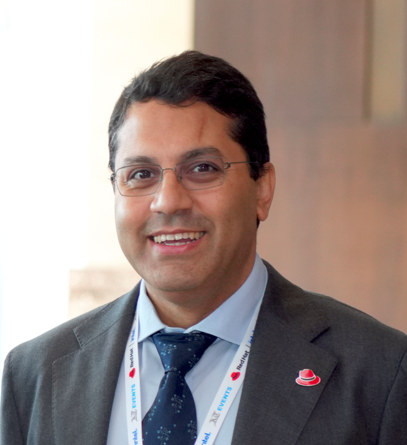
Exclusive interview with Anirban Mukherjee, Director of Solutions Architecture, Red Hat
Digital sovereignty is increasingly moving beyond data residency. What does genuine operational control look like for organisations that need to retain control over their data, applications and infrastructure?
Data residency answers where information sits. Operational control answers who can run, inspect, recover, and change the stack when it matters.
In practice, that means organisations can choose where workloads run – on premises, sovereign cloud, or public cloud – without rewriting applications every time. It means they can audit the software supply chain, keep recovery paths under their own governance, and decide which models, tools, and partners sit in their AI and application environments.
For many MENA enterprises and public-sector bodies, the test is simple: can you keep serving citizens and customers if a single vendor, region, or connectivity path is constrained? Open hybrid platforms give you that room to manoeuvre because the control plane and the open source components stay portable.
As organisations continue to rely on hyperscalers, where do you see the strongest case for combining public cloud with sovereign cloud and on-premises environments?
Hyperscalers remain excellent for elasticity, global reach, and certain managed services. The strongest case for a mixed model is when data sensitivity, latency, or regulatory expectations vary across the same organisation.
We routinely see customer data, AI inference close to the data, and regulated workloads stay in sovereign or on-premises environments, while less sensitive or bursty workloads use public cloud. The point is not to reject public cloud. It is to stop treating it as the only place innovation can happen.
An open hybrid cloud approach lets MENA organisations keep one consistent platform experience across those footprints, so teams are not rebuilding skills and tooling for every environment.
Could the growing AI infrastructure requirement actually increase technology concentration, and what can organisations do to avoid creating a new form of dependency around AI platforms?
Yes, the growing AI infrastructure requirements can actually increase technology concentration, – if every AI workload is tied to one model provider, one accelerator vendor, or one proprietary stack, concentration risk simply moves up a layer.
Organisations reduce that risk by treating AI like the rest of enterprise IT: multiple models for multiple jobs, open tooling where possible, and a platform that can run across hardware and clouds. Smaller, purpose-built open models are often a better fit for specific enterprise tasks than relying on one giant external model for everything.
In the Middle East, where national AI strategies are accelerating investment, the winners will be the ones who can innovate quickly without locking the next decade of infrastructure decisions into a single vendor path.
Open hybrid cloud is often positioned as a way to balance control with access to innovation. What does a mature open hybrid cloud strategy look like in practice?
Maturity looks like consistency. Same platform, same security and policy controls, same developer experience – whether the workload sits in a national data centre, a partner sovereign cloud, or a hyperscaler.
It also looks like deliberate placement: you put each application and AI workload where it creates the best outcome for cost, performance, and governance, and you can move it when those conditions change.
For solution architects in this region, the practical question is: can the customer ship new services without creating a parallel stack every time? If the answer is yes, the hybrid strategy is working.
Vendor dependency is difficult to eliminate entirely. How should organisations assess concentration risk and maintain credible alternatives without creating unnecessary complexity?
You will always have dependencies. The goal is to make them conscious and reversible.
Assess concentration by asking: what breaks if this vendor changes pricing, exits a market, or restricts a capability? Which workloads have no second path? Where does your data or model IP become hard to extract?
Credible alternatives do not mean running five of everything. They mean open standards, portable workloads, and a clear exit or dual-run plan for the few systems that truly matter. Complexity comes from unmanaged sprawl. Discipline comes from a shared platform and clear ownership of what must stay portable.
Red Hat’s role is to help customers keep that optionality – from infrastructure through to AI – so strategic independence is designed in, not bolted on after a crisis.


Mango Jam Studios and The SMC Group Forge Strategic Partnership to Connect Middle Eastern Brands with Global Music and Entertainment Talent

AL HABTOOR GRAND RESORT, AUTOGRAPH COLLECTION APPOINTS CHRISTOPHE DELABARRE AS HOTEL MANAGER

Majid Al Futtaim Partners with Sunset Hospitality Group to Launch Maravelle, a Flagship Wellness and Lifestyle Destination at Ghaf Woods



-

 Trending12 months ago
OPPO A6 Pro 5G Review: Reliable Daily Driver
-

 Tech News2 years ago
Denodo Bolsters Executive Team by Hiring Christophe Culine as its Chief Revenue Officer
-
 VAR2 years ago
Microsoft Launches New Surface Copilot+ PCs for Business
-

 Automotive2 years ago
AGMC Launches the RIDDARA RD6 High Performance Fully Electric 4×4 Pickup
-
Tech Interviews3 years ago
Navigating the Cybersecurity Landscape in Hybrid Work Environments
-

 Hospitality2 years ago
Gulfood 2025 30th Edition Kicks Off Today, Setting New Benchmarks in F&B Growth and Innovation
-

 Tech News1 year ago
Nothing Launches flagship Nothing Phone (3) and Headphone (1) in theme with the Iconic Museum of the Future in Dubai
-

 VAR10 months ago
Huawei Nova 14 Pro Review: Where Camera Excellence Meets Ecosystem Evolution