
 Have a question? +971 56 404 0503




Hospitality
Bumblebee Food Launches the World’s First Bone Broth Cookies

Bumblebee Food is thrilled to announce the launch of the world’s first-ever bone broth cookies for babies and kids. Proudly crafted in Dubai, these innovative cookies combine the rich, nutrient-dense benefits of bone broth with the convenience and appeal of a delicious snack.
Bumblebee Food specialise in offering products that are free from additives, preservatives and artificial ingredients, ensuring parents can confidently feed their little ones only the best. These cookies, made in partnership with The Broth Lab, the UAE’s leading bone broth specialist, are the first of their kind globally, offering parents an entirely new way to nourish their children.
Mini Moo Bone Broth is packed with essential nutrients, providing many benefits for babies and toddlers during their critical early stages of development. It is rich in collagen, which supports the healthy growth and development of skin, joints and bones. It is high in minerals, which promote strong bones and teeth while supporting the immune system. Mini Moo Bone Broth also boosts gut health by aiding digestion and supporting a healthy gut microbiome. Additionally, it supports brain development as it contains amino acids like glycine, which are essential for cognitive function and nervous system health.
Each of Bumblebee’s bone broth cookie is carefully crafted to ensure maximum nutritional value while offering a soft, easy-to-eat texture perfect for young children. These cookies make for an ideal snack that is convenient, wholesome, and packed with the powerhouse goodness of bone broth.
‘We are incredibly excited to be the first to bring bone broth cookies to the world,’ says Qadreya Al Awadhi, Founder of Bumblebee Food. ‘At Bumblebee Food, we believe innovation is key, and with this product, we are offering a truly unique and nourishing snack option. We are proud to collaborate with The Broth Lab, whose expertise in bone broth ensures that our cookies provide the highest quality nutrients for growing babies and toddlers.’
The new range of bone broth cookies uses The Broth Lab’s Mini Moo range, this includes Banana Cookies with Bone Broth, Beetroot Cookies with Bone Broth, Cheese Crumbles with Bone Broth, and Pizza Crumbles with Bone Broth.
Bumblebee Food is also introducing a new puree range using The Broth Lab’s Mini Moo range, including Veggie Mix with Bone Broth, and Carrots & Beef with Bone Broth. This three-pack of purees fortified with bone broth from The Broth Lab is available for AED 80, marking another first in the UAE baby food market.










Hospitality
A REIMAGINED PRIME68 RETURNS TO JW MARRIOTT MARQUIS DUBAI ALONGSIDE ION, A NEW “NEIGHBOURHOOD IN THE SKY”
As JW Marriott Marquis Hotel Dubai continues its property-wide enhancement, this December will see the return of Prime68 alongside the arrival of ION, marking a major moment in the hotel’s dining transformation. Prime68 has long been regarded as one of Dubai’s best steakhouses, and following a complete renovation, the destination returns fully reimagined with a fresh new look. ION, a brand-new day-to-night sky lounge, has taken over the 71st and 72nd floors of the iconic hotel, marking one of the most significant additions yet to its dining line-up.
Prime68 returns as a contemporary benchmark steakhouse high above the city, defined by serious cuts, serious views and a renewed sense of occasion. Building on its strong market equity and iconic skyline setting, the reimagined venue pairs premium cuts, live-fire cooking and a considered wine programme with renovated interiors inspired by “The Art of Silver,” a design narrative rooted in craft, precision and understated elegance.
New additions include an enhanced arrival experience with an atmospheric bar, private dining rooms, a chef’s table and a wine display, with every detail carefully reconsidered to bring greater theatre, warmth and refinement to the Prime68 experience. The result is a destination that feels both familiar and newly elevated, shaped by materiality, acoustics, simplicity and the premium dining rituals that have long made classic steakhouses enduringly relevant.
ION introduces a new day-to-night sky lounge high above the city, set across the 71st and 72nd floors, where Dubai’s skyline becomes the starting point for a more layered social experience. Designed as “a neighbourhood in the sky,” ION brings together panoramic views, music-led energy, crafted drinks and sharing plates in a setting that evolves as the hours unfold. By day, it offers a refined place to pause above the city; as golden hour arrives, the atmosphere warms into a more social rhythm; and by night, the space becomes a cinematic lounge shaped by sound, light and connection.
Prime68 and ION form part of JW Marriott Marquis Hotel Dubai’s wider property enhancement, bringing two distinct new experiences to the city and signalling an exciting new era for the iconic hotel.
Hospitality
Radisson Blu Hotel Dubai Deira Creek Invites Guests to Celebrate Diwali with Family, Flavour and Festive Stays
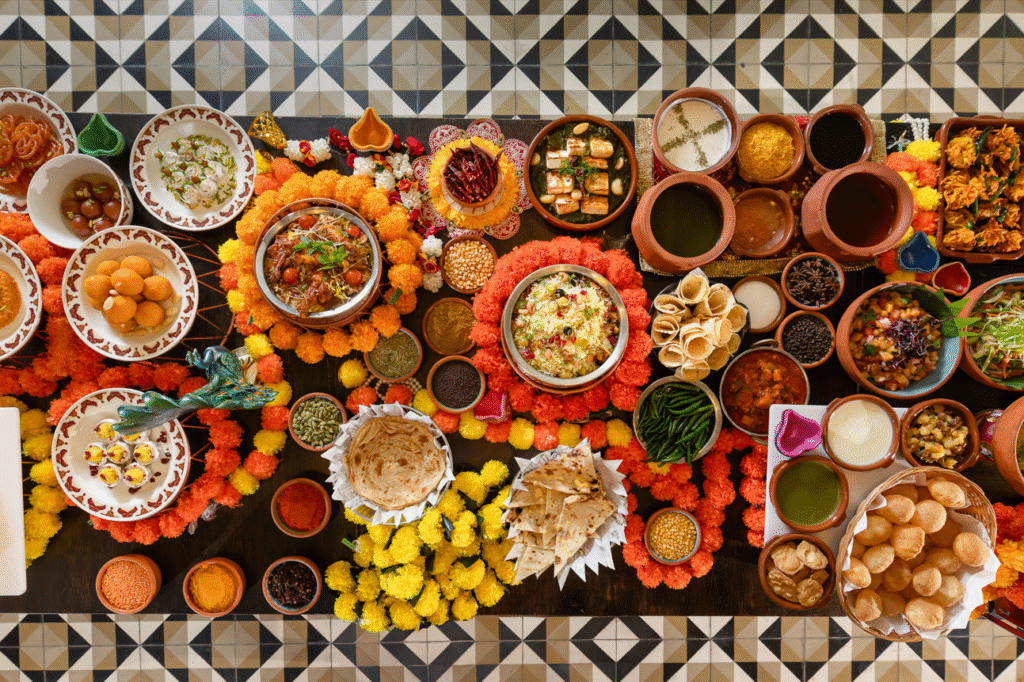
As families come together to celebrate the Festival of Light, Radisson Blu Hotel Dubai Deira Creek will welcome Diwali with an afternoon shaped around the traditions, flavours and shared moments that make the occasion so special. Taking place on Saturday, 7 November from 1 p.m. to 4 p.m., the hotel’s Greenhouse Social Brunch will bring together food, music, art and family entertainment in a colourful celebration inspired by Diwali.
An Afternoon of Diwali Flavours and Family Traditions
Designed as an occasion for families and friends to gather around the table, the brunch will feature an abundant buffet of vegetarian and non-vegetarian dishes, offering something for every generation. The experience will be priced at AED 199 for the soft package, AED 345 with house beverages and AED 99 for children, with an early-bird rate of AED 119 for those planning ahead.
The afternoon will extend beyond the dining table, inviting guests to experience Diwali through music, creativity and play. At the Baithak area, guests can settle in with a cup of chai while Indian folk music provides a relaxed soundtrack to the afternoon. Families can also join in Antakshari, bringing generations together through one of India’s much-loved musical games.
For younger guests and those young at heart, a series of hands-on workshops will capture the creative spirit of the festival. Diya painting, rangoli making and henna will give families the opportunity to create, learn and celebrate together, while a Diwali Market will add to the festive atmosphere with a showcase of local craftsmanship.
At its heart, the celebration reflects the warmth of Diwali, a festival traditionally associated with light, new beginnings and the joy of gathering with loved ones. Rather than simply marking the occasion with a meal, the Greenhouse Social Brunch will create a setting where families can slow down, share stories, discover traditions and make new memories together.
Stay, Celebrate and Make Memories
The Diwali celebration will form part of the hotel’s wider seasonal programme, with a collection of accommodation offers inviting guests to make the most of the festive period. The Festival of Lights Diwali Room Offer, designed with Indian travellers and families in mind, will be available for stays from 1 to 15 November 2026, followed by the UAE National Day Room Offer, welcoming UAE residents and GCC travellers from 16 November to 2 December 2026.
The season will continue into December with a Festive Season Room Offer, combining accommodation with selected Christmas and/or New Year’s Eve gala dining experiences. All three offers are available at a starting rate of AED 400.
With its blend of Indian flavours, cultural traditions and family-focused experiences, Radisson Blu Hotel Dubai Deira Creek’s Diwali celebration will offer a warm setting in which to celebrate the Festival of Colours, bringing people and families together over good food, creativity, music and the simple pleasure of spending time with those who matter most.
Hospitality
Air India and Standard Chartered partner to launch travel and wealth proposition for Global Indians
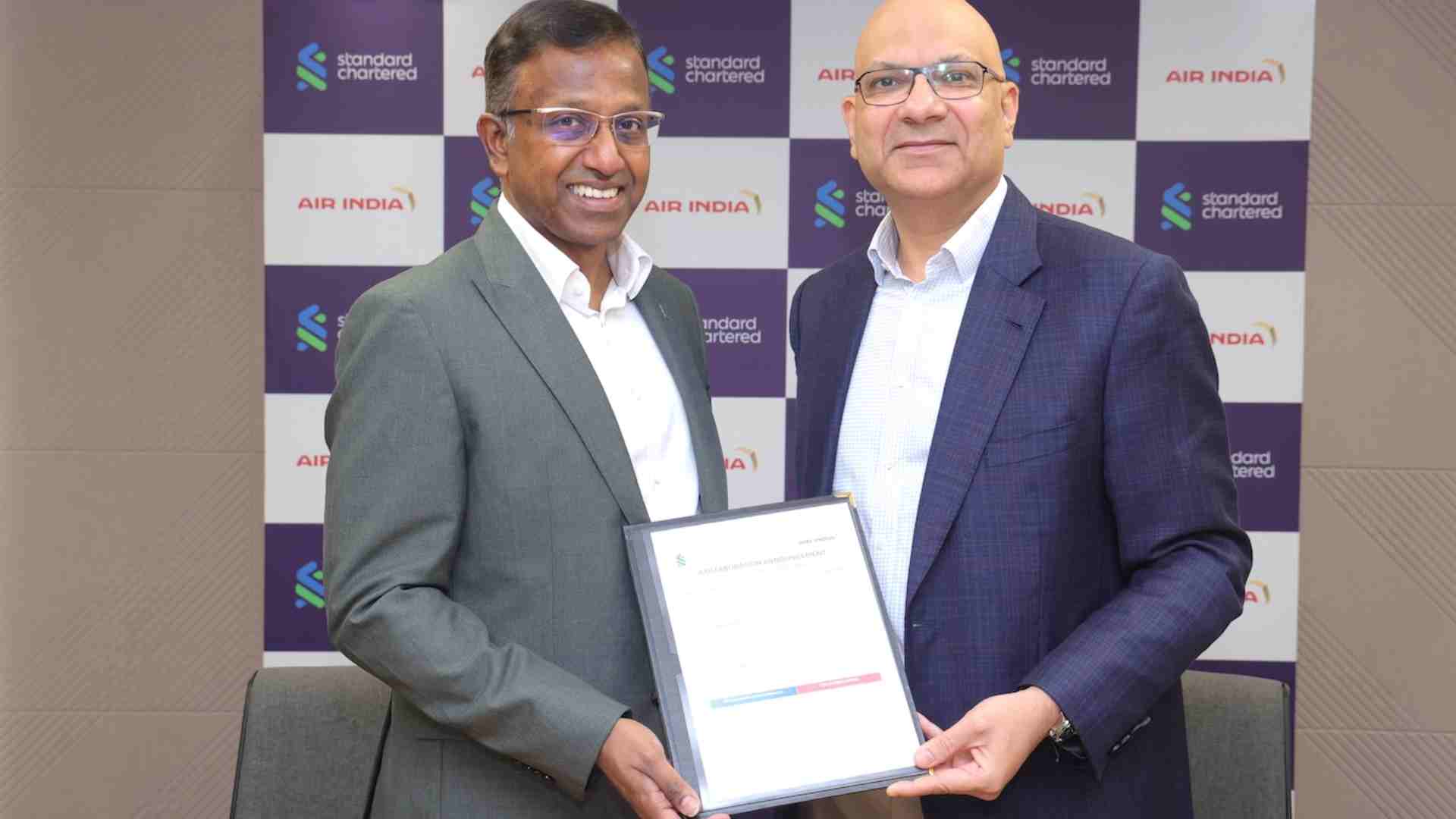
Air India and Standard Chartered (the “Bank”) today announced a first-of-its-kind partnership that combines Standard Chartered’s international banking and cross-border wealth capabilities with Air India’s premium Maharaja Club loyalty programme. The proposition, available in the coming weeks, is set to deliver travel privileges and access that meet the cross-border lifestyle and wealth needs of Global Indians.
Unlocking travel privileges with Maharaja Club
Standard Chartered will offer Air India’s Maharaja Club Gold or Silver status to eligible Affluent Global Indian clients in Singapore and the UAE. Air India Maharaja Club status offers exclusive travel benefits, including extra baggage allowance, priority check-in and boarding, airport lounge access, upgrade vouchers, and bonus Maharaja Points, with benefits varying incrementally from Silver to Gold tiers.
In particular, Maharaja Club Gold members also enjoy the benefits on eligible Air India journeys, as well as Star Alliance Gold status, which provides access to over 1,000 airport lounges worldwide, priority airport services, and extra baggage benefits, and instant recognition around the world across 25 other Star Alliance member airlines in addition to Air India.
Managing cross-border financial needs
Air India customers who meet Standard Chartered’s eligibility criteria can access the Bank’s international banking and wealth management capabilities through its wealth centres in Singapore and the UAE. Customers would benefit from dedicated relationship management support, market outlook insights from the Bank’s Chief Investment Office, invitations to exclusive thought leadership events, and tailored wealth solutions designed to support their cross-border financial needs.
Rajesh Kannan, Head, Wealth and Retail Banking, UAE & Jersey, and Head, Global Indian Clients, Standard Chartered, said: “This partnership brings together two trusted heritage brands to create a distinctive proposition for Global Indians, whose lives, business and ambitions increasingly span borders. By combining Air India’s expanding global footprint with Standard Chartered’s international network and wealth capabilities, we are delivering exclusive multi-market travel benefits to our affluent clients while supporting their broader global lifestyle, business and wealth management needs.”
Nipun Aggarwal, Chief Commercial Officer, Air India, said: “As Air India continues its transformation into a world-class global airline, we are focused on deepening our engagement with the global Indian community. This partnership with Standard Chartered enables us to expand Maharaja Club across key international markets, offering customers immediate access to premium status, enhanced travel benefits and global recognition. Combined with Standard Chartered’s cross-border banking and wealth management expertise, the proposition supports the increasingly international lifestyles of our customers while strengthening their connection with Air India.”
With a simplified structure, a host of customer-friendly features, renamed tiers, and an updated identity, Maharaja Club has added millions of new members since the programme was redesigned in 2024. Maharaja Club members are now able to earn and redeem Maharaja Points on flights operated by Air India and Air India Express to and from 104 destinations across North America, Europe (including the UK), Australia, Middle East, Africa, Southeast Asia, South Asia, in addition 25 other Star Alliance member airlines. Maharaja Club’s partnerships with over 100 other brands across categories, including hospitality, retail, lifestyle and financial services, also enables members to earn Maharaja Points across a broad range of travel and everyday spends.
Benefits on eligible Air India journeys include complimentary seat selection, applicable fee waivers, additional baggage allowance, lounge access, priority airport services, upgrade vouchers and bonus Maharaja Points, subject to subject to the programme’s terms and conditions.

A REIMAGINED PRIME68 RETURNS TO JW MARRIOTT MARQUIS DUBAI ALONGSIDE ION, A NEW “NEIGHBOURHOOD IN THE SKY”
Radisson Blu Hotel Dubai Deira Creek Invites Guests to Celebrate Diwali with Family, Flavour and Festive Stays
Trust Is the New Speed – AI, Lexis+ with Protégé and the future of legal work in the Middle East



-

 Trending12 months ago
OPPO A6 Pro 5G Review: Reliable Daily Driver
-

 Tech News2 years ago
Denodo Bolsters Executive Team by Hiring Christophe Culine as its Chief Revenue Officer
-
 VAR2 years ago
Microsoft Launches New Surface Copilot+ PCs for Business
-

 Automotive2 years ago
AGMC Launches the RIDDARA RD6 High Performance Fully Electric 4×4 Pickup
-
Tech Interviews3 years ago
Navigating the Cybersecurity Landscape in Hybrid Work Environments
-

 Hospitality2 years ago
Gulfood 2025 30th Edition Kicks Off Today, Setting New Benchmarks in F&B Growth and Innovation
-

 VAR10 months ago
Huawei Nova 14 Pro Review: Where Camera Excellence Meets Ecosystem Evolution
-

 Tech News1 year ago
Nothing Launches flagship Nothing Phone (3) and Headphone (1) in theme with the Iconic Museum of the Future in Dubai