
 Have a question? +971 56 404 0503




Hospitality
WHAT ‘HOME-LIKE HOSPITALITY’ REALLY MEANS IN 2026: THE BLURRING LINES BETWEEN RESIDENTIAL & HOTEL LIVING


By Noni Anand, Co-founder, LEVA Hotels
Hotels are no longer pit stops. They’re becoming places people actually live. By 2026, travel is no longer about short stays and quick checkouts. It’s about long-term living, hybrid work, and lifestyle-first experiences. Guests want hotels that feel like home—only better. Think functional kitchens, work-ready spaces, seamless Wi-Fi, and services that fit real daily routines.
The numbers back it up. The global extended-stay hotel market, currently valued at around USD 62 billion, is expected to grow rapidly over the next decade. This isn’t a passing trend. It’s a structural shift that’s redefining how hotels are designed, operated, and experienced.
Comfort has officially beaten formality. The line between residential living and hospitality is disappearing fast. Guests no longer see hotels as temporary stopovers. They see them as places to live, work, and settle into sometimes for weeks, sometimes for months.
Comfort matters more than ever. So does personalization. Today’s traveler isn’t impressed by square footage alone. They want spaces that feel intuitive, flexible, and genuinely livable. That means smarter layouts, better storage, adaptable furniture, and technology that supports everyday life rather than just overnight stays.
For operators, this changes everything. Hotels must now be designed for continuity, not turnover. Every design decision from lighting and furniture to connectivity and service flow,needs to support long-term comfort, not just short-term convenience.
Extended stays are no longer niche. They’re mainstream. Hybrid work, digital nomadism, and lifestyle-led travel have completely changed guest expectations. People are blending business with leisure and staying longer as a result. A desk and a chair won’t cut it anymore. Guests expect zoned workspaces, full kitchens, high-speed internet, and flexible living areas that transition effortlessly from work to downtime.
Industry data shows that in many markets, average stays are now measured in weeks rather than days. That shift demands a new approach to space planning and amenities, one that supports real living, not just sleeping. Hotels that get this right aren’t just meeting expectations. They’re building loyalty.
Privacy of a home. Services of a hotel. No compromise. Guests are drawn to the idea of having the privacy and permanence of a home, paired with the consistency and service standards of a trusted hospitality brand. For investors and operators, branded residences offer stable occupancy, diversified revenue streams, and long-term value.
But this model requires careful balance. Short-term guests and long-term residents must coexist seamlessly under one roof. That means thoughtful zoning, shared amenities that actually work, and service models flexible enough to support both lifestyles. When executed well, branded residences become a powerful extension of the hospitality ecosystem, not just an add-on.
Wellness and sustainability? Now must-haves! Today’s long-stay guests actively evaluate hotels based on air quality, natural light, energy efficiency, and overall environmental impact. They want spaces that support physical and mental well-being, not just look good on arrival.
Hotels are responding with smarter systems and more personalized experiences. In-room wellness kits, locally sourced provisions, and tech-enabled personalization are becoming standard. Smart controls, predictive maintenance, and intuitive room settings help reduce friction and make stays feel effortless. The goal is simple: make guests feel at home without them having to ask.
Operationally, hospitality teams are shifting from simple service roles to lifestyle support. This means flexible cleaning schedules and new success metrics focused on guest value rather than just daily rates.
The modern hotel suite now looks a lot like a micro-apartment. Kitchens are expected. Dedicated work zones matter. Storage, flexible furniture, and multi-use layouts are essential. Guests want spaces that adapt to their day, not the other way around. Hotels that embrace this approach are seeing real results. More stable occupancy. Higher repeat rates. Stronger ancillary revenue. The ROI is clear. Designing for home-like living isn’t just a good guest experience—it’s smart business.
Home-like hospitality is no longer a concept on the horizon. It’s already here. As hybrid work and lifestyle travel continue to grow, hotels must evolve beyond short-term comfort. Guests expect spaces that support real living, real routines, and real connection over longer stays.
The future of hospitality lies in blending the warmth and familiarity of home with the reliability and professionalism of hotels. Brands that invest early in design, operations, and technology, will build deeper loyalty, stronger occupancy, and long-term value.
Those who adapt now won’t just keep up. They’ll lead the next era of hospitality.
Hospitality
DUBAI CORPORATION FOR CONSUMER PROTECTION AND FAIR TRADE SIGNS STRATEGIC COLLABORATION AGREEMENT WITH ENOC’S AUTOPRO TO ENHANCE VEHICLE MAINTENANCE STANDARDS IN DUBAI

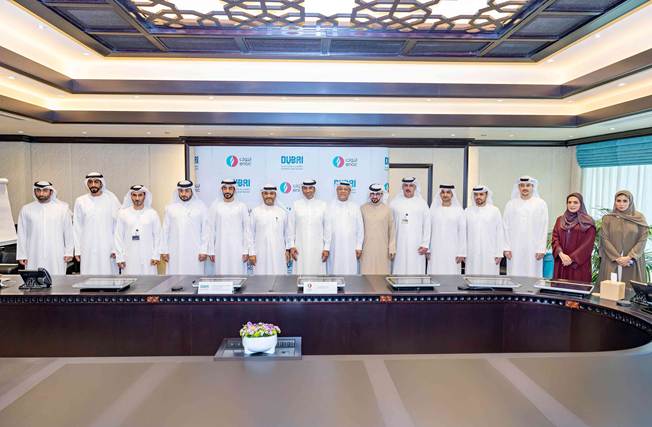
The Dubai Corporation for Consumer Protection and Fair Trade (DCCPFT), part of the Dubai Department of Economy and Tourism (DET), has signed a strategic collaboration agreement with AutoPro, part of the Emirates National Oil Company (ENOC) Group, to enhance service quality, transparency, and operational consistency within Dubai’s vehicle maintenance sector.
Under the agreement, AutoPro will act as a technical and operational partner, supporting the implementation of quality standards across the sector. The collaboration includes conducting structured technical assessments, introducing best practice frameworks, and supporting awareness initiatives aimed at enabling consumers to make more informed decisions when selecting vehicle service providers.
This collaboration also reflects DCCPFT’s continued focus on emphasising a balanced marketplace where both consumers and businesses operate within a clear and transparent framework. This is in alignment with the wider objectives of the Dubai Economic Agenda, D33, which aims to double the size of the emirate’s economy by 2033 and further consolidate Dubai’s position as a leading global destination for business and leisure.
The partnership introduces a structured framework for technical oversight within the automotive aftersales market, contributing to greater consistency in service delivery and reinforcing accountability across providers. By embedding recognised technical standards and promoting adherence to fair pricing practices, the initiative is expected to strengthen overall market discipline while reducing potential areas of dispute between consumers and service providers.
Mohammed Abdulla Shael AlSaadi, CEO of Dubai Corporation for Consumer Protection and Fair Trade (DCCPFT), said: “This collaboration represents a practical step towards further strengthening consumer protection within the automotive sector. By working with a trusted partner, we are enhancing the consistency of vehicle maintenance services while reinforcing transparency across the market. Our focus remains on strengthening service standards and enabling consumers to make informed choices, while supporting businesses in operating within clear and fair market frameworks.”
Hussain Sultan Lootah, GCEO of ENOC Group, said: “AutoPro’s recognition as an authorised service partner, achieved through our collaboration with the Dubai Corporation for Consumer Protection and Fair Trade, is anchored in our long-term vision of delivering comprehensive, high-quality, and customer-centric automotive solutions to elevate the UAE’s evolving automotive landscape. The collaboration actively contributes to the nation’s strategic goals of safeguarding consumer rights and ensuring fair business practices to create a more competitive and thriving economy.”
The collaboration will also support the development of a more informed consumer base, with targeted awareness efforts designed to improve understanding of service standards and rights. This is expected to drive demand towards compliant, high-quality providers, further reinforcing positive market behaviour.
By combining regulatory oversight with industry expertise, the initiative supports the consistent application of quality and compliance standards across vehicle maintenance services. It also supports Dubai’s positioning as a leading global model for well-regulated, consumer-centric service markets that prioritise both trust and performance.
This collaboration reflects DCCPFT’s broader mandate to promote fair trade practices, strengthen competitiveness, and safeguard consumer rights. Through sector-focused initiatives aligned with DET’s strategy and the Dubai Economic Agenda, D33, the Corporation continues to enhance market transparency and encourage responsible business practices.
As one of the UAE’s largest automotive service networks, AutoPro operates 42 locations across the UAE, employs more than 1,500 frontline staff, and serves approximately two million customers annually through ENOC and EPPCO service stations.
Hospitality
GLOBALISATION OF GCC HOSPITALITY BRANDS: OPPORTUNITIES AND CHALLENGES IN EUROPE, AFRICA AND BEYOND
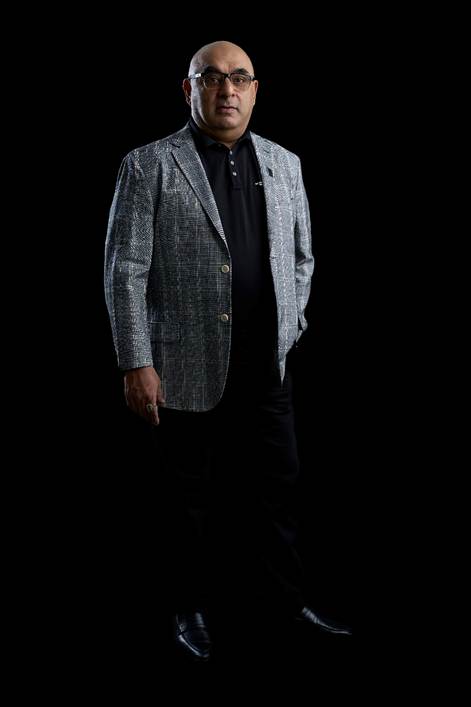
JS Anand, CEO & Founder of LEVA Hotels
The Gulf’s hospitality industry has moved beyond its regional roots. Once focused on local and regional travelers, GCC hotel brands are now eyeing Europe, Africa, and other high-potential markets. Backed by strong domestic growth, economic diversification goals like Saudi Vision 2030, and powerful investment ecosystems, these brands are ready to compete on a global scale. But ambition alone will no longer win markets; only brands willing to ditch one-size-fits-all expansion and rethink how they enter new regions will scale sustainably.
Global Opportunity: Why GCC Brands Are Looking Outward
- Post-Pandemic Growth and Travel Demand: The global travel sector has rebounded strongly since COVID-19, with GCC destinations already seeing tourist arrivals recover and, in some cases, exceed pre-pandemic levels. Dubai, for example, recorded 18.72 million international visitors in 2024; Riyadh and Abu Dhabi are investing heavily in cultural tourism to attract global travelers, and Doha continues to expand its leisure and business offerings ahead of international events. This recovery gives GCC brands both the financial strength and operational capacity to explore overseas markets rather than relying solely on domestic expansion.
- Distinct GCC Strengths: GCC brands are leveraging competitive advantages that set them apart internationally and these are cultural warmth and guest-centric service. Deeply rooted in Arabian hospitality, GCC brands excel at personalized, high-touch service that appeals to discerning travelers. Yet the most promising segment is not ultra-luxury alone, it’s mid-upscale and lifestyle boutique concepts that translate more easily across markets because they are asset-light, design-driven, and margin-resilient. The boutique segment continues to accelerate worldwide, with the category estimated at roughly $25 billion in value in 2023 and forecast to surpass $40 billion within this decade. What’s even more telling is traveler behavior: leisure guests accounted for well over two-thirds of boutique stays last year, reinforcing the global shift toward personalised, immersive, experience-driven hospitality.
- A decisive POV: GCC brands will win abroad not by outspending Western chains, but by out-adapting them; using nimble, culture-sensitive models and mid-scale/lifestyle playbooks rather than defaulting to giant luxury flagships.
Expertise in Experiential Luxury (and Why That’s Not Enough)
Refined ultra-luxury experiences, tailored to individual preferences, are a hallmark of GCC hospitality, creating strong appeal in the European and other mature markets. But luxury alone is a blunt instrument: Europe’s boutique demand and Africa’s emerging middle classes both reward differentiated price-tiers; meaning GCC groups must build mid-market competencies as deliberately as they build flagship projects.
Africa and Europe: The Next Battlegrounds for GCC Hospitality
Destinations such as Egypt, Morocco, Kenya, and Tanzania are seeing growing investment, improved safety, and enhanced infrastructure, creating fertile ground for GCC brands. Europe, from Prague to Athens, presents opportunities for lifestyle and boutique concepts seeking operational and owner buy-in. Investor appetite is rising, with UAE, Saudi, and Qatari capital projected to flow into African hospitality ventures in the coming years.
Understanding Local Realities
Entering new markets requires more than capital; it demands a deep understanding of local dynamics. Regulations, consumer behavior, and design preferences vary widely between Europe and Africa. Success in Europe often hinges on regulatory compliance and strong local partnerships, while in Africa, infrastructure and talent availability are key. The strategic mistake many make is assuming brand halo will substitute for local feasibility; it won’t. Brands that run feasibility studies, secure local operator partners, and send HQ teams in as task forces hit the ground running, accelerating time-to-profit. Leadership that knows the terrain rather than just the boardroom makes the difference.
Balancing Identity with Localization
Global expansion is not about replicating a formula, it’s about evolving without losing the core brand DNA. Boutique hotels that integrate regional storytelling, local art, and culturally resonant experiences while maintaining operational consistency are defining the new frontier. Localization must be approached as product development, not marketing. Menus, F&B partnerships, art, and training are bespoke per market, while scalable technology and operational systems protect margins.
Partnerships, People, and Operational Excellence
Global expansion in hospitality depends on more than vision; it relies on local partnerships that strengthen licensing, supply chains, and recruitment. True scalability comes from investing in people, technology, and sustainability, building systems that can travel well. But there’s a second, less spoken tension: talent gaps. International growth will remain limited unless GCC brands invest in franchise-ready training programs and build strong regional talent pipelines, particularly for middle-management roles that ultimately make or break service consistency. Without repeatable people systems, a great opening year can easily turn into an operational headache by year three.
Looking Ahead: Building Global Stories from GCC Roots
GCC hospitality brands are proving that homegrown excellence can translate onto the global stage. The next decade will not be measured by the number of new properties alone. It will be judged by how effectively these brands export their values: warmth, authenticity, and innovation. Purposeful, precise, and people-centered expansion will define the GCC’s global hospitality story.
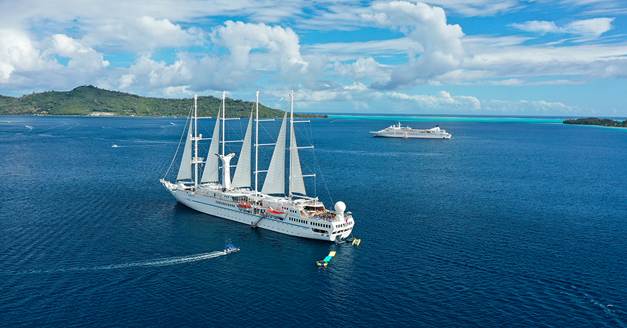
IDeaS, a SAS company and the world’s leading provider of hospitality revenue management software, is expanding its RMS solution for the cruise industry by working with Miami-based Windstar Cruises, renowned for its intimate ships and yacht-like experiences, to modernize revenue strategy and accelerate growth. With a growing fleet and a wide range of stateroom categories and onboard experiences—from sailing yachts to all-suite yachts—Windstar’s team needs a more precise, scalable way to anticipate demand and calibrate pricing across its portfolio. For Windstar, the collaboration reflects and expands the company’s continued commitment to innovation, including investments in its fleet, renovations, guest experience, and operational improvement initiatives.
This engagement comes at a pivotal moment for the cruise industry. Global passenger volume is projected to reach 38.9 million in 2026, with industry revenue expected to surpass $46.5 billion. For operators like Windstar, capitalizing on this growth requires a more sophisticated approach to forecasting, pricing, and guest value optimization. With Windstar now operating eight ships, specialized technology is needed to manage pricing across itineraries, ship types, and cabin categories. These areas are where IDeaS Cruise Revenue Management System (RMS) delivers a decisive advantage.
Known for delivering personalized, small-ship journeys to hidden harbors and off-the-beaten-path destinations, Windstar’s approach to cruising aligns naturally with IDeaS’ strategy. As part of the agreement, Windstar Cruises will harness the capabilities of IDeaS Cruise RMS to refine and elevate its revenue strategy. Powered by advanced forecasting algorithms, AI and machine learning help the system anticipate demand by market segment and cabin type to support dynamic pricing decisions with greater precision. Total onboard spending also informs the system’s optimization logic enabling a more holistic view of guest value.
These capabilities are helping Windstar advance its modernization goals and move beyond traditional manual and labor-intensive revenue management approaches. As cruise operators increasingly seek smarter, more connected ways to respond to shifting demand, solutions like IDeaS Cruise RMS are setting a new benchmark for timely, data-driven forecasting and pricing decisions.
Crystal Pernici, Global Director, New Ventures at IDeaS, said: “Cruise lines are at a pivotal moment. The manual revenue management practices traditionally used in this industry are no longer enough to keep pace with evolving market dynamics. We are proud to bring our Cruise RMS technology to Windstar’s prestigious boutique fleet—helping teams anticipate demand, understand guest value, and make faster, more confident pricing decisions as conditions change. This collaboration reinforces our commitment to the cruise industry, and we’re excited to support Windstar as it modernizes its commercial strategy.”
Victor Valencia, VP of Revenue Management at Windstar Cruises, said: “With an expanding fleet, our team needs to revenue manage with a level of precision and speed that simply can’t be done on an Excel sheet. IDeaS’ cruise-specialized RMS will help us anticipate demand more accurately and adjust pricing accordingly across our portfolio. This enables us to make smarter decisions while continuing to invest in the Windstar programs and experiences our guests value most.”
The cruise industry continues to expand, with operators racing to modernize revenue strategies and make the most of every sailing. By combining advanced algorithms with total guest-value insights, IDeaS Cruise RMS supports more precise forecasting and more responsive pricing across market segments and cabin types. With Windstar now on board, IDeaS further expands its footprint in the cruise industry, building on decades of leadership in hospitality revenue management and reinforcing its role as a trusted partner in innovation.

HOW GLOBAL SECURITY AND VALUABLES LOGISTICS PROVIDERS ARE ADAPTING OPERATIONS AMID RISING GEOPOLITICAL TENSIONS
DUBAI CORPORATION FOR CONSUMER PROTECTION AND FAIR TRADE SIGNS STRATEGIC COLLABORATION AGREEMENT WITH ENOC’S AUTOPRO TO ENHANCE VEHICLE MAINTENANCE STANDARDS IN DUBAI
ROSTRO GROUP POSITIONS THE UAE AS A STRATEGIC HUB FOR INSTITUTIONAL MARKET INFRASTRUCTURE



-
News10 years ago
SENDQUICK (TALARIAX) INTRODUCES SQOOPE – THE BREAKTHROUGH IN MOBILE MESSAGING
-

 Tech News2 years ago
Denodo Bolsters Executive Team by Hiring Christophe Culine as its Chief Revenue Officer
-
 VAR12 months ago
Microsoft Launches New Surface Copilot+ PCs for Business
-

 Trending6 months ago
OPPO A6 Pro 5G Review: Reliable Daily Driver
-

 Tech Interviews2 years ago
Navigating the Cybersecurity Landscape in Hybrid Work Environments
-

 Tech News9 months ago
Nothing Launches flagship Nothing Phone (3) and Headphone (1) in theme with the Iconic Museum of the Future in Dubai
-

 Automotive2 years ago
AGMC Launches the RIDDARA RD6 High Performance Fully Electric 4×4 Pickup
-

 VAR2 years ago
Samsung Galaxy Z Fold6 vs Google Pixel 9 Pro Fold: Clash Of The Folding Phenoms