
 Have a question? +971 56 404 0503




Home Integrator
CONSTRUCTION OF SOBHA ELWOOD WILL USE BREAKTHROUGH RENEWABLE ENERGY SYSTEMS FROM POSITIVE ZERO


Sobha Realty’s luxury villa community development – Sobha Elwood, will deploy innovative clean energy systems from Positive Zero, including the first-of-its-kind mobile battery energy storage system (mBESS) in the region.
The fume-free, noise-free mobile battery units deliver electricity where it’s needed on the construction site, replacing traditional diesel generators and fossil fuel dependency. Over the duration of the two-year agreement, Positive Zero’s HYPR system will replace the equivalent of more than 30,000 gallons of diesel – enough to power more than 25 million smartphones.
Mr. Ravi Menon, Chairman of Sobha Group said: “At Sobha Realty, sustainability is a fundamental pillar of how we build and how we envision the future of our communities. Our partnership with Positive Zero for Sobha Elwood marks another decisive step in integrating clean, renewable energy solutions across our developments. In alignment with the UAE Green Agenda 2030 and the Dubai 2040 Urban Master Plan, this initiative reinforces our commitment to shaping communities that are world-class, future-ready, and environmentally resilient.”
Each mobile battery system is charged using clean, renewable solar power which is highly efficient compared to diesel equivalents. Positive Zero swaps batteries in and out, as required, to ensure a constant supply of reliable on-site electricity. It is estimated that 219 MWh of electricity will be delivered through the systems per year.
“We are delighted to support Sobha Realty in its pioneering new approach to real estate development, powering more sustainable construction and lowering carbon emissions. Sobha Realty is setting a clear benchmark for developers and demonstrating that clean energy can make a transformative difference to the sustainable development of cities,” said Mr. David Auriau, Chief Executive Officer, Positive Zero.
It is the second project that Sobha Realty has signed with Positive Zero. Following the successful implementation of Positive Zero’s HYPR clean energy systems at Sobha One as the first project, Sobha Elwood now becomes the second development to adopt these innovative renewable energy solutions, as the real estate leader continues to support Dubai’s strategic initiative to reduce carbon emissions by 50% by 2030.
Home Integrator
A SEASON OF RADIANT HOSPITALITY: NATUZZI ITALIA CELEBRATES MOTHER’S DAY AND THE SPIRIT OF EID WITH MASTERPIECES OF ITALIAN COMFORT

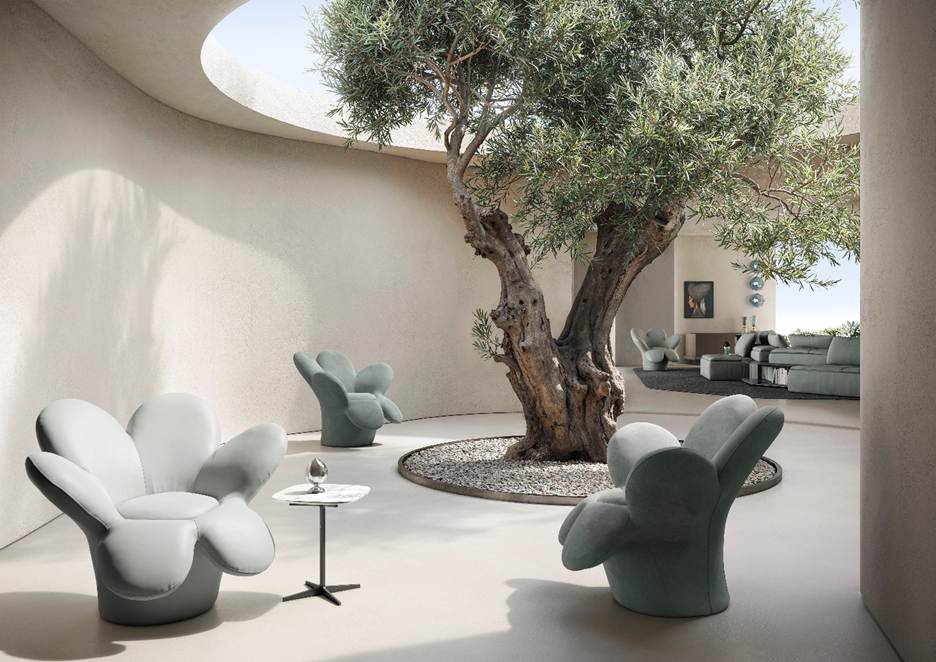
As the UAE prepares for a season of profound celebration, Natuzzi Italia, the world’s most recognized luxury furniture brand, is proud to unveil a captivating collection curated to honor both Mother’s Day and the upcoming Eid al-Fitr festivities. This year, the brand invites clients to redefine the art of gifting and hosting by blending the soul of Italian craftsmanship with the warmth of regional traditions.
Whether seeking to elevate the home for festive Eid hospitality or searching for a heartfelt tribute for Mother’s Day, Natuzzi Italia presents a collection that captures the essence of both occasions. This curated selection ranges from the sculptural elegance of the Fiore armchair to a suite of lighting and art objects designed to embody the spirit of the season.
The Fiore Armchair: A Symphony of Nature
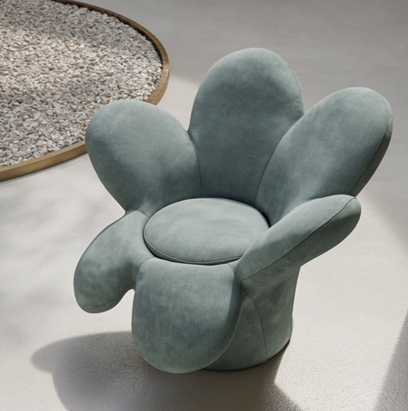
Designed by the acclaimed Marcantonio, the Fiore armchair is a masterpiece that blurs the boundary between functional furniture and fine sculpture. Inspired by the delicate strength of petals and the organic flow of nature, Fiore envelops the body in fluid, sinuous lines. Reflecting Natuzzi’s Apulian heritage through a poetic fusion of artisanal precision and emotional design, the piece invites the softness and growth of the natural world into the heart of the home.
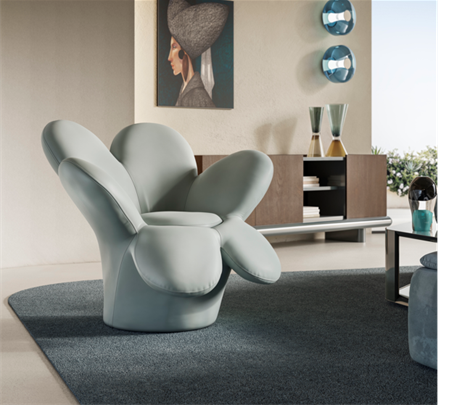
Illuminating Elegance by adding a layer of radiant artistry to the interior:
The TEA Floor Lamp: Designed by Danelo de Rossi, this piece stands with the grace of a floral bouquet. Three stems rise from the base in a harmonious interplay of heights, culminating in satinated blown glass spheres that diffuse a soft, encompassing glow.
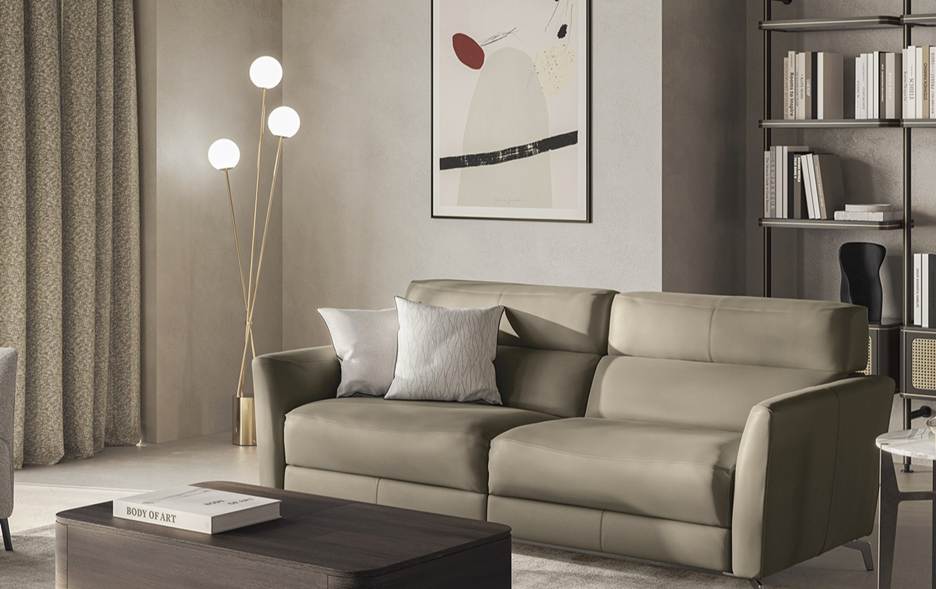
The MUNETTA Table Lamp: Designed by Danilo De Rossi, Munetta embodies the charm of a moment frozen in time. This cordless, dimmable lamp features precious blown glass and a touch sensor, casting a delicate, moonlight-inspired glow that brings a sense of magic and timeless elegance to any setting.
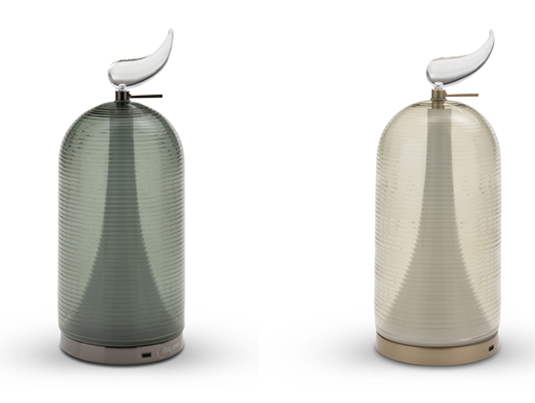
Artisanal Accents: SkLO
The seasonal transformation is completed by sophisticated accessories that function as contemporary art:
LAVA Bookends: A striking sculptural accessory composed of nearly solid glass, creating captivating visual depth. Ground and polished to perfection, they serve as both practical anchors and sophisticated decorative statements.
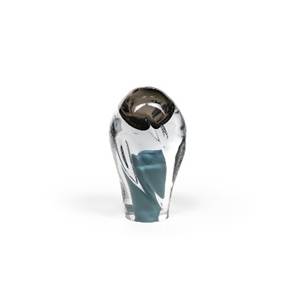
BLOOM Wallpiece: An organic sculptural composition meticulously crafted by layering individually blown glass pod-shapes. Each multi-dimensional form is precision-cut and polished, offering a sophisticated, nature-inspired focal point for any interior surface.
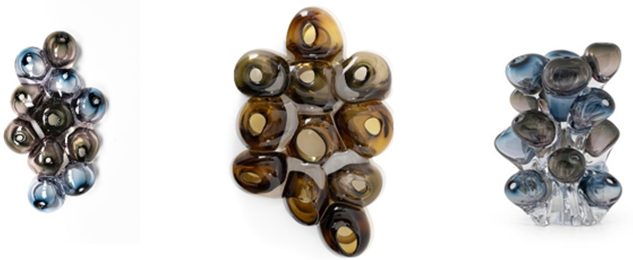
Celebrate the extraordinary women in your life and the joy of Eid with pieces that resonate with timeless beauty. Explore the ideal fusion of form and functionality at Natuzzi Italia showrooms or online.
• Natuzzi, Sheikh Zayed Road between 2nd and 3rd interchange, Dubai
• Natuzzi, near Al Maktoum Bridge, Umm Hurair Road, Dubai
• Natuzzi, The Galleria, Abu Dhabi
Home Integrator
CASA MILANO EXPANDS UAE FOOTPRINT WITH 7TH SHOWROOM LAUNCH IN AL AIN AMID MARKET UNCERTAINTY
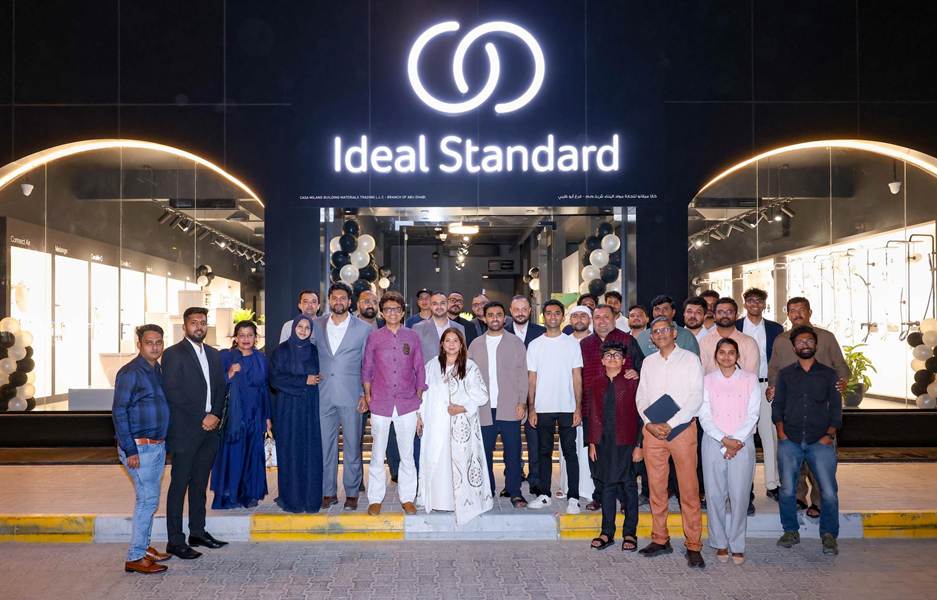
At a time when global and regional markets continue to face uncertainty, Casa Milano announced the opening of its 7th showroom in the UAE, marking a significant milestone in the brand’s growth journey and reinforcing its confidence in the country’s long-term outlook.
The new showroom in Al Ain reflects Casa Milano’s continued expansion strategy despite wider conversations across industries around slowdowns, caution, and consolidation.
Speaking on the occasion, Azhar Sajan, Founder of Casa Milano, said, “Today is a very special and proud moment for all of us at Casa Milano. In the middle of a difficult and uncertain time, when many choose to pause, we choose to move forward with courage and belief. I am happy to have launched this during Ramadan. I feel the Al Ain market is buzzing, and this is the right time to enter it.”
The launch sends a strong signal about the resilience of the UAE market, with Casa Milano underscoring its belief that the country’s strong fundamentals continue to create opportunities for sustainable growth.
The Al Ain showroom is set to bring Casa Milano’s range of premium improvement solutions closer to homeowners, designers, architects, and developers in the city and surrounding regions. The brand has built its reputation on design-led offerings across sanitaryware, tiles, kitchens, wardrobes, and complete home concepts, serving both residential and hospitality projects.
Sajan added that the opening represents more than physical expansion, “This milestone is not just about opening another showroom. It represents the dedication, passion, and hard work of every member of the Casa Milano family. This success belongs to all of us.”
He further noted, “Challenges test our strength, but they also create opportunities. Today, we have shown that even in tough situations, with unity and determination, growth is always possible.”
With the launch of its Al Ain location, Casa Milano is expected to further strengthen its presence in the UAE and support rising demand for high-quality, luxury home improvement solutions in the market. Concluding his remarks, Sajan said, “I would like to sincerely congratulate the entire Casa Milano team for this achievement. Let this be another step toward an even brighter future.”
As businesses navigate an evolving market environment, Casa Milano’s latest expansion highlights its confidence in the UAE’s vision, the resilience of its economy, and the strength of continued forward momentum.
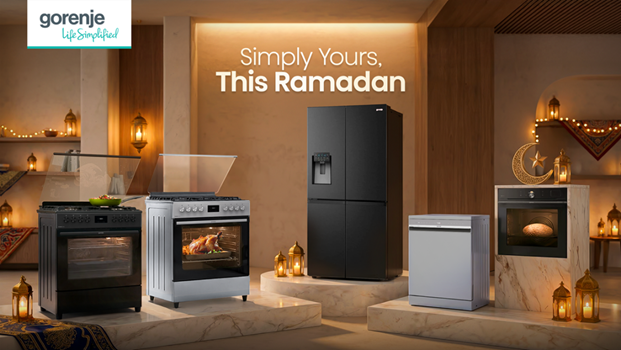
Gorenje, one of Europe’s leading home appliance brands operating under Hisense Group, continues to strengthen its long-standing commitment to the Middle East by bringing its premium European appliance experience closer to modern households across the region. As families prepare for Ramadan, a time centered around togetherness, hospitality, and shared moments at home, Gorenje highlights a curated selection of appliances designed to simplify daily routines while enhancing comfort, efficiency, and contemporary living.
With more than seven decades of heritage rooted in European craftsmanship and innovation, Gorenje has built a reputation for combining advanced technology with refined aesthetics. The brand’s philosophy focuses on creating appliances that seamlessly integrate into everyday life, delivering intuitive functionality while elevating the overall home experience.
Responding to the growing demand for modern, design-led living spaces across the Middle East, Gorenje continues to emphasize its built-in appliance solutions, developed to complement contemporary architecture and open-plan homes. Designed around the concept of “Life Simplified,” Gorenje’s built-in range blends minimalist European design with intelligent functionality, allowing appliances to integrate naturally into kitchen environments while maintaining clean lines and visual harmony.
During the Ramadan period, Gorenje is spotlighting selected appliances across its key categories, offering consumers an opportunity to upgrade their homes with thoughtfully designed European solutions that combine performance, energy efficiency, and timeless aesthetics. The seasonal selection reflects the brand’s commitment to supporting families as homes become central spaces for connection, cooking, and shared experiences throughout the holy month.
“Gorenje has a strong and established presence in the Middle East, and we continue to see growing demand for appliances that combine design, innovation, and everyday practicality,” said Ismail Al Horani, Vice President for Middle East & Africa at Hisense. “Ramadan represents a meaningful time when homes bring people together, and our goal is to provide solutions that simplify daily living while enhancing the overall home experience through European design and innovation.”
Gorenje’s comprehensive portfolio spans cooking solutions, refrigeration, dishwashing, and laundry appliances, supporting every stage of home living. From advanced ovens designed to simplify meal preparation during busy Ramadan gatherings to refrigeration solutions that preserve freshness and optimize food storage, the brand delivers practical innovations tailored to modern lifestyles.
As lifestyles evolve and modern homes increasingly prioritize both functionality and aesthetics, Gorenje remains focused on delivering appliances that balance technology, design excellence, and user simplicity. By combining European heritage with innovation-driven development, the brand continues to support households across the region with solutions designed for contemporary living.
Gorenje appliances are available across leading retailers and project partners throughout the Middle East.

A SEASON OF RADIANT HOSPITALITY: NATUZZI ITALIA CELEBRATES MOTHER’S DAY AND THE SPIRIT OF EID WITH MASTERPIECES OF ITALIAN COMFORT
CASA MILANO EXPANDS UAE FOOTPRINT WITH 7TH SHOWROOM LAUNCH IN AL AIN AMID MARKET UNCERTAINTY
TRENDS IN AI COMPLIANCE INFLUENCING HOW GCC COMPANIES OPERATE



-
News10 years ago
SENDQUICK (TALARIAX) INTRODUCES SQOOPE – THE BREAKTHROUGH IN MOBILE MESSAGING
-

 Tech News2 years ago
Denodo Bolsters Executive Team by Hiring Christophe Culine as its Chief Revenue Officer
-
 VAR11 months ago
Microsoft Launches New Surface Copilot+ PCs for Business
-

 Tech Interviews2 years ago
Navigating the Cybersecurity Landscape in Hybrid Work Environments
-

 Tech News8 months ago
Nothing Launches flagship Nothing Phone (3) and Headphone (1) in theme with the Iconic Museum of the Future in Dubai
-

 Automotive1 year ago
AGMC Launches the RIDDARA RD6 High Performance Fully Electric 4×4 Pickup
-

 VAR2 years ago
Samsung Galaxy Z Fold6 vs Google Pixel 9 Pro Fold: Clash Of The Folding Phenoms
-

 Trending5 months ago
OPPO A6 Pro 5G Review: Reliable Daily Driver