
 Have a question? +971 56 404 0503




Hospitality
MAKI AND RAMEN IS TURNING SUSHI INTO A GAME – AND RAMEN INTO A CHALLENGE THIS APRIL

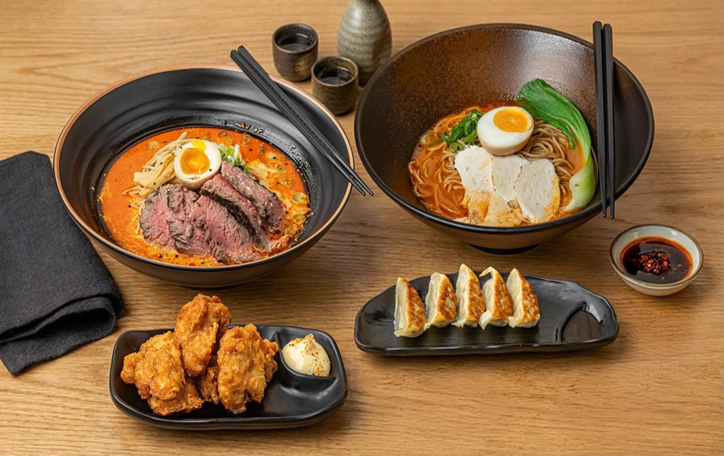
This April, Maki & Ramen is set to shake up Dubai’s experiential dining scene with a month of interactive, high-energy experiences – from a sushi battleship game played at the table to a Level 8 spicy ramen challenge designed to test even the bravest spice lovers. Founded by award-winning Chef Teddy Lee, the UK-born brand has built a loyal following for its bold, flavour-led ramen and sushi, combining traditional Japanese techniques with a modern, inclusive dining experience. Now in Dubai, Maki & Ramen is inviting guests to go beyond the plate and into a dining experience defined by competition, heat, and highly shareable moments.
Sushi Battleship Experience
Launching this April, Maki & Ramen introduces Sushi Battleship, an interactive dining experience that transforms the table into a 3×6 game board. Designed for groups, families, and social diners, the concept turns a classic sushi outing into a fast-paced battle of strategy, luck, and wasabi.
Priced at AED 180, the experience includes 16 pieces of sushi and two “wasabi bombs” – nigiri topped with wasabi that deliver an unexpected kick. Guided by a dedicated game master, two diners go head-to-head, calling out coordinates as they attempt to outplay each other on a vibrant sushi battleground featuring Maki & Ramen’s signature rolls.
Adding to the experience, guests who share their Sushi Battleship game on social media and tag @makiramendxb will receive a complimentary ramen per table, a reward that makes victory even sweeter.
Playful, competitive, and highly shareable, Sushi Battleship offers a fresh and interactive take on dining in Dubai.
When: April 10, 2026 – April 30, 2026 | Where: Maki & Ramen (R Floor), Mövenpick Hotel, Jumeirah Village Triangle | Time: 1:00 pm – 11:00 pm | Price: AED 180 (Inclusive of everything guests need for one round of Sushi Battleship) | Note: Terms and Conditions apply.
Firecracker Ramen Level 8 and Spicy Ramen Challenge
In celebration of International Ramen Day, Maki & Ramen launches the Firecracker Ramen Level 8, a limited edition, extra spicy take on its popular Firecracker Ramen, created for diners who enjoy intense heat.
Priced at AED 88 and served with a chilled milk based drink, the Level 8 bowl delivers a bold, high heat flavour profile designed to challenge even seasoned spice lovers. The drink is placed beside each challenger, but drinking it during the challenge signals surrender, making it the ultimate white flag.
Running alongside the launch is the Spicy Ramen Challenge. The concept is simple: finish the Firecracker Ramen Level 8, including the soup, in under five minutes and the dish is free.
But the challenge does not end there. Once the bowl is finished and the timer stops, participants must then hold the heat for a further three minutes without drinking the milk based drink, adding an extra test of endurance to see who can handle the spice the longest.
Those who complete the challenge will earn a place on Maki & Ramen’s Wall of Fame, adding a competitive edge to the experience. The fastest record achieved across the full month will also win an All You Can Eat for one voucher.
When: April 4, 2026 to April 30, 2026 | Where: Maki & Ramen, R Floor, Mövenpick Hotel, Jumeirah Village Triangle | Time: 1:00 pm to 11:00 pm | Price: AED 88, including Firecracker Ramen Level 8 and a milk based drink
Challenge: Finish within five minutes and the ramen is free. Those who also complete the additional three-minute wait before drinking the milk-based drink will be eligible to compete for the top monthly record and win an All You Can Eat for one voucher.
From sushi battles to spice challenges, Maki & Ramen brings an interactive edge to dining in Dubai this April. Whether guests visit to compete, take on the heat, or simply enjoy its Japanese menu, the experience combines food, entertainment, and social dining.
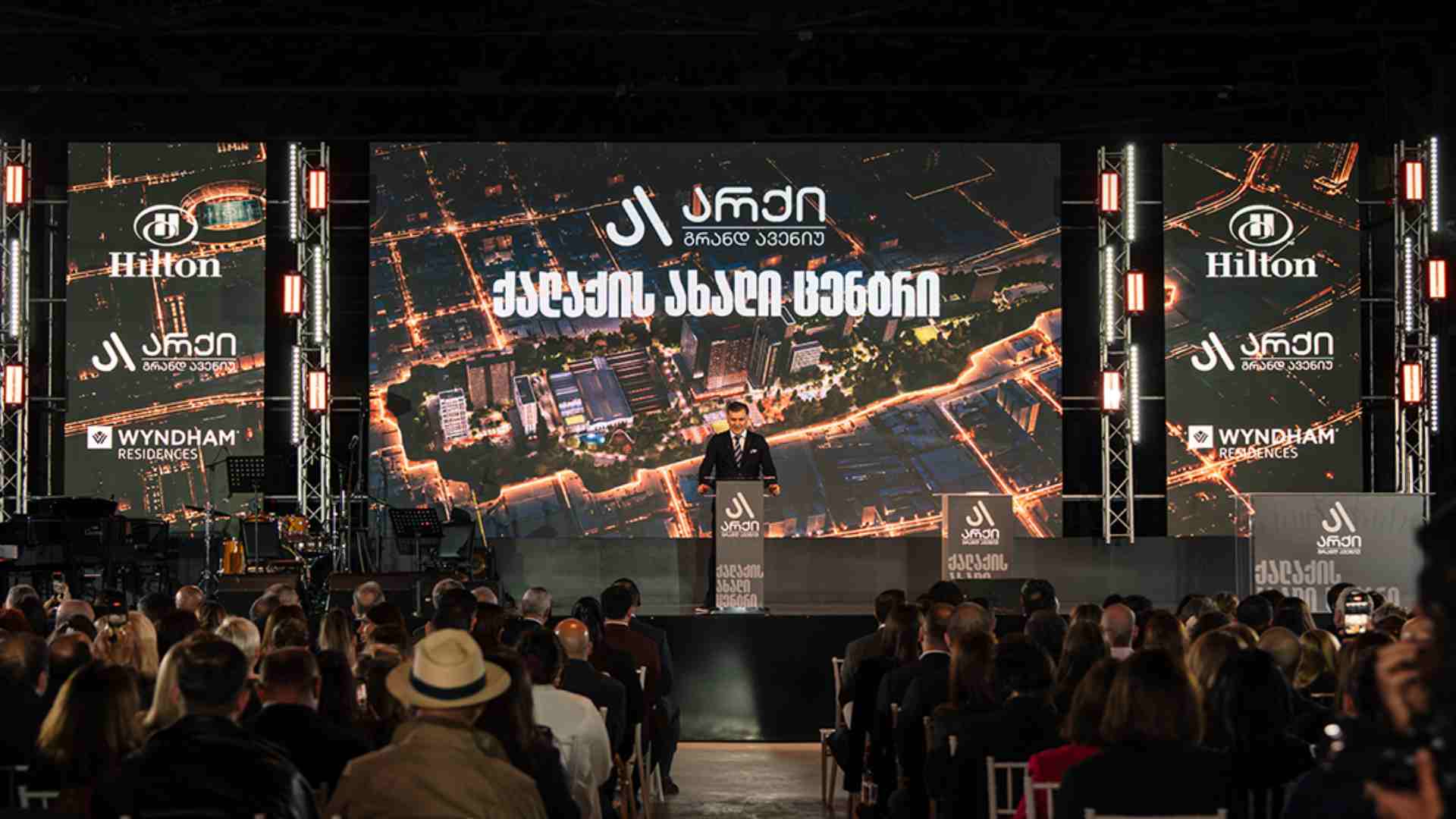
Archi, Georgia’s leading real estate developer, has unveiled the next phase of Archi Grand Avenue, a GEL 2 billion development in Tbilisi, equivalent to approximately USD 770 million. The new phase introduces a five-star Hilton hotel, Wyndham Residences and an international team of architects, designers and commercial development specialists.
The milestone was announced at a presentation held at the development on 8 October, attended by the Prime Minister of Georgia, members of the Georgian Government, international partners, media and Archi residents. A symbolic signing ceremony and the placement of a time capsule marked the start of the next stage.
Spanning 21 hectares, Archi Grand Avenue is planned as an integrated urban district combining residential, hospitality, commercial and public spaces. Fifteen hectares will be dedicated to recreation, with parks and landscaped areas, cycling paths, a skatepark, an urban amphitheatre and dedicated spaces for children.
The master plan also includes restaurants, entertainment venues, a school and kindergarten, as well as a padel centre, football and basketball courts, a 3,200-square-metre gym and a spa. A planned underground tunnel will provide a direct connection to Tsereteli Avenue.
“Archi Grand Avenue is the new heart of the city – a place where Tbilisi’s historical heritage meets the possibilities of modern living. Together with our international partners, our goal is to develop residential, hospitality, commercial, and public spaces as part of one integrated environment. We aim to create a district that brings new opportunities to the city and becomes an exceptional place for people to live, work, and relax,” said Ilia Tsulaia, Founder and Chairman of Archi.
A central element of the development is the adaptive reuse of Tbilisi’s former railway carriage factory. Its industrial heritage will be preserved while the site is transformed into a destination for dining, coworking, retail, technology and entertainment.
London-based architecture studio Benoy is leading the factory’s transformation, supported by Alkaş & Han Spaces. Chapman Taylor’s Madrid studio is developing the Grand Avenue master plan and the architecture of the Hilton hotel. Australian studio OCULUS is contributing to the master plan and landscape design under landscape designer Bob Earl, while Wei Yap Architecture is developing the wider architectural concept.
“Through this partnership, Wyndham will bring its global experience, world-class hospitality standards and expertise to create an exceptional living experience. We believe that together with Archi, we are creating something truly special, a new centre of attraction that will set new standards for branded residences in Georgia,” said David Gesto, Director of Franchise Operations, Wyndham Hotels & Resorts, EMEA.
The project comes as Georgia strengthens its appeal to international buyers, supported by its strategic location between Europe and Asia, free-trade agreements with markets including the UAE, and strong recent economic growth. More than one in four Archi buyers is already international, reflecting growing overseas interest in the country’s property market.
For GCC buyers familiar with internationally branded residences and mixed-use destinations, Archi Grand Avenue brings together hospitality, lifestyle infrastructure and residential ownership within one master-planned district. The project also offers access to a city that is increasingly attracting international residents and investors.
The next project milestone will be Archi Grand Avenue’s Big Discount Day on 24 October 2026. For one day only, registered buyers will be able to purchase selected apartments at special event prices. The previous Big Discount Day generated sales of 644 apartments, and Archi reports that prices within the project have since increased by 27–28 per cent.
Hospitality
Mango Jam Studios and The SMC Group Forge Strategic Partnership to Connect Middle Eastern Brands with Global Music and Entertainment Talent

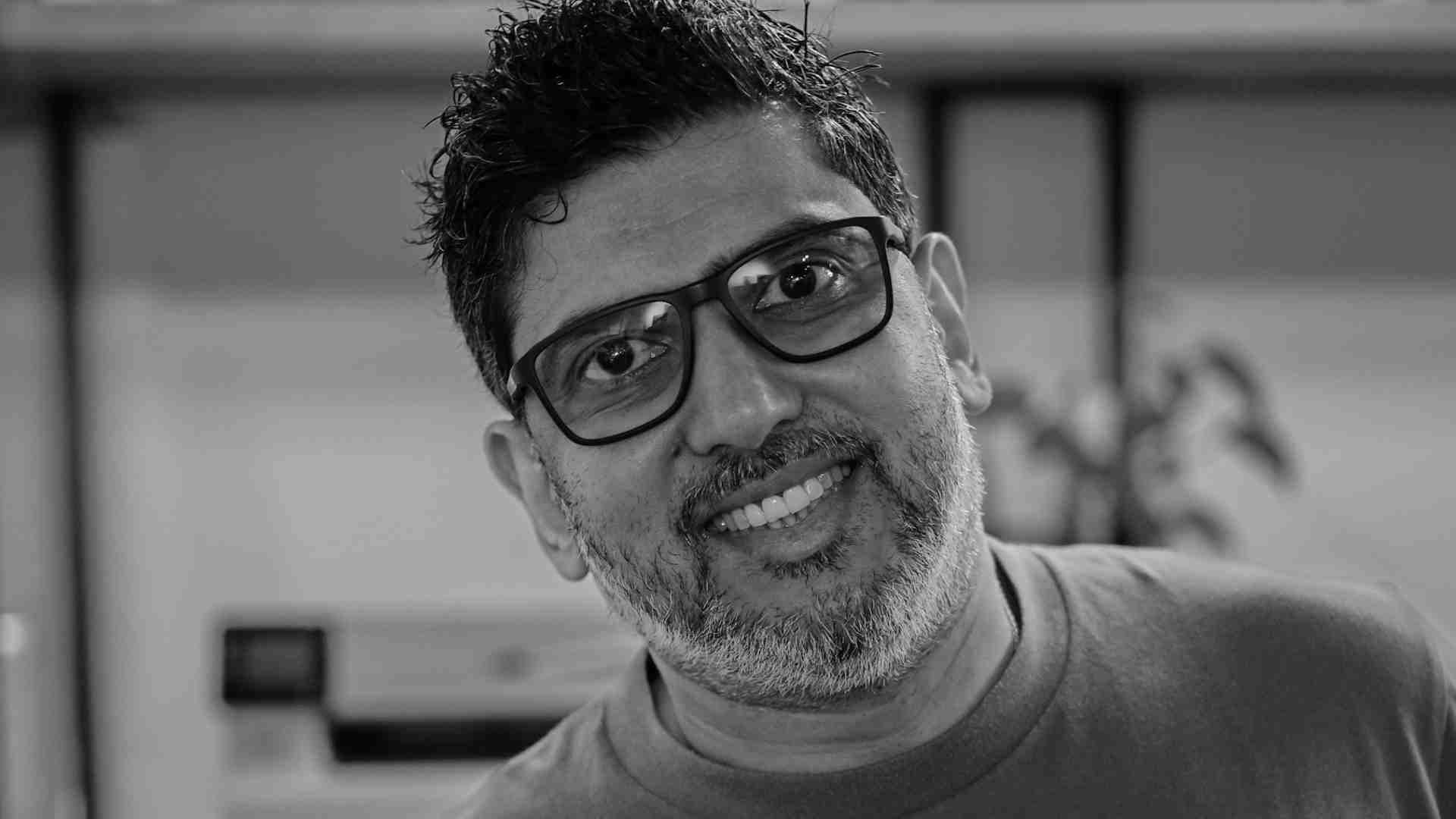
Mango Jam Studios, an established audio post-production house in the Middle East, has entered into a strategic partnership with The SMC Group to expand access to international music, artists, celebrity talent and entertainment rights for brands, agencies and creative teams across the region.
Established in 2012, Mango Jam Studios has built a strong presence within the region’s advertising and creative landscape, delivering award-winning work for brands including Coca-Cola, Colgate, Mobily, P&G, IKEA and e&. Its core expertise spans bespoke music composition, voice recording, brand sonic development and sound design, alongside music licensing and artist collaborations for brand communication projects.
The partnership builds on an existing relationship between Mango Jam and The SMC Group, bringing together Mango Jam’s understanding of the Middle Eastern advertising and creative landscape with The SMC Group’s international network across music licensing, entertainment rights, artists and celebrity talent.
For brands and agencies, the collaboration provides a more direct and efficient route to global entertainment opportunities, from internationally recognised music and artists to celebrity talent, image and likeness rights and bespoke entertainment partnerships.
“The Middle East has a fast-moving advertising industry, and our clients increasingly want access to talent and music that can help them create stronger connections with their audiences,” said Wilbur D’Costa, Executive Producer, Mango Jam Studios. “The SMC Group’s reach and understanding of the international entertainment industry makes them an ideal collaborator for us. By bringing their global network together with our regional relationships and creative expertise, we can offer our clients a much wider range of solutions while continuing to understand the cultural and creative nuances of the market.”
The SMC Group, which has operated internationally since 1999, brings experience across celebrity procurement, artist partnerships, music licensing, image and likeness rights and entertainment-led brand campaigns. Through the partnership, its global infrastructure becomes more accessible to agencies, production companies and brands operating across the Middle East.
“For us, this partnership is about making our existing global access significantly more available to the Middle East,” said Maurice Hamilton, Global CEO, The SMC Group. “Mango Jam understands the region, its creative landscape and the way agencies and brands operate. We bring the international layer, including access to global music, artists, celebrities and entertainment rights. Together, we can create a much more straightforward route for clients looking to access the global entertainment industry.”
The partnership will enable clients to approach a broader range of entertainment briefs through a streamlined process, with support across music licensing, artist and celebrity procurement, usage rights, territories, platforms, duration and commercial terms.
Mango Jam’s regional client relationships and creative capabilities, combined with The SMC Group’s international talent and rights network, will also enable campaigns to extend beyond geographical boundaries while remaining grounded in the needs of the Middle Eastern market.
“Our ambition is to build a collaboration that is known for being thoughtful about both client and artist needs, while working efficiently within time and budget considerations,” added D’Costa. “Over time, we want to become a go-to partner for brands and agencies when it comes to artist and celebrity management for brand communication.”
Hamilton added: “When an agency or brand in the Middle East thinks about music licensing, celebrity talent, artists or entertainment rights, we want The SMC Group and Mango Jam to be among the first calls they make. Together, we are building a single access point connecting brands and agencies in the region with global music, talent and entertainment opportunities.”
The partnership marks a step towards making global music, talent and entertainment rights more accessible to the Middle Eastern advertising and creative industry, combining regional market knowledge with international access and rights expertise.
Hospitality
AL HABTOOR GRAND RESORT, AUTOGRAPH COLLECTION APPOINTS CHRISTOPHE DELABARRE AS HOTEL MANAGER
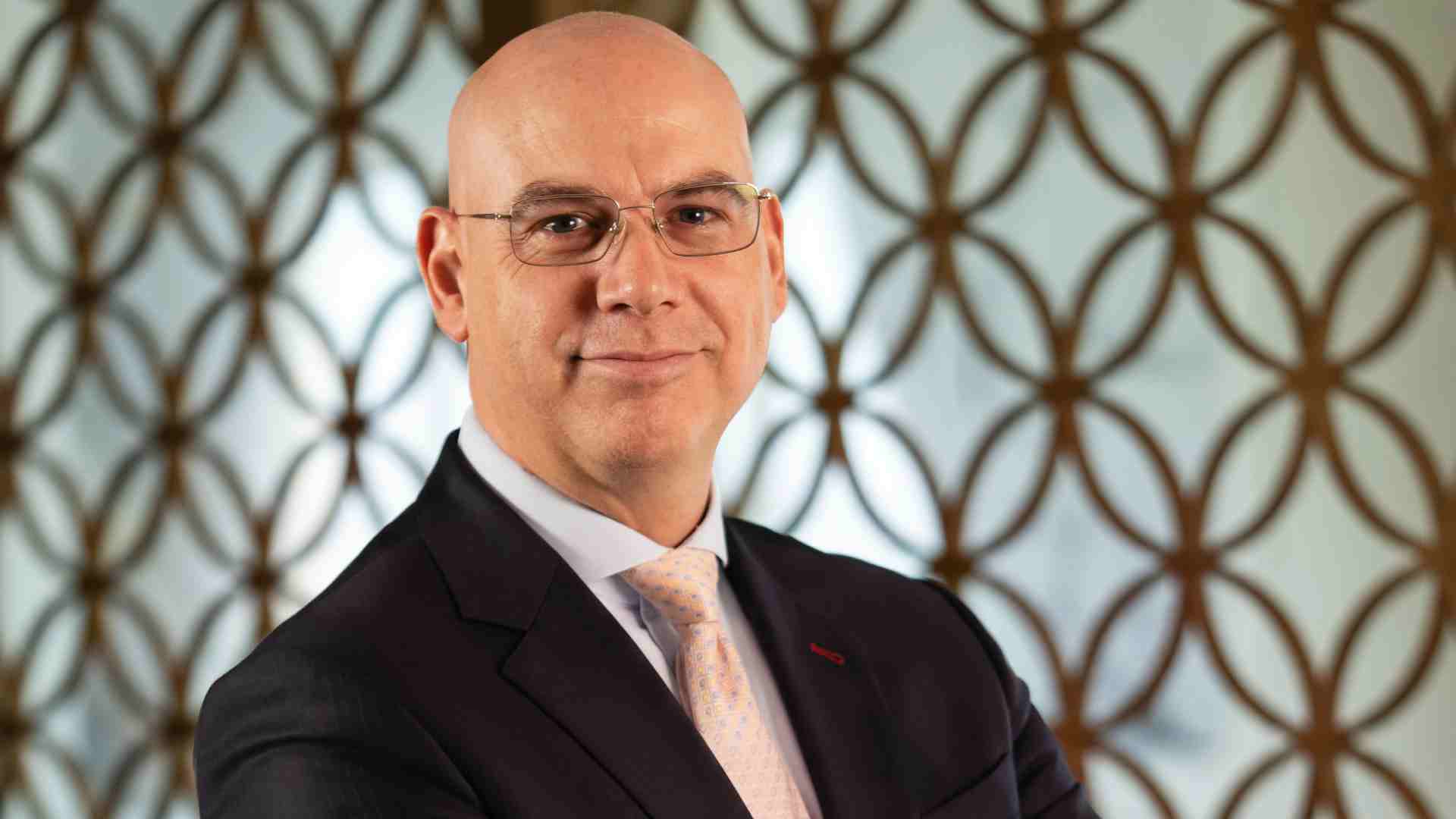
Al Habtoor Grand Resort, Autograph Collection has announced the appointment of Christophe Delabarre as Hotel Manager, strengthening the resort’s senior leadership team as it enters its next phase of growth.
With more than 20 years of international hospitality experience, Christophe has held key leadership positions with globally recognised brands including IHG, Marriott, Hilton, Mandarin Oriental and Disneyland Paris. His career spans Europe, Asia and the Middle East, bringing a broad international perspective shaped by diverse hospitality markets and operating environments.
Throughout his career, Christophe has built a strong track record in driving operational performance, developing successful restaurant and guest experience concepts, and building high-performing teams. His combination of international expertise and hands-on operational leadership will support the continued evolution of Al Habtoor Grand Resort.
In his new role, Christophe will oversee the resort’s day-to-day operations and strategic enhancements, with a focus on strengthening Rooms and Food & Beverage performance, identifying new revenue opportunities and further enhancing the guest journey. He will also play an important role in developing the resort’s talent and fostering a collaborative, performance-driven team culture.
Christophe brings a wealth of international experience and a strong understanding of what it takes to operate successfully across diverse hospitality markets,” said Khalid Saeed, General Manager, Al Habtoor Grand Resort, Autograph Collection. “His operational expertise, commercial mindset and ability to inspire teams make him a valuable addition to our leadership. We are delighted to welcome Christophe and look forward to working together as we continue to strengthen the resort’s positioning and future growth.”
Commenting on his appointment, Christophe Delabarre, Hotel Manager, Al Habtoor Grand Resort, Autograph Collection, said: “I am delighted to join Al Habtoor Grand Resort and become part of such an experienced team. I look forward to building on the resort’s strong foundations, bringing fresh perspectives and inspiration gathered throughout my career. I am excited to contribute new ideas that enhance our operations, elevate the guest journey, and create memorable Autograph Moments that are unique to this destination. I look forward to working closely with the team, contributing to the resort’s ongoing development success.”


The Connected Home Is Evolving into an Intelligent Ecosystem

New Partnership Connects Residential Wellbeing With Preventive Healthcare

Dubai Ride-Hailing App Zed Strengthens Leadership with Appointment of Shobhit Singhal to Shape Its Future



-

 Trending12 months ago
OPPO A6 Pro 5G Review: Reliable Daily Driver
-

 Tech News2 years ago
Denodo Bolsters Executive Team by Hiring Christophe Culine as its Chief Revenue Officer
-
 VAR2 years ago
Microsoft Launches New Surface Copilot+ PCs for Business
-

 Automotive2 years ago
AGMC Launches the RIDDARA RD6 High Performance Fully Electric 4×4 Pickup
-
Tech Interviews3 years ago
Navigating the Cybersecurity Landscape in Hybrid Work Environments
-

 Hospitality2 years ago
Gulfood 2025 30th Edition Kicks Off Today, Setting New Benchmarks in F&B Growth and Innovation
-

 VAR10 months ago
Huawei Nova 14 Pro Review: Where Camera Excellence Meets Ecosystem Evolution
-

 Tech News1 year ago
Nothing Launches flagship Nothing Phone (3) and Headphone (1) in theme with the Iconic Museum of the Future in Dubai