INTRODUCING SONAURA™, RØDELINK II, LPA1, DS3, PODMIC FLAG AND RØDECASTER STUDIO
RØDE has today marked a major evolution in professional audio and creative workflows in the lead up to NAB Show in Las Vegas, introducing a suite of new products, technologies and software set to redefine the future of content creation.
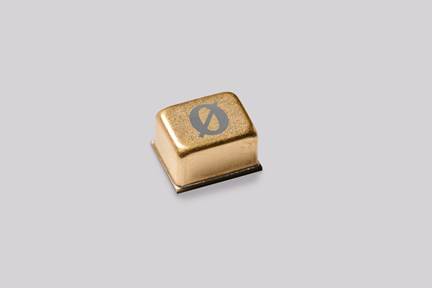
Central to the announcement is Sonaura, a world-leading studio-grade MEMS (Micro-Electro-Mechanical Systems) microphone technology that will underpin a new generation of professional audio solutions across RØDE and the wider Freedman Group.
Alongside this, RØDE introduced the RØDELink II professional UHF wireless mictrophone system, a range of new studio accessories including the LPA1 low-profile studio arm, the DS3 desktop studio arm, PodMic Flag branding tool, and the RØDECaster Studio podcast app – developed by its state-of-the-art AI Lab – further expanding its end-to-end ecosystem for creators.
RØDE will be showcasing these products alongside recent new releases, including the RØDECaster Video S and RØDECaster Video Core, at the NAB Show from Sunday April 18, until Wednesday, April 22 at booth C9316 in Central Hall of the Las Vegas Convention Center.
SONAURA – WORLD-LEADING PROFESSIONAL MEMS MICROPHONE TECHNOLOGY
A new era for audio capture has arrived with Sonaura, a breakthrough studio-grade MEMS (Micro-Electro-Mechanical-Systems) microphone technology. The culmination of a five-year collaboration with Infineon Technologies AG, a global leader in MEMS microphone technology, Sonaura combines RØDE’s industry-leading audio engineering with Infineon’s cutting-edge semiconductor expertise to fundamentally redefine how professional audio is captured.
Sonaura represents the next frontier for audio technology, capable of delivering exceptional audio fidelity, precision and durability in an ultra-compact 4mm x 5mm form factor. Manufactured at Infineon’s industry-leading semiconductor fabrication facilities, and engineered to RØDE’s exacting standards, Sonaura introduces a new class of microphone performance – delivering unprecedented signal clarity, resilience and versatility to creators across all disciplines.
“What we’ve achieved with Sonaura was once considered impossible” said Freedman Group Founder and Chairman Peter Freedman AM. “We have always been relentless in our pursuit of delivering the highest quality audio, and Sonaura is not only proof of that unwavering commitment, but a testament to RØDE and the wider Freedman Group’s ethos of shattering barriers and crushing conventions. In partnership with Infineon, we’ve created a foundational audio platform on which the future of sound will be built, wholly revolutionising recording technology as we know it.”
With an industry-leading Signal-to-Noise Ratio (SNR) of 83dB and a self-noise measurement of just 11dBA, Sonaura delivers an unparalleled level of clarity, providing broadcast-grade fidelity while maintaining far greater resilience than any other traditional professional microphone technology.
Measuring just 4mm x 5mm and built on a newly developed low-noise ASIC, Sonaura defies the conventional limits of audio technology design, providing a level of performance previously unattainable in such a compact form. This breakthrough enables seamless integration into applications where high-quality audio was once impossible, unlocking limitless possibilities in sonically transforming broadcasting, filmmaking and content creation.
With exceptional SPL handling, extremely high immunity to RF interference and an incredibly flat frequency response, Sonaura produces flawless audio recording in any scenario, from controlled studio environments to unpredictable field productions.
“Sonaura is a true feat of engineering,” said Ryan Burke, Freedman Group Portfolio Manager. “It’s clarity, resilience and sonic precision combined with its ultra-compact form heralds the bright future of microphone technology. Through seamless collaboration, RØDE and Infineon have delivered the best of their respective worlds to creators, with Sonaura boasting uncompromising audio quality in an incredibly versatile form factor.”
Built with longevity in mind, Sonaura is engineered to withstand extreme conditions. It features Infineon’s revolutionary Sealed Dual Membrane design which combines ultra-low self-noise with enhanced environmental robustness and reduces sensitivity to physical shock compared to conventional microphones. This ensures consistent performance and long-term reliability, making it the most durable studio-grade microphone technology ever developed.
“To accomplish this groundbreaking development, we sought a partner who shares our pursuit of acoustic excellence,” said Adam White, President of Infineon’s Power and Sensor Systems Division PSS. “With both our teams’ spirit, ingenuity and dedication, we are redefining what’s possible in audio – and accelerating the future of digitalisation.”
Sonaura will be introduced across select next-generation products within the RØDE and wider Freedman Group lineup, beginning with the L1 sub-miniature lavalier microphone from Lectrosonics. This launch marks the first step in a broader rollout of the Sonaura platform, bringing its studio-grade performance to professional wireless, broadcast and production environments.
With this revolutionary new audio platform, RØDE and Infineon have set a new standard for microphone technology, achieving unmatched precision, performance and durability for the next generation of audio capture.
RØDELINK II – PROFESSIONAL UHF WIRELESS MICROPHONE SYSTEM
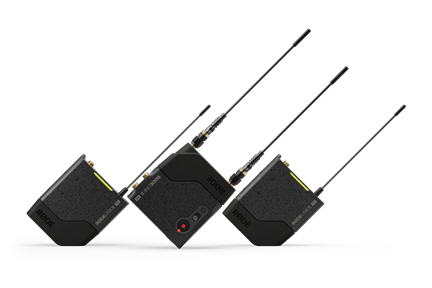
RØDELink II signals the next generation of professional wireless microphone systems. Built for filmmakers, broadcasters and content creators, RØDELink II features proprietary UHF wireless transmission, offering unparalleled sound quality, best-in-class range, staunch stability and a host of powerful features that set a new industry standard for wireless microphone systems.
Drawing on the deep wireless heritage within The Freedman Group, RØDELink II benefits from decades of UHF innovation pioneered by stablemate Lectrosonics. By leveraging engineering expertise from one of the most respected names in professional wireless audio, the system brings proven UHF performance into a new generation of RØDE products, delivering exceptional reliability, interference resistance and operational confidence in demanding RF environments.
Designed for versatility, RØDELink II includes two transmitters and a single receiver, offering seamless dual-channel operation for recording multiple sound sources at once. Each transmitter is paired with a broadcast-grade lavalier microphone featuring locking connectors, delivering exceptional detail and secure, high-quality audio capture for interviews, productions and live performances in any environment.
Replete with a host of professional features, RØDELink II is headlined by 32-bit float on-board recording, allowing users to capture pristine audio directly to a microSD card, no matter how loud or quiet the source. This revolutionary feature ensures that no take is ever lost, providing absolute peace of mind in any recording scenario. Additionally, a dedicated timecode I/O port makes it easier than ever to accurately align audio and video, removing the need for complex post-production adjustments.
Built for professionals, RØDELink II features a rugged metal body designed to withstand the rigours of location recording, along with three included removable lithium-ion batteries that deliver extended operating time in demanding environments. Complete with a comprehensive accessory kit housed in a premium travel case, RØDELink II redefines what’s possible in wireless audio, making it an essential tool for any production.
Complementing RØDELink II are a range of timecode and audio cables launching alongside it, designed to provide seamless connectivity and exceptional performance for creators and filmmakers. These include the 3.5mm TRS to 5-Pin and 3.5mm TRS to BNC timecode cables, both featuring locking connectors, professional-grade construction, and right-angle designs for a compact, secure setup.
Additionally, the 3.5mm TRS to XLRM and XLRM Splitter cables offer premium solutions for connecting microphones and audio sources to professional recording devices, with options for summing stereo channels or splitting them into separate XLR outputs. Built for durability and reliability, these cables ensure stable connections and uncompromising performance in any production environment.
RØDELink II, along with the new range of timecode and audio cables, will be available soon.
LPA1 – PROFESSIONAL LOW-PROFILE STUDIO ARM
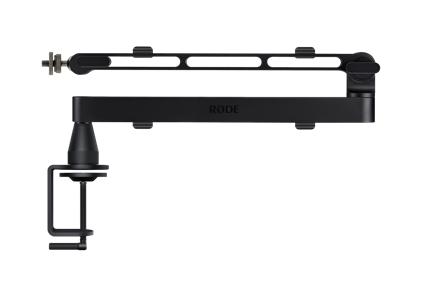
The LPA1 expands RØDE’s studio ecosystem with a professional low-profile studio arm engineered for precision placement without visual obstruction. Designed for modern recording, streaming and broadcast setups, the LPA1 sits neatly below the camera’s line of sight, keeping creators unobstructed on screen while delivering accurate microphone positioning.
With an extended horizontal reach of 650mm and a wide vertical adjustment range, the LPA1 offers exceptional flexibility to accommodate both end-address and side-address microphones. Smooth 360° rotation and silent operation allow for precise repositioning during recording or live broadcasts without introducing unwanted noise, ensuring complete creative control in any studio environment.
Built to support professional equipment with confidence, the LPA1 features a high load capacity of up to 2kg and universal thread compatibility, making it suitable for a wide range of microphones and studio accessories. Integrated cable management keeps XLR and USB cables neatly concealed, maintaining a clean, organised workspace while preserving full freedom of movement.
Effortlessly mounted to any standard desk using the included clamp, the LPA1 delivers a streamlined, professional solution for studios at home or on location. Purpose-built for creators who demand precision, reliability and a clean on-camera presence, the LPA1 is a heavy-hitter in RØDE’s suite of next-generation studio workflow tools.
LPA1 is coming soon.
DS3 – PROFESSIONAL DESKTOP STUDIO ARM
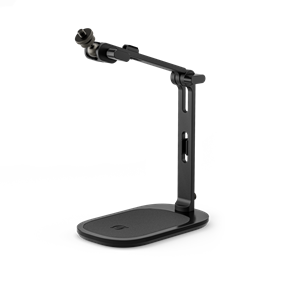
The DS3 introduces a new standard for compact desktop studio arms, delivering precise positioning, exceptional stability and a refined design for modern content creation. Built for creators who demand flexibility without compromise, the DS3 provides effortless placement for microphones, cameras, smartphones, lights and accessories in any desktop setup.
Engineered with a heavy weighted base, the DS3 sits securely on any flat surface without the need for clamps or mounting points, ensuring maximum stability in even the most dynamic recording environments. A precision-engineered ball head offers smooth, controlled movement and a wide range of adjustment, allowing users to achieve perfect positioning with whisper-quiet operation during streams, recordings or live broadcasts.
Crafted from precision-manufactured metal and finished in either classic black or crisp white, the DS3 balances rugged durability with understated elegance. A natural cork base inlay not only enhances stability but adds a premium tactile finish, making the DS3 a seamless addition to any professional or home studio.
Designed to adapt to a wide range of equipment, the DS3 features universal mounting compatibility with included 5/8” and 1/4” thread adaptors and supports devices up to 1.5kg. Integrated cable management keeps XLR and USB cables neatly secured and out of sight, maintaining a clean, organised workspace while preserving complete creative flexibility.
Designed and made in RØDE’s state-of-the-art facilities in Sydney, Australia, the DS3 reflects RØDE’s commitment to precision engineering, thoughtful design and uncompromising build quality across every element of the creator workflow.
DS3 is coming soon.
PODMIC FLAG – CUSTOM MICROPHONE BRANDING FLAG
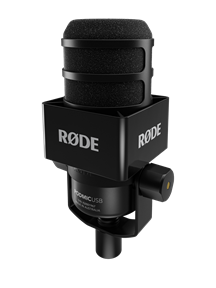
Designed specifically for the RØDE PodMic, this customisable microphone flag allows users to display their logo or artwork with a refined, broadcast-ready finish – expanding the visual identity of the modern podcast studio with a simple yet impactful way for creators to showcase their brand on camera.
Precision-engineered to integrate flawlessly with the WS14 pop filter, the PodMic Flag preserves the PodMic’s sleek silhouette while adding a distinctive branded element. Its durable construction ensures a secure, reliable fit, making it ideal for video podcasts, livestreams and professional studio productions where presentation matters as much as performance.
Creators can design, download and print their own artwork, enabling a streamlined, accessible path to personalised studio branding. The wrap-around sticker format applies smoothly for a polished result, delivering a crisp, professional aesthetic that elevates any on-screen setup.
PodMic Flag is coming soon.
RØDECASTER STUDIO – INTELLIGENT PODCAST PRODUCTION APPLICATION
RØDECaster Studio is an innovative new desktop application designed to revolutionise how podcasters and audio creators edit, refine and publish spoken-word content. Developed by RØDE’s state-of-the-art UK AI Lab, RØDECaster Studio combines studio-grade transcription accuracy, intuitive speaker identification and a suite of AI-driven editing tools to streamline post-production workflows like never before.
Available for both Mac and Windows, RØDECaster Studio supports seamless import from compatible RØDECaster devices, including direct-to-cloud workflows via RØDE Cloud. Creators can record on a RØDECaster Pro II or RØDECaster Duo and continue editing instantly in the app, with projects automatically synced and accessible across devices.
With its next next-generation transcript-based editing engine, RØDECaster Studio can generate highly accurate transcripts with word-level timestamp alignment and intuitive speaker identification. Integrated speaker profile management and automatic voice recognition ensure precise host and guest labelling, enabling structured navigation, topic-based editing and faster review of long-form conversations.
Creators can also refine dialogue simply by editing text. Advanced AI-powered in-painting tools allow words or entire phrases to be corrected or replaced naturally, preserving tone and cadence without requiring re-recording. RØDECaster Studio also features an integrated voice and chat-powered RØDE Assistant, capable of handling high-level editing tasks through natural-language commands. Creators can trim intros and outros, remove filler words and gaps, apply censorship, smooth speech or request meaning-based edits simply by asking while preserving the authenticity and character of every recording.
RØDECaster Studio also introduces a flexible composition system, enabling users to generate multiple versions from a single recording. Highlight reels, concise cuts and alternate edits can be created non-destructively, while the original recording remains intact and instantly recoverable.
Beyond editing, RØDECaster Studio streamlines the path to publication. Automatic title and summary generation accelerates content preparation, while one-click export presets optimise sample rate, format, bit depth and loudness for major platforms including Spotify, Apple Podcasts and YouTube. Full audio, selected clips or transcripts can be exported in professional formats, ensuring platform-ready results with minimal manual configuration.
With real-time waveform analysis and proprietary AI enhancement models delivering balanced, studio-grade sound automatically, RØDECaster Studio represents a significant evolution in podcast production – uniting capture, cloud workflow, intelligent editing and distribution within a single, cohesive system.
Future-facing and creator-focused, this latest innovation further extends RØDE’s ecosystem beyond audio capture and into a new era of intelligent editing.
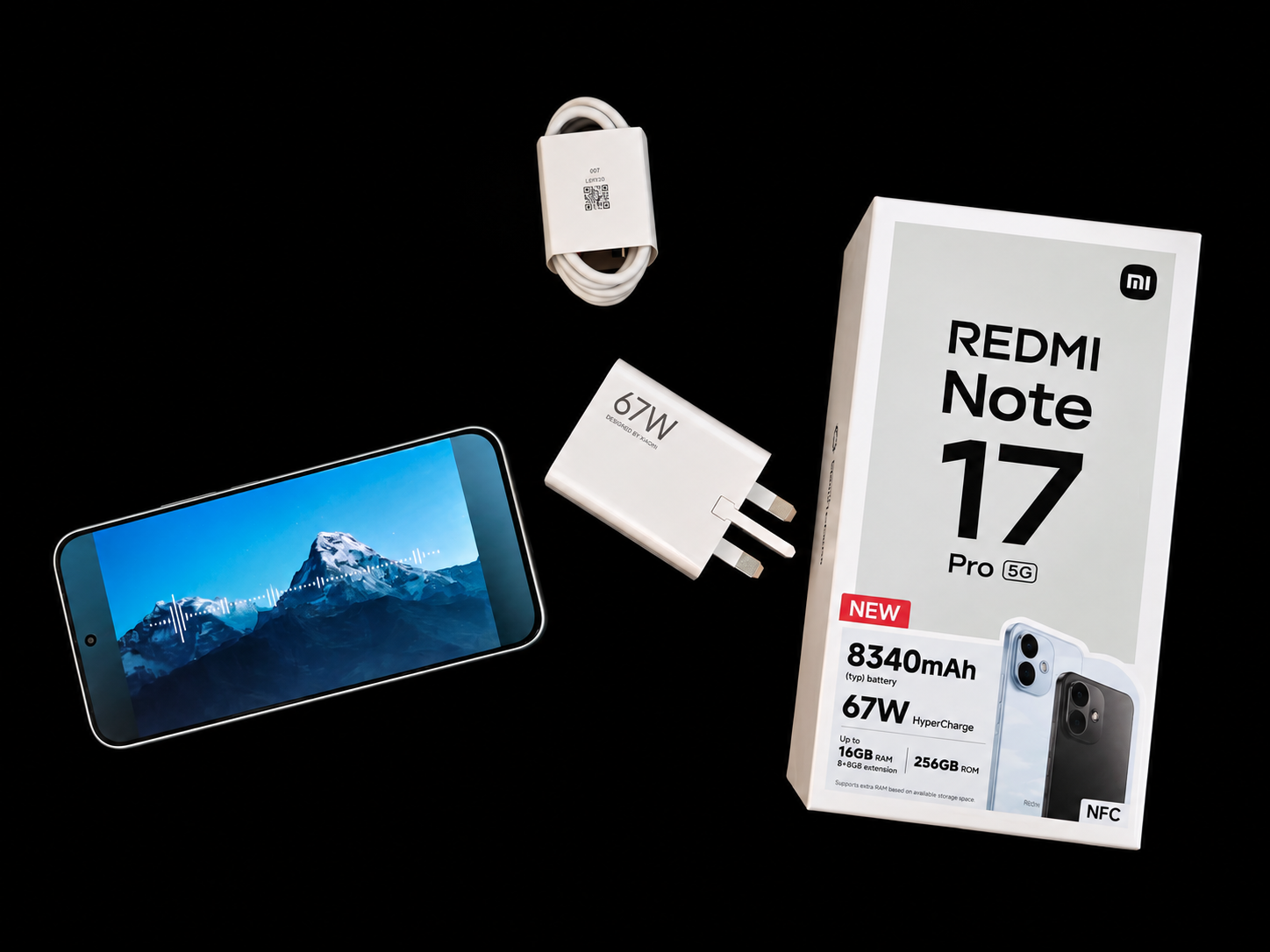
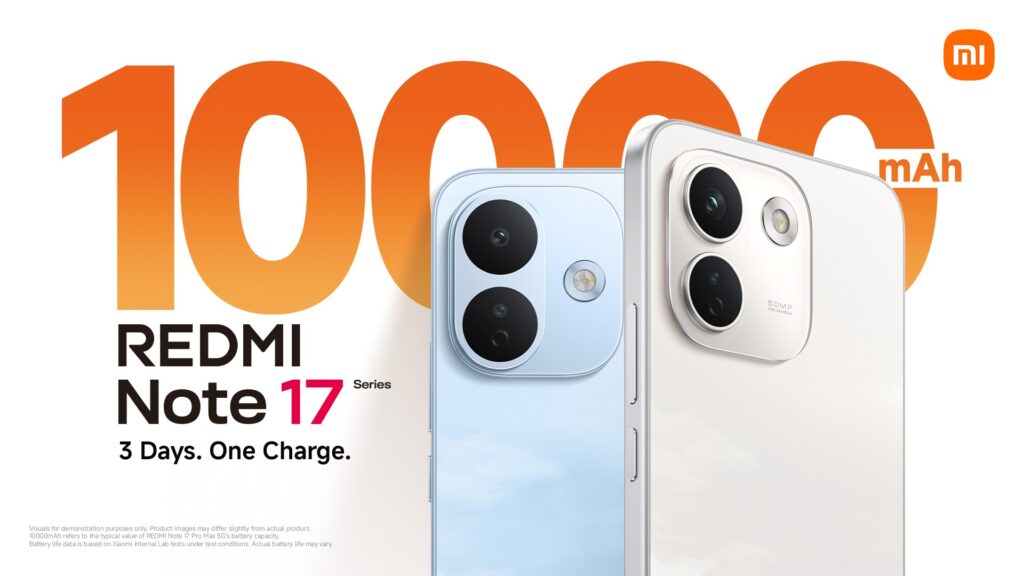
Xiaomi’s latest REDMI puts an 8,340mAh battery at the centre of its proposition, but its first surprise is how little that capacity dictates the overall design.
There is no shortage of smartphones competing on camera specifications, AI features and processing performance. With the REDMI Note 17 Pro 5G, however, one number immediately demands attention: 8,340mAh.
SRIJITH KN
This is also my first proper experience with a Xiaomi smartphone, which means I’m approaching the Note 17 Pro 5G without years of familiarity with REDMI or HyperOS.
My first instinct was therefore to put it alongside something I know very well: my Nothing Phone (3). The comparison is surprisingly revealing. Both devices occupy similar territory in terms of overall thickness, with the REDMI appearing marginally slimmer from certain angles, while the Nothing feels slightly heavier in the hand. Considering the 8,340mAh battery inside the REDMI, that’s an impressive piece of packaging.
An 8,000mAh-plus battery still sounds like something that should require an obvious compromise in size and weight. And Phone is paired with 67W HyperCharge, which is a very welcome sight.
In the short time I’ve spent with the Note 17 Pro 5G, that compromise isn’t immediately apparent.
More than its battery
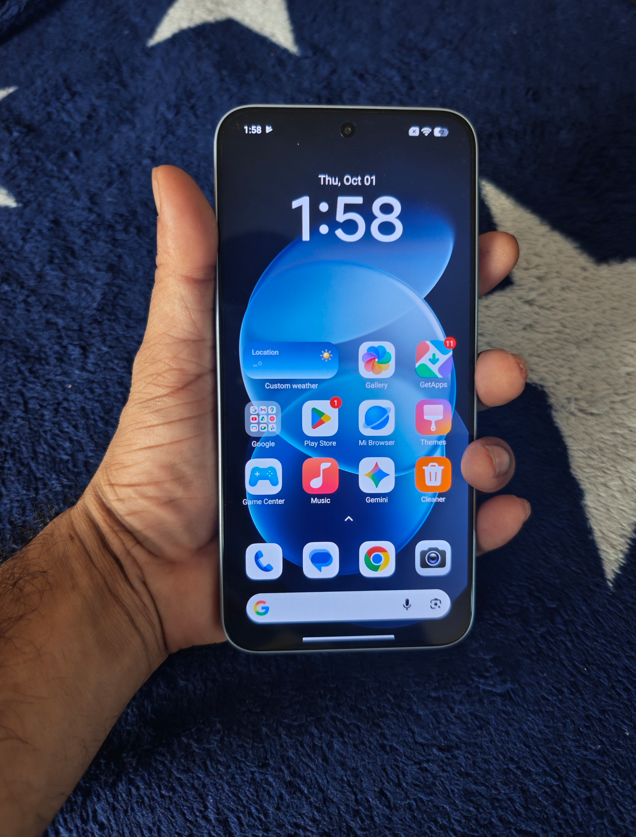
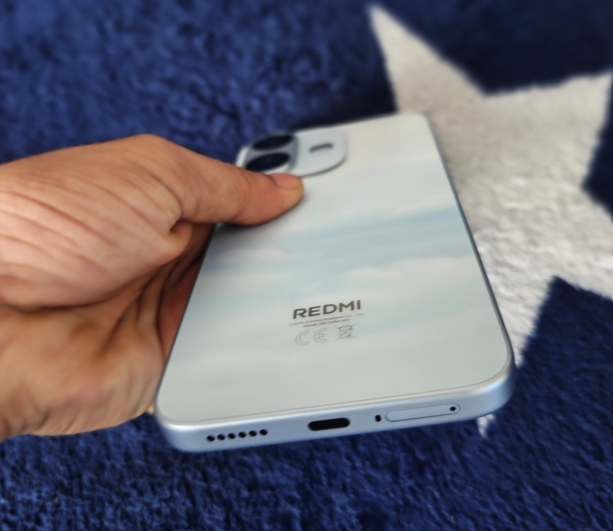
The design helps. Flat sides give the device a contemporary appearance, while the Sky Blue finish of our review unit is understated rather than attention-seeking. The rear camera module is also relatively restrained. It’s unquestionably a large smartphone, but it doesn’t feel like a specialist endurance device built around its battery.
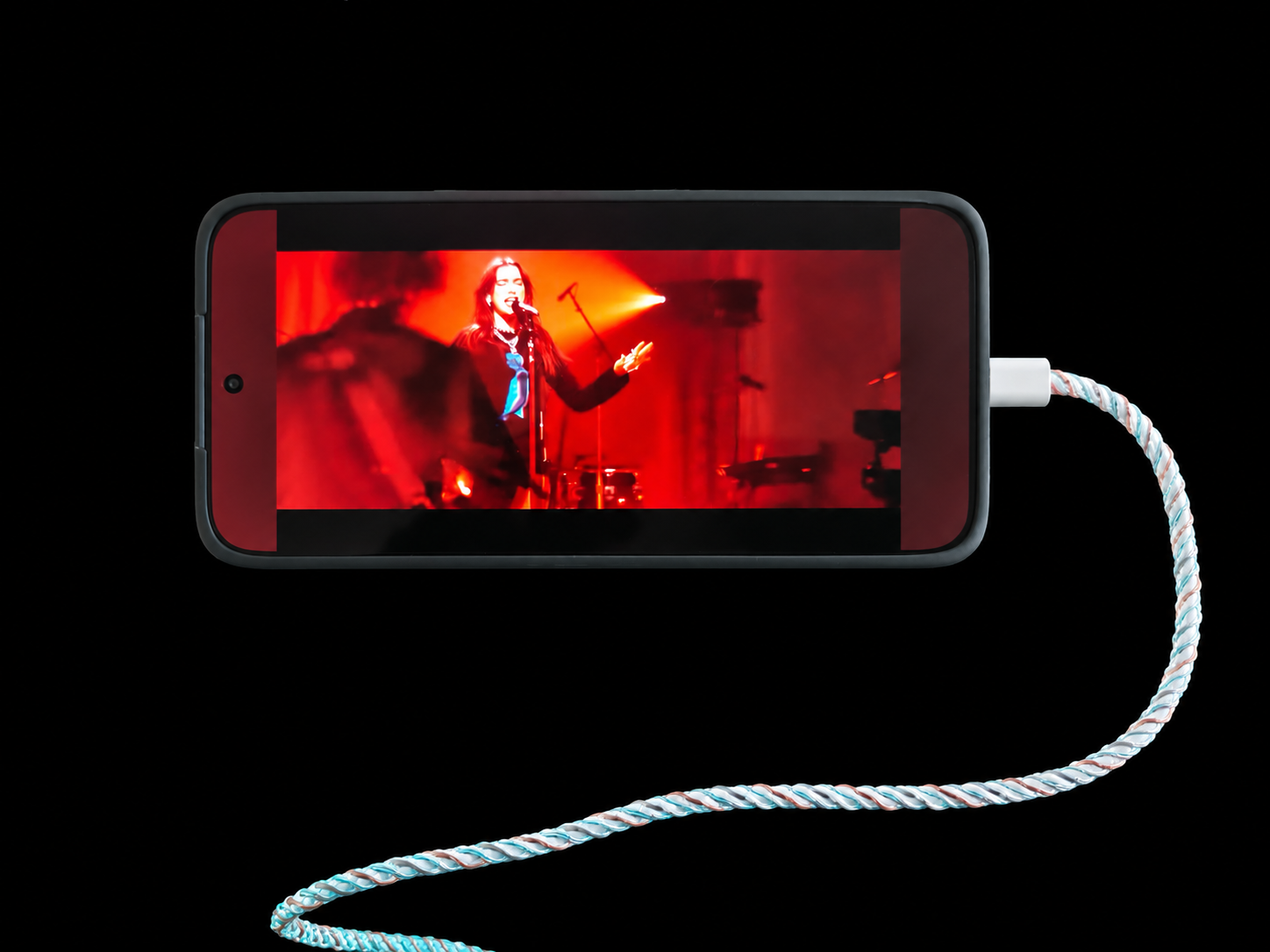
The display reinforces that impression. Initial video streaming has produced punchy colours and an enjoyable viewing experience, although outdoor visibility and extended media consumption will require further testing.
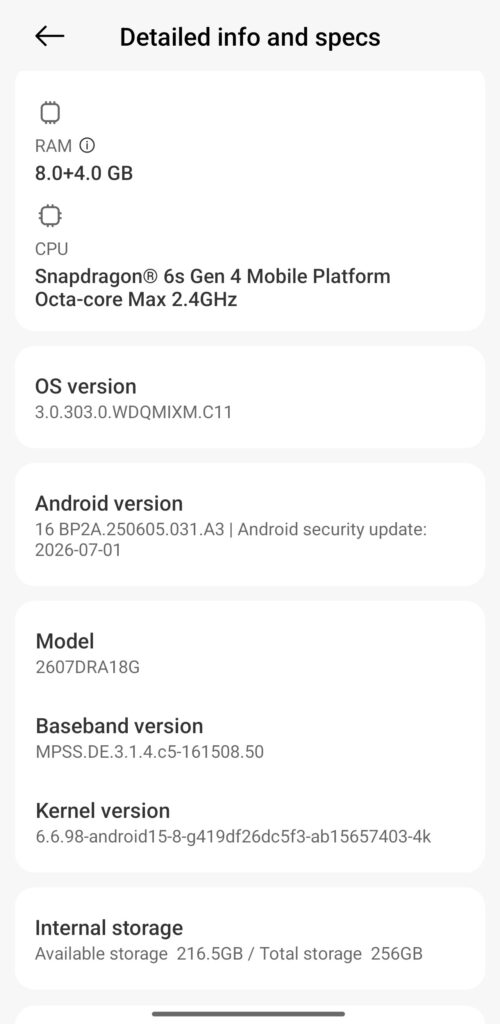
Inside, the Note 17 Pro 5G combines the Snapdragon 6s Gen 4 with 8GB of RAM on our review unit, which isn’t actually that impressive, supplemented by 4GB of memory extension. There is 256GB of internal storage.
During initial setup, browsing, app switching, video streaming and camera use, performance has felt fluid. Those observations remain just that, however — initial impressions rather than conclusions about sustained performance.
The speakers sound decent too, although the tuning seems to favour the treble slightly more than the bass. Vocals and higher frequencies come through clearly, but I’d have liked a little more low-end weight.
A first encounter with HyperOS
HyperOS is equally new territory for me.
Coming to the platform without established MIUI or HyperOS habits makes the experience interesting. Navigation has been straightforward and the software has so far stayed out of the way.
It hasn’t immediately won me over, but neither has it presented anything significant enough to put me off. Longer use will be needed before reaching conclusions about the software experience.
The same restraint applies to the cameras. I’ve begun taking photographs with the phone, but a small collection of daylight images isn’t enough to judge camera consistency. The next few days should provide a better mixture of subjects and lighting conditions.
8,340mAh meets the real world
Battery endurance is naturally the bigger question.
The software is already presenting some ambitious remaining-use estimates, but figures generated during the first hours of a newly configured smartphone don’t tell us much about real-world endurance.
A more useful test happens next.
I’m travelling to India, which means the REDMI will face exactly the sort of mixed workload that makes a large battery relevant: airport use, photography, navigation, messaging, mobile connectivity, streaming and extended periods away from a charger.
Perhaps the most important first impression, then, isn’t how large the battery is. It’s how successfully Xiaomi has prevented that battery from dominating the experience of using the device.
Cameras
The REDMI Note 17 Pro 5G keeps its camera hardware relatively straightforward. At the rear is a 50MP main camera with an f/1.8 aperture, 5P lens and optical image stabilisation (OIS), accompanied by an 8MP ultra-wide camera with an f/2.2 aperture. Up front, Xiaomi uses a 16MP selfie camera with an f/2.4 aperture.
There is a decent selection of shooting modes, including HDR, Portrait, Ultra HD, Panorama, Pro mode and Live Moment, while an Underwater mode is also supported, with availability through an OTA update. Xiaomi also offers Dual Video, allowing the front and rear cameras to record simultaneously.
Video specifications are more modest: both the rear and front cameras top out at 1080p at 30fps, rather than offering 4K recording. For my first impressions, however, I’m more interested in seeing how that 50MP OIS camera handles everyday photography, particularly during my upcoming travel.
Price completes the proposition
The REDMI Note 17 Pro 5G is priced at AED 1,499 for the 8GB + 256GB configuration, rising to AED 1,749 for 8GB + 512GB. It will be offered in Sky Blue, Satin Orange, Purple and Black.
At AED 1,499, an 8,340mAh battery certainly gives Xiaomi an obvious headline specification. The more important question is whether the display, cameras, performance and software combine to make the Note 17 Pro 5G more than simply a phone with a very large battery.
That’s something only more time with the device will answer.
For now, though, Xiaomi’s first achievement is surprisingly simple: 8,340mAh doesn’t feel like 8,340mAh.
Lenovo recently expanded its vision for Personal AI with its latest consumer portfolio of laptops, desktops, and smarter experiences. Together, the distinctive IdeaPad Vibe series and IdeaCentre AIO desktops give consumers a broader range of devices designed to reflect different lifestyles and everyday needs.
“The expectations people have for their PCs are changing,” said Jun Ouyang, Senior Vice President & General Manager, Consumer Segment, Lenovo Intelligent Devices Group. “Consumers want technology that fits into their lives, whether they prioritize performance, entertainment, or a device that suits their individual style. Our latest Idea portfolio brings together AI-powered experiences, distinctive design, and greater choice without the premium price.”
Smarter AI Experiences with Lenovo Qira
Among the AI-powered experiences available across select configurations of the new Idea portfolio is Lenovo Qira1, Lenovo’s personal AI experience, designed to deliver more seamless, contextual assistance across supported PCs, mobile devices, tablets, and wearables.
Lenovo Qira features Workato-powered connections such as email, calendar, and collaboration services, helping users find relevant information and move from intent to action through natural-language requests with less app switching. This capability creates a more connected experience across the devices, applications, and services people use throughout the day.
AI PCs Built for Self-Expression – The IdeaPad Vibe
Today’s laptops do more than support productivity. They’re also an extension of personal style. Lenovo’s new IdeaPad Vibe series gives everyday consumers, including students and families the opportunity to showcase their personality through bold colors, thoughtful design, and intelligent experiences that don’t compromise performance.
Powered by Snapdragon® X processors and Copilot+ PC capabilities, IdeaPad Vibe delivers fast, responsive performance and smooth everyday multitasking for a new generation of AI PC experiences. Available in both 14” and 15” configurations, IdeaPad Vibe combines all-day battery life2 and lightweight portability in a metal chassis starting at 1.3kg, making it easy to carry throughout the day. Developed in consultation with Pantone Institute, users can find the color that resonates with them, with seven fresh color options to choose from:
Dreamy Violet – a muted violet shade layered with inviting depth that inspires serenity, bringing a sense of comfort wherever it goes.
Spicy Gold – a rich golden yellow that blends warmth and energy, creating a confident, welcoming feeling.
Zen Green – a nature inspired green hue that evokes a sense of balance, harmony, and encourages a slower pace.
Chill Blue – an icy blue with a crisp modern vibe that stimulates refreshing clarity and an effortless fresh start energy.
Radiant Coral – warm and uplifting with an optimistic orange boost that brings friendliness and positivity wherever it goes.
Moody Blue – expressing credibility and confidence, a deep blue hue conveying refined elegance.
Lowkey Grey – a timeless grey projecting strength, stability, and understated sophistication.
Elemental by design, these colors are inspired by the world we live in with individuality in mind. Lenovo and Pantone Institute drew inspiration from colors people encounter every day and shades that capture how they aspire, learn, create, and live. To further extend personalization options, customizable keycaps will be available to add an extra touch of color (available for purchase and swapping).3
“Color is the most personal design decision people make when choosing a device,” said Brian Leonard, VP of Design Innovation for Intelligent Devices Group at Lenovo. “Now available in seven expressive new colors, IdeaPad Vibe gives people the ability to choose technology that showcases a piece of their personality while delivering the AI experiences and performance they expect daily.”
IdeaPad Vibe wasn’t created for one type of user. It was designed to adapt to different lifestyles, creative ambitions, and personal preferences. Whether someone values mobility, immersive visuals, or a device that represents their style, the IdeaPad Vibe series offers consumers the freedom to make the experience of using the laptop their own.
Select models offer up to 24GB4 of memory, delivering exceptional battery life, responsive performance, and powerful on-device AI capabilities. AI-enhanced productivity features include real-time translation, intelligent video conferencing effects, faster content creation, and enhanced privacy, all while maintaining a cool, quiet, and energy-efficient operation.
OLED configurations available in Lowkey Grey and Moody Blue deliver richer colors, deeper contrast, and up to 100% DCI-P3 color coverage, where supported5. IPS display options provide smooth 120Hz visuals where available6 and up to 100% sRGB coverage for daily viewing.
Upgradable dual SSD slots, multiple USB Type-A and Type-C® ports, HDMI®, MicroSD® card reader, audio jack, and TÜV Low Blue Light Certification provide the connectivity, expandability, and visual comfort expected from a modern AI laptop.
IdeaPad Vibe is also available with up to AMD Ryzen™ AI 400 Series processors, offering additional configuration flexibility such as dual-slot memory upgradeability up to 32GB4, and SSD expansion up to 1 TB4. Configurations are available with either a full metal build or metal plus polymer two tone ripple on the bottom cover, with optional 50Whr or 65Whr batteries7. Windows Hello Support is available across the lineup (Qualcomm and AMD).
From vibrant colors choices and personalized options to AI-powered productivity and all-day portability, IdeaPad Vibe proves that consumers no longer have to choose between performance and personality. It is an AI PC that is ready to perform and designed to stand out, no matter what a person’s vibe is.
Additional configurations powered by Intel® processors will be available at a later date.
An AIO Desktop for Everyday Life—The IdeaCentre AIO i
From busy mornings to family movie nights and late-night studying, the new IdeaCentre AIO i intelligently adjusts throughout the day to support consumers’ changing needs.
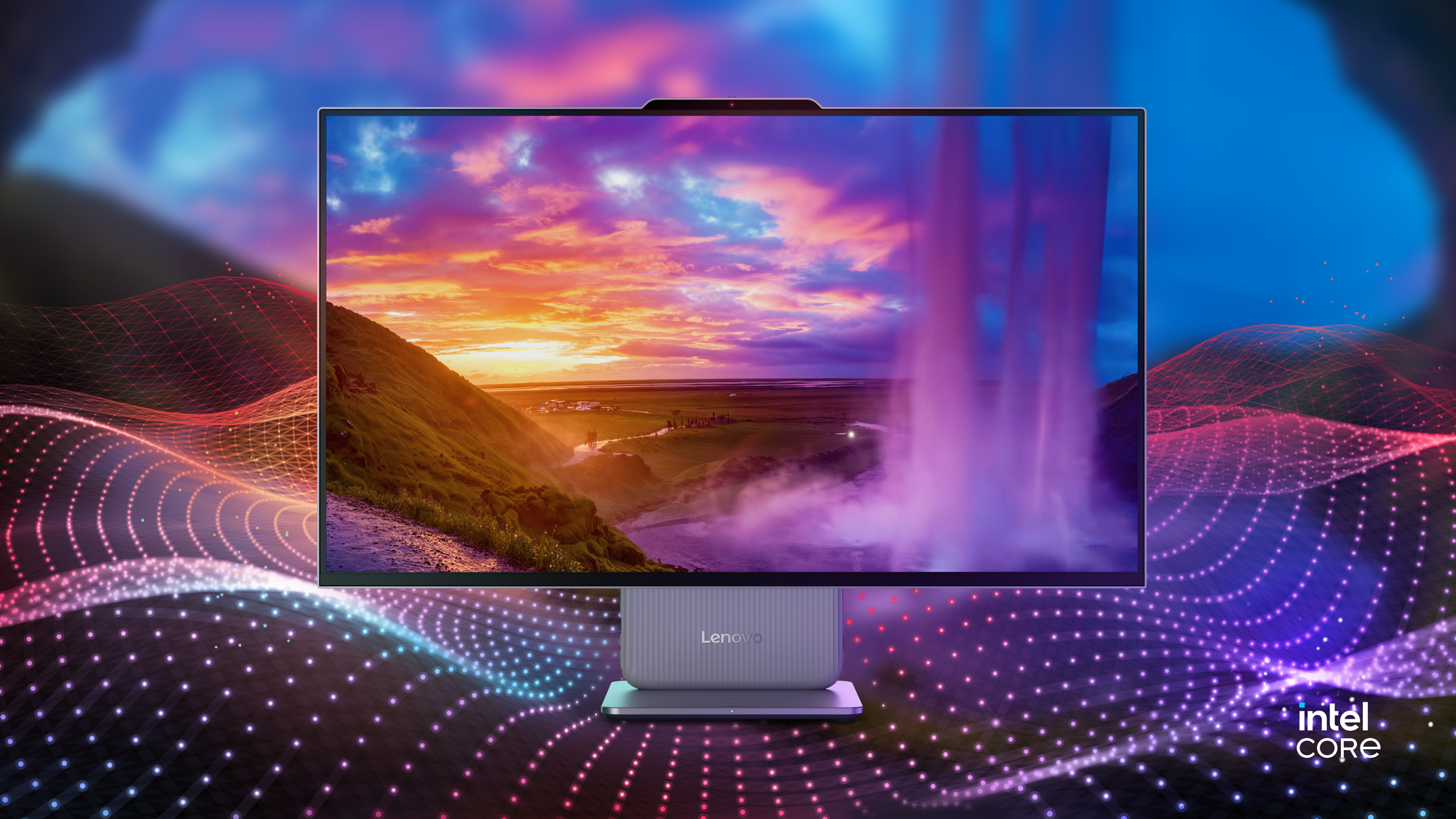
Built on Intel® Core™ Series 3 processors with up to 40 platform TOPS of AI performance, the latest generation combines a slimmer design, intelligent AI experiences, and thoughtful ergonomics to create a workspace that feels more comfortable, responsive, and personal.
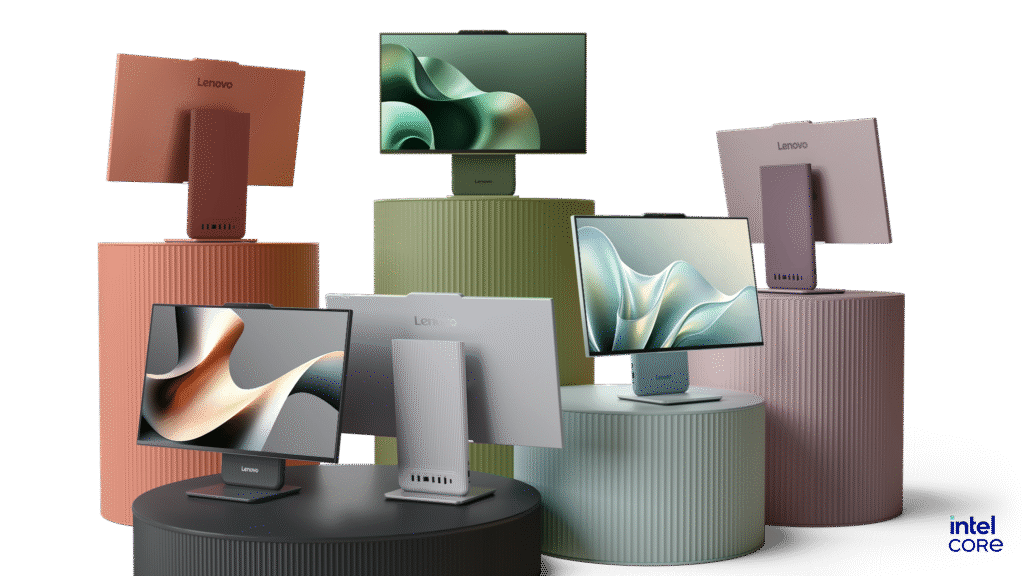
Available for the first time in multiple colors, including Dreamy Violet, Radiant Coral, Zen Green, Chill Blue, Luna Grey, and Cloud Grey, the IdeaCentre AIO i extends Lenovo’s vision of more personalized technology beyond the laptop. Its color options draw from research conducted in consultation with Pantone Color Institute, while the color-matched Lenovo Essential Wireless Combo Gen 3 Keyboard & Mouse completes the setup8 with a cohesive workspace aesthetic.
The redesigned middle-box-free architecture removes the bulky computing section traditionally found behind the display, creating a cleaner, more streamlined all-in-one appearance. 23.8” and 27” full HD display options feature up to a 120Hz refresh rate6, 350 nits peak brightness, support for up to 32G LPDDR5x memory9, and dual SSD slots.
At the center of the experience is the Lenovo AI Turbo Engine, an intelligent hub that brings together performance optimization, multimedia enhancements, and AI-powered Adaptive Lighting10. One of the IdeaCentre AIO i’s signature innovations, Adaptive Lighting introduces Boot-up, Default, and Music Lighting modes, creating a more engaging desktop experience while enabling users to personalize lighting effects and colors10.
The All-in-One desktop also features an ergonomic stand with30mm of vertical height adjustment up and down and a -5° to 15° tilt range, making it easy to find a comfortable viewing position whether joining a virtual meeting, helping children with homework, sharing family photos, or enjoying content with family and friends. E-book mode helps reduce blue light and eye strain for a more comfortable reading experience, while audio by Harman® delivers rich, dynamic sound for work and entertainment.
For clearer, more natural collaboration, the IdeaCentre AIO i is available with an optional up to 5MP IR camera that combines hardware and software enhancements to improve video calls. A physical camera shutter provides added privacy when the camera isn’t in use. Six USB ports with up to USB 3.0 support, an HDMI-in and HDMI-out combo port, a conveniently positioned headphone and microphone combo jack, optional wireless charging, and an optional touch display provide the flexibility to connect and work the way users prefer.
From supporting productivity to entertainment and family life, IdeaCentre AIO i delivers smart performance in a design built around the needs of modern households.
Lenovo’s latest consumer portfolio empowers people to choose technology that works the way they do. By combining intelligent innovation with thoughtful design and meaningful personalization, Lenovo continues to create devices that are inspired by the people who use them.
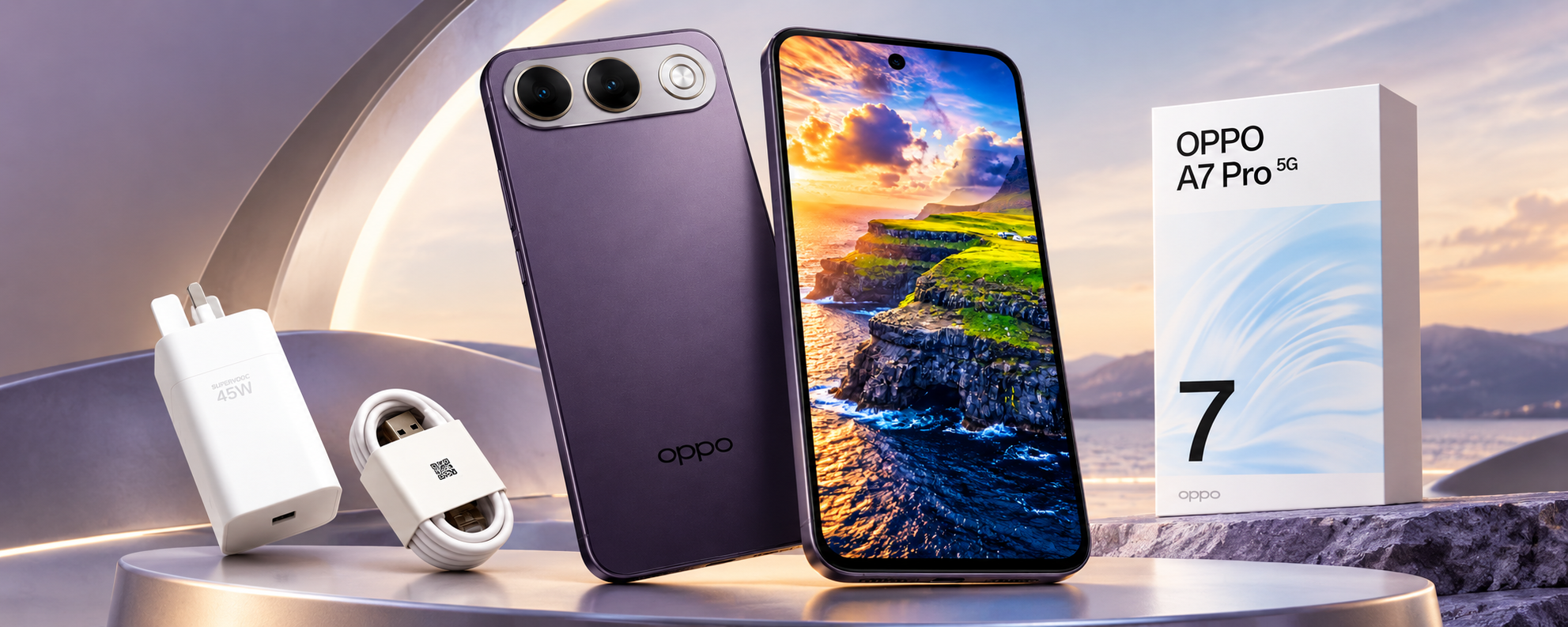
OPPO A7 Pro 5G puts longevity at the centre of the smartphone experience!
With an 8,000mAh battery, dual 50MP cameras, IP69K protection and a five-year smoothness promise, OPPO’s latest A Series smartphone makes a strong case for devices designed around longer-term ownership.
Smartphone launches have traditionally revolved around faster processors, increasingly sophisticated cameras and, more recently, AI. With the A7 Pro 5G, OPPO is putting another consideration firmly into the conversation: how well a smartphone can hold up over time.
At the centre of that proposition is an enormous 8,000mAh battery. Large-capacity batteries are becoming increasingly common, but what is interesting about the A7 Pro 5G is how little the battery dictates the physical character of the phone.
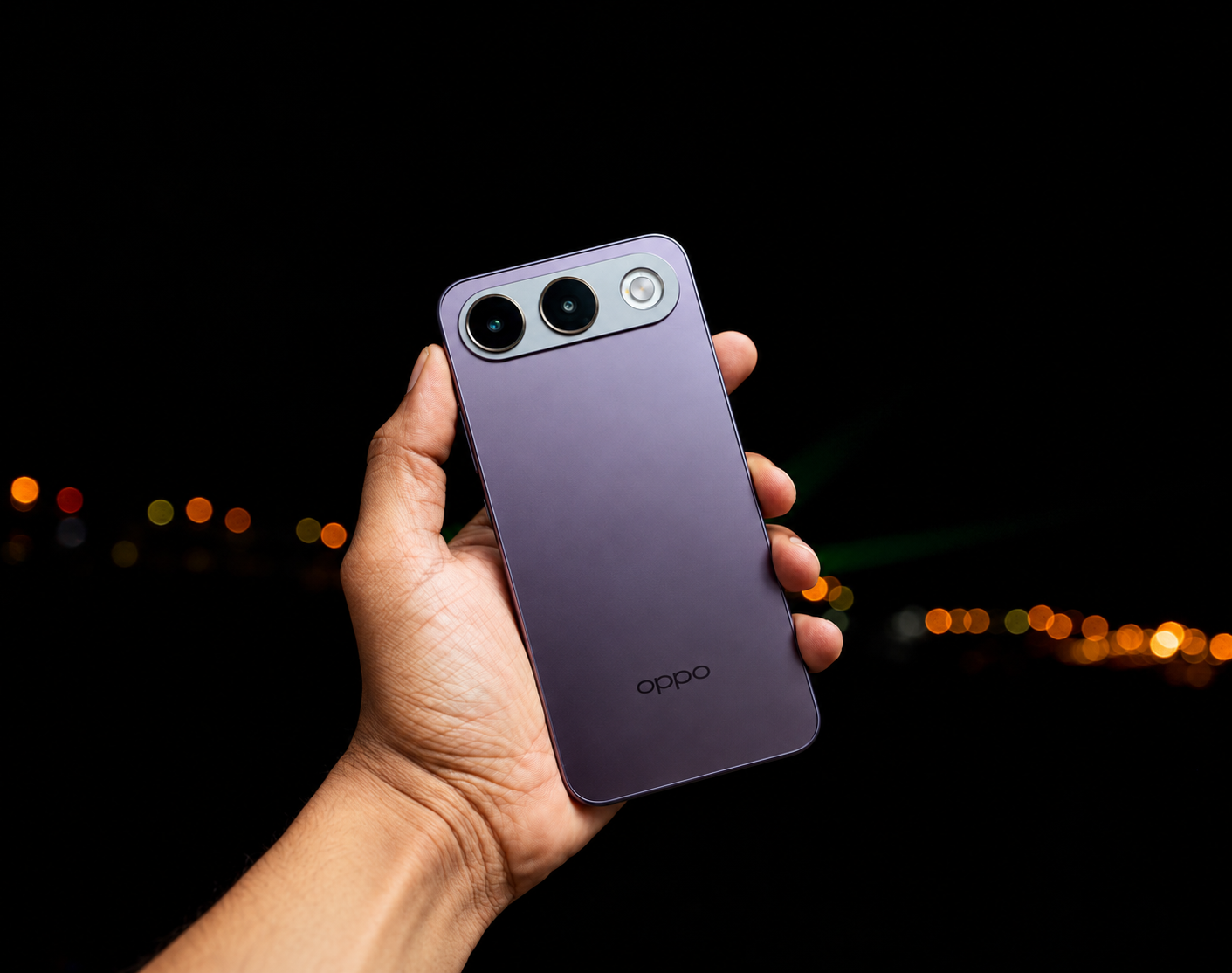
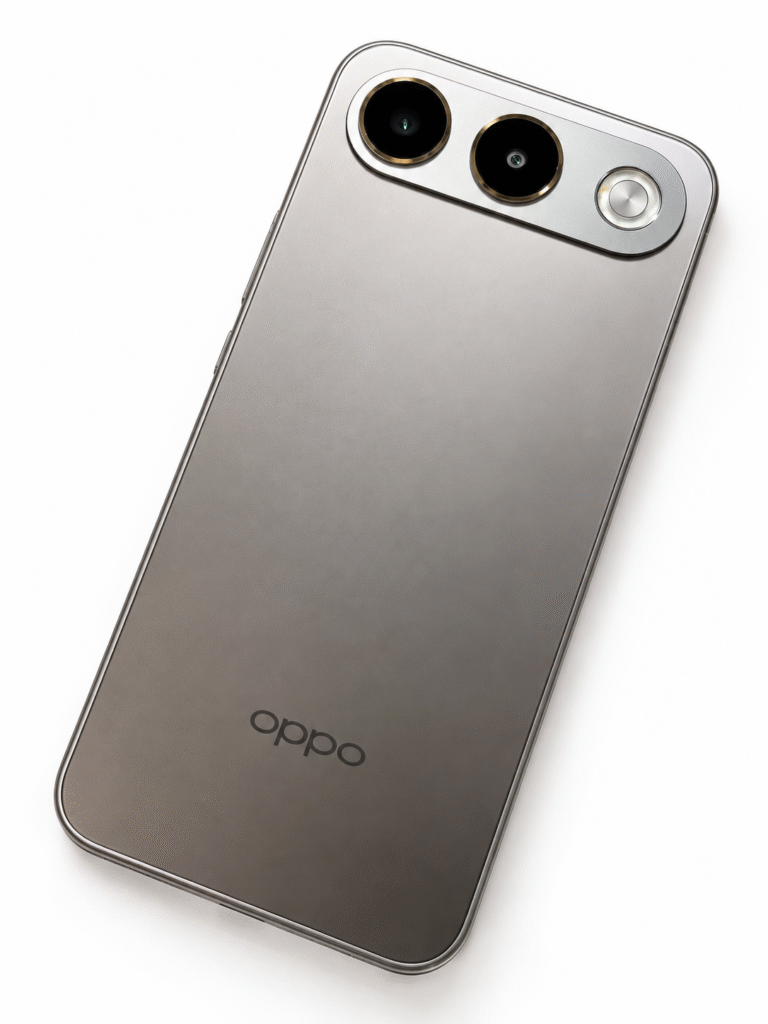
Despite the capacity, the device does not immediately look or feel like a rugged smartphone. The Shine Titanium review unit has an understated finish, while the alternative Surfing Blue introduces a more distinctive Dynamic 3D Wave Texture.
That relatively conventional appearance hides some serious durability credentials.
Built for longer ownership
The A7 Pro 5G carries IP69K dust and water resistance alongside military-grade shock resistance. Rainstorm Touch is designed to keep the display responsive even when used in heavy rain.
The longevity argument extends to the battery itself. OPPO says it can retain more than 80% of its rated capacity after 2,000 complete charging cycles, underpinning the company’s six-year battery durability proposition.
This matters because battery degradation remains one of the most noticeable compromises as smartphones age. Increasing capacity solves part of that equation; maintaining useful capacity several years into ownership potentially solves another.
Reverse wired charging also allows the A7 Pro 5G to supply power to another connected device, adding some practical value to that substantial battery reserve.
Selfies get the 50MP treatment
OPPO has also placed considerable emphasis on the front-facing camera.
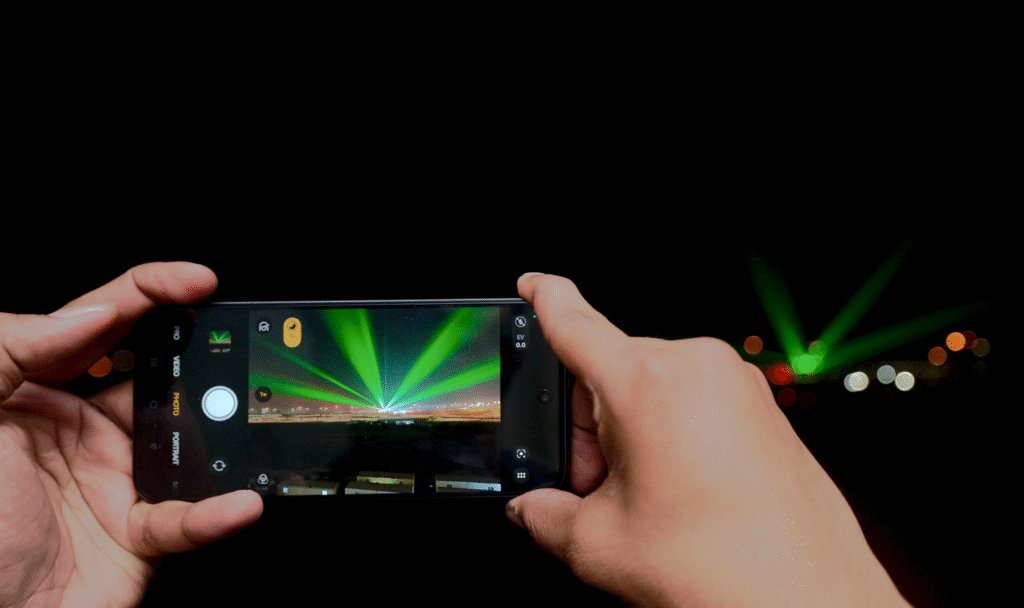
The 50MP Ultra-Wide AI Zoom Selfie Camera offers a 100-degree field of view and can automatically move between 1x and 0.6x framing when additional people enter the shot.
It is a useful approach for group photographs, travel and increasingly video-led social content, where a wider front camera can make considerably more sense than simply increasing resolution. Ultra-steady video has also been included to improve handheld recording.
At the rear is another 50MP camera, using a larger 1/2-inch sensor that OPPO says captures 70% more light than its predecessor.
AI Portrait Glow, AI Popout and AI Remix Collage bring the increasingly familiar layer of computational editing into the camera experience, allowing users to manipulate images without moving immediately to third-party applications.
Five years of smoothness?
Underneath, the A7 Pro 5G is powered by the MediaTek Dimensity 6360 MAX, accompanied by OPPO’s NetworkBoost Chip S1 and AI LinkBoost 4.0.
A 4,300mm² Glacier VC Vapor Chamber handles cooling, while software-based resource and memory management is designed to maintain responsiveness as workloads increase.
Perhaps more interesting than outright performance figures is OPPO’s 5-Year Smoothness Protection. The company says the device has passed its five-year smoothness testing, reflecting a wider attempt to position performance around consistency rather than simply launch-day speed.
Naturally, five-year performance cannot be established during a conventional review period, but the emphasis itself is notable. Smartphone replacement cycles are lengthening, making sustained performance, battery health and software optimisation increasingly relevant purchasing considerations.
AMOLED keeps the experience contemporary
The front houses a 6.57-inch FHD+ AMOLED display with a 120Hz refresh rate, up to 1,400 nits of brightness and a 92.8% screen-to-body ratio.
The combination provides the fluid scrolling and vibrant presentation expected from a contemporary AMOLED smartphone, while complementing a device otherwise heavily focused on practical considerations.
Warranty coverage also extends across the GCC, Pakistan, India and Bangladesh, potentially useful for users who regularly travel between these markets.
The 8,000mAh battery will inevitably attract most of the initial attention, but the A7 Pro 5G becomes more interesting when viewed as a complete package. OPPO is combining battery capacity with physical durability, thermal management, connectivity enhancements and longer-term performance optimisation. At the same time, it has avoided turning the device into something that visually resembles a specialist rugged phone.
BY: SRIJITH KN
A different definition of smartphone performance that may ultimately be the A7 Pro 5G’s more relevant proposition. Rather than asking how much faster a smartphone can become every year, OPPO is increasingly asking another question: how much longer can it remain useful?

 Have a question? +971 56 404 0503












 Trending12 months ago
 Tech News2 years ago

 Automotive2 years ago
 Hospitality2 years ago
 VAR10 months ago
 Tech News1 year ago