
 Have a question? +971 56 404 0503





Home Feature
THE ROLE OF DESIGN THINKING IN MODERN HOME INTEGRATION

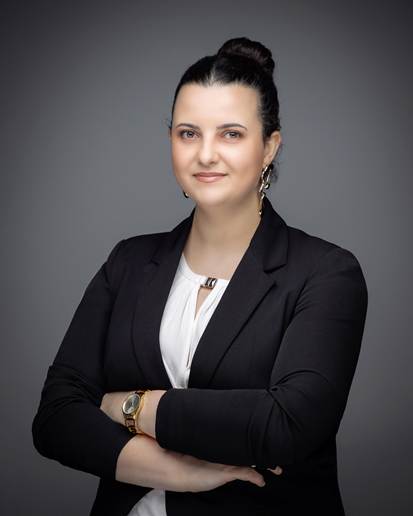
By Dr Belma Alik Elsaej, Assistant Professor at Heriot-Watt University Dubai
The concept of home has evolved significantly in recent years. Homes are no longer viewed only as places for shelter and everyday living, but increasingly as environments that support well-being, flexibility, productivity, and human connection. At the same time, technological advancements have transformed how people interact with their domestic spaces through smart systems, automation, and integrated digital solutions. Within this context, design thinking has become an essential approach in shaping modern home integration.
Design thinking is fundamentally a human-centred process. Rather than focusing only on technology or aesthetics independently, it considers how people experience and interact with spaces in their daily lives. In modern home integration, this approach is particularly important because successful design solutions must balance functionality, comfort, sustainability, and emotional well-being.
Today’s integrated homes involve much more than installing smart devices. Lighting systems, climate control, security, entertainment, and energy management are increasingly interconnected. However, technology alone does not create a meaningful living environment. The real challenge lies in understanding user needs and designing systems that feel intuitive, supportive, and adaptable to different lifestyles. This is where design thinking plays a critical role. Through observation, empathy, testing, and problem-solving, designers can create residential environments that respond to occupants’ habits and expectations. For example, integrated lighting systems can be designed not only for energy efficiency but also to support circadian rhythms and psychological comfort. Similarly, automated environmental controls can improve indoor air quality and thermal comfort while reducing energy consumption.
The growing emphasis on well-being within interior architecture and design further highlights the relevance of design thinking in home integration. Following global lifestyle shifts, especially after the pandemic in 2021, people have become more aware of how indoor environments affect physical and mental health. Homes are now expected to support work, rest, social interaction, and personal wellness simultaneously.
As a result, modern home integration increasingly overlaps with principles of biophilic and human-centred design. Natural lighting, visual connection to nature, acoustic comfort, and adaptable living spaces are being integrated alongside digital technologies to create healthier environments. In this sense, technology should not dominate the user experience but rather work quietly in the background to improve everyday life.
Another important aspect of design thinking is adaptability. Modern households are diverse and continuously changing. Spaces often need to accommodate hybrid working, multigenerational living, changing family structures, and evolving lifestyle preferences. Design thinking encourages flexibility and iterative problem-solving, allowing designers to create homes that can evolve over time rather than becoming quickly outdated.
Sustainability also plays a major role in contemporary home integration. Designers are increasingly challenged to create environmentally responsible solutions while maintaining user comfort and convenience. Smart systems can contribute significantly to reducing energy and water consumption, but their effectiveness depends on thoughtful integration within the broader spatial and human context. For instance, automated shading systems combined with passive design strategies can improve thermal performance while minimising energy use. Similarly, intelligent lighting systems can optimise daylight utilisation and reduce unnecessary consumption. When these solutions are guided by design thinking, they become more user-friendly and sustainable in the long term.
Importantly, design thinking encourages collaboration across disciplines. Modern home integration projects often require architects, interior designers, engineers, technology specialists, and sustainability consultants to work together from the early stages of design development. This interdisciplinary approach ensures that technological systems are not treated as isolated additions but as integrated components of the overall spatial experience.
In higher education and design practice, this shift is also influencing how future designers are trained. Students are increasingly encouraged to think critically about the relationship between technology, human behaviour, and spatial quality. The goal is not simply to design visually attractive interiors, but to create meaningful experiences that improve quality of life.
Looking ahead, the future of home integration will likely become even more personalised and responsive. Artificial intelligence, predictive technologies, and data-driven systems will continue to influence residential design. However, despite these technological advancements, the importance of human-centred thinking will remain central.
Ultimately, successful home integration is not defined by the amount of technology within a space, but by how effectively the environment supports the people who live in it. Design thinking provides the framework for achieving this balance by placing human needs, well-being, and experience at the centre of the design process. In doing so, it helps create homes that are not only technologically advanced but also emotionally supportive, sustainable, and adaptable for contemporary living.

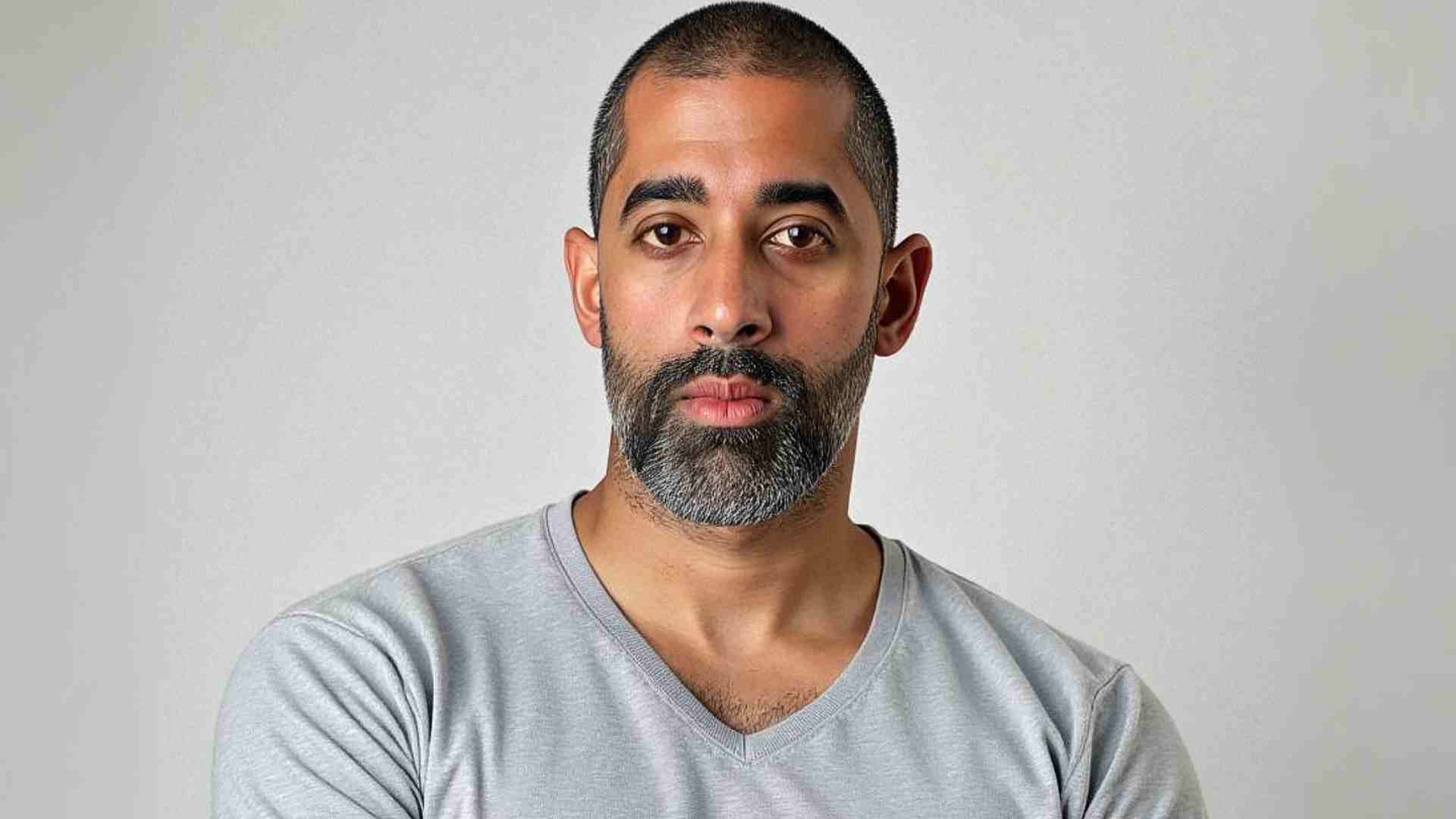
From scented boyfriend sweaters to cocktails that cross continents, Murali, Co-founder of Jockamo Barnes, is turning Dubai’s cultural quirks and everyday observations into unexpected creative experiences.
In an industry where every brand wants to be culturally relevant, Murali, Co-founder of innovation studio Jockamo Barnes, is challenging the very idea of what that means. “Culture is one of the most abused words today, especially in marketing and advertising. Every agency claims it. Every brand sees it as a shortcut to relevance. But few truly understand what it means to be a part of it.”
For Murali, the answer lies in creating rather than chasing culture. At Jockamo Barnes, that translates into unconventional objects, brands and experiences rooted in human behaviour, often inspired by the contradictions of life in the UAE. ““Every project starts with a tension: two things that shouldn’t necessarily work together, but somehow do. The UAE produces them faster than anywhere I’ve lived,” he explains.
Take Boomerang, a playful inversion of hospitality inspired by a New Orleans cocktail tradition. Instead of visiting bars to be served, Murali travels with a drink to gift bartenders around the world, creating an unexpected connection between cocktail communities across continents.
Then there’s Pre-Worn Boyfriend Sweater, a tongue-in-cheek take on Dubai’s dating culture, built around the observation that “the best part of situationships are the clothes you steal; the worst part is the man.” Created with fragrance studio Oo La Lab Dubai, the scented sweaters capture three familiar dating archetypes: the Entrepreneur, the Gym Rat and the Desert Philosopher. Beyond the humour, the project explores how scent and touch can evoke memories in ways traditional advertising cannot.
A more poignant expression of this thinking is Bitter Meat, created with Aidan Frederick. Described as a love letter to the UAE’s expat experience, the project challenges the familiar narrative of Dubai as a temporary stopover. Its message, “for those who chose here,” speaks to residents who have made the country home by choice. “Reverence without romanticism. We love this place too much to put it on a postcard,” says Murali.
This creative philosophy also shapes the studio’s collaborations. The Away Kit, developed with Super Cellar for the 2026 World Cup, features more than 17 editorial posters pairing nations with culturally inspired cocktails. The insight is distinctly local: Dubai experiences the tournament as a city of away fans, where people passionately support countries they no longer live in.
For Murali, partnerships like these are about shared authorship rather than conventional sponsorship. “Super Cellar started as a client and became a co-author. That’s the model we want: invite a brand into something already in motion instead of shopping them a finished idea.”
Ultimately, Jockamo Barnes is interested in ideas that live beyond the fleeting attention of a campaign. “Advertising asks for attention. People watch it, skim past it. But it’s ignorable and avoidable. Objects earn a place in someone’s life. We’re more interested in the second.”
And perhaps that’s the studio’s most compelling proposition: culture isn’t something brands need to borrow relevance from. It’s something they can meaningfully contribute to.
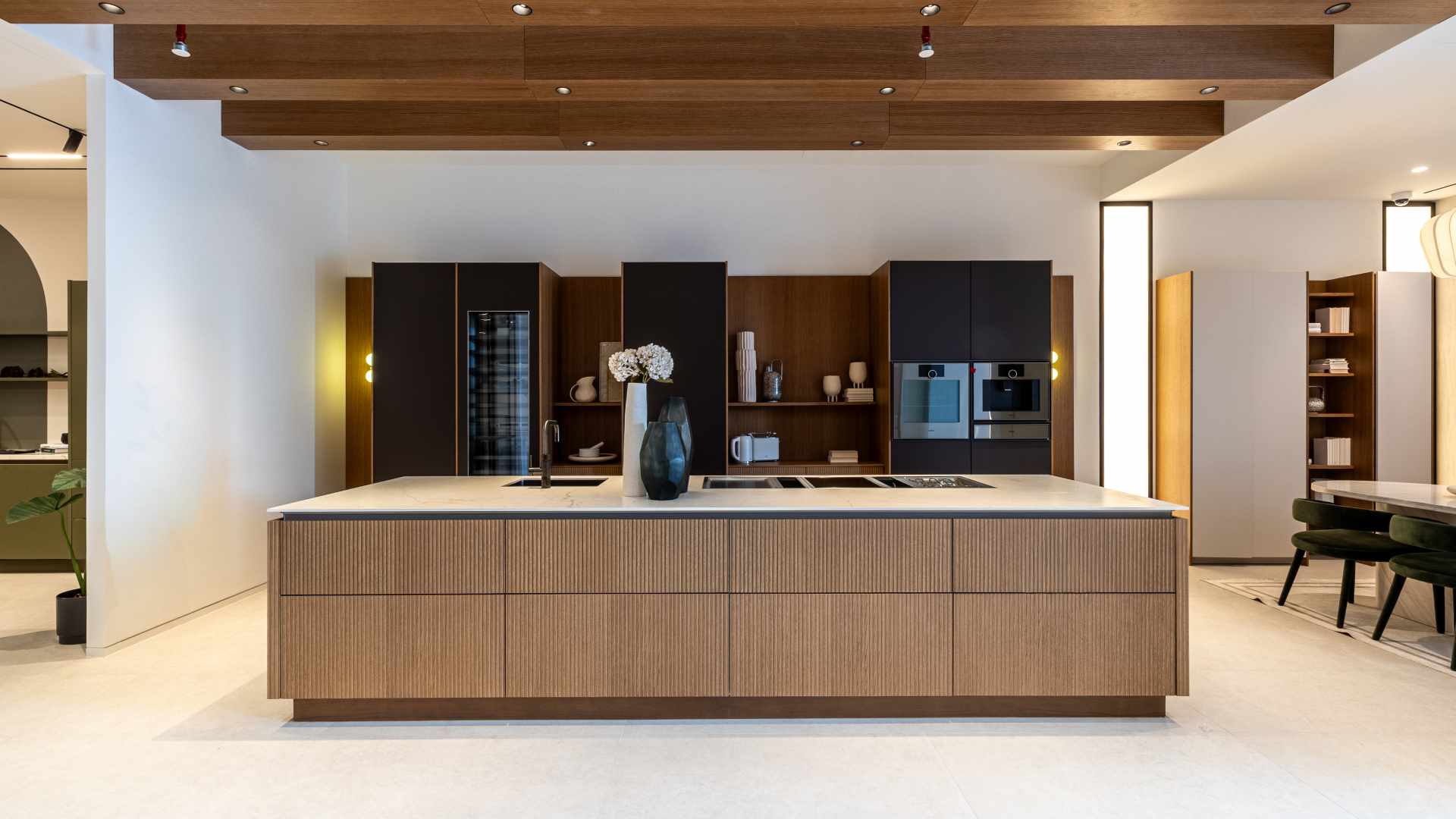
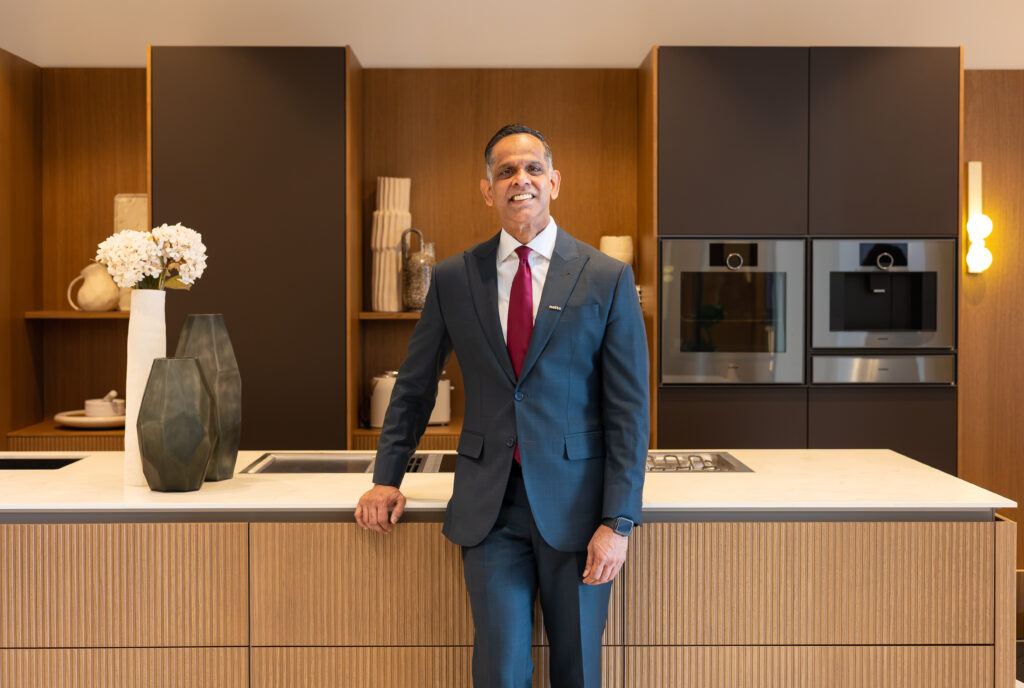
by Selva Kumar Rajulu, Managing Director & Senior Vice President – Middle East, Asia & Africa, Nolte FZE
A beautiful material can catch the eye, but it is the story behind it that increasingly captures a buyer’s attention. Customers today are more knowledgeable about their homes and increasingly interested in the finer details behind the products they choose. Where was the material sourced? How will it perform overtime? And what effect could it have on the people living around it?
For manufacturers and designers, this creates a responsibility to explain the thinking behind every material choice. Storytelling is becoming an important way to do that, connecting aesthetics with provenance, performance, sustainability, and wellbeing. And like any good story, this too begins with its origins.
Origin Is Adding New Value To Premium Interiors
A material’s origin tells us more than where it comes from. It can influence how sustainably it is produced, how well it performs, and the character it brings into a home.
Stone from a particular quarry, responsibly sourced timber, and traditionally woven textiles each carry a sense of place and craftsmanship. These qualities are particularly valuable in premium interiors, where homeowners are looking for substances beyond surface appearance. However, these stories also need to be supported by evidence. At Nolte Küchen, more than 99% of the wood we use meets our sustainable wood criteria, with FSC and PEFC certifications prioritized in procurement.
We are seeing this emphasis on transparency reflected in our work with UAE developers, where project briefs increasingly look beyond the appearance of kitchen materials to consider sourcing, durability, and consistency across multiple units. For manufacturers, responsibly sourcing materials, backed by recognized certifications and produced to consistent quality standards, will set them apart. It also allows customers to make more informed choices by showing where materials come from and how they are made.
Regional identity is influencing design trends
Beyond its origin, a material must also suit the region’s environment and culture. In the UAE, extreme heat, humidity, and strong sunlight make durability a key consideration. Material choices can also influence how much heat enters a building and, in turn, the energy needed for cooling.
A 2026 study of Dubai’s Al Fahidi district highlighted how traditional homes used coral-stone walls and wind towers to regulate indoor comfort naturally. Today, that same principle of environmental adaptation applies to modern interiors: cabinetry, adhesives, and surface finishes must be engineered to withstand the UAE’s coastal humidity, intense UV light through floor-to-ceiling windows, and constant exposure to indoor air conditioning without losing their structural integrity.
Cultural identity matters, too, with some homeowners looking for ways to reflect the region’s heritage in their spaces. For example, Al Sadu is a traditional Emirati weaving technique featuring geometric patterns inspired by grasslands, sand dunes, and the waves of the Arabian Gulf. These cultural influences can be incorporated into contemporary homes through traditional geometric detailing, sand-toned finishes, and textured stone.
From our experience, no single style defines the UAE market. With people from over 200 nationalities coming here to live, work, and build families, homes naturally reflect a wide range of cultures and personal tastes. This is especially evident in kitchen design, where some buyers prefer clean, minimalist European styles, while others are drawn to warmer wood finishes, earthy tones, and textured surfaces. We are also seeing growing interest in combining contrasting materials and finishes, such as natural wood textures with matt cabinetry or stone surfaces, to create more unique kitchens.
Sustainability is at the center of material choices
PWC found that more than half of Middle Eastern consumers surveyed are changing their purchasing habits by buying more sustainable products. This growing awareness is also influencing how people choose materials for their homes, with greater attention to what products contain, how they are made, and how long they will last.
For manufacturers, this means supporting sustainability claims with evidence. Using recycled wood in particle boards, sourcing certified timber, and reducing waste during production are some ways the industry is responding. However, sustainability goes beyond material sourcing. Durability and repairability are equally important to reduce the need for frequent replacements.
In kitchens, these considerations are particularly important. With frequent everyday use, buyers increasingly look for materials that can withstand wear and tear while retaining their appearance over time. This is why advancements in surface engineering—such as anti-fingerprint matt lacquers, UV-resistant laminates, and highly durable stone reproductions—have become central to the sustainability conversation.
What lies ahead for 2027
As homeowners pay closer attention to materials, trends such as natural wood finishes, statement stone surfaces, and textured cabinetry are gaining ground across the UAE.
More importantly, the kitchen is no longer treated as an isolated workspace. Heading into 2027, we are seeing a decisive shift toward integrated living ecosystems, where identical material stories, warm timber cabinetry, layered textures, full-height stone backsplashes, and earthy colors extend seamlessly from the kitchen into dining and living areas, paired with fully integrated built-in appliances.
This has made customisation increasingly important, as customers want cohesive colours, textures, and layouts that reflect their personal identity across the entire home. As buyers increasingly seek to experience these materials first-hand, showrooms are becoming an important part of the decision-making process, letting them see and feel differences in texture, finish, and quality. Beyond appearance, however, sustainability and provenance will become essential considerations in material selection, with customers expecting greater transparency around responsible sourcing, durability, environmental impact and long-term value.
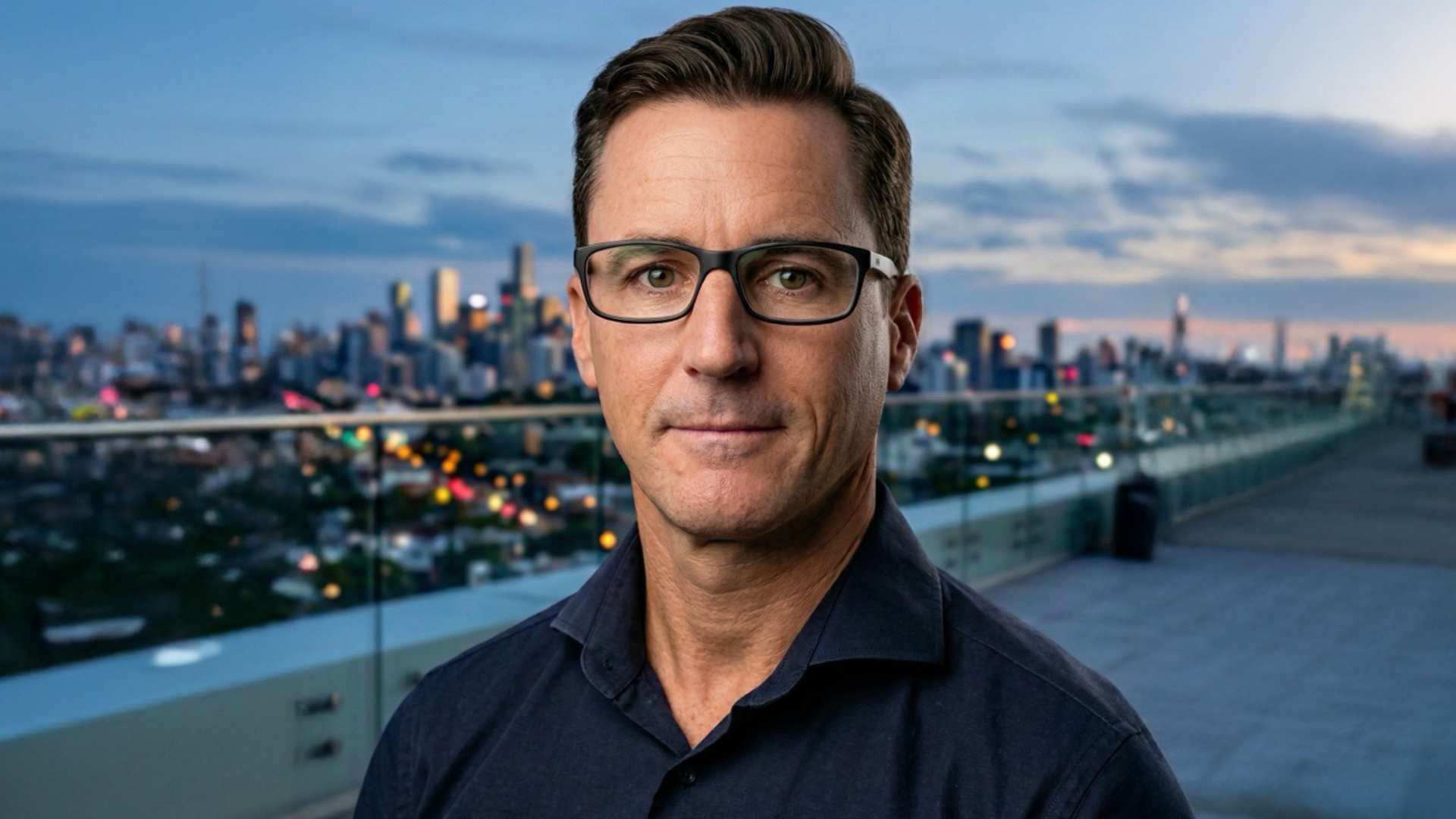
By Dr Ryan Copeland, Regional Medical Director, Middle East, International SOS
As traffic volumes continue to rise across Dubai and the UAE, particularly along heavily congested commuter corridors, employers face a growing responsibility to address one of the most underestimated workplace risks: driver fatigue. Recent reports of significant congestion on key routes connecting Dubai and Sharjah serve as a timely reminder that many employees are spending longer periods behind the wheel each day. For organisations whose employees drive for work, whether visiting clients, transporting goods, responding to emergencies, or travelling between sites, fatigue can significantly impair performance and increase the likelihood of serious road traffic incidents.
While organisations often focus on vehicle safety, defensive driving, and compliance measures, fatigue management should be viewed as a critical component of any duty of care programme. Unlike mechanical failures, fatigue can be difficult to recognise, yet its effects on concentration, reaction time, decision-making, and situational awareness can be profound.
Fatigue: More Than Just Feeling Tired
Fatigue is a physical and mental state that reduces a person’s ability to perform tasks safely and effectively. It may result from insufficient sleep, long working hours, stress, illness, dehydration, poor nutrition, or prolonged periods spent driving in congested traffic.
Long commutes, early starts, and frequent travel between emirates can contribute to chronic sleep debt, often before employees recognise its impact on performance.
Common warning signs include:
- Frequent yawning or heavy eyelids
- Difficulty concentrating or maintaining attention
- Missing road signs or navigation instructions
- Drifting within a lane
- Delayed reaction times
- Increased irritability or mood changes
Employers should educate both drivers and line managers to recognise these signs before fatigue becomes a serious safety risk.
Building Fatigue Awareness into Journey Risk Management
Driver fatigue should form part of every organisation’s journey risk assessment process. Managers should evaluate not only the distance being travelled but also the employee’s fitness to drive.
Key considerations include:
- Has the employee had adequate sleep in the previous 24 to 48 hours?
- Are they undertaking an early morning or late-night journey?
- Have they worked a prolonged shift before driving?
- Are they feeling unwell or taking medication that may affect alertness?
- Is the journey likely to involve extended periods in heavy traffic?
Organisations should avoid schedules that encourage rushed journeys, excessive driving hours, or inadequate rest. Where practical, virtual meetings, overnight stays, or alternative transport arrangements may offer safer options than long-distance road travel.
Sleep: The Foundation of Driver Safety
Good-quality sleep remains the most effective defence against fatigue.
Most adults require seven to nine hours of sleep each night to maintain alertness, concentration, and decision-making ability. Chronic sleep deprivation can significantly increase the risk of driving-related incidents.
Employers can support healthy sleep habits by encouraging employees to:
- Maintain consistent sleep and wake times
- Create a cool, dark, and quiet sleep environment
- Avoid heavy meals close to bedtime
- Limit caffeine intake later in the day
- Reduce screen exposure before sleep
- Seek medical advice for persistent sleep problems, snoring, or suspected sleep apnoea
Hydration and Nutrition Matter
The Gulf climate presents additional challenges for drivers. Even mild dehydration can contribute to headaches, poor concentration, fatigue, and reduced mental performance.
Employees should be encouraged to:
- Drink water regularly throughout the day
- Carry water during journeys
- Increase fluid intake during hot weather or after physical activity
- Limit excessive consumption of energy drinks and highly caffeinated beverages
Nutrition also influences alertness. Heavy meals can contribute to sluggishness, particularly during afternoon driving periods.
To help maintain concentration, drivers should aim for:
- Balanced meals containing lean protein, whole grains, fruits, and vegetables
- Healthy snacks such as nuts, yoghurt, or fresh fruit
- Regular meal timing to maintain stable energy levels
- Reduced reliance on sugary snacks that can lead to energy crashes
While caffeine may provide a temporary boost, it should never be viewed as a substitute for adequate sleep.
Practical Steps During Peak Traffic Periods
As congestion increases, employers should reinforce practical fatigue-mitigation measures:
- Encourage regular breaks during longer journeys
- Rotate driving responsibilities where possible
- Avoid scheduling consecutive high-mileage driving days
- Plan journeys outside peak traffic periods when feasible
- Use telematics and journey management tools to identify excessive driving exposure
- Include fatigue awareness in routine safety briefings
Drivers should also be reminded that opening a window, turning up the music, or consuming caffeine offers only temporary relief. If fatigue develops while driving, the safest option is to stop in a safe location and rest.
A Shared Responsibility
Managing driver fatigue is not solely the responsibility of the individual behind the wheel. It requires a coordinated approach involving employers, managers, occupational health teams, and employees.
By promoting healthy sleep habits, supporting hydration and nutrition, recognising warning signs, and embedding fatigue awareness into journey planning, organisations can significantly reduce fatigue-related driving risks.
As traffic volumes continue to increase during peak periods, companies that proactively address fatigue as part of their duty of care strategy will not only enhance road safety but also protect employee wellbeing, productivity, and organisational resilience. Ultimately, safer and healthier drivers contribute to safer roads for everyone.


H&H’s AED 30 Billion Dubai Peninsula Development Takes Shape, Home to Five World-Renowned Hospitality Brands

The Best Festive Turkey Takeaways in Abu Dhabi This Christmas

Qatar Airways Connects Doha to Caracas, Venezuela, and Bogotá, Colombia with First Flight



-

 Trending1 year ago
OPPO A6 Pro 5G Review: Reliable Daily Driver
-

 Tech News2 years ago
Denodo Bolsters Executive Team by Hiring Christophe Culine as its Chief Revenue Officer
-
 VAR2 years ago
Microsoft Launches New Surface Copilot+ PCs for Business
-

 Automotive2 years ago
AGMC Launches the RIDDARA RD6 High Performance Fully Electric 4×4 Pickup
-

 VAR11 months ago
Huawei Nova 14 Pro Review: Where Camera Excellence Meets Ecosystem Evolution
-
Tech Interviews3 years ago
Navigating the Cybersecurity Landscape in Hybrid Work Environments
-

 Hospitality2 years ago
Gulfood 2025 30th Edition Kicks Off Today, Setting New Benchmarks in F&B Growth and Innovation
-

 Tech News1 year ago
Nothing Launches flagship Nothing Phone (3) and Headphone (1) in theme with the Iconic Museum of the Future in Dubai