
 Have a question? +971 56 404 0503




Home Integrator
DLSM STUDIO DESIGNS NAC’S FIRST KUWAIT OPENINGIN THE VIBRANT HESSAH DISTRICT

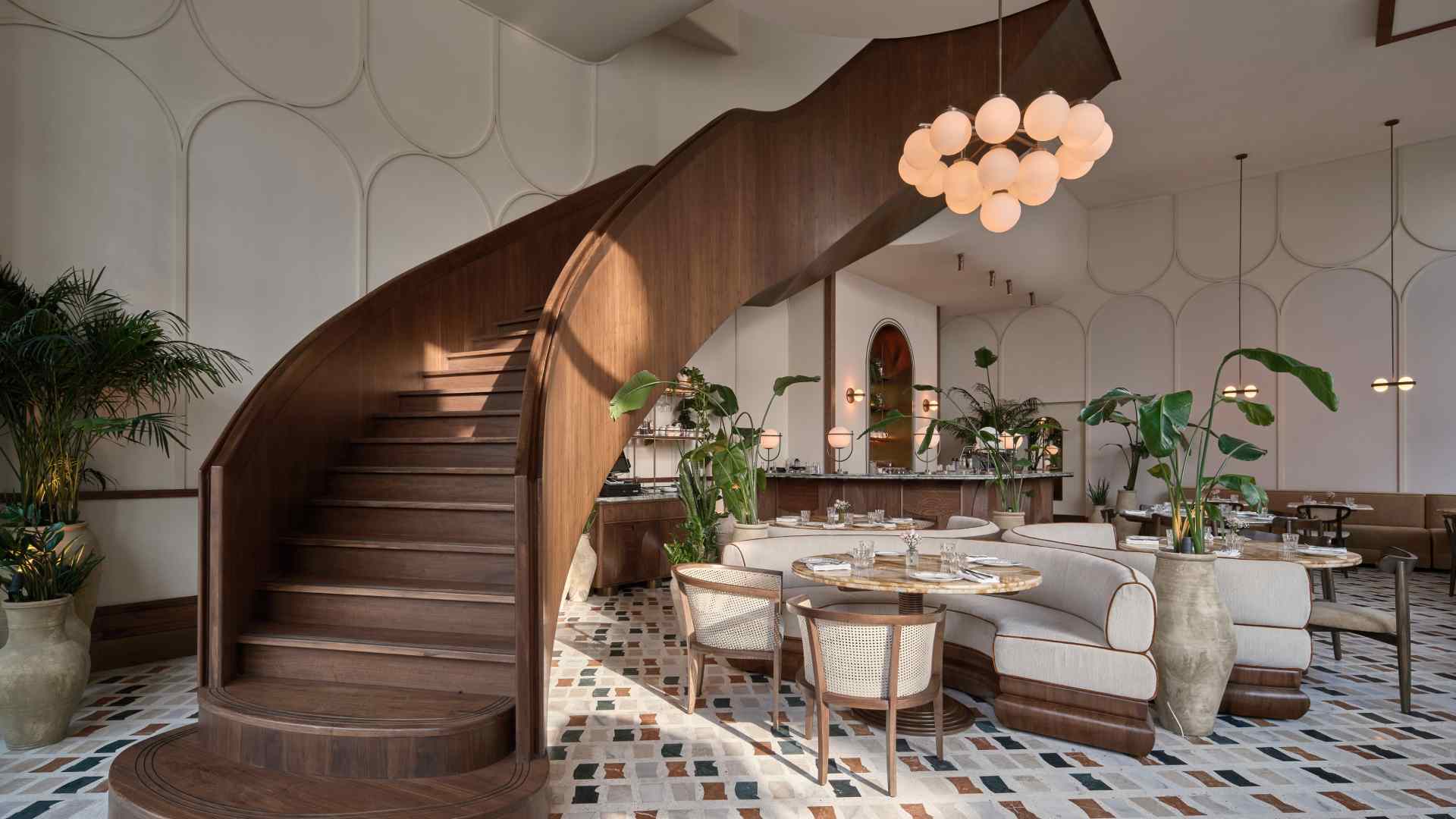
NAC (North Audley Cantine) has officially opened its first restaurant in Kuwait City, marking an exciting new chapter for the celebrated French-inspired dining brand with a stunning design created by award-winning DLSM Studio (formerly DesignLSM).
Located within the newly developed Hessah District – the first-ever comprehensive, mixed-use development in Kuwait – this latest opening introduces NAC’s signature blend of Parisian charm and contemporary sophistication to one of the city’s most desirable destinations. Positioned in a unique location overlooking the sea, the dynamic district embodies a modern, luxurious lifestyle that perfectly complements NAC’s ethos of “good food and good friends.”
Working in collaboration with Food-Serv wholesale & Retail Trading Co. W.L.L., NAC’s local franchise partner, DLSM Studio has created an elegant, two-storey bistro that seamlessly transitions from relaxed daytime dining to a chic, atmospheric evening experience. The interior concept draws inspiration from the brand’s design DNA created by the studio, while evolving the aesthetic to resonate with Kuwait’s cosmopolitan setting.
The 350sqm space features double height glazing and an al fresco terrace that immerses guests in the energy of the district plaza. Inside, the design balances European nostalgia with Middle Eastern elegance through layered textures, neutral tones, and handcrafted details. Elements such as washed rattan, ribbed bamboo joinery, textured plaster finishes, and rich walnut detailing evoke a sense of warmth and refinement, while contrasting green marbles and bespoke lighting add an expressive touch of sophistication.
A sculptural staircase connects the two levels, anchoring the space and creating a visual statement that embodies NAC’s crafted yet effortless style. Distinct dining zones foster intimacy and inclusivity, with comfortable banquettes, communal tables, and a statement bar designed as a focal point for social gatherings. The terrace channels the carefree spirit of the French Riviera, complete with Mediterranean planting, soft-toned parasols, and relaxed lounge seating.
This opening marks the sixth NAC project delivered by DLSM Studio in the Middle East, following acclaimed locations in Dubai, Abu Dhabi, Doha, Riyadh, and Khobar, with three further projects currently in design across the GCC.
“As design guardians for NAC, our goal for the new Kuwait opening was to capture the brand’s European elegance while celebrating the vibrancy of its new coastal setting,” says Holly Hallam, Co-owner of DLSM Studio. “With the Hessah District representing the future of lifestyle destinations in Kuwait, it’s fantastic to introduce NAC which brings a refined yet inviting social energy to the community with an amazing dining experience on offer.”
NAC is continuing with its regional expansion, and the Kuwait opening cements its reputation as one of the Middle East’s most stylish and dynamic dining concepts – an inviting destination where sophistication and sociability meet.

IKEA, operated by Al-Futtaim in the UAE, gathered residents and visitors together for the Guest-Ready Tidy-Up on 15 October, at IKEA Festival Plaza and Dubai Festival City stores.The activation brought IKEA’s storage solutions to life through a playful challenge, showcasing how IKEA continues to be part of customers’ everyday stories.
From laundry on the sofa, to toys on the floor – the last-minute tidy up before welcoming guests into our home can be familiar. Inspired by a relatable hosting moment, what happens after you receive the message that guests are on their way, the challenge gave IKEA Family members 90 seconds to put misplaced items into designated storage spaces in a staged living room, before the doorbell rang and their time was up.
An IKEA coworker assessed whether items were stored correctly within the allocated time, with 60 IKEA gift cards handed out to the winning customers across both stores, each worth AED 500.
The Guest-Ready Tidy-Up challenge celebrated the everyday moments that bring people together. Through practical, well-designed storage solutions at affordable prices, IKEA helps customers create homes that work for their routines, making it easier to clear the clutter and welcome friends and family. The challenge offered visitors a firsthand experience of IKEA’s storage solutions and ideas to use at home long after the activation.
Home Integrator
Ohana Development Announces Erling Haaland as a Proud Homeowner at Manchester City Yas Residences by Ohana, During Phase 2 Launch

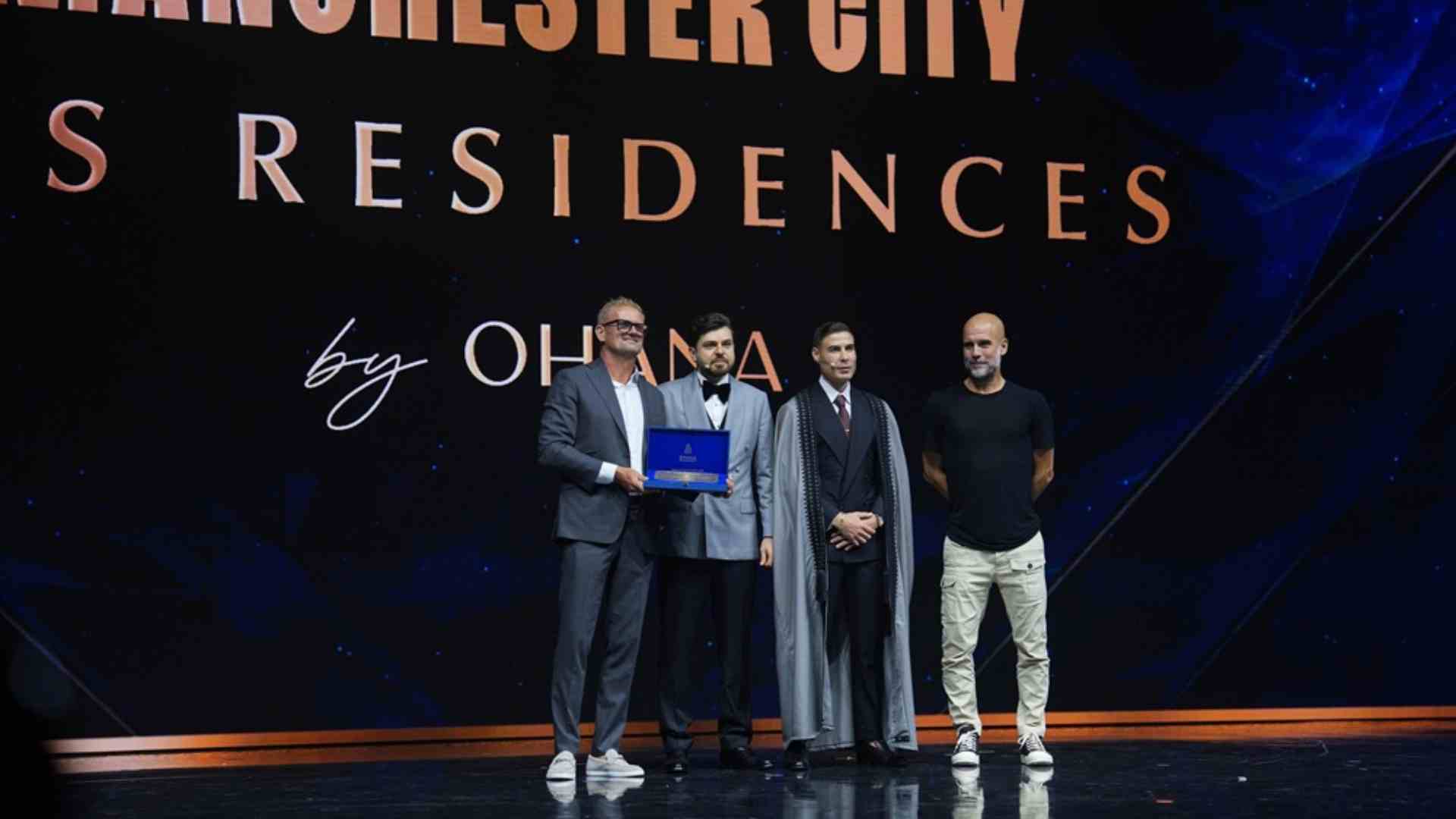
Ohana Development has announced Erling Haaland as a proud homeowner at Manchester City Yas Residences by Ohana during the launch of the project’s second phase. Featuring two- and three-bedroom townhouses, duplex villas, and four- and five-bedroom villas, Phase 2 sales will commence on 19 October 2026. The event at Etihad Arena welcomed over 4,000 guests, including Pep Guardiola, who was announced as the project’s official brand ambassador.
Located along Yas Canal, adjacent to Yas Island, the development spans 1.67 million square metres and will feature more than 2,000 residences. The world’s first Manchester City-branded residential community has already broken ground, with phased delivery scheduled by 2029.
In a video appearance by Manchester City star Erling Haaland, he announced that he was excited to be joining the Ohana family as a proud homeowner with a five-bedroom villa for his family at Manchester City Yas Residences by Ohana. Additionally, Manchester City legend, Alfie Haaland also picked up the keys to his new home in the community.
Pep Guardiola also appeared on stage for a discussion exploring teamwork, resilience and the importance of sport and wellbeing beyond football.
Husein Salem, CEO of Ohana Development, said: “The response to our first phase demonstrated the confidence buyers place in Abu Dhabi and our vision for Manchester City Yas Residences by Ohana. Phase 2 builds on that momentum, offering more families and investors the opportunity to become part of this unique community. Welcoming Pep Guardiola as our official brand ambassador further reinforces our commitment to creating a residential destination centred on sport, wellbeing and lasting value.”
Pep Guardiola said: “In professional sport, we understand that performance depends on more than training. Recovery, balance and wellbeing are just as important, and those principles matter in everyday life too. Manchester City Yas Residences by Ohana places sport and wellness at the heart of the community, giving residents opportunities to stay active, recharge and spend time together. That approach is what makes the project particularly appealing to me, and I am pleased to join Ohana Development as its official brand ambassador for this unique community.”
Home Integrator
Deyaar builds on its 2026 handover momentum with 711 new homes at Tria in Dubai Silicon Oasis
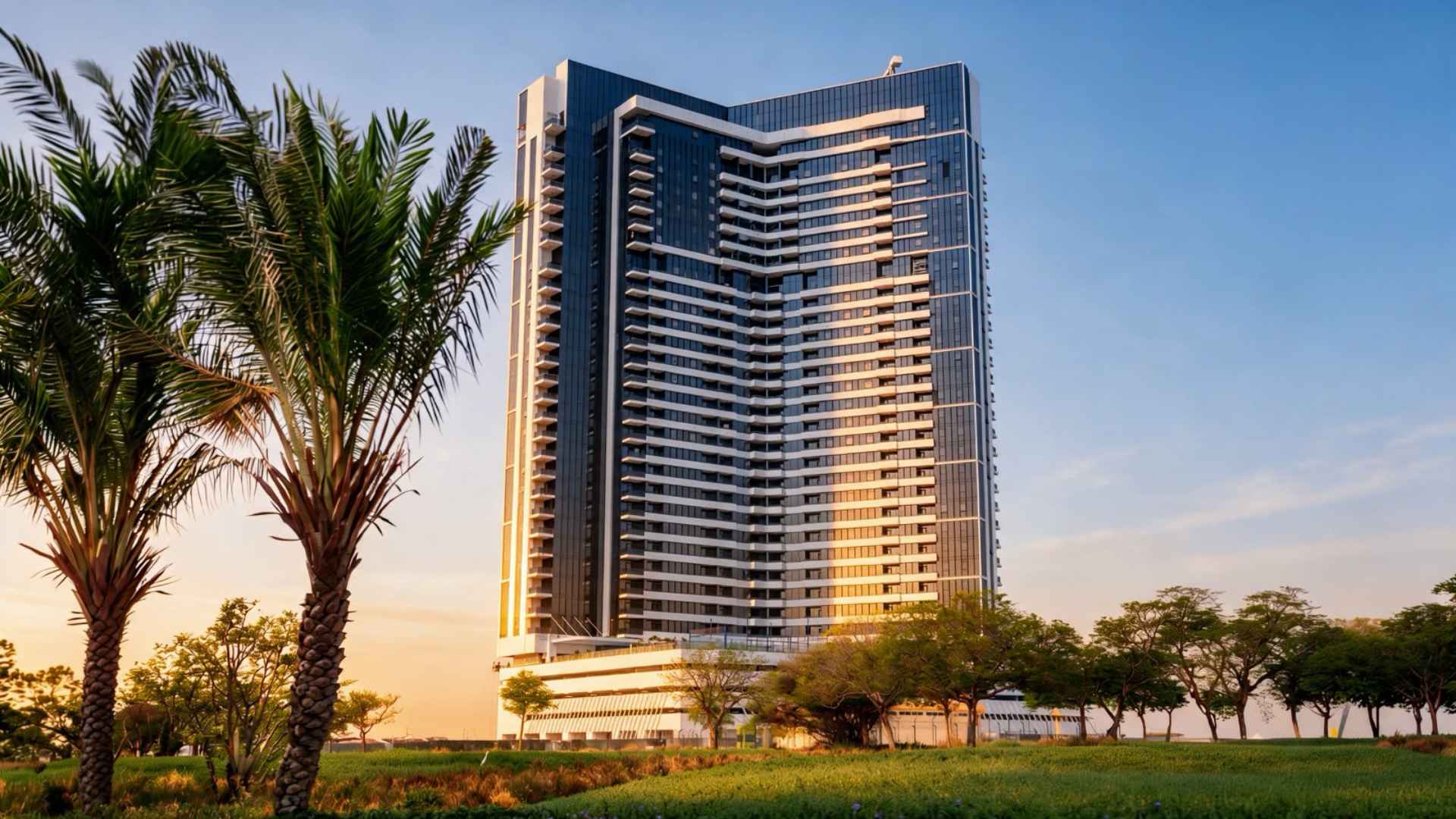
Deyaar Development PJSC (Deyaar), a DFM-listed integrated real estate company and one of Dubai’s leading developers, has announced the handover of Tria, a landmark residential development that brings a new scale of elevated living to Dubai Silicon Oasis (DSO). Rising prominently above its surroundings, the development comprises 711 residences and six retail units, distinguished by a striking three-wing architectural form designed to create three unique view corridors, ensuring residents enjoy prime outlooks across the Dubai skyline, Dubai Silicon Oasis and the surrounding parklands.
The handover lifts Deyaar’s deliveries in 2026 to more than 2,100 units, following the completion of 1,436 units across Regalia, Jannat and Talia Residences earlier in the first half. Built with families in mind, Tria pairs its homes with podium and rooftop amenities that include swimming pools, landscaped gardens, children’s areas, fitness and wellness facilities, sports courts, social spaces, and outdoor dining and entertainment areas.
Saeed Mohammed Al Qatami, CEO of Deyaar, said: “Earlier this year we welcomed owners to three of our projects across Dubai. Today, Tria adds another 711 homes to that momentum. It was conceived as a modern urban sanctuary, and seeing it come to life in the heart of Dubai Silicon Oasis is a proud moment for Deyaar. We thank our owners and investors for their trust, and our partners, contractors, government stakeholders and team for making it possible.”
With more than two decades of experience across residential, commercial and hospitality developments, Deyaar continues to diversify its portfolio and build on its momentum this year. Tria reflects a clear vision: creating vibrant communities where thoughtful design, wellbeing and lasting value shape the way Dubai lives.
As Deyaar looks ahead, its focus remains on scaling a balanced pipeline of projects, strengthening its position as one of Dubai’s most dynamic developers and contributing to the emirate’s long-term urban growth.


IKEA Turned Last-Minute Hosting into a 90-Second Guest-Ready Tidy-Up Challenge
Building Digital Sovereignty Through Operational Control
A Coffee and Macaroon Affair Acacia Lounge



-

 Trending12 months ago
OPPO A6 Pro 5G Review: Reliable Daily Driver
-

 Tech News2 years ago
Denodo Bolsters Executive Team by Hiring Christophe Culine as its Chief Revenue Officer
-
 VAR2 years ago
Microsoft Launches New Surface Copilot+ PCs for Business
-

 Automotive2 years ago
AGMC Launches the RIDDARA RD6 High Performance Fully Electric 4×4 Pickup
-
Tech Interviews3 years ago
Navigating the Cybersecurity Landscape in Hybrid Work Environments
-

 Hospitality2 years ago
Gulfood 2025 30th Edition Kicks Off Today, Setting New Benchmarks in F&B Growth and Innovation
-

 Tech News1 year ago
Nothing Launches flagship Nothing Phone (3) and Headphone (1) in theme with the Iconic Museum of the Future in Dubai
-

 VAR2 years ago
Samsung Galaxy Z Fold6 vs Google Pixel 9 Pro Fold: Clash Of The Folding Phenoms