
 Have a question? +971 56 404 0503




Home Feature
AI WON’T REPLACE ARCHITECTS – BUT IT COULD CHANGE THE WAY THEY THINK


Kanaka Raghavan, Senior Lecturer in Graphic Design, Middlesex University (MDX Dubai)
The way we design has always been a reflection of the tools available to us. As an undergraduate student about two decades ago, the tools we used were quite traditional: A sketchbook, a drafting board, piles of drawing sheets, tracing paper, freshly sharpened pencils, and a half-empty coffee mug. Design was physical, tactile, measured, and every revision cost you something. Technical drawings and models would take days to produce, and critique was received with extreme resistance due to the effort involved in making the slightest modifications. Gradually, digital drawing and 3D modelling software evolved to generating sections and elevations automatically, removing the long nights spent working on these manually. Having computers handle the repetitive, mechanical work has allowed one to pay attention to the most interesting part of the process: the designing itself.
In this mission to outsource dreary, tedious tasks to the machines, it seems like we may have gotten a bit carried away. With Artificial Intelligence (AI) already embedding itself into the mechanics of our daily life – the way we draft a message or edit a photo, it is inevitable for the technology to make its way into the creative process. Unlike conventional design software, which relies entirely on dimensions and constraints manually fed by the architect, AI has fundamentally changed the ideation process. Brainstorming concepts, generating multiple façade options, and exploring design possibilities has become far more fluid, like having a hardworking graduate assistant.
The architecture industry has seen rapid growth in AI adoption. Across early stages in areas like concept visualisation, specification writing, compliance checking, and product selection, as well as day-to-day practice management like report writing, bid creation, and project scheduling. According to a recent report, 59% of practices reported using AI on at least occasional projects, up from 41% the previous year, a sizeable increase.
Bigger studios have acted as early adopters. Zaha Hadid Architects developed bespoke AI software in collaboration with NVIDIA, exploring generative AI across façade patterning, structural optimisation, and urban-scale planning. For MVRDV, data is actively shaping building form from the very start. BIG’s Bjarke Ingels has spoken about how AI reduces the time between intuition and iteration, helping teams move faster through design options. Smaller design studios are finding their footing too. London-based Fu recently launched what has been described as the world’s first fully AI-driven architectural project, a residential scheme at Slovenia’s Lake Bled, where AI helped accelerate iteration and uncover spatial relationships that traditional processes might have missed.
Yet the technology, for all its speed and spectacle, requires scrutiny. Where AI has made its presence felt is primarily in the everyday operational side of practice – drafting emails, managing budgets, transcribing client meetings. Only 13% of practices are currently using AI for actual design and planning tasks. As Zaha Hadid Director, Nils Fischer, puts it, general purpose AI has a “pseudo-understanding of construction,” particularly bad at grasping how building elements actually meet and connect. While it is a capable assistant, AI is still a few upgrades away from playing a meaningful role in the construction process.
So, can the architect be confident about their future in the industry?
Designing buildings is like solving an intricate puzzle, and the architect has always occupied a unique position. Part researcher, part craftsman, part ethnographer, part philosopher. They aren’t just resolving a design; they are learning to understand people. To become a good architect, one must develop an empathetic read of the problem before proposing a solution. The creative process demands that we sit with complexity, allowing the concept to find its philosophical grounding before it becomes form. It is slow, sometimes frustrating, and entirely necessary.
That is where AI can pose a conundrum. When a tool can generate fifty design options overnight, how does the architect still develop the conviction to defend one? And how do they avoid the trap of sameness that AI has been accused of producing, where similar prompts fed into similar models begin to yield unsurprisingly similar results? Research in cognitive science suggests that exposure to others’ ideas early in the creative process can inhibit our thinking. More unsettling still is the effect of passive AI acceptance. In a post-ChatGPT world, taking the first generated response and running with it has become second nature for many. Researchers are finding, however, that this habit may be rewiring how we think, not just individually, but collectively. And when individual creativity suffers, the diversity of our collective creativity inevitably suffers along with it. This is particularly worth considering for the next generation of architects, who risk treating AI as a silver bullet rather than simply another tool in their arsenal. While it makes connections we sometimes can’t, AI still remains a machine, not a problem solver, not an architect. There is still a vast distance between a striking AI-generated image and a building that can actually be built, specified, and guaranteed. The real skill lies in knowing what to do with that output, pushing it further, making it respond coherently against a brief, a site, a context.
An architect’s empathy is not merely a soft skill, it is the diagnostic tool that determines whether a building serves its people or merely stands. No model trained on images of buildings understands why a space needs to feel welcoming, or how a layout shapes the way people move through their lives. Those judgements cannot be prompted into existence. An architect’s value has never been in the mechanics of drawing, it’s in the thinking, judgment, and empathy behind it. AI can accelerate the process, but if architects let it do the thinking too, they risk losing the very thing that makes them irreplaceable.


By Dr Ryan Copeland, Regional Medical Director, Middle East, International SOS
As traffic volumes continue to rise across Dubai and the UAE, particularly along heavily congested commuter corridors, employers face a growing responsibility to address one of the most underestimated workplace risks: driver fatigue. Recent reports of significant congestion on key routes connecting Dubai and Sharjah serve as a timely reminder that many employees are spending longer periods behind the wheel each day. For organisations whose employees drive for work, whether visiting clients, transporting goods, responding to emergencies, or travelling between sites, fatigue can significantly impair performance and increase the likelihood of serious road traffic incidents.
While organisations often focus on vehicle safety, defensive driving, and compliance measures, fatigue management should be viewed as a critical component of any duty of care programme. Unlike mechanical failures, fatigue can be difficult to recognise, yet its effects on concentration, reaction time, decision-making, and situational awareness can be profound.
Fatigue: More Than Just Feeling Tired
Fatigue is a physical and mental state that reduces a person’s ability to perform tasks safely and effectively. It may result from insufficient sleep, long working hours, stress, illness, dehydration, poor nutrition, or prolonged periods spent driving in congested traffic.
Long commutes, early starts, and frequent travel between emirates can contribute to chronic sleep debt, often before employees recognise its impact on performance.
Common warning signs include:
- Frequent yawning or heavy eyelids
- Difficulty concentrating or maintaining attention
- Missing road signs or navigation instructions
- Drifting within a lane
- Delayed reaction times
- Increased irritability or mood changes
Employers should educate both drivers and line managers to recognise these signs before fatigue becomes a serious safety risk.
Building Fatigue Awareness into Journey Risk Management
Driver fatigue should form part of every organisation’s journey risk assessment process. Managers should evaluate not only the distance being travelled but also the employee’s fitness to drive.
Key considerations include:
- Has the employee had adequate sleep in the previous 24 to 48 hours?
- Are they undertaking an early morning or late-night journey?
- Have they worked a prolonged shift before driving?
- Are they feeling unwell or taking medication that may affect alertness?
- Is the journey likely to involve extended periods in heavy traffic?
Organisations should avoid schedules that encourage rushed journeys, excessive driving hours, or inadequate rest. Where practical, virtual meetings, overnight stays, or alternative transport arrangements may offer safer options than long-distance road travel.
Sleep: The Foundation of Driver Safety
Good-quality sleep remains the most effective defence against fatigue.
Most adults require seven to nine hours of sleep each night to maintain alertness, concentration, and decision-making ability. Chronic sleep deprivation can significantly increase the risk of driving-related incidents.
Employers can support healthy sleep habits by encouraging employees to:
- Maintain consistent sleep and wake times
- Create a cool, dark, and quiet sleep environment
- Avoid heavy meals close to bedtime
- Limit caffeine intake later in the day
- Reduce screen exposure before sleep
- Seek medical advice for persistent sleep problems, snoring, or suspected sleep apnoea
Hydration and Nutrition Matter
The Gulf climate presents additional challenges for drivers. Even mild dehydration can contribute to headaches, poor concentration, fatigue, and reduced mental performance.
Employees should be encouraged to:
- Drink water regularly throughout the day
- Carry water during journeys
- Increase fluid intake during hot weather or after physical activity
- Limit excessive consumption of energy drinks and highly caffeinated beverages
Nutrition also influences alertness. Heavy meals can contribute to sluggishness, particularly during afternoon driving periods.
To help maintain concentration, drivers should aim for:
- Balanced meals containing lean protein, whole grains, fruits, and vegetables
- Healthy snacks such as nuts, yoghurt, or fresh fruit
- Regular meal timing to maintain stable energy levels
- Reduced reliance on sugary snacks that can lead to energy crashes
While caffeine may provide a temporary boost, it should never be viewed as a substitute for adequate sleep.
Practical Steps During Peak Traffic Periods
As congestion increases, employers should reinforce practical fatigue-mitigation measures:
- Encourage regular breaks during longer journeys
- Rotate driving responsibilities where possible
- Avoid scheduling consecutive high-mileage driving days
- Plan journeys outside peak traffic periods when feasible
- Use telematics and journey management tools to identify excessive driving exposure
- Include fatigue awareness in routine safety briefings
Drivers should also be reminded that opening a window, turning up the music, or consuming caffeine offers only temporary relief. If fatigue develops while driving, the safest option is to stop in a safe location and rest.
A Shared Responsibility
Managing driver fatigue is not solely the responsibility of the individual behind the wheel. It requires a coordinated approach involving employers, managers, occupational health teams, and employees.
By promoting healthy sleep habits, supporting hydration and nutrition, recognising warning signs, and embedding fatigue awareness into journey planning, organisations can significantly reduce fatigue-related driving risks.
As traffic volumes continue to increase during peak periods, companies that proactively address fatigue as part of their duty of care strategy will not only enhance road safety but also protect employee wellbeing, productivity, and organisational resilience. Ultimately, safer and healthier drivers contribute to safer roads for everyone.
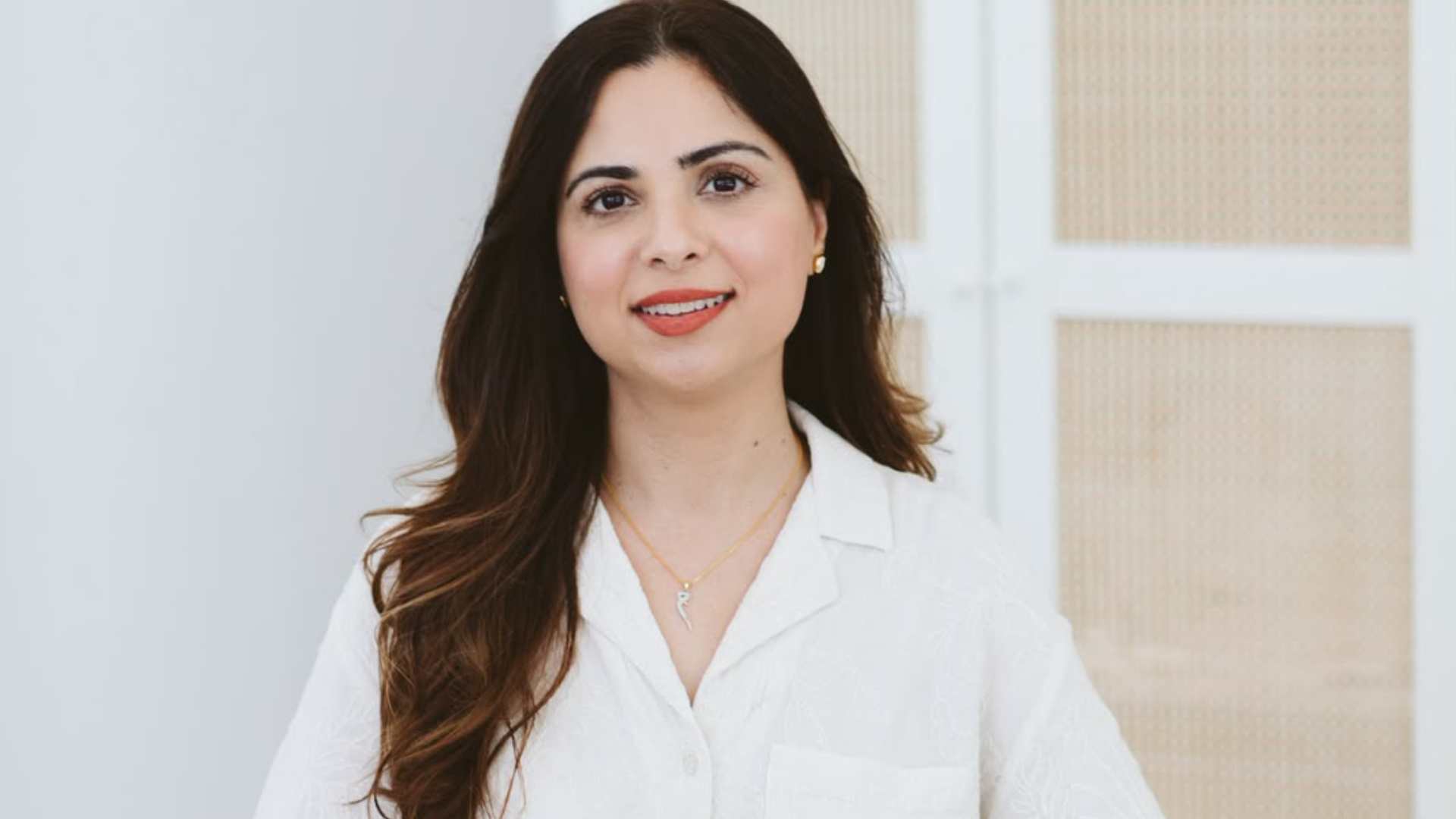
by Dr. Madiha Khan, an American Board-Certified Consultant Psychiatrist, and a member at Middle East Arthritis Foundation
Arthritis is usually measured in swollen joints and blood results. Yet for many of the estimated half a billion people living with the condition worldwide, and roughly one in five residents of the UAE, its most sapping effects are not detectable on any scan. Fatigue, anxiety and low mood can quietly impact work, relationships and self-worth long before a joint shows lasting damage.
Dr. Madiha Khan, an American Board-Certified Consultant Psychiatrist, working in the region for the past eight years with extensive experience supporting individuals with a wide range of mental health and emotional wellbeing concerns, shares her insight: “Pain may appear first, but fatigue, reduced mobility and emotional strain can gradually affect work, relationships and independence,” she says.
A two-way relationship
Rates of depression and anxiety among people with arthritis-related diseases can be between two and 10 times higher than in the general population. According to Dr Khan, the link runs in both directions. Chronic pain, unpredictable flares and broken sleep wear down mood and motivation. Depression, in turn, amplifies how the brain perceives pain and makes it harder for patients to keep up with treatment.
Recent study unveiled that depression may not only be a complication of rheumatoid arthritis but may also help sustain it, particularly in difficult-to-treat cases. This explains why some patients still feel unwell even when their blood work looks normal. In the UAE, where fewer than half of patients are still taking prescribed medicines after a year, that vicious circle carries real consequences.
The weight of the invisible
Because arthritis is often invisible, patients describe feeling misunderstood. One young Dubai professional supported by MEAF spent nearly a decade being told her pain was stress or anxiety before a rheumatologist confirmed an autoimmune condition. For her, the anxiety came with the physical illness; it was not the cause. Another, a working mother, recalls days when she slept for hours yet woke exhausted, unable to concentrate or find the energy for her children. The guilt, she says, was as heavy as the pain.
Dr Madiha stresses that delays compound the distress. In the UAE, a lack of awareness postpones diagnosis by around 12 months, and many patients see several doctors before reaching a rheumatologist, leaving them doubting themselves.
Treating the whole person
The answer, in Dr Madiha’s view, is care that is integrated rather than siloed. Arthritis treatment is moving towards precision medicine and whole-patient management, aiming for remission while also asking about mood, sleep and daily function. When standard treatment underperforms, she encourages a fuller reassessment often involving psychiatrists, psychologists, pain specialists, physiotherapists or nutritionists where needed.
Patients can also take practical steps to avert a downward spiral:
Prioritise sleep: a consistent bedtime routine helps regulate both pain and mood.
Keep moving gently: low-impact activity such as walking, swimming or Tai Chi preserves strength and lifts mood.
Write it down: journaling symptoms and feelings helps patients make sense of flares and communicate with their doctor.
Pace and say no: planning rest days and declining commitments protects energy without guilt.
Find a community: peers living with the same condition offer understanding that even close family may not.
Beyond the diagnosis
MEAF’s World Arthritis Day event on 24 October 2026 at the Shangri-La Hotel, Dubai, will include sessions on mental resilience alongside clinical guidance, reflecting the Foundation’s belief that emotional health belongs at the centre of arthritis care. “Our goal is to free patients from pain so they can live the life they want, without allowing the condition to define who they are,” says Dr Madiha.

by Tanya McGuane, Assistant Professor of Psychology, Global College, Heriot-Watt University Dubai
We have never had so many ways to reach each other. A face thousands of miles away can appear on our screen in seconds. Friendships can stretch across continents, strangers can become communities, and somewhere online, someone is awake, talking, sharing, connecting. Being physically alone no longer has to mean being disconnected.
And yet, loneliness remains one of the defining wellbeing challenges of our time. So, can technology actually help us feel less alone? The honest answer: it depends on how we use it.
Perhaps technology is most powerful not when it gives us more people to talk to, but when it helps us find the right people. For someone living with chronic illness, struggling with social anxiety, adjusting to life far from home, or feeling like nobody around them shares their experience, the internet can offer something deeply human: recognition. That moment of realising, “It’s not just me.” Technology can shrink the distance between “no one gets me” and “there are others like me.” A screen is not always a barrier to belonging; sometimes, it is the bridge to it.
The research supports this, with one important caveat. Nowland, Necka and Cacioppo (2018) found that when people use the internet to strengthen existing relationships or build new ones, loneliness can ease. When it is used to withdraw from the social world, loneliness tends to deepen. Technology, in other words, amplifies whatever intention we bring to it.
But not all digital interaction is equal. Sherman, Michikyan and Greenfield (2013) compared how close friends felt after connecting in person, by video, voice and text. Face-to-face conversation created the strongest bond, while text created the weakest. Tone of voice, a facial expression, a pause that says more than words: these are the cues we rely on to feel understood, and much of that richness is lost in a message thread.
How we scroll matters too. Passively watching other people’s highlights has been linked to lower wellbeing (Verduyn et al., 2015). When Hunt and colleagues (2018) asked students to limit social media to around 30 minutes a day, they reported less loneliness and depression within three weeks. Less scrolling, it seems, can leave more room for living.
The rise of artificial intelligence adds another layer to our increasingly digital social world. Technology can now respond to us, remember information and simulate remarkably natural conversation. That may offer companionship and support, particularly during moments of isolation.
But responsiveness is not necessarily relationship.
Human relationships ask something of us. They require compromise, vulnerability, patience, reciprocity and sometimes discomfort. Perhaps those inconvenient parts of relationships are not flaws that technology needs to solve, but part of what makes human connection meaningful.
So, what do we do? We use technology as a bridge, not a destination. Turn the like into a message, the message into a call, and the call into a coffee. Join the online community, then go to the meetup. And every so often, ask yourself: when I close this app, do I feel more connected, or just more occupied?
Technology can open the door. It can introduce us, remind us of the people we love and keep us close across thousands of kilometres. But it cannot walk through the door for us. And perhaps we should not want it to.
There is something beautifully chaotic about human connection. For as long as we have existed, we have been falling in love, falling out of love, finding friendships in unlikely places, missing people, misunderstanding one another, forgiving one another and somehow finding our way back. Entire novels, poems, plays and songs have been written about our endless attempts to understand and be understood by each other. Shakespeare might turn in his grave at the suggestion that we could finally reduce all of that glorious human messiness to an algorithm.
Technology is changing how the story begins. A friendship might start in a comment section. Love might begin with a swipe. A family scattered across continents can still see one another’s faces at the end of a long day. These are extraordinary things, and generations before us could only have imagined them.
But surely this is not where the great human story of connection ends.
Because belonging has never simply been about access to other people. It is built in the showing up: the conversations that run too late, the comfortable silences, the disagreements we repair, the ridiculous private jokes, the hand we reach for without thinking. The small, imperfect moments through which another person slowly becomes part of our life.
A screen can tell us someone is there. Technology can help us find them.
But perhaps the imperfect magic of human connection begins when we remember: the rest of the story is still ours to write.


IKEA Turned Last-Minute Hosting into a 90-Second Guest-Ready Tidy-Up Challenge
Building Digital Sovereignty Through Operational Control
A Coffee and Macaroon Affair Acacia Lounge



-

 Trending12 months ago
OPPO A6 Pro 5G Review: Reliable Daily Driver
-

 Tech News2 years ago
Denodo Bolsters Executive Team by Hiring Christophe Culine as its Chief Revenue Officer
-
 VAR2 years ago
Microsoft Launches New Surface Copilot+ PCs for Business
-

 Automotive2 years ago
AGMC Launches the RIDDARA RD6 High Performance Fully Electric 4×4 Pickup
-
Tech Interviews3 years ago
Navigating the Cybersecurity Landscape in Hybrid Work Environments
-

 Hospitality2 years ago
Gulfood 2025 30th Edition Kicks Off Today, Setting New Benchmarks in F&B Growth and Innovation
-

 Tech News1 year ago
Nothing Launches flagship Nothing Phone (3) and Headphone (1) in theme with the Iconic Museum of the Future in Dubai
-

 VAR2 years ago
Samsung Galaxy Z Fold6 vs Google Pixel 9 Pro Fold: Clash Of The Folding Phenoms