
 Have a question? +971 56 404 0503




Home Integrator
LUXURY WELLNESS ENTERS A NEW ERA OF RITUAL, BALANCE AND EVERYDAY SELF-CARE

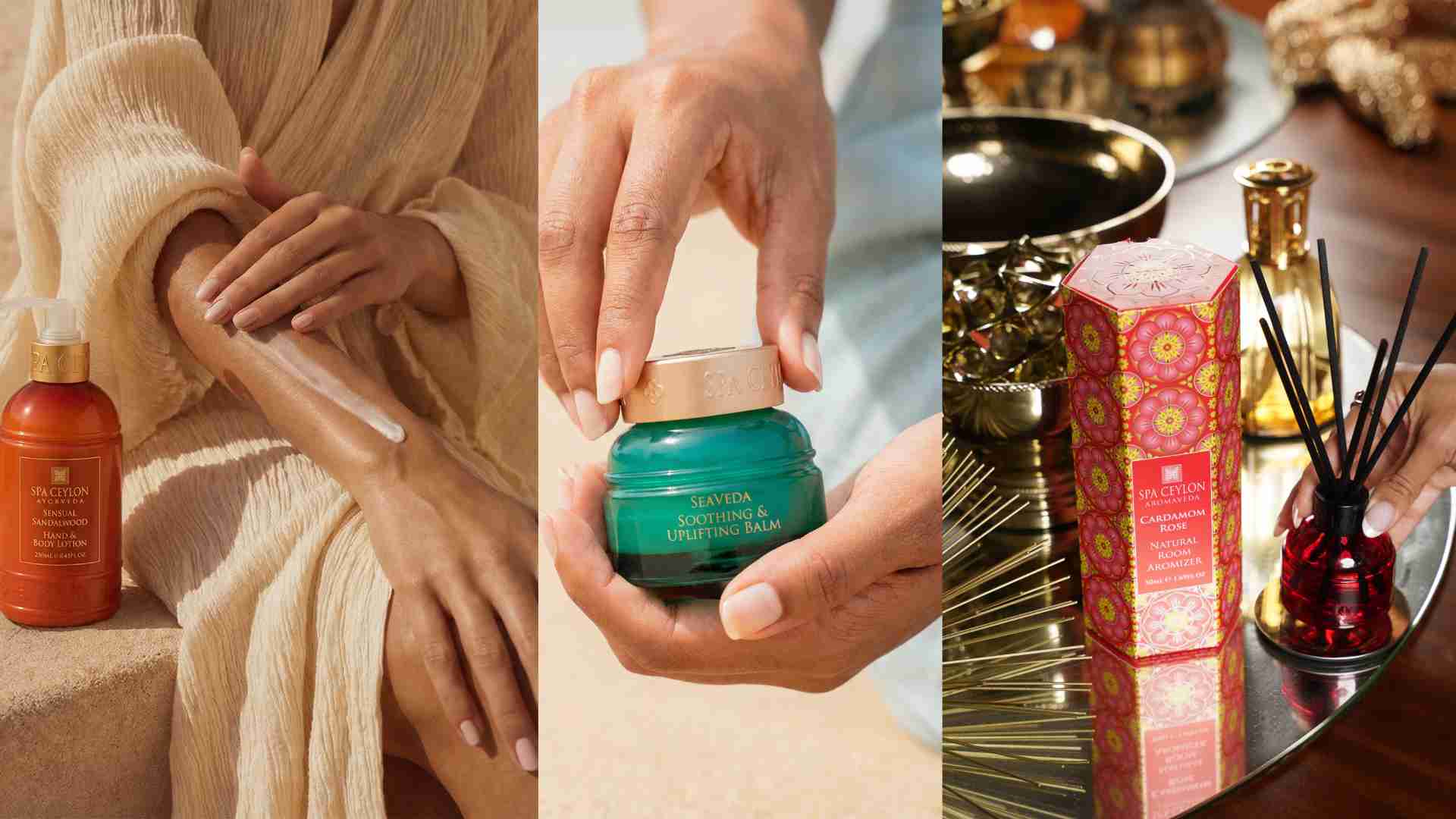
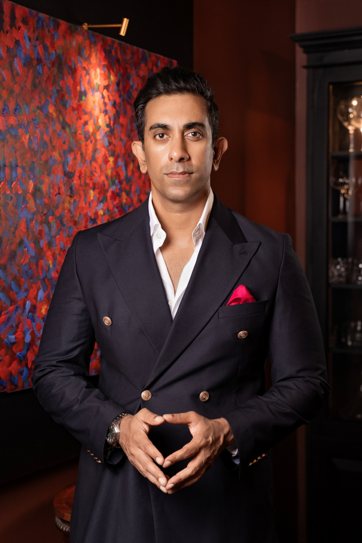
Exclusive interview with Shalin Balasuriya, Co-Founder of Spa Ceylon
Your entrepreneurial journey has been driven by both heritage and innovation. Was there a defining moment when you realised Spa Ceylon had the potential to become much more than a global brand?
When we founded Spa Ceylon, our ambition wasn’t simply to create another beauty brand. We wanted to share one of Sri Lanka’s greatest gifts with the world. The defining moment came when we realised that people everywhere, regardless of culture or geography, were facing the same challenge: increasingly busy lives and a growing need to reconnect with themselves. That made us realise we weren’t just offering products; we were bringing timeless wellness rituals into modern lifestyles.
From that point on, Spa Ceylon became about making authentic Ayurveda relevant, accessible and inspiring for people around the world. Spa Ceylon has grown from a Sri Lankan wellness concept into the world’s largest luxury Ayurveda brand. Why was now the right time to enter the UAE, and what role does the region play in your long-term global vision?
The UAE is a market where wellness has become increasingly relevant because of the pace at which people live. It’s a dynamic, ambitious environment where people are constantly balancing careers, family life and social commitments. As a result, there’s a growing appreciation for rituals that help restore balance and create moments of calm.
For Spa Ceylon, it felt like the right time to introduce a modern interpretation of Ayurveda that fits naturally into contemporary lifestyles. The UAE is also an important strategic market, connecting diverse global communities and serving as a gateway to the wider Middle East, making it a key part of our long-term international growth.
You’ve often spoken about wellness as something that should uplift rather than simply treat. Has your own definition of wellbeing changed since founding Spa Ceylon?
My understanding of wellbeing has evolved over the years. Ayurveda has taught me that, when given the right nourishment, care and environment, our bodies have an incredible ability to heal and restore themselves. Rather than simply treating symptoms, it’s about supporting the body’s natural ability to maintain balance.
My belief in these ancient sciences has only grown stronger, especially as modern science continues to validate many of these timeless principles. That’s why I continue to embrace practices such as sound healing and meditation to stay grounded and connected. To me, wellbeing is built through the small, consistent rituals that help us maintain balance every day.
Dubai has become a hub for luxury retail, wellness and lifestyle brands. How do you see Spa Ceylon contributing something meaningfully different to this evolving landscape?
Luxury is evolving. Today, one of the greatest luxuries isn’t simply owning more, it’s living well. As our lives become increasingly fast-paced and connected, wellness is becoming the new luxury, with people placing greater value on experiences and rituals that help them slow down, reconnect and restore balance.
That’s where Spa Ceylon offers something distinctive. We bring together 5,000 years of Ayurvedic wisdom with contemporary product innovation and immersive wellness experiences inspired by Sri Lanka. Rather than simply creating products, we create rituals that help people find moments of calm within their everyday lives.
Ayurveda is over 5,000 years old, yet wellness consumers today are looking for modern, convenient solutions. How have you balanced authenticity with contemporary lifestyles?
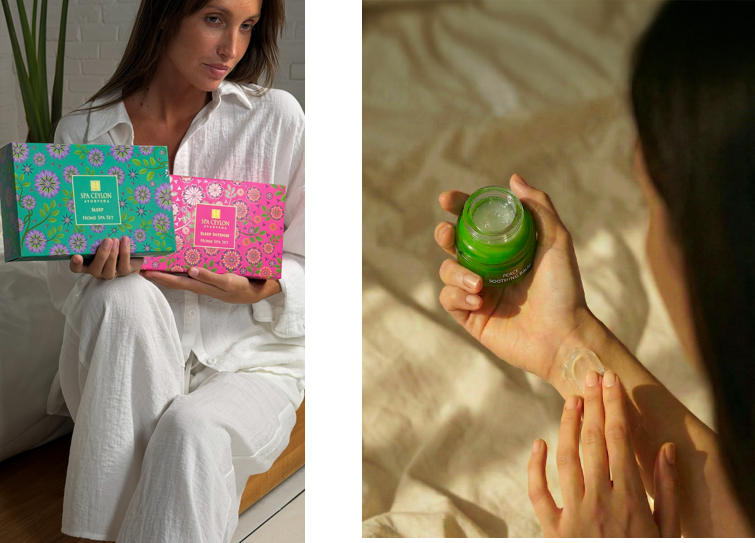
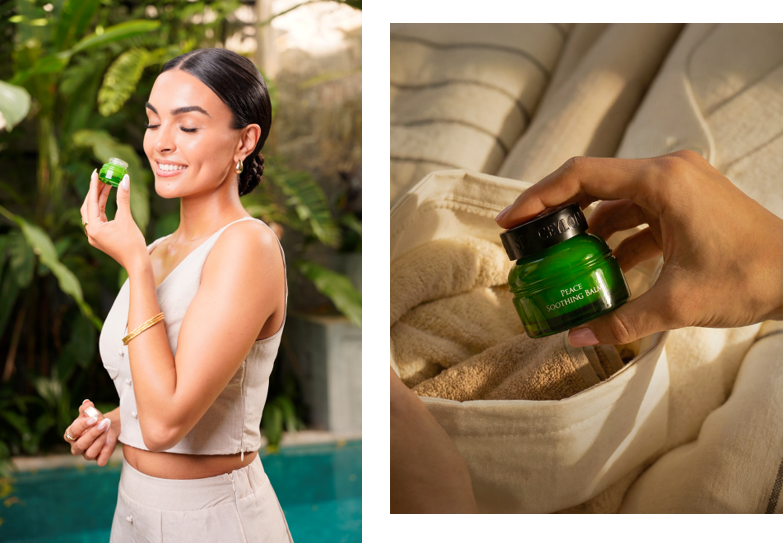
Our philosophy has always been to adapt the experience, not the wisdom. We preserve the integrity of Ayurveda while presenting it through modern formulations, elegant design and simple rituals that fit naturally into busy lives. Whether it’s a calming pillow mist, a daily skincare ritual or a home fragrance that transforms a space, we aim to make ancient wellness practices accessible without compromising their authenticity. Innovation should enhance tradition, not replace it.
Sustainability is often discussed in terms of packaging and sourcing, but Spa Ceylon has taken a broader approach through conservation and community initiatives. Why was it important to embed purpose into the business from the beginning?
At its heart, Ayurveda teaches us that true wellbeing comes from living in harmony with ourselves and the natural world. That belief has shaped Spa Ceylon from the very beginning. We couldn’t speak about balance while ignoring the environment that provides the ingredients, biodiversity and traditions that inspire everything we create.
That’s why sustainability has always been part of our thinking not simply through responsible sourcing, but through conservation and community initiatives that help protect Sri Lanka’s natural heritage. For us, caring for the planet is an extension of caring for people. One simply cannot exist without the other.
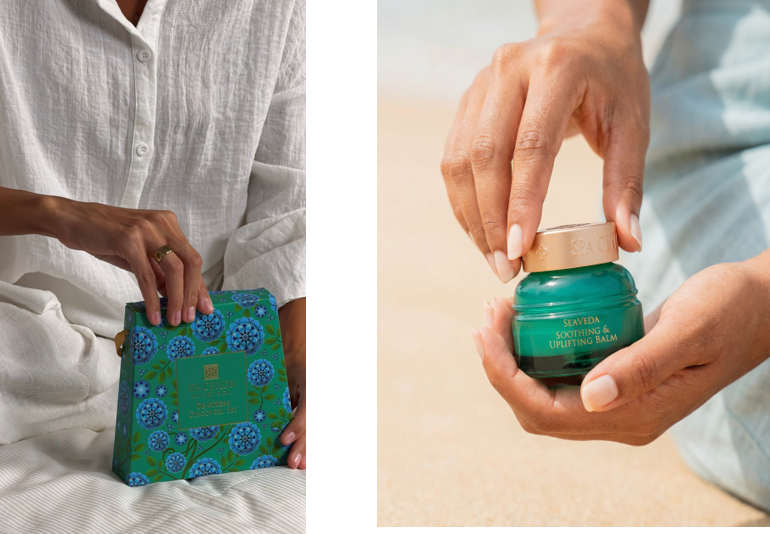
Do you think consumers are becoming more mindful about what they bring into their homes, from skincare to fragrances, and how is that influencing product development?
Absolutely. Consumers are becoming far more intentional about the products they surround themselves with, recognising that wellbeing extends beyond skincare into the overall atmosphere of the home. Fragrance, texture and daily rituals all influence how we feel emotionally. That has shaped our approach to product development. We begin by asking how we want someone to feel, then create products that support that experience through thoughtfully selected ingredients, purposeful formulations and sensory design. Wellness is becoming part of everyday living rather than something reserved for special occasions.
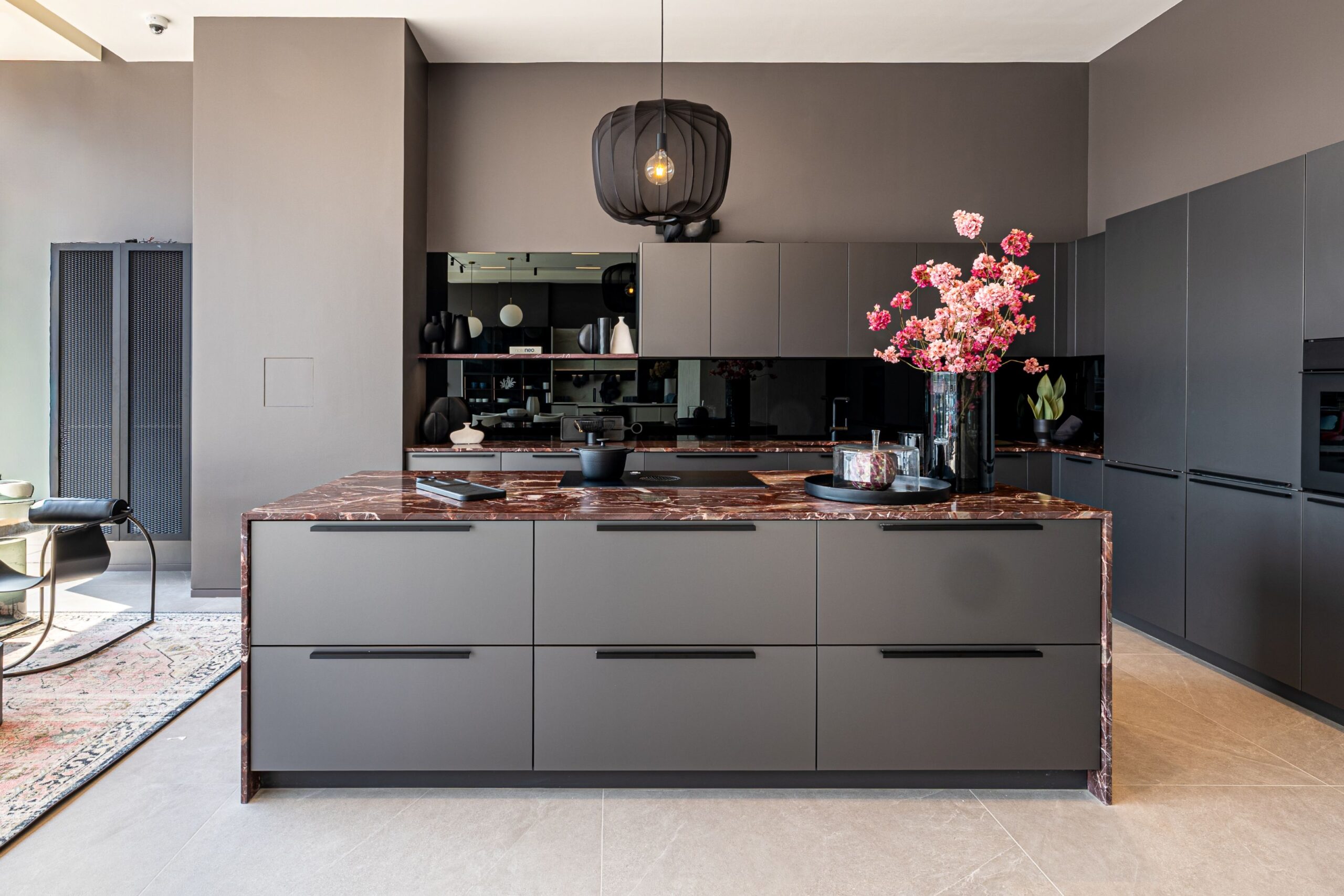
Nolte Küchen, Germany’s leading premium kitchen brand, is strengthening its position in the UAE after building an order book valued at more than AED 90 million, comprising over 4,000 kitchens across premium residential developments.
The growth follows a major shift in Nolte’s UAE strategy in 2025, with the company transitioning from a dealership model to direct market operations through Nolte Kitchens LLC, a subsidiary of Nolte Küchen Germany. In its first year of trading, the UAE entity established fully integrated local operations to support large-scale project delivery and long-term retail growth. With this structurein place, Nolte expects annual growth of at least 25% in the coming years.
The company’s next focus is retail, with its flagship showroomopening on Sheikh Zayed Road on 30 October 2026. As the onlyshowroom in the UAE operated directly by the brand, it will give customers Nolte’s complete product catalogue, technical expertise and world-class service in one dedicated space.
Selva Kumar, Managing Director & Senior Vice President – Middle East, Asia & Africa at Nolte FZE, said: “Nolte Küchen has built nearly seven decades of expertise in Germany, and international expansion is an important part of our growth strategy, with the UAE at the centre of that ambition. Dubai recorded AED 252 billion in real estate transactions in the first quarter of 2026, up 31% year on year, showing that demand and investment continue to grow despite wider regional challenges.
“Our commitment to the market remains strong, and a key part of our approach is building long-term partnerships and providing our partners with the strongest possible support based on the needs of each market. At the same time, we are focused on strengthening Nolte’s regional position and working toward our goal of becoming the region’s number one kitchen brand. The opening of our flagship showroom is an important next step in that journey.”
The UAE real estate market continues to expand, with strong momentum in the premium and luxury segments where Nolte is positioned. According to Knight Frank, Dubai recorded 296 residential transactions valued above USD 10 million in the first half of 2026, totaling USD 5.1 billion, up 14% year on year. Amid this growth, Nolte has strengthened its business and successfully secured major projects with leading developers across the UAE.
Alongside its project and geographic expansion, Nolte continues to invest in product innovation. The company has developed its own range of Nolte-branded appliances, significantly expanding its kitchen offering and marking a key product innovation for 2027.
Looking ahead, the company plans to further grow both its retail and project presence across the UAE. Following the launch of its flagship Dubai showroom, Nolte intends to expand into Abu Dhabi and the Northern Emirates through partnerships with local entities and dealer networks.
Home Integrator
Sdeira Group Unveils Masterplan and New Details for 27,000-Resident Aryam Community – KEZAD Al Mamourah

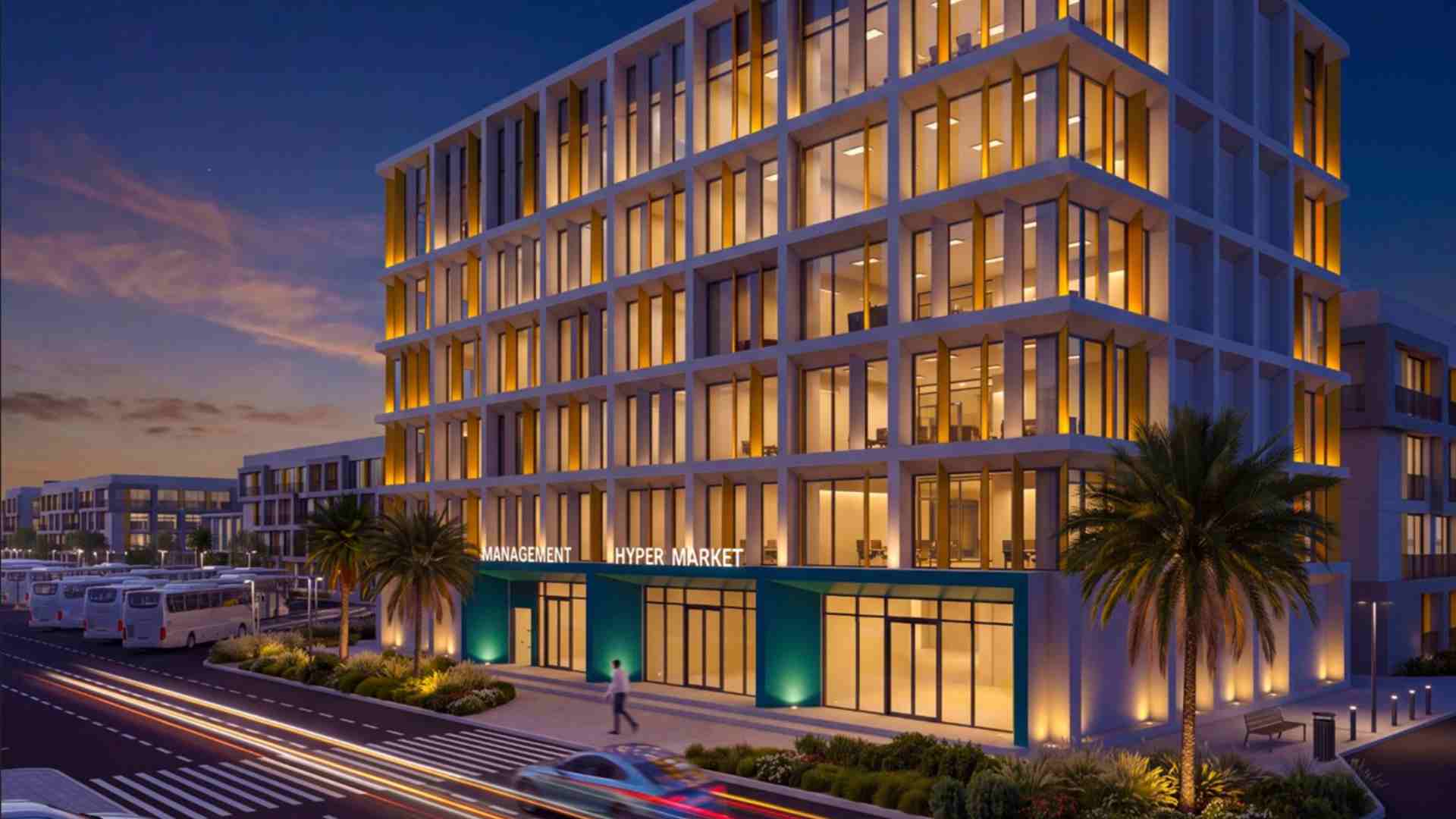
Sdeira Group, part of AD Ports Group, today unveiled the masterplan for Aryam Community – KEZAD Al Mamourah, revealing new details of the community being developed for up to 27,000 people working across KEZAD Al Mamourah’s industrial, logistics and commercial ecosystem.
The development, announced at Make it in the Emirates 2026, will provide scalable accommodation close to employers, alongside everyday amenities and services, and will support Abu Dhabi’s expanding industrial workforce as the emirate advances its Industrial Strategy, which targets growth of the manufacturing sector to AED172 billion by 20311.
Construction of the two-phase development, which is located within KEZAD Al Mamourah A, close to Khalifa Port and the Abu Dhabi–Dubai transport corridor, is expected to commence in the first half of 2027 and complete in 2029.
A physical model of Aryam Community – KEZAD Al Mamourah was displayed publicly for the first time at KEZAD Connect, alongside new architectural renders. The plans reveal flexible living options to suit different residents’ needs.
The community will include supermarket and administrative facilities, while a separate mixed-use building will bring together a medical clinic, retail space and other amenities.
A central kitchen operated by “ZOAD”, Sdeira Group’s integrated catering services company, will support meal preparation and distribution across the community, complemented by two dining halls. “Your Laundry”, Sdeira Group’s laundry service, will operate a dedicated on-site laundry facility for residents.
Residents will also have access to four outdoor sports courts, alongside dedicated indoor recreation and leisure space. Together, the facilities are designed to make exercise, relaxation and social activity part of everyday life within the community.
Abdulaziz A. Bawazeer, Chief Executive Officer of Sdeira Group, said: “Industrial growth is ultimately powered by people. As Abu Dhabi’s industrial economy expands, the communities supporting the people behind that growth will play an increasingly important role in business performance and industrial competitiveness. We are already seeing strong interest from employers looking to secure accommodation at Aryam Community – KEZAD Al Mamourah, reinforcing the need for communities designed around people’s needs. That is why we are placing liveability at the centre of Aryam Community – KEZAD Al Mamourah — helping residents live well, stay healthy and access what they need in daily life — to create the right conditions for a strong, stable and productive workforce.”
Smart metering, energy-efficiency measures and water-conservation solutions are being incorporated into the design to support resource efficiency and long-term operational performance.
The development will be delivered in two phases, with Phase One planned for approximately 14,000 residents across a site area of 110,200 square metres and a built-up area of 137,800 square metres. Upon completion of both phases, the development will have capacity for up to 27,000 residents.
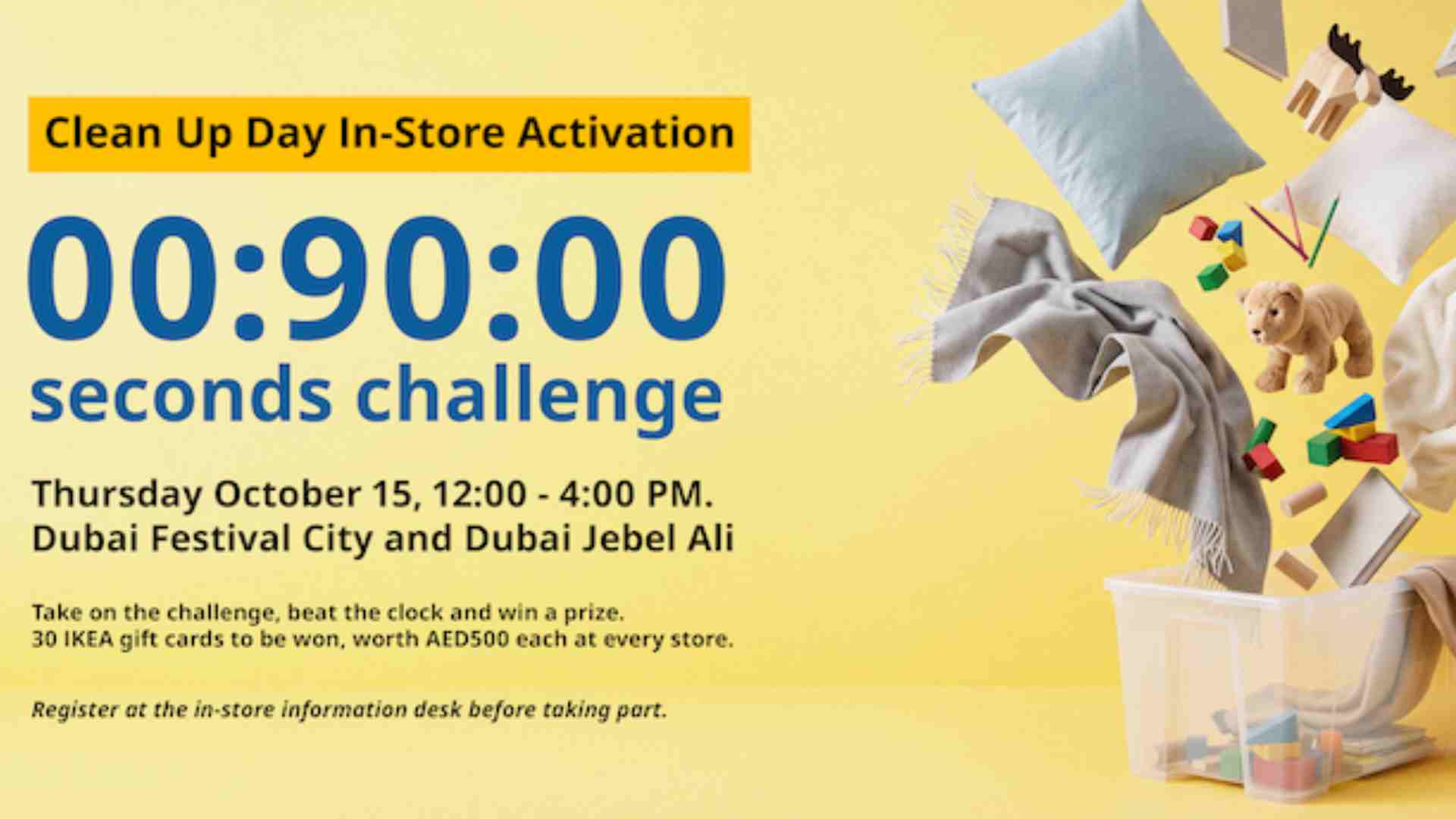
IKEA, operated by Al-Futtaim in the UAE, gathered residents and visitors together for the Guest-Ready Tidy-Up on 15 October, at IKEA Festival Plaza and Dubai Festival City stores.The activation brought IKEA’s storage solutions to life through a playful challenge, showcasing how IKEA continues to be part of customers’ everyday stories.
From laundry on the sofa, to toys on the floor – the last-minute tidy up before welcoming guests into our home can be familiar. Inspired by a relatable hosting moment, what happens after you receive the message that guests are on their way, the challenge gave IKEA Family members 90 seconds to put misplaced items into designated storage spaces in a staged living room, before the doorbell rang and their time was up.
An IKEA coworker assessed whether items were stored correctly within the allocated time, with 60 IKEA gift cards handed out to the winning customers across both stores, each worth AED 500.
The Guest-Ready Tidy-Up challenge celebrated the everyday moments that bring people together. Through practical, well-designed storage solutions at affordable prices, IKEA helps customers create homes that work for their routines, making it easier to clear the clutter and welcome friends and family. The challenge offered visitors a firsthand experience of IKEA’s storage solutions and ideas to use at home long after the activation.


Nolte Küchen Secures AED 90 Million in UAE Projects Following Direct Market Entry

Mango Jam Studios and The SMC Group Forge Strategic Partnership to Connect Middle Eastern Brands with Global Music and Entertainment Talent

AL HABTOOR GRAND RESORT, AUTOGRAPH COLLECTION APPOINTS CHRISTOPHE DELABARRE AS HOTEL MANAGER



-

 Trending12 months ago
OPPO A6 Pro 5G Review: Reliable Daily Driver
-

 Tech News2 years ago
Denodo Bolsters Executive Team by Hiring Christophe Culine as its Chief Revenue Officer
-
 VAR2 years ago
Microsoft Launches New Surface Copilot+ PCs for Business
-

 Automotive2 years ago
AGMC Launches the RIDDARA RD6 High Performance Fully Electric 4×4 Pickup
-
Tech Interviews3 years ago
Navigating the Cybersecurity Landscape in Hybrid Work Environments
-

 Hospitality2 years ago
Gulfood 2025 30th Edition Kicks Off Today, Setting New Benchmarks in F&B Growth and Innovation
-

 Tech News1 year ago
Nothing Launches flagship Nothing Phone (3) and Headphone (1) in theme with the Iconic Museum of the Future in Dubai
-
 VAR10 months ago
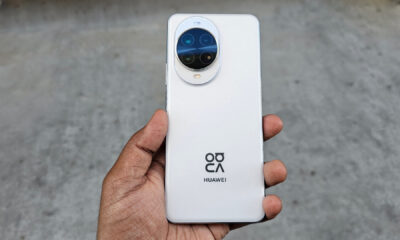
Huawei Nova 14 Pro Review: Where Camera Excellence Meets Ecosystem Evolution