
 Have a question? +971 56 404 0503




Technology
Opening of HR Summit & Expo 2026 Under the Patronage of the Dubai Government Human Resources Department

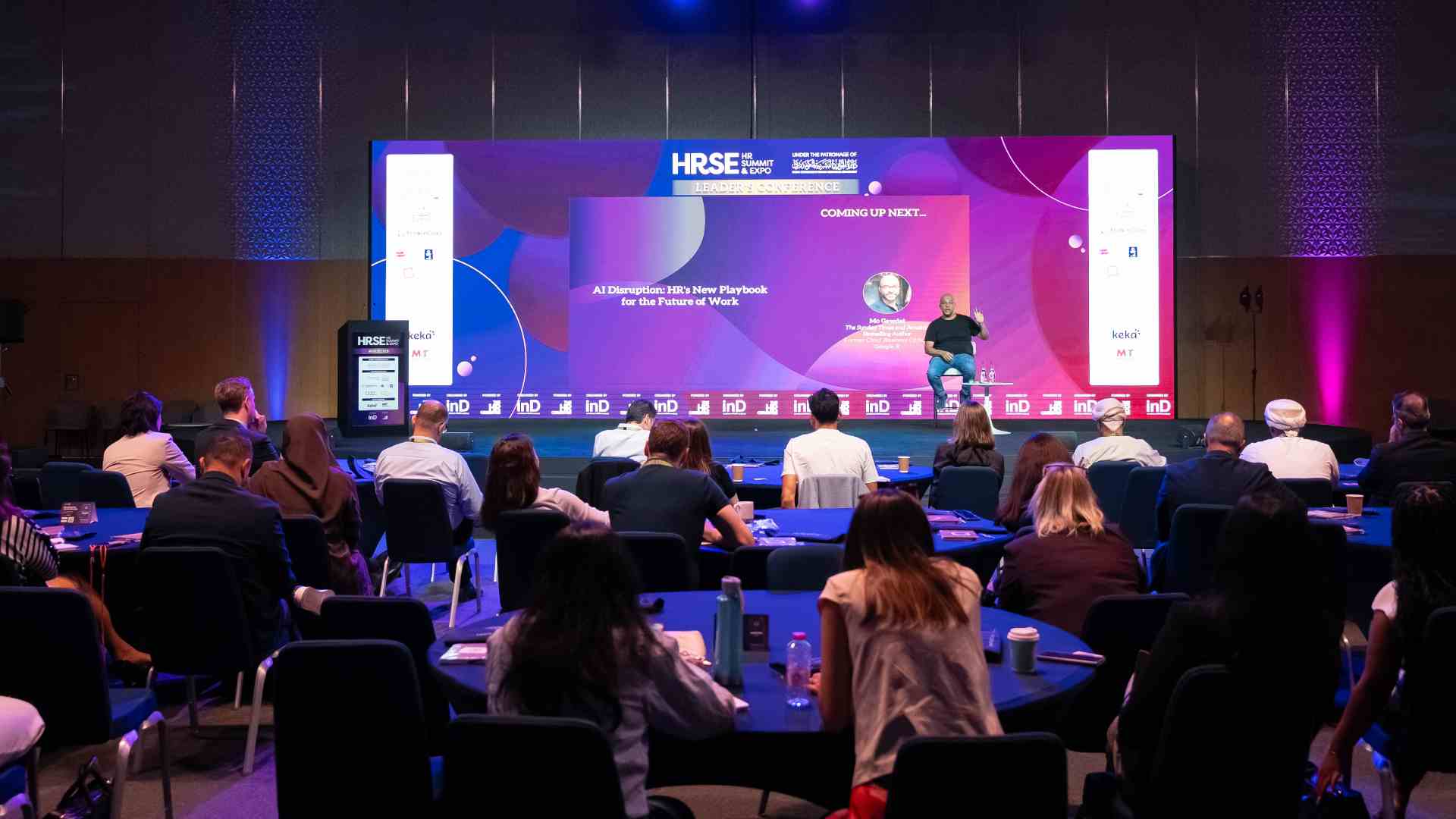
The HR Summit & Expo (HRSE Dubai), the largest and longest-running HR conference and exhibition in the Middle East and North Africa region, officially opened today under the patronage of the Dubai Government Human Resources Department (DGHR). The event brought together a distinguished group of HR leaders and experts from around the world to discuss the key trends shaping the future of work, particularly artificial intelligence, future skills, and modern workplace models, and their impact on attracting, developing, and empowering talent.
On its first day, the summit welcomed 3500 HR professionals from 35 countries, including 200 Chief Human Resources Officers (CHROs) and senior people leaders, following three days of certified workshops and specialized masterclasses held at the Conrad Dubai Hotel.
The event was officially opened by H.E. Abdullah Ali Bin Zayed Al Falasi, Director General of the Dubai Government Human Resources Department, while the HR Leaders Conference commenced with a keynote address delivered by H.E. Iman Bin Khatem, CEO of Policies and Programs at DGHR, who highlighted the importance of reimagining employee experience and advancing talent attraction and empowerment strategies to keep pace with the rapidly evolving world of work.
Commenting on the occasion, H.E. Abdullah Ali Bin Zayed Al Falasi, Director General of the Dubai Government Human Resources Department, said: “The HR Summit & Expo Dubai serves as a leading global platform for dialogue and knowledge exchange on the future of work, at a time when labour markets are undergoing rapid transformation driven by technology, artificial intelligence, and evolving skills requirements. In Dubai, we firmly believe that investing in human capital is the most valuable investment for achieving sustainable development and enhancing institutional competitiveness.” He added, “This summit aligns with Dubai’s vision of building a more agile and future-ready government workforce through empowering talent, fostering a culture of innovation, and leveraging emerging technologies to enhance employee experience and productivity. It also provides a valuable opportunity to explore international best practices and exchange expertise that contributes to preparing the next generation of leaders capable of driving change and shaping the future.”
Headlining the day, Mo Gawdat, bestselling author and former Chief Business Officer of Google X, took the HR Leaders Conference stage with “AI Disruption: HR’s New Playbook for the Future of Work”. He challenged HR leaders to move beyond managing the fallout of technological change and become the architects of how their organisations adapt to it. His keynote was followed by an exclusive Q&A with HRSE Conference Chair Charlie Swan.
Commenting on the session, Mo Gawdat, Bestselling Author & Former Chief Business Officer, Google X, said, “The question for HR is no longer whether AI will change work. It already has. The question is who shapes that change inside the organisation. When HR leaders sit down with their technology teams, ask what people need to learn next, and treat AI as a way to make everyone more capable, adoption stops being an IT project and becomes part of how the organisation works. The leaders in this room are in a position to decide which way that goes.”
The morning’s main stage programme stayed close to the challenges HR leaders are facing right now. The opening panel on the new mandate for CHROs brought together Jacob Jacob of Aster DM Healthcare, Milan Makwana of LetterOne, Noaman Minhas of Bukhatir Group, Rahul Vikram Singh of Zee Entertainment Enterprises and Sophie Massant of SSH Design, to discuss how HR earns board-level credibility by proving its contribution to business outcomes. A keynote from Daniele Galati of Indeed explored the shift towards skills-first hiring and what it means for the way organisations find and keep talent. The programme also emphasized on the human side of the workplace this morning, from supporting parents at every stage of their working lives, with the Abu Dhabi Early Childhood Authority and employers including Ethara, TAQA Transmission and Kraft Heinz, to building a cohesive workforce across generations, from Gen Alpha to Baby Boomers. In the afternoon, speakers from Al-Futtaim and Gulf Cryo turn to judging potential consistently and spotting the signs of resignation before employees leave.
Commenting on the day, Karim Bawani, Event Director, inD, said, “What we have seen on day one is a community that wants practical answers. The conversations on the stage and across the exhibition floor have been about AI, skills and how people want to work, and they are being led by people putting these ideas to work inside their own organisations. That is what HRSE Dubai embodies. Tomorrow goes further, with Stephen M.R. Covey on trust and a closing panel on what workforce strategy looks like towards 2030.”
On the exhibition floor, 70 exhibitors showcased HR technology, learning and talent solutions through live demonstrations, while AI-powered matchmaking connected delegates with pre-booked 1:1 meetings.
The Future Workplace Awards at the Conrad Hotel on Day 1 brings the region’s HR community together to celebrate organisations and individuals building people-first, future-ready workplaces. Shortlisted nominees compete across 20 award categories, from Best Future of Work Strategy and Best Nationalisation Strategy to CHRO of the Year and HR’s Rising Star of the Year, with winners chosen by a 20-member judging panel of senior HR leaders from the region. Shortlisted organisations include DMCC, Daman, Etisalat, Emirates NBD, Almarai, Zain Group and Abdul Latif Jameel Motors.
Day two of HRSE Dubai scheduled for October 15, at Za’abeel Hall 6, will see Stephen M.R. Covey, New York Times and #1 Wall Street Journal bestselling author, present “The Human Advantage: Building High-Trust Leaders in the Age of AI”, followed by an exclusive Q&A. Speaking on the event, he said, “AI will make organisations faster, but speed without trust only gets people to the wrong place sooner. Tomorrow, I want to show HR leaders how to build the kind of trust that lets teams use AI with confidence, share what they are learning and give their best work. Trust is a skill that can be learned and practised, and HR is the function best placed to help leaders do it.”
Paul McDonagh-Smith of MIT Sloan School of Management will introduce a framework for HR leaders to change work, workforce and workplace together as AI is adopted, and Natalie Wharton, Founder & CEO of Wharton Business Consulting, will explore what mergers can teach organisations about de-risking AI transformation.
The day will also look at what boards now expect from the GCC CHRO, in a fireside chat with Sarah Young of inD and Dr. Adrian Waite of The GCC CHRO Masterclass, and at strategic workforce planning for uncertain times in the opening panel. Parallel seminar stages will cover learning and talent development, people and culture, and technology and innovation, while the exhibition and AI-powered matchmaking continue. The programme closes with a panel on a 2030 transformation blueprint for HR and workforce strategy, bringing together leaders from Boehringer Ingelheim, Colgate-Palmolive, Red Sea Gateway Terminal, Al Ghurair and Galfar.
HRSE Dubai is supported by Platinum Sponsors CVing, Daman, FranklinCovey Middle East, Informa Connect Academy, the Parent-friendly Label by the Abu Dhabi Early Childhood Authority and Zoho; Gold Sponsors Keka and MIT Sloan Executive Education; and Awards Gold Sponsor Frazer Jones, with the ICF UAE Chapter as a Partner. HRSE Dubai is CPD-certified and powered by The HR Observer, offering insights from a global network of HR and talent experts.
Tech News
RISE Summit 2026 brings global investment leaders to Dubai as shifting capital flows reshape growth opportunities
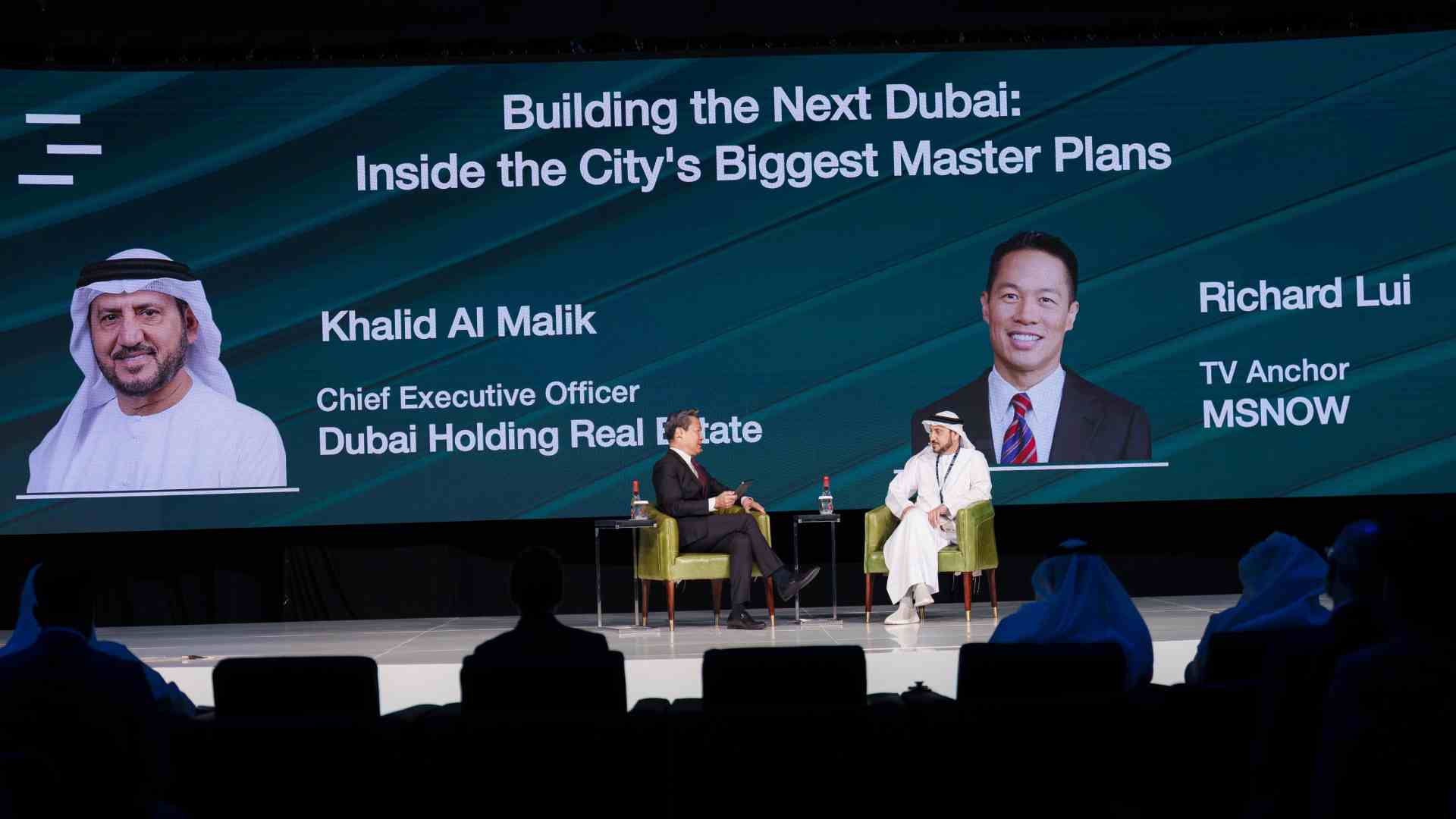
As geopolitical shifts, changing trade relationships and evolving financial conditions reshape the global economic landscape, RISE Summit 2026 brought together leading investors, policymakers, developers and industry decision-makers at Dubai World Trade Centre today to examine where capital is moving and where the next phase of global growth could emerge.
Held under the theme ‘Recharging Momentum in Global Economies,’ the Summit explored how changing investment priorities are influencing global markets, infrastructure, cities and real estate, alongside the future experience economy spanning hospitality, tourism and new models of urban growth.
The UAE’s broader economic transformation was also a central theme of the Summit. Speaking during ‘From Resilience to Opportunity in a Realigning World,’ H.E. Abdulla bin Touq Al Marri, UAE Minister of Economy and Tourism, highlighted the country’s focus on building a more productive economy.
His Excellency said: “When you ask about 2027, we’re not going to come back to the same economy. We’re going to have a different economy in 2027, a more productive economy.”
Global Leaders Series examines international forces sharping investment landscape
The Summit opened with its Global Leaders Series, examining the changing dynamics of international capital and the forces reshaping long-term investment decisions. In ‘The Great Capital Shift,’ José Manuel Barroso, Chairman of International Advisors at Goldman Sachs and former President of the European Commission, examined how geopolitical and economic realignment is changing perceptions of where capital can be deployed safely and productively, and which markets are emerging as beneficiaries of this shift.
This was followed by Ludovic Subran, Group Chief Investment Officer and Chief Economist at Allianz, who addressed the implications of the changing interest-rate environment for institutional investors in ‘Long-Term Capital in a Higher-Rate World’, including the evolving balance between fixed income, real estate, infrastructure and private markets.
Highlighting the need for investors to adapt to a rapidly evolving global landscape, Barroso said: “We are witnessing a fundamental change. This is not only geopolitical; it is also a scientific and technological revolution, and the way we allocate capital is going to change phenomenally. Long-term investors need to think strategically about what will change markets in the years ahead – energy, infrastructure, technology and defence. Don’t pay any price for growth, keep some liquidity and, above all, diversify – geographically and across sectors. For me, that is the key.”
On the Gulf’s position within shifting global capital flows, Barroso added: “Global competition is going to continue. The US will remain the central part of the world economy because of the pre-eminence of the dollar, its advances in innovation and science and its geopolitical power. At the same time, global investors will not want to be so heavily exposed to the US, so there will be diversification. The Gulf has been wise in keeping its options open, using its centrality to play an articulation role between new destinations for investment.”
Looking beyond the AI investment boom
Turning to the global growth outlook, Subran highlighted the increasing influence of AI investment on economic momentum, while warning of growing caution across the wider economy. With data-centre investment and AI-related capital expenditure continuing to underpin growth, he questioned what could emerge as the next major economic driver as the current cycle eventually begins to shift.
Subran said: “My main concern is whether the US can sustain the momentum we have seen so far with what is coming in 2027. Global trade is in recession this year if you take out AI, which shows how much the AI economy and data-centre capex are driving global and US growth. At some point that will inflect, and we need to understand what comes next. Outside AI, firms are already very cautious about the future and about making their next investment.”
Against this higher-rate backdrop, Subran also pointed to a changing role for real assets within institutional portfolios, as the boundaries between real estate, infrastructure and technology become increasingly blurred.
He added: “Real estate is really morphing into something much more complicated. The lines between real estate and infrastructure are getting blurred, particularly across logistics and warehousing, creating interesting opportunities for portfolio construction.”
Deepening global appeal through local strength
Dubai’s own development trajectory formed another major strand of discussion. Mohamed Alabbar, Founder and Managing Director of Emaar Properties, examined the role of long-term conviction in city-building and why major development can continue through changing market cycles, while H.E. Issam Kazim, CEO of Dubai Corporation for Tourism and Commerce Marketing (DTCM) explored the economic architecture underpinning Dubai’s resilience and the next phase of growth under the D33 Economic Agenda.
Pointing to Dubai’s established strengths across multiple sectors, Kazim highlighted how the D33 agenda is building on existing foundations to deepen the city’s appeal to international businesses and investors, supported by its connectivity to global markets.
Kazim said: “When we started our D33 strategy, we focused on industries including logistics, manufacturing, financial services and tourism. None of these were new industries for us; we were already strong in them, but perhaps we were not as vocal about them. Today, we are doubling down on those strengths. Companies establish their regional headquarters in Dubai not simply for the four million residents here, but because of the global population and markets they can reach from Dubai.”
Tourism remains central to this proposition, with Kazim emphasising the value of attracting visitors who develop a lasting relationship with the city and become advocates for Dubai beyond their initial stay.
He added: “For me, the biggest value is quality rather than quantity. The quality visitors who come to Dubai become genuine advocates of the city because they understand the value Dubai adds. Around 25% of our visitors are repeat visitors within 12 months. That is a significant number, and it demonstrates the kind of relationship people develop with Dubai after experiencing the city.”
Beyond the macroeconomic outlook, RISE Summit examined how changing investment priorities are translating into opportunities across the built environment and the infrastructure needed to support future economic growth.
Across the programme, RISE Summit 2026 highlighted a changing investment environment in which capital remains available, but investors are becoming increasingly selective about markets, assets and partnerships. Discussions heard by over 500 delegates pointed to economic resilience, infrastructure capacity, regulatory clarity and access to long-term growth as increasingly important factors shaping global investment decisions.
By connecting institutional investors, sovereign capital, private equity, family offices, policymakers, developers and project owners, RISE Summit provides a platform for senior decision-makers to examine how global economic change is translating into new opportunities across markets, infrastructure, cities and real estate.
Tech News
ParamountAssure calls for stronger OT security to protect essential services at CYSEC UAE 2026
ParamountAssure, a UAE-headquartered cybersecurity company, will highlight operational technology (OT) security at CYSEC UAE 2026 on 22 October 2026 at Rosewood Abu Dhabi on Al Maryah Island. The company will focus on securing the physical operations behind essential services as the UAE advances digital transformation and the technology and productivity priorities of UAE Centennial 2071.
Earlier in 2026, the UAE Cybersecurity Council reported 90,000 to 200,000 daily breach attempts against UAE infrastructure. Against this wider threat backdrop, Paramount will highlight risks to OT, the hardware and software that monitor or control physical equipment and processes across energy, utilities, manufacturing and transport. While information technology (IT) security commonly protects information and business applications, OT security also addresses potential physical consequences. Disruption could interrupt services, damage equipment, or create safety risks.
A cyber incident in an OT environment could alter equipment instructions or distort the readings operators rely on. For example, manipulated tank-level readings at a refinery could cause a pump to overfill a tank, and if safety systems were also compromised, that could lead to a spill or fire. Severe disruption at a major refinery could affect national fuel supplies and ripple into international energy markets.
Premchand Kurup, CEO of ParamountAssure, said: “Industrial modernisation is bringing business networks and operational systems closer together, making cybersecurity a shared responsibility across IT and operational teams. At CYSEC UAE 2026, ParamountAssure aims to help leaders understand how risks can move between these environments and make OT security part of infrastructure investment and operating decisions. As the UAE advances its digital development, protecting the systems behind essential services must remain central to building the dependable infrastructure that supports national progress.”
The UAE Cybersecurity Council’s work on cyber defence and critical infrastructure protection underlines the need to include security in industrial investment. Connectivity and remote access can expose industrial systems when inadequately secured. Paramount helps organisations protect and manage security across IT and OT environments, including their connections. Reflecting the event’s theme, Cyber Leadership: Powering the Vision of a Smart and Secure Nation, Paramount will emphasise that digital progress depends on protecting the systems behind physical services.
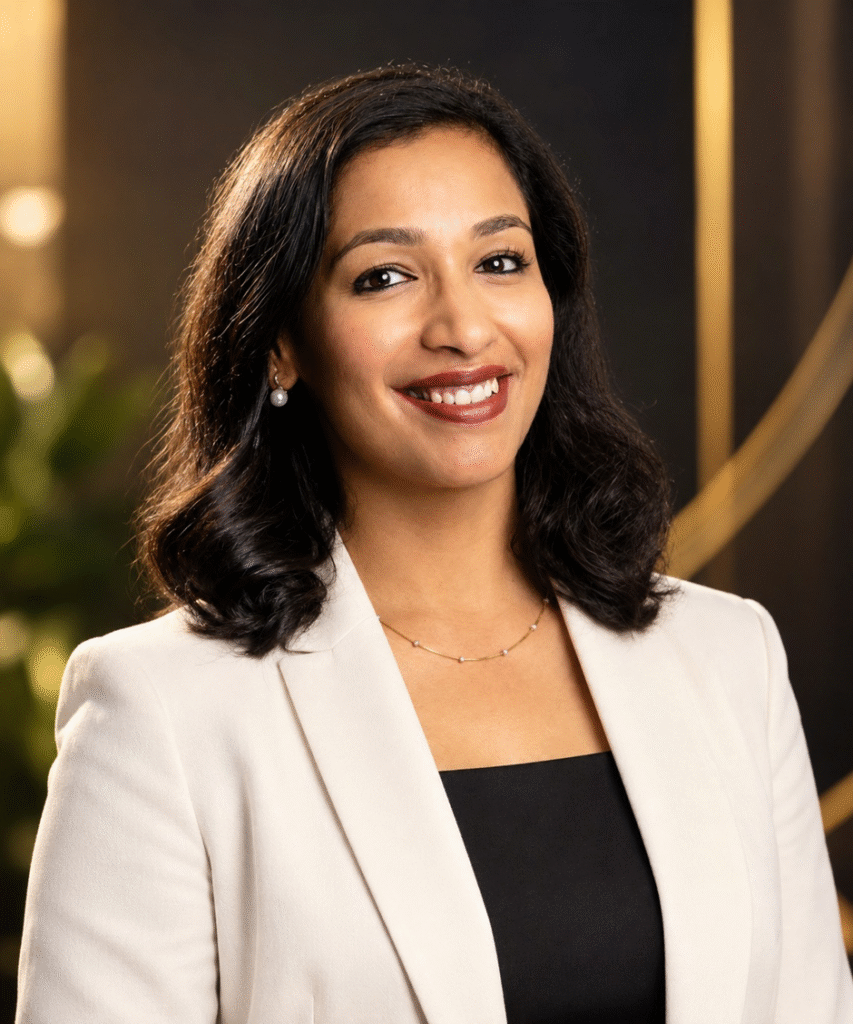
Divya Raj, Business Unit Head – Critical Infrastructure Security (OT & IoT), ParamountAssure, will join the panel on ‘Protecting the Backbone: OT, ICS and Critical National Infrastructure Security’. She will discuss evolving cybersecurity challenges in essential industrial environments that form the operational core of the UAE’s Vision 2071 economy, such as energy, water, ports, and utilities, and how to protect these systems against today’s threat landscape.
Divya Raj, Business Unit Head – Critical Infrastructure Security (OT & IoT), ParamountAssure, said: “Effective OT security starts with understanding how the process operates and what happens if a system is interrupted or behaves unexpectedly. A change intended to improve security must be assessed for its effect on reliability and safety. Security teams need to work with the people running the equipment, so protection and response decisions reflect the operational conditions.”
Attendees can meet ParamountAssure’s experts at their stand to discuss protecting their IT and OT environments and managing risks where these systems connect. For further information, visit www.paramountassure.com.
Tech News
In conjunction with Cybersecurity Awareness Month Dubai Media Academy launches Cybersecurity Media Forum in collaboration with Dubai Electronic Security Center
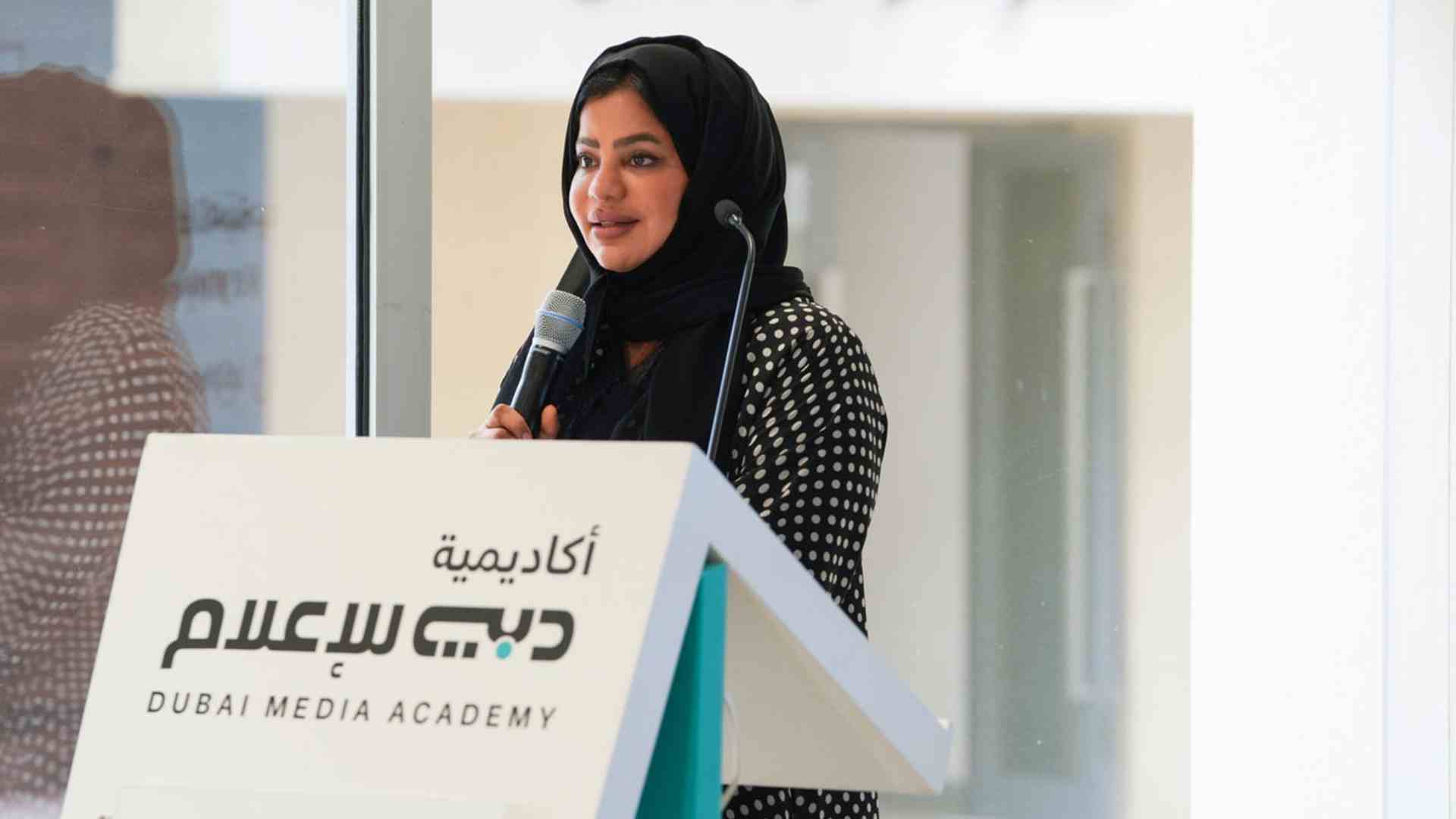
Dubai Media Academy, part of Dubai Media Incorporated (DMI), in partnership with the Dubai Electronic Security Center (DESC), organised the Cybersecurity Media Forum, as part of the two entities’ strategic collaboration and in support of the ‘Don’t Get Played’ campaign, held in conjunction with Cybersecurity Awareness Month.
The forum, held at DMI’s headquarters, seeks to strengthen awareness among media professionals by examining emerging digital threats, highlighting vulnerabilities in an increasingly connected environment, and exploring practical measures to prevent cyberattacks, safeguard information and promote responsible online behaviour.
Muna Busamra, Director of Dubai Media Academy, inaugurated the forum with a welcome address, followed by a speech from Dr Bushra Al Blooshi, Director of Cybersecurity Governance Risk Management Department at DESC. Both speakers emphasised the importance of enhancing cybersecurity awareness and fostering institutional collaboration to address the evolving challenges of the digital landscape.
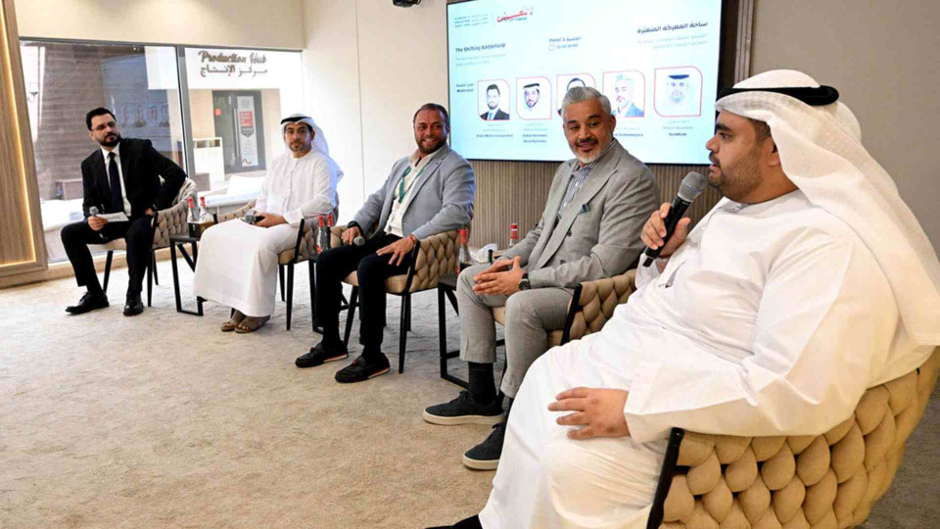
The forum brought together prominent cybersecurity and media specialists, alongside representatives from various government entities and leading international companies. Its agenda featured three key sessions exploring major cybersecurity challenges and examining how awareness initiatives and the media can help tackle them.
The opening session, ‘The Shifting Battlefield,’ moderated by media professional Osama Khamayseh, explored the topic ‘The Evolving Cyber Threat Landscape: Global and Regional Risks.’ Discussions examined the changing nature of cyber threats, the evolution of attack techniques and targeting strategies, and the increasingly complex cybersecurity challenges faced by countries worldwide.
The second session, ‘Weakest Link or Strongest Shield?,’ moderated by media professional Maitha Ebrahim, focused on the theme ‘The Human Factor: People as the First Line of Defence.’ Experts discussed the role of cybersecurity awareness and responsible human behaviour in mitigating risks, the importance of individual vigilance in safeguarding institutions and data, and the techniques commonly used by cyber attackers to exploit human vulnerabilities.
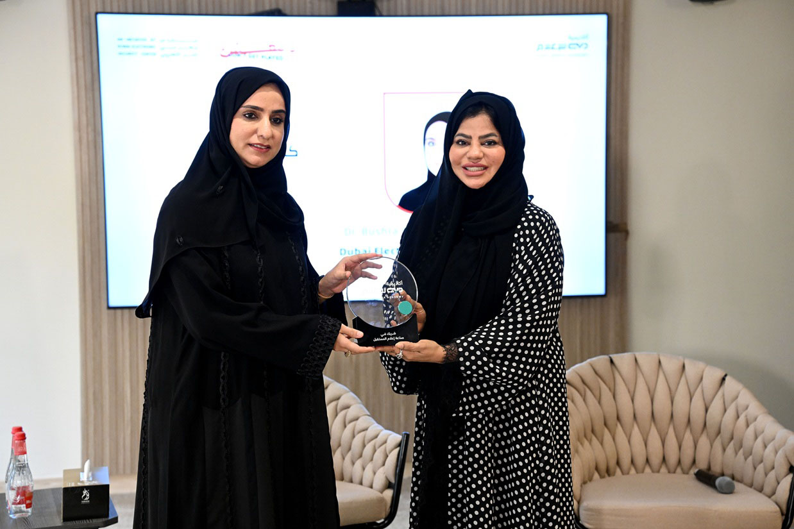
The final session, ‘Cyber-Smart at Every Age,’ moderated by Asem Galal, Advisor at Dubai Media Academy, witnessed discussions on the topic ‘Towards a Collaborative Strategy for Cybersecurity Awareness: Reaching Every Generation Through Government, Academia and Media.’ The session highlighted the need for a comprehensive cybersecurity awareness framework tailored to different age groups and emphasised stronger collaboration among government entities, academic institutions and media organisations.
The forum covered practical cybersecurity issues, including online fraud, social engineering, digital risk protection, cybersecurity incident response and the secure handling of information and data. Discussions also examined the media’s role in raising public awareness, encouraging safer online practices and addressing misinformation and the spread of unreliable content.
The forum featured the participation of leading global and specialised cybersecurity and technology companies, including Proofpoint, Kaspersky, Dell Technologies, CyberKnight, Cisco and Techfirm, alongside other industry experts and organisations. Participants exchanged practical expertise and insights into major cybersecurity challenges, latest methods for identifying digital threats and effective approaches to incident response and risk mitigation.
Muna Busamra, Director of Dubai Media Academy, stated that the organisation of the Cybersecurity Media Forum underscores the Academy’s commitment to responding to the rapid transformations in the media landscape and addressing the challenges posed by the complex digital environment. She emphasised that cybersecurity awareness among media professionals has become a necessity amid the escalating digital threats and the growing sophistication of online fraud and cyberattacks.
Busamra further noted that the strategic partnership with the Dubai Electronic Security Center and the joint efforts under the ‘Don’t Get Played’ campaign showcase the importance of closer coordination between media and cybersecurity institutions. She said such collaborations equip media professionals with the knowledge and tools to recognise digital threats and respond to them responsibly and professionally, while strengthening their role in promoting public awareness and encouraging safer digital practices across society.
Busamra added that the Academy remains committed to identifying emerging challenges shaping the future of the media industry and addressing them through specialised programs and forums that keep pace with the sector’s ongoing transformation. She highlighted that equipping media professionals with the necessary skills goes beyond editorial and production expertise to include an understanding of technological advancements and related risks, thus enhancing their professional preparedness and ability to adapt to the evolving digital media landscape.
Dr Bushra Al Blooshi, Executive Director of Cybersecurity Governance Risk Management Department at DESC, said: “The media plays a pivotal role in building public awareness, particularly as online fraud, social engineering and misinformation continue to evolve. Through the “Don’t Get Played” campaign, we are encouraging people to pause and verify before engaging with suspicious content or requests. Media professionals are important partners in carrying this message forward in a credible and impactful way, and in helping foster safer digital behaviour across society.”
She added: “The Dubai Electronic Security Center continues to support Dubai’s secure digital transformation by developing frameworks, policies and initiatives that strengthen cyber readiness, build capabilities and raise awareness of digital risks. We believe that building a secure cyberspace requires collective efforts across government, the private sector, media institutions and individuals, supporting Dubai’s position as a secure, resilient and future-ready digital city.”
The forum reflects Dubai Media Academy’s steadfast commitment to tackling emerging digital challenges and providing media professionals with the skills and knowledge needed to navigate an evolving technological environment. It also supports efforts to promote safer online practices and reinforce Dubai’s position as a premier global centre for media, technology and innovation. This underscores the emirate’s focus on accelerating digital transformation and preparing its institutions and workforce for future demands.


RISE Summit 2026 brings global investment leaders to Dubai as shifting capital flows reshape growth opportunities
ParamountAssure calls for stronger OT security to protect essential services at CYSEC UAE 2026

Opening of HR Summit & Expo 2026 Under the Patronage of the Dubai Government Human Resources Department



-

 Trending12 months ago
OPPO A6 Pro 5G Review: Reliable Daily Driver
-

 Tech News2 years ago
Denodo Bolsters Executive Team by Hiring Christophe Culine as its Chief Revenue Officer
-
 VAR1 year ago
Microsoft Launches New Surface Copilot+ PCs for Business
-

 Automotive2 years ago
AGMC Launches the RIDDARA RD6 High Performance Fully Electric 4×4 Pickup
-
Tech Interviews3 years ago
Navigating the Cybersecurity Landscape in Hybrid Work Environments
-

 Hospitality2 years ago
Gulfood 2025 30th Edition Kicks Off Today, Setting New Benchmarks in F&B Growth and Innovation
-

 Tech News1 year ago
Nothing Launches flagship Nothing Phone (3) and Headphone (1) in theme with the Iconic Museum of the Future in Dubai
-

 VAR2 years ago
Samsung Galaxy Z Fold6 vs Google Pixel 9 Pro Fold: Clash Of The Folding Phenoms